
How Do I Budget an Imaging Center (MRI/CT) Buildout?
 Curated byKory White · Fractional CRO · Maryland
 PULSEKNOWLEDGE LIBRARY
Budget an imaging center buildout at $200–$450 per square foot — the priciest medical fit-out — because every modality needs shielding. An MRI's RF/magnetic cage runs $80,000–$250,000; CT lead shielding $30,000–$120,000. For a 6,000–12,000 sq ft center, plan $1.5M–$5M hard cost plus $300K–$3M equipment, with a 15–20% contingency.
Why imaging is the most expensive medical buildout
Imaging centers carry costs no other medical use does, and nearly all of them trace back to physics. An MRI generates an intense static magnetic field, so the room requires a radiofrequency (RF) shield — a welded or clip-together copper or galvanized-steel enclosure that blocks outside radio interference from corrupting the image — plus, on many sites, passive or active magnetic shielding to keep the field from spilling into adjacent spaces. The magnet is enormous and heavy, so the slab often needs reinforcement, and the cryogen quench vent (the emergency pipe that safely releases helium gas if the magnet quenches) must run to the exterior at a code-compliant diameter. Inside the magnet room, floors, doors, and even HVAC ductwork must be non-ferrous, which raises material cost across every trade.
CT and X-ray swap magnetic concerns for ionizing radiation, so the cost driver becomes lead shielding. A medical physicist calculates the required barrier thickness — typically 1/16-inch to 1/4-inch lead equivalent — from projected workload and the occupancy on the far side of each wall, and you then line walls, doors, and view windows accordingly. Lead-lined drywall, lead glass, and lead-core doors are heavy and expensive to fabricate and hang.
Both modalities also demand robust, conditioned electrical service and precision HVAC with tight temperature and humidity control, because the machines reject heat continuously. Add a dedicated chiller for MRI cooling in the $40,000–$120,000 range, and the per-foot number climbs well past any ordinary clinic. The single most important cost lever is choosing space that already fits the physics — a ground-floor slab with a clear magnet-delivery path — because retrofitting an unsuitable space is where six-figure surprises live.
Building the line-item budget from the ground up
A credible imaging budget starts as a line-item breakdown of every system, not a single blended per-foot number. Take a representative two-modality center — one MRI plus one CT, roughly 8,000 square feet, on grade in second-generation medical space. Account for each component separately so nothing hides:
- General conditions / supervision: $100,000–$200,000 (about 7–10% of hard cost).
- Demolition and structural prep: $5–$12 per sq ft, or $40,000–$96,000.
- RF + magnetic shielding (MRI): $80,000–$250,000.
- Lead radiation shielding (CT/X-ray): $30,000–$120,000.
- Structural reinforcement: $0 on grade, up to $200,000 on an upper floor.
- Framing, drywall, finishes: $30–$55 per sq ft, or $240,000–$440,000.
- HVAC, precision cooling, chiller: $150,000–$400,000.
- Electrical, dedicated transformers, conditioned power: $150,000–$400,000.
- Quench vent, plumbing, specialty finishes: $60,000–$150,000.
- Permits, physicist report, design, engineering: $80,000–$200,000.
That totals roughly $1,300,000–$3,000,000 of hard cost, or about $160–$375 per square foot, before a single machine arrives. Equipment is a giant separate line: a new 1.5T MRI runs $1,000,000–$1,500,000 and a new 64-slice CT runs $300,000–$700,000, while quality refurbished units cut those figures 30–50%. Finance equipment on its own term, apart from the construction loan, and hold a 15–20% contingency — shielding rework and repeat physics surveys are common, not exceptional.
Structural, delivery, and slab realities
Floor loading is the quiet budget killer that catches owners after the lease is signed. An MRI magnet weighs roughly 5,000–10,000 pounds, and the magnet-room slab must support on the order of 150–200 pounds per square foot, versus the 40–50 pounds per square foot a typical office floor is designed for. On grade, a standard slab usually carries the load with little or no work. On a second floor, above a basement, or over a parking structure, expect $15,000–$50,000 (and sometimes far more) for steel beam reinforcement, supplemental concrete, or new columns. Always get a licensed structural engineer's letter confirming capacity before you sign — not after.
Delivery access is the companion trap. The magnet is a single indivisible object that will not fit through a standard door or ride a normal elevator. You need a documented delivery path: doorways wide enough or a knock-out wall panel, plus either grade-level access or a route a crane can reach to hoist the magnet in. A landlord who hands you an upper-floor suite with no viable magnet path has effectively handed you a $50,000–$200,000 problem — crane rental, temporary structural work, and rigging — that simply does not exist on a ground-floor grade slab.
Make both slab capacity and delivery access explicit lease conditions, with the landlord responsible for any base-building structural shortfall. The sequencing detail that trips up first-time owners: the magnet has to go in before the RF enclosure is sealed. Once the copper cage is closed, you cannot get the magnet through it. Coordinate magnet delivery, structural work, and shielding installation as one interlocked schedule, because a missed sequence can force you to reopen a finished shielded room — the most expensive kind of rework there is.
Shielding, fringe fields, and the physicist's report
Shielding is where imaging construction earns its reputation, and it comes in two flavors that must not be confused. RF and magnetic shielding protect the MRI image and contain its field; lead shielding protects people from CT and X-ray radiation. Both are engineered, tested, and signed off by a licensed medical physicist — you do not eyeball this work or take a contractor's word that it passed.
An MRI's magnetic field extends well beyond the scanner itself, and the 5-gauss line — the boundary beyond which the field is considered safe for the general public and pacemakers — cannot cross into uncontrolled space or a neighboring tenant's suite. If your room cannot contain the fringe field within your own controlled area, you have two options, both costly: add active or passive magnetic shielding, or move the magnet to a different room. Discovering post-lease that the field will fringe into the pharmacy next door is a genuine catastrophe, which is exactly why a physicist should evaluate the candidate space before you sign.
For CT, the physicist produces a shielding barrier report that specifies lead-equivalent thickness for every wall, floor, ceiling, door, and window, based on the machine's projected workload and who occupies the adjacent spaces. You then hold 10% retainage on the shielding scope until the physicist's post-construction survey confirms the built barriers meet the design — never release payment on shielding a physicist has not signed off on. Budget $80,000–$200,000 across permits, the pre- and post-construction physics surveys, radiation-machine registration ($500–$2,000 per modality annually), and specialty items like the non-magnetic clean-agent fire suppression an MRI suite requires because ordinary sprinkler hardware cannot live near the magnet ($20,000–$50,000).
Lease traps and choosing the right contractor
Two lease clauses matter more than any rent number. First, the tenant-improvement (TI) allowance mismatch: a landlord's typical $50–$75 per square foot against a $200–$450 per square foot job is a rounding error. Negotiate up toward $80–$150 per square foot on a long 10–15 year term, paid as reimbursement against invoices, and refuse to silently amortize the balance into rent at the landlord's 8–10% without pricing it — financing dressed as a concession is still financing. Second, the roof penetration: the quench vent must pierce the landlord's roof, so get written landlord consent for roof penetration and exterior venting in the lease itself, before construction, so you are never renegotiating that from a weak mid-build position.
On the build side, treat RF shielding, lead shielding, and quench venting as specialty subcontractor scopes and vet the general contractor hard. Bid three GCs with genuine imaging-center experience, demand a fixed-price (stipulated sum) contract rather than cost-plus, cap change-order markup at 10–15%, and hold 10% retainage until the physicist's post-construction survey passes. A generalist contractor who has never coordinated a magnet delivery or a lead-lined door frame will miss critical details and bury them in change orders.
Timeline, cash flow, and the operating costs owners forget
An imaging center runs 20–36 weeks of construction after permits — the longest of the medical fit-outs — because shielding, structural work, magnet delivery, ramp-up, and the physicist's pre- and post-construction surveys all sit on the critical path. Ahead of that, regulated states may require a Certificate of Need (2–12 months), and equipment lead times can stretch 12–24 weeks for a new MRI. Every dark week costs money: an 8,000 square foot suite at $36 per square foot annual rent burns roughly $5,500 a week before you scan a single patient, so negotiate a 6–10 month rent-free buildout window and keep 15–20% liquid contingency outside the construction loan for shielding re-tests and the physics punch list.
The costs that most surprise new owners are operational, not capital. Service contracts for MRI and CT scanners run $50,000–$120,000 per year per machine for basic coverage that often excludes major components. A single CT X-ray tube replacement costs $60,000–$120,000 and can be needed every two to four years. An MRI magnet boils off roughly 1–3 liters of liquid helium per day, adding $3,000–$8,000 per year in cryogen refills. Insurance for imaging centers typically runs two to three times a general medical office — plan $15,000–$40,000 per year across property, equipment breakdown, and professional liability — because of equipment value and exposure.
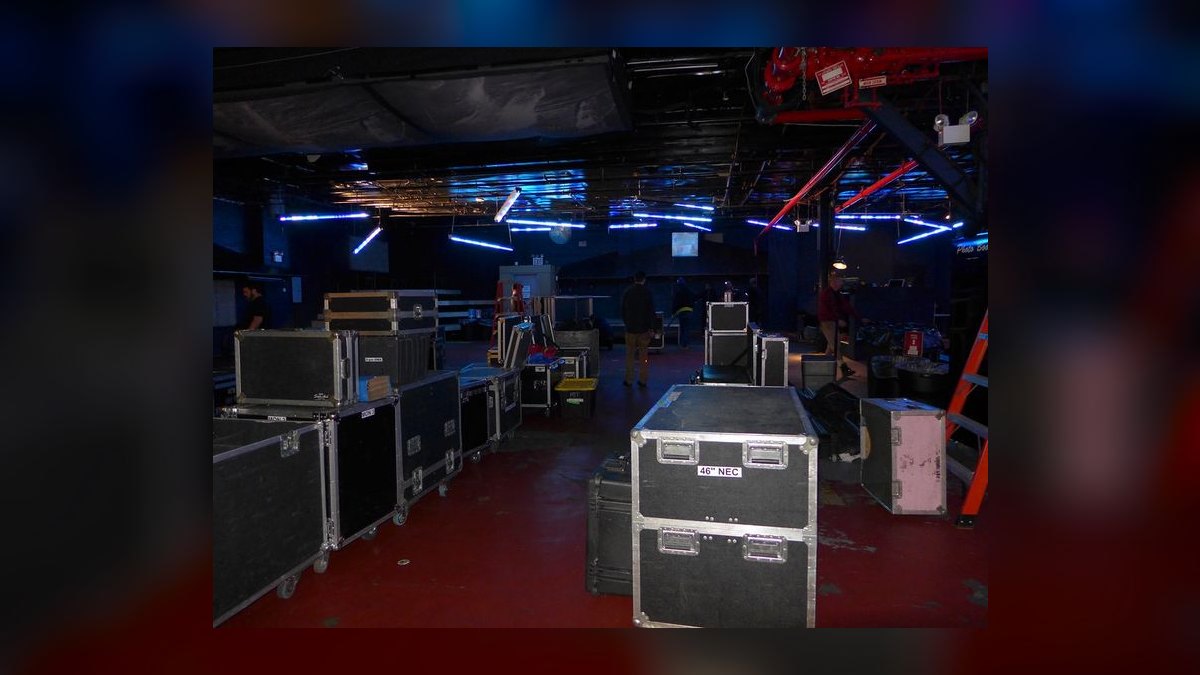
One way to compress both timeline and budget is to retrofit a space that was previously an imaging suite. If the shielding, slab, and heavy power are already in place and still meet current codes, retrofitting can save 15–30% versus new construction. You will still update equipment, flooring, HVAC, and any code deltas, and you must have a physicist confirm the existing shielding still passes for your machine and workload — inherited shielding is a head start, never a guarantee.
Related questions
How do I budget an ambulatory surgery center buildout?
Ambulatory surgery centers typically run $150–$350 per square foot, driven by clean-room-grade HVAC, redundant backup power, medical gas, and infection-control finishes. Equipment and sterilization add substantially. Plan a 10–15% contingency and confirm state licensing and Medicare certification requirements before signing a lease.
How do I budget a dialysis or infusion center buildout?
Dialysis centers run roughly $120–$250 per square foot, with the biggest line items being water treatment and reverse-osmosis systems, reinforced flooring for stations, and specialized plumbing for concentrate and drainage. Infusion suites cost less but still need clean electrical and careful HVAC.
How do I budget a data center or colocation buildout?
Data centers range from $300–$800 per square foot, dominated by redundant power, uninterruptible power supplies, generators, and precision cooling rather than finishes. Power density (kW per rack) drives nearly everything, so size the electrical and mechanical infrastructure to the target density first.
How much does the MRI or CT machine itself cost?
A new 1.5T MRI runs $1,000,000–$1,500,000 and a new 64-slice CT runs $300,000–$700,000. Quality refurbished units cut 30–50% but require careful vendor vetting, warranty review, and a service-contract quote before purchase, since support and parts drive lifetime cost.
FAQ
What is the typical cost range per square foot for an imaging center buildout? Most imaging buildouts land between $200 and $450 per square foot for hard cost, before equipment. The wide range reflects the number and type of MRI or CT units, shielding requirements, whether the space is on grade, and local construction pricing.
Why is imaging construction so much more expensive than other medical buildouts? The dominant driver is shielding — RF and magnetic containment for MRI, lead-lined walls, doors, and windows for CT and X-ray — along with slab reinforcement, precision cooling, and conditioned power. Shielding and its structural support can account for a large share of total construction cost.
How long does an imaging center buildout take? Expect 20–36 weeks of construction after permits, and 12–18 months from lease signing to patient-ready once you add permitting, a possible Certificate of Need, physicist surveys, and equipment lead times. Shielding and magnet delivery sit squarely on the critical path.
What are the biggest hidden costs I should plan for? Beyond construction, budget for equipment installation and calibration, non-magnetic fire suppression, backup generation, ongoing helium cryogen refills, CT tube replacements, and service contracts of $50,000–$120,000 per machine per year. Hold a 15–20% contingency for shielding rework and repeat physics tests.
Can I save money by retrofitting a former imaging suite? Yes. If existing shielding, slab capacity, and heavy power still meet current codes, retrofitting can save 15–30% versus new construction. You will still update equipment, HVAC, and finishes, and a medical physicist must confirm the inherited shielding passes for your specific machine and workload.
Do I need a contractor with imaging-specific experience? Absolutely. RF shielding, lead shielding, quench venting, and magnet delivery are specialty scopes a generalist GC will mishandle. Bid three imaging-experienced contractors on a fixed-price basis, cap change-order markup, and hold retainage until the physicist's post-construction survey passes.
Sources
- American College of Radiology (ACR) — Facility design and equipment siting guidance: https://www.acr.org
- Facility Guidelines Institute (FGI) — Guidelines for Design and Construction: https://fgiguidelines.org
- National Council on Radiation Protection & Measurements (NCRP) — Report No. 147, structural shielding design: https://ncrponline.org
- U.S. Nuclear Regulatory Commission — Medical uses of radioactive material licensing: https://www.nrc.gov
- Gordian / RSMeans — Building construction cost data, healthcare occupancy: https://www.gordian.com
- CBRE — U.S. healthcare real estate research and insights: https://www.cbre.com
- JLL — Healthcare and life sciences real estate research: https://www.jll.com
- Cushman & Wakefield — Healthcare and specialty medical real estate: https://www.cushmanwakefield.com
- NAIOP — Commercial real estate development research and benchmarks: https://www.naiop.org
Related on PULSE
- [How Do I Budget an Ambulatory Surgery Center Buildout?](/knowledge/bo0219)
- [How Do I Budget a Family Entertainment Center or Mini-Golf Buildout?](/knowledge/bo0204)
- [How Do I Budget a Call Center or BPO Office Buildout?](/knowledge/bo0191)
- [How Do I Budget a Dialysis or Infusion Center Buildout?](/knowledge/bo0217)
- [How Do I Budget a Garden Center or Nursery Buildout?](/knowledge/bo0202)
- [How Do I Budget a Data Center or Colocation Buildout?](/knowledge/bo0195)
This page will be disappearing soon. Save it to your device for $1 — or read it free while it is here.
@Kory-White- · if Venmo asks, the last 4 of my number are 2012
 buildoutsHow Do I Budget a Cold Storage Warehouse Buildout?
 buildoutsHow Do I Budget an Escape Room Buildout?
 buildoutsHow Do I Budget an Orthodontics or Oral-Surgery Office Buildout?
 buildoutsHow Do I Negotiate a Lease and Buildout for an Axe-Throwing Venue?
 buildoutsHow Do I Budget a Car Wash Site Buildout?
 buildoutsHow Do I Budget a Coffee Roastery Buildout?
 buildoutsHow Do I Budget a Physical Therapy Clinic Buildout?
 buildoutsHow Do I Budget an Industrial Laundry Buildout?
 buildoutsHow Do I Budget a Bookstore-Cafe Buildout?
 buildoutsHow Do I Budget a Church or Worship Space Buildout?