


How do I terminate a lease early if the landlord fails to deliver the buildout as promised in 2027?
Quality
Certified

You can terminate early only if your lease ties rent commencement to buildout completion or grants a landlord-default termination right. Send a written notice of default citing the exact clause, allow the stated cure period (typically 10–30 days), and if the landlord fails, exercise your termination right. Without that language, you must negotiate or litigate.
Why the commencement trigger decides everything
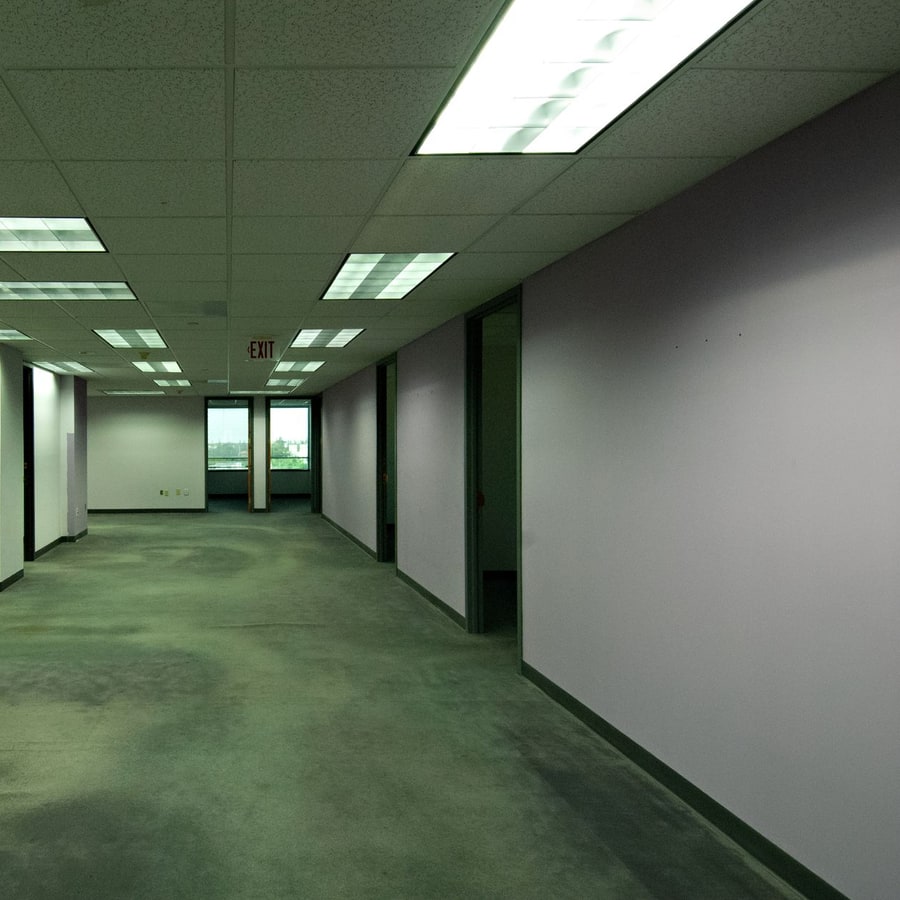
The entire fight over an early exit for a failed buildout comes down to one question: when does rent legally start? In most commercial leases, rent commences on a fixed calendar date — say, 90 days after lease execution — regardless of whether the space is finished. Under that structure, you owe rent on a dirt floor with exposed conduit, and the landlord's slow buildout is your problem, not theirs.
The alternative, and the only real protection, is a conditional commencement clause that delays both the rent obligation and the lease term until the landlord delivers the premises "substantially complete" per the approved plans. When rent hasn't started, a stalled buildout costs the landlord money instead of you, which flips the leverage entirely. Practitioners negotiate this before signing, because retrofitting protection after the fact is nearly impossible.

A well-drafted clause defines three things precisely: the substantial completion standard (for example, a certificate of occupancy issued, base-building systems operational, and tenant improvements complete per Exhibit A); a longstop or outside date — a hard deadline after which consequences trigger; and the remedy if the landlord blows the longstop, which should escalate from rent abatement to an outright termination right. If your lease contains this clause and the landlord missed the longstop, your path is clean: cite the section, demand cure, and walk if they fail. Everything below assumes you are trying to reconstruct leverage you didn't lock in up front.
Reading your landlord default provision the way a court will
Almost every commercial lease has a landlord default section, but landlords draft it to be narrow and hard to trigger. Before you do anything, read it literally and assume a judge will too. Three restrictions typically appear and each one can sink a termination attempt.

First, no default exists until formal written notice is delivered and the cure period expires — commonly 30 days for a non-emergency issue like a construction delay, sometimes 60 to 90 if the delay is tied to material shortages or force majeure. Sending an angry email does not start the clock; the notice must follow the lease's exact delivery method and address. Second, the default must usually be "material," and a buildout delay may not qualify as material unless the lease explicitly ties delivery to your rent obligation. Third, and most damaging, many leases grant no termination remedy at all — they give you only rent abatement or a self-help right to finish the work, meaning you can recover money or complete the space, but you cannot legally walk away.
The practical consequence: read the remedy language before you read anything else. If the default section says "Tenant's sole and exclusive remedy shall be rent abatement," you have no termination right no matter how badly the landlord performed, and any exit has to come from negotiation or a separate legal theory. Do not send a termination notice under a clause that only permits abatement — you would be creating your own default and handing the landlord grounds to keep your deposit and sue for the balance of the term.
Running the notice-and-cure process without creating your own default
If your lease does give you a termination right, the mechanics have to be exact, because a botched notice is worse than no notice — it can convert you from the aggrieved party into the breaching one. The sequence practitioners follow is deliberate and slow on purpose.

Start by drafting a written notice of default that names the specific lease section, describes the failure factually (missed the substantial-completion date of [date]; premises remain [described condition]), and demands cure within the exact period the lease specifies. Send it by certified mail with return receipt to the notice address in the lease, and back it up by email and courier — belt and suspenders, because the landlord will later claim they never received it. Keep the green card and every delivery confirmation.
Then wait out the full cure period. Do not shortcut it, do not stop paying rent during it unless the lease expressly permits abatement, and do not vacate. If the landlord cures — even at the last hour — you are obligated to stay; a completed buildout kills your termination right. If the cure period expires with the space still undelivered, send a second notice electing to terminate, again citing the section, stating the effective termination date, and confirming your intent to surrender possession. The flowchart below maps the full decision tree from failed delivery through the branch where the lease gives you no termination right at all.
Throughout, treat every step as evidence you may have to defend in front of an arbitrator. The point of the ceremony is not politeness — it is proving, later, that you gave the landlord every contractual chance and they still failed.
Self-help: finishing the buildout and deducting from rent

When the lease bars termination but grants self-help, you may be better off than a tenant who can only walk away. Self-help lets you complete the buildout yourself and deduct reasonable costs from future rent, which gets you the space you actually need without surrendering the deal or litigating. It works best when the landlord got the buildout partly done and simply stalled on the final portion.
The process is procedural and unforgiving of shortcuts. You typically must send written notice, allow the cure period to lapse, then submit a cost estimate to the landlord before starting work — skipping any step can turn your deduction into an unauthorized rent shortfall the landlord treats as nonpayment. You may only recover "reasonable" market-rate costs built to the approved plans; you cannot gold-plate finishes and bill the landlord. Require your contractor to provide lien waivers so the landlord doesn't get hit with a mechanic's lien that later becomes your headache. And deduct from rent, not from the security deposit — those are governed by separate lease provisions and separate recovery limits.
The economics decide whether self-help makes sense. If the space is a bare shell and the landlord did zero work, you would have to front the entire buildout cost — often $40 to $150+ per square foot depending on market and use — and then recoup it slowly through monthly deductions, which can take years and exposes you if the landlord disputes the charges or defaults. In that situation, negotiation or termination usually beats self-help. But if you need only $30,000 to finish HVAC and flooring on a mostly-complete space, self-help can be the cheapest, fastest path to an operating location.
Constructive eviction and other litigation theories when the lease is silent

If the lease says nothing about buildout delays and grants no useful remedy, your exit has to come from a legal doctrine rather than a contract clause — and every one of these requires a commercial real estate attorney, not a letter. The best-known is constructive eviction, the argument that the landlord's failure rendered the premises unusable for your intended purpose, so the law treats the lease as terminated. It is powerful but dangerous, and it carries strict requirements.
To claim constructive eviction you generally must actually vacate — you cannot stay in possession and simultaneously claim you were evicted. You must prove the condition was caused by the landlord rather than a third party or a genuine force-majeure event, and that it substantially interfered with your business; a half-built shell that cannot legally be occupied qualifies, but a cosmetic delay usually does not. And you must have given the landlord notice and a reasonable chance to cure, even if the lease doesn't demand it, because courts require it. Constructive eviction is fundamentally defensive — you typically invoke it as a shield after the landlord sues you for the rent you stopped paying when you moved out. The outcome is never guaranteed.

Two related theories can accompany it. Fraudulent inducement applies if the landlord knowingly made false promises about the buildout timeline to get you to sign — hard to prove because it requires showing intent, but potent when the landlord had no real ability or intention to deliver. Breach of the implied covenant of good faith and fair dealing argues the landlord undermined the contract's basic purpose; a landlord who promised a turnkey buildout to induce the lease and then abandoned it may violate this covenant even where no express clause was broken. Before pursuing any of these, an attorney will often have you send a reservation of rights letter — a formal notice that you continue paying rent under protest and are not waiving claims — which preserves your ability to later sue for damages including lost business income, moving costs, and the rent differential on a replacement space.
Negotiating a mutual termination — usually the smartest exit
Before you sue or vacate, try to buy your way out with the leverage you already hold, because landlords hate vacant space and hate litigation even more. A mutual termination agreement cancels the lease, ideally returns some or all of your security deposit, and includes a mutual release of all claims so neither side can chase the other afterward. You walk clean — no court, no legal fees, no judgment on your business credit.
Your leverage points are concrete. The landlord faces lost-rent risk: if they cannot quickly re-lease, an empty building bleeds money every month, and letting you go for little or nothing may be cheaper than fighting. Your documented delays make the landlord look bad if the dispute reaches a judge or arbitrator, and they know it. And the landlord's sunk buildout costs — permits pulled, materials ordered — may push them to finish the space for a next tenant rather than scrap it, which is easier if you release them cleanly. The negotiation map below shows how documentation feeds directly into the settlement options.

If a full walkaway is out of reach, fall back to a rent abatement deal: free or reduced rent for the period the space was unusable, plus a discount until the buildout is genuinely complete. Get everything in writing and signed by both parties with a liability release — a verbal concession is worthless the moment the relationship sours. Approach the conversation with your evidence organized; a landlord who sees a clean, damning paper trail settles faster and cheaper than one who thinks you are bluffing.
The documentation playbook that makes every option work
Every remedy above — termination, self-help, constructive eviction, negotiation — collapses without documentation, because the landlord's default move is to claim the delay was your fault or that you verbally agreed to extend the timeline. Your paper trail is the only thing that converts a he-said-she-said into a winnable position, so build it from day one and never delete anything.

Preserve the original lease with all exhibits, especially the buildout plans, the work letter, the construction schedule, and the commencement clause — these define what "complete" legally means. Keep all email and text correspondence about the timeline, change orders, and delays; informal texts where the landlord promises "next week" become devastating evidence of a pattern. Take dated photographs and videos of the space at each stage — missing walls, exposed wiring, unfinished HVAC, absent flooring — comparing actual conditions against the approved specifications. Collect permits and inspection records; if the landlord never pulled permits, that alone signals the buildout was never seriously underway. Maintain a daily or milestone log of promised versus actual progress, and a call log with date, time, who you spoke to, and what was committed.
When you send any notice, use certified mail with return receipt plus email, and keep every confirmation and every landlord response. This discipline is not paranoia — a court or arbitrator requires clear evidence of the landlord's failure, not your recollection, and the tenant who shows up with an organized, time-stamped record almost always negotiates from strength while the tenant relying on memory gets picked apart.
Related questions
What if my rent starts on a fixed date no matter what?
Then you owe rent on an unusable space, and termination is hard. Your realistic options narrow to negotiating a rent abatement, arguing constructive eviction, or suing for breach — each requires an attorney and a strong documented record, not a self-drafted letter.
Can I stop paying rent while the buildout is unfinished?
Generally no. Most leases prohibit rent withholding except through an express self-help or abatement clause. Withholding without a contractual right lets the landlord evict you for nonpayment and flips you into the defaulting party. Always follow the lease's stated process.
How long must I give the landlord to cure?

Whatever the lease specifies — commonly 10 to 30 days for non-emergency defaults, sometimes 60 to 90 when the delay stems from material or labor shortages. Never shortcut the stated period; expiring it fully is what legitimizes your later termination or self-help.
Do I really need a lawyer for this?
Yes. Commercial lease termination is technical, and one misstep — vacating without proper notice, or terminating under an abatement-only clause — can leave you liable for months or years of rent. A commercial real estate attorney's fee is small against that exposure.
FAQ
What if the lease says rent starts on a fixed date regardless of buildout completion? You are paying for a space you cannot use, and termination becomes difficult. Your options are to negotiate a rent abatement, argue constructive eviction, or sue for breach of contract — each requiring a lawyer and a strong paper trail to succeed.
Can I withhold rent if the buildout is late? Generally no. Most leases explicitly prohibit rent withholding except through a self-help or abatement provision. Withholding without a lease-granted right can get you evicted for nonpayment and turn you into the breaching party. Always follow the lease's defined process instead.

How long does the landlord have to cure a buildout default? It depends on your lease, but typical cure periods run 10 to 30 days for non-emergency defaults. Some leases extend the period when the delay is attributable to documented material shortages or labor issues, so read the specific language before starting your clock.
What is a longstop date and why does it matter? A longstop date is the final deadline for buildout completion, usually set months after signing. Miss it and you typically gain rent abatement plus a termination right. Without a longstop, the landlord can delay almost indefinitely while you have little contractual leverage.
Do I need a lawyer to terminate a lease for buildout failure? Yes. Commercial lease termination is complex, and a single wrong step — such as walking out without proper notice or terminating under an abatement-only remedy — can leave you liable for the remaining term. A commercial real estate attorney is worth the cost.
What happens to my security deposit if I terminate? If you terminate properly under the lease terms, the landlord must return the deposit minus any valid deductions such as damage. If you vacate without legal grounds, the landlord can retain the deposit and sue for unpaid rent and re-letting costs.
Sources
- https://www.law.cornell.edu/wex/constructive_eviction
- https://www.americanbar.org/groups/real_property_trust_estate/
- https://www.sba.gov/business-guide/manage-your-business/lease-commercial-space
- https://www.boma.org/
- https://www.icsc.com/
- https://www.nar.realtor/commercial
- https://www.nolo.com/legal-encyclopedia/commercial-real-estate-leases
- https://www.uscourts.gov/
Related on PULSE
- How Do I Get the Landlord to Deliver the Space in Better Condition (Warm Shell vs Turnkey)?
- How Do I Terminate a Lease After a Fire or Casualty?
- How Do I Get Out of a Commercial Lease Early Without Paying a Fortune?
- How do I finance a buildout if the landlord offers zero TI allowance in 2027?
- Should I negotiate a penalty for the landlord if their preferred GC misses the occupancy deadline?
- What happens to my buildout schedule if the landlord's lender withholds approval?
This page will be disappearing soon. Save it to your device for $1 — or read it free while it is here.
@Kory-White- · if Venmo asks, the last 4 of my number are 2012
This page is gone.
This one is off the shelf now. $1 keeps it on your phone for good — the whole page, pictures and diagrams included.
 boWhat’s the smarter move—signing a longer lease for more TI or a shorter lease for less in 2027?
 boWhat’s the average timeline for a full-service restaurant buildout approval in 2027
 pulse-buildoutsWhat are the most common mistakes in Buildouts in 2027?
 boWhat’s the cheapest way to finish a raw shell space for a small retail store in 2027?
 boShould I take a smaller allowance and lower rent, or max allowance with higher base rent in 2027?
 boCan I negotiate a clause forcing the landlord to reimburse my expediter fees in 2027?
 boCan I require the landlord to use my preferred subcontractors for the buildout in 2027?
 boHow do I calculate the true cost of using the landlord’s preferred GC versus my own in 2027
 boWhat happens to my deposit if the buildout runs past the rent commencement date in 2027
 boHow do I negotiate a clause that credits my TI allowance against future rent if I underspend in 2027