


How do I structure a lease that lets me remove my specialty improvements at move-out in 2027
Quality
Certified
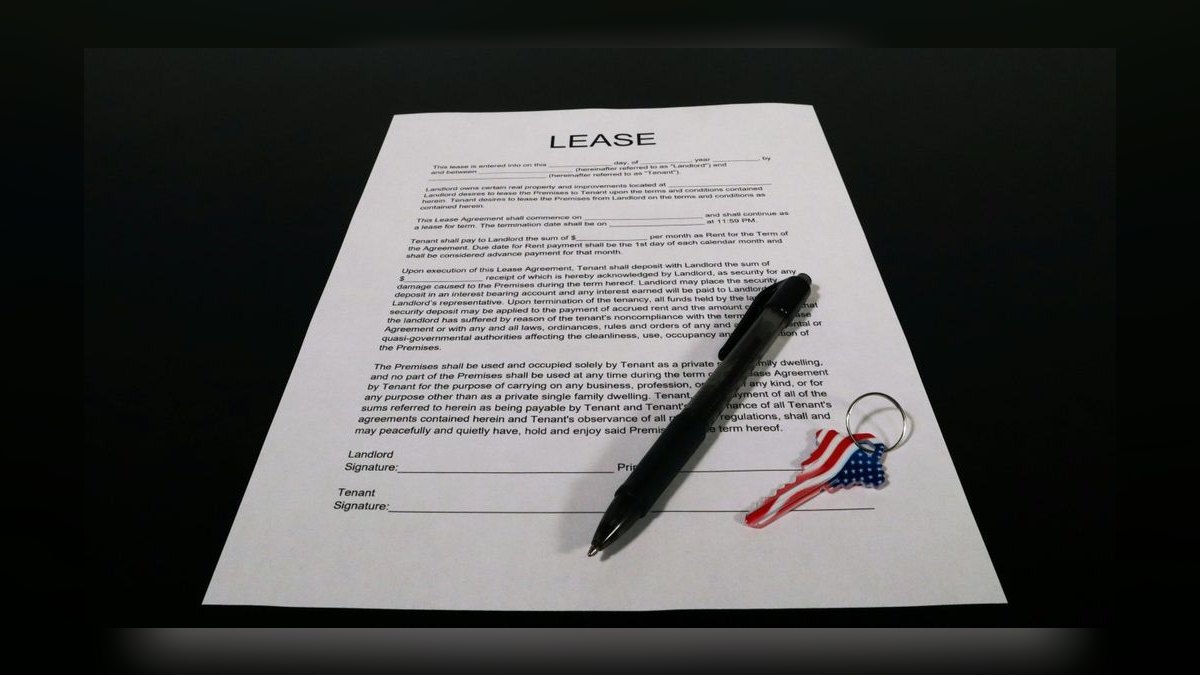
Add a Trade Fixtures and Specialty Improvements rider that overrides the standard surrender clause and lists every removable item on an attached exhibit. State plainly that you may remove those items at move-out, restore only to broom-clean condition, and that ordinary finishes stay behind. Get it in writing before signing — vague "may remove fixtures" language loses in court.
Why the standard surrender clause works against you
Every commercial lease contains a surrender clause — the paragraph requiring you to hand back the space in the condition you received it, minus ordinary wear and tear. For a tenant who has poured six figures into a custom buildout, that boilerplate is a trap. Courts routinely rule that anything bolted, welded, or plumbed into the structure has become part of the real estate, which means it legally belongs to the landlord the moment your term ends. The common-law "law of fixtures" is supposed to protect business equipment, but it is fact-specific and unpredictable, and a single sentence reading "all alterations, additions, and improvements shall become the property of Landlord" overrides it completely.
You defeat this default by forcing the lease to categorize every improvement at signing — before anyone has the leverage to argue about it at move-out. The categorization is the whole game. If your custom walk-in cooler, your lead-lined imaging suite, or your restaurant hood is not named as removable in the executed document, you will be arguing common-law fixture doctrine from a weak position while the landlord sits on your security deposit and your equipment. Do the sorting up front, in writing, and the fight never happens because the answer is already on paper.

The biggest mistake tenants make is assuming the removal question can be sorted out later, informally, on good terms. Leverage inverts at move-out: at signing the landlord wants your tenancy and will concede language; at expiration the landlord holds your deposit and your access and has every incentive to reinterpret an ambiguous clause in their favor. Whatever you did not lock down at signing is gone.
The three-category framework that protects you
Sort every dollar of your buildout into three buckets, because each gets different treatment and different language.
Trade fixtures are items you install to run your business that come out without material structural damage: shelving, point-of-sale counters, restaurant hoods, laboratory fume hoods, server racks, display cases, and free-standing equipment. Under most state fixture law these are your personal property. But you still need the lease to say so, because a single "all alterations become Landlord's property" sentence hands them over regardless of what the common law would otherwise allow. Never assume trade-fixture status carries automatically — name them.

Specialty improvements are custom buildouts that are physically attached yet carry essentially zero market value to a generic next tenant: a medical imaging suite with lead-lined walls, a commercial kitchen with grease traps and fire suppression, a recording studio with floating floors and acoustic panels, a walk-in cooler, a soundproof booth, a data closet with supplemental cooling. These cost you the most and the landlord usually demolishes them anyway when re-leasing, so they deserve the strongest carve-out language and, often, a buyout option.
Ordinary improvements are standard finishes — paint, carpet, ceiling grid, general lighting, drywall, standard-height ceilings. You normally leave these behind, and just as importantly, you do not want to be forced to pay to rip them out. A well-drafted lease pins the landlord's demands to the first two categories and expressly releases you from removing or restoring the third.
The practical instrument is a Schedule A or Exhibit A that lists every trade fixture and specialty improvement by description, model or serial number where applicable, and an estimated removal cost. That schedule becomes the binding inventory of what you are entitled to take, and the lease body must reference it by name so it is incorporated into the contract rather than floating as a loose side document. Without it, move-out devolves into a he-said-she-said. The single most common failure is omitting your specific specialty items from the exhibit — that omission is exactly what turns a $40,000 walk-in cooler into a free gift to the landlord.
The removal and restoration clause — what it must actually say
Listing your items is necessary but not sufficient. You also need operative language that expressly overrides the generic surrender clause. Model language reads roughly like this: "Notwithstanding anything to the contrary in this Lease, Tenant may remove any and all Trade Fixtures and Specialty Improvements listed on Exhibit A at any time during the Term or within thirty (30) days after expiration. Tenant shall repair any material damage caused by removal but shall not be required to restore the Premises beyond broom-clean and free of debris. Landlord acknowledges that the Specialty Improvements have no residual value to Landlord and that Tenant's removal obligation is limited to those items expressly listed on Exhibit A."
Every phrase is doing work. "Notwithstanding anything to the contrary" is the trump card — it instructs a court that this provision controls over the conflicting surrender clause elsewhere in the document. "Broom-clean" replaces the landlord's preferred "original condition," which is effectively a blank check to bill you for repainting, recarpeting, and patching every anchor hole. "No residual value" preemptively kills the argument that you are stripping something worth keeping. And the closing limitation ties your entire obligation to the exhibit, so nothing outside the list becomes your responsibility by implication.

Two additions make the clause airtight. First, a defined time window — thirty days post-expiration is common — because without a deadline, or if you blow past one you did agree to, the landlord can claim the items were abandoned. Second, a waiver of the landlord's lien rights against your equipment, so that an unrelated rent dispute cannot become a pretext to seize your removable assets while you argue about it. Have a commercial real estate attorney fluent in your state's fixture law draft this; one ambiguous sentence can cost you the entire buildout investment, and fixture rules vary enough between states that generic online templates routinely fail.
The buyout option — your escape hatch
Even with flawless removal language, physically extracting a walk-in cooler, a floating floor, or an industrial HVAC unit is expensive, and the cost climbs with the size and complexity of the item. Sometimes the landlord actually wants your improvements, because a turnkey kitchen or a finished lab makes the space far more marketable to the next tenant. That alignment of interests is exactly when you negotiate a buyout option into the lease instead of eating the removal expense.

Structure it so that if the landlord elects to retain any specialty improvement listed on Exhibit A, the landlord pays you a share of the unamortized cost of that improvement, typically calculated straight-line over its useful life. If you built a commercial kitchen with a ten-year useful life and you vacate after year four, roughly six-tenths of the cost remains unamortized, and the buyout is negotiated as a percentage of that remaining value. The logic is fair on both sides: the landlord acquires a ready-to-use asset without paying to build one, and you recover part of a sunk cost instead of paying again to demolish it. The percentage is negotiable — push for a meaningful share when the improvement is in good condition and the landlord's only alternative is a full-price ground-up build.
Pair the buyout with a landlord right of first refusal on any trade fixtures you intend to remove. If you are pulling out costly point-of-sale gear, the landlord can offer you a fair price and you skip the removal hassle entirely. What you must never grant is a unilateral landlord right to force you to leave improvements behind without payment — that clause quietly converts your investment into a giveaway and defeats the entire purpose of the rider. Make the election the landlord's option to *purchase*, never their option to *confiscate*.
What "broom-clean" restoration actually means
The sharpest fight at move-out is usually not *what* you remove but *what condition* you leave behind. Landlords favor "restore to original condition," which functions as an open invoice for repainting, recarpeting, and patching every anchor hole across the space — often thousands of dollars for a mid-sized suite. You counter by negotiating a restoration standard explicitly tied to your removal work and nothing more.
Aim for language like: "Tenant shall repair any damage caused by removal of Trade Fixtures and Specialty Improvements, including patching holes in walls and floors, but shall not be required to repaint, recarpet, or replace any ordinary improvements that have been in place for a reasonable period." That final clause matters because after several years, carpet and paint have already depreciated through ordinary use, and you should not be funding their replacement on your way out — that is precisely the "ordinary wear and tear" the base lease already excludes.
Reinforce it two ways. Negotiate a cap on restoration costs — a stated dollar ceiling or a defined percentage of the security deposit — so any demand beyond that requires the landlord to prove damage exceeding normal wear. And schedule a joint walk-through roughly thirty days before move-out, documented with dated photos and a written checklist signed by both sides. That record becomes the agreed baseline for what you owe; without it, a landlord can later claim you removed a load-bearing element when all you took was a bracket-mounted shelf. The photos are cheap insurance against the most common deposit dispute there is.
The deposit, abandonment, and holdover traps
Landlords routinely withhold deposits for "damage" caused by removing trade fixtures, even where the lease plainly authorizes removal. Neutralize this with a security deposit rider stating that the landlord shall not deduct from the deposit for damage caused by removing listed items, provided you repair that damage within the removal window. Stronger still, substitute a letter of credit for cash — with a reduction clause that shrinks it automatically once removal is verified — or post a bond the landlord can draw on only if you miss the window. Adding a penalty-plus-attorneys'-fees clause for wrongful withholding discourages gamesmanship before it starts. Guard against the related move where the landlord alleges structural damage and bills you for their own engineer's report: cap your structural liability to damage exceeding reasonable wear, confirmed by a mutually agreed structural engineer rather than the landlord's hand-picked one.

Standard leases also declare that anything left after the term is abandoned and becomes the landlord's property — a catastrophe if a removal contractor cancels or a permit slips. Insert an abandonment waiver providing that your property is not deemed abandoned until a defined period (ninety days is a reasonable target) after written notice, during which you may retrieve it at no cost. Layer in a storage right obligating the landlord to hold remaining items for perhaps sixty days at no charge before any disposal, and require that if the landlord disposes of your equipment early to accommodate a new tenant, they pay you fair market value rather than zero.
Then protect the clock itself. Your lease requires you to surrender possession on the last day of the term, but stripping out a commercial kitchen or a lab can take weeks. If you are still removing on day one after expiration, the landlord can charge holdover rent at a premium — often 150% to 200% of your base rate — and a few extra days at that rate adds up fast. Prevent it with a removal-period clause that extends access for removal purposes only, at no additional rent, provided you do not interfere with the landlord's efforts to re-lease. If the landlord resists a rent-free window, offer pro-rata rent at your existing base rate during removal — never the holdover penalty. Add a coordination clause: if the landlord shows the space during your removal, you get 24-hour notice, and if an incoming tenant needs possession before your window closes, the landlord bears the relocation cost of your equipment.
Related questions

Does common-law fixture law protect me even without a clause?
Sometimes, but never rely on it. Courts weigh how firmly an item is attached, how adapted it is to the space, and the parties' intent — all fact-specific and unpredictable. A single "alterations become Landlord's property" sentence overrides the default, so always put your carve-out in writing.
Should I get the removal exhibit notarized or just signed?
A signed, dated exhibit incorporated by reference into the executed lease is generally sufficient. What matters is that both parties sign it and that the lease body explicitly references it. Attach it before signing rather than as a later side letter, which is far easier to dispute.
What if I install new specialty improvements mid-term?
Amend the exhibit. Add a lease provision letting you supplement Exhibit A during the term for any new trade fixture or specialty improvement, with the same removal and restoration terms applying automatically. Otherwise items added after signing may fall outside your protective language and revert to the landlord.
Can I remove improvements financed by a landlord's TI allowance?

Usually not without negotiation. Improvements paid for with the landlord's tenant-improvement dollars are typically treated as the landlord's property. If you want removal rights over anything the allowance funded, spell that out explicitly in the lease — silence on the point favors the landlord.
FAQ
Can I remove a built-in walk-in cooler if my lease says "all alterations become landlord's property"? No. That language transfers ownership of anything permanently attached, cooler included. You must negotiate a specific carve-out for your specialty improvements and list the cooler on the removal exhibit before signing — otherwise it legally becomes part of the real estate and stays.
What's the difference between a trade fixture and a specialty improvement for lease purposes? Trade fixtures are removable business equipment like shelving and counters that come out without structural damage. Specialty improvements are custom buildouts like kitchens and labs that are attached and costly. Both need explicit lease protection, but specialty improvements often warrant a buyout option because removal is so expensive.

Do I need a lawyer to write the removal clause? Yes. A commercial real estate attorney familiar with your state's fixture law is essential, because fixture rules vary and courts read this language literally. One ambiguous sentence can cost you your entire buildout investment, which dwarfs any drafting fee you will pay.
Can the landlord force me to remove ordinary improvements like carpet or paint? Only if the lease says so. Negotiate a clause limiting your restoration to repairing damage caused by removal — not replacing finishes that have already depreciated through normal use. Without that limit, a landlord may bill you to repaint and recarpet the entire space at move-out.
What happens if I don't remove my specialty improvements by the deadline? The landlord can treat them as abandoned property and dispose of them, or charge holdover rent while they remain. Always negotiate a defined removal window plus an abandonment waiver and storage right so a delayed permit or a canceled contractor does not cost you your equipment.
Is a buyout option worth negotiating for small improvements? Only when the improvement is costly enough that its removal expense approaches its remaining value. For smaller items, removal is often cheaper than any buyout the landlord would offer, so you are usually better off simply taking them with you and repairing the resulting damage.
Sources
- https://www.law.cornell.edu/wex/fixture
- https://www.nolo.com/legal-encyclopedia/commercial-leases-negotiating-terms.html
- https://www.irs.gov/publications/p946
- https://www.sba.gov/business-guide/manage-your-business/buy-lease-commercial-property
- https://www.boma.org/
- https://www.icsc.com/
- https://www.nar.realtor/commercial
- https://www.americanbar.org/groups/real_property_trust_estate/
Related on PULSE
- How do I structure a lease to allow me to sell my buildout improvements to the next tenant?
- How Do I Avoid Getting Stuck Restoring the Space at Move-Out?
- How Do I Depreciate Leasehold Improvements (QIP) to Save on Taxes?
- How Do I Avoid Paying for the Landlord's Capital Improvements?
- How Do I Structure a Lease With an Option to Purchase?
- How Do I Structure a Lease for a Franchise Location?
This page will be disappearing soon. Save it to your device for $1 — or read it free while it is here.
@Kory-White- · if Venmo asks, the last 4 of my number are 2012
This page is gone.
This one is off the shelf now. $1 keeps it on your phone for good — the whole page, pictures and diagrams included.
 boCan I lock in my TI allowance amount in 2027 dollars to protect against inflation
 boShould I negotiate a rent-free period during the entire buildout duration including punch list in 2027
 boWhat’s the average timeline for a full-service restaurant buildout approval in 2027
 pulse-buildoutsTop 10 best Buildouts options in 2027
 boHow Do I Get Tenant Improvement Money on a Lease Renewal in 2026?
 boWhat’s the cost difference between a drywall partition office and a glass wall office in 2027
 boHow do I get the landlord to fund my data and power floor boxes in 2027?
 boWhat’s the average TI allowance per square foot for medical office space in 2027
 boCan I deduct unused TI allowance from my first year's rent payments in 2027?
 boWhat's the average per-square-foot cost for a restaurant buildout with full kitchen in 2027?