


How do I calculate a fair landlord fund contribution for my buildout in 2027?
Quality
Certified
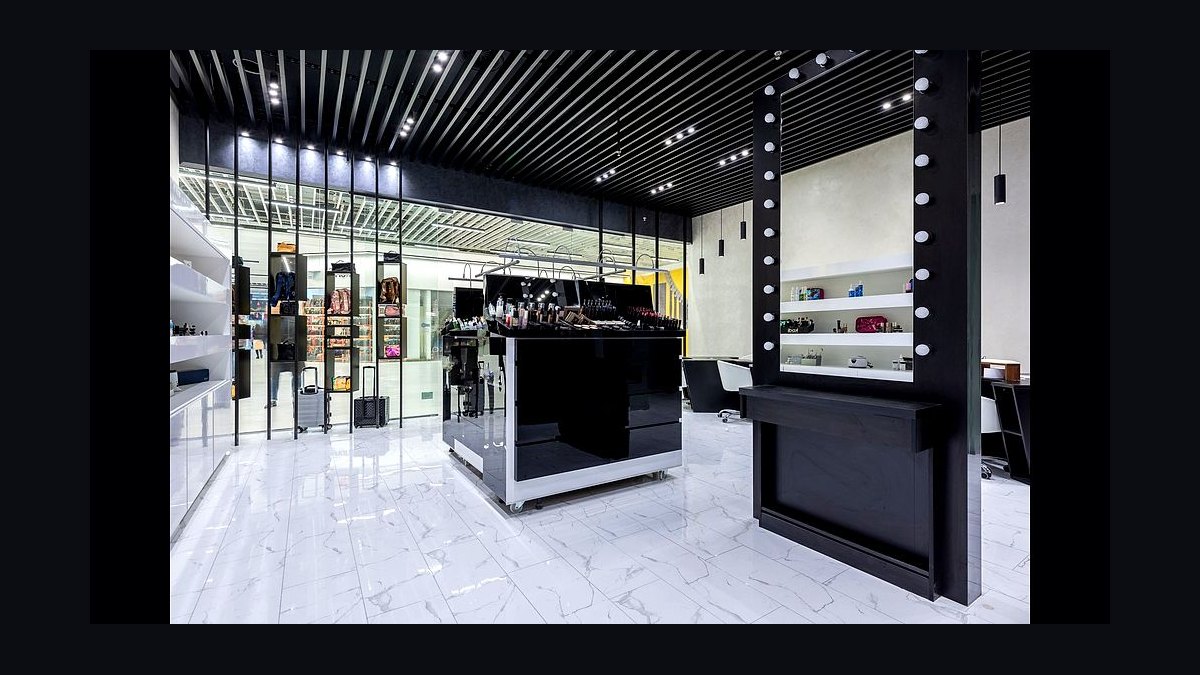
Calculate your landlord contribution by pricing the full buildout, separating landlord-standard work from your specialty needs, then negotiating a per-square-foot tenant improvement allowance against lease term and rate. A fair figure typically covers base shell-to-standard work, with the tenant funding brand-specific finishes, specialty equipment, and overages beyond the agreed allowance.
Mapping the buildout from shell to certificate of occupancy
Before you can defend a number at the negotiating table, you need to know what the project actually costs, and that means walking the entire sequence from lease letter of intent to the day the fire marshal signs off. Most tenants skip this and simply ask for "whatever allowance you can give me," which is how you end up funding $180,000 of work you assumed was included.
The sequence has a predictable shape. You tour the space and sign a letter of intent that carries a placeholder allowance number. You engage an architect to produce a test fit — a rough space plan showing whether your program actually fits the square footage. That test fit is the first honest cost signal, because it tells you how many walls, doors, and plumbing runs you are creating. You then move to design development and construction documents, which the landlord's property manager reviews for compliance with building standards. Those drawings go to the general contractor for hard bid or negotiated GMP pricing, and simultaneously to the municipality for permit review. Only after permits issue does anyone swing a hammer. Construction runs through rough-in inspections, drywall, finishes, punch list, and final inspection, ending with the certificate of occupancy that legally lets you open.
Each of those stages carries a cost and a party who is expected to bear it. The negotiation over landlord contribution is really a negotiation over where the dividing line falls in that sequence — and the earlier the line falls, the more you pay. A landlord who delivers "as-is, broom clean" is handing you every single one of those stages. A landlord delivering a "warm vanilla shell" has already paid for HVAC distribution, a level floor, finished perimeter walls, a code-compliant restroom, sprinkler mains, and an electrical panel with capacity. The delta between those two delivery conditions in a mid-size commercial market is frequently $40 to $75 per square foot, which on a 4,000 square foot space is $160,000 to $300,000. That number is your opening position, not a rounding error.

The practical method is to build the sequence as a cost-loaded schedule. List every stage, attach a dollar figure from your architect and GC, then color-code each line: landlord obligation under the lease, landlord contribution requested, or tenant cost regardless. When you walk into the negotiation with that document, you are no longer asking for a favor. You are presenting an itemized case for why the landlord's own delivery obligations plus a defensible improvement allowance should total the number you are requesting.
Who pays for what: landlord, tenant, general contractor, architect
Fairness arguments collapse without a clear map of who controls each decision and who captures each benefit. The cleanest test is durability: work that survives your tenancy and serves the next occupant is landlord-value work, and the landlord should fund most of it. Work that only serves your brand or your operating model is tenant-value work, and you should fund it.
The landlord's natural scope covers the building systems and the base condition of the space. That means the roof and structure, the exterior envelope, the main electrical service and panel, HVAC rooftop units and primary distribution, sprinkler mains and the base head layout, code-compliant restrooms, ADA path of travel from the parking lot to your door, and the demising walls that separate you from the neighboring suite. If the landlord is delivering a second-generation space, their scope also typically includes demolishing the prior tenant's improvements back to a usable condition. Landlords resist this last item aggressively — insist on it, because inheriting someone else's dental office plumbing is a genuine liability, not a gift.

Your natural scope covers everything that expresses how you operate. Interior partition layout, flooring, paint, millwork, reception desk, signage, low-voltage cabling, security systems, audiovisual equipment, appliances, specialty lighting, and anything with your logo on it. Trade fixtures and equipment — the espresso machine, the medical imaging unit, the server rack — are always tenant cost and are usually excluded from allowance eligibility by explicit lease language.
The architect works for whoever signs their contract, and this matters more than tenants expect. If the landlord provides "free" architectural services, that architect optimizes for landlord standards and landlord approval speed, not for your operational efficiency. Hiring your own architect costs roughly six to ten percent of hard construction cost but buys you an advocate during plan review and change order disputes. Many tenants split the difference: the landlord's architect handles base building compliance while a tenant-hired designer handles the interior program.
The general contractor relationship is the most common place fairness quietly erodes. Landlords frequently require use of their preferred GC, which removes competitive pricing pressure at the exact moment you need it. If you must accept the landlord's GC, negotiate the right to open-book pricing, three competitive subcontractor bids on every trade over a set threshold, and a capped GC fee — typically four to eight percent overhead and profit combined on a negotiated job. Without those terms, you are funding an allowance that gets consumed by a markup you never see itemized.

A structural detail worth fighting for: who holds the construction contract. If the landlord builds and you reimburse the overage, the landlord controls schedule and change orders while you absorb cost risk. If you hold the contract and the landlord reimburses your allowance against invoices, you control the job but carry cash flow and lien exposure. Tenant-controlled construction with landlord reimbursement is generally better for cost discipline, provided you negotiate progress draws rather than a single payment at completion.
Real cost ranges, allowance math, and contingency
Numbers turn a fairness argument into a calculation. Buildout costs vary enormously by market, by use type, and by year, so treat every figure below as a structural range to validate locally rather than a quote.
Straightforward office fit-out in a warm shell — open plan, a handful of offices, a conference room, a kitchenette — sits in a broad band that commonly runs from the low hundred-dollar-per-square-foot range upward, with markets like New York, San Francisco, and Boston substantially above national norms. Medical, dental, veterinary, laboratory, and food service uses are dramatically more expensive because of plumbing, ventilation, grease interceptors, medical gas, lead shielding, and specialty equipment coordination. A restaurant buildout can run two to four times an equivalent office footprint. Retail sits between the two, driven by storefront glazing, lighting quality, and finish level.
The allowance itself is almost always expressed as dollars per rentable square foot. The landlord's willingness to fund it is a function of one thing: the present value of your rent stream against the capital they are sinking. A landlord underwrites your deal by comparing the improvement dollars, leasing commissions, free rent, and downtime against the net effective rent over the lease term. This is why term length is your single strongest lever. A five-year deal supports far less allowance than a ten-year deal at the same rate, because the landlord has twice the runway to recover the capital.
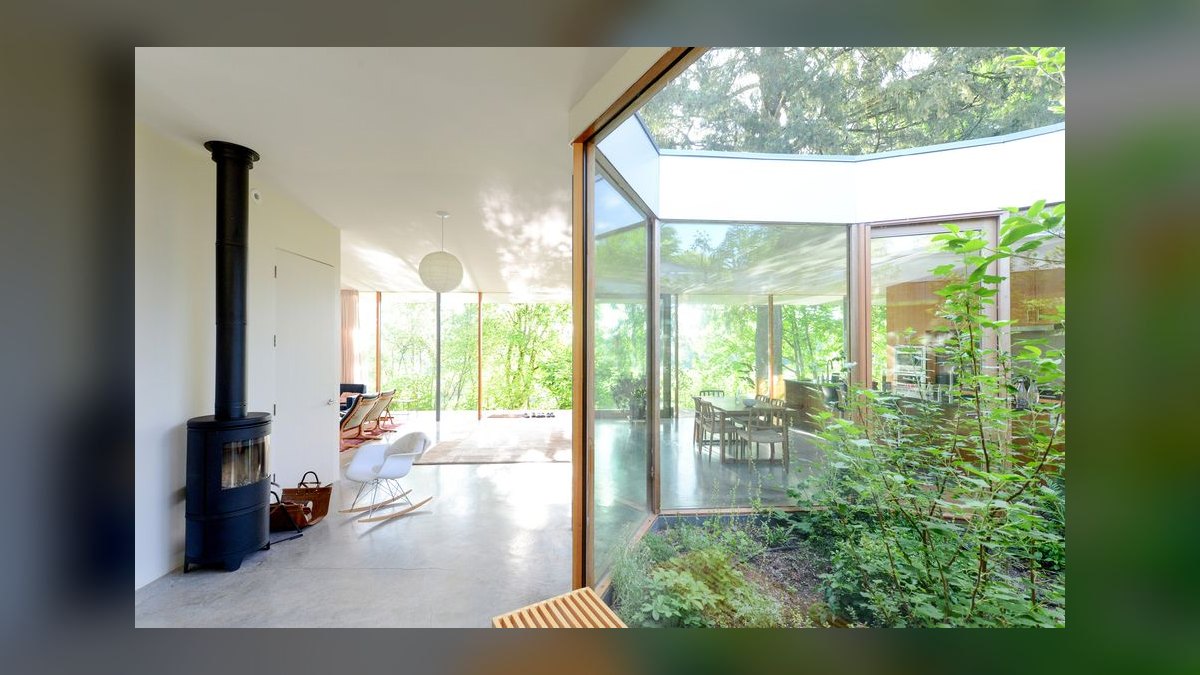
You can approximate the landlord's math yourself. Take your annual base rent, multiply by the lease term, subtract the estimated leasing commissions and any free rent months, and you have gross revenue. Landlords typically want improvement dollars to represent a modest fraction of that total — the exact percentage varies by asset class, market softness, and the landlord's cost of capital, but the discipline of running the calculation tells you whether your ask is plausible or fantasy. If you are requesting an allowance that exceeds a meaningful share of total lease revenue, expect the landlord to counter with a higher rental rate, a longer term, or amortization.
Amortization is the honest middle ground and deserves explicit treatment. When a landlord funds allowance above what the deal naturally supports, they commonly amortize the excess into your rent at an interest rate — often in the high single digits to low double digits — over the lease term. This is a loan, not a gift. Before accepting, calculate the total repayment: an extra amount per square foot amortized over your term at that rate materially raises your effective rent, and it usually accelerates on default. Sometimes borrowing from the landlord is cheaper and faster than a bank construction loan; sometimes it is meaningfully more expensive. Run both.
Contingency is where disciplined tenants separate from optimistic ones. Carry ten percent contingency on a new-construction shell where conditions are known, and fifteen to twenty percent on a second-generation space where you will discover surprises behind the drywall. Older buildings hide asbestos, undersized electrical service, non-compliant restrooms that trigger full ADA upgrades once you pull a permit, and structural issues that surface during demolition. Budget separately for soft costs — architecture, engineering, permits, expediting, project management, and furniture — which typically add twenty to thirty percent on top of hard construction and are frequently excluded from allowance eligibility by lease language.

Two calculation habits pay for themselves. First, always convert allowance to total dollars, not just per-square-foot, and compare it against your GC's number rather than your hopes. Second, model the gap. If the buildout is $600,000 and the allowance is $400,000, you need $200,000 in capital plus contingency before you open — and that gap, not the allowance, is the number that determines whether the deal is survivable.
Where commercial buildout deals go wrong
The failures repeat across markets and use types, and nearly all of them are avoidable with lease language written before signature rather than after.
The most expensive mistake is signing a letter of intent with an allowance number before you have a test fit. You commit to $50 per square foot, then discover your program requires $130. The landlord has no obligation to revisit, and you have already lost your leverage by removing the deal from the market. Always make the LOI allowance explicitly subject to space planning, or delay the number until after the test fit.
Second is misunderstanding what the allowance covers. Leases routinely restrict allowance dollars to "hard construction costs only," excluding architecture, engineering, permits, project management fees, furniture, cabling, signage, and equipment. A $50 allowance that excludes soft costs is functionally worth substantially less. Negotiate the broadest possible definition, and specifically fight for architecture, permits, and cabling to be eligible.
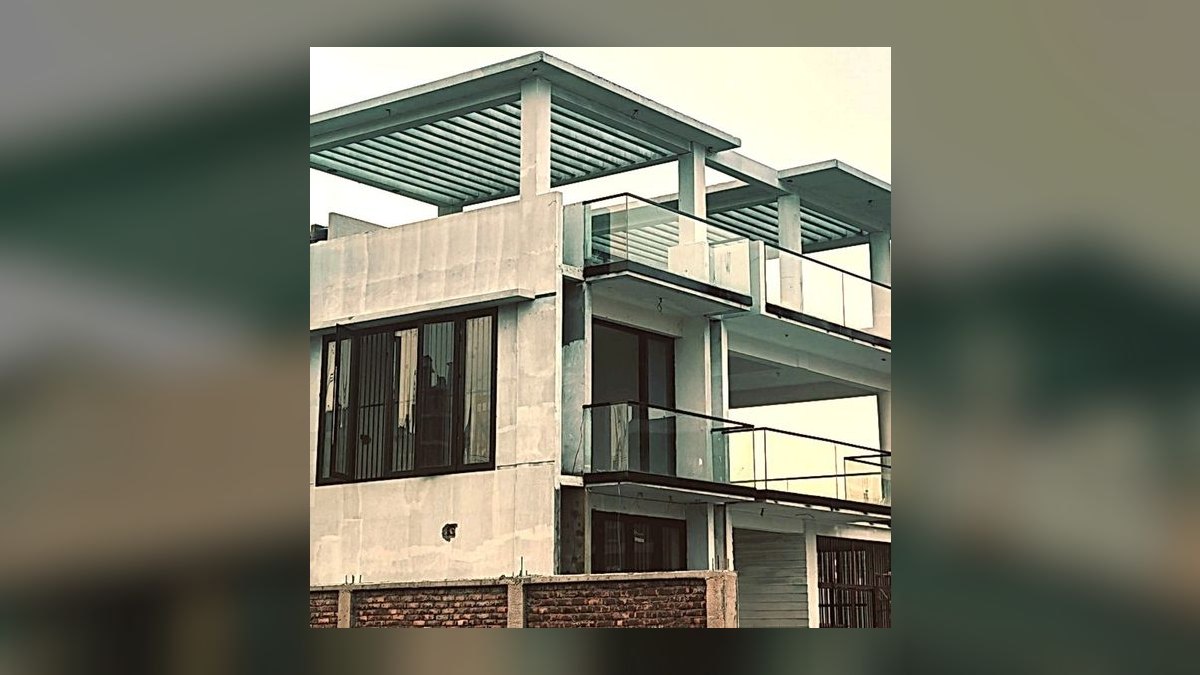
Third is the use-it-or-lose-it clause. Most leases require the allowance be drawn within a fixed window — often nine to twelve months from commencement — after which unspent dollars evaporate. If your buildout is phased, or if you plan to expand into adjacent space later, negotiate either a longer draw period or the right to apply the unused balance as a rent credit.
Fourth is disbursement mechanics. A lease that pays the allowance only upon final completion and lien waiver delivery forces you to float the entire construction cost. Negotiate monthly progress draws tied to percentage completion, with a standard ten percent retainage released at final completion. Also confirm the payment window — thirty days is normal, sixty is a cash flow problem.
Fifth is the restoration clause. Buried in most commercial leases is a requirement to remove your improvements and restore the premises to original condition at expiration. If the landlord is funding a buildout and then requiring you to demolish it, you are paying twice. Negotiate that any improvement built with landlord funds or approved by the landlord in the approved plans is explicitly waived from restoration. Get the waiver in writing at lease signature, not at move-out.
Sixth is delay allocation. Landlord plan review, landlord-caused delays, and permit issues can push your opening by months while rent commences on a fixed calendar date. Tie rent commencement to substantial completion or certificate of occupancy, not a date certain, and negotiate day-for-day rent abatement for landlord-caused delay.
Seventh is scope creep through change orders. Every change order during construction erodes the allowance, and by the time you notice, the money is gone and the remaining work is yours. Require written approval on all change orders above a modest threshold, maintain a running allowance balance updated weekly, and never let the GC proceed on a verbal.

Eighth, and frequently fatal: assuming code compliance is someone else's problem. Pulling a permit in an older building can trigger accessibility upgrades, sprinkler retrofits, or egress modifications for the entire suite or even common areas. Determine before signing who bears code-compliance costs triggered by your buildout — the correct answer is the landlord for base building and common area compliance, and you only for compliance triggered by your specific use.
The negotiation checklist and how to run it
Treat the allowance negotiation as a structured process rather than a single number exchanged over email. The tenants who get the best outcomes follow roughly the same path.
Start with market intelligence. Engage a tenant representative broker — paid by the landlord out of the leasing commission, so effectively free to you — and get comparable deals: what allowance, term, rate, and free rent recent tenants secured in similar buildings. Without comps you are negotiating blind against a professional who does this daily.
Get the test fit and a real cost estimate before you commit to anything. Have your architect produce a space plan, then have a GC price it at a conceptual level. Two hard numbers — total project cost and the gap between that cost and any offered allowance — are the entire foundation of your position.
Negotiate the package, not the line item. Allowance, rental rate, term, free rent, renewal options, and expansion rights are all convertible currencies. A landlord who cannot exceed a stated allowance ceiling can often deliver three additional months of free rent, or take on the demolition and HVAC work directly at their own cost outside the allowance, which is functionally identical to more money.

Get the delivery condition defined in a written work letter attached to the lease, not described in an email. The work letter should specify exactly what the landlord delivers, at whose cost, by what date, and what happens if that date slips. Ambiguity in the work letter is always resolved in the landlord's favor.
Then pressure-test the fine print: allowance eligibility definition, draw schedule and retainage, use-it-or-lose-it deadline, restoration waiver, code-compliance responsibility, change order approval thresholds, GC selection and fee caps, and rent commencement trigger. Each of those is worth real money, and each is negotiable at signature and nearly impossible to fix afterward.
Finally, have your attorney review the work letter specifically. Many tenants have counsel review the lease body and skim the exhibits, which is exactly backwards — the work letter exhibit is where the buildout money lives.
Related questions
Should I take a higher allowance or a lower rental rate?
Run both to net effective rent over the full term. Allowance is cash you need immediately and cannot borrow cheaply elsewhere; rate reduction compounds over years. If you are capital-constrained at opening, take the allowance. If you are well-funded and the term is long, the rate concession usually wins.
Can I get allowance dollars for equipment and furniture?
Sometimes, but it requires explicit lease language. Most leases restrict allowance to hard construction. Furniture, trade fixtures, and equipment are typically excluded because they leave with you and add no residual value to the landlord's asset. Cabling and signage are more winnable than furniture.
What if construction costs exceed the allowance?

You pay the overage, usually in cash before the landlord releases final draws. Negotiate upfront whether excess can be amortized into rent, at what rate, and over what period. Without that provision, you face an unplanned capital call at the worst possible moment.
Does a longer lease term really get more allowance?
Yes, reliably. Landlords amortize improvement capital over the term, so ten years supports roughly double the allowance of five years at the same rate. If you can accept a longer commitment, pair it with early termination or contraction rights to limit the downside.
Who owns the improvements when the lease ends?
The landlord, in nearly all commercial leases — improvements become part of the real property. That is precisely why restoration clauses are negotiable: if the landlord keeps the value, requiring you to demolish it at your cost is double-dipping.
FAQ
How do I calculate a fair landlord fund contribution for my buildout?
Price the full project with an architect and GC, separate landlord base-building obligations from tenant-specific work, then request an allowance covering the landlord-value portion plus any delivery-condition gap. Validate the number against comparable deals in your market and against the landlord's own return math over your proposed lease term. Fair means defensible line by line, not a round number pulled from a brokerage average.
What delivery condition should I insist on?

Warm vanilla shell at minimum: level floor, finished and insulated perimeter walls, HVAC units and primary distribution, code-compliant restrooms, sprinkler mains, electrical service with adequate capacity, and ADA-compliant access. Anything less shifts base-building cost onto you disguised as tenant improvement, which artificially inflates how generous the allowance appears.
Should I hire my own architect or use the landlord's?
Hire your own if the buildout is operationally complex or the budget is large. An architect you pay advocates for your program during landlord plan review and change order disputes. If the space is a simple office fit-out and the landlord's architect is genuinely free, the savings may outweigh the loss of advocacy.
How much contingency should I carry?
Ten percent on a new shell with known conditions, fifteen to twenty percent on a second-generation space where demolition will reveal surprises. Older commercial buildings routinely hide undersized electrical service, non-compliant restrooms, and code triggers that surface only once you pull a permit.
When does rent start if construction runs late?
It depends entirely on your lease language, which is why this is a negotiation priority. Tie commencement to substantial completion or certificate of occupancy rather than a fixed calendar date, and secure day-for-day abatement for landlord-caused delays including slow plan review and landlord change orders.
Is amortizing extra allowance into rent a good deal?
It is a loan from your landlord. Compare the effective interest rate against a bank construction loan or equipment financing. Landlord amortization is faster and requires no separate underwriting, but the rate is often higher and the balance typically accelerates on default, converting a rent problem into an immediate lump-sum obligation.
Sources
- https://www.irs.gov/publications/p535
- https://www.sba.gov/business-guide/manage-your-business/buy-assets-equipment
- https://www.usgbc.org/leed
- https://www.access-board.gov/ada/
- https://www.nfpa.org/codes-and-standards
- https://www.iccsafe.org/products-and-services/i-codes/
- https://www.aia.org/resources/6076-contract-documents
- https://www.agc.org/
- https://www.energy.gov/eere/buildings/building-energy-codes-program
- https://www.osha.gov/construction
Related on PULSE
- How do I negotiate a commercial lease renewal without giving up leverage?
- What should I budget for opening a second location?
- How do I evaluate a second-generation space versus a raw shell?
- What financing options cover a commercial buildout gap?
- How do I structure a percentage rent deal in retail?
- What lease clauses cost small business owners the most money?
This page will be disappearing soon. Save it to your device for $1 — or read it free while it is here.
@Kory-White- · if Venmo asks, the last 4 of my number are 2012
This page is gone.
This one is off the shelf now. $1 keeps it on your phone for good — the whole page, pictures and diagrams included.
 buildoutsHow Do I Negotiate a Cannabis Dispensary Lease Without Getting Gouged in 2027?
 pulse-recentHow Do I Calculate My Real Cost When the Landlord Funds the Buildout in 2027?
 buildoutsWhat's the Real Cost of Moving vs Renewing My Lease in 2027?
 buildoutsHow Do I Negotiate a Tenant Improvement Allowance for a Warehouse in 2027?
 pulse-recentHow much does a ground-up build-to-suit cost per square foot in 2027?
 buildoutsHow Do I Get the Landlord to Deliver the Space in Better Condition (Warm Shell vs Turnkey) in 2027?
 buildoutsHow Do I Save on Buildout by Taking a Second-Generation Restaurant Space in 2027?
 pulse-recentHow Do I Budget a Buildout Step by Step for a Retail Space in 2027?
 buildoutsHow Do I Terminate a Lease After a Fire or Casualty in 2027?
 buildoutsHow Do I Avoid Getting Overcharged on Utilities in a Lease in 2027?