


How do I legally document my landlord's required buildout improvements before signing in 2027?
Quality
Certified
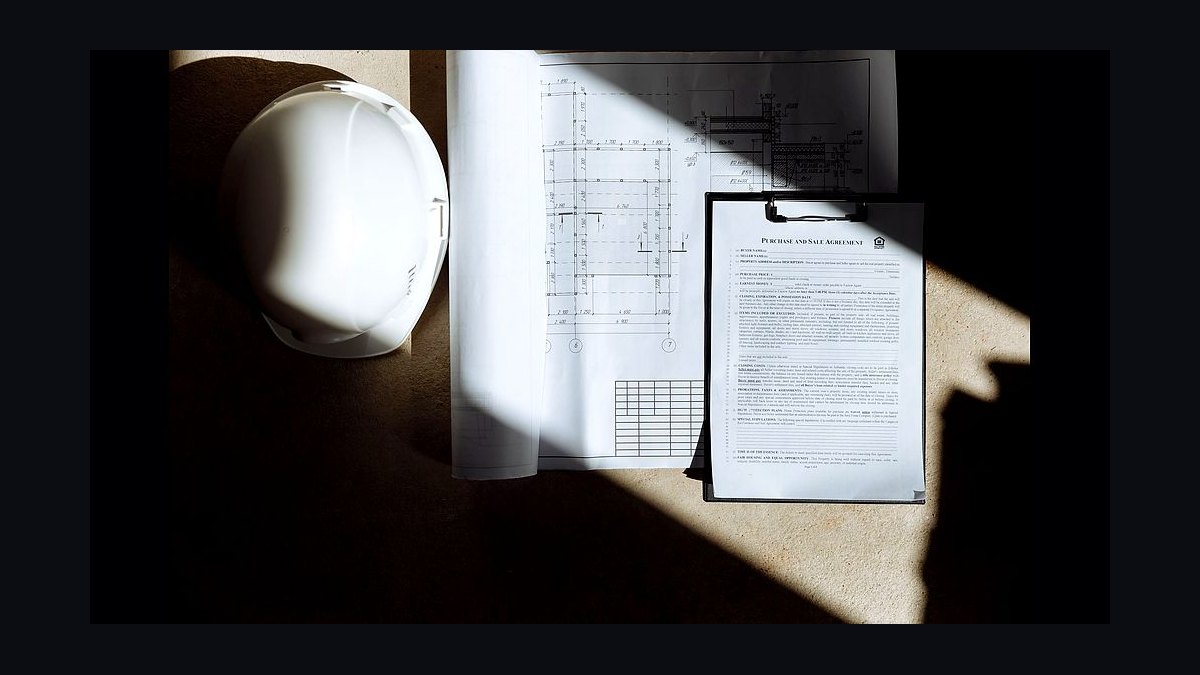
Get every landlord improvement into the signed lease itself: an attached work letter with stamped plans, a defined scope, delivery dates with penalties, and the TI allowance amount and draw conditions. Verbal promises and broker emails are unenforceable once you sign. If it isn't in the executed document, it doesn't exist.
The numbers you should expect
Before you can document anything, you need to know what a normal deal looks like, because a work letter you can't price is a work letter you can't negotiate. Tenant improvement allowances in most U.S. commercial markets are quoted as dollars per rentable square foot, and the number scales with lease term. A three-year deal on second-generation office space might carry $10–$25/RSF. A seven- to ten-year deal on the same space commonly supports $50–$100/RSF or more, because the landlord amortizes the cost across a longer income stream. Retail and restaurant deals swing wider: a cold dark shell for a restaurant can require $150–$400/RSF of total buildout cost, of which the landlord may fund only a fraction, with the tenant covering kitchen equipment, grease interceptors, and hood systems out of pocket.
The gap between allowance and actual cost is the number that matters most, and it is the number tenants consistently guess wrong. General contractor pricing for a straightforward office fit-out — carpet, paint, a few glass-front offices, standard lighting — has commonly run in the $75–$150/RSF band in recent years, and specialty spaces run far higher. Escalation since 2021 has been real and uneven: electrical gear, switchgear, and rooftop HVAC units have seen both price increases and lead times measured in months rather than weeks. If you are signing in 2027 for a space you need occupied in 2027, the lead-time risk on long-lead equipment is a bigger threat to your opening date than the price per square foot.
Amortized TI is the other lever. When a landlord funds improvements above the base allowance, they typically amortize the excess into your rent at an interest rate — often stated in the lease as a fixed percentage — over the lease term. Read that number carefully. A landlord funding an extra $40/RSF at a stated rate over an eighty-four-month term is extending you credit, and the effective cost shows up in every rent check for seven years. Sometimes that is the cheapest capital a small tenant can access. Sometimes it is meaningfully more expensive than an SBA loan or an equipment lease, and the right move is to fund the work yourself and take the deduction and depreciation on your own books.
Free rent is the third currency. Landlords frequently prefer giving months of abated rent over writing a check, because abatement costs them nothing today and preserves the face rate on the lease — which matters for how the building is valued and financed. Three to six months of abatement on a five-year deal is common; twelve months on a long-term deal in a soft market is not unheard of. For your purposes, free rent during construction is not a concession — it is the bare minimum, because you cannot operate in a space that is being framed. Insist that the abatement period start after substantial completion and delivery, not on lease execution.
The last number to nail down before drafting is the definition of square footage itself. Rentable square feet include a load factor for common areas, and load factors of 12–20% are typical in multi-tenant office buildings. An allowance quoted per RSF on a space with a 18% load factor buys less actual construction than the same number quoted per usable square foot. Confirm which measure the allowance uses, confirm the measurement standard referenced, and confirm the stated square footage matches an actual measurement — because your rent, your allowance, and your pro-rata share of operating expenses all key off that single figure.
What drives those numbers
Landlords are not being arbitrary when they set an allowance. The size of a TI package is a function of a handful of inputs that are visible from the outside if you know where to look, and understanding them tells you which requests will land and which will be refused flat.

Term length is the dominant driver. The landlord recovers improvement dollars out of the rent stream, so a longer commitment mathematically supports a larger check. If you want more improvement money, the currency you pay with is years — plus, sometimes, a personal guaranty. Credit is the second driver: a national franchise with audited financials will be offered a package a first-time owner-operator will not, because the landlord's lender treats those leases differently when the building is refinanced.
The third driver is what happens to the improvements when you leave. Generic office fit-out — demountable walls, standard finishes, an open plan that the next tenant can reuse — has residual value to the landlord, so they will fund it. A veterinary clinic's kennel drainage, a dental practice's lead-lined X-ray walls, a brewery's floor drains and trench work: these are single-purpose improvements that make the space harder to re-lease. Landlords fund those reluctantly, and they are also the improvements most likely to trigger a restoration obligation at the end of the term.
Market conditions set the ceiling on all of it. In a submarket with high vacancy, landlords compete on concessions and the allowance climbs. In a tight submarket, the same landlord will hand you a shell and a shrug. Before you negotiate, pull vacancy and net-absorption data for your specific submarket and property class — brokerage firms publish quarterly market reports free, and a tenant rep will run comparable transactions showing what other tenants actually received in that building. Walking in with three comparable deals is worth more than any amount of persuasion.
The fourth driver, and the one tenants overlook, is the building's own capital position. A landlord who just refinanced and holds a reserve for leasing costs can fund your work next month. A landlord whose loan is maturing, or whose lender must approve every lease over a certain size, may genuinely be unable to promise anything — and their promise, if given, may be conditioned on a lender consent you never see. This is why the funding mechanics belong in the document as hard conditions rather than intentions: you are not doubting anyone's good faith, you are making the obligation survive a change in the landlord's circumstances or a change in ownership.
Lease, TI allowance, and negotiation levers
Here is the mechanical answer to the core question. To legally document what the landlord is required to build, you attach a work letter — sometimes called the Work Agreement, Construction Rider, or Exhibit C — to the lease, and you make it an integral part of the executed document. Not a side letter. Not an email chain. An exhibit, referenced in the body of the lease, initialed and signed at the same time.
The work letter has to answer six questions with no ambiguity:
What, exactly, is being built. The scope should attach a specific set of plans and specifications by date and revision number — "the space plan prepared by [architect], dated [date], Revision 3" — plus a finish schedule or outline specification stating grades of materials. "Building standard" is the phrase that causes the most disputes, because building standard is whatever the landlord says it is unless the lease defines it. Attach a written building-standard schedule listing carpet weight, ceiling tile type, door and hardware specs, lighting fixture type, and quantities of items like outlets, data drops, and doors per thousand square feet. If the plans are not final at signing — and they often are not — attach the preliminary plan, state a deadline for final plans, and state that final plans must be consistent with the preliminary plan in scope and quality.
Who pays for what. Define whether the allowance covers only hard construction costs, or also soft costs: architectural and engineering fees, permit fees, project management fees, the landlord's construction supervision fee, cabling, signage, and moving. Landlords commonly charge a construction management fee of a few percent of hard costs. Negotiate whether that fee comes out of your allowance, and cap it. Also address who pays for base-building deficiencies discovered during construction — code-required upgrades to fire alarm, sprinkler coverage, restroom fixture counts, path-of-travel accessibility work triggered by your permit. That last category is where budgets die. A permit application for a tenant improvement can trigger accessibility upgrades to areas outside your premises, and the lease should assign that cost to the landlord as a base-building obligation.

When it will be done. State a delivery date and define what "delivered" means. The operative concept is substantial completion, and you should define it rather than accept a vague version: the work is complete per the approved plans except for minor punch-list items that do not materially interfere with your use, and a certificate of occupancy or temporary certificate of occupancy has been issued. Tie your rent commencement to substantial completion plus a fixture period — thirty to ninety days for you to install equipment, furniture, and inventory before rent starts.
What happens if it isn't done. This is the clause with teeth. Standard remedies escalate: for each day of delay past the outside date, you get one or two days of additional free rent; past a second date, you get a per-day cash penalty; past a third date — often 90 to 180 days late — you get the right to terminate the lease and recover your deposit and prepaid rent. Include a tenant self-help right: if the landlord fails to complete the work after written notice and a cure period, you may complete it and offset the cost against rent, with a monthly offset cap. Landlord's counsel will resist self-help and offset; the fallback is a landlord-funded escrow or a letter of credit posted for the construction cost. Carve out genuine force majeure but define it narrowly and exclude the landlord's failure to obtain financing or their own contractor's default.
How the money actually moves. Cash allowances are usually disbursed by draw against invoices. Document who submits, what backing is required (lien waivers, sworn contractor statements, inspection sign-off), how many days the landlord has to fund after a complete draw request, and what interest accrues on late payment. Two conditions deserve special attention. First, a "use it or lose it" deadline: many work letters require the allowance be claimed within six to twelve months of commencement, and unspent dollars are forfeited. Negotiate to convert unused allowance to a rent credit. Second, conditions precedent to funding: if the lease says the allowance is payable only when the tenant is not in default and has opened for business and has delivered final lien waivers, then a minor default can cost you the entire allowance.

Who controls the process. Decide whether the landlord builds it (turnkey), you build it with the landlord funding, or a hybrid. Turnkey shifts cost overrun risk to the landlord, which is attractive — but only if the scope is defined tightly enough that "turnkey" means something. A turnkey deal with a vague scope is a turnkey deal you will lose. If you build, you want the right to select your own general contractor, subject to reasonable landlord approval, with approval deemed given if not denied within a stated number of days. Landlord-mandated contractor lists exist for legitimate reasons in some buildings — life safety, roof warranty, elevator — but a full mandate on all trades removes your ability to competitively bid, and competitive bidding is worth more than most concessions.
Two documents matter *before* the lease. A letter of intent is normally non-binding, but it is where the improvement terms get agreed in principle, and it should already contain the allowance amount, the delivery date, the scope summary, and who builds. Write it as if it were binding; then convert it clause by clause into the work letter and check that nothing quietly changed in the conversion. And contingencies: make the lease contingent on your obtaining the zoning approvals, use permits, and building permits your specific use requires, with a defined contingency period and a right to terminate and recover your deposit if approvals are denied. A tenant who signs before confirming their use is permitted has documented themselves into a liability, not a location.
Finally, get an estoppel and SNDA. A subordination, non-disturbance, and attornment agreement with the landlord's lender protects your lease — and, depending on how it is drafted, the landlord's unfunded allowance obligation — if the building is foreclosed. Ask explicitly whether the lender's SNDA form disclaims the successor's obligation to fund the TI allowance, because many standard forms do exactly that. If the allowance is large and unfunded at signing, that disclaimer converts your negotiated concession into an unsecured claim against a landlord who no longer owns the building.
Sequencing the buildout
Documentation is worthless if the sequence is wrong. The order in which you sign, permit, bid, and build determines whether your protections ever get used, and a surprising number of tenants sign a good lease and then destroy its value by starting work in the wrong order.
Work backward from your opening date, not forward from today. If you need to open in September, and permitting in your jurisdiction takes six to twelve weeks, and construction takes twelve to twenty weeks, and long-lead HVAC or electrical gear takes sixteen weeks or more, you needed to execute the lease and start drawings the previous fall. Tenants routinely compress this by signing late and then discovering the schedule was never achievable, at which point the delay penalties they negotiated become moot because the delay is theirs.
Do a test fit before signing. An architect can produce a test fit showing whether your headcount, equipment, and workflow actually fit the space, usually at modest cost and sometimes funded by the landlord or your broker. The test fit is also the input to preliminary pricing, and preliminary pricing is what tells you whether the allowance covers the scope. Negotiating an allowance without a priced scope is negotiating in the dark.
Bring in three parties before signing: a tenant-rep broker (typically compensated from the landlord's commission pool, so the cost to you is usually nothing), a commercial real estate attorney, and a general contractor or project manager who will price the concept. The attorney fee for reviewing a lease and drafting a work letter is small relative to a five-year rent obligation, and it is the highest-return money in the entire transaction. Do not use a residential attorney; commercial leases are a distinct practice area with no consumer-protection backstop. Commercial tenants are presumed to be sophisticated parties, and courts enforce what the document says.
Two doctrines make this concrete. The parol evidence rule generally bars a party from introducing prior or contemporaneous oral statements to contradict a fully integrated written contract — and nearly every commercial lease contains an integration or "entire agreement" clause stating the written lease supersedes all prior discussions. That clause is the reason a landlord's verbal assurance about a new HVAC unit is worth nothing after signing. Separately, the statute of frauds requires leases beyond a short term to be in writing to be enforceable at all. The practical translation of both: write it down, attach it, sign it.

During construction, watch change orders and mechanic's liens. Require written change orders with pricing approved in advance; verbal changes on site are how a budget becomes a dispute. Require conditional lien waivers with each draw and unconditional waivers upon final payment from the GC and every major subcontractor. In most states an unpaid sub can lien the property even if you paid the GC, and your lease almost certainly makes you responsible for removing any lien arising from your work within a short window. Many jurisdictions also allow landlords to record a notice of non-responsibility to protect the fee interest — that is their tool, not yours, and it does not protect you.
Photograph and log everything. Keep a dated file of the executed lease and exhibits, all approved plans and revisions, every change order, every draw request and the landlord's response, inspection reports, the certificate of occupancy, the substantial completion notice, and photos of the delivered condition on day one. If a dispute arises about whether the landlord's required work was completed to specification, the tenant with a dated photographic record and a written punch list wins. The tenant relying on memory does not.
Adjacent traps that cost more than the allowance
The work letter is the center of the deal, but several neighboring clauses can quietly erase whatever you won there, and they are worth the same attention.
Restoration and surrender. Some leases require you to remove your improvements and restore the premises to their prior condition at expiration. If the landlord required and paid for the improvements, being obligated to demolish them at your own cost at the end is an expensive absurdity — yet it appears in standard forms constantly. The fix is a clause stating you have no restoration obligation for any improvement shown on the approved plans, with removal required only for items the landlord identifies in writing at the time it approves them. That timing matters: approval-time identification lets you price the removal before you build. Expiration-time identification lets the landlord bill you for whatever they feel like.
Operating expense pass-throughs. Improvements you paid for can raise the assessed value of the property, and if your lease passes through real estate taxes on a pro-rata basis, you may end up paying tax on your own investment. Ask for an exclusion for taxes attributable to tenant improvements. Similarly, watch for capital expenditure pass-throughs: a well-drafted clause amortizes qualifying capital costs over their useful life and excludes items that are really deferred maintenance. Cap controllable operating expense increases at a fixed percentage per year.
Holdover, assignment, and exclusivity. If your buildout runs long at your prior location, holdover rent there can run 150–200% of base rent — a schedule risk with a direct price. If your business plan involves selling someday, an assignment clause that lets the landlord withhold consent in its sole discretion, or recapture the space on a proposed transfer, can make the improvements you funded unsellable. And in retail, an exclusivity clause preventing the landlord from leasing to a direct competitor in the same center is often worth more than another ten dollars per foot of allowance.
Insurance and delivery condition. Require the landlord to warrant that base building systems — roof, structure, HVAC, plumbing, electrical service — are in good working order at delivery, with a warranty period of at least a year, and that the premises are free of known hazardous materials. In older buildings, asbestos and lead paint surveys matter, because disturbing those materials during buildout triggers abatement costs and schedule delay. Confirm who carries builder's risk insurance during construction and who is named as additional insured. Get certificates before anyone swings a hammer.
Personal guaranty scope. If you must guarantee, negotiate a burn-down: the guaranty amount steps down each year of on-time performance, or converts to a "good guy" guaranty limited to rent through a surrender date if you vacate with proper notice and pay through. A full-term personal guaranty on a ten-year lease with a large amortized TI package is an enormous personal liability attached to a business decision, and it is negotiable far more often than tenants assume.
Related questions
What is a work letter and is it legally binding?
A work letter is the lease exhibit defining who builds what, to which plans, by when, and who pays. It is binding when attached to and referenced by the executed lease and signed by both parties. A standalone work letter not incorporated into the lease is far weaker.
Can I rely on emails from the landlord's broker?

Generally no. Brokers usually lack authority to bind the landlord, and the lease's integration clause supersedes prior communications. Emails may help interpret an ambiguity, but they will not create an obligation the signed lease omits. Move every promise into the document before signing.
Should the landlord build it or should I?
Landlord-built shifts overrun risk to them but requires a very tightly defined scope. Tenant-built gives you control, contractor selection, and competitive bidding, but you carry cost and schedule risk. Specialized uses usually favor tenant-built; generic office fit-out often favors turnkey.
What if the landlord sells the building before the work is done?
An unfunded allowance can vanish on transfer or foreclosure unless protected. Require the obligation to bind successors, obtain an SNDA confirming the lender or successor honors the allowance, and consider an escrow or letter of credit securing the funds before you sign.
How long before opening should I sign?
Work backward: permitting six to twelve weeks, construction twelve to twenty weeks, long-lead equipment sixteen weeks or more, plus a fixture period. For most commercial buildouts, executing six to nine months before your target opening is realistic; complex uses need longer.
FAQ
Do I need an attorney to review a commercial lease?
Yes. Commercial leases carry no consumer-protection backstop, and courts enforce them as written between presumed-sophisticated parties. A commercial real estate attorney's fee for reviewing the lease and drafting or revising the work letter is minor compared to a multi-year rent obligation plus an amortized improvement package. Use a commercial specialist, not a residential or general practitioner.
What does "as-is" delivery actually mean?

It means the landlord delivers the space in current condition with no work and no warranty, and every improvement is your cost and risk. If you accept as-is, at minimum carve out base building systems — roof, structure, HVAC, electrical service, plumbing — with a warranty that they function at delivery, and get an inspection before you sign so you know what you are accepting.
Can unused tenant improvement allowance be converted to rent credit?
Only if the lease says so. Many work letters forfeit unspent allowance after a deadline, commonly six to twelve months from commencement. Negotiate for conversion of the unused balance to a rent credit, or extend the deadline. Landlords resist this because it converts a construction concession into a rent reduction, so raise it early in the LOI.
Who is responsible for code upgrades triggered by my buildout?
Negotiate it explicitly. A tenant permit can trigger upgrades to fire alarm, sprinklers, restroom fixture counts, or accessibility routes in common areas outside your premises. Argue that base-building and common-area compliance is a landlord obligation, and that only code work arising uniquely from your specific use is yours. Silence in the lease usually resolves against the tenant.
What is substantial completion and why does it matter?
Substantial completion is the point at which the required work is finished per approved plans except for minor punch-list items, and a certificate of occupancy has issued. It matters because rent commencement, your fixture period, delivery-delay penalties, and your termination right all key off that date. Define it in the lease rather than accepting a vague or landlord-determined version.
How do mechanic's liens affect a tenant buildout?
In most states an unpaid subcontractor can lien the property even after you have paid your general contractor, and your lease will likely require you to bond around or discharge any such lien quickly. Protect yourself with conditional lien waivers at each draw, unconditional waivers at final payment, and waivers from major subs, not just the GC.
Sources
- https://www.sba.gov/business-guide/manage-your-business/buy-assets-equipment
- https://www.ada.gov/resources/title-iii-primer/
- https://www.irs.gov/publications/p535
- https://www.iccsafe.org/
- https://www.nolo.com/legal-encyclopedia/commercial-real-estate-leases
- https://www.aiacontracts.com/
- https://www.osha.gov/asbestos
- https://www.uschamber.com/co/start/strategy/commercial-lease-guide
- https://www.epa.gov/lead
- https://www.usgbc.org/
Related on PULSE
- How do I negotiate a tenant improvement allowance for a first commercial lease?
- What should a small business owner check before signing a five-year commercial lease?
- How do I budget a restaurant buildout when the landlord delivers a cold dark shell?
- What does substantial completion mean and when does my rent actually start?
- How do personal guaranties work on small business commercial leases?
- What operating expense pass-throughs should I cap in a commercial lease?
This page will be disappearing soon. Save it to your device for $1 — or read it free while it is here.
@Kory-White- · if Venmo asks, the last 4 of my number are 2012
This page is gone.
This one is off the shelf now. $1 keeps it on your phone for good — the whole page, pictures and diagrams included.
 buildoutsWhat Is Gross-Up in a Lease and How Does It Cost Me in 2027?
 buildoutsHow Do I Protect Myself If My Landlord Goes Bankrupt in 2027?
 pulse-recentHow much of my own cash should I budget on top of a landlord TI allowance for a typical retail buildout in 2027?
 buildoutsHow Do I Get a Personal-Guarantee Burn-Down Schedule in 2027?
 buildoutsHow Do I Terminate a Lease After a Fire or Casualty in 2027?
 buildoutsHow Do I Negotiate Exclusive-Use and Co-Tenancy Clauses in 2027?
 buildoutsHow Do I Cap My Pro-Rata Share Increases in 2027?
 buildoutsWhat Is the Complete Commercial Lease Negotiation Checklist?
 pulse-recentHow do I get the landlord to fund the concrete steps for a buildout in 2027?
 pulse-recentHow much does a 10,000 SF medical office buildout cost per square foot in 2027?