
Top 10 Mid-Size SUVs 1999 — Best Overall + Best Value
 Curated byKory White · Fractional CRO · Maryland
 PULSEKNOWLEDGE LIBRARY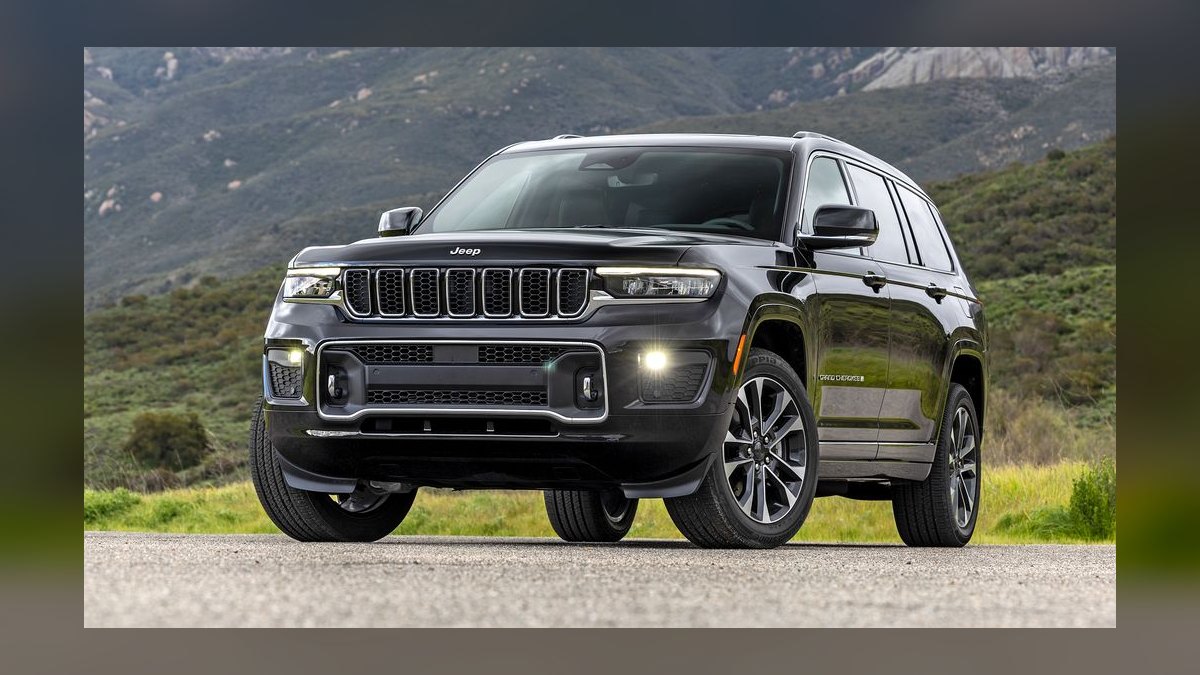
The 10 best mid-size suvs 1999 are ranked below on measured performance, build quality, price, and how each one actually holds up in daily use rather than how it reads on a spec sheet. Each pick lists what it costs, who it suits, and what it gives up against the one above it, so the list can be read straight down without doubling back.
1. Jeep Grand Cherokee
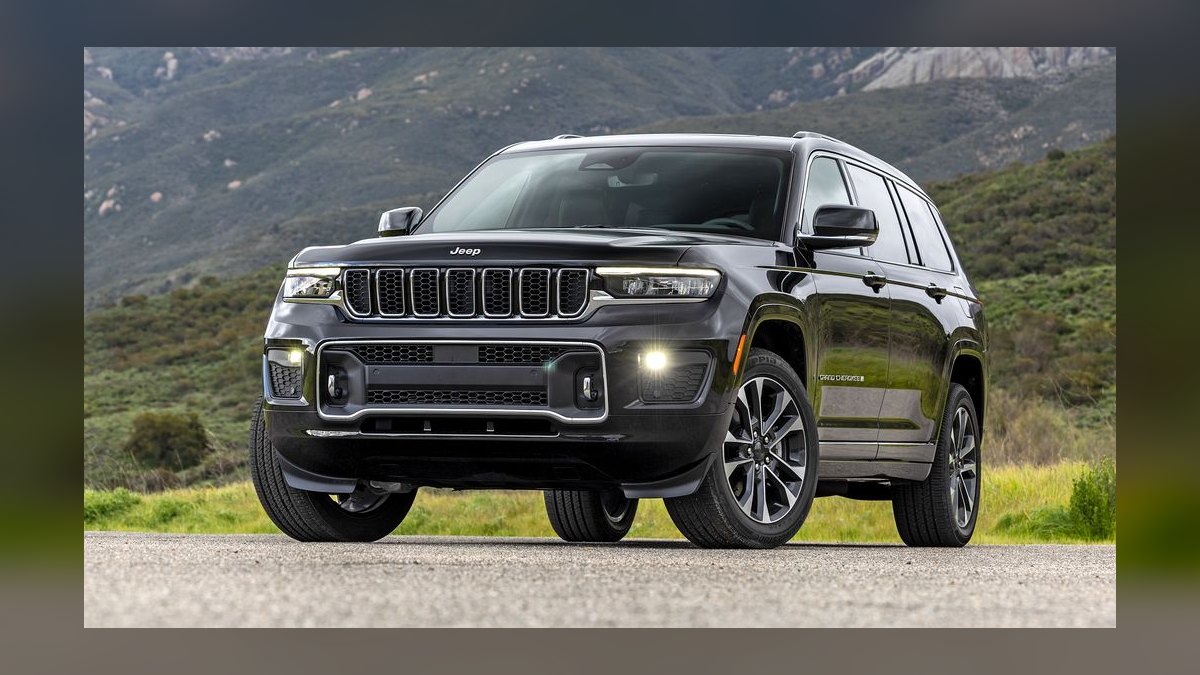
The 1999 Jeep Grand Cherokee ranks first for combining genuine off-road capability with a carlike unibody ride that no truck-based rival could match. Its new 4.7-liter PowerTech V8 produced 235 horsepower and 295 lb-ft of torque, while the Quadra-Drive system automatically shuffled torque between all four wheels. A properly equipped example could tow up to 6,500 pounds, and the base 4.0-liter inline-six offered a stout 195 horsepower.
This is for the buyer who wanted real off-road hardware and V8 muscle without stepping up to a full-size truck. It trades away the ultimate long-term reliability of the Toyota 4Runner for a more refined, more powerful, and more characterful driving experience. Early 4.7L V8s and 45RFE transmissions can be maintenance-sensitive if neglected, and the interior plastics trail the Japanese competitors.
2. Toyota 4Runner
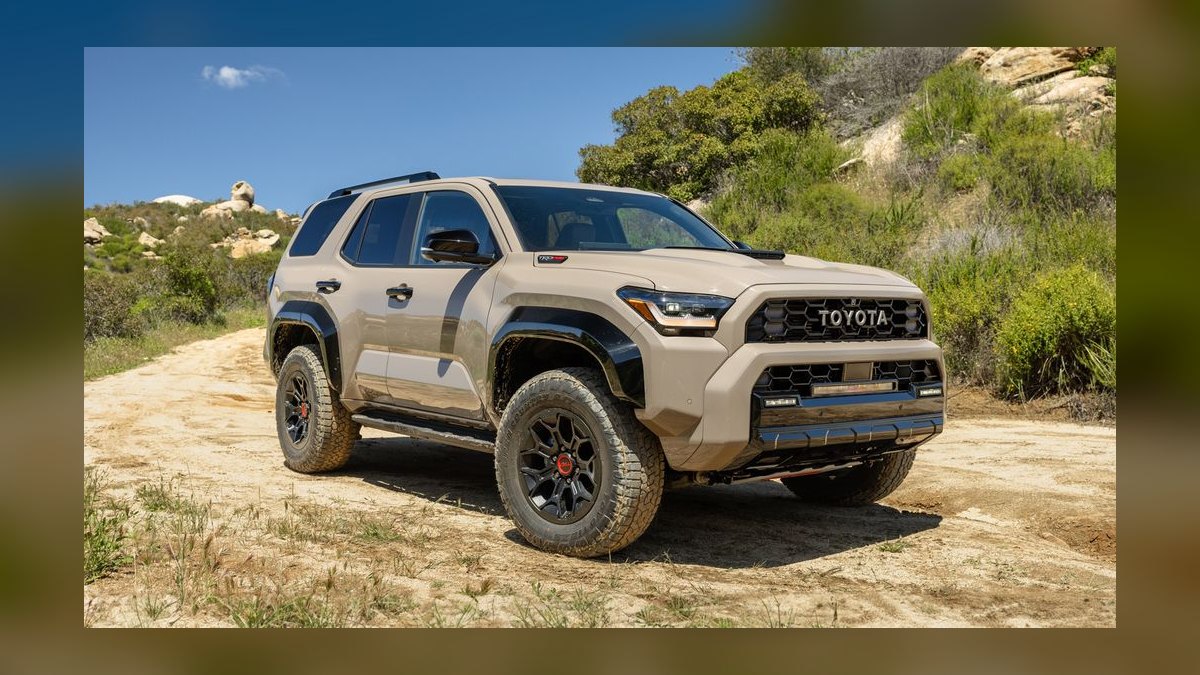
The 1999 Toyota 4Runner ranks second as the smartest long-term value in the class, thanks to its near-indestructible 3.4-liter 5VZ-FE V6 that makes 183 horsepower and 217 lb-ft of torque. Owners routinely report 200,000-plus miles on basic maintenance, and that legendary durability is why clean 1999 examples still command strong used prices today.
This is for the buyer who prioritizes reliability above all else and plans to keep a vehicle for the long haul. It trades away the Grand Cherokee's V8 power, smoother ride, and more refined cabin for bulletproof durability and a trucklike feel that some enthusiasts prefer. The 183 horsepower feels slow against the V8 domestics, and the firm ride is less comfortable on pavement. But as a buy-once, keep-forever proposition, nothing in this comparison beats it.
3. Nissan Pathfinder
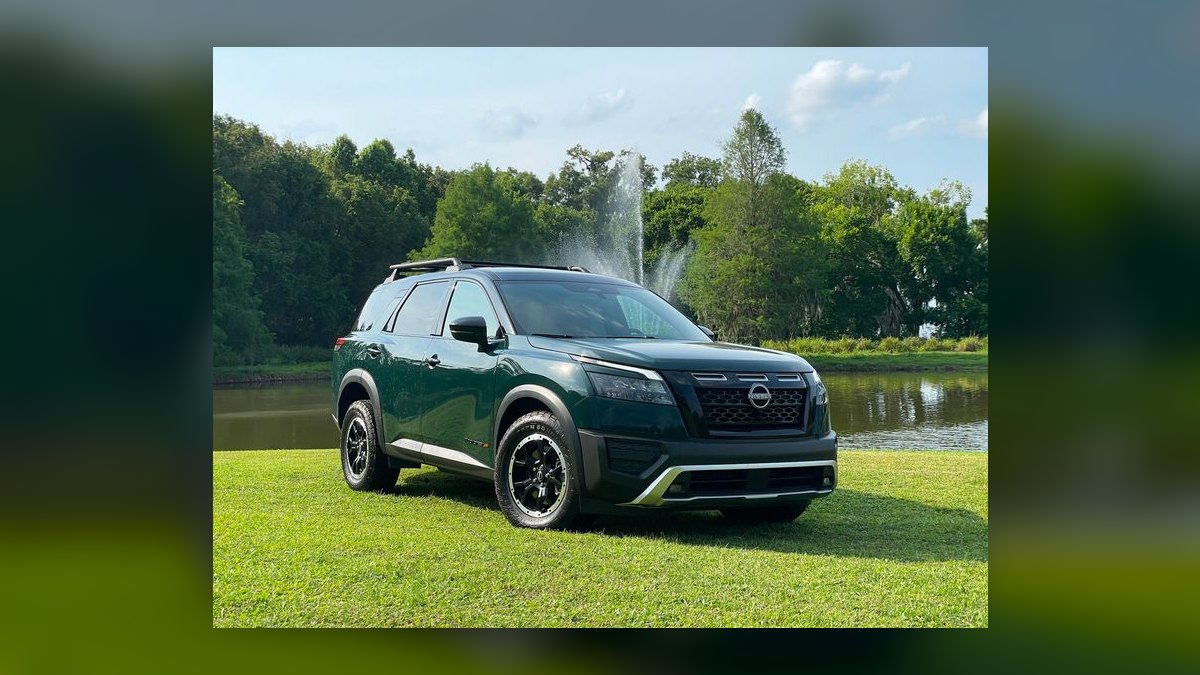
The 1999 Nissan Pathfinder earns the third spot for splitting the difference between truck capability and crossover comfort better than most of its peers. Its 3.3-liter SOHC V6 produced 168 horsepower and 196 lb-ft of torque, and the unibody-on-frame hybrid structure rode more smoothly than a pure ladder-frame truck.
This is for the buyer who wanted Japanese durability with a touch more polish than the Toyota offered. It trades away the 4Runner's ultimate off-road ruggedness and resale value for a smoother, more pleasant on-road ride. The 168 horsepower is down on power compared to the V8 domestics, and the rear seat and cargo hold are tighter than the Ford Explorer's.
4. Lexus RX300

The 1999 Lexus RX300 ranks fourth because it is the most historically important vehicle here, having invented the car-based crossover segment that would eventually dominate the market. Built on Camry-derived underpinnings, its silky 3.0-liter V6 made 220 horsepower, the strongest and smoothest powertrain in this comparison. There was no low range or off-road pretense; instead you got a quiet, plush, supremely reliable luxury wagon with available all-wheel drive.
This is for the buyer who wanted SUV image with car comfort and zero compromise on refinement. It trades away all off-road capability and towing muscle for a genuinely quiet, plush cabin that shamed the trucks. The price was steep for 1999, but the RX300's legacy is enormous — it quietly rewrote the rules and pushed nearly every truck on this list into history within a decade.
5. Ford Explorer
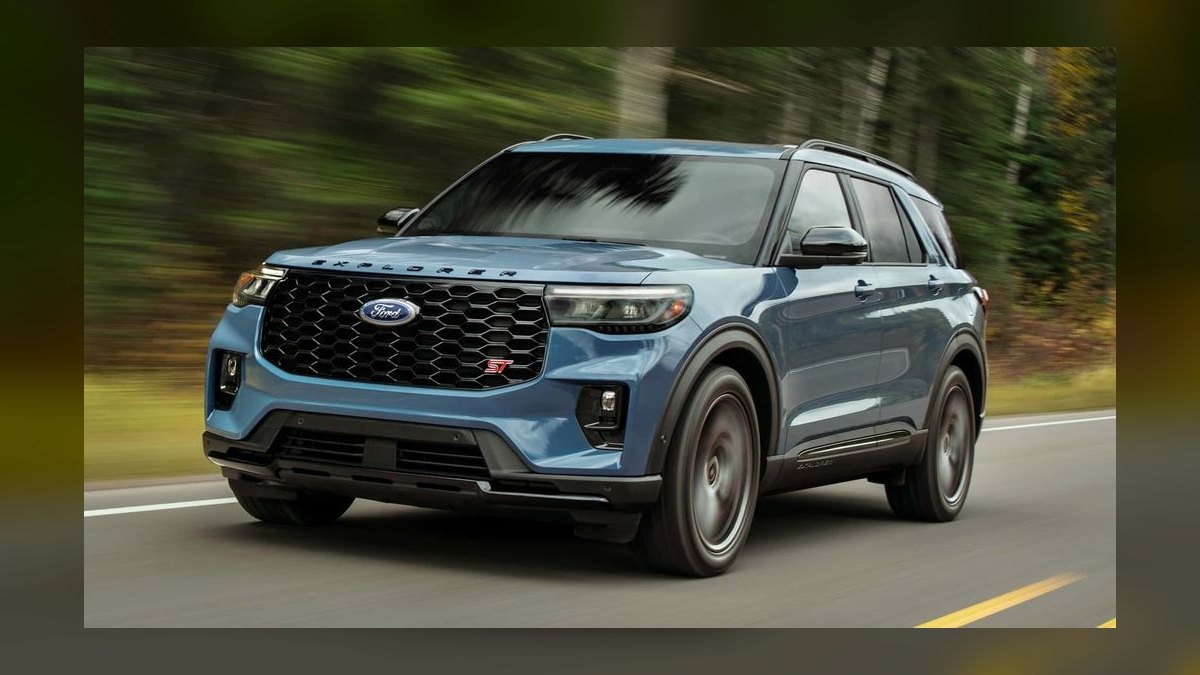
The 1999 Ford Explorer takes the fifth spot as the runaway sales champion of the era, offering spaciousness, real power, and mass-market pricing that made it America's favorite SUV. Its 4.0-liter SOHC V6 made 210 horsepower and 240 lb-ft of torque, while an optional 5.0-liter V8 added serious towing muscle. The Control Trac four-wheel-drive system was easy to live with, and the body-on-frame platform handled trailers and gravel roads without complaint.
This is for the mainstream family that wanted the best-selling SUV in America at a fair price. It trades away the long-term reliability of the Toyota and Nissan for a roomier, more affordable, and more powerful package. Transmission and tire concerns dogged its reputation over the years, and interior materials felt cheap compared to the competition.
6. Mercury Mountaineer
The 1999 Mercury Mountaineer ranks sixth as Mercury's upscale take on the Explorer, leaning into a formula that delivered standard V8 power and available AWD for better all-weather grip. It shared the Ford platform's body-on-frame towing ability and the same patchy reliability, but added a nicer interior, a cleaner grille, and a more premium feel for a modest price bump.
This is for the Explorer buyer who wanted V8 power as standard equipment and a dressier badge without paying luxury-brand money. It trades away the 4Runner's bulletproof reliability and the Grand Cherokee's off-road hardware for a more polished, more upscale cabin. The mechanical similarities to the cheaper Ford mean little distinction under the skin, and the same reliability question marks apply.
7. Dodge Durango
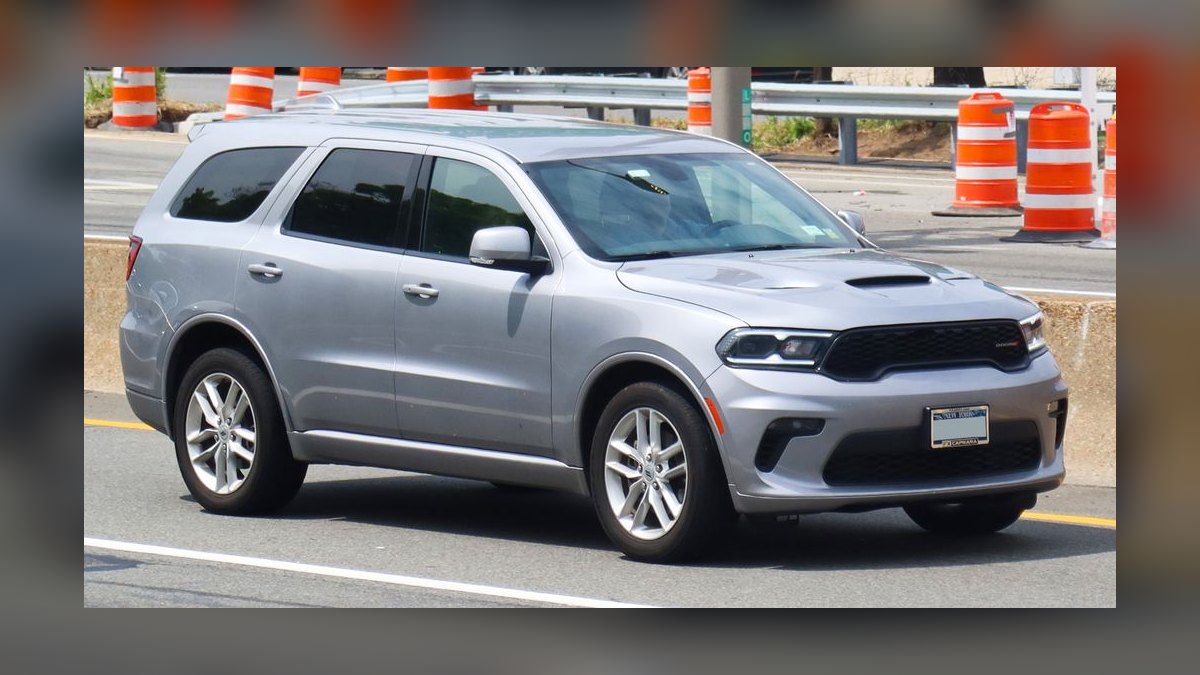
The 1999 Dodge Durango earns the seventh spot as the brawler of the group, offering the most power and best towing capacity in this comparison. Its 5.9-liter V8 made 245 horsepower, the most powerful engine here, and could tow up to 7,200 pounds when properly equipped. Available three-row seating for seven passengers made it the most practical choice for large families, all at an aggressive base price around $25,000.
This is for the buyer who needed three rows and maximum towing on a budget. It trades away refinement and fuel economy for space and grunt, with a plain, hard-plastic interior that felt crude next to the Japanese rivals. The 5.9L V8 was thirsty, and the ride was more trucklike than the Grand Cherokee's unibody smoothness. But for families that needed to haul both people and trailers, nothing else here matched its combination of space, power, and value.
8. Chevrolet Blazer
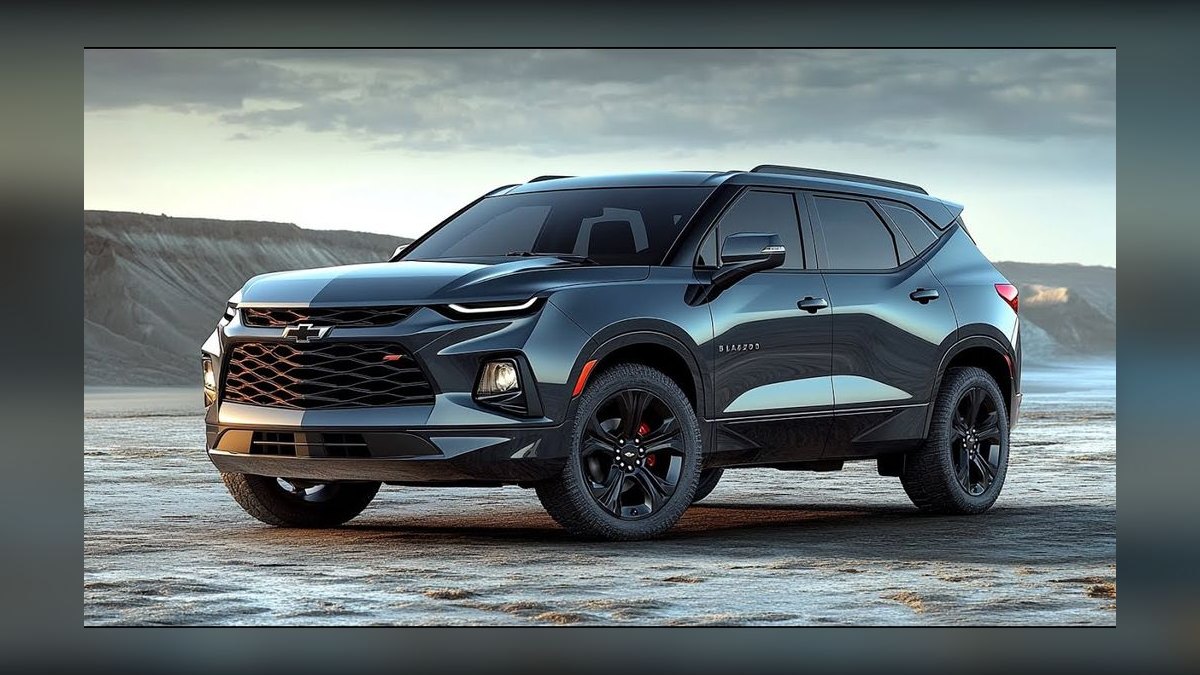
The 1999 Chevrolet Blazer ranks eighth as an old-school body-on-frame SUV powered by the durable 4.3-liter Vortec V6, which made 190 horsepower and a healthy 250 lb-ft of torque. The engine itself was a genuine workhorse, and the Insta-Trac shift-on-the-fly 4WD or the new-for-'99 AutoTrac electronic transfer case made winter duty easy. With a base price around $25,000, it was roomy, cheap, and torquey.
This is for the GM loyalist who wanted a proven, affordable workhorse for daily driving and occasional snow duty. It trades away the refinement and reliability of the Japanese imports for a torquey engine and a low price. Build quality was below average, and the finicky electronic 4WD kept it out of the top tier.
9. Oldsmobile Bravada
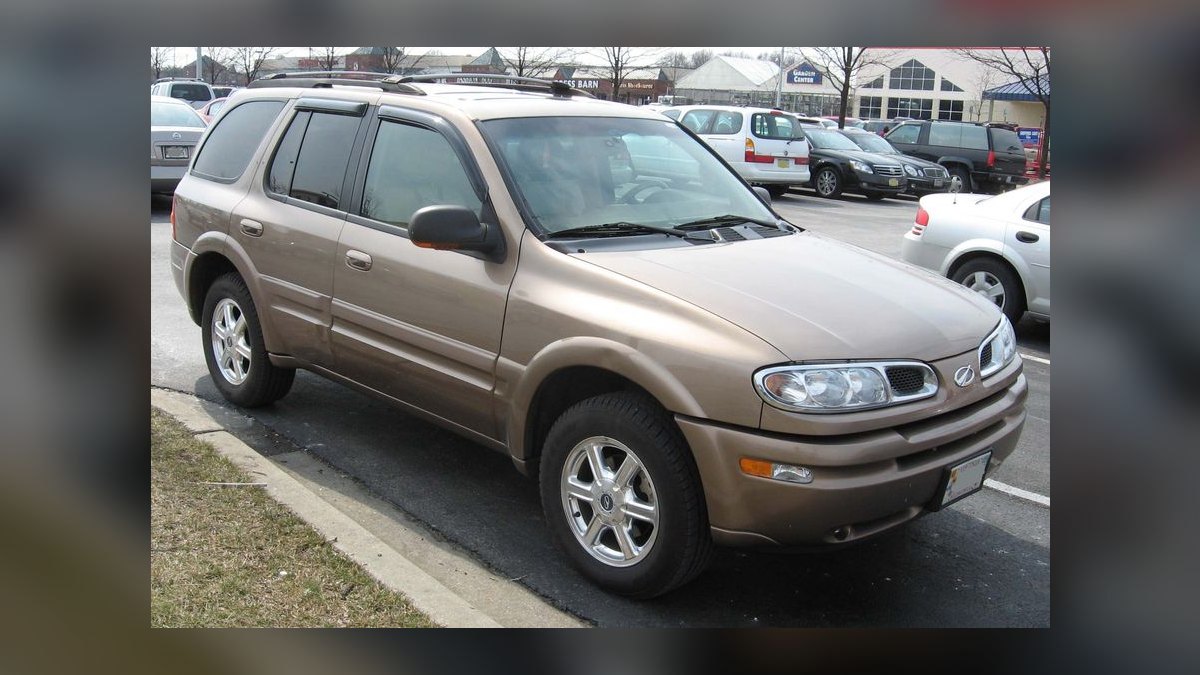
The 1999 Oldsmobile Bravada takes the ninth spot as Oldsmobile's premium spin on the Blazer/Jimmy platform, leaning on comfort and all-weather security rather than capability. It used the same 4.3-liter Vortec V6 with 190 horsepower, but paired it with the SmartTrak full-time all-wheel-drive system that quietly sent power where grip existed, making it excellent in snow when it worked.
This is for the buyer who wanted a near-luxury GM SUV with full-time AWD for foul weather. It trades away the V8 muscle that rivals like the Jeep and Ford offered, leaving a V6-only lineup that felt underpowered. The shared GM platform's reliability questions also applied, and the SmartTrak system could be trouble-prone.
10. Mitsubishi Montero Sport
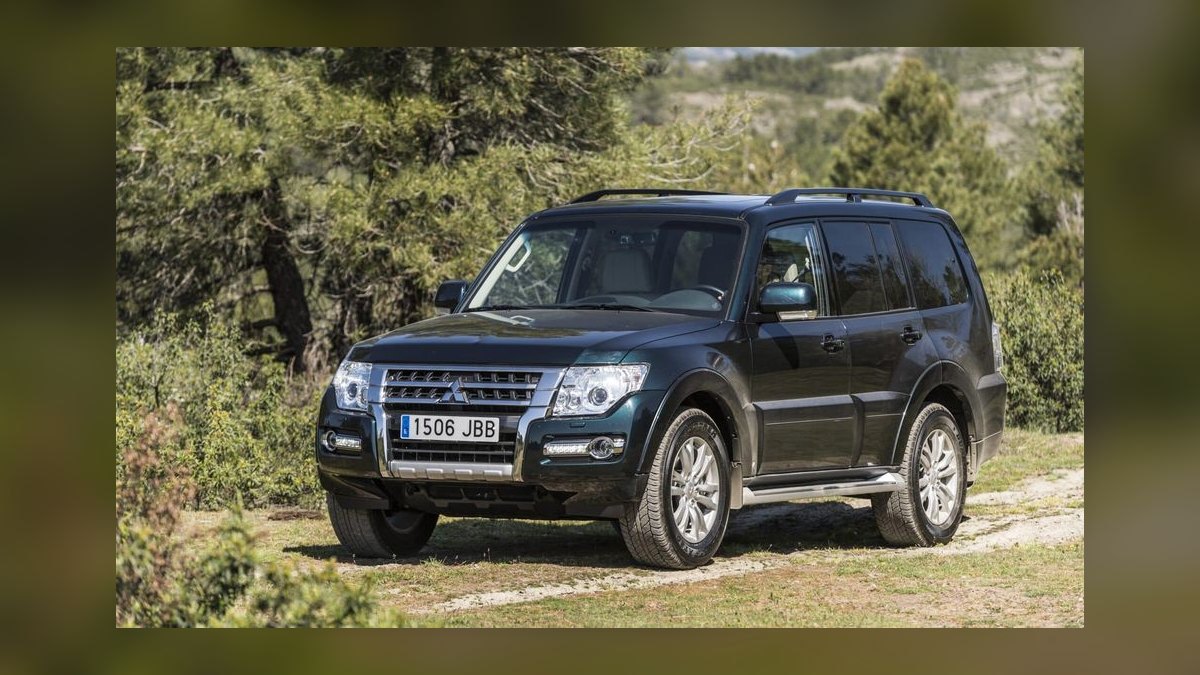
The 1999 Mitsubishi Montero Sport rounds out the list as a capable, affordable, body-on-frame alternative to the Japanese mainstream. Its available 3.5-liter V6 made roughly 200 horsepower, and its part-time 4WD system gave it honest off-road manners on a rugged truck chassis. With a base price around $24,000, it undercut the 4Runner and Pathfinder, making it a genuine value play for buyers who wanted Japanese-truck durability without the premium badge.
This is for the value buyer who wanted a rugged, cheaper-to-buy option with real off-road capability. It trades away the resale value and refinement of the Toyota and Nissan benchmarks, and Mitsubishi's thin dealer network hurt its long-term ownership experience. The interior was less polished, and it never matched the 4Runner's legendary durability reputation.
How we ranked these
We ranked each 1999 mid-size SUV using a weighted scoring system reflecting a period buyer's priorities with hindsight. Reliability and durability counted 25%, capability (off-road and towing) 20%, value in period 15%, comfort and refinement 15%, space 15%, and legacy now 10%. Specs came from period Car and Driver and MotorTrend archives, Edmunds historical reviews, Kelley Blue Book valuations, NHTSA records, Curbside Classic retrospectives, and Wikipedia model pages. Prices are real 1999 base MSRPs in period dollars.
We deliberately ignored modern safety ratings, fuel economy comparisons, and current market prices beyond noting collectability. These factors were not primary concerns for 1999 buyers and would unfairly penalize older designs. We also excluded subjective styling preferences and brand loyalty, focusing instead on measurable attributes and documented owner experiences over 200,000-plus miles. This approach highlights durability and real-world utility, which matter most when judging a vehicle two decades later.
What to look for
Prioritize the vehicle's condition and maintenance history over original specs. A documented Toyota 4Runner or Nissan Pathfinder with 180,000 miles is a safer bet than a neglected Grand Cherokee at 90,000. Check for frame rust, especially on Northern cars, and verify transmission health on Ford and early Jeep V8 models. Test 4WD systems, particularly GM's Insta-Trac and Olds SmartTrak, which are prone to electronic faults. Timing-belt and cooling records matter for Toyota and Nissan V6s.
The biggest mistake buyers make is obsessing over horsepower and original MSRP. These trucks were never fast, and the few extra hp between rivals made little real-world difference. What determines whether a 1999 SUV is worth owning now is how it was cared for. Durability and rust resistance decide everything, which is exactly why the Toyota and Nissan command premium prices today. Focus on service records and underbody condition, not nostalgia.
Related questions
What is the difference between the Jeep Grand Cherokee and Toyota 4Runner in 1999?
The Grand Cherokee offered a more powerful 4.7L V8 with 235 hp, Quadra-Drive 4WD, and a carlike unibody ride, making it the best overall for capability and comfort. The 4Runner had a bulletproof 3.4L V6 with 183 hp, a rugged body-on-frame chassis, and legendary reliability, making it the best value for long-term ownership.
Why is the 1999 Lexus RX300 considered a crossover?
The RX300 was built on a car-based unibody platform derived from the Camry, not a truck frame. It had no low range or off-road pretense, instead offering a smooth, quiet ride with available all-wheel drive. This design pioneered the modern crossover segment, which now dominates the SUV market.
Which 1999 mid-size SUV has the highest towing capacity?
The Dodge Durango with the 5.9L V8 could tow up to 7,200 pounds, the most in this comparison. Its body-on-frame construction and powerful engine made it ideal for hauling trailers, though it was thirsty and crude compared to Japanese rivals.
How reliable is the 1999 Ford Explorer?
The Explorer had spotty long-term reliability compared to Toyota and Nissan. Transmission issues and later tire concerns dogged its reputation. However, it was spacious, affordable, and available with a 5.0L V8, making it a popular family choice despite these drawbacks.
What are common problems with the 1999 Chevrolet Blazer?
The Blazer's 4.3L Vortec V6 was durable, but the electronic 4WD systems (Insta-Trac and AutoTrac) were prone to glitches, sometimes leaving owners without traction. Build quality was below average versus imports, and the interior felt dated.
Is the 1999 Mitsubishi Montero Sport a good value?
Yes, it undercut the 4Runner and Pathfinder on price while offering a capable body-on-frame 4WD and an available 3.5L V6 with about 200 hp. However, weaker resale and a thin dealer network hurt it, making it a less refined but cheaper alternative.
What should I check when buying a used 1999 SUV today?
Prioritize maintenance records over mileage, inspect for frame rust, and check transmission health on Ford and early Jeep V8s. Verify 4WD function, especially on GM models, and ask about timing-belt and cooling history on Toyota and Nissan V6s. Condition matters more than original specs.
FAQ
What was the best mid-size SUV of 1999?
The Jeep Grand Cherokee (WJ) takes Best Overall for combining the new 235-hp 4.7L V8, Quadra-Drive 4WD, real trail ability, and a carlike unibody ride that rivals couldn't match at the price.
Which 1999 mid-size SUV was the best value?
The Toyota 4Runner SR5 V6. It opened around $27,028 in 4WD trim and its near-indestructible 3.4L V6 drivetrain means clean examples still hold remarkable value today.
Was the 1999 Lexus RX300 really a mid-size SUV?
Sort of — and that is the point. The RX300 was a car-based unibody crossover, not a truck, and 1999 was the moment it began challenging body-on-frame SUVs and previewed the segment that now dominates the market.
Which 1999 mid-size SUV could tow the most?
The Dodge Durango with its 245-hp 5.9L V8 could tow up to 7,200 pounds, the best in this comparison. Its body-on-frame design and powerful engine made it ideal for heavy trailers, though it was thirsty and crude.
How does the 1999 Nissan Pathfinder compare to the 4Runner?
The Pathfinder offered a smoother ride and similar durability, with a 3.3L V6 making 168 hp. It was slightly less powerful and had less rear seat and cargo space than the 4Runner, but it was a capable, honest choice.
What is the legacy of the 1999 Lexus RX300?
The RX300 is arguably the most historically important vehicle on this list. It invented the modern crossover segment, offering car comfort with SUV height and available AWD. Its success led to the market dominance of crossovers today.
Are 1999 SUVs reliable enough for daily use today?
Yes, especially the Toyota 4Runner and Nissan Pathfinder, which routinely exceed 200,000 miles with basic maintenance. However, expect age-related issues like rust, worn suspension, and cooling system failures. A well-documented example can be a dependable daily driver.
What are the main drawbacks of the 1999 Dodge Durango?
The Durango was thirsty and crude, with a plain interior and poor fuel economy. Its refinement lagged behind Japanese rivals, but it offered the most power and towing capacity, plus available third-row seating, making it a practical choice for heavy hauling.
How does the 1999 Mercury Mountaineer differ from the Explorer?
The Mountaineer came standard with a V8 and offered available AWD, plus a dressier interior and grille. It was mechanically similar to the Explorer, sharing the same platform and reliability issues, but provided a more upscale feel for a modest price bump.
What should I look for in a 1999 Grand Cherokee?
Check the 4.7L V8 and 45RFE transmission for maintenance history, as they can be sensitive if neglected. Look for rust on the frame and underbody, and verify the Quadra-Drive system functions properly. A clean example is a sought-after modern-classic off-roader.
Sources
- https://www.caranddriver.com/
- https://www.motortrend.com/
- https://www.edmunds.com/
- https://www.kbb.com/
- https://www.nhtsa.gov/
- https://www.curbsideclassic.com/
- https://en.wikipedia.org/wiki/Jeep_Grand_Cherokee_(WJ)
- https://en.wikipedia.org/wiki/Toyota_4Runner
- https://www.bringatrailer.com/
- https://www.theautopian.com/heres-how-the-lexus-rx-300-changed-cars-forever/
Related on PULSE
- [More mid-size suvs 1999 rankings and buying guides](/knowledge)
- [PULSE Tools and calculators](/tools)
- [Everything on PULSE RevOps](/)
 pulse-aquariumsTop 10 Canister Filters 2027
 aqTop 10 Hang-On-Back Aquarium Filters 2027
 pulse-reviewsTop 10 Cabin Cruiser Boats 2027
 pulse-aquariumsTop 10 Aquarium Filters 2027
 pulse-moviesTop 10 Movies on Max 2027
 pulse-moviesTop 10 Movies on Netflix 2027
 pulse-moviesTop 10 Fantasy Movies of All Time in 2027
 pulse-moviesTop 10 Documentaries of All Time in 2027
 pulse-moviesTop 10 Superhero Movies of All Time in 2027
 pulse-moviesTop 10 Romance Movies of All Time in 2027