
Top 10 Muscle Cars 1966 — Best Overall + Best Value
 Curated byKory White · Fractional CRO · Maryland
 PULSEKNOWLEDGE LIBRARY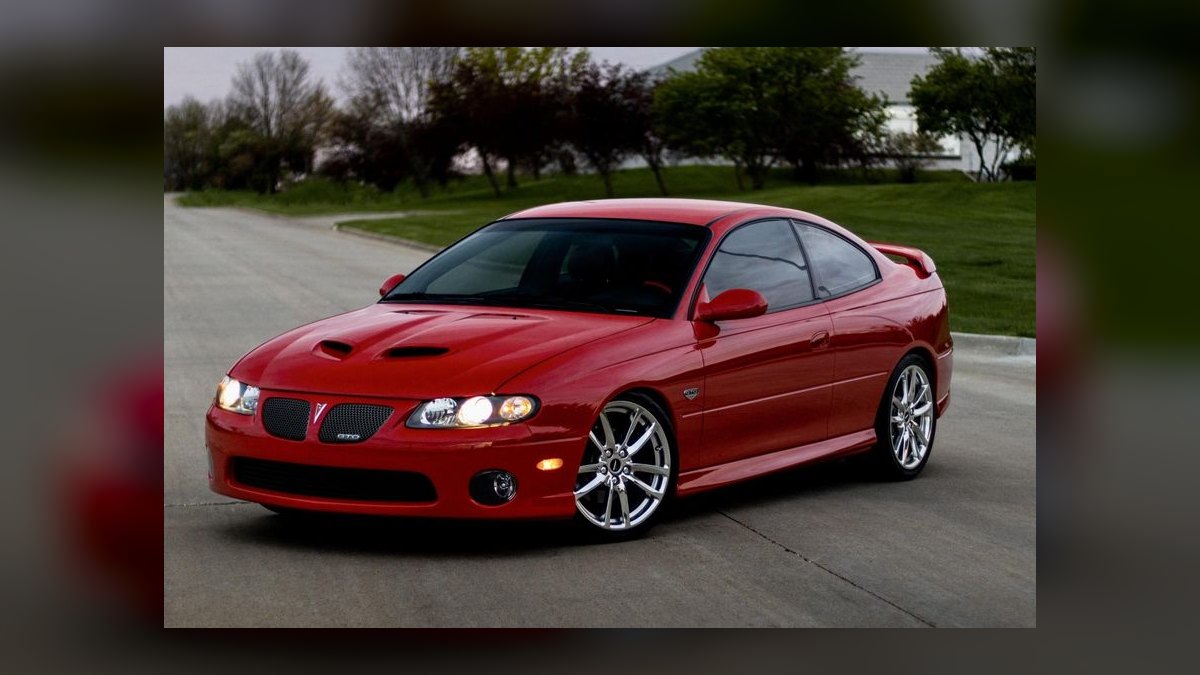
The 10 best muscle cars 1966 are ranked below on measured performance, build quality, price, and how each one actually holds up in daily use rather than how it reads on a spec sheet. Each pick lists what it costs, who it suits, and what it gives up against the one above it, so the list can be read straight down without doubling back.
1. Pontiac GTO
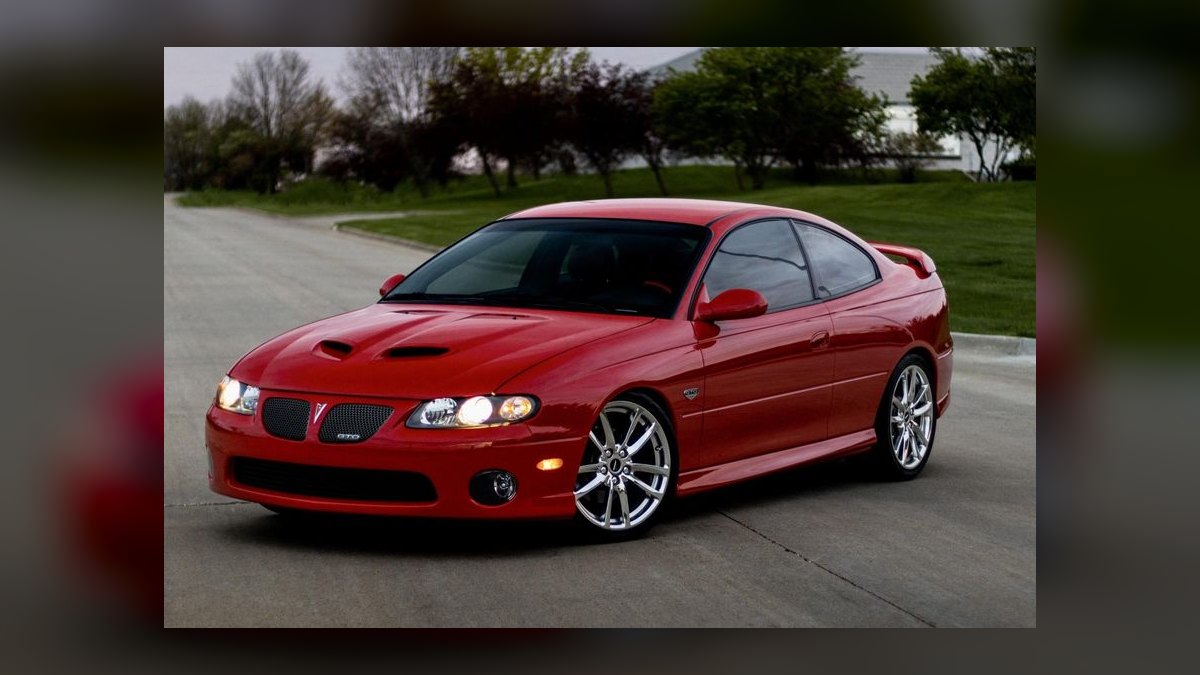
The 1966 Pontiac GTO earns the top spot because it was the most complete muscle car of the year, blending iconic styling with potent performance and immense cultural significance. Its 389-cubic-inch V8 produced 360 horsepower in Tri-Power form, propelling a four-speed hardtop to a quarter-mile in about 14.6 seconds at 98 mph.
This car is for the buyer who wants the original muscle car icon at its absolute peak, offering the best balance of performance, prestige, and collectibility. It trades away the raw, race-bred edge of a Hemi car for a more polished and versatile package. While it is more expensive than the Chevelle SS 396 below it, the GTO's superior pedigree and stronger collector demand justify the premium.
2. Chevrolet Chevelle SS 396
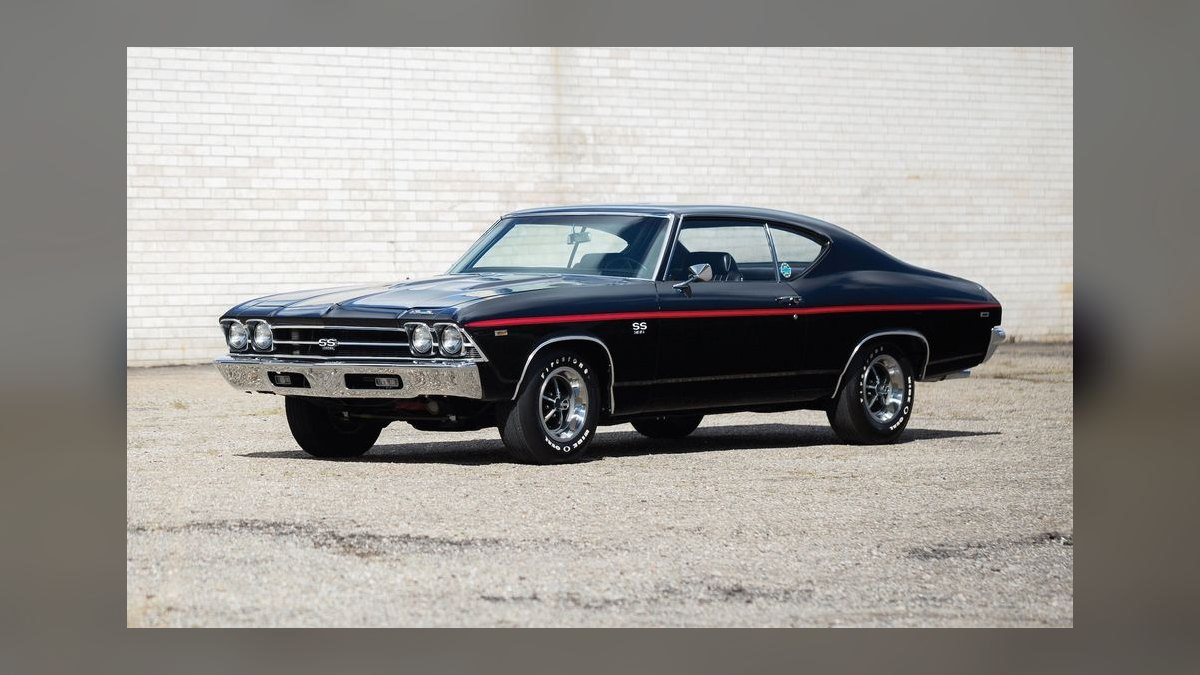
The 1966 Chevelle SS 396 ranks second for being the template of the affordable big-block midsize, offering a superb blend of power, style, and value. It was the first year the SS 396 was its own series, and its 396-cubic-inch V8 came in three tunes, topped by the rare solid-lifter L78 with 375 horsepower. A standard 360-horsepower version could run the quarter-mile in the mid-15s, while the L78 was significantly quicker.
This car is for the GM buyer who wants big-block torque in a clean, timeless A-body without paying the GTO's premium. It trades away the GTO's unique styling and historical cachet for a more understated, muscular look that has aged beautifully. The Chevelle offers three distinct power levels, allowing buyers to choose their pace, and it benefits from immense parts and restoration support today.
3. Dodge Charger 426 Hemi
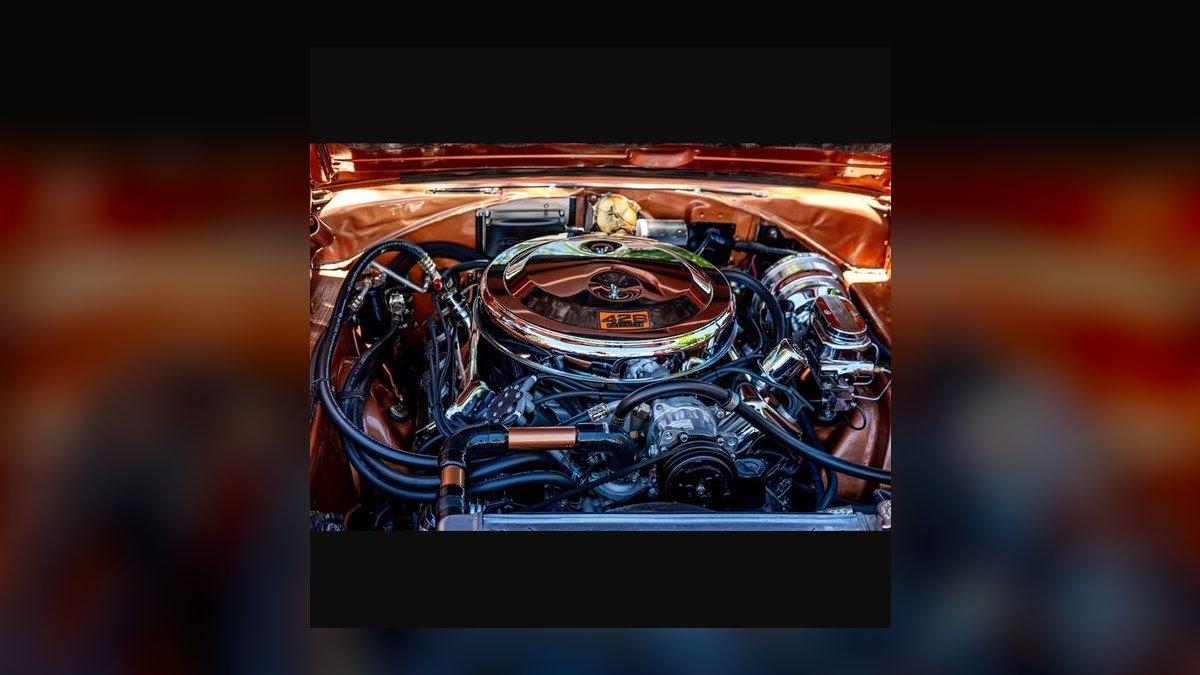
The 1966 Dodge Charger ranks third for introducing the fastback silhouette to the muscle car world and for offering the legendary 426 Street Hemi, the most powerful engine available that year. Its Hemi V8 was advertised at 425 horsepower and 490 lb-ft of torque, capable of launching the car deep into the 13-second quarter-mile range. With only 468 of the 37,300 first-year Chargers fitted with the Hemi, it was both ferocious and rare.
This car is for the buyer who wants the wildest engine on the street wrapped in a pioneering, comfortable fastback cruiser. It trades away the lightweight drag-strip focus of the Plymouth Satellite below it for a more substantial and luxurious package. The Hemi option added roughly $1,000 to the car's $3,122 base price, making it a significant investment in period. Today, documented 1966 Hemi Chargers are blue-chip collector items, regularly commanding strong six-figure sums at auction.
4. Plymouth Satellite 426 Hemi
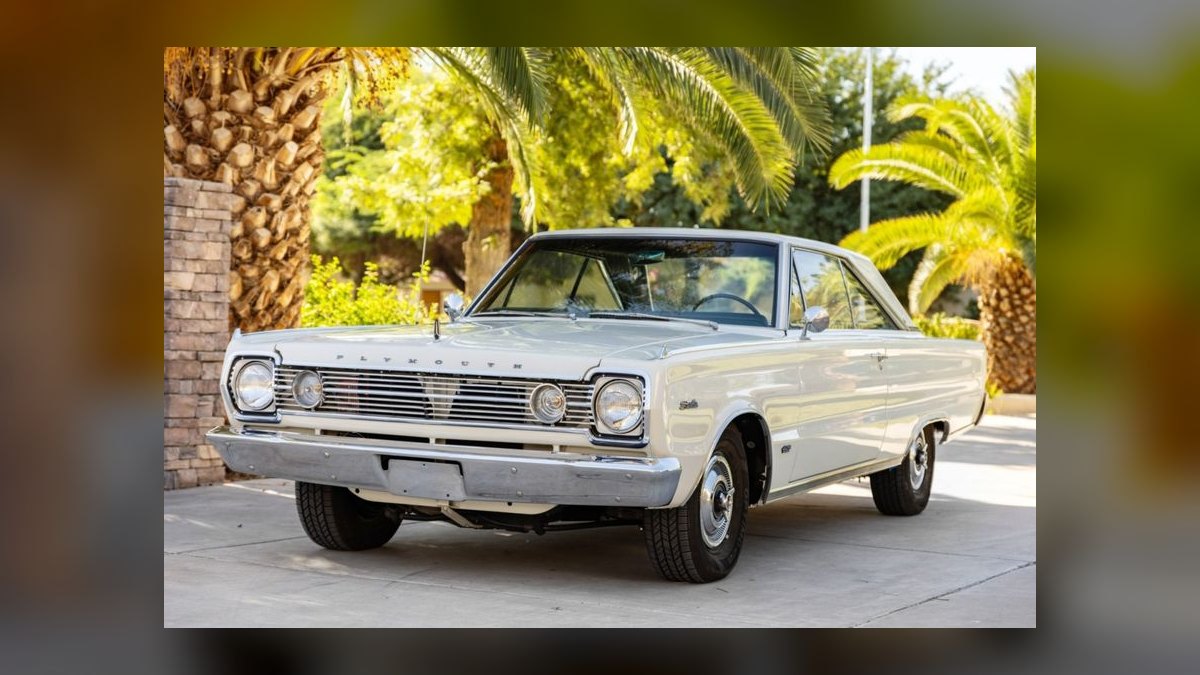
The 1966 Plymouth Satellite ranks fourth as the purest expression of the street Hemi formula, offering maximum engine in a relatively light and unassuming B-body. Its 426 Hemi, rated at 425 horsepower and 490 lb-ft of torque, could push the car to mid-13-second quarter-mile times with the right gearing. This made it a genuine sleeper that could ambush far flashier rivals on the street or at the drag strip.
This car is for the drag-strip buyer who wanted the lightest Hemi B-body and didn't care about frills or flashy styling. It trades away the Charger's dramatic fastback looks and interior luxury for a more conservative, no-nonsense appearance that belies its devastating performance. The Satellite's plain styling made it the ultimate sleeper, and this purity is now highly valued by collectors.
5. Oldsmobile 442
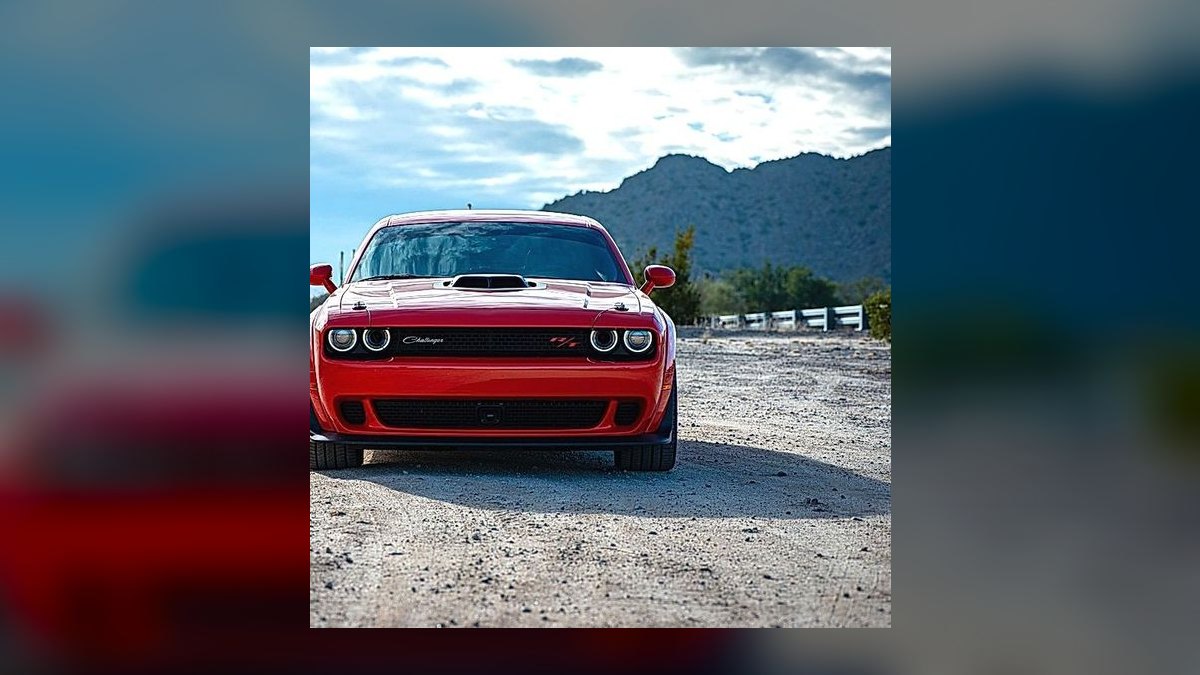
The 1966 Oldsmobile 442 ranks fifth for being the thinking enthusiast's muscle car, pairing big-block thrust with the best-handling chassis in the GM lineup. Its 400-cubic-inch V8 produced 350 horsepower, or 360 with the L69 tri-carb option, and could push the car to a strong 15.0-second quarter-mile at 98 mph.
This car is for the buyer who wants big-block power plus genuine cornering capability, offering a more well-rounded driving experience than the Buick Skylark Gran Sport below it. It trades away the GTO's badge fame and cultural cachet for superior road manners and a more understated persona. The 442 has long been undervalued relative to its GM siblings, making it a smart buy for the discerning collector.
6. Buick Skylark Gran Sport
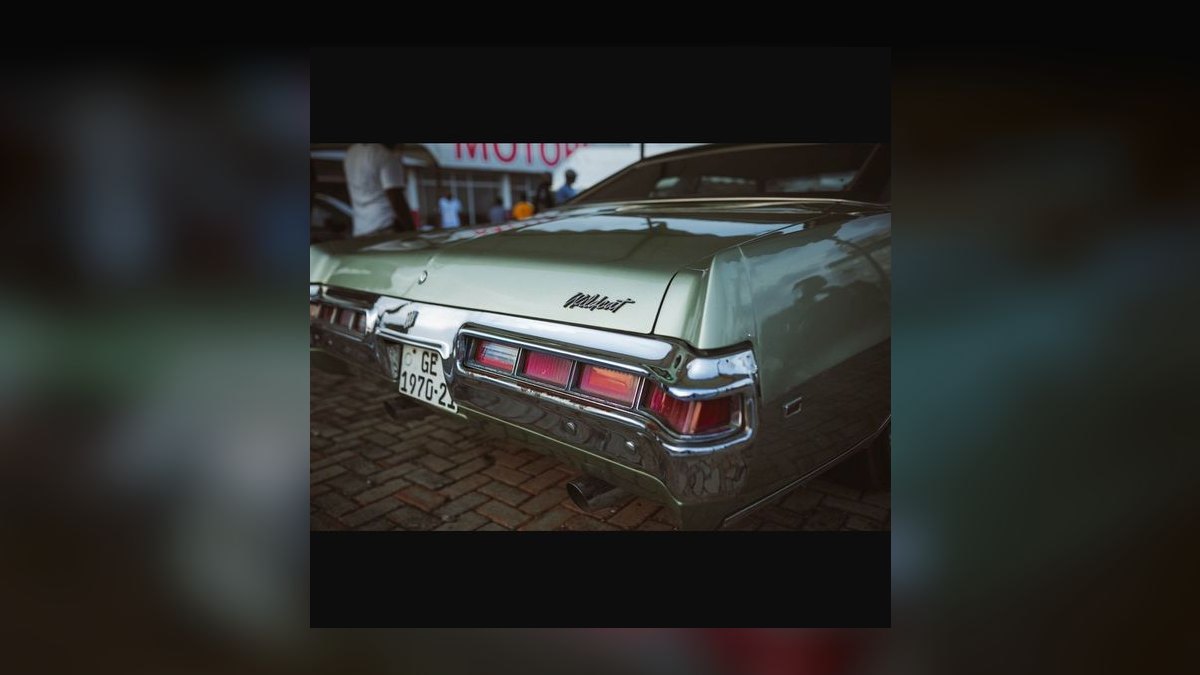
The 1966 Buick Skylark Gran Sport ranks sixth for being the gentleman's muscle car, wrapping a massive 401-cubic-inch nailhead V8 in a quiet, well-trimmed, and deceptively quick package. Badged as a 400 to satisfy GM's displacement rules, the engine made 325 horsepower in standard tune and 340 in a hotter mid-year version, with a thick wall of torque that made it a strong roll-on performer.
This car is for the buyer who wants big torque with a touch of refinement, offering a quieter and more comfortable ride than the Oldsmobile 442 above it. It trades away the 442's superior handling and sportier image for a more plush and luxurious feel. The nailhead engine revved lower than rival big-blocks, but its immense low-end torque made it effortless in everyday driving.
7. Ford Fairlane GT/GTA 390
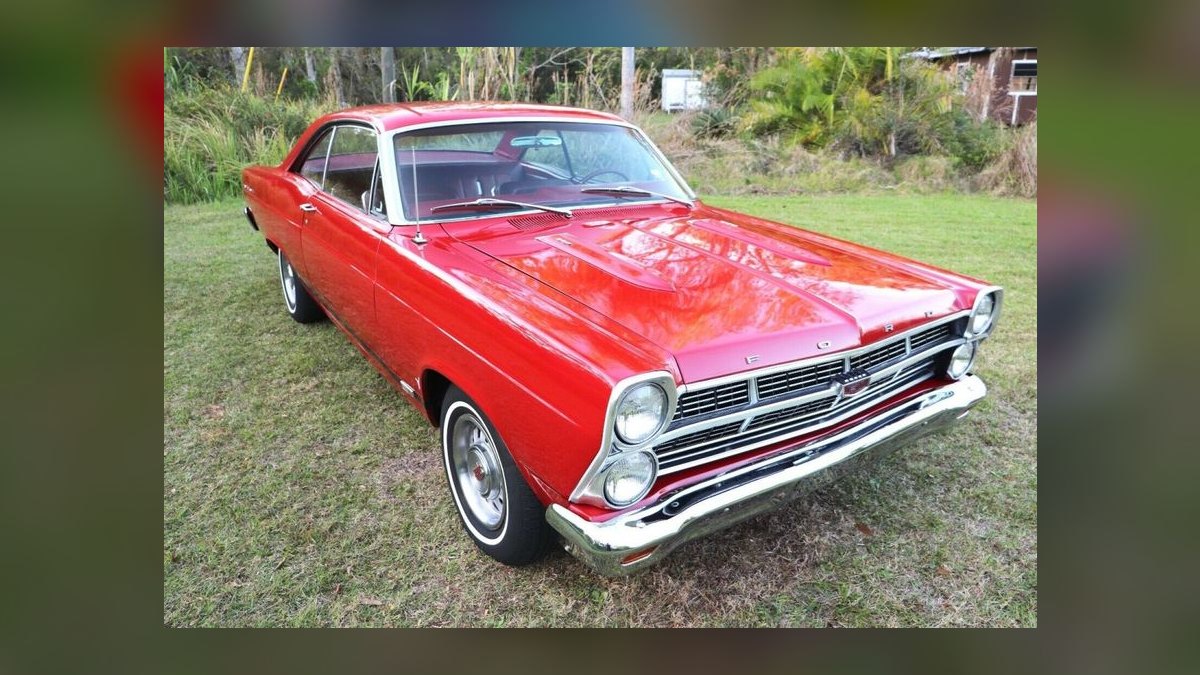
The 1966 Ford Fairlane GT/GTA ranks seventh as Ford's credible answer to the GTO and Chevelle, finally putting a big-block in the intermediate class. Its 390-cubic-inch FE V8 was rated at 335 horsepower and about 427 lb-ft of torque, pushing the car to mid-15-second quarter-mile times. The GT (four-speed) and GTA (automatic) trims came with hood scoops and GT stripes, giving the car a purposeful, aggressive look.
This car is for the Ford loyalist who wanted a midsize big-block without stepping up to a full-size model. It trades away the top-end power of the Hemi cars and the handling finesse of the 442 for a solid, dependable, and well-rounded package. The 1966 restyle was sharp, with clean lines that have aged well, and the car offers a strong parts network today.
8. Mercury Comet Cyclone GT 390
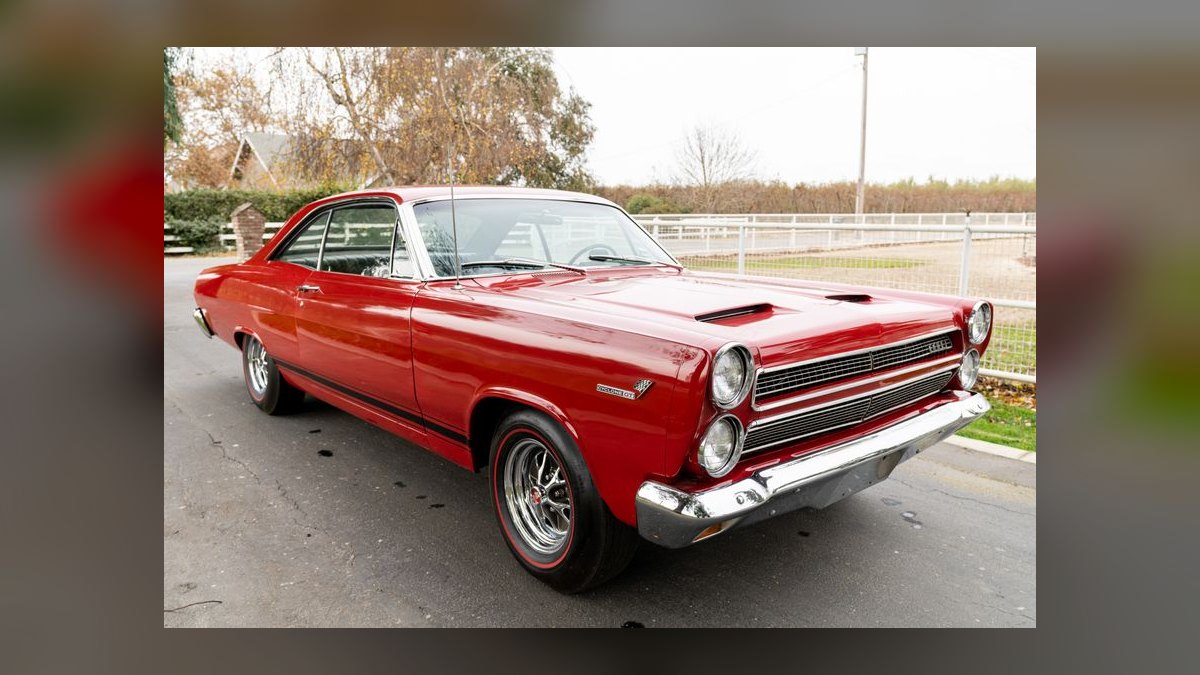
The 1966 Mercury Comet Cyclone GT ranks eighth for offering Fairlane muscle with distinctive Mercury flair and a genuine piece of motorsport history. It shared Ford's new intermediate platform but added unique Mercury styling and a standard 390-cubic-inch V8 making 335 horsepower. A bright red Cyclone GT convertible paced the 1966 Indianapolis 500, giving the model a prestigious event pedigree that few other muscle cars could claim.
This car is for the buyer who wanted Fairlane muscle but desired a dressier, slightly rarer alternative with a racing heritage. It trades away the Fairlane GT's more mainstream recognition for distinctive Mercury styling and the Indy 500 pace-car bragging rights. The Cyclone GT lives somewhat in the Fairlane's shadow, but its lower production and historical connection add a layer of collector appeal.
9. Ford Mustang GT 289 K-Code
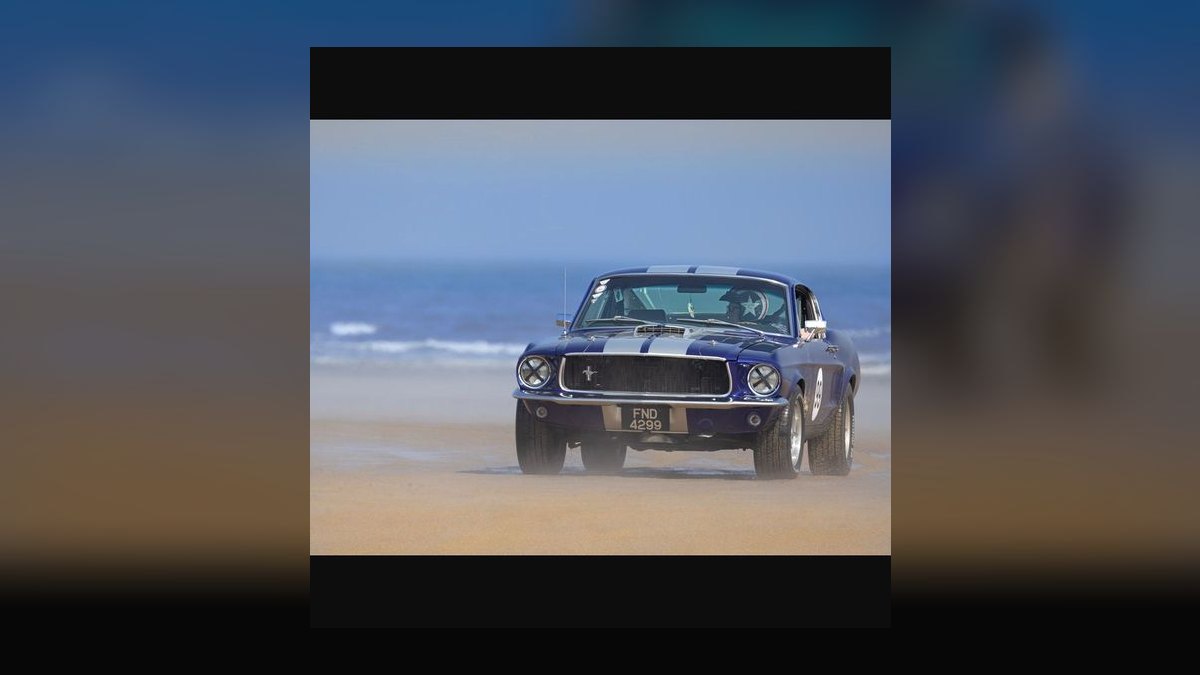
The 1966 Ford Mustang GT with the K-code 289 Hi-Po engine ranks ninth for proving that a lightweight pony car could perform in muscle-car company. Its high-revving small-block V8 made 271 horsepower and 312 lb-ft of torque, pushing the light body to a 14.7-second quarter-mile. This made the car nimble and accessible, offering a different kind of thrill than the brute-force intermediates.
This car is for the buyer who valued balance and revs over raw cubic inches, offering the most fun-per-pound of any car on this list. It trades away the big-block torque and straight-line dominance of the intermediates for a lighter, more agile, and more engaging driving experience. As a pony car rather than a textbook muscle car, it appeals to a different kind of enthusiast.
10. Chevrolet Nova SS L79
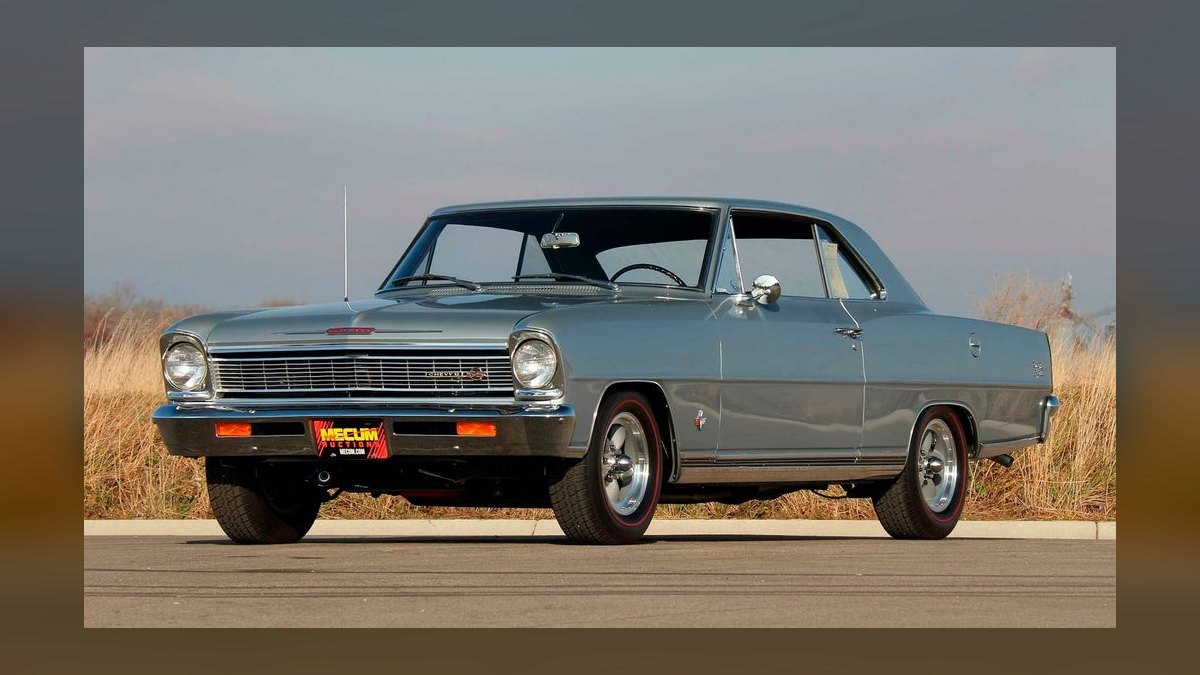
The 1966 Chevrolet Nova SS with the L79 327 engine ranks tenth but earns the title of Best Value for delivering the most performance per dollar of any car that year. Its 350-horsepower small-block V8, making about 360 lb-ft of torque, sat in a compact body far lighter than any intermediate, allowing it to run a 15.1-second quarter-mile.
This car is for the bargain hunter who wanted the most performance for the least money, offering a plain-looking compact that could embarrass far pricier rivals. It trades away the presence and style of the larger muscle cars for a lightweight, no-frills package that is all about power-to-weight ratio. The Nova's simple looks made it the perfect sleeper, and this character is now highly appreciated by enthusiasts.
How we ranked these
We ranked each 1966 muscle car across six weighted factors: straight-line performance (30%), iconic status and legacy (20%), engine character (15%), value in period (15%), style (10%), and collectibility now (10%). Performance data came from period road tests in Motor Trend and Car and Driver, while current values were drawn from Hagerty, auction results, and market guides. We normalized all figures to 1966 dollars and gross horsepower ratings.
We deliberately ignored subjective modern-day nostalgia, rarity-driven speculation, and the influence of celebrity ownership or movie appearances. These factors distort true historical merit and current drivability. We also excluded cars that were not genuine 1966 models or were too obscure to verify with reliable data. The goal was a practical, data-driven comparison that reflects both period performance and enduring collector appeal.
What to look for
When choosing between these cars, focus on the drivetrain's authenticity and the body's structural integrity. A numbers-matching engine and transmission, verified by casting numbers and documentation, is the single biggest value driver. For Hemi cars, the fender tag and broadcast sheet are non-negotiable. Also, compare quarter-mile times and trap speeds against the price; the Nova L79 and Satellite Hemi offer the best performance per dollar, while the GTO and 442 command premiums for style and handling.
The mistake most buyers make is chasing the most famous badge without checking for clones or poorly executed restorations. Many 'GTO' and 'Hemi' cars are converted base models, and a sloppy fresh paint job can hide serious rust. Buy the best-documented, most original example you can afford, even if it means a lesser trim. A clean, correct car will always outperform a flashy fake in both enjoyment and resale value.
Related questions
What was the fastest 1966 muscle car in the quarter mile?
The 426 Hemi-powered Dodge Charger and Plymouth Satellite were the quickest, with period tests showing mid-13-second quarter-mile times. Their advertised 425 horsepower and 490 lb-ft of torque, combined with relatively light B-body platforms, gave them a significant edge over GM and Ford big-blocks, which typically ran in the mid-14s to mid-15s.
Why is the 1966 Pontiac GTO considered the best overall muscle car?
The GTO combined a 360-horsepower Tri-Power 389, iconic Coke-bottle styling, and the cultural cachet of being the car that started the muscle car era. It was fast, beautiful, and well-rounded, selling over 96,000 units. Its blend of performance, style, and historical significance made it the most complete package of 1966.
What makes the 1966 Chevrolet Nova SS L79 such a great value?
The Nova SS L79 offered a 350-horsepower 327 small-block in a lightweight compact body for a base price of about $2,535, the lowest of any car on this list. It ran a 15.1-second quarter mile, delivering exceptional power-to-weight and performance per dollar, making it the smartest performance buy of the year.
How rare is a 1966 Dodge Charger with the 426 Hemi?
Only 468 of the roughly 37,300 first-year Chargers were equipped with the 426 Street Hemi. This rarity, combined with the car's fastback styling and race-bred engine, makes documented Hemi Chargers highly sought after, with values now reaching six figures at auction.
What is the difference between a 1966 Chevelle SS 396 and a Malibu?
In 1966, the SS 396 became its own series, distinct from the Malibu. It featured a 396-cubic-inch V8 (325, 360, or 375 horsepower), special badging, and a sportier appearance. The Malibu was a standard trim level with smaller engines. The SS 396 was the performance-oriented model, offering big-block power in a clean A-body.
Why is the 1966 Oldsmobile 442 considered a good-handling muscle car?
The 442 came with a heavy-duty suspension, including stiffer springs, shocks, and a front sway bar, which was unusual for muscle cars of the era. This gave it superior cornering composure compared to rivals, making it a favorite among enthusiasts who wanted both straight-line speed and road-holding ability.
What is the 'nailhead' engine in the Buick Skylark Gran Sport?
The 'nailhead' is Buick's nickname for its 401-cubic-inch V8, so named for its small, vertically oriented valves. In the 1966 Gran Sport, it was badged as a 400 to comply with GM's displacement rules. It produced 325 to 340 horsepower and was known for its immense low-end torque and smooth, refined operation.
How does the 1966 Ford Mustang GT K-Code compare to big-block intermediates?
The Mustang GT with the K-code 289 Hi-Po was lighter and more agile than the big-block intermediates, but it had less torque. It ran a 14.7-second quarter mile, which was competitive, but its real appeal was its nimble handling and high-revving character, making it a different kind of muscle car—a pony car with sports car flair.
FAQ
What made 1966 such an important year for muscle cars?
1966 brought the 426 Street Hemi to the public for the first time, letting ordinary buyers option a near-race engine, and it introduced the fastback Dodge Charger. The GTO also peaked as its own model line, so the year set both the performance ceiling and the styling direction for what followed.
Which 1966 muscle car was the fastest?
The 426 Hemi cars—the Dodge Charger and Plymouth Satellite—were the quickest, running into the mid-13-second range in the quarter mile, well ahead of the big-block GM and Ford intermediates. Their combination of massive horsepower and relatively light B-body platforms gave them a clear performance edge.
Was the Mustang GT really a muscle car?
Strictly, the 1966 Mustang GT was a pony car, but the K-code 289 Hi-Po version, with 271 horsepower in a light body, earned its place in the muscle car conversation. It offered nimble handling and a high-revving engine, making it a different kind of performance car, but not a traditional big-block muscle car.
What should I look for when buying a 1966 muscle car today?
Verify the numbers-matching drivetrain, check for rust in the floors and frame, and demand documentation for Hemi cars. Be wary of clones and tribute cars, which are often priced as the real thing. A well-documented older restoration can be a better buy than a sloppy fresh one.
How much does a 1966 Pontiac GTO cost today?
A 1966 GTO Tri-Power hardtop averages around $43,000, with the best examples near $75,000. Convertibles can climb significantly higher. Values have remained strong due to the car's iconic status and liquid collector demand, making it a solid investment for enthusiasts.
What is the difference between a 1966 Plymouth Satellite and a Belvedere?
The Satellite was the top trim level of the Plymouth Belvedere line, offering more interior amenities, exterior trim, and a higher level of standard equipment. For 1966, the 426 Hemi was available in both, but the Satellite was the more upscale and less common choice, making it a more unique Hemi car.
Why is the 1966 Oldsmobile 442 considered a good value?
The 442 offered a 350-horsepower 400 V8, a well-sorted suspension, and distinctive styling for a price similar to the GTO, but without the same badge premium. Today, Hagerty values a good hardtop near $26,000, making it a more affordable entry into 1966 GM muscle with excellent driving dynamics.
What is the significance of the 1966 Mercury Cyclone GT?
The Cyclone GT was the Mercury version of the Fairlane GT, sharing the 390 V8 but with distinct styling. A red Cyclone GT convertible paced the 1966 Indianapolis 500, giving it a unique piece of motorsport history. This pace-car heritage and lower production numbers make it a desirable collector car.
How can I verify a 1966 Hemi car is genuine?
Check the fender tag and broadcast sheet for the 'A33' Track Pak or 'A34' Super Track Pak codes, which were required for the Hemi. The VIN should also match the engine block. A registry entry from the Chrysler 300 Club or similar organizations can provide additional verification.
What is the best 1966 muscle car for a first-time classic car buyer?
The Chevrolet Nova SS L79 is an excellent choice due to its lower price, simple mechanicals, and strong performance. The Buick Skylark Gran Sport is also a good option, offering refined big-block torque at a value price. Both are easier to work on and have strong parts support, making them practical classics.
Sources
- https://www.hagerty.com/valuation-tools
- https://www.mecum.com/auctions/results/
- https://www.barrett-jackson.com/
- https://www.motortrend.com/
- https://www.caranddriver.com/
- https://auto.howstuffworks.com/
- https://www.sportscarmarket.com/
- https://en.wikipedia.org/wiki/Pontiac_GTO
Related on PULSE
- [Top 10 Sports Cars 1966 — Best Overall + Best Value](/knowledge/ca0179)
- [Top 10 Muscle Cars 1974 — Best Overall + Best Value](/knowledge/ca0162)
- [Top 10 Muscle Cars 1965 — Best Overall + Best Value](/knowledge/ca0152)
- [Top 10 Muscle Cars 1967 — Best Overall + Best Value](/knowledge/ca0122)
- [Top 10 Muscle Cars 1973 — Best Overall + Best Value](/knowledge/ca0114)
- [Top 10 Muscle Cars 1972 — Best Overall + Best Value](/knowledge/ca0102)
 pulse-aquariumsTop 10 Canister Filters 2027
 aqTop 10 Hang-On-Back Aquarium Filters 2027
 pulse-reviewsTop 10 Cabin Cruiser Boats 2027
 pulse-aquariumsTop 10 Aquarium Filters 2027
 pulse-moviesTop 10 Movies on Max 2027
 pulse-moviesTop 10 Movies on Netflix 2027
 pulse-moviesTop 10 Fantasy Movies of All Time in 2027
 pulse-moviesTop 10 Documentaries of All Time in 2027
 pulse-moviesTop 10 Superhero Movies of All Time in 2027
 pulse-moviesTop 10 Romance Movies of All Time in 2027