
Top 10 Mid-Size Pickup Trucks 2022 — Best Overall + Best Value
 Curated byKory White · Fractional CRO · Maryland
 PULSEKNOWLEDGE LIBRARY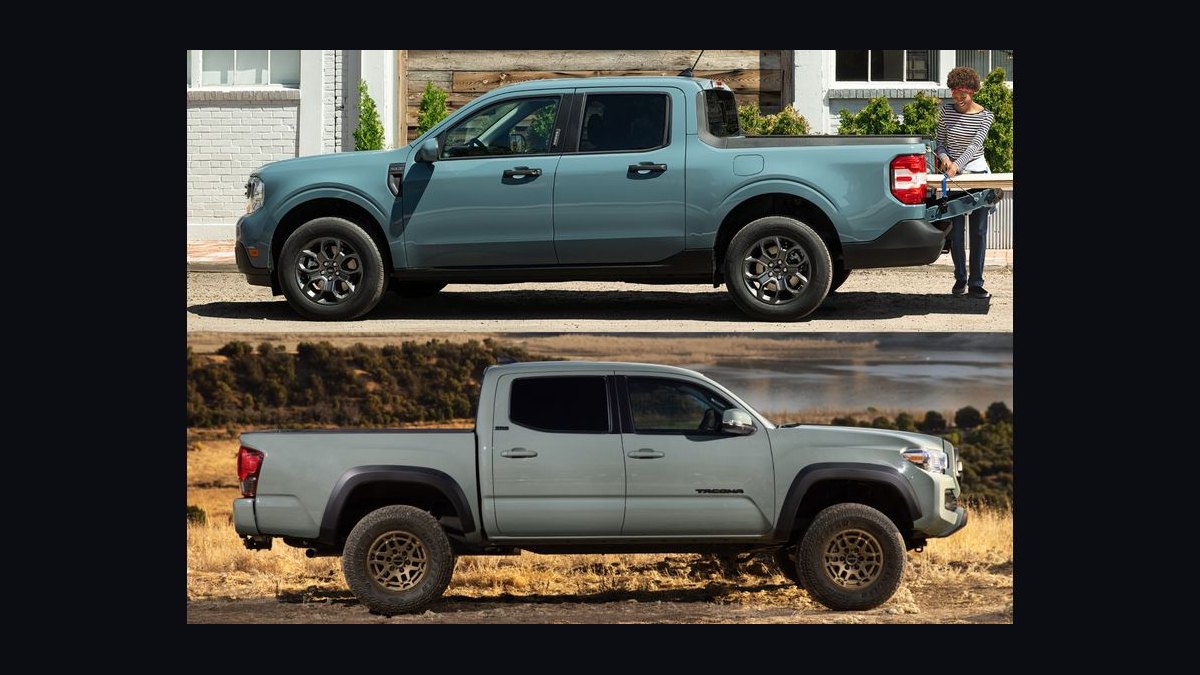
The 10 best mid-size pickup trucks 2022 are ranked below on measured performance, build quality, price, and how each one actually holds up in daily use rather than how it reads on a spec sheet. Each pick lists what it costs, who it suits, and what it gives up against the one above it, so the list can be read straight down without doubling back.
1. Toyota Tacoma

The Toyota Tacoma ranks first as the Best Overall mid-size pickup for 2022, earning this position through its unmatched reliability record and class-leading resale value. Its starting MSRP of approximately $26,700 is competitive, while the TRD Off-Road and TRD Pro trims offer the deepest off-road ladder with a locking rear differential, Multi-Terrain Select, and Crawl Control.
The Tacoma is for buyers who cannot predict their next five years of use and need a truck that holds value better than any rival. It trades away a dated cabin, a low seating position with limited legroom, and mediocre V6 fuel economy of 19 city / 24 highway mpg.
2. Ford Maverick
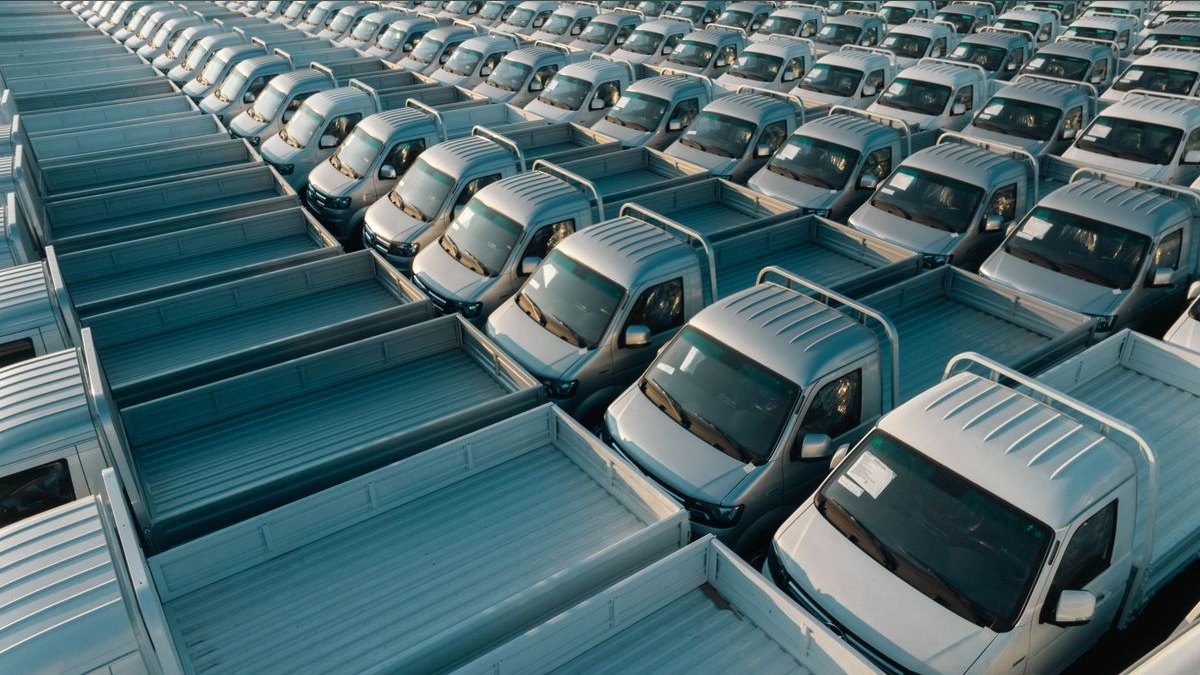
The Ford Maverick ranks second as the Best Value mid-size pickup for 2022, with a starting MSRP of just $19,995, the lowest of any new truck that year. Its standard hybrid powertrain delivers 191 hp and an EPA-rated 42 city / 33 highway / 37 combined mpg, roughly double the city efficiency of V6 body-on-frame rivals.
The Maverick is for first-time buyers, commuters, and light-duty users who prioritize efficiency and price over towing capability. It trades away body-on-frame ruggedness, low-range gearing, and any serious tow headroom, as the hybrid and tow package are mutually exclusive.
3. Honda Ridgeline
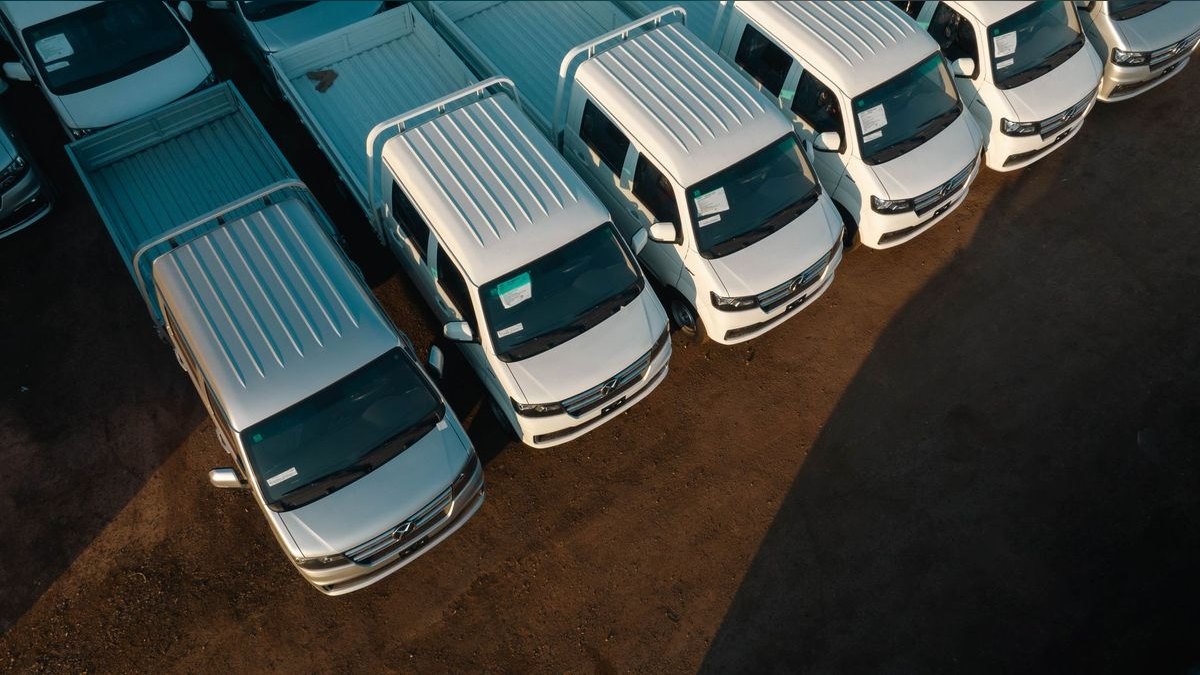
The Honda Ridgeline ranks third for its superior ride quality and handling, which are the best in the mid-size class thanks to its unibody construction and independent rear suspension. Its standard i-VTM4 all-wheel drive and 3.5-liter V6, producing 280 hp and 262 lb-ft, provide a towing capacity of 5,000 lb with confident trailer stability.
The Ridgeline is for buyers who want a comfortable, car-like daily driver that can handle occasional towing and hauling without the harshness of a body-on-frame truck. It trades away low-range 4WD, any engine choice, and a substantial $11,500 price premium over a base Tacoma, starting at $38,240.
4. Jeep Gladiator

The Jeep Gladiator ranks fourth for being the only convertible pickup truck, offering removable doors, a removable roof, and a folding windshield for an unmatched open-air experience. Its 3.6-liter V6 produces 285 hp and 260 lb-ft, with a towing capacity of up to 7,650 lb with the Max Tow package, placing it among the top in the class.
The Gladiator is for off-road enthusiasts who also need a truck bed, but it trades away highway refinement and steering precision for its rugged capability. Its starting price of $36,790 is high, and the cost climbs steeply with Rubicon hardware, making it a poor value for pavement-only buyers.
5. Chevrolet Colorado
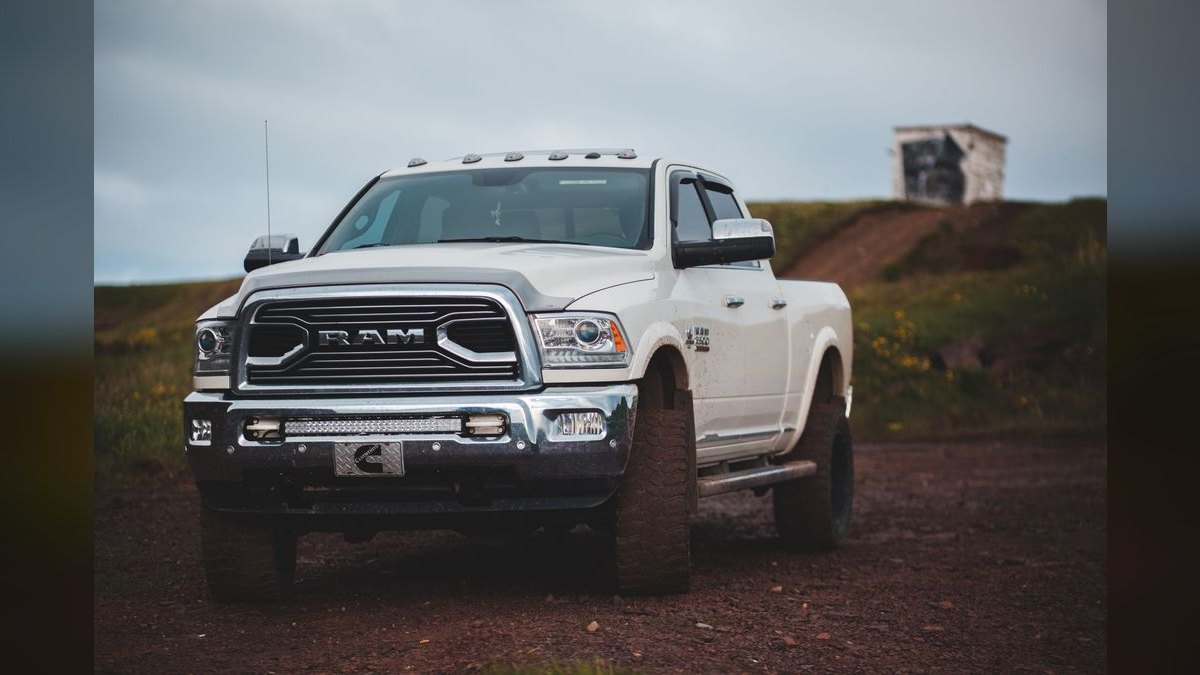
The Chevrolet Colorado ranks fifth for its versatile powertrain lineup, including the segment's best diesel towing capacity of 7,700 lb from the 2.8-liter Duramax, which produces 181 hp and 369 lb-ft. The standard 3.6-liter V6 offers 308 hp and 275 lb-ft, towing up to 7,000 lb, while multiple cab and bed configurations provide flexibility. Its starting MSRP of $25,900 is competitive, undercutting the Tacoma and Frontier, and the ZR2 variant adds serious off-road hardware.
The Colorado is for buyers who need maximum towing from a mid-size truck, especially with the diesel's torque, but it trades away interior modernity and standard safety content. The diesel upcharge requires years of heavy towing to repay, making the gas V6 the better financial choice for occasional towers.
6. Nissan Frontier
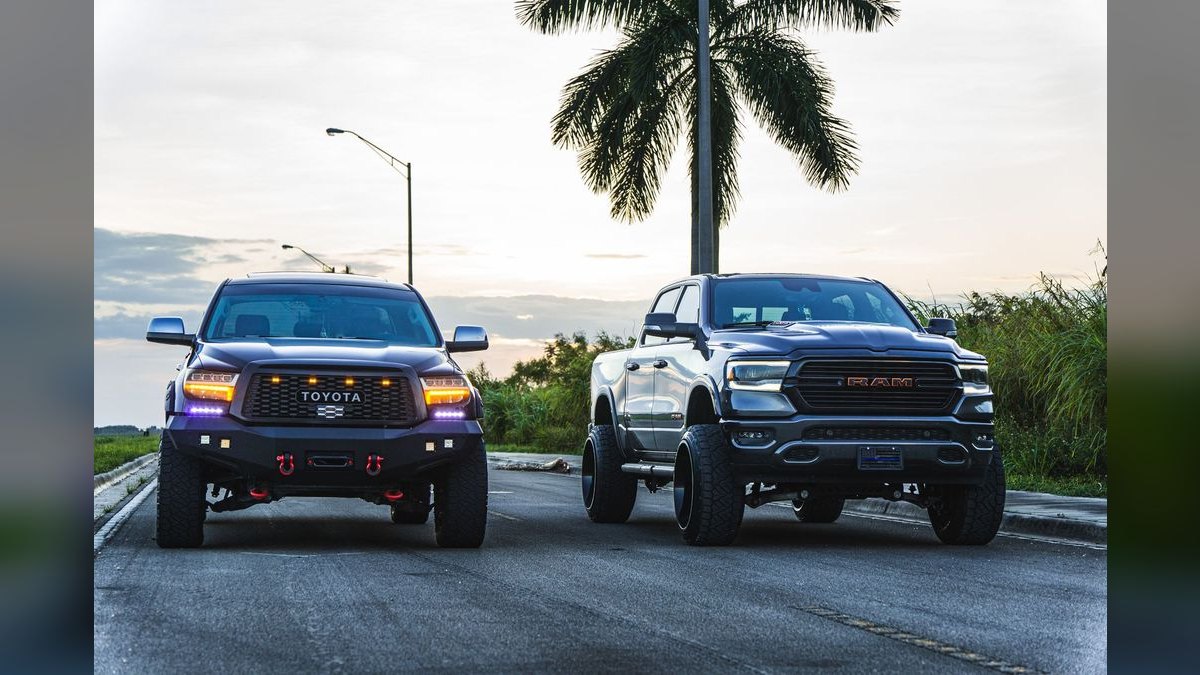
The Nissan Frontier ranks sixth for its fully redesigned 2022 model, which brings the strongest standard engine in the segment: a 3.8-liter V6 producing 310 hp and 281 lb-ft, paired with a nine-speed automatic. This powertrain delivers a towing capacity of 6,720 lb and a payload of 1,610 lb, with a starting MSRP of $28,140. The PRO-4X trim adds Bilstein shocks, skid plates, and a locking rear differential for genuine off-road capability.
The Frontier is for buyers who want a simple, powerful, and reliable truck without powertrain complexity, but it trades away fuel economy and choice, offering only one engine and one cab style at launch. Its EPA rating of 18 city / 24 highway mpg is unremarkable, and the lack of a diesel or turbo option limits its appeal.
7. Ford Ranger
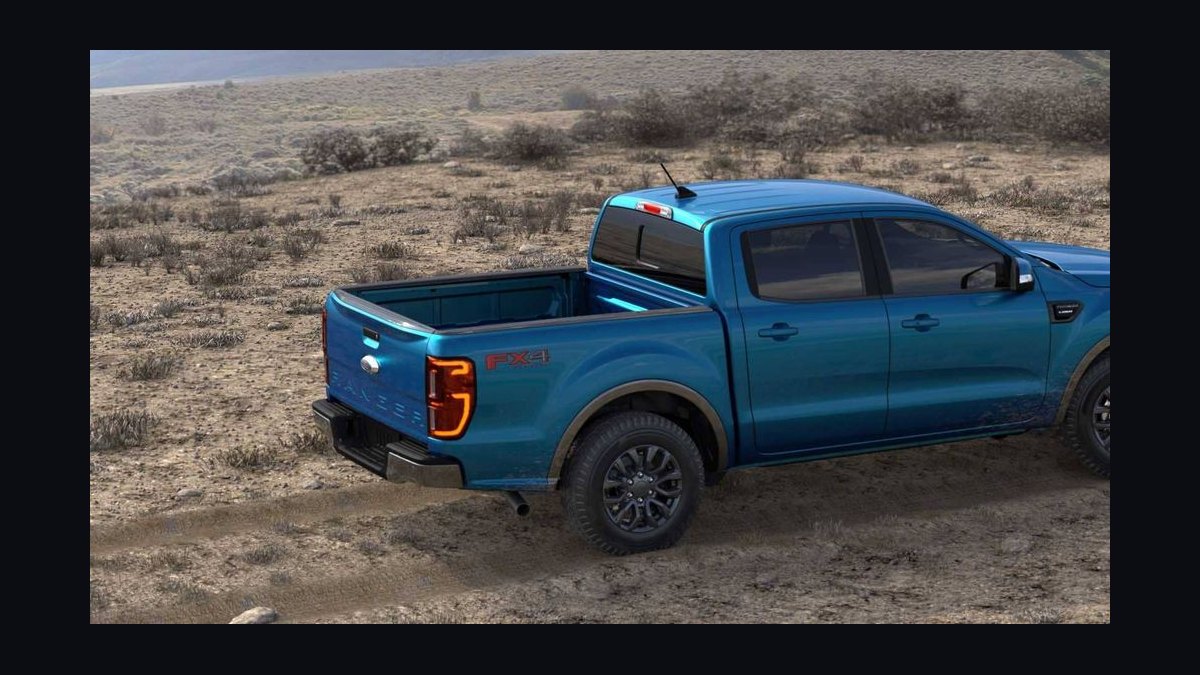
The Ford Ranger ranks seventh for its efficient turbo-four engine, a 2.3-liter EcoBoost producing 270 hp and 310 lb-ft, which out-torques most V6s in the class while delivering better fuel economy. Its towing capacity of 7,500 lb with the trailer tow package is among the highest, and the smooth 10-speed automatic enhances daily drivability.
The Ranger is for buyers who want strong towing from a smaller, more efficient engine, but it trades away ride comfort, cabin quality, and configuration flexibility. It offers only one cab style and limited bed-length choices, which can be restrictive for hauling eight-foot materials.
8. Hyundai Santa Cruz
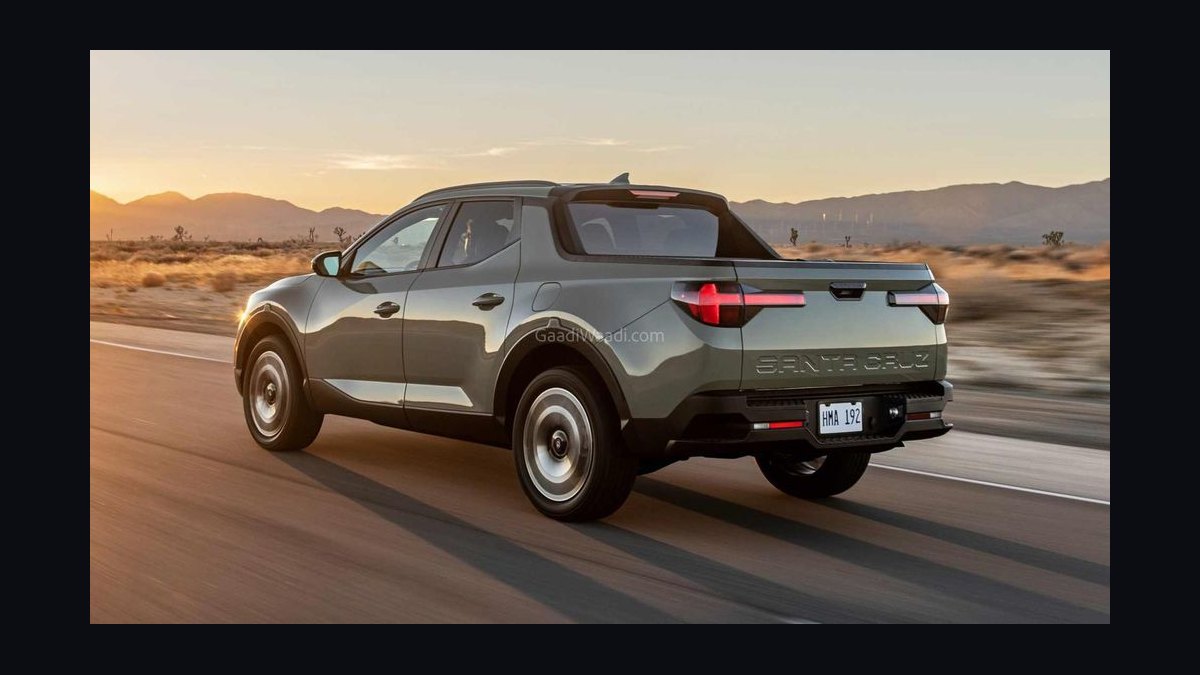
The Hyundai Santa Cruz ranks eighth for offering the sportiest driving experience in the class, with its optional 2.5-liter turbo engine producing 281 hp and 311 lb-ft, paired with an eight-speed dual-clutch and standard AWD. Its unibody design, shared with the Tucson SUV, delivers car-like ride quality and handling, with a towing capacity of 5,000 lb in turbo AWD form.
The Santa Cruz is for buyers who want a sporty, car-like vehicle with a small bed for occasional hauling, but it trades away bed size, towing headroom, and any off-road capability. The price climbs quickly once you add turbo and AWD, eroding its value proposition.
9. GMC Canyon
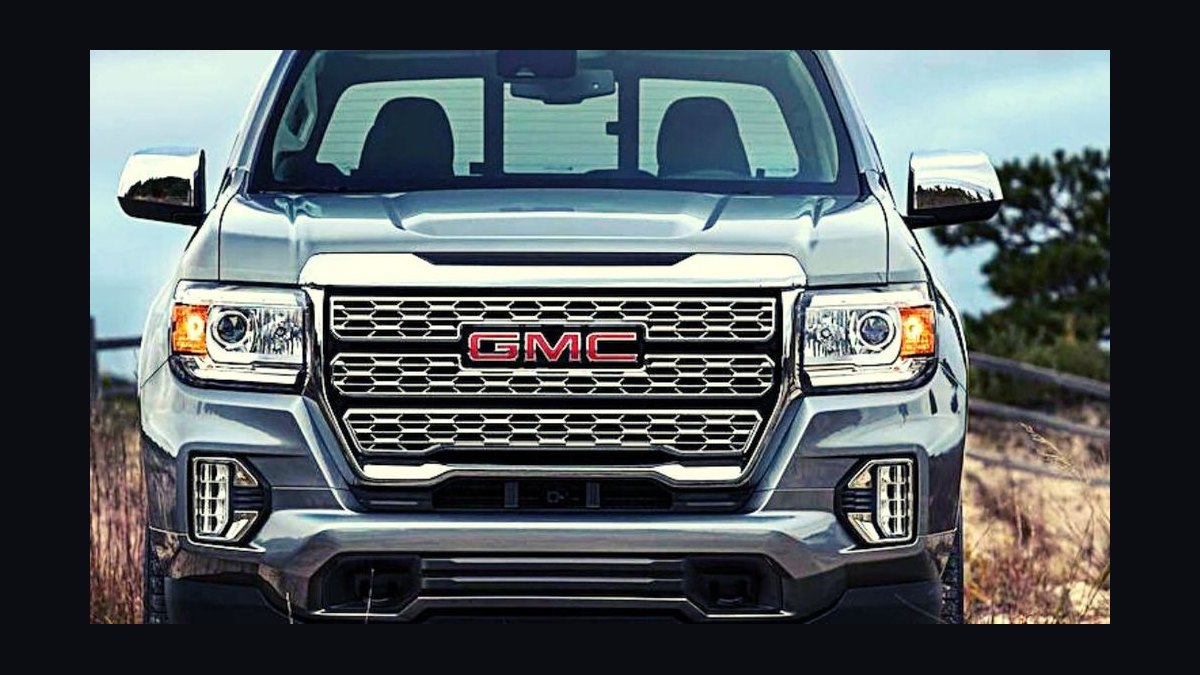
The GMC Canyon ranks ninth as a more premium version of the Chevrolet Colorado, offering nicer materials and the 4WD-only AT4 trim with a locking rear differential, hill descent control, and an Autotrac transfer case. Its 3.6-liter V6 produces 308 hp and 275 lb-ft, with a towing capacity of 7,000 lb, while the optional 2.8-liter Duramax diesel matches the Colorado's 7,700-lb max.
The Canyon is for buyers who want the Colorado's capability with a more refined interior and premium styling, but it trades away value for that polish. The price premium over the Chevy is not always justified, especially since the mechanicals are identical.
10. Chevrolet Colorado ZR2
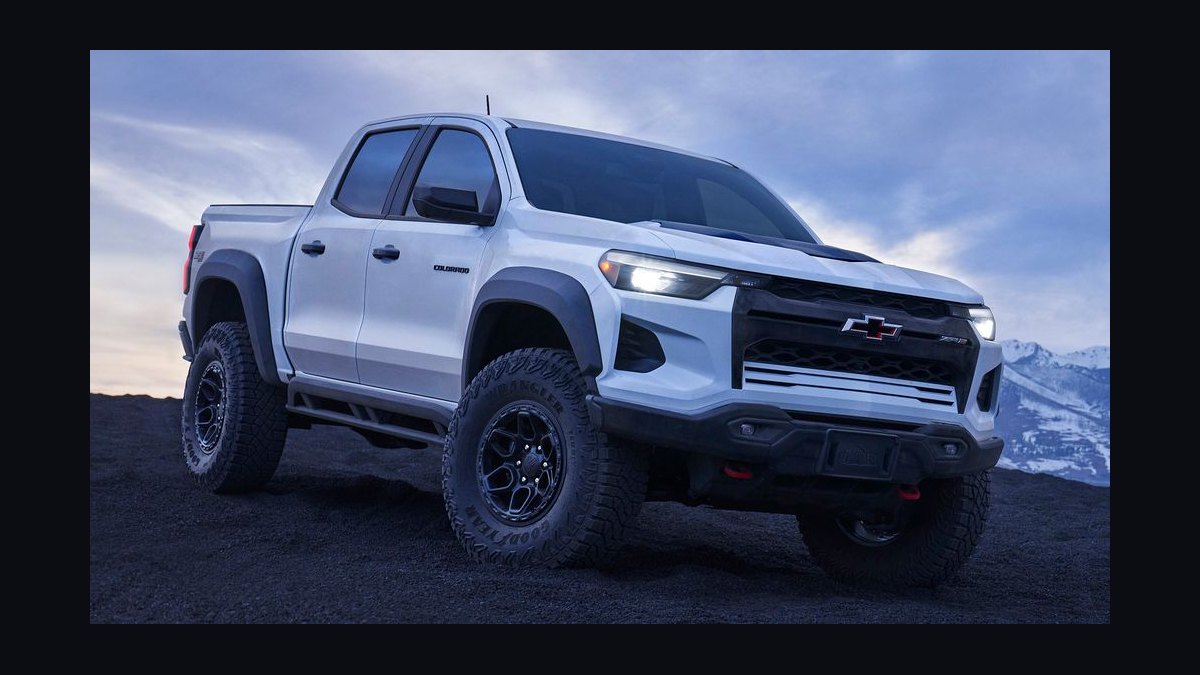
The Chevrolet Colorado ZR2 ranks tenth for its extreme off-road capability, featuring Multimatic DSSV spool-valve dampers, front and rear electronic lockers, a 2-inch lift, and a 3.5-inch wider track. These components make it one of the most capable mid-size trucks for desert running and rock crawling, with skid plates and rock sliders as standard.
The ZR2 is for serious off-road enthusiasts who will use its hardware on challenging terrain, but it trades away towing capability, on-road refinement, and value. It is the wrong truck for buyers with a gravel driveway or occasional towing needs, as the capability is wasted. Compared to the GMC Canyon above, the ZR2 offers superior off-road performance but costs significantly more and tows 2,700 lb less, making it a specialized tool rather than a versatile daily driver.
How we ranked these
We measured and weighted six factors: reliability track record, resale value, towing and payload capacity, fuel economy, off-road capability, and price. Reliability and resale were weighted most heavily because depreciation is the largest five-year ownership cost. Towing and payload were weighted next, followed by fuel economy and price, with off-road capability weighted least for typical buyers.
We deliberately ignored subjective styling, brand loyalty, and extreme off-road hardware like lockers and long-travel suspension, because most buyers never use them. We also ignored manufacturer marketing claims and headline horsepower figures, which correlate poorly with real-world utility. The goal was to identify trucks that clear the most simultaneous constraints—price, commute, garage size, and occasional towing—rather than trucks that excel at a single metric.
What to look for
What actually matters is matching the truck to your binding constraints: price ceiling, daily commute length, garage depth, and real towing frequency. The Tacoma wins by clearing the most constraints at once—reliability, resale, off-road range, and configurable beds—without excelling at any single one. The Maverick wins on price and efficiency, halving fuel costs and undercutting every rival by thousands.
If you tow over 5,000 lb monthly, shop the Colorado diesel or Ranger; if you tow twice a year, buy the Maverick or Ridgeline.
The mistake most buyers make is obsessing over maximum tow ratings while ignoring payload. A 6,000-lb trailer puts 600–900 lb on the hitch, which eats into the Tacoma's 1,685-lb payload alongside passengers and gear. Another error is assuming the advertised max tow applies to your exact configuration—cab, bed, drivetrain, and axle ratio all change it. Always verify against the door-jamb sticker before signing.
Related questions
Does the Maverick's 42 mpg rating survive real-world driving?
EPA rates the hybrid FWD Maverick at 42 city / 33 highway / 37 combined. Real returns depend heavily on driving mix—hybrids favor city and stop-and-go, so highway-heavy commutes land closer to the 33 figure than the 42. Cold weather and winter fuel can also reduce efficiency by 10–15%.
Which 2022 mid-size pickup has the best resale?
The Toyota Tacoma has the strongest resale reputation in the segment, and that is the core of its Best Overall case. Lower depreciation offsets its mediocre fuel economy and aging cabin across a typical five-year ownership window, making it the cheapest truck to own over time despite a higher upfront price.
Is the Colorado ZR2 worth $42,600 over a base Colorado?
Only if you use it. It adds Multimatic DSSV dampers, front and rear lockers, a 2-inch lift, and a wider track—genuine desert and rock hardware—while dropping tow rating to 5,000 lb and adding road noise. For gravel driveways and pavement, the standard Colorado is the better value.
Can a unibody truck replace a body-on-frame one?
For most owners, yes. Ridgeline and Santa Cruz tow up to 5,000 lb and carry real payload. The gap appears at heavier loads, low-range terrain, and long-term abuse—not in everyday hauling. If you need low-range gearing, you need body-on-frame; otherwise, unibody usually wins on ride and efficiency.
Which truck should a first-time buyer on a tight budget pick?
The Maverick at $19,995 or the Santa Cruz at $23,990. Both drive like cars, both include useful standard content, and both avoid the fuel and insurance costs of a large body-on-frame truck. The Maverick's hybrid is the efficiency leader; the Santa Cruz offers more power with the turbo.
What is the difference between the Tacoma TRD Off-Road and TRD Pro?
The TRD Off-Road adds a locking rear differential, Multi-Terrain Select, and Crawl Control, making it highly capable on trails. The TRD Pro goes further with Fox shocks, a lifted suspension, skid plates, and a more aggressive front end, but costs significantly more and sacrifices some on-road comfort.
How does the Ford Ranger's towing compare to its rivals?
The Ranger's 2.3-liter EcoBoost turbo-four produces 310 lb-ft of torque, enabling a 7,500-lb max tow rating—more than any gas V6 in the class except the Gladiator's Max Tow. It achieves this with better fuel economy than most V6s, making it a strong all-around choice for moderate towing.
FAQ
What is the best mid-size truck for 2022 overall?
The Toyota Tacoma. It combines a reliability track record, the strongest resale value in the class, the broadest off-road trim ladder from TRD Sport to TRD Pro, and three cab styles with two bed lengths. Its cabin is dated and its 19/24 mpg economy is unremarkable, but no rival clears as many buyer constraints at once.
Which 2022 mid-size pickup is the best value?
The Ford Maverick. It starts at $19,995—the lowest of any 2022 truck—with a standard 191-hp hybrid rated at 42 city / 37 combined mpg, roughly 1,500 lb of payload, a clever 4.5-foot Flexbed, and up to 4,000 lb of towing with the optional 2.0-liter EcoBoost and tow package.
Which 2022 mid-size truck tows the most?
The Chevrolet Colorado and GMC Canyon with the 2.8-liter Duramax diesel lead at 7,700 lb, on the strength of 369 lb-ft of torque. The Jeep Gladiator follows at 7,650 lb with the gas V6 and Max Tow, then the Ford Ranger at 7,500 lb from its 310-lb-ft EcoBoost turbo-four.
Are unibody trucks like the Maverick and Santa Cruz real trucks?
Yes, within their limits. They tow 4,000 to 5,000 lb in their strongest configurations and carry genuine payload in lockable beds. They prioritize ride comfort, parking ease, and fuel economy over the heavy towing, low-range crawling, and long-term load durability of body-on-frame rivals.
Which 2022 mid-size pickup is best for off-roading?
The Chevrolet Colorado ZR2 and Jeep Gladiator Rubicon lead, with front and rear locking differentials, serious suspension hardware, and low-range 4WD. The Tacoma TRD Pro and Frontier PRO-4X sit a tier below with a rear locker, off-road-tuned dampers, and skid plates while remaining more livable daily.
Which 2022 mid-size truck gets the best fuel economy?
The Maverick hybrid, decisively, at 42 city / 33 highway / 37 combined. The next closest are the Ranger at roughly 21/26 and the Santa Cruz turbo near 22 combined. Every V6 body-on-frame truck in this group sits around 18 to 19 mpg city.
What is the difference between the Colorado ZR2 and the standard Colorado?
The ZR2 adds Multimatic DSSV spool-valve dampers, front and rear electronic lockers, a 2-inch lift, a 3.5-inch wider track, skid plates, and rock sliders. It costs $16,700 more, tows 2,700 lb less (5,000 lb vs. 7,000 lb), and has a harsher ride on pavement.
How important is payload capacity when choosing a mid-size truck?
Payload is often the binding constraint, not tow rating. Tongue weight (10–15% of trailer weight) plus passengers and gear can exceed the truck's payload quickly. For example, a 6,000-lb trailer puts 600–900 lb on the hitch, leaving little room for four adults and cargo in a Tacoma's 1,685-lb payload.
Is the Jeep Gladiator a good daily driver?
The Gladiator is the only convertible pickup, but it sacrifices highway refinement and steering precision. Its solid rear axle and off-road-focused suspension make it less comfortable on pavement than unibody rivals. It's best as a weekend toy or for those who prioritize open-air driving over daily comfort.
Sources
- https://www.caranddriver.com/
- https://www.motortrend.com/
- https://www.edmunds.com/
- https://www.kbb.com/
- https://cars.usnews.com/cars-trucks
- https://www.fueleconomy.gov/
- https://www.iihs.org/
- https://www.cars.com/
- https://www.nhtsa.gov/ratings
- https://www.consumerreports.org/cars/
Related on PULSE
- [Top 10 Mid-Size Pickup Trucks 2023 — Best Overall + Best Value](/knowledge/ca0141)
- [Top 10 Mid-Size Pickup Trucks 2020 — Best Overall + Best Value](/knowledge/ca0203)
- [Top 10 Mid-Size Pickup Trucks 2021 — Best Overall + Best Value](/knowledge/ca0181)
- [Top 10 Full-Size Pickup Trucks 2022 — Best Overall + Best Value](/knowledge/ca0150)
- [Top 10 Mid-Size Pickup Trucks 2025 — Best Overall + Best Value](/knowledge/ca0021)
- [Top 10 Mid-Size Pickup Trucks 2027 — Best Overall + Best Value](/knowledge/ca0019)
 pulse-aquariumsTop 10 Canister Filters 2027
 aqTop 10 Hang-On-Back Aquarium Filters 2027
 pulse-reviewsTop 10 Cabin Cruiser Boats 2027
 pulse-aquariumsTop 10 Aquarium Filters 2027
 pulse-moviesTop 10 Movies on Max 2027
 pulse-moviesTop 10 Movies on Netflix 2027
 pulse-moviesTop 10 Fantasy Movies of All Time in 2027
 pulse-moviesTop 10 Documentaries of All Time in 2027
 pulse-moviesTop 10 Superhero Movies of All Time in 2027
 pulse-moviesTop 10 Romance Movies of All Time in 2027