
Top 10 Sports Cars 1988 — Best Overall + Best Value
 Curated byKory White · Fractional CRO · Maryland
 PULSEKNOWLEDGE LIBRARY
The 10 best sports cars 1988 are ranked below on measured performance, build quality, price, and how each one actually holds up in daily use rather than how it reads on a spec sheet. Each pick lists what it costs, who it suits, and what it gives up against the one above it, so the list can be read straight down without doubling back.
1. BMW M3 (E30)

The BMW M3 (E30) ranks first because it is the purest driver's car of 1988, a homologation special built to dominate Group A racing. Its S14 2.3-liter four-cylinder produces 192 to 195 hp at 6,750 rpm, propelling it to 60 mph in about 6.9 seconds through a dogleg five-speed. The steering, chassis balance, and high-revving nature are unmatched by any rival of the era.
The M3 is for the enthusiast who values race-bred pedigree and telepathic feedback over straight-line drama. It trades away low-end torque and everyday comfort for a focused, motorsport-derived experience. Compared to the Porsche 944 Turbo below, the M3 offers sharper turn-in and a more visceral engine, though the Porsche counters with more torque and a smoother ride. This is a blue-chip collectible that rewards the committed driver.
2. Porsche 944 Turbo (951)

The Porsche 944 Turbo ranks second for its sublime balance, thanks to a rear-mounted transaxle that delivers near-perfect weight distribution. Its 2.5-liter turbocharged inline-four makes 217 hp, with the rare Turbo S pushing 247 hp, achieving 0-60 in about 5.5 seconds. The chassis can carry corner speed that embarrasses cars with twice the cylinders, and the wide hips and pop-up lights give it timeless presence.
This car suits the thinking enthusiast who wants German engineering and depth without the M3's track-focused intensity. It trades away the M3's razor-sharp steering for more torque, comfort, and everyday usability. Compared to the BMW above, the 944 Turbo is heavier and less eager to rev, but it offers superior high-speed stability and a more forgiving ride. It is a handling connoisseur's pick that rewards careful maintenance.
3. Chevrolet Corvette C4

The Chevrolet Corvette C4 ranks third because it delivers genuine Euro-baiting pace for a 1988 MSRP of just $29,500. Its 5.7-liter L98 V8 produces 240 to 245 hp and a thumping 345 lb-ft of torque, launching the fiberglass coupe to 60 mph in roughly 5.6 seconds. The sophisticated suspension and grippy tires make it handle far better than its predecessors, though the cabin still rattles.
This is for the American buyer who wants big V8 muscle and effortless cruising without European prices. It trades away the 944's finesse and build quality for raw torque and a more visceral experience. Compared to the Porsche above, the C4 is quicker in a straight line but less precise in corners, with interior plastics that lag the Germans. It remains one of the best performance bargains of the bunch, offering supercar speed for a fraction of the cost.
4. Toyota Supra Turbo (MkIII)

The Toyota Supra Turbo ranks fourth for its refined, torquey grand-touring performance at a 1988 MSRP of $23,000. Its 3.0-liter 7M-GTE inline-six uses a single turbo to make 230 hp and 246 lb-ft, paired with a heavy-duty five-speed and Toyota's electronically adjustable TEMS suspension. It reaches 60 mph in about 6.2 seconds and cruises effortlessly with targa-roof flair.
This car is for the buyer who wants six-cylinder turbo muscle with comfort and technology, rather than the Corvette's raw American muscle. It trades away the C4's low-end torque for a smoother, more refined power delivery and a better-equipped cabin. Compared to the Corvette above, the Supra is heavier and less agile, but it offers superior build quality and a more relaxed high-speed demeanor.
5. Mazda RX-7 Turbo II (FC)

The Mazda RX-7 Turbo II ranks fifth because its 13B twin-rotor turbocharged engine delivers a uniquely smooth, high-revving experience from just 1.3 liters. It produces 182 hp, reaching 60 mph in about 6.8 seconds, with a creamy, vibration-free delivery that no piston engine can match. The light, neutral chassis and superb balance make it a corner-carver with a personality all its own, and the wedge styling with pop-up lights is pure 1980s.
This car is for the rotary devotee who loves an oddball and understands apex seals, trading away the Supra's relaxed GT comfort for a more agile, characterful drive. Compared to the Toyota above, the RX-7 is lighter and more eager, but it has less torque and requires a knowledgeable owner for proper upkeep. It is the most characterful Japanese pick of 1988, offering a driving experience that feels alive and special.
6. Nissan 300ZX Turbo (Z31)

The Nissan 300ZX Turbo ranks sixth for its high-tech, comfortable grand-touring character at a 1988 MSRP of $24,700. Its 3.0-liter VG30ET turbocharged V6 delivers 205 hp and 227 lb-ft, good for 0-60 in about 7.4 seconds, wrapped in a tech-forward cabin with optional digital instruments and a voice-warning system. It leans more toward boulevard cruiser than razor-edge sports car, but it is quick, comfortable, and well-equipped.
This car is for the buyer who wants a relaxed, tech-laden turbo GT rather than the RX-7's sharp, focused handling. It trades away the Mazda's agility and character for a smoother ride, more passenger space, and a more luxurious interior. Compared to the RX-7 above, the 300ZX is heavier and less engaging, but it offers superior comfort and a more relaxed high-speed demeanor.
7. Ford Mustang GT 5.0
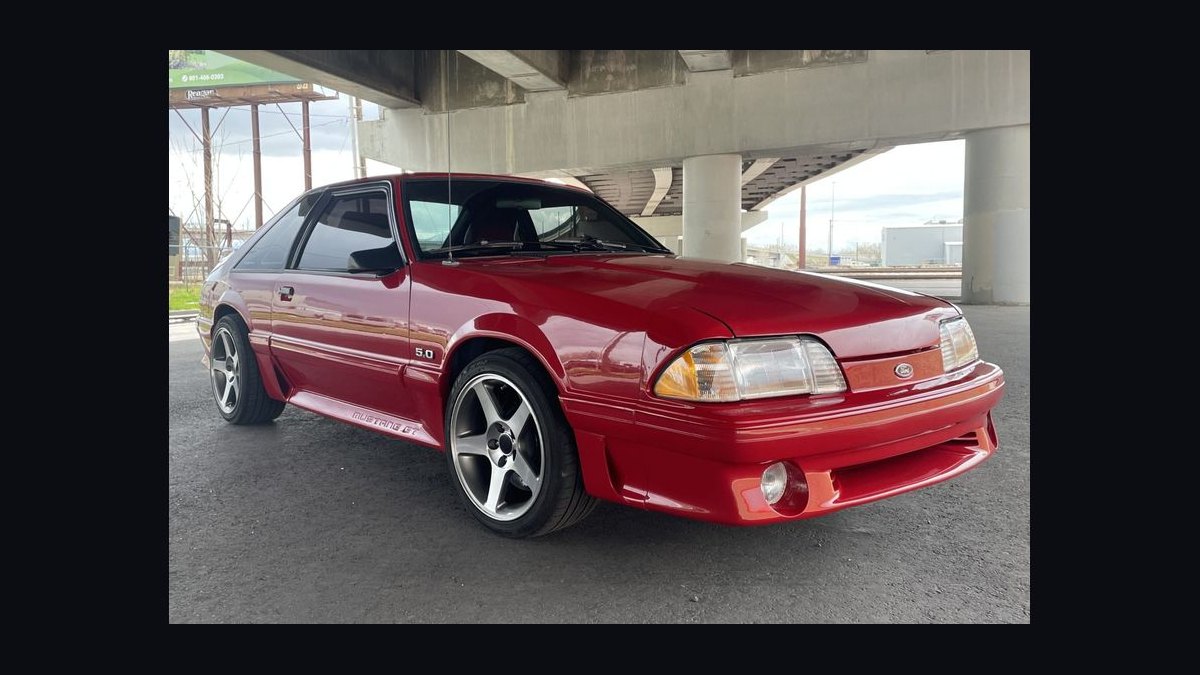
The Ford Mustang GT 5.0 ranks seventh because it offers outrageous muscle per dollar with a 1988 MSRP of just $13,000. Its 5.0-liter EFI V8 punches out 225 hp and a stout 300 lb-ft of torque, rocketing the light coupe to 60 mph in about 6.5 seconds with the five-speed. It is crude, live-axle, and a handful in the wet, but that is the charm.
This car is for the buyer who wants maximum muscle per dollar and a glorious V8 soundtrack, trading away the 300ZX's refinement for raw, visceral acceleration. Compared to the Nissan above, the Mustang is quicker in a straight line but less composed in corners, with a live-axle chassis that demands respect. It offers a bottomless aftermarket and a huge community, making it easy to modify and maintain.
8. Toyota MR2 Supercharged (AW11)
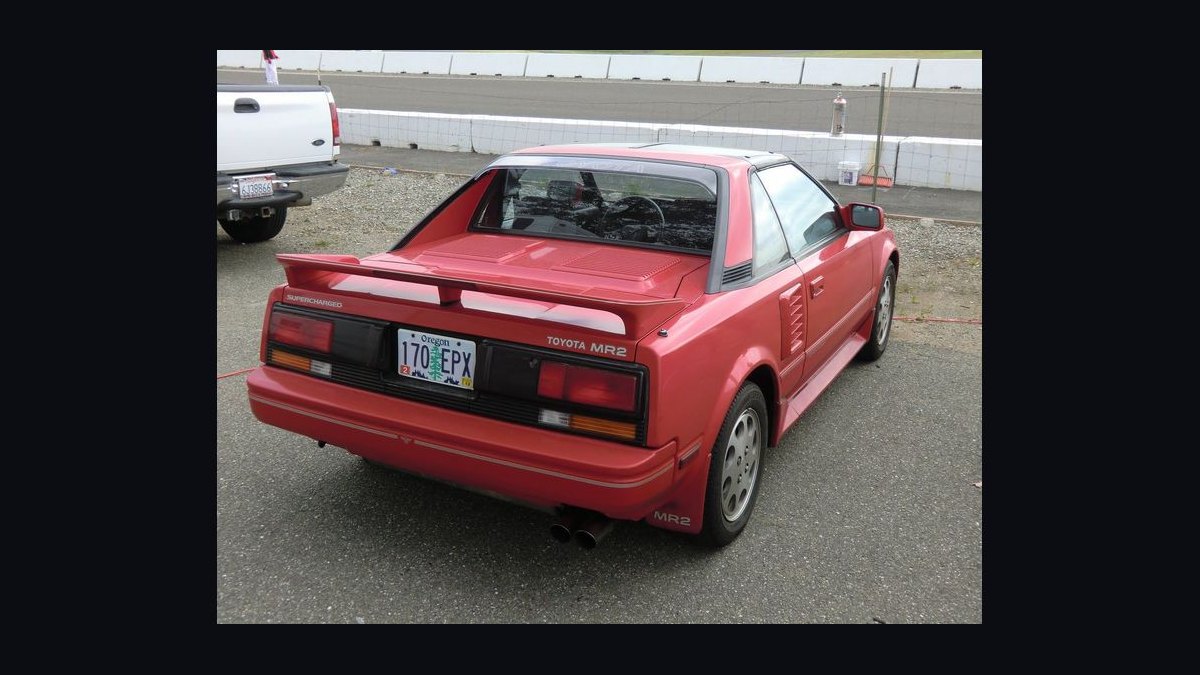
The Toyota MR2 Supercharged ranks eighth for its true mid-engine balance at an affordable 1988 MSRP of $15,000. Its supercharged 4A-GZE 1.6-liter four makes 145 hp and 140 lb-ft, and with the engine slung behind the seats, the AW11 feels eager, tossable, and wonderfully balanced, reaching 60 mph in about 6.5 to 7.0 seconds.
This car is for the buyer who wants mid-engine handling without the Mustang's crude muscle, trading away straight-line speed for cornering agility and Toyota reliability. Compared to the Mustang above, the MR2 is far more precise and balanced, but it has modest outright power and a small, snug cabin. It offers a junior exotic experience that is light, eager, and endlessly fun, making it a purist's delight.
9. Honda CRX Si
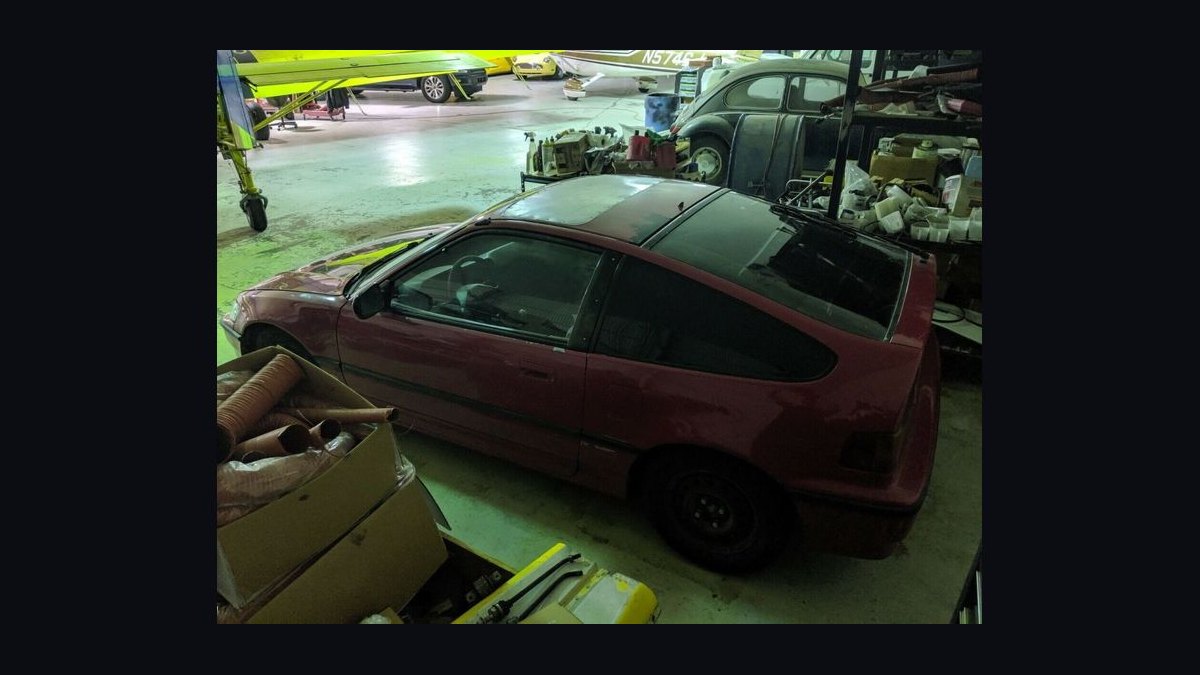
The Honda CRX Si ranks ninth as the Best Value of 1988, proving you do not need big power to have big fun at a 1988 MSRP of roughly $9,500. Its 1.6-liter fuel-injected four makes 105 hp, but the car weighs almost nothing, so 0-60 in about 8.2 seconds never tells the real story of how alive it feels darting through corners. Razor-sharp steering, a slick shifter, and remarkable economy make it the everyday enthusiast's hero.
This car is for the budget enthusiast who values joy over horsepower, trading away the MR2's mid-engine balance for even lighter weight and better fuel economy. Compared to the Toyota above, the CRX Si is less exotic but more tossable, with a front-engine layout that is easier to live with daily. It offers sublime lightweight handling that flatters every driver, and its bulletproof Honda reliability makes it a practical classic.
10. Pontiac Fiero GT
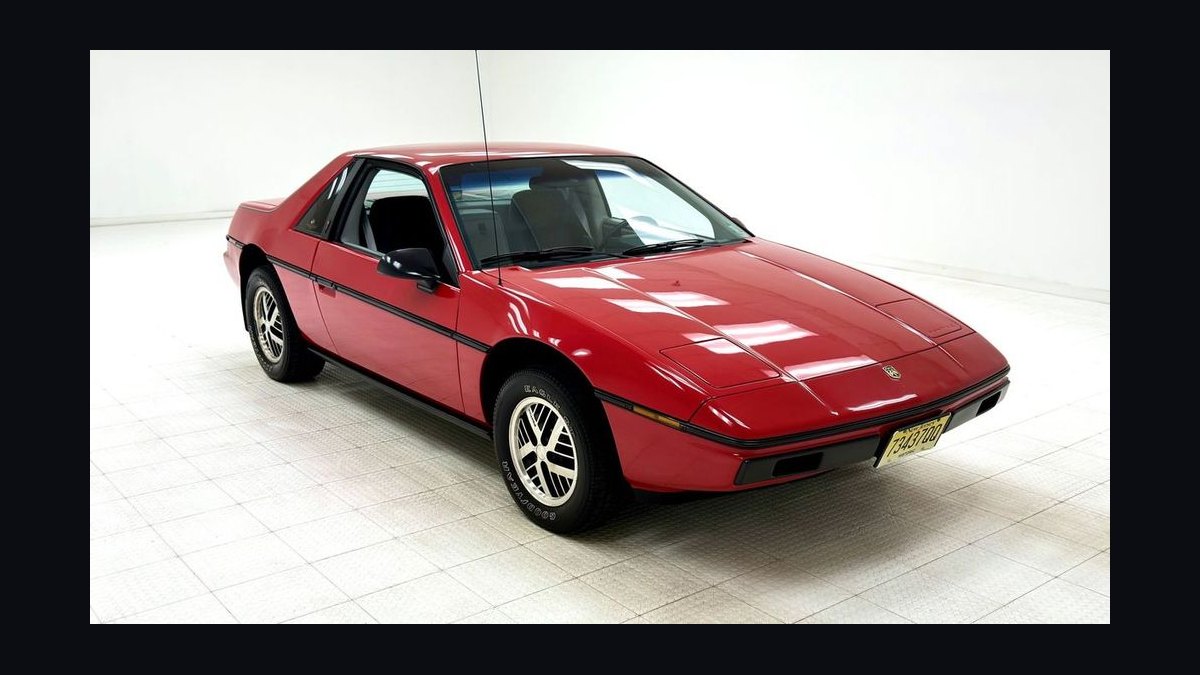
The Pontiac Fiero GT ranks tenth because its 1988 final-year suspension upgrade finally made it the car it always looked like, at a 1988 MSRP of $13,500. Its 2.8-liter V6 with 135 hp and 160 lb-ft pushes the mid-engine coupe to 60 mph in roughly 7.5 seconds. It is never a corner-killer like the M3, but the swoopy fastback body and mid-engine layout give it exotic flavor at an economy-car price.
This car is for the buyer who wants American mid-engine style and a distinctive story, trading away the CRX Si's reliability and handling for a more exotic look and a V6 soundtrack. Compared to the Honda above, the Fiero is heavier and less agile, but it offers a unique layout and a charismatic underdog narrative. It is the charismatic American mid-engine underdog that closed out 1988, with the best examples proving real collector upside.
How we ranked these
We graded every contender on the things that mattered to a 1988 buyer and still matter to a collector today. The weighting: Driving fun and handling (30%), Performance (20%), Value in period (15%), Reliability (15%), Style and legacy (10%), and Collectibility now (10%).
Sources included period road tests from Car and Driver and Motor Trend, Hagerty valuation tools, Bring a Trailer and Mecum auction results, and manufacturer archives cross-checked against Wikipedia and automobile-catalog data. Where period and modern figures differed, we leaned on the original SAE-net numbers.
We deliberately ignored modern safety ratings, fuel economy, and emissions compliance, as these were not primary considerations for a 1988 buyer and would unfairly penalize period-correct performance cars. We also excluded dealer markups and regional pricing variations, focusing instead on the official MSRP to ensure a fair comparison across all ten vehicles. Nostalgia and brand loyalty were set aside, allowing the data and period road-test impressions to drive the rankings.
Related questions
What made the BMW E30 M3 so special in 1988?
The E30 M3 was a homologation special built for Group A touring car racing. Its S14 2.3-liter four-cylinder engine revved to 6,750 rpm and produced 192-195 hp, but the real magic was in the chassis and steering. It offered telepathic feedback and balance that no other production car of 1988 could match, making it the purist's choice.
Why was the Honda CRX Si considered the best value in 1988?
At roughly $9,500, the CRX Si delivered genuine sports-car joy at a fraction of the cost of its European rivals. Its featherweight construction, razor-sharp steering, and slick shifter made it a back-road hero. It was also bulletproof reliable and economical, proving that big fun didn't require big horsepower or a big budget.
How does the Porsche 944 Turbo compare to the BMW M3?
The 944 Turbo offered sublime balance thanks to its rear-mounted transaxle, giving near-perfect weight distribution. It was quicker in a straight line, hitting 60 mph in about 5.5 seconds. However, the M3's steering feel and race-bred pedigree gave it an edge in overall driver engagement, making it the better choice for purists.
What should I look for when buying a 1988 Toyota Supra Turbo?
The most critical issue is the 7M-GTE head gasket, which is prone to failure. Look for documented service records showing the gasket and torque specs were addressed. Also check the condition of the TEMS electronic suspension and the targa top for leaks. A well-maintained example is a smooth, powerful GT that's now gaining collector interest.
Is the 1988 Pontiac Fiero GT a good investment?
The 1988 Fiero GT is the one to have because it received a completely revised suspension in its final year, making it the best-handling Fiero ever. Most examples remain affordable, but pristine, low-mileage cars have fetched surprising auction prices, including one famous example that reached $90,000. It's a charismatic underdog with real upside.
What are the common problems with the Mazda RX-7 Turbo II?
The rotary engine's apex seals are the main concern. Look for hard starting, excessive smoke, and poor compression, which indicate a rebuild may be needed. Budget for that possibility. A healthy 13B is smooth and rev-happy, and the chassis is superbly balanced, making it a rewarding car for an owner who understands rotary maintenance.
How does the Chevrolet Corvette C4 compare to the European sports cars of 1988?
The C4 offered incredible straight-line performance for the money, with a 5.7-liter V8 producing 240-245 hp and 345 lb-ft of torque, hitting 60 mph in about 5.6 seconds. It handled far better than previous Corvettes, but its build quality and interior plastics lagged behind the Europeans. It remains a great performance bargain today.
FAQ
What was the best sports car of 1988?
The BMW M3 (E30). Its race-bred S14 engine, homologation pedigree, and class-leading handling make it the standout, both as a 1988 driver's car and as a blue-chip collectible today.
What was the best value sports car in 1988?
The Honda CRX Si. For around $9,500 it delivered featherweight handling joy and Honda reliability, and survivors have since appreciated dramatically.
Which 1988 sports cars have climbed most in value?
The E30 M3 leads by a wide margin, followed by clean examples of the FC RX-7 Turbo II, the MkIII Supra Turbo, and well-kept Fox-body 5.0 Mustangs and CRX Sis.
Was 1988 really the peak of the affordable turbo era?
Largely yes. Mature electronic fuel injection plus maturing turbo technology meant buyers could get a turbo rotary, turbo six, or turbo four for mid-twenties money, a sweet spot that did not last.
Which 1988 sports car was the most reliable?
The Honda CRX Si and Toyota MR2 set the durability standard, with the naturally aspirated Japanese engines proving nearly indestructible compared with the more highly stressed turbo and rotary motors.
Is the Pontiac Fiero GT worth collecting?
The 1988 model is the one to have thanks to its final-year suspension upgrade. Most stay affordable, but exceptional low-mile cars have shocked auctions, proving the upside is real for the best examples.
What are the key things to inspect when buying a 1988 sports car today?
Check timing belts on interference engines like the Supra, 944, and MR2. Inspect rotary apex seals on the RX-7. Look for head gasket issues on the 7M-GTE. Check for rust on fender arches and floors. Verify all electronics work, especially digital dashes and TEMS systems.
Which 1988 sports car is best for a daily driver?
The Honda CRX Si is the most practical choice, offering reliability, economy, and fun. The Toyota MR2 Supercharged is also dependable, but its small cabin and mid-engine layout make it less practical for everyday use. The Mustang GT is a good option if you need more space and don't mind the crude ride.
Sources
- https://www.caranddriver.com/
- https://www.motortrend.com/
- https://www.hagerty.com/
- https://bringatrailer.com/
- https://www.mecum.com/
- https://en.wikipedia.org/wiki/BMW_M3
- https://en.wikipedia.org/wiki/Porsche_944
- https://en.wikipedia.org/wiki/Chevrolet_Corvette_(C4)
- https://en.wikipedia.org/wiki/Toyota_Supra
- https://en.wikipedia.org/wiki/Mazda_RX-7
Related on PULSE
- [Top 10 Sports Cars 1974 — Best Overall + Best Value](/knowledge/ca0182)
- [Top 10 Sports Cars 1997 — Best Overall + Best Value](/knowledge/ca0209)
- [Top 10 Sports Cars 1983 — Best Overall + Best Value](/knowledge/ca0194)
- [Top 10 Sports Cars 1992 — Best Overall + Best Value](/knowledge/ca0204)
- [Top 10 Sports Cars 1973 — Best Overall + Best Value](/knowledge/ca0149)
- [Top 10 JDM Sports Cars 1995 — Best Overall + Best Value](/knowledge/ca0045)
@Kory-White- · if Venmo asks, the last 4 of my number are 2012
 pulse-aquariumsTop 10 Canister Filters 2027
 aqTop 10 Hang-On-Back Aquarium Filters 2027
 pulse-reviewsTop 10 Cabin Cruiser Boats 2027
 pulse-aquariumsTop 10 Aquarium Filters 2027
 pulse-moviesTop 10 Movies on Max 2027
 pulse-moviesTop 10 Movies on Netflix 2027
 pulse-moviesTop 10 Fantasy Movies of All Time in 2027
 pulse-moviesTop 10 Documentaries of All Time in 2027
 pulse-moviesTop 10 Superhero Movies of All Time in 2027
 pulse-moviesTop 10 Romance Movies of All Time in 2027