


Top 10 Sports Cars 1986 — Best Overall + Best Value
Quality
Certified
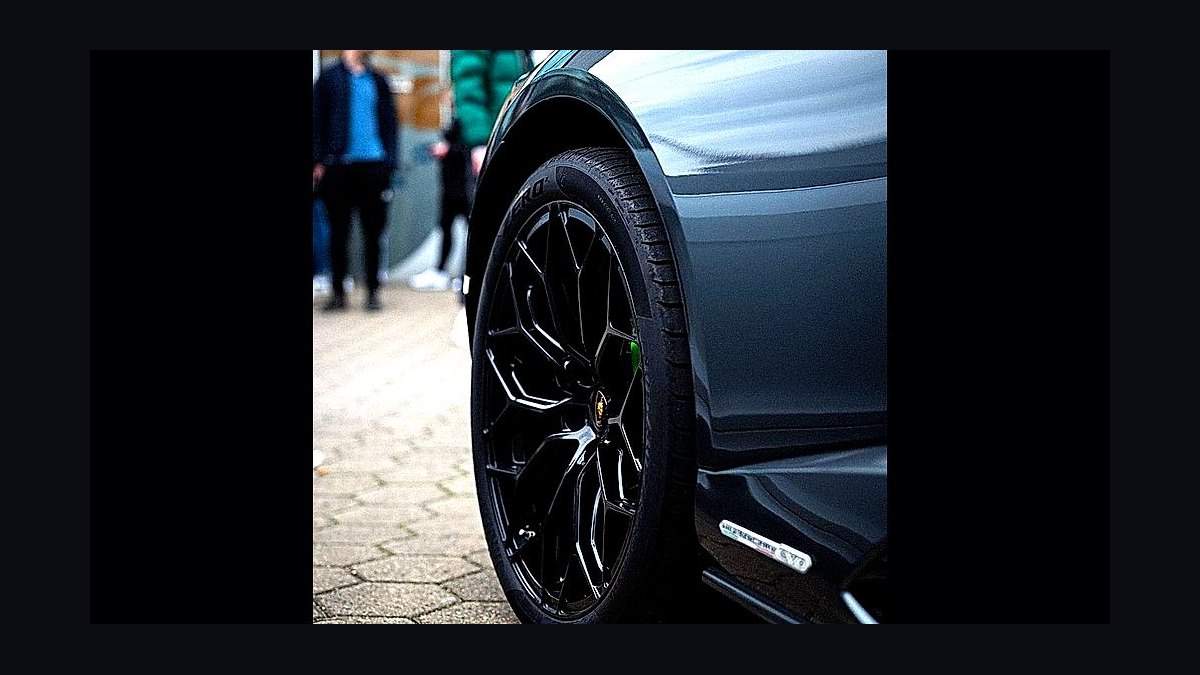
The 10 best sports cars 1986 are ranked below on measured performance, build quality, price, and how each one actually holds up in daily use rather than how it reads on a spec sheet. Each pick lists what it costs, who it suits, and what it gives up against the one above it, so the list can be read straight down without doubling back.
1Porsche 944 Turbo

The Porsche 944 Turbo ranks first because it was the most complete sports car of 1986, combining 220 horsepower from its turbocharged 2.5-liter four with near-perfect 50/50 weight distribution from its transaxle layout. It accelerated to 60 mph in roughly 5.9 seconds, a genuinely quick time for the era, and its chassis humbled contemporary 911s on twisty roads. The car's build quality and refinement set a benchmark that rivals struggled to match.
This car is for the driver who wanted one machine that did everything brilliantly, from commuting to track days, without compromise. It trades away the raw drama of a 911 Turbo for superior balance and refinement, and it out-handled the Corvette C4 while offering better build quality. Compared to the Ferrari 328 below, it costs far less to maintain while delivering comparable real-world pace.
2Chevrolet Corvette C4
The Corvette C4 ranks second for its tremendous performance-per-dollar and the return of the convertible option after an 11-year absence, making it a landmark 1986 model. Its 5.7-liter Tuned Port Injection V8 produced 230 horsepower and a thick wall of torque, pushing it to 60 mph in about 6.0 seconds. The car featured anti-lock brakes new for that year and enormous grip from wide tires, delivering unmistakable American sports car presence.
This car suits buyers who want big V8 torque, easy parts availability, and an iconic nameplate without exotic maintenance costs. It trades away the 944 Turbo's telepathic handling and precise transaxle balance for a more muscular, less nuanced driving experience. The cabin's dated plastics and digital dash are a compromise, but the convertible's open-air appeal and strong collector following keep values strong.
3Ferrari 328 GTS

The Ferrari 328 GTS ranks third because it was the prettiest and most usable classic Ferrari of 1986, with a new 3.2-liter V8 producing 270 PS and a glorious 7,000-rpm redline. It reached 60 mph in about 6.0 seconds through its rear-drive, mid-engine layout and gated five-speed manual, offering a driving experience few rivals could match. The timeless Pininfarina styling and sonorous exhaust note made it an icon on sight.
This car is for the buyer chasing a dream-poster Ferrari that is genuinely usable and appreciating in value. It trades away the 944 Turbo's everyday practicality and lower running costs for the emotional high of a prancing horse badge and a mid-mounted V8. Compared to the Corvette C4, it offers superior prestige and driving engagement but demands Ferrari-level service costs.
4Mazda RX-7 FC

The Mazda RX-7 FC ranks fourth as the best value sports car of 1986, offering a fresh design and rotary character for just $11,995. Its 1.3-liter twin-rotor 13B engine made 146 horsepower in naturally aspirated form, with a 182-hp Turbo II arriving mid-year, and the NA car hit 60 mph in the low 8s. The new second-generation platform brought modern styling and improved rigidity over its predecessor.
This car is for the rotary enthusiast who wants modern 1980s styling, excellent handling, and unique engine character on a budget. It trades away the Ferrari 328's prestige and V8 soundtrack for a more affordable, reliable, and practical sports car experience. Compared to the Corvette C4, it offers better balance and fuel economy but less straight-line muscle.
5Nissan 300ZX Turbo

The Nissan 300ZX Turbo ranks fifth for its torquey 3.0-liter turbocharged V6, which produced 200 horsepower and 227 lb-ft, reaching 60 mph in about 7.1 seconds. It leaned toward smooth, tech-laden grand touring rather than razor-edge sport, with digital gauges, T-tops, and effortless highway pace that made it a comfortable long-distance companion. At a $20,099 MSRP, it offered a well-equipped, refined GT experience that undercut European rivals significantly.
This car is for the buyer who wanted turbo punch with a relaxed, luxurious demeanor rather than a hardcore track weapon. It trades away the RX-7's nimble handling and lighter weight for a heavier, softer ride that excels on long trips. Compared to the Corvette C4, it offers better build quality and more standard equipment but less raw V8 drama.
6Toyota MR2 AW11

The Toyota MR2 AW11 ranks sixth because it delivered genuine mid-engine balance and agility at a budget price of $11,398. Its 1.6-liter twin-cam 4A-GE four made 112 horsepower, driving the rear wheels to 60 mph in about 8 seconds, with a light, eager, tossable character that handled far above its price point. The wedge-shaped design was a true mid-engine giant-killer, offering a driving experience that rivaled cars costing twice as much.
This car is for the buyer who wanted affordable mid-engine purity and the thrill of a rev-happy, durable engine without the complexity of a turbo. It trades away the 300ZX's straight-line speed and GT comfort for featherweight agility and razor-sharp reflexes. Compared to the RX-7, it offers better reliability and lower running costs but less power and a smaller cabin.
7Pontiac Fiero GT
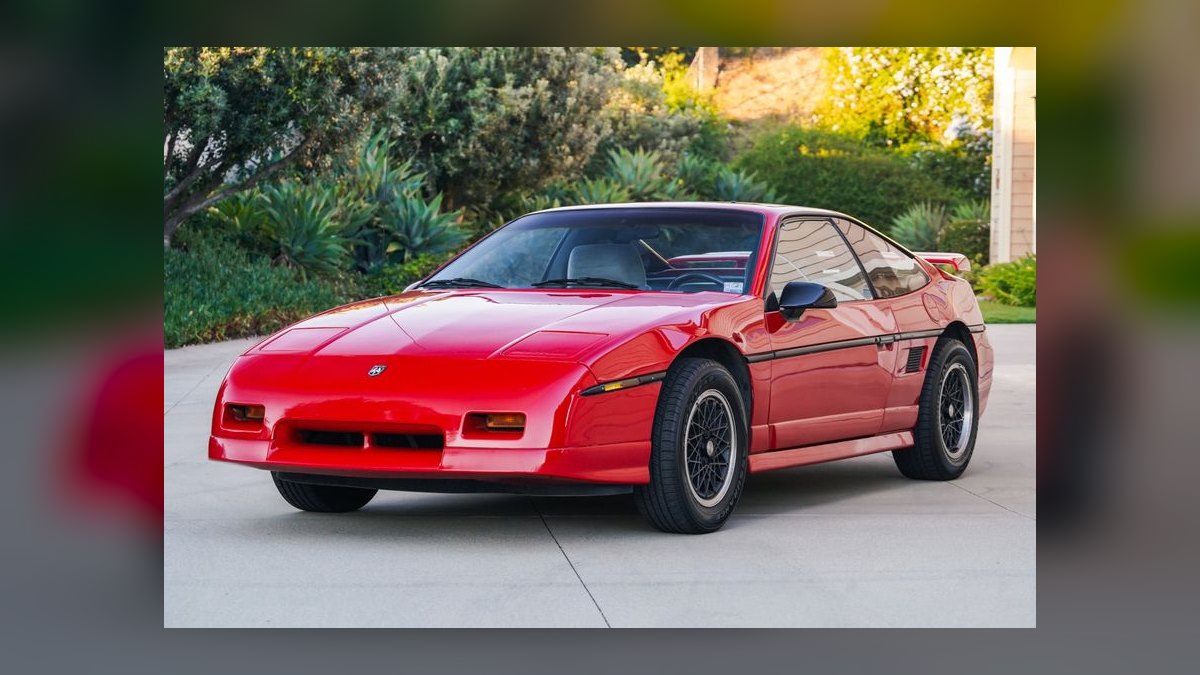
The Pontiac Fiero GT ranks seventh as the best value runner-up, finally receiving the 2.8-liter V6 it deserved in 1986, producing 140 horsepower and a proper five-speed Getrag gearbox. The mid-engine, rear-drive coupe reached 60 mph in around 8.3 seconds, with exotic fastback styling that drew looks far beyond its $12,875 MSRP. The new V6 addressed the original four-cylinder's biggest weakness, transforming the car into a genuine performer.
This car is for the budget-conscious buyer who wanted exotic looks and a mid-engine layout without spending exotic money. It trades away the MR2's sharper handling and Toyota reliability for a more striking appearance and a torquier V6, though GM parts-bin suspension limits ultimate dynamics. Compared to the RX-7, it offers more visual drama but less refinement.
8Ford Mustang SVO
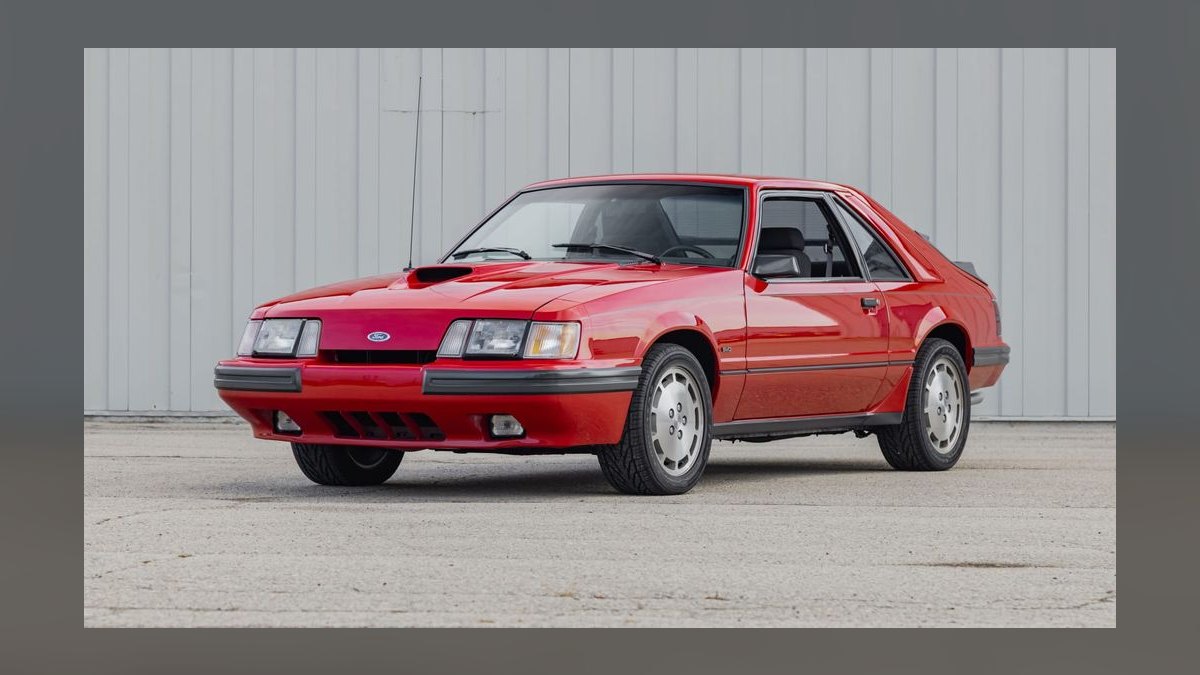
The Ford Mustang SVO ranks eighth because it was the thinking-driver's Mustang, offering a 2.3-liter turbocharged four with 200 horsepower and 240 lb-ft, reaching 60 mph in about 6.6 seconds. It featured upgraded brakes, suspension, and steering that made it the best-handling Fox-body Mustang of its day, with a sophisticated balance that set it apart from the V8 GT. The SVO's unique front fascia and bi-plane rear spoiler marked it as something special.
This car is for the enthusiast who valued balance and cornering prowess over cubic inches, wanting a Mustang that could carve canyons as well as drag strips. It trades away the GT's V8 rumble and low-end torque for a turbocharged four that rewards higher revs and precise driving. Compared to the Fiero GT, it offers better handling and a more substantial feel but lacks the mid-engine exoticism.
9Ford Mustang GT 5.0
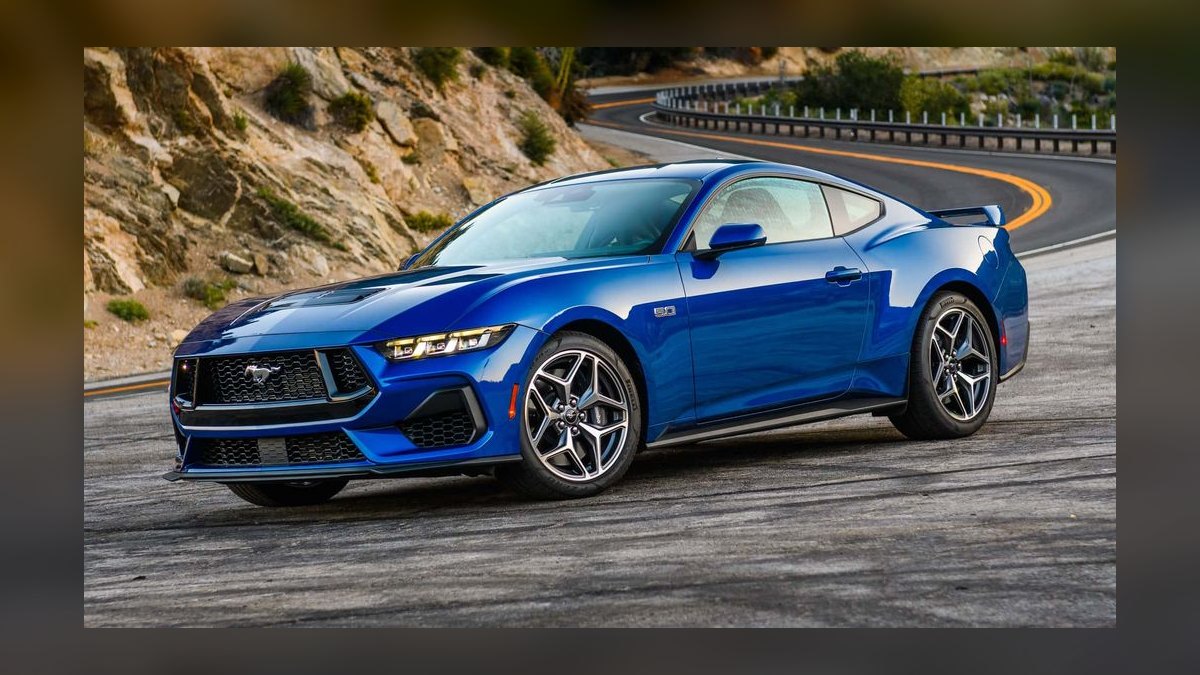
The Ford Mustang GT 5.0 ranks ninth for delivering maximum V8 thrust per dollar, with its 5.0-liter V8 gaining sequential fuel injection in 1986 to produce 200 horsepower and 285 lb-ft of torque. It reached 60 mph in about 6.8 seconds through rear drive, making it a quarter-mile hero that anyone could afford at an $11,777 MSRP. The car was the affordable American muscle benchmark, known for its stout torque and endless cheap parts and tuning support.
This car is for the buyer who wanted big V8 torque and a proven platform for modification without spending a fortune. It trades away the SVO's handling sophistication and balance for a flexy chassis and crude dynamics, but the GT's torque and simplicity are its own appeal. Compared to the MR2, it offers far more straight-line speed but much less agility and refinement.
10Honda CRX Si
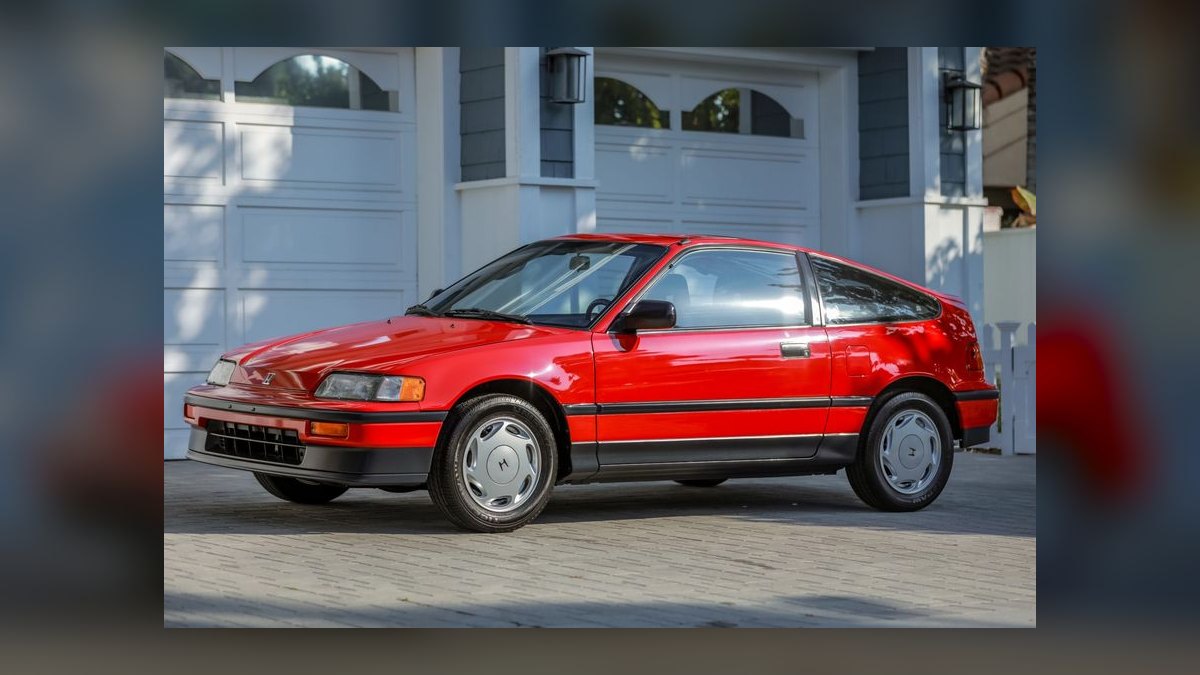
The Honda CRX Si ranks tenth because it proved that a sports car needed neither big power nor rear drive to thrill, weighing barely a ton with a fuel-injected 1.5-liter four making about 91 horsepower. It drove the front wheels to 60 mph in roughly 8 seconds, with razor-sharp reflexes and legendary fuel economy that made it a joy to drive and own. The lightweight body and precise shifter made every journey engaging.
This car is for the buyer who wanted lightweight joy and 50-mpg sense, prioritizing handling and efficiency over raw power. It trades away the Mustang GT's V8 muscle and rear-drive drama for front-drive purity and bulletproof Honda reliability. Compared to the MR2, it offers less mid-engine balance but better fuel economy and a more practical hatchback layout.
How we ranked these
Each car was scored on a weighted blend: driving fun and handling 30%, measured performance 15%, period value 15%, reliability 15%, style and legacy 15%, and current collectibility 10%. Performance figures came from period road tests, while value and collectibility drew on auction results and Hagerty valuation data. Weighting favored balanced, engaging machines over spec-sheet heroes, mirroring how both a 1986 buyer and a modern collector would judge these cars today.
Deliberately ignored: modern performance benchmarks, raw nostalgia, and brand prestige without substance. A car's straight-line speed today says little about its historical context or driving character. Unreliable or impractical-to-own models were excluded, as were cars with no genuine enthusiast following. This avoids rewarding paper heroes and keeps the ranking focused on machines that still make sense to buy, drive, and maintain now.
What to look for
Match the car to your actual use. Daily driver plus canyon runs points to the Porsche 944 Turbo or Mazda RX-7. Straight-line muscle with cheap, plentiful parts favors the Corvette C4 or Mustang GT 5.0. Budget for maintenance honestly: Ferrari 328 and 944 Turbo service is expensive, while MR2, CRX Si, and Mustang parts are cheap and widely available.
The biggest mistake is chasing horsepower over chassis balance and documentation. A 200-hp Mustang GT out-drags a 112-hp MR2, but the MR2 is the more engaging drive. Buyers also overlook service history on turbo cars and rotaries. A well-documented higher-mileage example almost always beats a low-mileage car with unknown maintenance.
Related questions
What was the best handling sports car of 1986?
The Porsche 944 Turbo set the benchmark, thanks to near-50/50 weight distribution and a rear transaxle. It humbled contemporary 911s through corners. The Mazda RX-7 FC and Toyota MR2 AW11 were also excellent, offering sharp reflexes at far lower prices, but neither matched the 944 Turbo's precision, composure, and steering feel.
Which 1986 sports car had the most power?
The Ferrari 328 GTS led with roughly 266 horsepower from its 3.2-liter V8. The Chevrolet Corvette C4 followed at 230 hp, then the Porsche 944 Turbo at 220 hp and the Nissan 300ZX Turbo at 200 hp. The Mustang SVO and Mustang GT 5.0 each made 200 hp as well.
What was the cheapest sports car in 1986?
The Honda CRX Si was the most affordable at about $8,279, offering lightweight agility and excellent fuel economy. The Toyota MR2 at $11,398 and Mazda RX-7 at $11,995 were also budget-friendly, delivering genuine sports car thrills for under $12,000. Fun clearly did not require a high price tag that year.
What was the most reliable 1986 sports car?
The Toyota MR2 and Honda CRX Si were renowned for bulletproof reliability, with the MR2's 4A-GE engine and Honda's simple four-cylinder proving nearly indestructible. The Mazda RX-7 demanded disciplined rotary maintenance, while the Porsche 944 Turbo and Ferrari 328 required more attention and significantly higher service costs over time.
Which 1986 sports car is the best investment today?
The Porsche 944 Turbo offers the strongest combination of rising values and real usability. The Ferrari 328 GTS is a blue-chip appreciating asset, while the Mazda RX-7 Turbo and Toyota MR2 have growing followings. The Fiero GT remains affordable but is climbing. Condition, documentation, and provenance drive value more than mileage alone.
What was the best value sports car of 1986?
The Pontiac Fiero GT earned Best Value with its true mid-engine layout, exotic fastback styling, and new 2.8-liter V6, all for $12,875. The Mazda RX-7 was a close runner-up, offering modern styling and rotary character for under $12,000. Both delivered exceptional fun-per-dollar against European rivals costing far more.
How did the 1986 Mustang GT differ from the SVO?
The GT used a 200-hp 5.0-liter V8 with sequential fuel injection, delivering raw torque and quarter-mile heroics for $11,777. The SVO, at $15,272, had a turbocharged 2.3-liter four making 200 hp but added upgraded brakes, suspension, and steering for superior handling. The SVO was more sophisticated, the GT more visceral and cheaper.
How did the 1986 Corvette compare to the Porsche 944 Turbo?
The Corvette C4 offered 230 hp, a returning convertible, massive grip, and American V8 torque for $27,999. The Porsche 944 Turbo, around $29,000, made 220 hp but delivered superior balance and handling, making it the more complete driver's car. The Corvette was quicker in a straight line; the Porsche was better on a twisty road.
FAQ
What was the best sports car of 1986?
The Porsche 944 Turbo was the best overall, combining 220 horsepower, near-perfect balance, and everyday usability. It outperformed cars costing twice as much and set a new handling standard. Its transaxle layout, refinement, and build quality made it the most complete sports car of the year, and it remains the benchmark today.
Which 1986 sports car was the best value?
The Pontiac Fiero GT offered true mid-engine layout and exotic-looking style with its new V6 for under $13,000. It edged out the Mazda RX-7, also a fantastic deal at $11,995. Both provided exceptional fun, style, and performance for the money, making them standout value picks from that model year.
What was genuinely new for 1986?
The second-generation FC Mazda RX-7, the Porsche 944 Turbo, the V6 Pontiac Fiero GT, and the Ferrari 328 all debuted. The Corvette convertible returned after an 11-year absence, and the Mustang GT gained sequential fuel injection. It was a landmark year for sports car innovation and performance.
Which 1986 sports car is the best collector buy now?
The 944 Turbo, FC RX-7 Turbo, AW11 MR2, and Fiero GT all have strong, rising followings. The 944 Turbo offers the most upside with the most usability, while the RX-7 Turbo is a smart investment. The MR2 and Fiero remain more affordable but are appreciating steadily as clean examples disappear.
Were these cars fast by today's standards?
Not in a straight line. Most ran 0-60 in the six-to-eight-second range, slow by modern standards. However, their light weight, responsive steering, and engaging chassis make them deeply rewarding to drive. Modern cars are quicker, but these classics offer a raw, connected feel that is hard to replicate today.
Is a rotary RX-7 reliable enough to own?
Yes, with disciplined maintenance. Verify compression before buying and keep up with oil changes and apex seal care. A well-maintained rotary can be reliable, but neglect leads to expensive rebuilds. It rewards enthusiasts who understand its quirks and stay ahead of scheduled service intervals.
What should I look for when buying a 1986 Porsche 944 Turbo?
Check for proof of timing and balance belt changes, since failure can ruin the engine. Inspect the turbo for shaft play and smoke, and look for rust in floors and strut towers. Service records are crucial; a sorted car with documentation is worth far more than a cheap, neglected one.
How much does a 1986 Ferrari 328 GTS cost today?
Good examples now command $80,000 to $130,000 or more, reflecting its status as a blue-chip classic. It is among the most reliable and usable vintage Ferraris, with timeless Pininfarina styling and a sonorous V8. Prices have climbed steadily, making it a strong long-term investment for collectors.
What are the common issues with the 1986 Corvette C4?
Early C4s have dated cabin plastics and digital dashes that can fail. Build quality varies, so inspect for electrical gremlins and check the frame rails and birdcage for rust. Parts are cheap and plentiful, but sorting out these issues can take time, effort, and patience.
Why is the 1986 Mustang SVO so underrated?
It cost more than the V8 GT when new but offered superior handling, brakes, and steering. With 200 hp from its turbo four, it was the best-handling Fox-body Mustang. Rare and now appreciating, it is a sophisticated alternative to the more common GT, finally getting the recognition it deserves.
Sources
- https://www.hagerty.com/valuation-tools
- https://bringatrailer.com/
- https://en.wikipedia.org/wiki/Porsche_944
- https://en.wikipedia.org/wiki/Mazda_RX-7
- https://en.wikipedia.org/wiki/Ferrari_328
- https://en.wikipedia.org/wiki/Pontiac_Fiero
- https://www.caranddriver.com/
- https://www.roadandtrack.com/
- https://www.mustangspecs.com/
- https://www.corvsport.com/
Related on PULSE
This page will be disappearing soon. Save it to your device for $1 — or read it free while it is here.
@Kory-White- · if Venmo asks, the last 4 of my number are 2012
This page is gone.
This one is off the shelf now. $1 keeps it on your phone for good — the whole page, pictures and diagrams included.
 pulse-carsBest Acura TLX Model Years (Ranked) in 2027
 pulse-carsBest Used Luxury Cars Under $10,000 in 2027 (Ranked)
 pulse-carsBest Used Off-Road SUVs Under $20,000 in 2027 (Ranked)
 pulse-carsBest Chevrolet Avalanche Model Years (Ranked) in 2027
 pulse-carsBest Fiat 500 Model Years (Ranked) in 2027
 pulse-carsBest Used Family Cars Under $35,000 in 2027 (Ranked)
 pulse-carsBest Audi Q5 Model Years (Ranked) in 2027
 pulse-carsBest Used Family Cars Under $50,000 in 2027 (Ranked)
 pulse-carsBest Trucks for Off-Road Adventures in 2027 (Ranked)
 pulse-carsTop 10 Hybrid SUVs for 2027 — Best Overall + Best Value