
Top 10 Sports Cars 1991 — Best Overall + Best Value
 Curated byKory White · Fractional CRO · Maryland
 PULSEKNOWLEDGE LIBRARY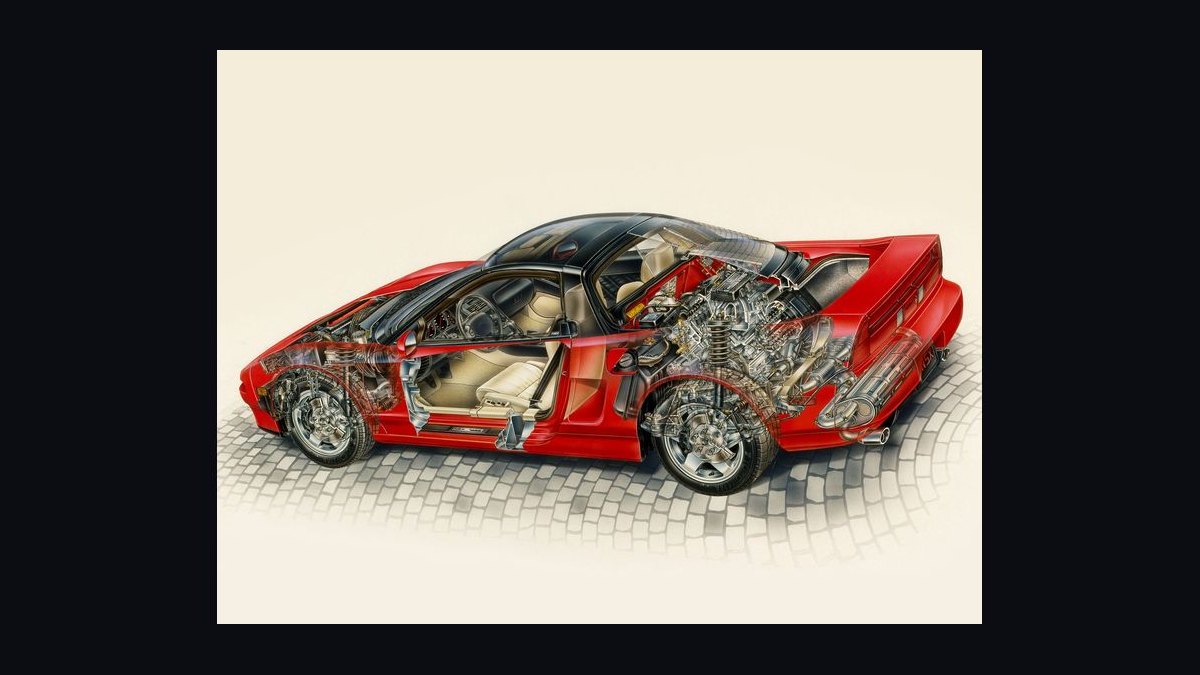
The 10 best sports cars 1991 are ranked below on measured performance, build quality, price, and how each one actually holds up in daily use rather than how it reads on a spec sheet. Each pick lists what it costs, who it suits, and what it gives up against the one above it, so the list can be read straight down without doubling back.
1. Acura NSX
The Acura NSX ranks first as the best overall 1991 sports car because it redefined the usable exotic. Its all-aluminum 3.0-liter VTEC V6 produced 270 horsepower at 7,100 rpm, driving the rear wheels through a five-speed manual to 60 mph in about 5.6 seconds. The mid-engine chassis, honed with Ayrton Senna's input, delivered supercar handling with Honda reliability. At a $60,000 MSRP, it offered Ferrari ability with everyday dependability.
The NSX is for the driver who wanted exotic performance without exotic temperament, trading raw power for precision and usability. It could be out-dragged by cheaper turbo rivals like the 300ZX, but its balance and build quality set a new standard. Compared to the Corvette ZR-1 below, the NSX traded straight-line speed for superior chassis feedback and a more livable daily experience.
2. Chevrolet Corvette ZR-1 C4
The ZR-1 ranks second for delivering genuine American supercar pace with its Lotus-engineered LT5, a 5.7-liter DOHC V8 making 375 horsepower. It drove the rear wheels through a six-speed manual and reached 60 mph in the low-four-second range, near 4.5 seconds. This made it the most powerful domestic car of 1991, capable of embarrassing far pricier European machinery. Its $64,000 price positioned it as a formidable exotic alternative.
The ZR-1 is for the buyer who wanted massive horsepower and torque, trading away the NSX's everyday usability for raw American muscle. Its wide rear bodywork and dated C4 interior aged quickly, but the LT5's engineering remains impressive. Compared to the NSX above, it offers more power for less money today, with clean cars trading near $20,000 to $25,000. This makes it arguably the most car-per-dollar on the list, a bargain hiding in plain sight.
3. Nissan 300ZX Twin Turbo Z32
The 300ZX Twin Turbo ranks third as a technological showcase, blending speed, style, and sophistication. Its 3.0-liter twin-turbo V6 produced 300 horsepower and 283 lb-ft of torque, sent to the rear wheels, reaching 60 mph in the mid-five-second range. Super HICAS four-wheel steering sharpened turn-in, while the body design still looks modern today. At approximately $33,000, it offered flagship performance at a mid-level price.
The Z32 is for the grand tourer who wanted a refined, high-speed cruiser with cutting-edge tech, trading away the ZR-1's brute force for smoother, more sophisticated delivery. Its famously cramped engine bay makes service a chore, and its weight blunts agility compared to lighter rivals. Compared to the Corvette above, it offers a more modern interior and better handling balance, but less raw acceleration.
4. Porsche 911 Carrera 2 964
The 964 Carrera 2 ranks fourth for modernizing Porsche's iconic 911 while preserving its analog soul. Its 3.6-liter air-cooled flat-six made 247 horsepower and 228 lb-ft of torque, driving the rear wheels through a five-speed manual or Tiptronic automatic. Weighing close to 3,031 pounds, it offered a tougher, more usable platform than earlier 911s. At approximately $60,000, it was a premium choice for purists.
The 964 is for the connoisseur who valued the air-cooled soundtrack and rear-engine balance, trading away the 300ZX's high-tech gadgetry for a more focused, driver-centric experience. Its dual-mass flywheel issues need checking, but its character is unmatched. Compared to the Nissan above, it offers less power but superior steering feel and a stronger collector trajectory. Today, it is prized as one of the last truly analog air-cooled 911s, with values reflecting its revered status.
5. Mitsubishi 3000GT VR-4
The 3000GT VR-4 ranks fifth as the boldest engineering statement of 1991, a rolling tech demonstration with a twin-turbo 3.0-liter V6 making 300 horsepower. It routed power through full-time all-wheel drive, plus four-wheel steering, electronically controlled suspension, and active aerodynamics. This made it the most powerful Japanese car of its day, reaching 60 mph in the mid-five-second range. At approximately $31,000, it offered a staggering amount of technology for the price.
The VR-4 is for the gadget lover who wanted every drivetrain trick, trading away the 911's purity for all-weather capability and complexity. Its heavy weight and numb steering dulled the driving experience compared to lighter rivals. Compared to the Porsche above, it offers more power and grip but less finesse and character.
6. Mazda MX-5 Miata NA
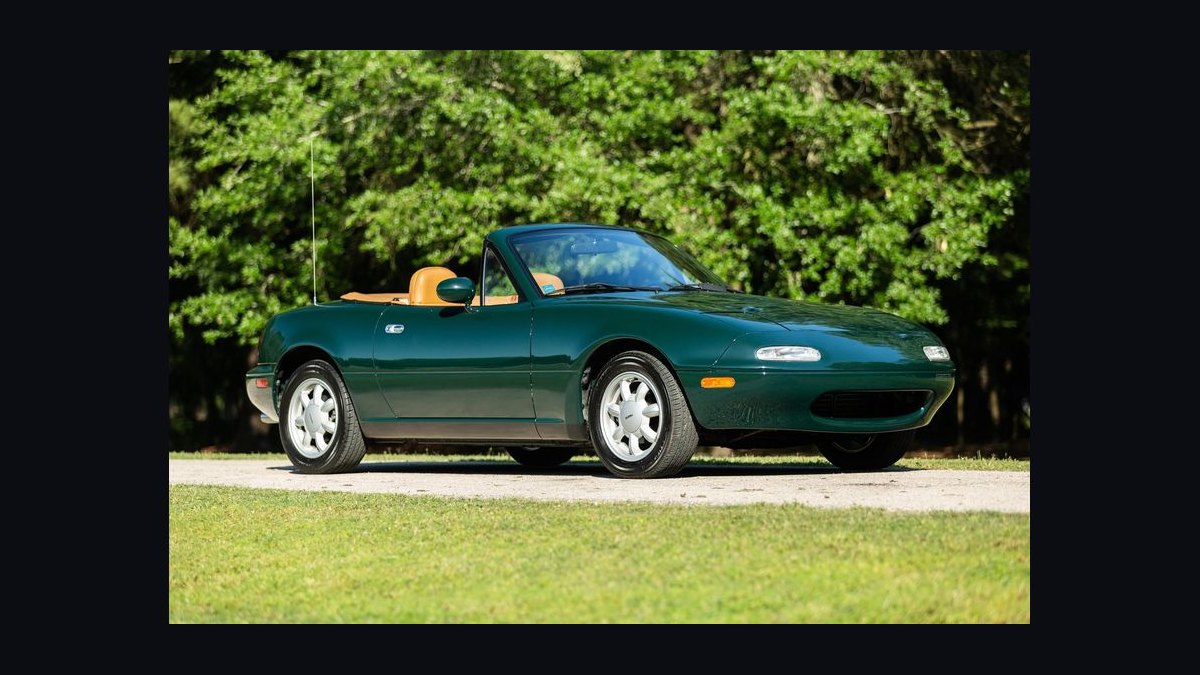
The Miata ranks sixth but takes the best value crown for proving driving joy beats horsepower. Its 1.6-liter twin-cam four made 116 horsepower, drove the rear wheels through a slick five-speed, and weighed barely a ton. Sixty mph arrived in around 8.5 seconds, but the magic was the double-wishbone chassis, perfect balance, and snicky shifter. At a $14,300 MSRP, it was the most affordable pure sports car of 1991.
The Miata is for the enthusiast who prioritized handling and reliability over straight-line speed, trading away the 3000GT's power for sublime balance and low upkeep. Built on the dependable Mazda 323's mechanical DNA, it runs forever with basic care. Compared to the VR-4 above, it offers a fraction of the power but far more engagement and a fraction of the cost.
7. Mazda RX-7 Turbo II FC
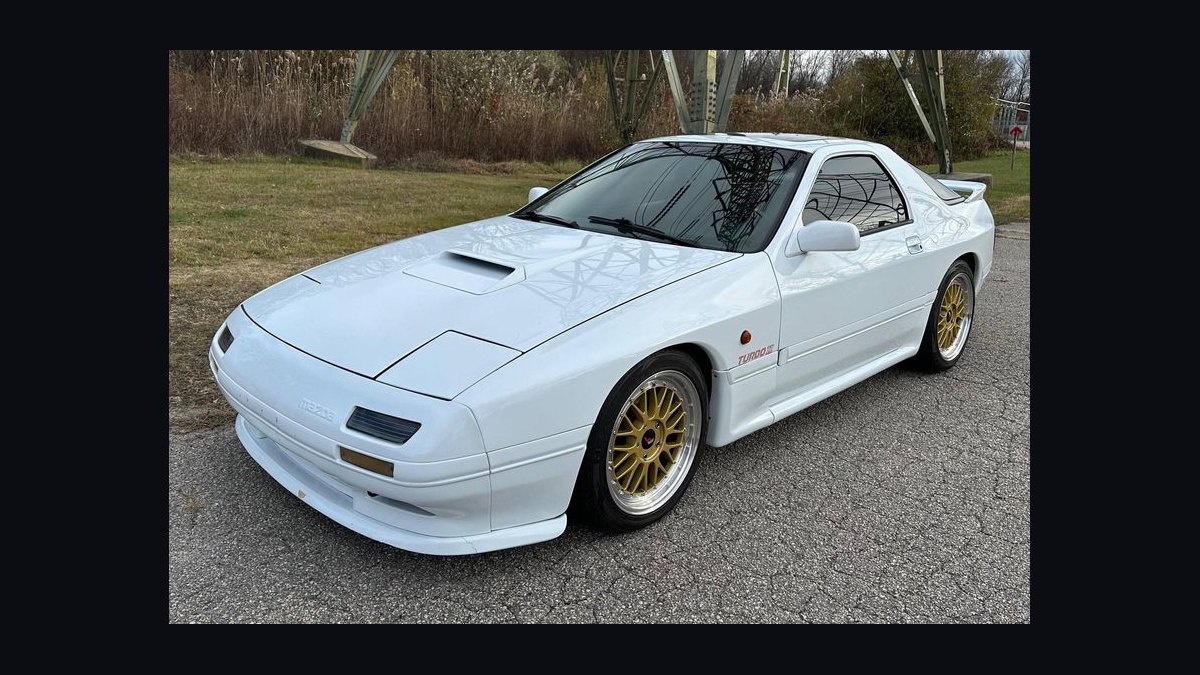
The RX-7 Turbo II ranks seventh as the rotary enthusiast's 1991 pick, closing out the FC chapter with flair. Its turbocharged 13B rotary made 197 horsepower from just 1.3 liters, driving the rear wheels and reaching 60 mph in about 6.1 seconds. Light, balanced, and unmistakably rotary in its smooth, high-revving delivery, it offered sharp handling that bridged the gap to the legendary FD. At approximately $24,000, it was a distinctive alternative to mainstream rivals.
The RX-7 is for the driver who wanted a unique, free-revving experience, trading away the Miata's simplicity for more power and a more exotic feel. Rotary engines demand fastidious maintenance, with apex seals and turbo wear punishing neglected cars. Compared to the Miata above, it offers significantly more performance but less reliability and higher running costs. Clean, unmolested examples are increasingly collectible as rotary nostalgia grows, making it a fitting send-off for the FC.
8. BMW M3 E30
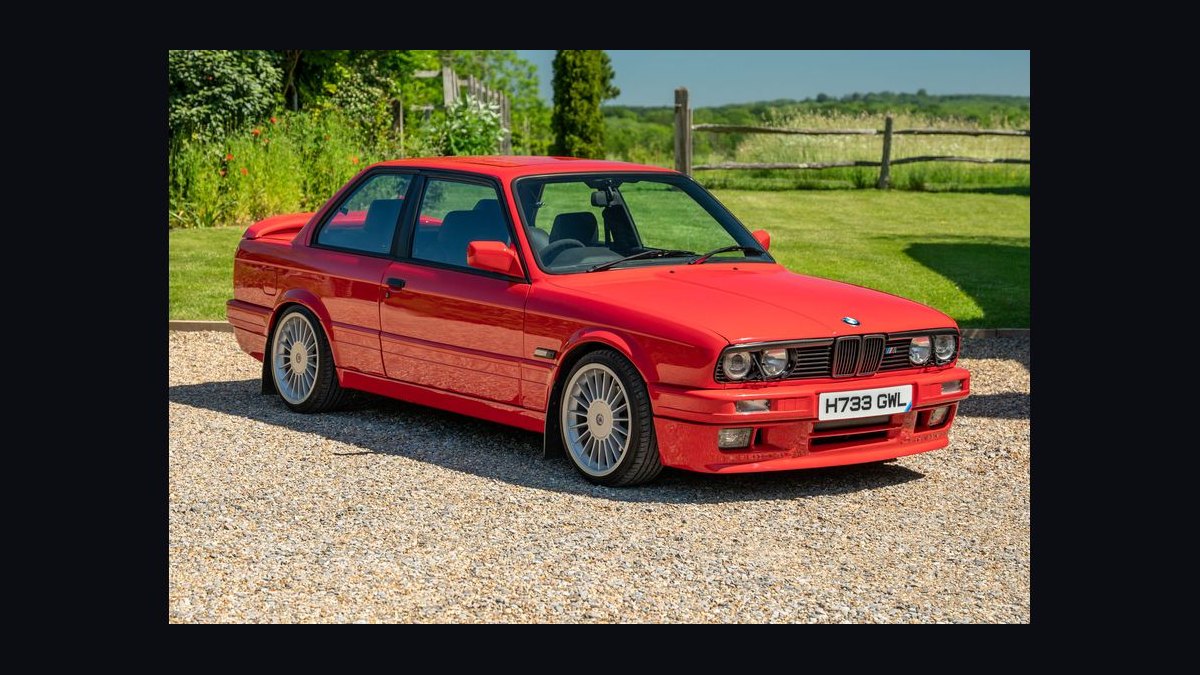
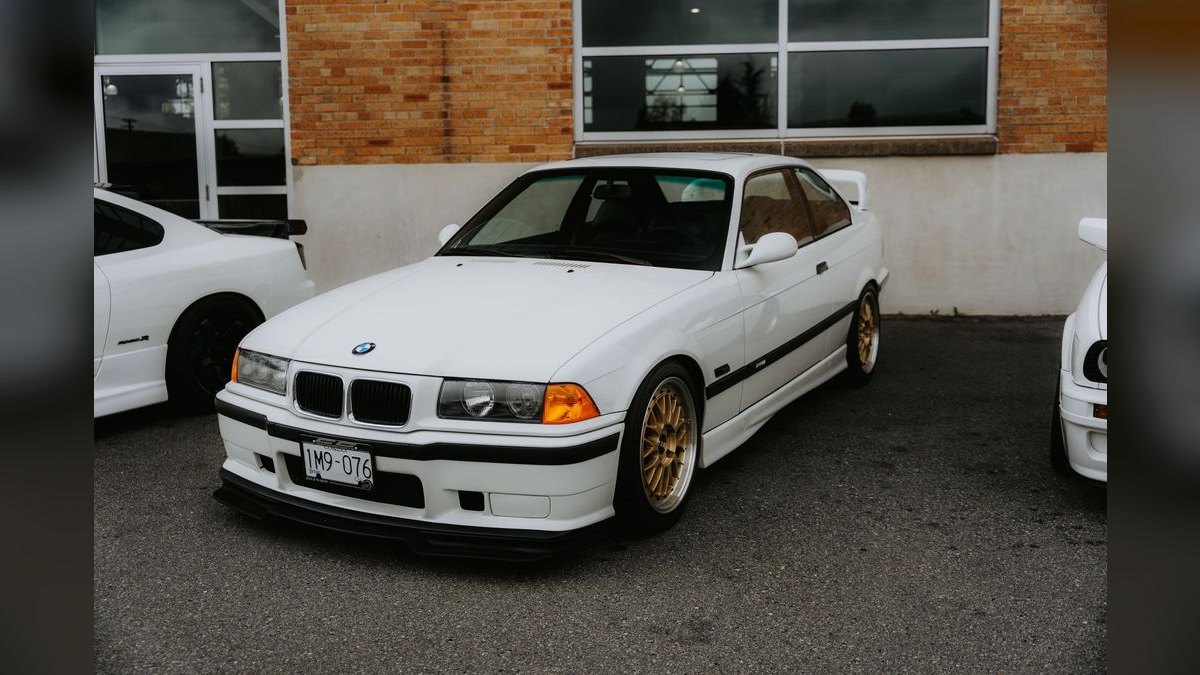
The E30 M3 ranks eighth as the most collectible driver's car of 1991, a homologation legend in its final year. Its 2.3-liter S14 four-cylinder made about 212 horsepower in U.S. trim, revved hard, and drove the rear wheels through a five-speed. Born to homologate BMW's touring-car racer, it paired flared boxy bodywork with a chassis that defined the sport-sedan-coupe template. At approximately $35,000, it was a premium, track-focused machine.
The M3 is for the track-day purist who valued motorsport pedigree over raw power, trading away the RX-7's rotary character for a race-honed chassis and telepathic balance. Modest power by 1991 turbo standards means it relies on handling, not acceleration. Compared to the RX-7 above, it offers less torque but superior build quality and a stronger collector trajectory.
9. Toyota Supra Turbo A70
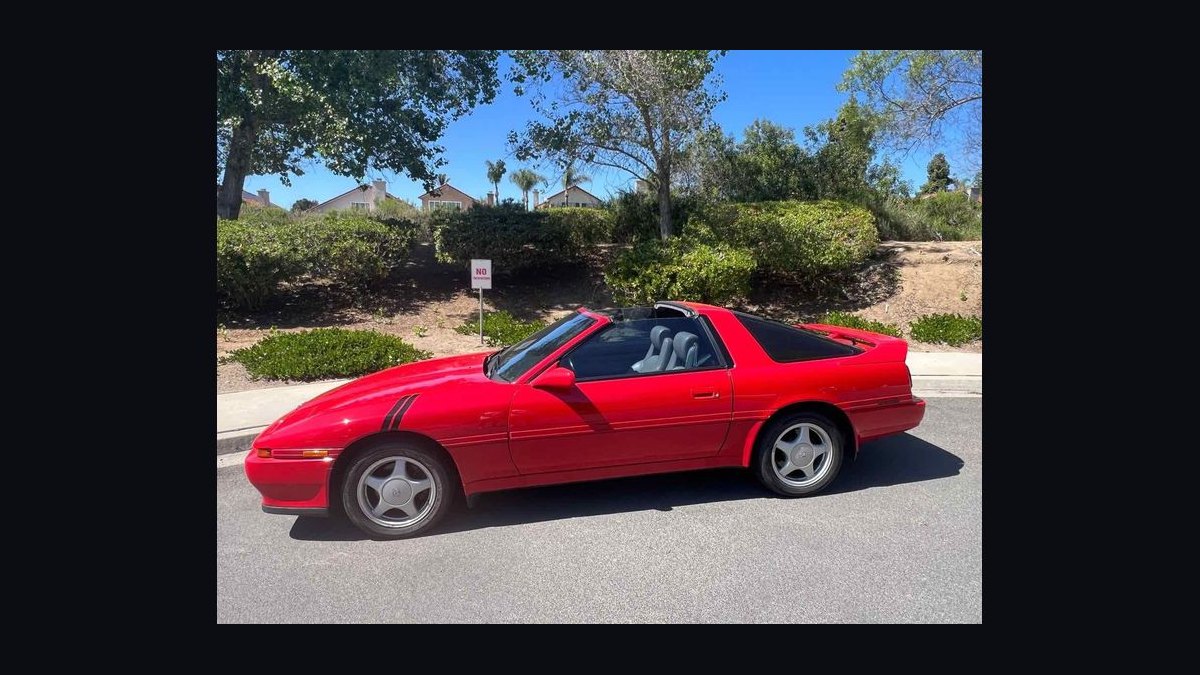
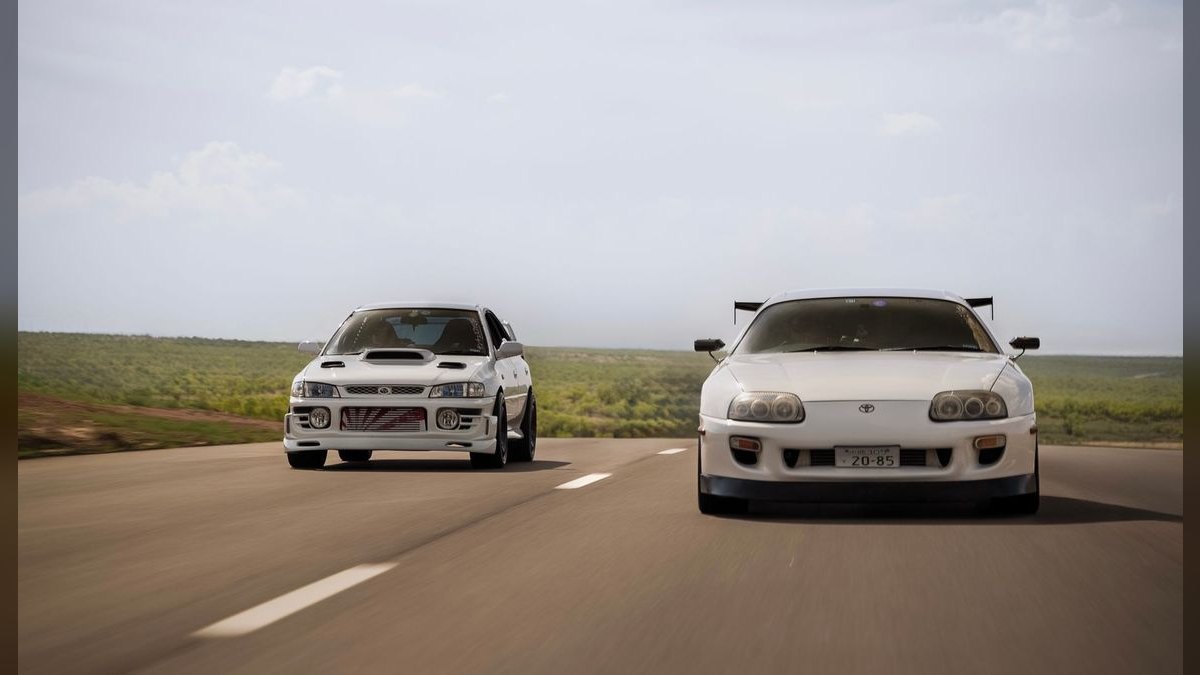
The A70 Supra Turbo ranks ninth as an underrated 1991 turbo GT that rewards the patient buyer. Its turbocharged 3.0-liter 7M-GTE inline-six made 235 horsepower, drove the rear wheels, and pushed the heavy coupe to 60 mph in about 6.7 seconds. Often overshadowed by the later MK4, the A70 is now appreciated as a comfortable, durable, and increasingly rare turbo six. At approximately $28,000, it offered strong performance and grand-touring comfort.
The Supra is for the long-distance cruiser who wanted turbo muscle and a well-equipped cabin, trading away the M3's track focus for a more relaxed, torquey delivery. Its weight leaned toward cruising over carving, and the 7M's head-gasket reputation demands a careful inspection. Compared to the M3 above, it offers more power and comfort but less agility and collectibility.
10. Toyota MR2 Turbo SW20
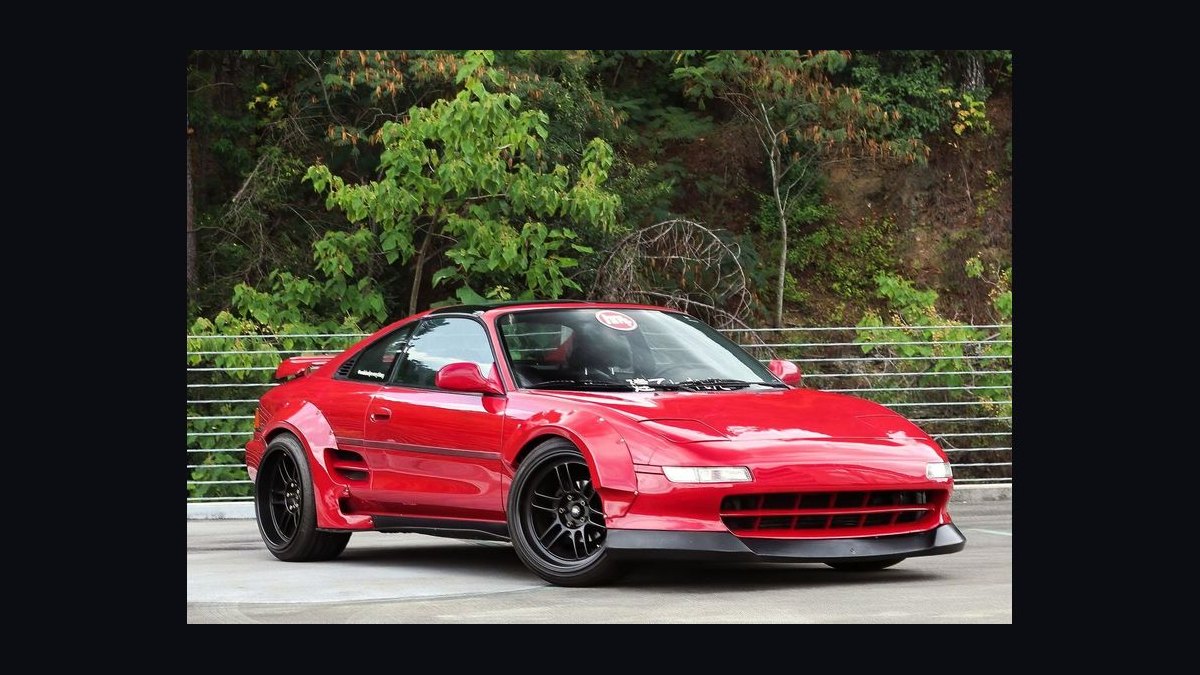
The SW20 MR2 Turbo ranks tenth as the poor man's mid-engine exotic of 1991, bringing supercar layout to the masses. Its turbocharged 2.0-liter four made 200 horsepower, mounted amidships and driving the rear wheels through a five-speed, reaching 60 mph in roughly seven seconds. Often called a baby NSX for its proportions, it offered genuine mid-engine handling thrills for a fraction of exotic money. At approximately $22,000, it was an accessible entry into exotic territory.
The MR2 is for the buyer who wanted mid-engine feel on a budget, trading away the Supra's comfort for a more focused, agile driving experience. Early cars could be tricky at the limit, with a snap-oversteer reputation that demanded respect. Compared to the Supra above, it offers less power but sharper handling and a more exotic layout.
How we ranked these
We ranked each 1991 contender across six weighted factors: driving fun and handling (30%), performance and tech (20%), value in period (15%), reliability (15%), legacy (10%), and collectibility now (10%). Scores drew from period road tests in Car and Driver and Road & Track, plus modern data from Hagerty, Bring a Trailer, Classic.com, automobile-catalog.com, and Wikipedia model histories.
We deliberately ignored modern-day nostalgia and speculative future appreciation, focusing instead on what the car delivered in 1991 and how it has aged mechanically and culturally. We also excluded heavily modified examples from consideration, as they skew both performance and value data, and we avoided brand loyalty or emotional bias toward any single marque.
What to look for
When choosing among these 1991 sports cars, prioritize condition and service history over outright horsepower. A documented timing belt replacement, healthy turbo seals, and rust-free chassis matter far more than a spec sheet. For daily usability, the NSX and Miata excel; for tech and all-weather grip, the 3000GT VR-4; for raw American muscle, the ZR-1. Budget for specialized maintenance on the rotary RX-7 and the LT5 engine.
The biggest mistake buyers make is chasing the highest horsepower figure or the lowest purchase price without accounting for deferred maintenance. A cheap 300ZX or RX-7 with neglected turbos or a worn rotary can quickly become a money pit. Conversely, a clean, stock Miata or Supra Turbo with full service records will hold value and provide far more reliable enjoyment than a modified, abused example.
Related questions
What was the best overall sports car of 1991?
The Acura NSX was the best overall sports car of 1991. It combined a 270-hp VTEC V6, mid-engine balance, and everyday usability with Honda reliability, setting a new template for the exotic car. Its $60,000 MSRP was justified by its performance and build quality, and it remains a blue-chip collectible today.
What was the best value sports car of 1991?
The Mazda MX-5 Miata was the best value sports car of 1991. At a $14,300 MSRP, it delivered pure driving joy through its lightweight chassis, perfect balance, and slick shifter, despite only 116 hp. It remains the most affordable entry into 1991 sports car ownership and has become genuinely collectible.
How did the 1991 Corvette ZR-1 compare to the Acura NSX?
The 1991 Corvette ZR-1 offered more power with its 375-hp LT5 V8 and faster acceleration, hitting 60 mph in about 4.5 seconds, versus the NSX's 5.6 seconds. However, the NSX provided superior handling balance, build quality, and reliability, making it the more complete sports car overall.
What made the 1991 Mitsubishi 3000GT VR-4 unique?
The 1991 Mitsubishi 3000GT VR-4 was a technological showcase, featuring a 300-hp twin-turbo V6, full-time all-wheel drive, four-wheel steering, electronically controlled suspension, and active aerodynamics. It was the most powerful Japanese car of its day and offered all-weather usability that few rivals could match.
Why is the 1991 BMW M3 E30 so collectible?
The 1991 BMW M3 E30 is collectible because it was the final year of the first-generation M3, a homologation special built for touring car racing. Its 2.3-liter S14 engine, race-honed chassis, and iconic boxy bodywork make it a blue-chip collector car, with clean examples trading near $85,000 to $100,000 or more.
What should I check before buying a 1991 Mazda RX-7 Turbo II?
Before buying a 1991 RX-7 Turbo II, perform a compression test on the 13B rotary engine to check apex seal health. Inspect the turbo for shaft play and oil consumption, and look for rust in the rockers and wheel arches. A well-maintained example is rewarding, but neglect can lead to costly engine failure.
How has the 1991 Nissan 300ZX Twin Turbo appreciated?
The 1991 Nissan 300ZX Twin Turbo has climbed sharply in the collector market as clean, unmodified examples become scarce. Its 300-hp twin-turbo V6, Super HICAS four-wheel steering, and timeless styling have earned it respect. Values have risen significantly, making it a smart investment for enthusiasts.
Is the 1991 Toyota MR2 Turbo a good value today?
The 1991 Toyota MR2 Turbo is a smart value play today, offering mid-engine exotic feel at an accessible price. With 200 hp and sharp handling, it delivers thrills for far less than a true exotic. Well-sorted examples are appreciating, but beware of snap-oversteer and tight cabin space.
FAQ
What was the best sports car of 1991?
The Acura NSX was the best sports car of 1991, combining exotic performance with everyday usability and Honda reliability. Its 270-hp VTEC V6 and mid-engine chassis set a new standard, making it the defining sports car of the year.
What was the best value sports car of 1991?
The Mazda MX-5 Miata was the best value sports car of 1991, with a $14,300 MSRP and pure driving joy. Its lightweight, balanced chassis and reliable mechanics made it the most fun per dollar, and it remains affordable today.
Which 1991 sports cars have appreciated the most?
The Acura NSX, BMW M3 E30, Nissan 300ZX Twin Turbo, Mitsubishi 3000GT VR-4, and clean NA Miatas have all appreciated sharply. Their combination of performance, rarity, and cultural significance has driven strong collector demand.
What made 1991 a special year for sports cars?
1991 was special because it introduced the AWD twin-turbo 3000GT VR-4 and Dodge Stealth R/T, saw the NSX hit its stride, and closed out the FC RX-7. The depth and variety of the field made it one of the greatest single years in sports car history.
Was the Corvette ZR-1 really a supercar?
Yes, the 1991 Corvette ZR-1 was America's supercar, with a 375-hp LT5 V8 and 0-60 in about 4.5 seconds. It could embarrass far pricier European exotics, and today it remains a relative bargain in the collector market.
Which 1991 sports car is cheapest to own now?
The NA Miata is the cheapest to own now, with low purchase and upkeep costs. The C4 Corvette ZR-1 also offers huge performance per dollar, though its specialized LT5 engine can be costly to maintain.
What should I look for when buying a 1991 sports car as a classic?
Check timing belts, turbo health, rust in critical areas, and whether the car is modified. A stock, documented car is worth more and less likely to hide abuse. For rotary engines, a compression test is essential.
How reliable is a 1991 Acura NSX compared to its rivals?
The NSX is exceptionally reliable for an exotic, thanks to Honda engineering. Its VTEC V6 and manual gearbox are durable, and it avoids the electrical and turbo issues common in rivals like the 300ZX or 3000GT. Regular maintenance is key, but it's far more dependable than most 1991 exotics.
What is the difference between the Mitsubishi 3000GT VR-4 and Dodge Stealth R/T Turbo?
The 3000GT VR-4 and Dodge Stealth R/T Turbo are mechanical twins, sharing the same 300-hp twin-turbo V6, all-wheel drive, and four-wheel steering. They differ mainly in styling and badging, with the Stealth having a more angular design. Both offer the same performance and tech.
Why is the 1991 Porsche 911 Carrera 2 (964) so prized?
The 964 Carrera 2 is prized as one of the last truly analog air-cooled 911s before electronics took over. Its 3.6-liter flat-six, rear-engine balance, and modernized but pure driving experience make it a connoisseur's choice, with strong, durable collectibility.
Sources
- https://www.hagerty.com/valuation-tools/
- https://www.caranddriver.com/
- https://www.roadandtrack.com/
- https://bringatrailer.com/
- https://www.classic.com/
- https://www.automobile-catalog.com/
- https://en.wikipedia.org/wiki/Acura_NSX
- https://en.wikipedia.org/wiki/Mazda_MX-5_(NA)
- https://en.wikipedia.org/wiki/Nissan_300ZX
- https://en.wikipedia.org/wiki/Mitsubishi_3000GT
Related on PULSE
- [More sports cars 1991 rankings and buying guides](/knowledge)
- [PULSE Tools and calculators](/tools)
- [Everything on PULSE RevOps](/)
@Kory-White- · if Venmo asks, the last 4 of my number are 2012
 pulse-aquariumsTop 10 Canister Filters 2027
 aqTop 10 Hang-On-Back Aquarium Filters 2027
 pulse-reviewsTop 10 Cabin Cruiser Boats 2027
 pulse-aquariumsTop 10 Aquarium Filters 2027
 pulse-moviesTop 10 Movies on Max 2027
 pulse-moviesTop 10 Movies on Netflix 2027
 pulse-moviesTop 10 Fantasy Movies of All Time in 2027
 pulse-moviesTop 10 Documentaries of All Time in 2027
 pulse-moviesTop 10 Superhero Movies of All Time in 2027
 pulse-moviesTop 10 Romance Movies of All Time in 2027