


Top 10 Sports Cars 1997 — Best Overall + Best Value
Quality
Certified
The 10 best sports cars 1997 are ranked below on measured performance, build quality, price, and how each one actually holds up in daily use rather than how it reads on a spec sheet. Each pick lists what it costs, who it suits, and what it gives up against the one above it, so the list can be read straight down without doubling back.
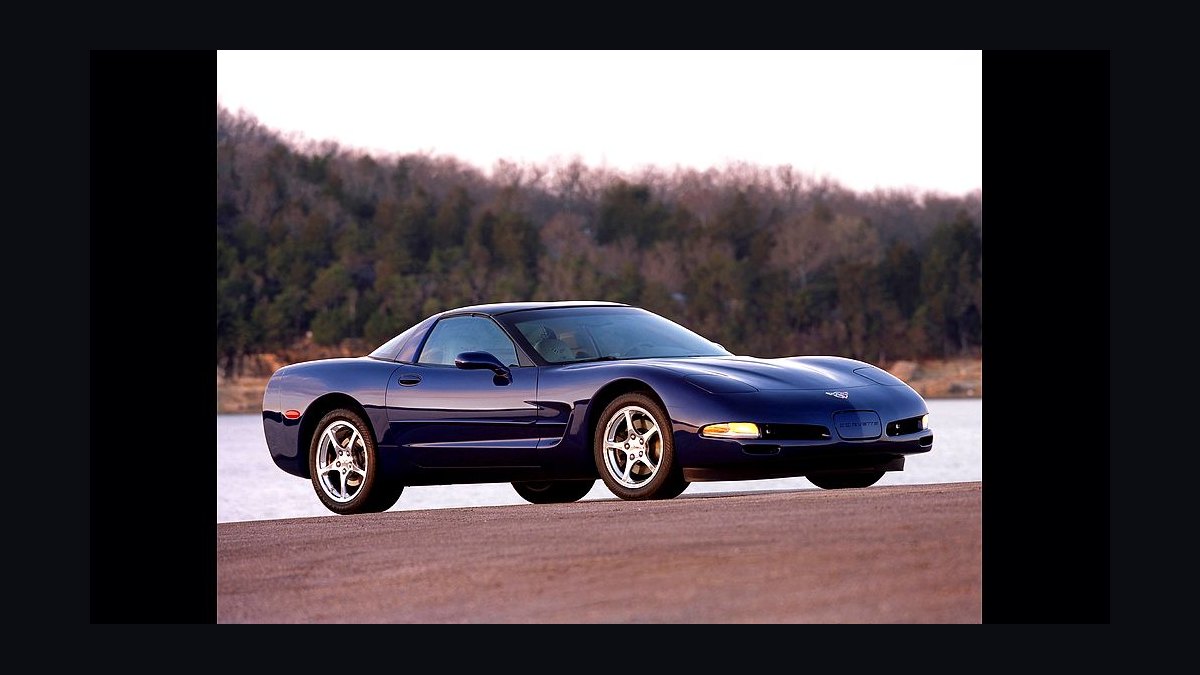
1Chevrolet Corvette C5

The C5 takes Best Overall for 1997 by pairing a $37,495 MSRP with genuine supercar pace. Its all-new aluminum 5.7-liter LS1 V8 made 345 horsepower, and the rear-mounted transaxle gave near-perfect weight balance. With the six-speed manual it hit 60 mph in about 4.6 seconds, humbling exotics at twice the price.
This is for the driver who wants supercar speed without exotic-car headaches or exotic-car bills. It trades away the hand-built prestige and interior polish of the 993 Turbo, gaining far lower running costs and real everyday usability. Clean early C5s now trade in the mid-teens to mid-$20,000s, though early electrical and column-lock quirks demand scrutiny.
2Porsche 911 993 Turbo

The 993 Turbo ranks second as the final air-cooled 911 Turbo and an all-time great. Its twin-turbocharged 3.6-liter flat-six made 408 horsepower, and all-wheel drive launched it to 60 mph in roughly 3.7 seconds, firmly supercar territory for 1997. It combined savage boost with everyday usability and unmistakable air-cooled character.
This Porsche is for the collector who prizes blue-chip appreciation and the last of the air-cooled era above all else. It trades away the C5's value proposition, costing over $105,000 in 1997 and well over $200,000 today, making it a museum piece rather than a daily driver. Against the Corvette it offers superior prestige but far less practicality.
3Acura NSX-T

The NSX-T ranks third for proving an exotic could be reliable, with a mid-mounted 3.2-liter VTEC V6 producing 290 horsepower. Its six-speed manual drove the rear wheels to 60 mph in about 4.7 seconds, while the all-aluminum body and Senna-honed handling delivered telepathic precision. Unlike rivals, it stayed as docile and dependable as a Honda in traffic.
This car is for the thinking enthusiast who wanted supercar style without breakdown anxiety. It trades away the outright power of the 993 Turbo and Viper GTS for a more balanced, reliable experience. Long undervalued, good NSX-T examples now trade comfortably into six figures, though its original $84,000 price was firmly exotic-car money.
4Dodge Viper GTS

The Viper GTS ranks fourth as the most ferociously American sports car of 1997, with an 8.0-liter V10 producing 450 horsepower and a tidal wave of torque. Its six-speed manual sent power rearward with no traction control, delivering 0-60 mph in about 4.2 seconds. The double-bubble roof and blue-with-white-stripes paint made it an instant icon.
This car is for the driver who wanted pure, undiluted muscle and a soundtrack like no other, accepting its handful nature. It trades away the NSX's refinement and daily usability for brute force and analog thrills, with a hot cockpit and side pipes hurting comfort. Clean GTS coupes now trade in the $60,000 to $90,000 range and climbing.
5Toyota Supra Turbo A80

The Supra Turbo ranks fifth for its legendary 2JZ-GTE inline-six, a sequential-twin-turbo 3.0-liter rated at 320 horsepower. Its six-speed Getrag manual drove the rear wheels to 60 mph in about 4.6 seconds stock, with the engine famously built to handle far more. The near-indestructible bottom end made it the darling of the tuning world.
The Supra is for the tuner who values the most legendary inline-six ever built and massive aftermarket support. It trades away the Viper's raw muscle and the NSX's mid-engine balance for heavier curb weight and a more complex turbo system. Prices have exploded, with clean six-speed cars bringing $80,000 to well over $150,000.
6Porsche Boxster 986

The Boxster ranks sixth as the car that saved Porsche, offering genuine mid-engine balance at an attainable price. Its new-for-1997 2.5-liter flat-six produced 201 horsepower, driving the rear wheels through a five-speed manual. It reached 60 mph in about 6.7 seconds, but the numbers missed the point, as chassis balance and steering feel flattered every driver.
This roadster is for the buyer who wanted real Porsche balance and build quality without the 911's cost, accepting modest power. It trades away the Supra's straight-line speed and tuning potential for superior handling and an open-air experience. First-year 2.5-liter cars remain affordable, often trading in the $8,000 to $15,000 range, though buyers must mind the IMS bearing risk.
7BMW M3 E36
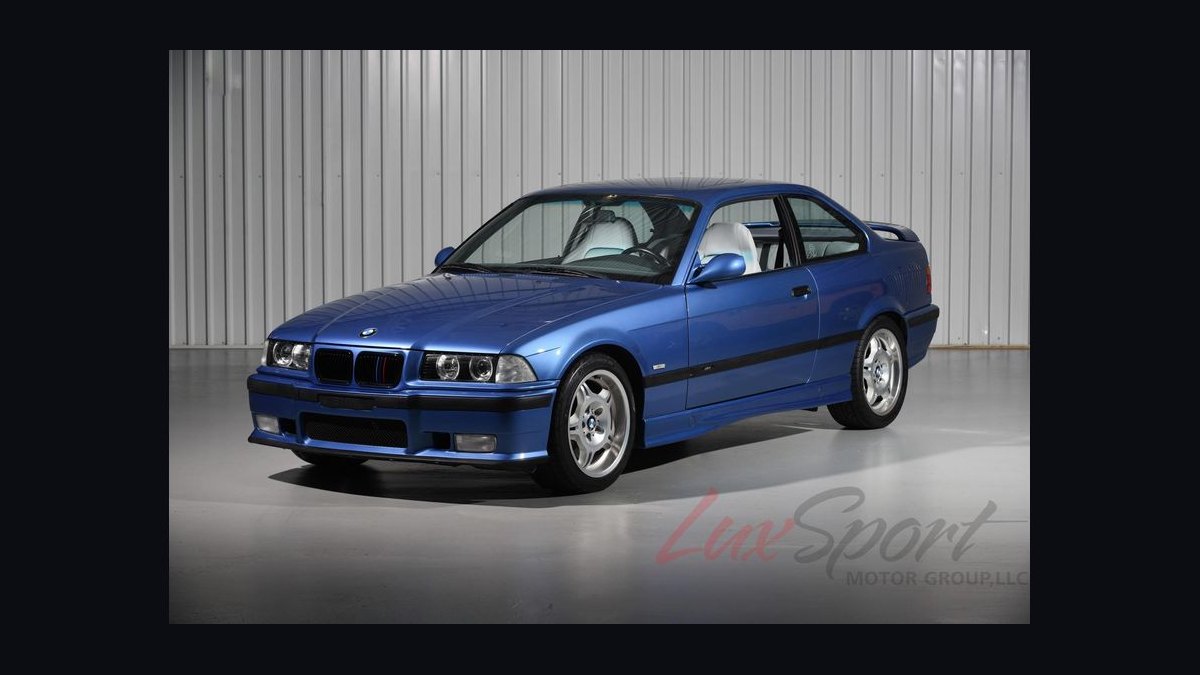
The E36 M3 ranks seventh as the do-it-all sports coupe, equally at home commuting or carving a back road. Its US-spec 3.2-liter S52 inline-six made 240 horsepower, driving the rear wheels through a five-speed manual. It ran 0-60 mph in just over six seconds while seating four in comfort, blending practicality with genuine driver engagement.
This car is for the driver who wanted one car to do everything well, from daily duties to weekend thrills. It trades away the Boxster's mid-engine balance and open-top feel for four-seat practicality and a more refined ride. US-spec cars were detuned versus Europe's screaming version, keeping values reasonable, with clean coupes trading in the $15,000 to $30,000 range.
8Ford Mustang SVT Cobra
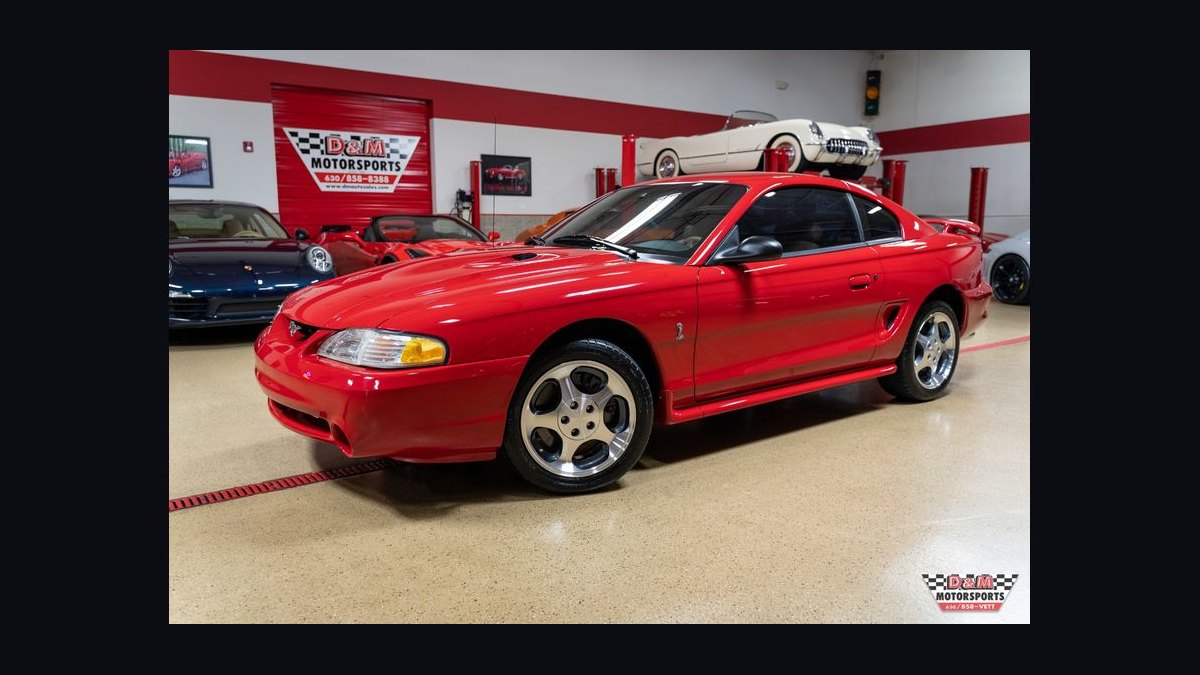
The SVT Cobra ranks eighth as the horsepower-per-dollar champion of 1997, with a hand-assembled 4.6-liter DOHC V8 producing 305 horsepower. Its five-speed manual drove the rear wheels to 60 mph in about 5.9 seconds for well under $26,000, undercutting nearly everything with comparable pace. The independent rear suspension and snarling four-cam V8 marked it as the serious Mustang.
This car is for the buyer chasing the most horsepower per dollar, accepting a less premium interior and ride quality. It trades away the M3's refinement and handling finesse for more straight-line punch and a more aggressive character. Clean low-mileage SN95 Cobras now trade in the $15,000 to $30,000 range, though build quality varied across early cars.
9Mercedes-Benz SLK 230 Kompressor
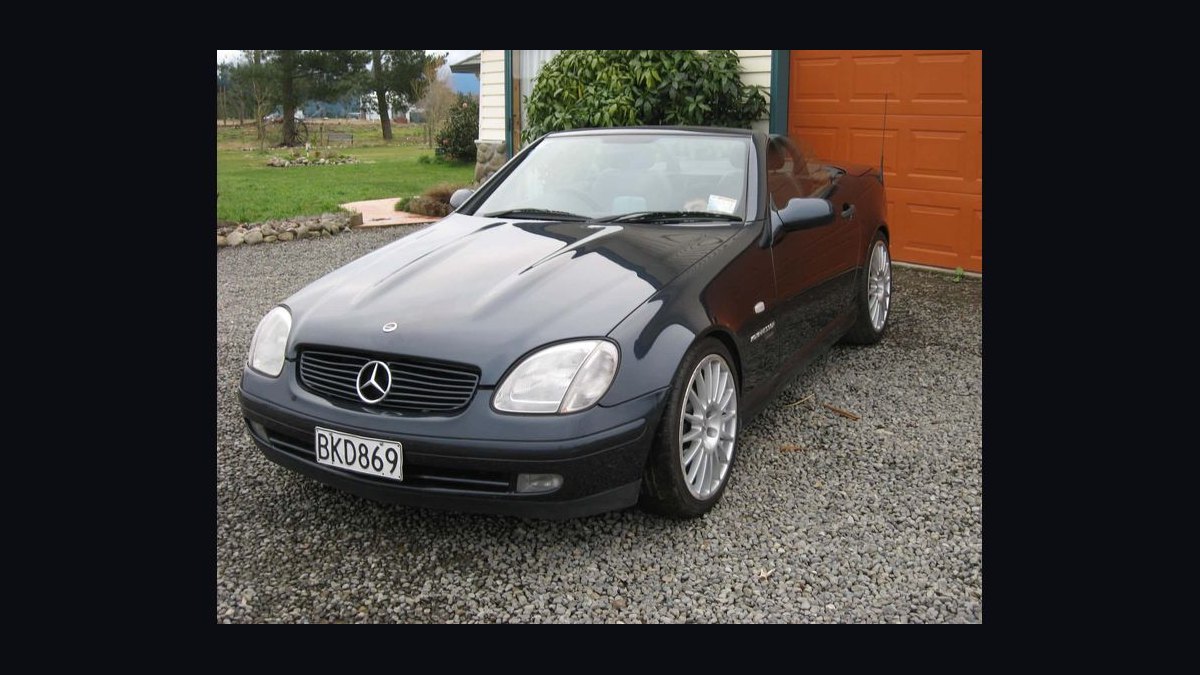
The SLK 230 ranks ninth for introducing the retractable folding hardtop to the masses, making roadster motoring feel grown-up. Its supercharged 2.3-liter Kompressor four-cylinder made 190 horsepower, driving the rear wheels through a five-speed manual or automatic. It reached 60 mph in about 6.4 seconds, brisk rather than ferocious, with the power-folding steel roof as the headline act.
This roadster is for the buyer who wanted a folding hardtop and German polish, accepting a more boulevard-cruiser demeanor. It trades away the Cobra's raw power and the Miata's sharp handling for Mercedes refinement and innovative engineering. SLK 230s remain inexpensive today, trading in the $6,000 to $12,000 range, though its modest steering feel makes it less engaging.
10Mazda MX-5 Miata
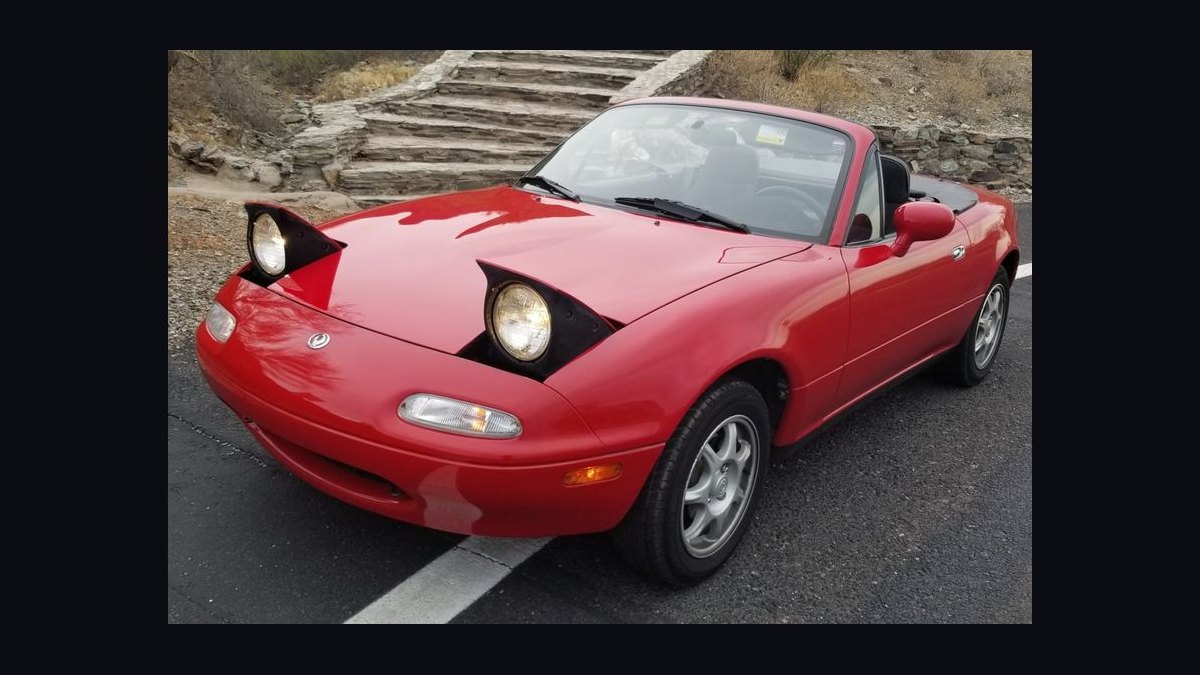
The Miata earns Best Value for 1997 by delivering the most driving joy per dollar, with a 1.8-liter four-cylinder making a modest 133 horsepower. Its five-speed manual is one of the best ever fitted, driving the rear wheels to 60 mph in about 8.5 seconds. The low weight, sublime balance, and snappy shifter made every drive an event.
This roadster is for the purist who wanted maximum joy for minimum money, accepting its lack of straight-line speed and tight cabin. It trades away the SLK's German polish and folding hardtop for a lighter, more engaging, and far more reliable experience. Clean NA Miatas now trade from $8,000 to $20,000-plus for the best examples, with bulletproof reliability.
How we ranked these
Each 1997 sports car was scored across six weighted categories: driving fun and handling (30%), measured performance (20%), value in period (15%), reliability (15%), legacy (10%), and current collectibility (10%). Scores blended period road tests from Car and Driver, Road & Track, and Motor Trend with modern auction results from Bring a Trailer and Hagerty valuation data, plus manufacturer archives.
We deliberately ignored modern nostalgia and speculative investment potential as primary ranking factors, judging each car on its 1997 merits and proven long-term reputation instead. Rarity and brand prestige were excluded unless they translated into measurable driving enjoyment or dependability. This keeps the list focused on what a buyer in 1997 would actually have valued, not what collectors chase today.
What to look for
Match the car to your actual use before anything else. A C5 Corvette or E36 M3 can serve as an only car, while a Viper GTS, NSX-T, and 993 Turbo demand garage space, careful maintenance, and tolerance for heat, visibility, and expensive parts. Budget for insurance, tires, and deferred maintenance before you negotiate the purchase price.
The mistake most buyers make is paying collector money for a driver-condition car, or buying a modified Supra or Viper and assuming stock reliability. Insist on service records, a pre-purchase inspection by a marque specialist, and a compression or leak-down test. On Boxsters, confirm the IMS bearing was addressed; on NSXs, verify the timing belt.
Related questions
What made the 1997 Corvette C5 such a performance bargain?
The C5 paired an all-new aluminum 5.7-liter LS1 V8 making 345 horsepower with a rear-mounted transaxle for near-perfect weight balance, hitting 60 mph in about 4.6 seconds. At a $37,495 MSRP it undercut exotics costing twice as much, while offering everyday usability and far lower running costs than European rivals.
Why is the Porsche 993 Turbo considered the last great air-cooled 911?
It was the final 911 Turbo to use an air-cooled flat-six, a twin-turbocharged 3.6-liter making 408 horsepower. All-wheel drive launched it to 60 mph in roughly 3.7 seconds, combining savage boost with everyday usability. Collectors prize it as the end of an era, and values now exceed $200,000.
How did the Acura NSX-T prove exotics could be reliable?
Its mid-mounted 3.2-liter VTEC V6 made 290 horsepower and ran to 60 mph in about 4.7 seconds, yet it stayed as docile and dependable as a Honda in traffic. The all-aluminum body and Senna-honed handling delivered telepathic precision without the breakdown anxiety that plagued Italian rivals.
What makes the Dodge Viper GTS so intimidating to drive?
An 8.0-liter V10 produced 450 horsepower and enormous torque, sent rearward through a six-speed manual with no traction control or stability aids. It hit 60 mph in about 4.2 seconds, but the hot cockpit, side pipes, and handful nature demanded respect. It remains pure, undiluted American muscle.
Why has the Toyota Supra Turbo A80 become so valuable?
The 2JZ-GTE inline-six was rated at 320 horsepower but famously built to handle far more, making it the darling of the tuning world. Clean six-speed cars now bring $80,000 to over $150,000, a massive jump from the roughly $40,000 original MSRP, driven by cultural status and tuning potential.
Did the Porsche Boxster really save Porsche in the late 1990s?
Yes. The 986 Boxster arrived in 1997 with genuine mid-engine balance and a 201-horsepower 2.5-liter flat-six at an attainable price, drawing new buyers into showrooms. It reached 60 mph in about 6.7 seconds, but chassis balance and steering feel mattered more than raw numbers to enthusiasts.
What made the E36 BMW M3 such a complete sports coupe?
Its US-spec 3.2-liter S52 inline-six made 240 horsepower and ran 0-60 in just over six seconds while seating four in comfort. It handled commuting and back-road carving equally well, blending practicality with genuine driver engagement. US cars were detuned versus Europe's version, keeping values reasonable today.
Was the 1997 Ford Mustang SVT Cobra really the horsepower-per-dollar champion?
A hand-assembled 4.6-liter DOHC V8 made 305 horsepower and hit 60 mph in about 5.9 seconds for well under $26,000, undercutting nearly everything with comparable pace. The independent rear suspension and snarling four-cam V8 marked it as the serious Mustang, though interior quality and ride trailed European rivals.
FAQ
What was the best sports car of 1997 overall?
The all-new Chevrolet Corvette C5 took our top spot. Its new LS1 V8, rear transaxle, and 4.6-second 0-60 pace delivered supercar performance for a 1997 MSRP of $37,495, a value no rival could match. It combined brutal speed with everyday usability.
What was the best value sports car of 1997?
The Mazda MX-5 Miata at $19,195. It made only 133 horsepower, but its featherweight balance and superb manual gearbox delivered more driving joy per dollar than anything else that year. Its reliability and low running costs made it the smartest fun-per-dollar buy.
Which 1997 sports cars are worth the most money today?
The Porsche 993 Turbo leads, often trading well over $200,000, followed by clean six-speed Toyota Supra Turbos, which can bring $80,000 to over $150,000. The Acura NSX-T and Viper GTS have also appreciated strongly, with good examples now commanding six figures.
Was 1997 a special year for sports cars?
Yes. It brought the all-new C5 Corvette, the brand-new Porsche Boxster, and the new Mercedes-Benz SLK roadster all at once, making it one of the deepest and most important sports car vintages of the 1990s. The 993 Turbo and Supra also reached their final years.
Which 1997 sports car is the most reliable?
The Acura NSX-T and Mazda MX-5 Miata are the dependability champions, both built to Honda and Mazda standards and capable of huge mileage with basic maintenance. The NSX's aluminum body and VTEC V6 proved exotic cars could be reliable, while the Miata's simple design made it nearly indestructible.
Is a 1997 Corvette C5 still a good buy today?
Absolutely. Clean early C5s trade in the mid-teens to mid-$20,000s, offering 345 horsepower, modern usability, and a strong parts supply, which keeps it one of the best performance bargains of any era. Its LS1 engine has huge tuning potential, and the car remains easy to live with.
Which 1997 sports car is best for a beginner?
The Mazda MX-5 Miata is the ideal entry point. Its low power, forgiving chassis, and affordable purchase and maintenance costs make it the safest and most fun way to learn performance driving. The aftermarket is vast, and the community is welcoming, making it a perfect first sports car.
What should I look for when buying a 1997 sports car today?
Check for model-specific issues: early C5 Corvettes have electrical and column-lock quirks, Boxsters need IMS bearing inspection, NSX timing belts must be fresh, and Supras and Vipers should be stock and unmodified. Rust and convertible-top wear are common on Miatas and SLKs, so inspect thoroughly.
What is the IMS bearing issue on the 1997 Boxster?
The early 2.5-liter flat-six in the Boxster has a well-documented intermediate-shaft bearing risk that can cause engine failure. A documented replacement or inspection is worth a premium, and many owners proactively fix it to ensure reliability. Budget for this before buying any 986.
How much does a 1997 Toyota Supra Turbo cost today?
Clean six-speed turbo cars now routinely bring $80,000 to well over $150,000 at auction, a massive jump from the original $40,000 MSRP. The 2JZ engine's legendary tuning potential and cultural status have driven values to blue-chip levels, with low-mileage examples leading the market.
Sources
- https://www.corvsport.com/1997-c5-corvette/
- https://www.cars.com/research/chevrolet-corvette-1997/
- https://www.automobile-catalog.com/make/porsche/911_993/911_993_turbo_coupe/1997.html
- https://en.wikipedia.org/wiki/Porsche_Boxster_(986)
- https://www.supercars.net/blog/1997-acura-nsx-t/
- https://en.wikipedia.org/wiki/Dodge_Viper_(SR_II)
- https://www.hagerty.com/valuation-tools/toyota/supra/1997/1997-toyota-supra-mk_iv_limited_ed._turbo
- https://en.wikipedia.org/wiki/Mazda_MX-5_(NA)
Related on PULSE
This page will be disappearing soon. Save it to your device for $1 — or read it free while it is here.
@Kory-White- · if Venmo asks, the last 4 of my number are 2012
This page is gone.
This one is off the shelf now. $1 keeps it on your phone for good — the whole page, pictures and diagrams included.
 pulse-carsBest Used Luxury Cars Under $25,000 in 2027 (Ranked)
 pulse-carsBest Used Compact SUVs Under $15,000 in 2027 (Ranked)
 pulse-carsTop 10 Sports Cars 1984 — Best Overall + Best Value
 pulse-carsTop 10 Luxury Minivans 2026 — Best Overall + Best Value
 pulse-carsTop 10 Family SUVs 2026 — Best Overall + Best Value
 pulse-carsBest Chevrolet Avalanche Model Years (Ranked) in 2027
 pulse-carsBest Used Off-Road SUVs Under $15,000 in 2027 (Ranked)
 pulse-carsBest Cars for Dog Owners in 2027
 pulse-carsWhat are the most reliable used electric SUVs under $10,000 in 2027 for families with long commutes in snowy regions?
 pulse-carsBest SUVs for Dog Owners in 2027 (Ranked)