
Best Cars for Dog Owners in 2027
 Curated byKory White · Fractional CRO · Maryland
 PULSEKNOWLEDGE LIBRARY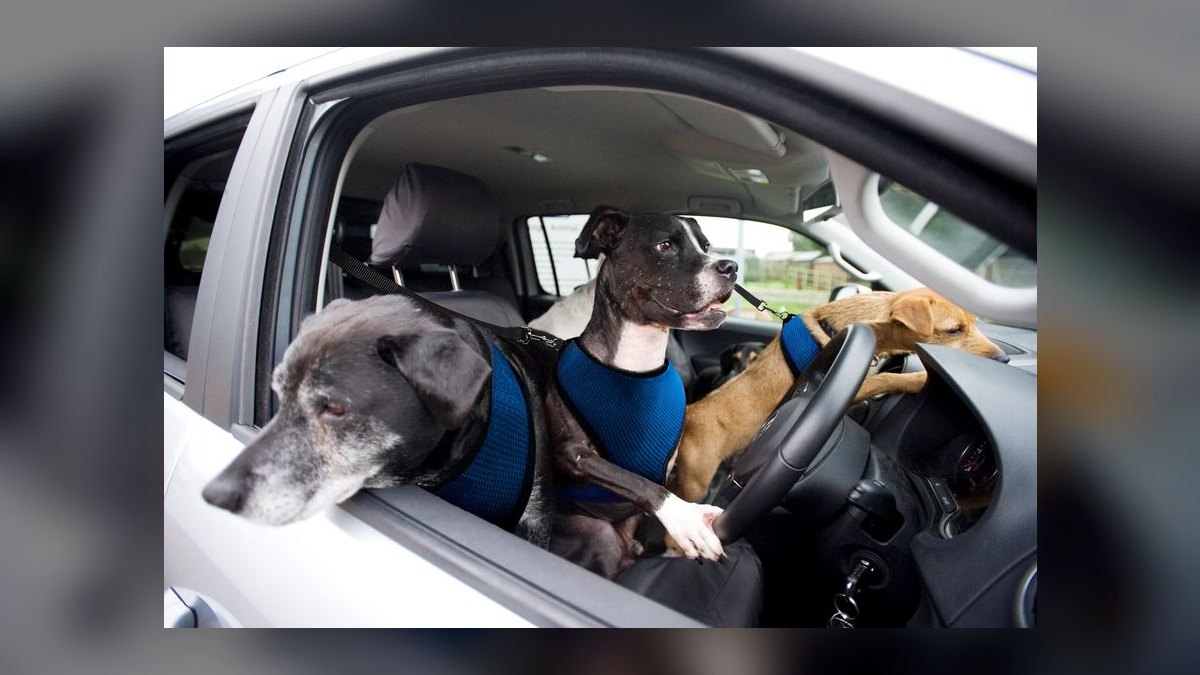
The best 2027 car for dog owners is the Subaru Outback: a low cargo lip, flat crate-friendly floor, standard all-wheel drive, and durable liners at roughly $30,000. Choose the Kia Soul near $21,000 on a budget, or the Chevrolet Suburban around $62,000 when you haul multiple full-size crates.
The wagon, the crossover, and the full-size hauler compared
Almost everyone shopping for a dog vehicle in 2027 is really choosing between three body styles, and the marketing spec that gets quoted most — cargo volume in cubic feet — is the one that tells you least. The wagon, the crossover, and the full-size hauler each solve a different problem, and picking the wrong one is usually a geometry mistake rather than a budget mistake.
A wagon like the Subaru Outback or the Volvo V60 Cross Country sits low. Its cargo floor typically lands in the mid-20-inch range off the pavement, which is roughly hip height on a Labrador and close to a comfortable step-up for a nine-year-old dog with early hip changes. The load floor is long, flat, and rectangular. A 36-inch wire crate drops straight in without wrestling. What you give up is vertical space: if your crate is taller than it is deep, or you want a dog to stand fully upright in a soft-sided carrier, the sloping wagon roofline runs out of air before the floor runs out of length.

The compact and midsize crossover — CR-V, RAV4, Santa Fe, Telluride — trades a few inches of load height for that vertical room and a squarer tailgate opening. It usually loads three to six inches higher than a wagon, which most healthy adult dogs clear without complaint and most seniors don't. In exchange you get an opening shape that swallows tall crates, and in the case of the Santa Fe, an unusually upright rear hatch that makes the practical usable box much closer to the advertised figure than the class average.
Here is the trap in numbers. The Honda CR-V advertises roughly 39.3 cubic feet behind the rear seats; the Outback advertises about 32.5. On paper the CR-V wins by a wide margin. In practice the Outback's figure is measured inside a long, low, rectangular box that a crate footprint uses almost entirely, while a meaningful chunk of the CR-V's advantage is vertical air above the crate that no dog ever occupies. Cargo volume is measured by filling the space with standardized blocks — it is a packing metric, not a footprint metric. It cannot tell you whether your crate's base fits between the wheel arches. Measure the width between the arches at floor level, the depth from seatback to closed tailgate, and the height at the narrowest point of the hatch opening. Those three numbers decide the purchase; the brochure figure decides nothing.
The third path is the full-size body-on-frame SUV or a crew-cab pickup. A Chevrolet Suburban with the third row folded takes two full-size crates side by side with enough floor left to slide a leash and a water bowl past them, and tri-zone climate means the rearmost dogs get conditioned air rather than whatever drifts back from the dash vents. A Ford F-150 crew cab solves a different problem: the rear cabin with fold-flat seats becomes a weatherproof platform, and the bed handles a soaking-wet retriever after a lake day, an animal you would rather not put anywhere near upholstery at all. Trucks load high — that is the cost — so plan on a ramp for any dog over about six years old, and expect the highest step-in height of anything on this list.

Body style also decides how the interior ages, which is the part owners underestimate. Boxy vehicles with hard plastics and rubberized cargo trays — the Kia Soul, base-trim crossovers — wipe down with a damp rag and a shop vacuum. Wagons and crossovers with carpeted cargo floors need a molded liner from day one, or the carpet becomes a fur-and-mud composite by year three that no detailer fully reverses. That is a $150 to $250 accessory decision best made at the dealership, not two years later when the damage is already set.
One more structural difference worth naming: the electric crossover. The 2027 Tesla Model Y offers roughly 30 cubic feet behind the second row plus a deep rear well below the load floor that catches spills, shed fur, and a wet towel instead of letting them migrate into the carpet. Its Dog Mode holds cabin climate while parked and displays a message on the center screen so a passerby understands the dog is not in danger — the only widely available factory feature that addresses the parked-dog problem directly rather than through an aftermarket workaround.

How to decide between them
Work the decision in a fixed order and you land on a short list of two or three vehicles instead of a browser full of tabs. Reordering these filters is what produces the classic regret — an efficient, well-reviewed vehicle that your crate does not fit inside.
Start with the pack, not the budget. Count the dogs, measure the largest crate's exterior footprint in inches, and add four inches on each dimension for hands, latches, and the door swing. That single measurement eliminates more vehicles than price ever will. A 42-inch crate for a shepherd or a giant breed simply does not sit crosswise in a compact crossover; from that moment you are shopping midsize-three-row or full-size, and everything smaller is off the list regardless of how good the review was.
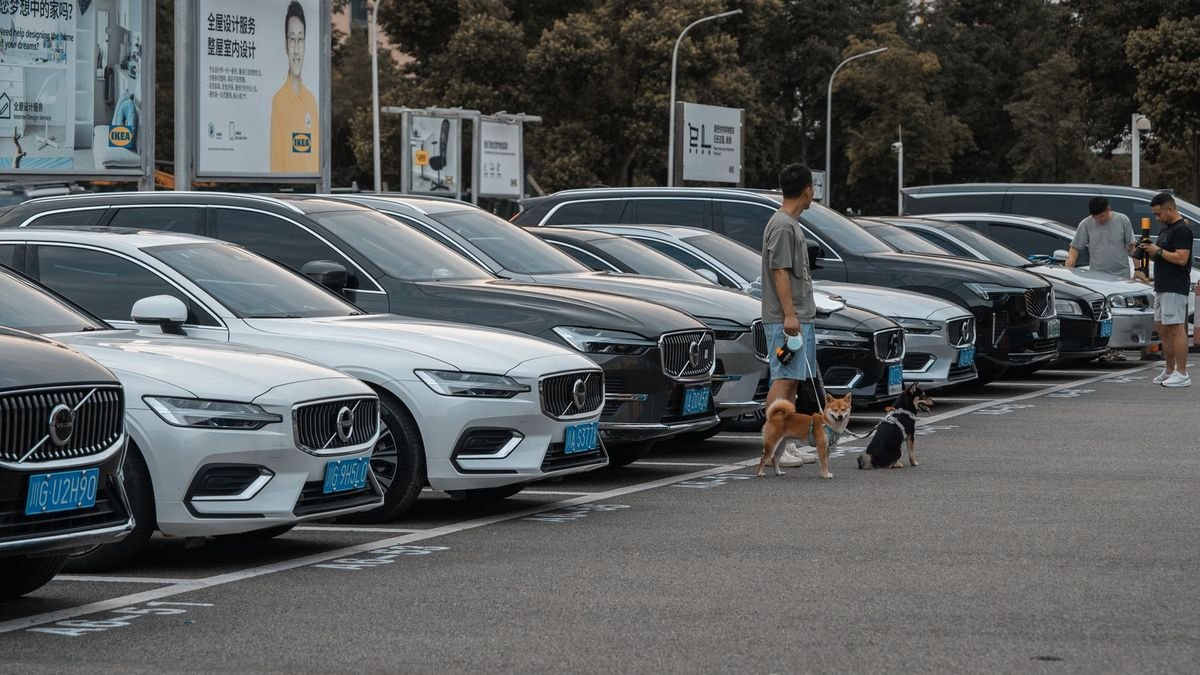
Second, screen on load height. Take a tape measure to the dealership and check the distance from the ground to the cargo lip. Under roughly 26 inches is comfortable for most healthy medium and large dogs to self-load. Between 26 and 31 inches, most adult dogs manage it but seniors will need help within a few years. Above 31 inches — most trucks, some full-size SUVs — assume a ramp is part of the purchase and budget $120 to $250 for a telescoping model that folds flat against the wheel well when not in use.
Third, filter on all-weather capability, but only if you actually use it. Standard all-wheel drive on the Outback and V60 Cross Country, and available on nearly everything else here, is genuinely useful for unpaved trailhead lots, wet grass at a field-trial venue, and unplowed park entrances in February. If your dog's world is sidewalks and a fenced yard, front-wheel drive saves money on the sticker and roughly one to two mpg for the life of the vehicle. Winter tires on a front-drive car outperform all-season tires on an all-wheel-drive one in snow, and cost far less than the drivetrain upgrade.
Only then look at price and fuel economy. Ordering the filters this way stops you from optimizing a number that doesn't matter into a vehicle that doesn't work.
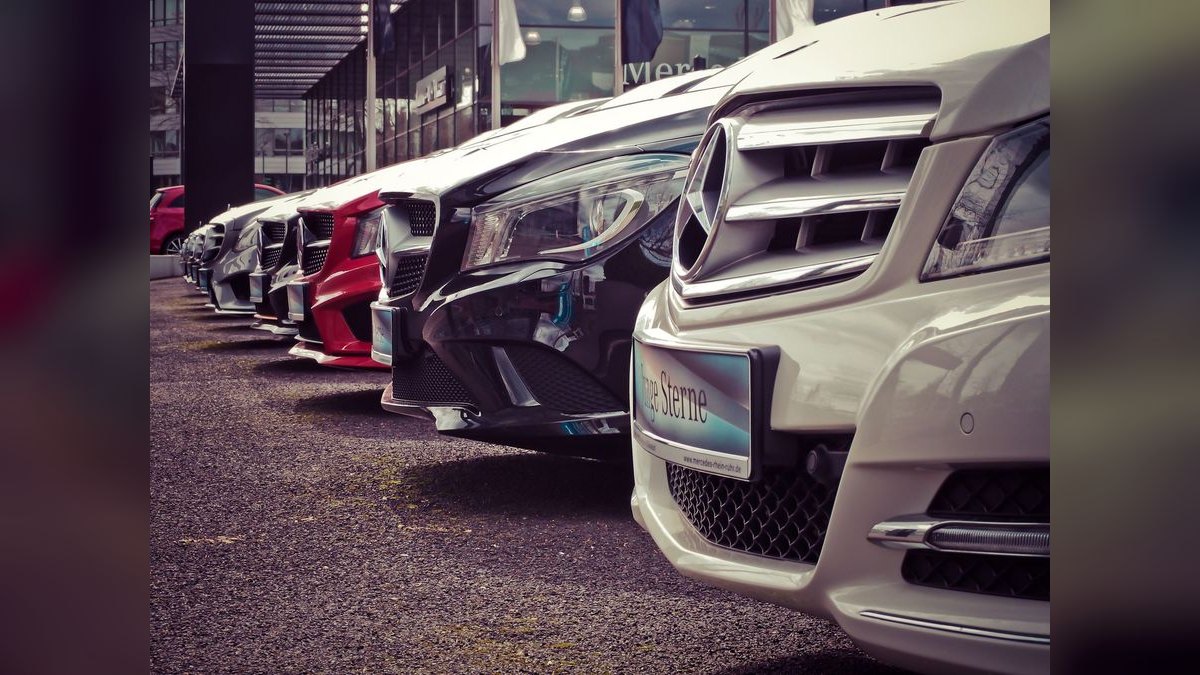
Two filters people skip that change the answer often enough to be worth naming. First, check whether the rear seats fold genuinely flat or leave a step. A two-inch ledge where the seatback meets the cargo floor will slide a crate forward under braking no matter how carefully you strap it, and it makes a soft bed sit at an angle that a dog will slowly work into a heap. Fold the seats in the showroom and lay a level across the gap — if it rocks, you are buying a wedge cushion or living with the step.
Second, confirm the rear climate outlets. Cargo areas sit furthest from the front vents and heat fastest under sun through a large rear window. Look for dedicated rear or overhead vents rather than floor-only outlets serving the second-row footwells, and on a hot delivery day, run the system and put your hand at the cargo floor. Air that reaches the second row is not the same as air that reaches the dog.
Power-folding third rows, available on the Suburban and the Telluride, are worth their option cost specifically because a dog vehicle that also hauls people gets folded and unfolded constantly. A manual third row you have to lean over the bumper to wrestle is the feature that quietly turns a three-row SUV into a two-row one.
Concrete numbers behind each option
The 2027 Subaru Outback starts around $30,000 and offers roughly 32.5 cubic feet behind the rear seats, expanding past 75 cubic feet with them folded. Standard symmetrical all-wheel drive and generous ground clearance handle a rutted trailhead, and the wagon roofline keeps the floor flat and crate-friendly rather than tapering. Rear tether anchors accept a crash-tested harness without an adapter. Budget about $200 for a molded cargo tray and all-weather floor liners at purchase.
The 2027 Honda CR-V starts near $31,000 with about 39.3 cubic feet behind the rear seats — among the best in the compact class — and the hybrid returns roughly 40 mpg combined. Over 12,000 miles a year at $3.50 a gallon, the hybrid's efficiency saves several hundred dollars annually against a comparable non-hybrid crossover, which more than covers the liner and the harness inside the first year of ownership.
The 2027 Kia Soul is the value play at roughly $21,000, with about 24 cubic feet behind the rear seats and near 30 mpg combined. It fits one medium crate, not two — be honest about that before you fall for the price. The boxy tailgate opening and hard-wearing interior surfaces clean easily, and the low floor makes it one of the easiest self-load vehicles at any price, which matters more for an aging small-to-medium dog than another five cubic feet would.
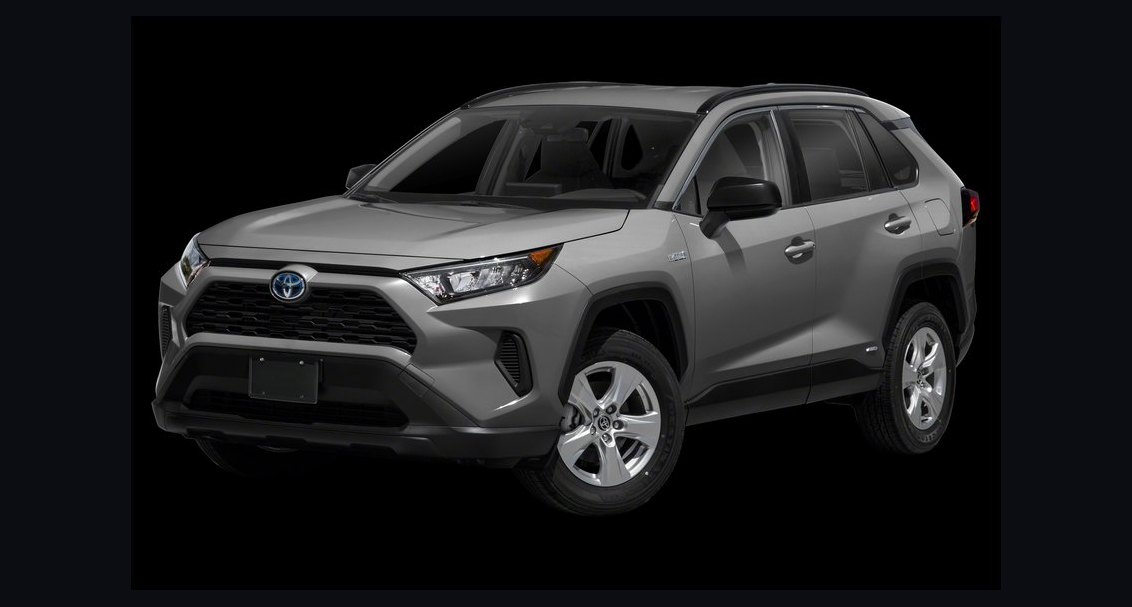
The 2027 Toyota RAV4 sits around $30,000 with about 37.5 cubic feet and a hybrid near 39 mpg combined — effectively the CR-V's twin on the spec sheet, so decide it on the test-load and the seat-fold flatness rather than the numbers. The 2027 Hyundai Santa Fe runs about $35,000 with roughly 40 cubic feet behind the second row and an unusually square, upright opening, the shape that swallows a tall crate other vehicles in its price band cannot take. The 2027 Kia Telluride starts near $38,000, offers about 46 cubic feet with the third row down, and tows up to 5,500 pounds if a trailer or a mobile grooming setup is in the picture.
At the top of the range, the 2027 Chevrolet Suburban starts around $62,000 with a cargo hold that takes several full-size crates and a diesel returning roughly 27 mpg highway — genuinely reasonable for the footprint. The 2027 Volvo V60 Cross Country runs about $50,000 and offers a factory dog-cage accessory and steel grille divider, the only mainstream option where pet restraint is engineered as a fitted part rather than an aftermarket strap kit. The 2027 Ford F-150 crew cab starts near $45,000 and gives you a fold-flat rear cabin plus a bed you can hose out. The 2027 Tesla Model Y sits around $45,000 with roughly 30 cubic feet behind the second row, the deep rear well, and Dog Mode.
Then add the recurring costs almost every buyer forgets. Cargo liners and seat covers run $200 to $500 as a factory or dealer pet package. A crash-tested harness is $60 to $120. A telescoping ramp is $120 to $250. Detailing a fur-saturated interior runs $150 to $300 per visit, which is the strongest financial argument for buying the liner up front rather than after the first muddy season. None of this changes which vehicle is right for your household, but it changes the real three-year cost by roughly $1,000 — enough to close the gap between two trims you were agonizing over.

Implementation details and sequencing
Buy in this order and you avoid the two most common regrets: a crate that does not fit, and an interior visibly ruined inside six months.
Step one, before you shop, measure everything. Write down your crate's length, width, and height; your dog's shoulder height standing; and the ground-to-lip height of your current vehicle so you have a reference point your dog has already proven it can handle. Step two, test-load at the dealership with the actual crate in the back of your current car. Salespeople expect this, and a crate that "should" fit but doesn't is a thirty-second discovery instead of a thirty-day one. Step three, order the liner and cargo tray with the vehicle so they are installed before the first muddy trip. Step four, install the restraint system and confirm the tether anchors are rated for the load — a loose dog is a projectile in a crash and a distraction on every drive before that. Step five, verify rear climate on a hot day at delivery: run the system, sit in the cargo area, and confirm air actually arrives there.
Sequencing matters after delivery too. Set a cleaning cadence in the first month, before habits set: a shop-vacuum pass every two weeks, the liner pulled and hosed monthly, and an enzyme cleaner kept in the vehicle for accidents. Enzyme cleaners break down the proteins that cause lingering odor; ordinary detergents mask it and the smell returns on the first hot day. Dogs that ride in a vehicle already carrying the scent of a previous accident are more likely to repeat it, so this is behavioral maintenance rather than cosmetics.
For anxious or car-sick dogs, sequence acclimation as deliberately as the purchase. Start with the vehicle parked and the tailgate open, feed a meal in the cargo area for several days, then progress to short engine-on-but-stationary sessions, then five-minute drives that end somewhere the dog likes. Owners who skip this and open with a two-hour highway run frequently create a car-sick dog that takes months to retrain — a problem no vehicle choice fixes.
Finally, plan the resale angle deliberately. Dog hauling depreciates a vehicle faster than mileage does once fur reaches the HVAC system and claws reach the door cards, because both are expensive to reverse and obvious to the next buyer. Liners, seat-back protectors, and a crate that keeps nails off the plastics protect residual value directly. For anyone transporting animals commercially — groomers, trainers, mobile vets, boarding operations — that residual is real revenue on the back end, and roughly $400 of protective gear is one of the highest-return purchases in the entire ownership cycle. The Best outcome here is boring: the right box, protected on day one, cleaned on a schedule, sold in three years for what the spreadsheet said it would be worth. Cars used this way reward preparation far more than they reward the badge on the tailgate.
Related questions
Does a crate or a harness protect a dog better?
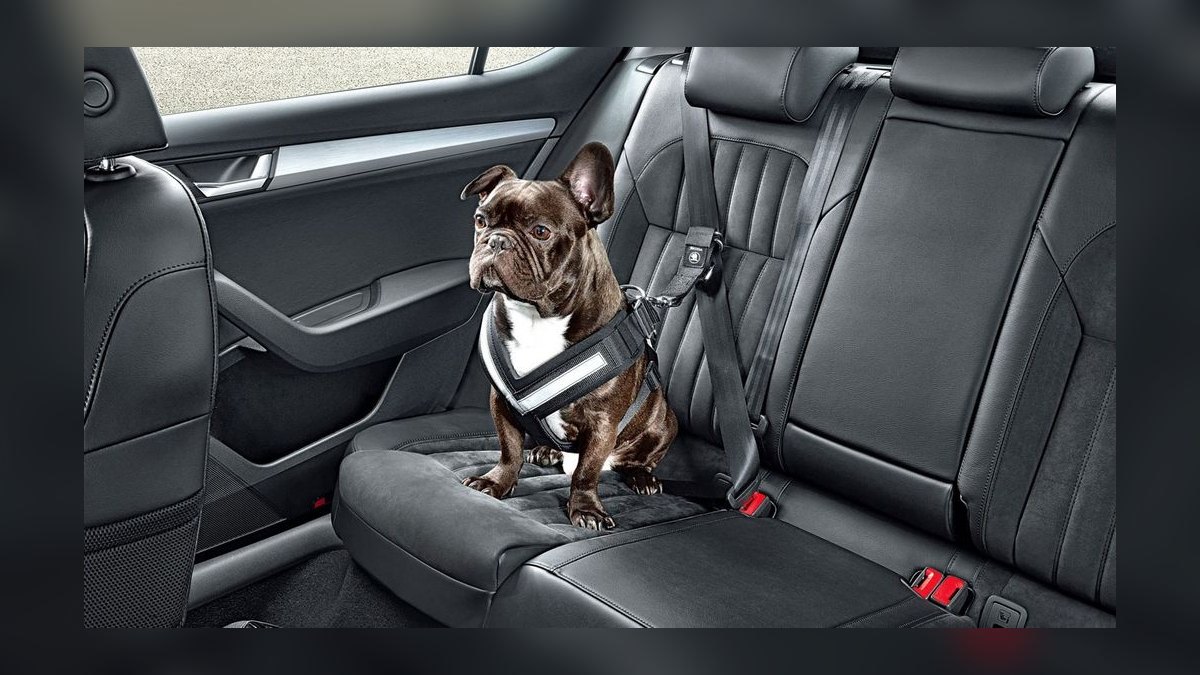
A properly secured crate anchored to tether points generally offers better crash protection than a harness because it contains the dog rather than restraining a single point. Harnesses are more practical for second-row travel and short trips. Whichever you choose, anchor it — an unsecured crate is as dangerous as no crate.
How high is too high for an older dog to jump?
Above roughly 26 inches, most senior dogs begin straining hips and elbows on the landing rather than the jump. Above 31 inches, assume a ramp. Repeated high jump-downs, not jump-ups, cause most cumulative joint wear, so lift or ramp on the exit as well as the entry.
Are EVs good dog cars?
Yes, with caveats. Quiet cabins calm anxious dogs, low flat floors load easily, and features like Tesla's Dog Mode hold cabin climate while parked. The caveat is that running climate while parked consumes range, so factor the parked-cooling draw into your charging plan on long days.
Do I need all-wheel drive for a dog car?
Only if you regularly reach unpaved trailheads, unplowed park lots, or wet grass. Otherwise all-wheel drive costs sticker price and one to two mpg for capability you rarely use. Winter tires on a front-wheel-drive vehicle outperform all-season tires on an all-wheel-drive one in snow.
Does cargo volume tell me whether my crate fits?
No. Cubic-feet figures are measured by packing standardized blocks into the space, including vertical air a crate never uses. Measure width between the wheel arches at floor level, depth from seatback to tailgate, and the narrowest hatch-opening height instead.
FAQ
What is the best car for dog owners in 2027?
The 2027 Subaru Outback is the strongest all-around pick, combining a low, wide cargo opening, a flat load floor, standard all-wheel drive, and available durable liners at a starting price around $30,000. It loads easier than a comparable crossover and cleans up far better than any sedan in the same price band.
What is the cheapest genuinely good dog car?
The 2027 Kia Soul, around $21,000, with roughly 24 cubic feet behind the rear seats and a low, square tailgate opening that makes self-loading easy. It handles one small-to-medium dog and one crate comfortably. It is not the right vehicle for two large dogs or a giant breed — the footprint simply is not there.
What should I buy for multiple large dogs?
The 2027 Chevrolet Suburban, starting near $62,000, is the capacity answer: several full-size crates fit flat with the third row folded, and tri-zone climate genuinely reaches the back. The 2027 Kia Telluride, near $38,000 with about 46 cubic feet third-row-down, is the mid-price compromise.
How much does dog-proofing a new vehicle cost?
Budget $200 to $500 for a factory or dealer pet package with cargo liner, seat covers, and tray, plus $60 to $120 for a crash-tested harness and $120 to $250 for a ramp if your load height exceeds about 31 inches. Total, roughly $400 to $850 spread across the first month.
Does rear climate control really matter?
Yes. Cargo areas in wagons and crossovers sit furthest from the front vents and heat up fastest under a large rear window. Look for dedicated rear or overhead vents rather than floor-only outlets, and confirm on a hot day that air genuinely reaches the cargo floor before you commit to the vehicle.
How do I keep the interior from being destroyed?
Install a molded cargo liner before the first trip, add seat-back protectors if dogs ride in the second row, keep an enzyme cleaner in the vehicle, and run a vacuum pass every two weeks. Prevention is far cheaper than the $150 to $300 detailing bill that follows neglect.
Sources
- https://www.edmunds.com/subaru/outback/
- https://www.caranddriver.com/subaru/outback
- https://www.motortrend.com/cars/honda/cr-v/
- https://www.kbb.com/car-reviews/
- https://www.consumerreports.org/cars/
- https://www.iihs.org/ratings
- https://www.fueleconomy.gov/
- https://www.nhtsa.gov/road-safety
- https://www.akc.org/expert-advice/travel/
Related on PULSE
- [Best SUVs for Dog Owners in 2027 (Ranked)](/knowledge/ca0905)
- [Best Trucks for Dog Owners in 2027 (Ranked)](/knowledge/ca0906)
- [Best Sedans for Dog Owners in 2027 (Ranked)](/knowledge/ca0907)
- [Best Crossovers for Dog Owners in 2027 (Ranked)](/knowledge/ca0908)
- [Top 10 Performance Electric Cars in 2027](/knowledge/ca0993)
This page will be disappearing soon. Save it to your device for $1 — or read it free while it is here.
@Kory-White- · if Venmo asks, the last 4 of my number are 2012
 pulse-carsTop 10 Sports Cars 1990 — Best Overall + Best Value
 pulse-carsTop 10 Cargo Vans 2027 — Best Overall + Best Value
 pulse-carsBest Audi TT Model Years (Ranked) in 2027
 pulse-carsTop 10 Electric Minivans 2027 — Best Overall + Best Value
 pulse-carsTop 10 Sports Cars 2027 — Best Overall + Best Value
 pulse-carsBest Used Crossovers Under $25,000 in 2027 (Ranked)
 pulse-carsBest Kia Optima and K5 Model Years (Ranked) in 2027
 pulse-carsBest Used Hybrid Cars Under $40,000 in 2027 (Ranked)
 pulse-carsTop 10 Sports Sedans 2027 — Best Overall + Best Value
 pulse-carsBest Hyundai Ioniq 5 Model Years (Ranked) in 2027