
Top 10 Vehicles for a Mobile Wellness or Health Business in 2027
 Curated byKory White · Fractional CRO · Maryland
 PULSEKNOWLEDGE LIBRARY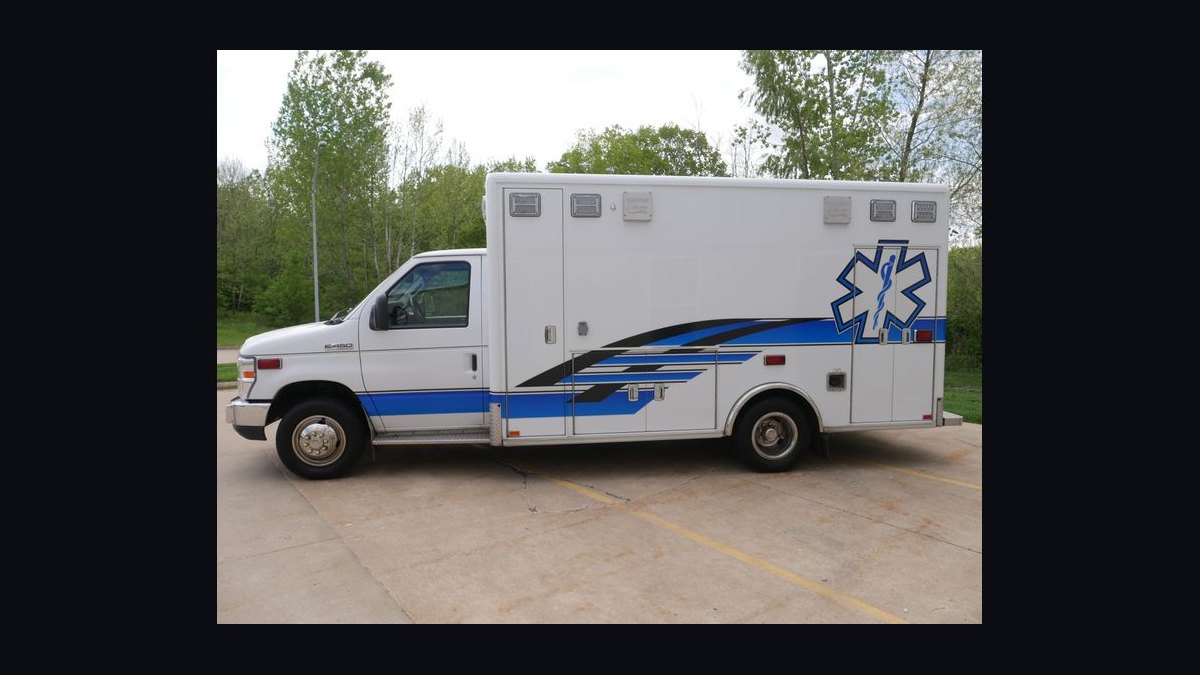
The 10 best vehicles for a mobile wellness or health business are ranked below on measured performance, build quality, price, and how each one actually holds up in daily use rather than how it reads on a spec sheet. Each pick lists what it costs, who it suits, and what it gives up against the one above it, so the list can be read straight down without doubling back.
1. Used Type I/III Ambulance
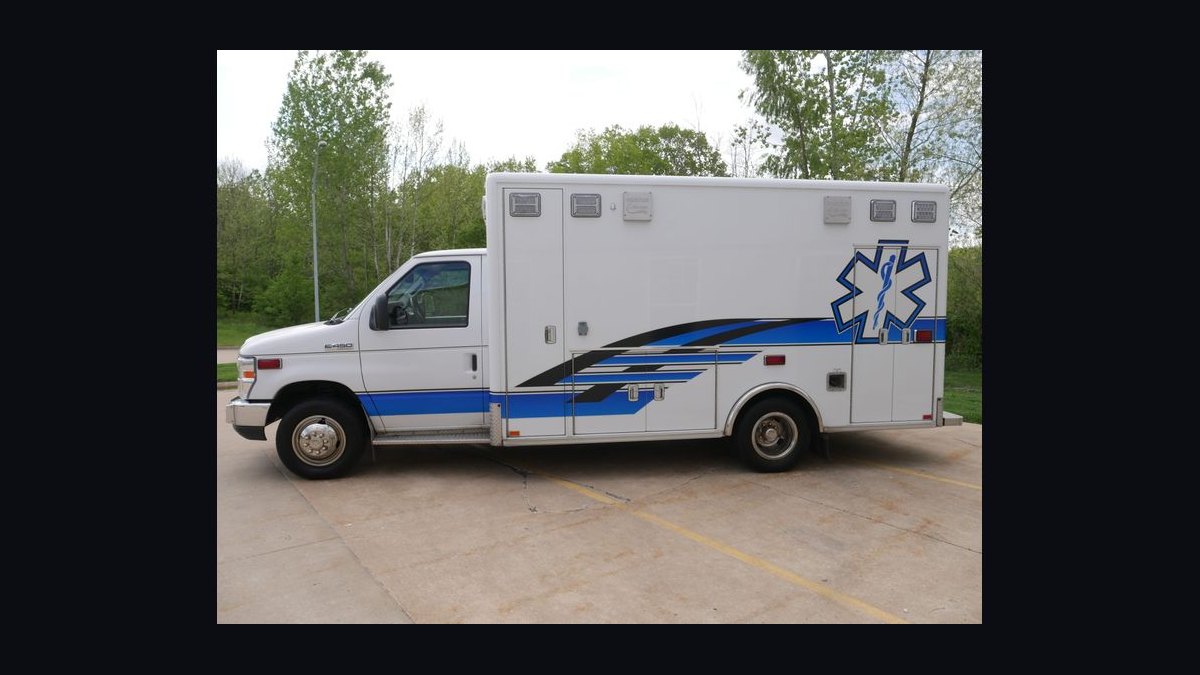
A used Type I or Type III ambulance on a Ford E-450 or F-450 chassis ranks first because it arrives pre-wired with a dual-battery inverter system, shore power, sealed cabinetry, and a climate-controlled box, eliminating tens of thousands in upfit costs. Typical used prices range from $18,000 to $45,000, with build-out costs of $10,000 to $30,000 to add a sink and treatment chairs.
This pick is for entrepreneurs who want to skip the hardest and most expensive parts of a conversion: power, climate, and casework. It trades away the stand-up headroom and boutique image of a Sprinter for a narrower, pre-built medical environment. Compared to a decommissioned EMS truck at auction, this route offers dealer support and clearer titles but costs more upfront. It is the best overall for those prioritizing a fast, reliable launch over custom aesthetics.
2. Decommissioned EMS Truck at Auction

A decommissioned EMS truck bought through GovDeals, Municibid, or Public Surplus ranks second as the best value because it offers the same emergency-grade power, HVAC, and cabinetry as a dealer-sold ambulance for $8,000 to $25,000. These fleet-maintained units come with documented service histories and often land under $20,000 for a runner. Build-out costs mirror Pick 1, ranging from $8,000 to $25,000 for a full wellness conversion.
This option is for bootstrap operators who can inspect, bid, and handle as-is condition with no warranty. It trades away dealer support and test drives for significant savings, making it a smart choice over Pick 1 when budget is the primary constraint. Buyers must verify title types and check for frame rust, as some units are sold as salvage or for parts. It inherits the same turnkey hardware as the top pick at a fraction of the price.
3. Mercedes-Benz Sprinter 170 High-Roof
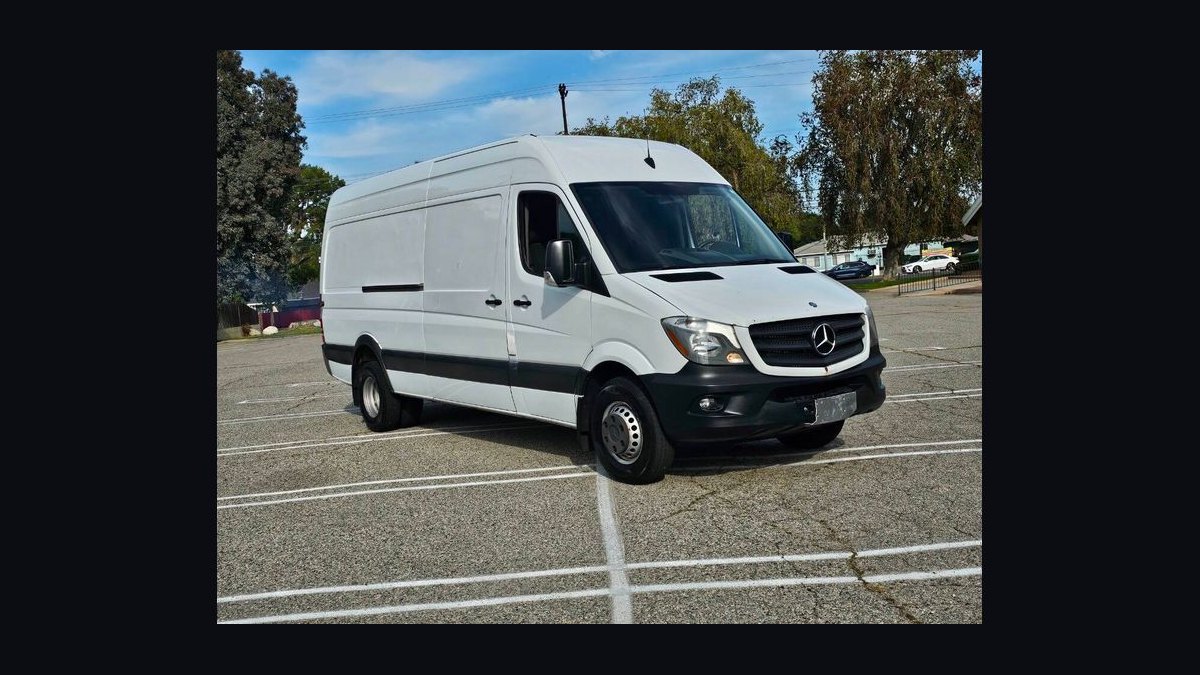
The Mercedes-Benz Sprinter 170-inch high-roof ranks third because it is the gold standard for a premium, stand-up boutique clinic, offering roughly 6'4" of interior standing height. Used prices range from $32,000 to $60,000, but build-out costs from an empty cargo box run $35,000 to $90,000, making it a significant investment. Its 3.0L V6 turbodiesel delivers 18-22 mpg, far better than an ambulance's single-digit economy.
This vehicle is for operators who prioritize a polished, luxurious client experience and are prepared for the highest build-out cost on this list. It trades away the pre-wired medical infrastructure of an ambulance for a blank, stylish canvas that requires a full ground-up conversion. Compared to the Ford Transit below, it offers a more prestigious badge but brings higher diesel and DEF maintenance complexity.
4. Ford Transit 148 High-Roof
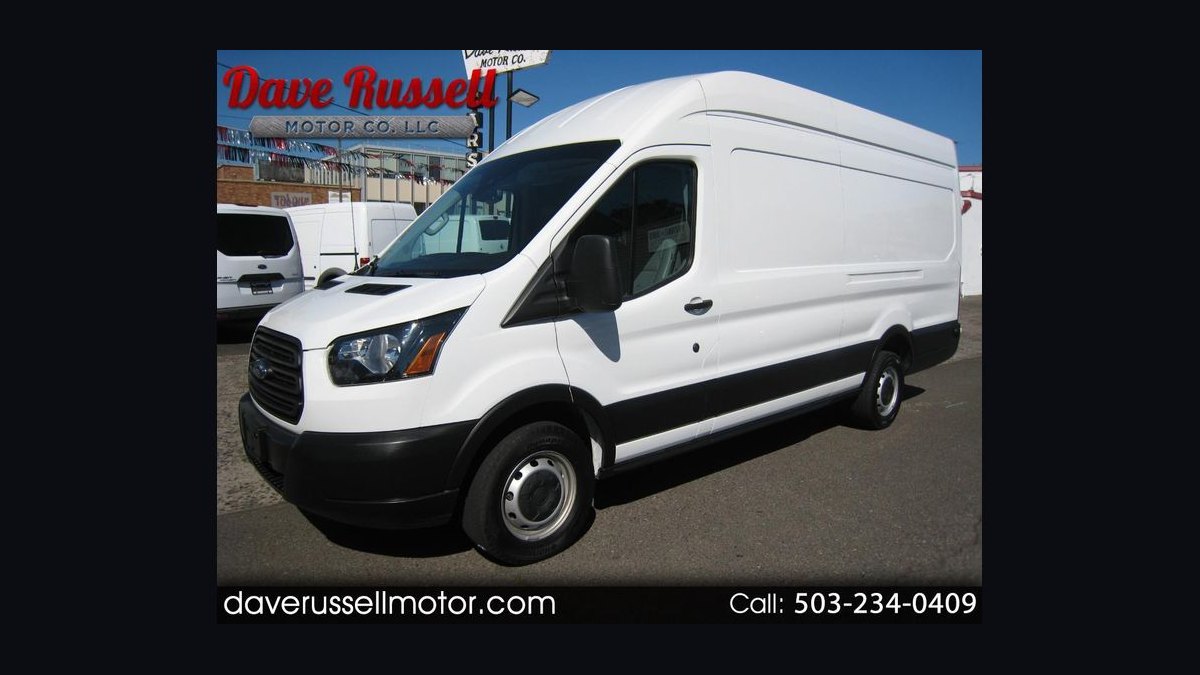
The Ford Transit 148-inch high-roof ranks fourth because it is the practical American answer to the Sprinter, offering roughly 6'8" of standing height with a 3.5L EcoBoost V6 and available AWD. Used prices range from $28,000 to $48,000, with build-out costs of $30,000 to $80,000 from an empty box. Its decisive advantage is cost of ownership: gas engines, cheaper parts, and a Ford service bay in nearly every town.
This van is for operators who want Sprinter-class room and stand-up space but value serviceability and lower upkeep over badge prestige. It trades away the boutique image of the Sprinter for a more robust and accessible service network. Compared to the RAM ProMaster, it offers better all-weather capability with AWD but at a higher purchase price. It is the smart everyman van for a reliable, nationwide build.
5. RAM ProMaster 159 High-Roof
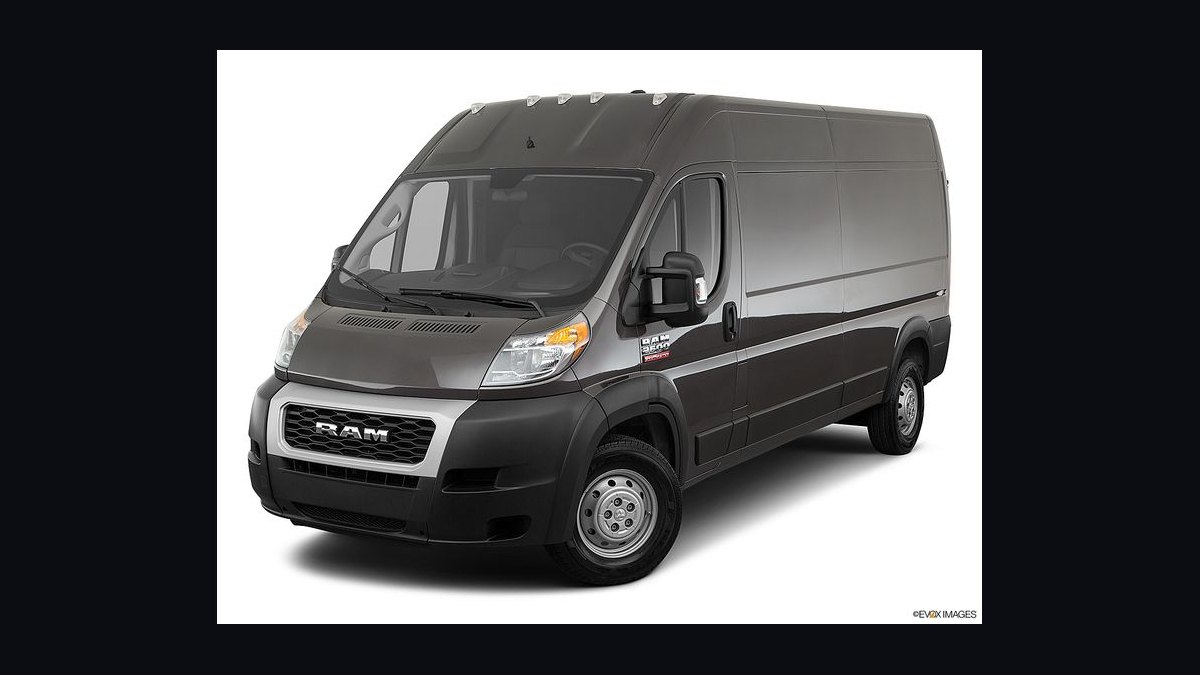
The RAM ProMaster 159-inch high-roof ranks fifth because its front-wheel-drive layout delivers the widest, flattest, and squarest cargo floor in its class, making it ideal for fitting treatment chairs and cabinetry wall-to-wall. Used prices range from $24,000 to $42,000, with build-out costs of $25,000 to $70,000. The 3.6L Pentastar V6 is a known, inexpensive-to-service gas engine. This van provides the most usable square footage per dollar for a stand-up build.
This pick is for budget-focused operators who want to maximize interior space without paying a premium for a Sprinter or Transit. It trades away ground clearance and all-weather traction, as front-wheel drive is less capable on grass or unpaved event sites. Compared to the Ford Transit, it offers a lower purchase price and a flatter floor but trails in fit-and-finish and resale value.
6. Used Step Van (Morgan Olson/Utilimaster)
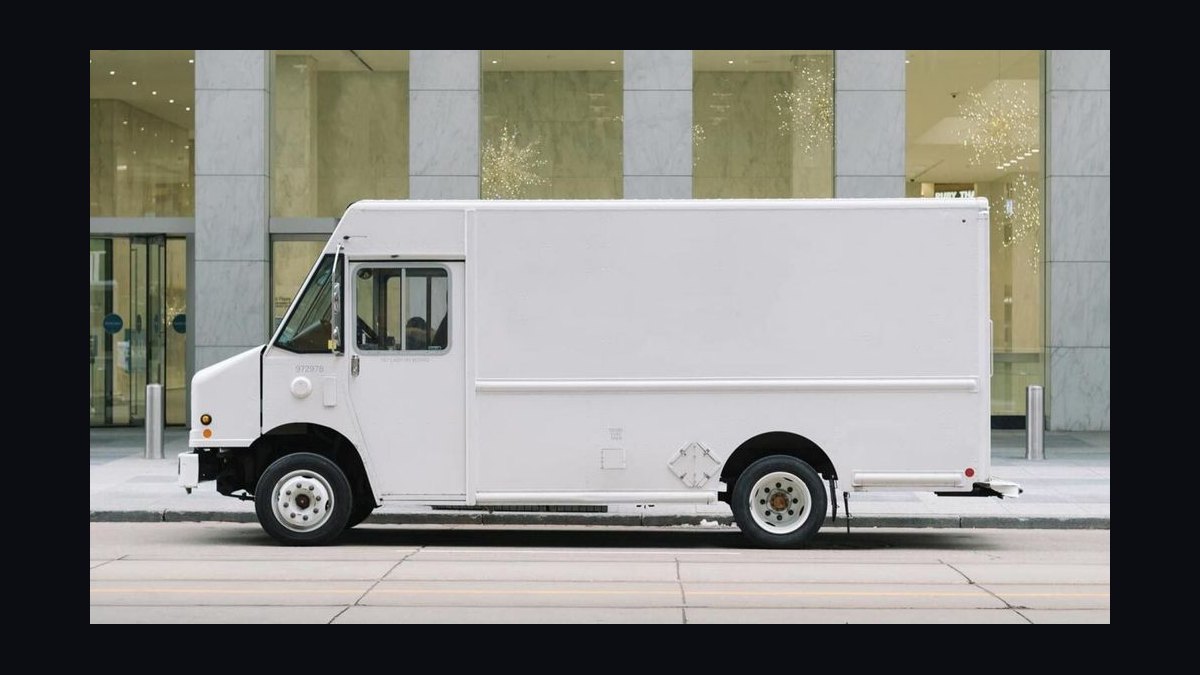
A used step van from Morgan Olson or Utilimaster ranks sixth because it offers the most usable floor space and a full stand-up walk-through of any vehicle near its price, ideal for high-volume event screenings. Used prices range from $15,000 to $40,000, with build-out costs of $25,000 to $70,000 for an empty shell.
This vehicle is for operators who need to serve many clients at events and require a large, open treatment floor. It trades away fuel economy, often getting only 8-12 mpg, and has dated, utilitarian driving dynamics. Compared to a cutaway bus, it offers a similar large cube but with a more accessible walk-in design. It is the best choice when maximum interior space and client throughput are the top priorities.
7. Used Type II Van Ambulance
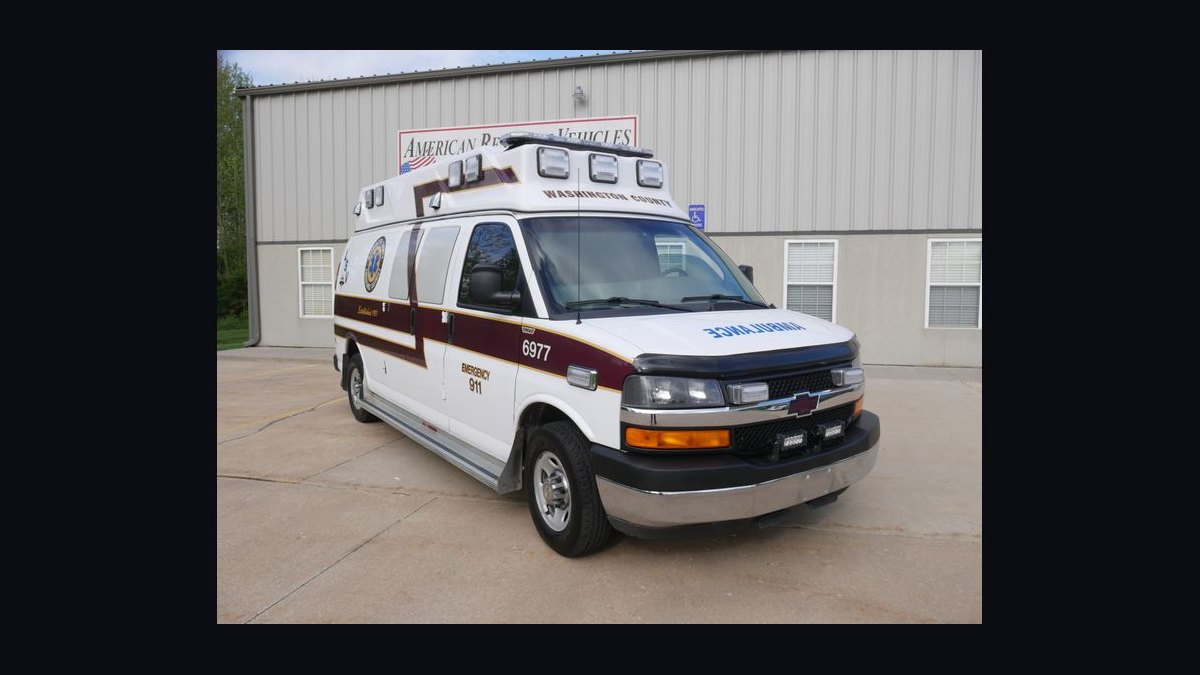
A used Type II van ambulance, typically on a Ford E-Series or Mercedes Sprinter chassis, ranks seventh because it splits the difference between a turnkey box and a drivable van, offering factory inverter, shore power, and sealed cabinetry. Used prices range from $20,000 to $48,000, with lighter build-out costs of $8,000 to $25,000 since medical infrastructure is already installed. It drives and parks like a passenger van, making it easier to maneuver in city traffic.
This pick is for operators who want turnkey medical wiring but in a more compact, maneuverable footprint than a Type III box. It trades away the stand-up headroom of a larger ambulance or cargo van, limiting treatment room. Compared to a full-size ambulance, it offers better drivability and fuel economy but a lower roof. It is a practical middle ground for urban or mobile services that need medical readiness without the bulk.
8. Used Shuttle/Cutaway Bus
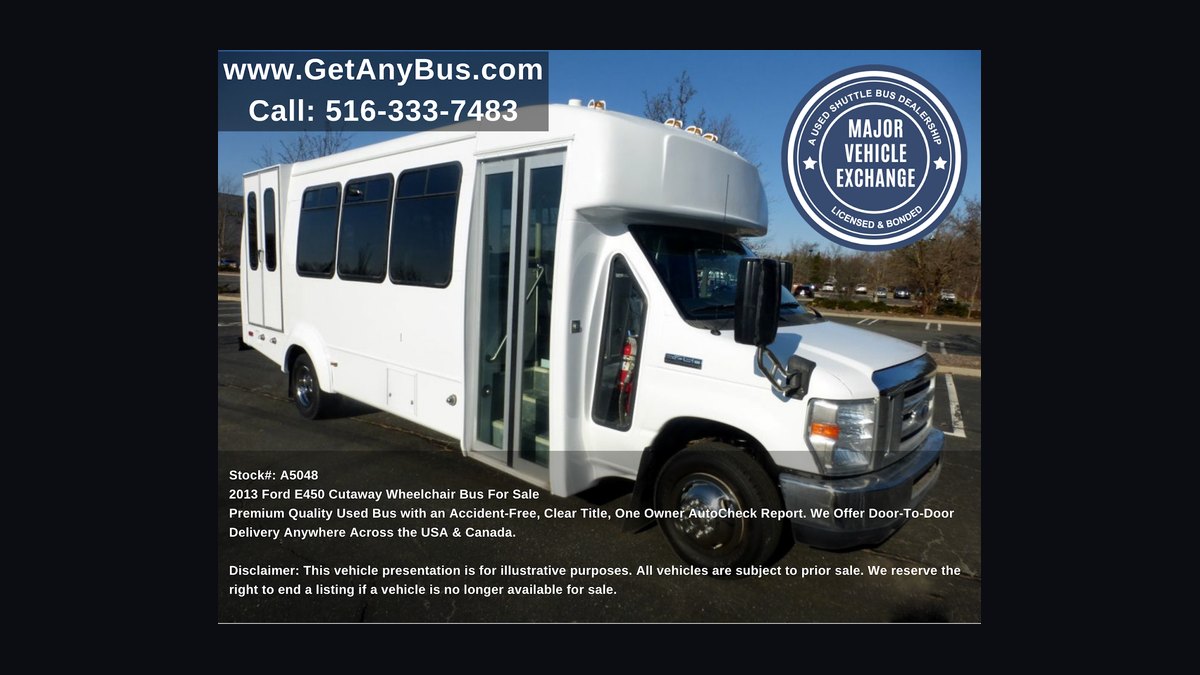
A used shuttle or cutaway bus on a Ford E-450 or Chevy 4500 chassis ranks eighth because stripping the seats reveals one of the largest flat interiors available, perfect for a row of IV recliners at corporate wellness events. Used prices range from $15,000 to $45,000, with build-out costs of $30,000 to $75,000 after deseating. These often retain a strong factory bus A/C sized for a full passenger load, a real bonus.
This vehicle is for operators who need to accommodate multiple clients simultaneously, such as for corporate on-site wellness days. It trades away fuel economy and maneuverability for sheer interior volume and capacity. Compared to a step van, it offers a similar large floor but with a more conventional bus layout and potentially higher CDL weight-class implications. It is the best choice when a row of treatment stations is the core business need.
9. Used Cargo Trailer Rig (7'x16'+)
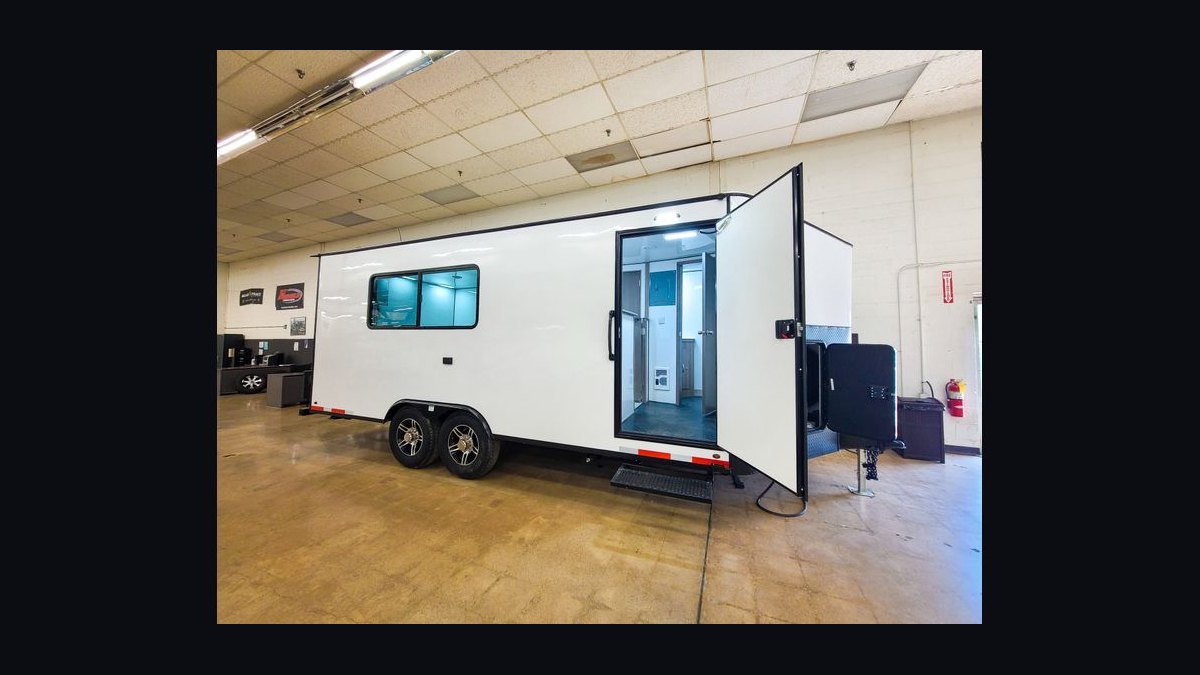
A used cargo trailer rig, such as a 7'x16' or 8.5'x20' V-nose, ranks ninth because it is the cheapest path to a fixed-layout clinic if you already own a capable 3/4-ton truck or large SUV. Trailer-only prices range from $6,000 to $20,000, with build-out costs of $20,000 to $60,000 for an empty shell. It offers a stand-up, square interior that you can park, level, and leave on-site while driving the tow vehicle home.
This pick is for operators who already own a tow vehicle and want the most budget-friendly way to get a stand-up clinic on the road. It trades away onboard drivetrain maintenance but requires confident trailer handling and a rated hitch. Compared to a decommissioned EMS truck, it offers a larger, flatter interior but lacks any pre-wired medical infrastructure. It is the best entry point for those who can tow and want to minimize upfront vehicle costs.
10. New Purpose-Built Mobile Clinic Unit

A new purpose-built mobile clinic from upfitters like Matthews Specialty Vehicles or Farber Specialty Vehicles ranks tenth because it is the only truly turnkey option, arriving ready to treat with medical-grade casework, hospital sinks, and exam lighting. Prices range from $90,000 to $180,000+, with zero additional build-out cost. These units are engineered to anticipate health-department and ADA requirements, offering the most credible clinical image. It is the funded turnkey option for operators with capital.
This vehicle is for funded operators or those who can finance a single, code-compliant asset and want to start treating clients on day one. It trades away affordability for the highest purchase price on this list and long build lead times on new orders. Compared to a converted ambulance, it offers superior engineering, warranty support, and resale value but at a much higher cost.
How we ranked these
We ranked vehicles by weighting build-out readiness (25%), total cost to road-ready (20%), interior cube and headroom (15%), reliability and service network (15%), power/water/HVAC capacity (15%), and resale/insurability/regulatory fit (10%). Data came from GovDeals, Municibid, Public Surplus, commercial van dealers, upfitter quotes, and operator reports. We measured what a mobile-health operator lives with daily, not brochure appeal.
We deliberately ignored brand prestige, zero-emission mandates, and speculative 2027 tech like autonomous driving, because they don't affect a 2027 launch budget. We also ignored new-vehicle pricing, since the target buyer is an entrepreneur reselling a store, not a fleet buyer. We excluded vehicles that can't fit a treatment chair and sink, regardless of style, and we ignored conversion costs that exceed the vehicle's value.
What to look for
What matters is the gap between purchase price and road-ready cost. An ambulance at $25,000 with $15,000 in build-out beats a $45,000 Sprinter needing $60,000. Check the power system first: dual batteries, inverter, shore inlet. Then HVAC, then water tanks. Verify title type (salvage vs clean) and engine hours, not just miles. Inspect frame rust on auction units. Confirm state rules on removing emergency lights and licensing for IV or injection services.
The mistake most buyers make is falling for a pretty empty van and underestimating the electrical and plumbing build. They budget $20,000 for conversion and end up at $50,000. Another error is ignoring GVWR and CDL thresholds, or buying a diesel without checking DEF and emissions upkeep. Always get a mechanical inspection and a title history before bidding. The cheapest vehicle is rarely the cheapest to make compliant.
Related questions
What is the cheapest way to start a mobile wellness business?
Buy a decommissioned EMS truck at auction on GovDeals or Municibid for $8,000–$25,000. It already has dual batteries, inverter, HVAC, and sealed cabinetry, so build-out is only $8,000–$25,000. Inspect for frame rust and title issues. This is the lowest entry cost for a true medical box.
How much does it cost to convert a Sprinter into a mobile med-spa?
A used Sprinter 170" high-roof costs $32,000–$60,000. The build-out runs $35,000–$90,000, including lithium batteries, inverter, solar, plumbing, insulation, and cabinetry. All-in, expect $70,000–$150,000. It's the premium option, not the budget one.
What are the best auction sites for used ambulances?
GovDeals.com, Municibid.com, and PublicSurplus.com are the top sources. Municipalities, fire districts, and hospitals retire EMS trucks on strict schedules, so supply is constant. Always check service records, engine hours, and title type. Specialist resellers like Fenton Fire also list units.
Do I need a special license to drive a converted ambulance?
Most Type III ambulances on Ford E-450 or F-450 chassis fall under a standard driver's license, but check your state's GVWR thresholds. If you add heavy build-out weight and exceed 26,000 lbs, a CDL may be required. Confirm with your DMV before buying.
Can I use a cargo trailer for a mobile health business?
Yes, a 7'x16' or larger cargo trailer is a low-cost option if you already own a capable tow vehicle. Build-out runs $15,000–$40,000. But you lose drivability and need parking for the trailer. It's best for stationary event work, not daily travel.
What are the regulations for mobile IV therapy services?
State scope-of-practice laws dictate whether a licensed provider (RN, NP, or MD) must be on board. Health departments often require a plumbed hand-wash sink and proper waste disposal. Check local permits for mobile medical units. Emergency lighting must be removed before registration.
How much does it cost to insure a mobile wellness van?
Insurance varies by vehicle type, services offered, and driving record. A converted ambulance might cost $2,000–$5,000 per year for commercial liability and auto. Med-spa services with injections raise rates. Get quotes from commercial insurers that specialize in mobile businesses.
FAQ
What is the best overall vehicle for a mobile wellness business in 2027?
A used Type I or Type III ambulance on a Ford E-450 or F-450 chassis, priced $18,000–$45,000. It comes pre-wired with dual batteries, inverter, HVAC, and sealed cabinetry, saving $15,000+ in upfit. Build-out is only $10,000–$30,000. It's the most complete starting point.
What is the best value vehicle for a mobile health startup?
A decommissioned EMS truck bought at auction on GovDeals or Municibid, often $8,000–$25,000. These are fleet-maintained with documented histories, and they inherit the same emergency power, HVAC, and casework as a dealer ambulance. Build-out runs $8,000–$25,000. Inspect carefully for frame rust.
What is the best vehicle for a premium mobile med-spa?
A Mercedes-Benz Sprinter 170" high-roof, used at $32,000–$60,000. It offers 6'4" standing height and a boutique image that supports higher pricing. Build-out costs $35,000–$90,000 for a full conversion. Diesel economy is 18–22 mpg, but maintenance is pricier.
What is the best budget stand-up van?
The RAM ProMaster 159" high-roof, used at $24,000–$42,000. It has the widest, squarest cargo floor, making it easy to fit a treatment chair and cabinetry. The Pentastar V6 is cheap to service. Build-out runs $25,000–$70,000. FWD limits off-road traction.
What is the best vehicle for high-volume event screenings?
A used step van (Morgan Olson or Utilimaster), priced $15,000–$40,000. It offers maximum floor space and a walk-in front door for easy client flow. Build-out is $25,000–$70,000. Fuel economy is poor (8–12 mpg), but the space is unmatched for multi-station clinics.
What is the best vehicle for a mobile IV drip bar?
A used Type II van ambulance, like a Sprinter-based unit, at $20,000–$48,000. It has pre-wired inverter, shore power, and cabinetry, but drives like a van. Build-out is only $8,000–$25,000. Lower roof than a Type III, but more maneuverable in cities.
What is the best vehicle for a multi-chair IV lounge?
A used shuttle bus on a Ford E-450 or Chevy 4500 cutaway, priced $15,000–$45,000. Strip the seats for a wide-open floor that fits a row of IV recliners. Often retains strong factory A/C. Build-out is $30,000–$75,000. Check CDL weight thresholds.
What is the best vehicle for a mobile pharmacy pickup?
A Ford Transit 148" high-roof, used at $28,000–$48,000. It offers 6'8" standing height, gas engine, and a nationwide service network. Pro Power Onboard simplifies electrical. Build-out runs $30,000–$80,000. Available AWD helps in weather. Verify local pharmacy permits.
What is the best vehicle for a mobile wellness business on a tight budget?
A used cargo trailer rig (7'x16' or larger) if you have a tow vehicle. Build-out is $15,000–$40,000, and the trailer itself costs $5,000–$15,000. It's not drivable, so it's best for stationary events. Alternatively, a decommissioned EMS truck at auction for $8,000–$25,000.
What are the hidden costs of converting a van into a mobile clinic?
Beyond the vehicle, budget for lithium batteries ($2,000–$5,000), inverter ($1,000–$2,000), solar ($1,000–$3,000), plumbing ($1,000–$2,000), insulation and cabinetry ($5,000–$15,000), and a branded wrap ($2,000–$5,000). Also factor in insurance, permits, and possible CDL compliance. Always add a 20% contingency.
Sources
- https://www.govdeals.com/
- https://www.municibid.com/
- https://www.publicsurplus.com/
- https://globalemergencyvehicles.com/
- https://www.fentonfire.com/
- https://www.mercedes-benz.com/en/vehicles/commercial/
- https://www.ford.com/commercial-trucks/transit/
- https://www.ramtrucks.com/commercial/promaster/
- https://www.carvana.com/
- https://www.carmax.com/
Related on PULSE
- [More vehicles for a mobile wellness or health business rankings and buying guides](/knowledge)
- [PULSE Tools and calculators](/tools)
- [Everything on PULSE RevOps](/)
@Kory-White- · if Venmo asks, the last 4 of my number are 2012
 pulse-aquariumsTop 10 Canister Filters 2027
 aqTop 10 Hang-On-Back Aquarium Filters 2027
 pulse-reviewsTop 10 Cabin Cruiser Boats 2027
 pulse-aquariumsTop 10 Aquarium Filters 2027
 pulse-moviesTop 10 Movies on Netflix 2027
 pulse-moviesTop 10 Movies on Max 2027
 pulse-moviesTop 10 Fantasy Movies of All Time in 2027
 pulse-moviesTop 10 Documentaries of All Time in 2027
 pulse-moviesTop 10 Superhero Movies of All Time in 2027
 pulse-moviesTop 10 Romance Movies of All Time in 2027