
Best Cars Under $30,000 in 2027
 Curated byKory White · Fractional CRO · Maryland
 PULSEKNOWLEDGE LIBRARY
Under $30,000 in 2027, the Honda Civic is the best all-around new car — sharp handling, roughly 35 mpg combined, and standard Honda Sensing. The Hyundai Elantra wins on value and warranty, the Honda CR-V on family practicality, and the Toyota Corolla Cross Hybrid on fuel economy.
The two real paths: sedan value versus crossover utility
Almost every buyer working with a $30,000 ceiling in 2027 is really choosing between two families of vehicle, and the choice determines everything downstream — price, fuel economy, cargo shape, and how much trim you can afford.
Path one: the compact sedan. This is where $30,000 buys the most car. The Kia Forte opens the segment around $21,500, the Hyundai Elantra SE around $22,500, the Volkswagen Jetta S around $23,000, the Honda Civic LX around $24,000, and the Mazda3 sedan around $25,000. Because base prices sit $5,000–$8,000 below the ceiling, sedan buyers can option up rather than settle. A Civic buyer can reach the Si — a 200-horsepower, manual-transmission enthusiast car — at roughly $29,500 and still be inside budget. An Elantra buyer can reach a loaded Limited near $28,000 with dual 10.25-inch displays. That headroom is the single most underrated advantage of the sedan path: you are buying a top trim of a good car rather than a stripped trim of a bigger one.
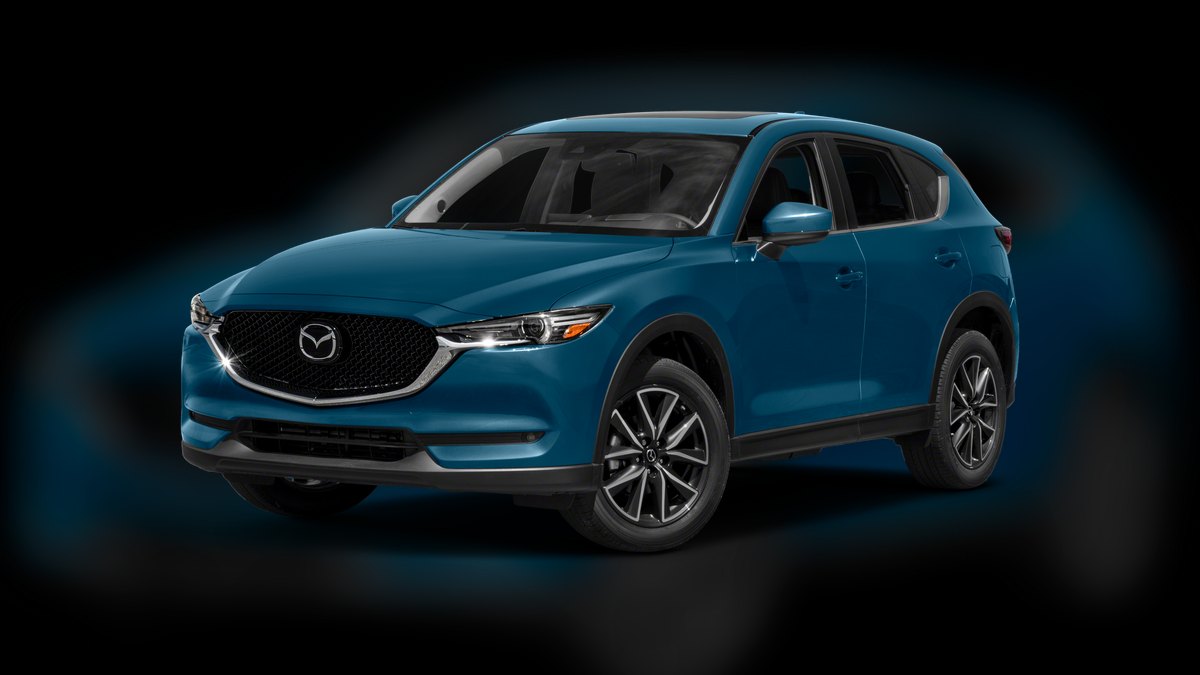
Path two: the compact crossover. Here $30,000 is a ceiling you press against rather than a budget you spend. The Mazda CX-30 starts around $25,500 with standard all-wheel drive, the Subaru Crosstrek around $26,500 with standard AWD and 8.7 inches of ground clearance, the Toyota Corolla Cross Hybrid around $28,500 with standard AWD and 42 mpg combined, and the Honda CR-V LX front-drive lands right at about $30,000 — over the line once destination is added, under it once a dealer discount or incentive applies. Crossover buyers get ride height, cargo flexibility, and in most cases all-wheel drive, but they pay for it in base-trim compromise and fuel economy that runs roughly 4–7 mpg behind an equivalent sedan on the non-hybrid models.
There is a third path worth naming because it surprises people: the midsize sedan squeeze. For 2027 the Toyota Camry is hybrid-only, and the base LE starts around $29,500 while returning about 47 mpg combined from a 225-horsepower combined output. That means a genuine midsize car with the best fuel economy on this entire list technically fits under the ceiling — you just have zero room for options, color upcharges, or accessories. It is the most car-per-dollar on the list and the least flexibility.
The honest framing: sedans give you trim headroom and fuel economy, crossovers give you utility and traction, and the midsize hybrid gives you space and mpg at the cost of any configuration freedom.
How to decide between them
The decision is not really about which car is objectively "best" — the best cars in this price band are all competent. It is about which constraint binds hardest for you.
Start with cargo and passengers, not with brand. If you regularly carry three adults in the back or haul bulky items, the CR-V's roughly 39 cubic feet behind the rear seat and class-leading rear legroom are decisive and no sedan closes that gap. If your back seat is empty five days a week, you are paying a premium for air.
Then apply the mileage test. Hybrids carry a modest price premium but the payback math is straightforward. Compare the Corolla Cross Hybrid at about 42 mpg combined against a non-hybrid compact crossover at about 28–30 mpg. At 15,000 miles a year and $3.50 a gallon, 42 mpg costs roughly $1,250 in fuel; 29 mpg costs roughly $1,810. That's about $560 a year, or $2,800 over five years — enough to erase a typical hybrid premium and then some. Below about 10,000 miles a year the math gets thin and the non-hybrid is fine.
Then apply the traction test. Standard all-wheel drive within budget is available on the CX-30, Crosstrek, and Corolla Cross Hybrid. If you live where winter is real, that is a hard filter, and it eliminates most of the sedan path immediately (the Mazda3 offers available AWD as the notable exception).
Then apply the ownership-horizon test. If you keep cars for ten years or more, Hyundai and Kia's 10-year/100,000-mile powertrain warranty is worth real money, and it materially changes the Elantra and Forte calculus. If you trade every three to four years, warranty length is nearly irrelevant and resale value matters far more — which pushes toward Honda, Toyota, and Subaru, all of which hold value unusually well.
Run the tests in that order and the field of ten collapses to one or two candidates within a few minutes. Reversing the order — starting with brand loyalty or with a favorite color — is how buyers end up in a car that fights their actual usage for the next eight years.
Concrete numbers behind each option
Specifics matter more than adjectives, so here is what each contender actually brings at the price point.
Honda Civic — roughly $24,000 to $29,500. Base engine is a 2.0-liter four making 158 horsepower, returning about 35 mpg combined. The turbocharged Sport and Si trims add real power, with the Si at 200 horsepower and manual-only. Honda Sensing driver-assist tech is standard across every trim. The Civic's argument is that nothing else in the class combines this chassis quality, interior finish, reliability record, and resale value simultaneously.

Hyundai Elantra — roughly $22,500 to $28,000. The 2.0-liter four makes 147 horsepower at about 35 mpg combined. The hybrid variant clears 50 mpg. The Elantra N sits at 276 horsepower for buyers who want a bargain performance sedan. Upper trims carry dual 10.25-inch displays. The 10-year/100,000-mile powertrain warranty is the segment's longest.
Honda CR-V — roughly $30,000 base LX. A turbocharged 1.5-liter four produces 190 horsepower at about 30 mpg combined, with roughly 39 cubic feet of cargo space and best-in-class rear legroom. Honda Sensing standard. It sits exactly on the line, which means the CR-V is a budget question as much as a car question — incentives and negotiation determine whether it qualifies.
Mazda CX-30 — roughly $25,500. A 2.5-liter four with 191 horsepower drives all four wheels through a six-speed automatic at about 28 mpg combined. A turbocharged version reaching 250 horsepower exists just above budget, near $32,000. Standard all-wheel drive at $25,500 is genuinely unusual, and the cabin materials read a class above the price.
Toyota Corolla Cross Hybrid — roughly $28,500. A 2.0-liter four paired with electric motors makes 196 horsepower combined, with standard all-wheel drive and about 42 mpg combined. Toyota Safety Sense is standard. This is the efficiency-per-dollar leader among crossovers here.

Mazda3 — roughly $25,000 sedan. The 2.5-liter four makes 191 horsepower at about 31 mpg combined, with available all-wheel drive and a 250-horsepower turbo on upper trims. The interior is widely considered the class benchmark. The trade-off is rear-seat space, which trails the Civic and Elantra noticeably.
Subaru Crosstrek — roughly $26,500. A 2.5-liter flat-four makes 182 horsepower at about 29 mpg combined, with standard symmetrical all-wheel drive, 8.7 inches of ground clearance, and standard EyeSight safety tech. That clearance figure beats many larger SUVs and is the whole reason to buy one.
Kia Forte — roughly $21,500 to under $28,000 loaded. A 2.0-liter four with 147 horsepower and a CVT returns about 35 mpg combined; the GT trim adds a 201-horsepower turbo. Standard safety includes forward collision avoidance and lane keeping assist. Trunk and rear-seat space are among the segment's best, and it is the cheapest entry point on this list.

Volkswagen Jetta — roughly $23,000 base S. A turbocharged 1.5-liter four makes 158 horsepower at about 36 mpg combined — the best non-hybrid figure here. The GLI trim adds 228 horsepower and stays near budget. Highway refinement and a large trunk are the selling points.
Toyota Camry — roughly $29,500 base LE hybrid. Hybrid-only for 2027, 225 combined horsepower, about 47 mpg combined, available all-wheel drive, Toyota Safety Sense standard. Midsize interior volume for compact money, at the cost of any option budget.
The number nobody puts on the window sticker: destination charges run roughly $1,100–$1,400 and are non-negotiable, and sales tax, title, and registration land on top of that. A $28,500 Corolla Cross Hybrid is realistically a $31,500–$32,500 out-the-door transaction in most states. If your $30,000 is an out-the-door number rather than an MSRP number, subtract roughly $3,000 from every price above and the field narrows sharply toward the Forte, Elantra, Jetta, and base Civic.
Buying sequence, timing, and the adjacent decisions
Picking the car is maybe 40% of the outcome. The rest is sequencing, and this is where most buyers lose money they never realize they lost.

Get financing before you shop. Walk in with a pre-approval from a credit union or bank. Dealer financing may still beat it — manufacturer subvented rates on slower-selling trims are frequently the cheapest money available — but you cannot recognize a good rate without a benchmark. A two-percentage-point difference on a $28,000 loan over 60 months is roughly $1,500, which is larger than most of the price gaps between the cars on this list.
Negotiate the vehicle price alone, in isolation. Do not discuss monthly payment, trade-in value, or financing until the out-the-door price on the new car is written down. Bundling these lets a favorable number in one column disguise an unfavorable one in another. Ask specifically for the out-the-door figure — MSRP plus destination plus any dealer-added accessories plus tax, title, and fees — because dealer-installed add-ons like paint protection, nitrogen fill, and pinstriping are pure margin and are usually removable on request.
Time it if you can. End of month, end of quarter, and end of model year are when quota pressure is real. On models being replaced, outgoing-year inventory carries the deepest manufacturer incentives. The trade-off is choosing from what's on the lot rather than ordering the exact configuration you want — which matters more on cars where trim jumps bundle features you actually need.

Cross-shop the near-new market before signing. This is the adjacent decision most $30,000 buyers skip. A two- or three-year-old vehicle from the tier above — a used midsize SUV, a used entry-luxury sedan — often lands in the same payment range. The counterweight is that new cars in 2027 come with full factory warranty coverage, current-generation driver-assist hardware, and no unknown maintenance history, and Honda, Toyota, and Mazda models routinely run past 150,000 miles with normal upkeep. If the used alternative is out of warranty, budget $1,500–$2,500 for first-year deferred maintenance and re-run the comparison.
Model total cost, not sticker. Insurance premiums vary meaningfully by model — performance trims like the Civic Si, Elantra N, and Jetta GLI often cost more to insure than their base counterparts, sometimes by several hundred dollars annually. Get quotes on your two finalists before you choose. Layer in fuel from the mileage test above, expected maintenance intervals, and projected resale. A Civic or CR-V that costs $1,500 more up front but retains several thousand dollars more at trade-in is cheaper in practice than the sticker suggests.
Understand the trim-jump trap. Manufacturers bundle features so the one option you want — a sunroof, blind-spot monitoring, heated seats, a larger display — is frequently two trims up and $3,000 away. Before you fall for a mid-trim, list the three features you genuinely need and find the cheapest trim that carries all three. Occasionally that means switching brands entirely: a top-trim Forte or Elantra can carry equipment that costs $4,000 more to reach on a competitor.

Verify the contract before signing. Read every line against the agreed out-the-door number. Extended warranties, gap insurance, and prepaid maintenance packages are negotiable products with substantial margin, and they can be purchased later or from third parties. The financing office is where a well-negotiated deal quietly loses $2,000.
Where these picks sit against the wider market
It helps to see this price band in context, because $30,000 sits at an unusual intersection in the 2027 market.
Below it, the sub-$22,000 segment has thinned considerably as manufacturers have discontinued subcompacts and stripped base trims. The Kia Forte at roughly $21,500 is close to the floor for a new car with modern standard safety equipment. Buyers who cannot stretch to $25,000 face a genuinely narrow new-car field and often end up in the used market by necessity rather than choice.
Above it, the $30,000–$40,000 band opens up hybrids across nearly every body style, all-wheel drive on almost everything, larger crossovers with three rows, and the first genuinely affordable EVs. The jump from $30,000 to $34,000 buys disproportionately more than the jump from $26,000 to $30,000 — which is worth knowing if your ceiling is soft. If it is hard, the picks above are where the value concentrates.

The electrification angle. Under $30,000 in 2027, hybrids are the practical electrified answer rather than full EVs. The Corolla Cross Hybrid at about 42 mpg, the Camry hybrid at about 47 mpg, and the Elantra Hybrid at over 50 mpg all fit. Battery-electric options at this price are limited and typically involve trade-offs in range, charging speed, or interior space. For most buyers under $30,000, a hybrid captures the majority of the fuel savings without the charging-infrastructure dependency — particularly if you cannot charge at home, which flips EV economics badly.
The body-style drift. Sedans keep getting better as manufacturers concentrate remaining effort into fewer models. The result is that today's compact sedans — Civic, Mazda3, Elantra — are more refined, quieter, and better equipped than midsize sedans from a decade ago. Buyers who assume they need a crossover for space are frequently wrong; a Civic hatchback's cargo area is closer to a small crossover's than the ride height suggests, and it will return several more mpg while handling better.
What the segment is actually optimizing for. Manufacturers competing under $30,000 now compete primarily on standard safety equipment and infotainment, not on horsepower. Honda Sensing, Toyota Safety Sense, and Subaru EyeSight ship standard on the relevant models, which means adaptive cruise control and lane-keeping — features that were luxury options not long ago — are now table stakes. When you compare two cars in this band, the differentiators are cabin quality, chassis tuning, warranty length, and resale, because the safety and tech baselines have largely converged.
Related questions
Is a hybrid worth the premium under $30,000?
If you drive more than roughly 12,000 miles a year, yes. The gap between about 42 mpg and about 29 mpg is roughly $560 a year at 15,000 miles and $3.50 a gallon — typically enough to recover the premium within four to five years, plus stronger resale.
Can I get all-wheel drive under $30,000 in 2027?
Yes. The Mazda CX-30 (around $25,500), Subaru Crosstrek (around $26,500), and Toyota Corolla Cross Hybrid (around $28,500) all include all-wheel drive as standard equipment. The Mazda3 offers it as an option, and the Camry hybrid offers it above the base configuration.
Should I buy new or a two-year-old used car at this budget?
New wins on warranty, current driver-assist hardware, and known history. Used wins on absolute size-per-dollar. If the used option is out of factory warranty, add $1,500–$2,500 in expected first-year maintenance before comparing — that often erases the apparent advantage.
Does $30,000 mean MSRP or out-the-door?
It matters enormously. Destination adds roughly $1,100–$1,400, and tax, title, and fees follow. If $30,000 is your out-the-door number, subtract about $3,000 from every MSRP listed and shop the Forte, Elantra, Jetta, and base Civic.
Which under-$30,000 car holds its value best?
Honda and Toyota models — the Civic, CR-V, Corolla Cross, and Camry — consistently lead the segment in retained value, with Subaru close behind. Strong resale can offset a higher purchase price over a five-year ownership period.
FAQ
Is $30,000 enough for a genuinely good new car in 2027?
Yes, and comfortably so on the sedan side. Thirty thousand dollars buys a well-equipped compact sedan, a capable compact crossover with all-wheel drive, or an efficient hybrid. Standard driver-assist suites — Honda Sensing, Toyota Safety Sense, Subaru EyeSight — are included on the relevant models, so you are not trading away safety technology to hit the price. The main constraint is that on crossovers you will be shopping base and mid trims rather than loaded ones.
Which car under $30,000 is the most fun to drive?
The Honda Civic Si and the Mazda3 lead. The Si offers a manual transmission, 200 horsepower, and chassis tuning that competes with cars costing far more, at roughly $29,500. The Mazda3 counters with steering feel, interior quality, and an available 250-horsepower turbo. The Elantra N at 276 horsepower is the outright quickest of the group if straight-line speed is the priority, and the Jetta GLI at 228 horsepower is the refined-highway alternative.
How reliable are these compared to used alternatives?
New vehicles in this band arrive with full factory warranty coverage and no unknown service history, which is the core advantage over a similarly priced used car. Honda, Toyota, and Mazda models routinely exceed 150,000 miles with regular maintenance. Hyundai and Kia counter with 10-year/100,000-mile powertrain coverage, which is the longest available and shifts significant risk off the buyer for long-term owners.
Do hybrids actually fit under $30,000 in 2027?
Yes. The Toyota Corolla Cross Hybrid lands around $28,500 with standard all-wheel drive and about 42 mpg combined. The Toyota Camry is hybrid-only for 2027 with a base LE near $29,500 returning about 47 mpg. The Hyundai Elantra Hybrid clears 50 mpg and fits comfortably. Availability varies by region and inventory, so confirm locally before committing.
What is the best crossover under $30,000 for a family?
The Honda CR-V, if you can get it under the line with incentives — it leads on rear legroom, cargo volume at roughly 39 cubic feet, and resale value. The Toyota Corolla Cross Hybrid is the better choice when fuel cost dominates, since it adds all-wheel drive and about 42 mpg. The Mazda CX-30 is the pick when interior quality matters more than maximum space.
Will these prices hold through 2027?
Base trims on these models generally sit in the $21,500–$30,000 range, but transaction prices move with incentives, inventory, and regional demand. Manufacturer rebates and subvented financing rates on slower-moving trims can lower effective cost meaningfully, while thin inventory on popular models can push the other direction. Check local stock, request out-the-door quotes from several dealers, and shop at month or quarter end where possible.
Sources
- https://www.fueleconomy.gov/ — U.S. EPA and DOE official fuel economy ratings by model year
- https://automobiles.honda.com/ — Honda USA model pricing, trims, and Honda Sensing details
- https://www.hyundaiusa.com/ — Hyundai USA Elantra trims, pricing, and warranty terms
- https://www.toyota.com/ — Toyota USA Camry and Corolla Cross specifications and pricing
- https://www.mazdausa.com/ — Mazda USA Mazda3 and CX-30 pricing and equipment
- https://www.subaru.com/ — Subaru of America Crosstrek specifications and EyeSight details
- https://www.kia.com/us/en — Kia America Forte pricing and warranty coverage
- https://www.vw.com/en.html — Volkswagen USA Jetta specifications and pricing
- https://www.nhtsa.gov/ — NHTSA crash test ratings and safety recall lookup
- https://www.consumerreports.org/cars/ — Consumer Reports vehicle reliability and owner satisfaction data
Related on PULSE
- [Best Used AWD Cars Under $30,000 in 2027 (Ranked)](/knowledge/ca0823)
- [Best Used Family Cars Under $30,000 in 2027 (Ranked)](/knowledge/ca0822)
- [Best Used Sports Cars Under $30,000 in 2027 (Ranked)](/knowledge/ca0809)
- [Best Used Electric Cars Under $30,000 in 2027 (Ranked)](/knowledge/ca0811)
- [Best Used Luxury Cars Under $30,000 in 2027 (Ranked)](/knowledge/ca0810)
- [Best Used Hybrid Cars Under $30,000 in 2027 (Ranked)](/knowledge/ca0812)
This page will be disappearing soon. Save it to your device for $1 — or read it free while it is here.
@Kory-White- · if Venmo asks, the last 4 of my number are 2012
 pulse-carsBest Ford EcoSport Model Years (Ranked) in 2027
 pulse-carsTop 10 Sports Sedans 2027 — Best Overall + Best Value
 pulse-carsBest Audi Models in 2027
 pulse-carsBest Acura NSX Generations (Ranked) in 2027
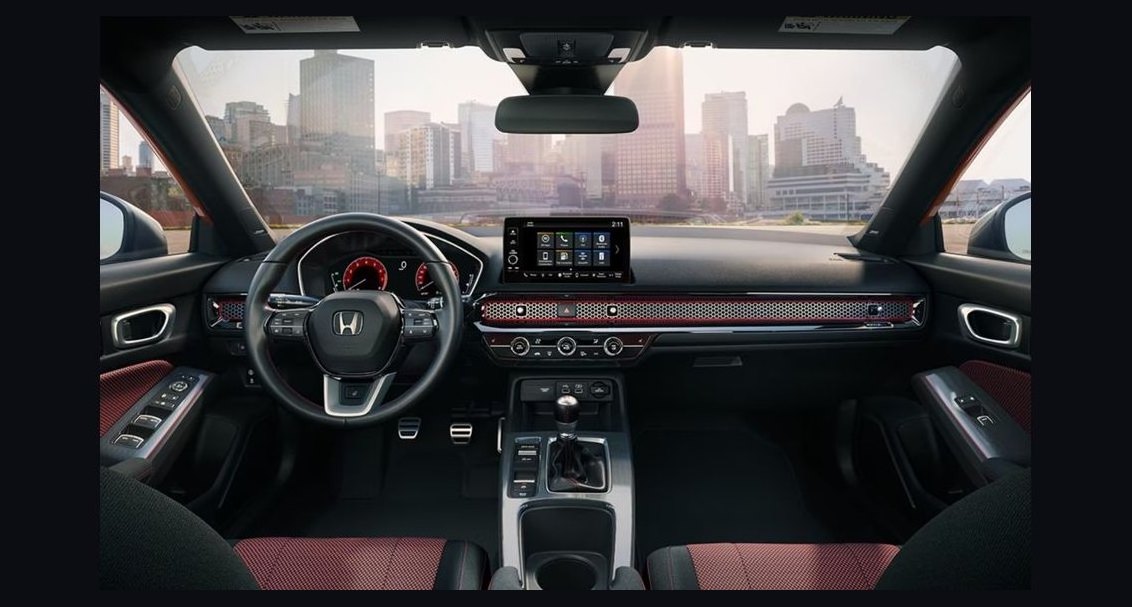 pulse-carsTop 10 Affordable Cars 2027 — Best Overall + Best Value
 pulse-carsTop 10 Supercars 2027 — Best Overall + Best Value
 pulse-carsBest Ford Falcon Model Years (Ranked) in 2027
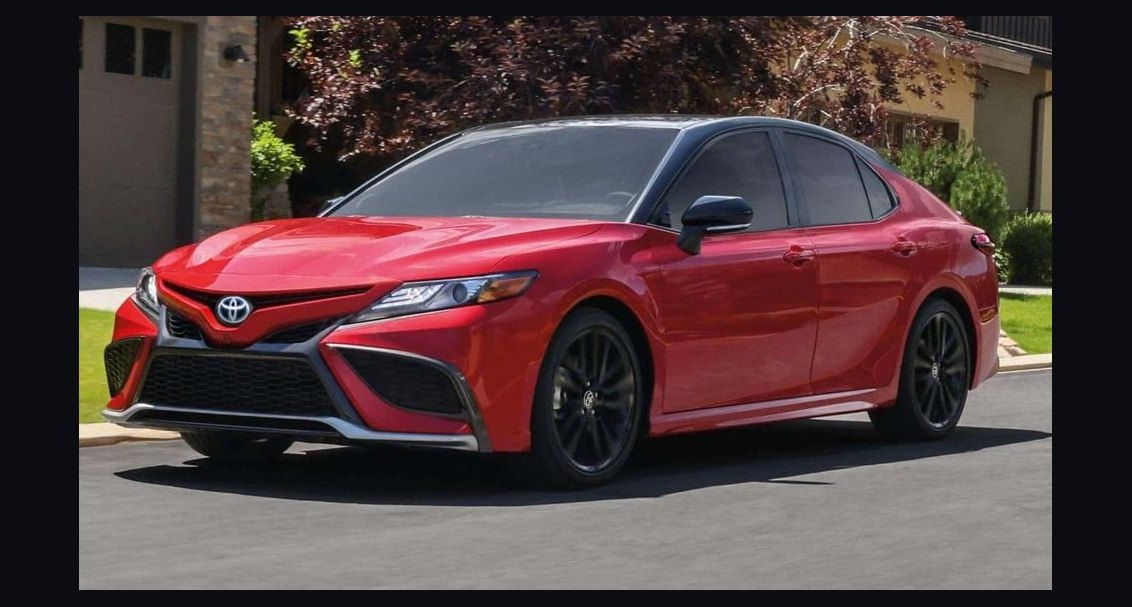 pulse-carsBest Used Hybrid Cars Under $40,000 in 2027 (Ranked)
 pulse-carsTop 10 Electric Sedans 2024 — Best Overall + Best Value
 pulse-carsBest Hyundai Ioniq 5 Model Years (Ranked) in 2027