
Best Cars Under $40,000 in 2027
 Curated byKory White · Fractional CRO · Maryland
 PULSEKNOWLEDGE LIBRARY
Under $40,000 in 2027, the Toyota RAV4 remains the strongest all-around buy — hybrid efficiency near 39 mpg combined, standard all-wheel drive on hybrid trims, and class-leading resale. The Hyundai Tucson wins on value and warranty, the Honda Accord on sedan refinement, and the Kia Telluride on three-row space.
The outcome you should expect
Forty thousand dollars in 2027 is no longer a compromise budget — it is the fat middle of the American new-car market, and it buys a genuinely complete vehicle rather than a stripped one. Expect to walk away with all-wheel drive, a full active-safety suite as standard equipment, a hybrid powertrain if you want one, and a warranty that carries the powertrain past 60,000 miles at minimum. That was not true five model years ago.
The practical shape of the outcome depends on which of four buckets you land in. In compact crossovers, $40,000 buys a *loaded* vehicle with leather-adjacent upholstery, a panoramic roof, and a hybrid drivetrain — a RAV4 XLE Premium Hybrid or a Tucson Limited Hybrid lands here with room for accessories. In midsize sedans, the same money buys the top trim outright: an Accord Touring Hybrid or a Camry XSE with all-wheel drive both sit in the mid-to-high $30,000s. In three-row SUVs, $40,000 buys the *base* trim only — a Telluride LX is a real vehicle, but the leather and the second-row captain's chairs live above the line. And in entry-luxury or performance, $40,000 buys the base rear-drive coupe or the hot-hatch-adjacent sport compact, with almost no option budget behind it.
The second thing to expect is that the sticker is not the price. Destination charges run roughly $1,200–$1,500 across mainstream brands and are non-negotiable. State and local tax, title, and registration commonly add 6–10% of the transaction price. If your ceiling is a genuine $40,000 out-the-door number rather than $40,000 MSRP, you need to shop in the $34,000–$36,000 MSRP band. That single adjustment reshuffles the list: the Telluride and the BMW 230i fall out, and the RAV4 Hybrid, Tucson Hybrid, Accord Hybrid, Camry, Outback, and CX-50 all remain comfortably in.

Third, expect financing to matter more than trim. On a $36,000 loan at 72 months, each percentage point of APR moves the total cost by roughly $1,200–$1,400. A manufacturer subvented rate on a slower-selling model can be worth more than the $2,000 trim upgrade you were debating. This is the same arithmetic a fleet manager runs when a company evaluates vehicle spend against revenue per driver — total cost of ownership beats sticker every time, and the buyers who treat a car like a five-year operating line rather than a one-day purchase consistently end up ahead.
What drives that outcome
Three forces set what $40,000 actually buys in 2027, and understanding them is more useful than memorizing a ranked list that will be stale in eight months.

Powertrain mix. Hybrids have moved from premium option to default. Toyota made the Camry hybrid-only; the RAV4, Tucson, Accord, CX-50, and Sportage all offer hybrid variants where the price walk over the gas model has compressed to roughly $1,500–$3,000. At 37–48 mpg combined versus 27–30 for the equivalent gas engine, a driver covering 15,000 miles a year at $3.50/gallon saves roughly $600–$900 annually. The hybrid premium pays back inside three to four years, and it pays back again at trade-in because hybrid resale has held firm.
Content inflation and standard equipment. Active safety — automatic emergency braking, lane-keeping, adaptive cruise — is standard across essentially every vehicle here. Toyota Safety Sense, Honda Sensing, Hyundai SmartSense, and Subaru EyeSight all ship on base trims. The differentiators have moved up-market: ventilated seats, head-up displays, 360-degree cameras, and premium audio are what the trim walk now buys. That means the gap between a base and a mid trim is comfort, not safety, which is a meaningfully better place for a budget buyer to be.
Segment position. The single biggest determinant of what you get is which segment you shop, not which brand. A $38,000 compact crossover is a top-trim vehicle. A $38,000 three-row is an entry-trim vehicle. A $38,000 luxury coupe is an entry-trim vehicle with a smaller cabin than either. Same money, radically different position on the ladder.

Benchmarks and realistic ranges
Concrete numbers make the tradeoffs legible. The ranges below reflect typical 2027 model-year positioning; regional pricing, incentives, and dealer markup move real transaction prices by $1,000–$3,000 in either direction.
Compact crossovers. The RAV4 opens near $30,000 for a base LE and lands near $33,000 for the hybrid, which pairs a 2.5-liter four with electric motors for 219 combined horsepower, standard all-wheel drive, and roughly 39 mpg combined. The Tucson starts around $28,500 with the hybrid near $33,000 — a turbocharged 1.6-liter plus electric motor for 226 combined horsepower, all-wheel drive, and roughly 37 mpg combined. The CX-50 starts around $31,000 with standard all-wheel drive; its turbocharged 2.5-liter makes up to 256 horsepower on premium fuel, and the Toyota-co-developed hybrid returns roughly 38 mpg combined. In this segment, $40,000 buys the top of the range.
Midsize sedans. The Accord starts near $29,000 and tops out near $39,000 for a Touring Hybrid — 204 combined horsepower and roughly 48 mpg combined, the efficiency leader on this list. The Camry is hybrid-only for 2027; the sporty all-wheel-drive XSE lands near $36,000 fully equipped, making up to 232 horsepower and returning up to roughly 47 mpg combined. Sedans remain the most vehicle-per-dollar segment in the market precisely because demand has migrated to crossovers.

Wagon-crossover and two-row SUV. The Outback starts near $30,000 with standard all-wheel drive and 8.7 inches of ground clearance; the base 2.5-liter flat-four makes 182 horsepower at roughly 29 mpg combined, and a turbocharged 2.4-liter offers 260 horsepower for buyers who want it. The Honda Passport starts near $39,000 — a 3.5-liter V6 making 285 horsepower through a 10-speed automatic with standard all-wheel drive at roughly 21 mpg combined, with a TrailSport trim adding skid plates, all-terrain tires, and recovery points.
Three-row. The Telluride LX starts near $38,000. A 3.8-liter V6 makes 291 horsepower through an eight-speed automatic at roughly 21 mpg combined, seating up to eight. It is the only genuine three-row option that clears the budget, and it clears it by a margin thin enough that a single dealer add-on package puts you over.

Performance and entry-luxury. The Civic Si at roughly $29,500 is the realistic in-budget enthusiast pick — 200 horsepower, a six-speed manual, and a chassis that punches far above the price. The Civic Type R starts near $45,000 and is out of budget; treat it as the aspirational rung, not the answer. The BMW 230i starts near $39,000, using a turbocharged 2.0-liter for 255 horsepower, roughly 5.5 seconds to 60 mph, and roughly 30 mpg combined. The 230i is the cheapest genuine rear-drive luxury coupe on the market, and it has no option budget behind it at this price.
The pattern across all five groups: efficiency and equipment cluster in the $30,000–$36,000 band, and everything above $37,000 is buying either size, rear-drive dynamics, or a badge.
Risks, edge cases, and failure modes
Dealer markup and mandatory add-ons. The most common way a $38,000 vehicle becomes a $43,000 vehicle is the addendum sticker — paint protection, nitrogen-filled tires, VIN etching, appearance packages. On high-demand models these are presented as non-negotiable. They are not, but walking is the only real leverage. Confirm the out-the-door number in writing before you commit to anything, and treat a refusal to itemize as a signal to shop elsewhere.

Trim creep. Buyers routinely start at a $32,000 target and land at $39,000 because each individual upgrade looks like $1,500. Decide which two features actually matter to you — usually all-wheel drive and a hybrid powertrain, or a specific safety feature — and treat everything else as declined by default.
Hybrid battery anxiety, mostly misplaced. Hybrid battery packs on the mainstream Japanese and Korean systems are warranted long — commonly eight to ten years or 100,000+ miles, longer in states following California emissions rules. The genuine hybrid risk is not the battery; it is that hybrid trims are scarcer on lots, which weakens your negotiating position and tempts you into a trim you did not want.
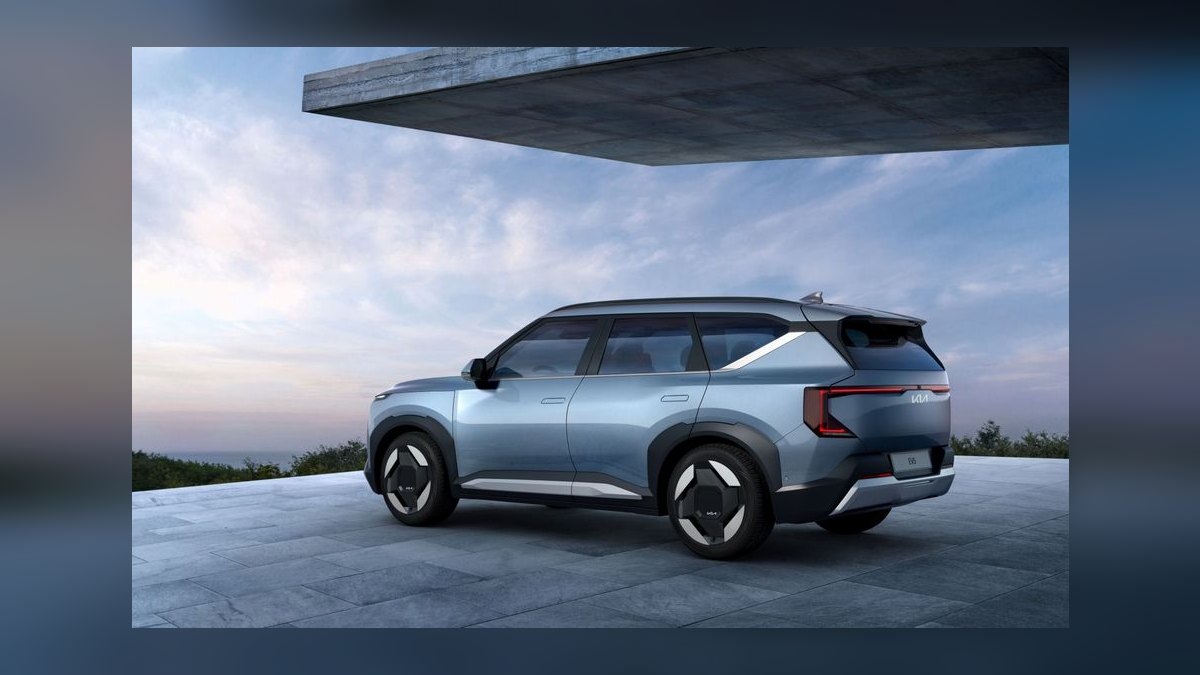
The three-row trap. Buyers who need three rows *occasionally* often stretch to a base Telluride and end up with a large, thirsty vehicle they use as a two-row 95% of the time. If the third row is for grandparents twice a year, a two-row with a good cargo hold plus two rental days is cheaper by thousands.
Insurance and consumables. Performance and luxury models carry meaningfully higher premiums. A 230i or Type R can cost $600–$1,200 more per year to insure than a RAV4 for the same driver. Premium fuel requirements on the CX-50 turbo and the BMW add roughly $300–$500 annually at typical mileage. Larger wheels mean more expensive tires — a 19- or 20-inch performance tire set can run double a 17-inch all-season set. Get an insurance quote *before* signing, not after.
Model-year timing. The 2027 models arrive alongside heavily discounted 2026 leftovers. A leftover top-trim 2026 frequently costs less than a base 2027 of the same nameplate and depreciates from a lower basis. The counterweight is that a leftover starts its warranty clock immediately and gives up a year of coverage in calendar terms.

Verify before you buy. Model-year specifications, trim names, and prices shift between announcement and dealer arrival. Confirm current figures on the manufacturer's site and fueleconomy.gov before making a decision on any number in this or any comparison article.
A practical rollout plan
Treat the purchase as a five-step process with a decision gate at each stage. Buyers who follow a sequence consistently pay less than buyers who start by test-driving whatever is closest.
Step one — set the real ceiling. Work backward from out-the-door, not MSRP. Take your true maximum, subtract estimated tax at your local rate, subtract $1,400 for destination, subtract $500 for title, registration, and fees. What remains is your MSRP shopping band. For a $40,000 out-the-door ceiling in a 7% tax state, that is roughly a $35,000 MSRP target.

Step two — pick the body style, then the powertrain. Body style is the irreversible decision; you cannot add a third row later. Powertrain is the highest-leverage reversible one. If your annual mileage exceeds 12,000, run the hybrid math before anything else — it usually wins.
Step three — shortlist three vehicles across two brands. Two is too few to create competitive tension; five is too many to research properly. Cross-shop at least two manufacturers so a dealer knows you have a real alternative.

Step four — get out-the-door quotes in writing from at least three dealers, by email. Ask for a line-itemized total including all fees and addendums. This single step is worth more than any negotiating tactic performed in person, and it takes an afternoon.
Step five — separate the four transactions. Vehicle price, trade-in value, financing rate, and any extended warranty are four independent negotiations. Bundling them is how margin gets hidden. Secure your own financing pre-approval from a credit union first and let the dealer try to beat it.
Buyers who run this sequence typically land $1,000–$3,000 under the number they would have paid walking in cold — the same discipline a procurement team applies when vehicle spend shows up as a line against fleet revenue rather than as an individual impulse.
Related questions
Is a hybrid worth the extra cost under $40,000?
For most buyers, yes. The hybrid premium has compressed to roughly $1,500–$3,000 across the RAV4, Tucson, and Accord, while the efficiency gain runs 10–18 mpg combined. At 15,000 annual miles, payback typically lands inside four years, and hybrid resale has held stronger than gas equivalents.
Can I get a three-row SUV under $40,000 in 2027?
Only barely, and only in base trim. The Kia Telluride LX sits near $38,000 with 291 horsepower and seating for up to eight, but a single dealer add-on package pushes it over. Buyers needing occasional third-row use are usually better served by a two-row plus rentals.
Should I buy a leftover 2026 instead of a new 2027?
Often, yes. A discounted leftover top trim frequently costs less than a base current-year model and depreciates from a lower basis. The tradeoff is that its warranty clock starts immediately, so you effectively forfeit a year of calendar coverage.
What is the most fuel-efficient vehicle under $40,000?
Among the vehicles here, the Honda Accord Hybrid leads at roughly 48 mpg combined, with the Camry hybrid close behind at up to roughly 47. Among crossovers, the RAV4 Hybrid at roughly 39 mpg combined is the efficiency leader with all-wheel drive included.
How much should I budget beyond the sticker price?
Plan on roughly 8–12% above MSRP. Destination runs $1,200–$1,500, sales tax typically 6–10% of the transaction price, and title, registration, and documentation fees commonly add $300–$800 depending on the state.
FAQ
What is the best overall vehicle under $40,000 in 2027?
The Toyota RAV4 is the strongest all-around pick. A base LE opens near $30,000 and the hybrid near $33,000, delivering 219 combined horsepower, standard all-wheel drive on hybrid trims, and roughly 39 mpg combined. Its combination of cargo space, all-weather traction, standard safety equipment, and class-leading resale value is difficult to match at any price in this band.
Which vehicle under $40,000 offers the best value?
The Hyundai Tucson. It starts near $28,500 with the hybrid near $33,000, delivering 226 combined horsepower and roughly 37 mpg combined with all-wheel drive, plus one of the roomiest back seats in the compact class. Hyundai's 10-year/100,000-mile powertrain warranty is the strongest coverage in the segment and materially reduces long-term ownership risk.
Can I buy a genuine luxury vehicle under $40,000?
Yes, but only at the entry rung with no option budget. The BMW 230i starts near $39,000, using a turbocharged 2.0-liter for 255 horsepower, roughly 5.5 seconds to 60 mph, and roughly 30 mpg combined with rear-wheel drive. Adding almost any package pushes it past $40,000, so plan on a base configuration or a strong dealer incentive.
Are there real performance cars in this budget?
The Honda Civic Si at roughly $29,500 is the realistic pick — 200 horsepower, a six-speed manual, and one of the best-sorted chassis at any price. The Civic Type R starts near $45,000 and does not fit the budget honestly. The BMW 230i and the turbocharged Mazda CX-50 at up to 256 horsepower are the other genuine options.
How reliable are vehicles in this price range?
Strong, particularly among the Japanese and Korean nameplates. Toyota, Honda, Mazda, and Subaru consistently earn high marks from Consumer Reports and J.D. Power in these segments. Base warranty coverage is typically three years/36,000 miles bumper-to-bumper and five years/60,000 miles powertrain, with Hyundai and Kia extending powertrain coverage to ten years/100,000 miles.
Should I lease or finance at this price point?
Finance if you keep vehicles beyond five years, which most buyers in this band do. Leasing makes sense only if you value a fixed replacement cycle or need a lower monthly payment on a specific model with a subvented residual. Either way, secure credit union pre-approval first and treat the dealer's rate as a competing offer.
Sources
- https://www.toyota.com
- https://www.hyundaiusa.com
- https://automobiles.honda.com
- https://www.mazdausa.com
- https://www.subaru.com
- https://www.kia.com
- https://www.bmwusa.com
- https://www.fueleconomy.gov
- https://www.consumerreports.org
- https://www.jdpower.com
Related on PULSE
- [Best Used Family Cars Under $40,000 in 2027 (Ranked)](/knowledge/ca0842)
- [Best Used AWD Cars Under $40,000 in 2027 (Ranked)](/knowledge/ca0843)
- [Best Used Sports Cars Under $40,000 in 2027 (Ranked)](/knowledge/ca0829)
- [Best Used Luxury Cars Under $40,000 in 2027 (Ranked)](/knowledge/ca0830)
- [Best Used Hybrid Cars Under $40,000 in 2027 (Ranked)](/knowledge/ca0832)
- [Best Used Electric Cars Under $40,000 in 2027 (Ranked)](/knowledge/ca0831)
This page will be disappearing soon. Save it to your device for $1 — or read it free while it is here.
@Kory-White- · if Venmo asks, the last 4 of my number are 2012
 pulse-carsBest Nissan Titan Model Years (Ranked) in 2027
 pulse-carsTop 10 Sports Sedans 2027 — Best Overall + Best Value
 pulse-carsBest Used Hybrid Cars Under $40,000 in 2027 (Ranked)
 pulse-carsBest Acura NSX Generations (Ranked) in 2027
 pulse-carsTop 10 Diesel Trucks 2027 — Best Overall + Best Value
 pulse-carsTop 10 Electric SUVs in 2027
 pulse-carsBest Acura Models in 2027
 pulse-carsBest BMW X5 Generations (Ranked) in 2027
 pulse-carsTop 10 SUVs 2000 — Best Overall + Best Value
 pulse-carsTop 10 Cargo Vans 2027 — Best Overall + Best Value