
Best BMW Models in 2027
 Curated byKory White · Fractional CRO · Maryland
 PULSEKNOWLEDGE LIBRARY
The best BMW models in 2027 are the 3 Series for all-around driving, the X1 for value, the X3 and X5 for family duty, the i4 and i5 for electric range with real handling, the M3 for performance, and the i7 for flagship luxury. Pick by body style, then powertrain.
What the 2027 lineup actually looks like, and why the split matters
BMW's 2027 range is no longer a single ladder from small to large. It is two ladders running in parallel — combustion and electric — sharing bodies, dealers, and warranty terms but diverging sharply on cost of ownership, charging logistics, and resale behavior. The gas ladder runs 3 Series → X1 → X3 → X5 → X7, with M3 and Z4 hanging off the enthusiast branch. The electric ladder runs i4 → i5 → i7, with the iX sitting alongside as the dedicated-platform SUV. A shopper who starts with "which BMW is best" and does not first decide which ladder they are on will spend weeks cross-shopping vehicles that are not actually competitors.
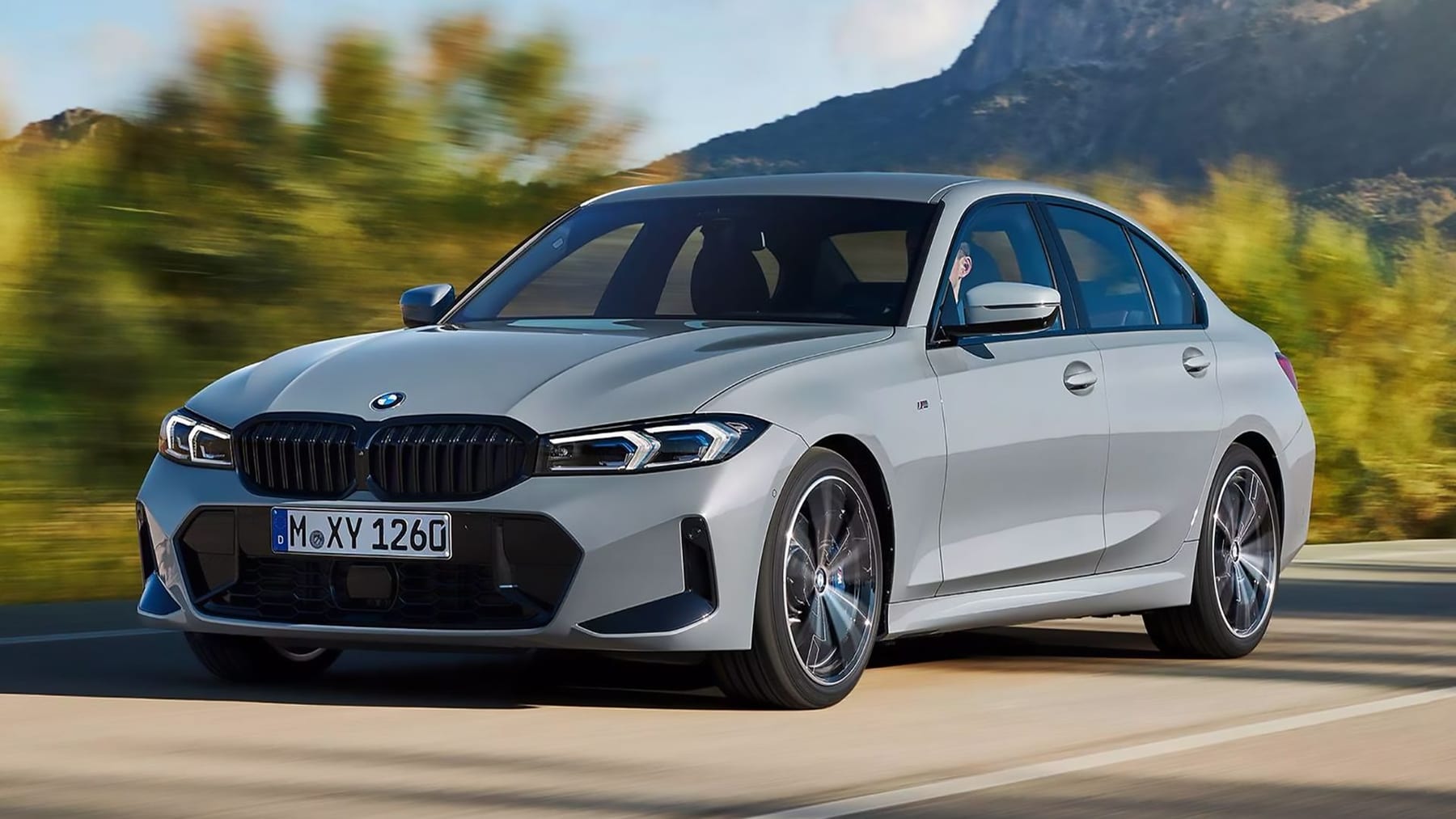
The volume story is still the 3 Series and the X3. The 3 Series starts near $46,000 with the 330i's turbocharged 2.0-liter four making roughly 255 horsepower; the M340i steps to a mild-hybrid turbocharged 3.0-liter inline-six near 386 horsepower. The X3 opens around $50,000 with a mild-hybrid four near 255 horsepower and tops out with the X3 M50's inline-six near 393 horsepower, past $65,000. These two carry the brand because they land in the price band where a premium badge is still a rational purchase rather than a discretionary one.
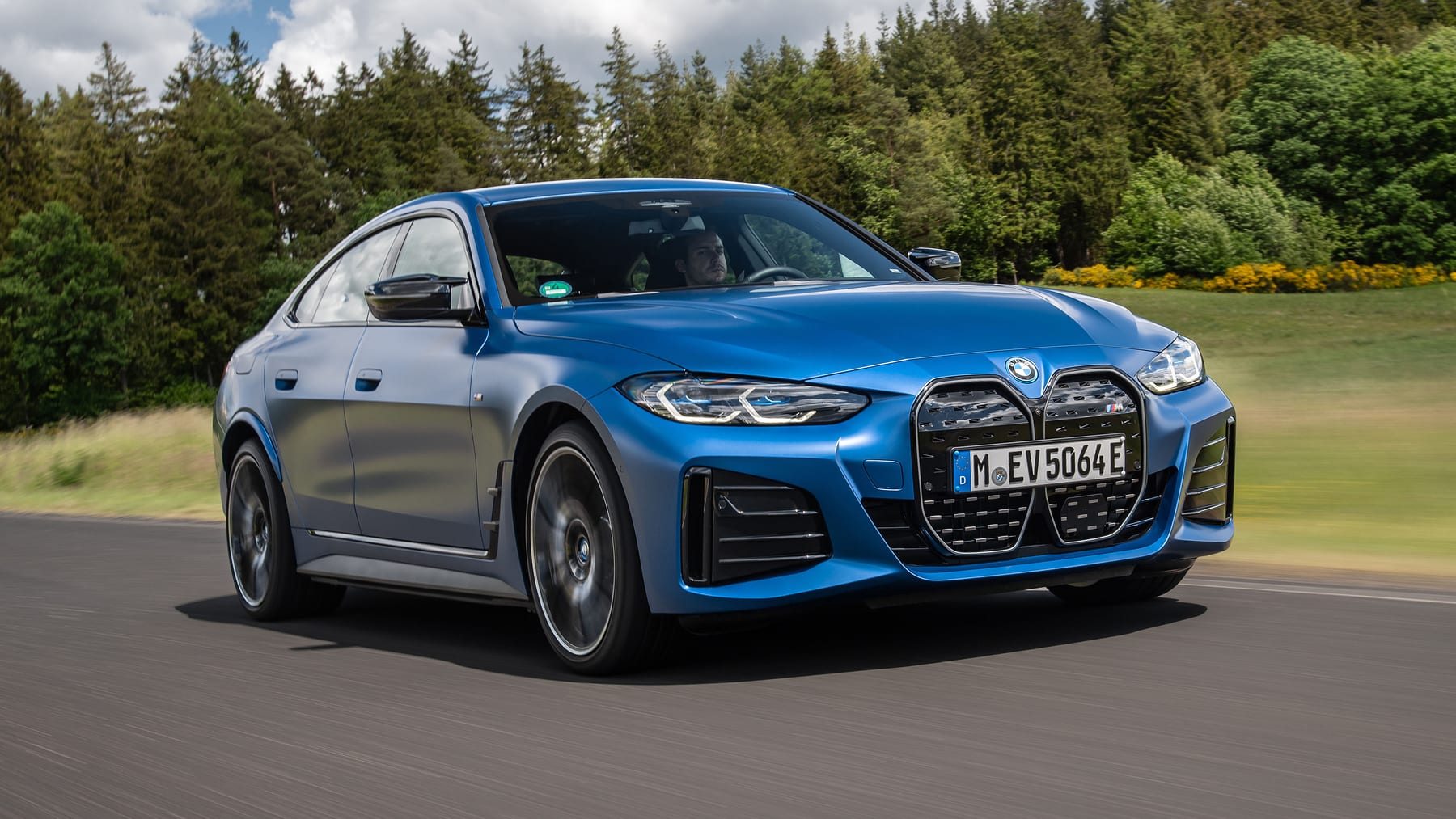
The electric side is where the lineup has changed most. The i4 eDrive40 delivers up to roughly 318 miles of EPA-estimated range from around $53,000, while the i4 M50 makes about 536 horsepower and runs to 60 mph in roughly 3.7 seconds. The i5 eDrive40 offers up to roughly 321 miles starting near $67,000, with the M60 at around 593 horsepower. The i7 xDrive60 posts roughly 318 miles from about $108,000, and the M70 makes roughly 650 horsepower. Note what those numbers say: BMW's EVs are not range champions in absolute terms. They are competitive-range cars that prioritize chassis feel, cabin quality, and packaging — which is a deliberate product decision, not a shortfall to be apologized for.
The adjacent point most buyers miss is that the model choice is downstream of a household logistics question. If you cannot charge at home or at work, the i-badged cars stop being convenient and start being a scheduling problem. That single fact reorders the entire ranking for a meaningful share of shoppers, and it is the reason the X5 xDrive50e plug-in hybrid — roughly 40 miles of electric range paired with a turbocharged six — is the quiet smart answer for people in transition. It covers the commute on electrons and the road trip on gasoline without asking the household to reorganize around a charging map.
The step-by-step process for narrowing to one model
Buying well here is a sequence, not a browse. Do it in this order and the field collapses fast.
Step one — fix the body style before anything else. Sedan, SUV, or roadster. This is the least reversible decision because it is tied to how the vehicle actually gets used: car seats, dog crates, ski gear, garage clearance, parking geometry. A 3 Series and an X3 are priced within a few thousand dollars of each other and share drivetrain philosophy, yet they are not substitutes. If you need a third row, the X7 at roughly $85,000 is the only real answer in the range, and the decision is over before it starts.
Step two — settle the powertrain question with a charging audit, not a preference. Walk to where the car will sleep. Is there a 240V outlet, or a straightforward path to one? Get a rough number from a licensed electrician on panel capacity and run length before falling in love with an i5. If home charging is realistic, the electric ladder is genuinely competitive. If it is not, buy the gas car and stop agonizing.
Step three — set the trim ceiling in dollars, not in trim names. The gap between an X3 30 and an X3 M50 is real money and real running cost: bigger wheels, shorter-lived tires, higher insurance. Decide the all-in ceiling, then see which trim fits under it with the options you actually want.
Step four — drive the two finalists back to back on the same road, same day. Not two dealerships on two weekends. Memory of ride quality is unreliable across a week. Bring the car seat. Bring the stroller. Load the trunk.
Step five — price the ownership tail, not the sticker. Maintenance schedules, tire sizes, brake wear on the performance trims, and insurance quotes pulled with your actual VIN-level trim. This is where the M-badged cars separate from the base cars in ways the monthly payment does not show.
Costs, timelines, and the ranges to budget against
Sticker price is the smallest interesting number. Here is the shape of the spend across the 2027 range, using the entry points as anchors.
Entry tier, roughly $42,000 to $56,000: the X1 xDrive28i near $42,000 with about 241 horsepower and standard all-wheel drive; the 3 Series near $46,000; the X1 M35i near 312 horsepower; the i4 eDrive40 near $53,000; the Z4 M40i near $54,000 with a turbocharged inline-six around 382 horsepower and an available six-speed manual. This is the band where BMW is competing directly against well-equipped mainstream vehicles, and where the badge premium is most visible on a spreadsheet.
Mid tier, roughly $50,000 to $70,000: the X3 from about $50,000, the X3 M50 past $65,000, the i5 eDrive40 near $67,000, the X5 xDrive40i near $67,000 with a mild-hybrid inline-six around 375 horsepower. This is the volume-profit heart of the range.
Upper tier, roughly $78,000 and up: the M3 Competition near $78,000 with a twin-turbocharged inline-six around 523 horsepower; the X7 xDrive40i near $85,000 climbing past $105,000 for the twin-turbo V8 M60i at roughly 523 horsepower; the i7 xDrive60 near $108,000.
Timelines. In-stock inventory is a same-week transaction. A factory order with specific options is a multi-month wait — European Delivery and unusual color-plus-interior combinations extend it further. If you want a manual Z4 with the Handschalter package, or a specific M3 configuration, assume a custom order and plan seasonally: do not order a convertible in March expecting summer delivery without confirming the build slot.
The running-cost delta nobody budgets for. Performance trims eat consumables. Wide low-profile summer tires on an M50 or M3 are a different purchase category from all-seasons on a 330i, and they wear faster because that is what makes them grip. Insurance on a 523-horsepower sedan is not a small step up from a 255-horsepower one. On the electric side, the calculus inverts: no oil changes, dramatically less brake wear thanks to regenerative braking, but a home charger install that can range from a simple circuit to a panel upgrade depending on the house.
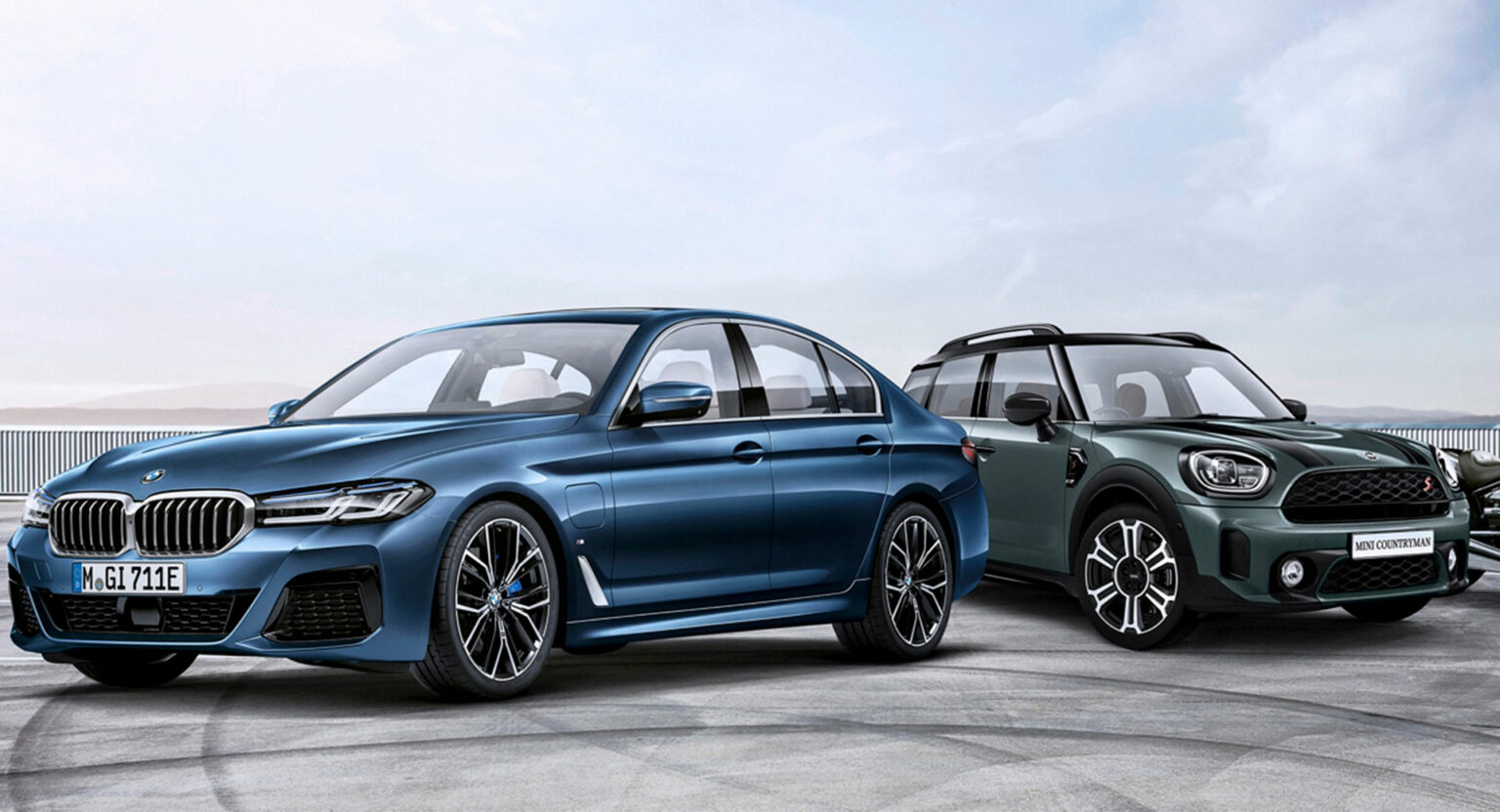
Resale and the used-market angle. This is where an adjacent lens is useful. Fleet and finance teams have modeled vehicle decisions for decades using total cost per mile rather than purchase price, and the same discipline applies to a household. A car that costs more upfront but holds value and consumes less in service can beat a cheaper one over five years. If you are buying through a business — and a genuine business-use vehicle is a legitimate expense against revenue with your accountant's sign-off — the depreciation curve matters more than the sticker, because it is the number that actually shows up on the books.
Where buyers get this wrong
Buying horsepower they will never use. The most common expensive mistake is stepping from a 330i to an M340i, or an X3 30 to an X3 M50, on a test drive high. The extra output is real and enjoyable. It is also delivered through firmer suspension, larger wheels, more road noise, and higher running costs — every day, including the 90 percent of days that are a commute. Drive the base car on a genuinely rough road before assuming the performance trim is the obvious upgrade.
Treating EV range like a fuel tank. A 318-mile rating is not 318 usable miles at 78 mph in February with the cabin heated. Cold weather and sustained highway speed both cut real-world range meaningfully. The correct question is not "how far does it go" but "what is my longest routine trip, and where does it charge." For most people that answer is comfortable. For a few it is disqualifying, and the disqualification only shows up after purchase.
Cross-shopping across ladders and stalling out. An i4 and an X3 are not competitors. They are different bodies with different powertrains at a coincidentally similar price. Shoppers who keep both on the list for months are not comparing — they are avoiding a decision. Kill one branch early.
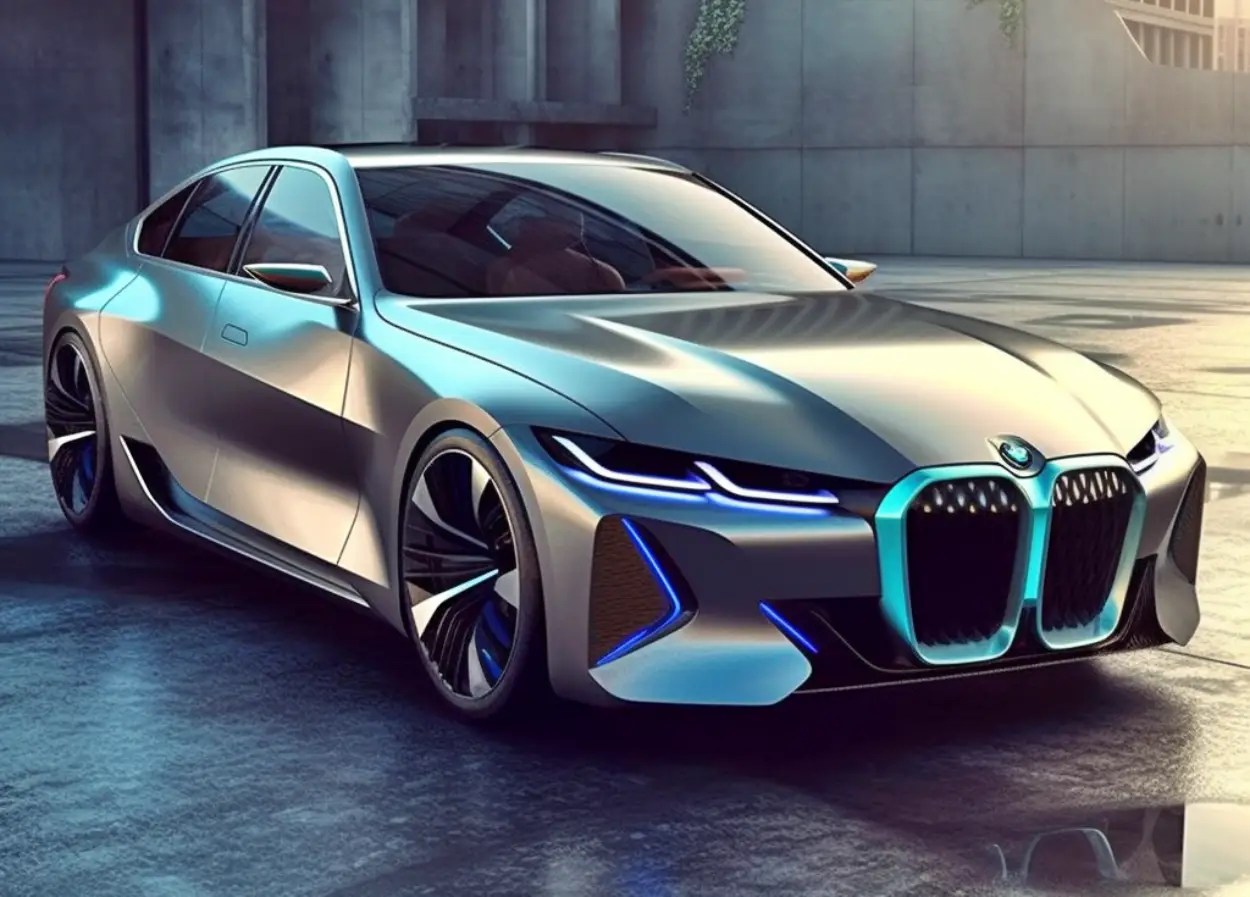
Ignoring the used and certified pre-owned option. A two- or three-year-old X3 or 5 Series with remaining factory warranty coverage is often the strongest value in the entire range, because the first owner absorbed the steepest part of the depreciation curve. The trade-off is that you inherit someone else's option choices and you may sacrifice the newest infotainment generation. For buyers who care about value more than being current, this is frequently the better play than any new trim.
Underestimating the tire and wheel spec. Large wheels with thin sidewalls look right and ride hard. They are also more vulnerable to pothole damage, and replacement is expensive. On the same model, the wheel choice can change the character of the car more than the trim badge does.
Skipping the insurance quote until after the deposit. Get real quotes on the specific trims you are considering before signing anything. The spread between a base and an M-badged version of the same nameplate surprises people every year.
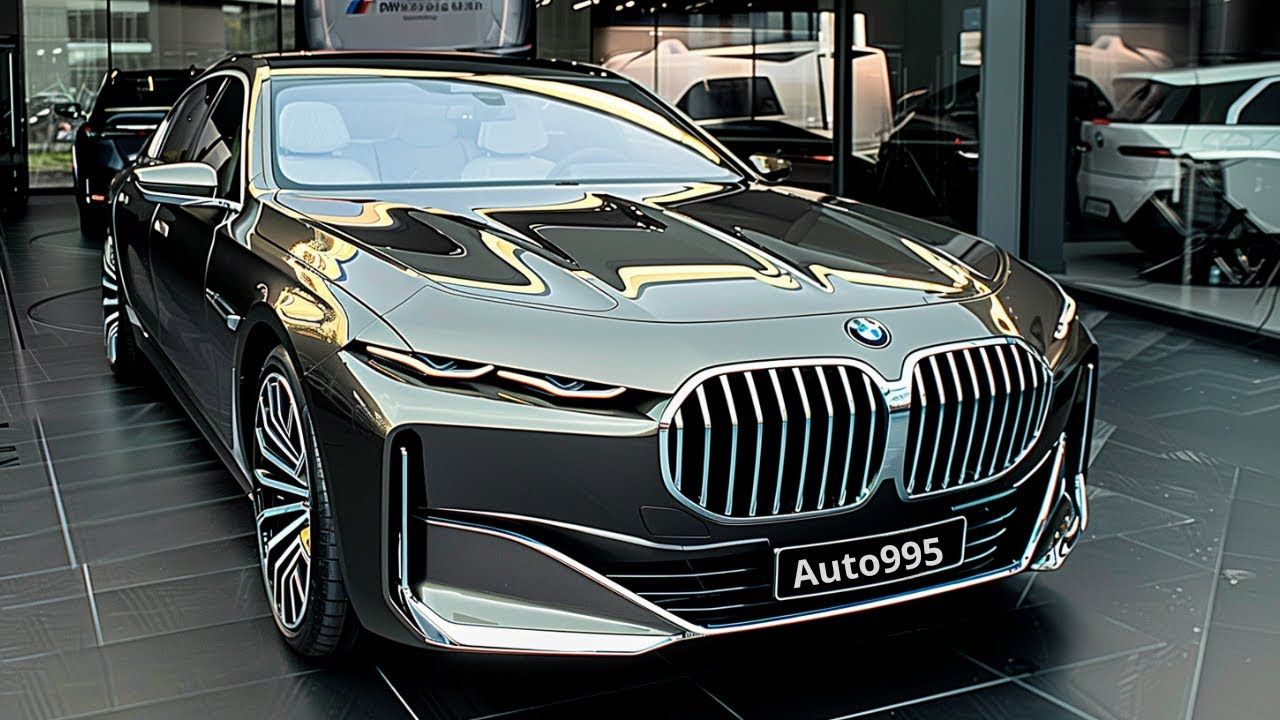
Assuming a plug-in hybrid works without a plug. An X5 xDrive50e driven exclusively on gasoline is a heavier, more complex X5 that never delivers its advantage. It is an excellent vehicle for a household that charges nightly and a mediocre value proposition for one that does not.
Decision framework: matching the model to the actual use case
Here is the framework compressed to its decision points, so you can run it in one sitting.
If you want one car that does everything well — the 3 Series. It is the benchmark for a reason: precise steering, a ride that stays composed without punishing you, a cabin that holds up, and genuine efficiency from the four-cylinder. Nothing else in the range is more complete for a single-vehicle household.
If you want the badge and the build quality at the lowest entry point — the X1. Roomy for its footprint, standard all-wheel drive, quick enough in base form, and the interior quality genuinely does not feel like an entry model.
If you need family space — X3 for most, X5 when you want air suspension, towing capability, and the plug-in hybrid option, X7 when the third row is non-negotiable. The step from X3 to X5 is about capability and refinement; the step from X5 to X7 is about seats.
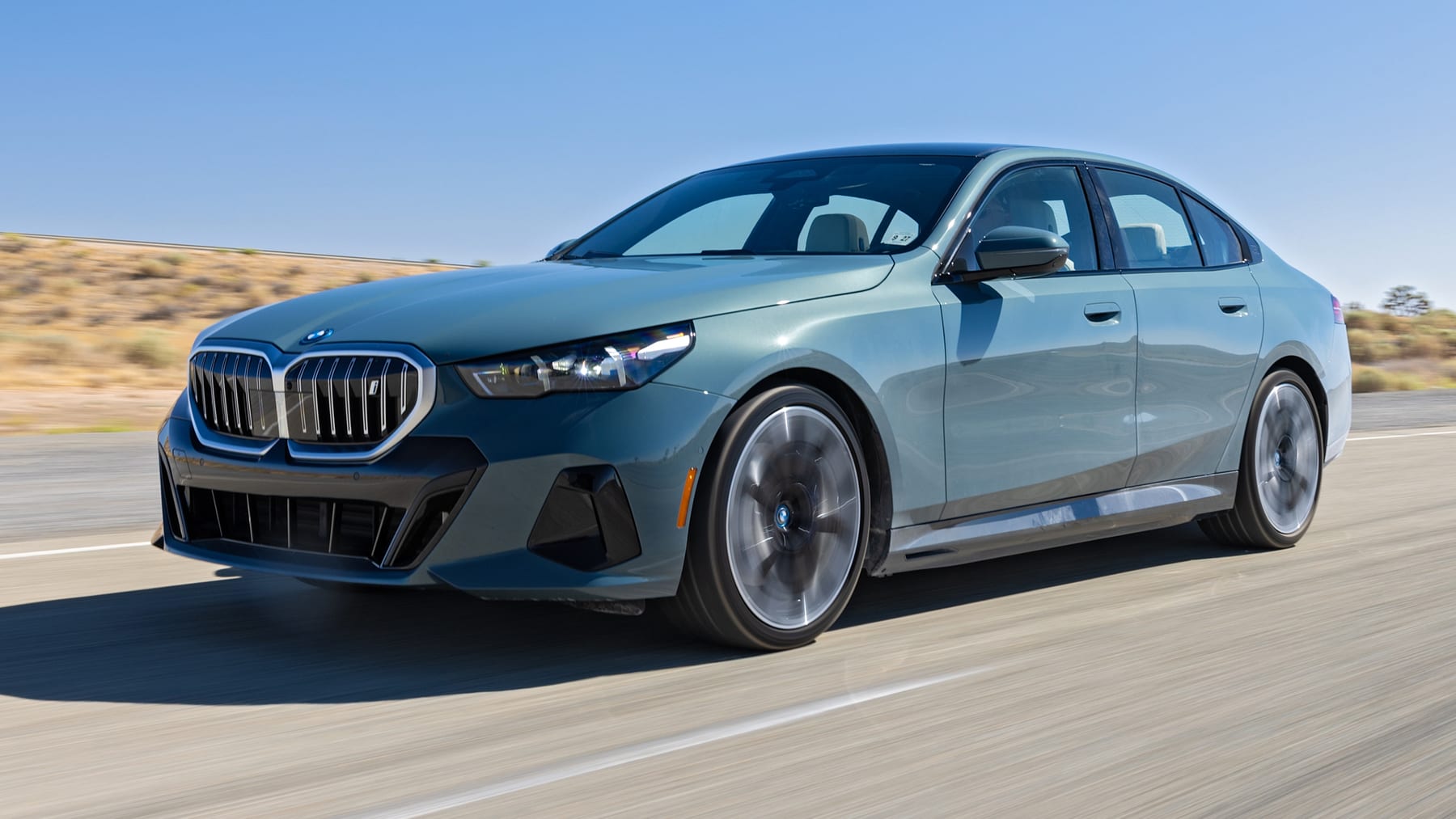
If you are going electric — i4 for a sport-sedan feel with hatchback cargo flexibility, i5 for executive-sedan comfort with real performance available in M60 form, i7 when the rear seat matters more than the driver's seat and a 31-inch rear theater screen sounds like the point rather than an indulgence.
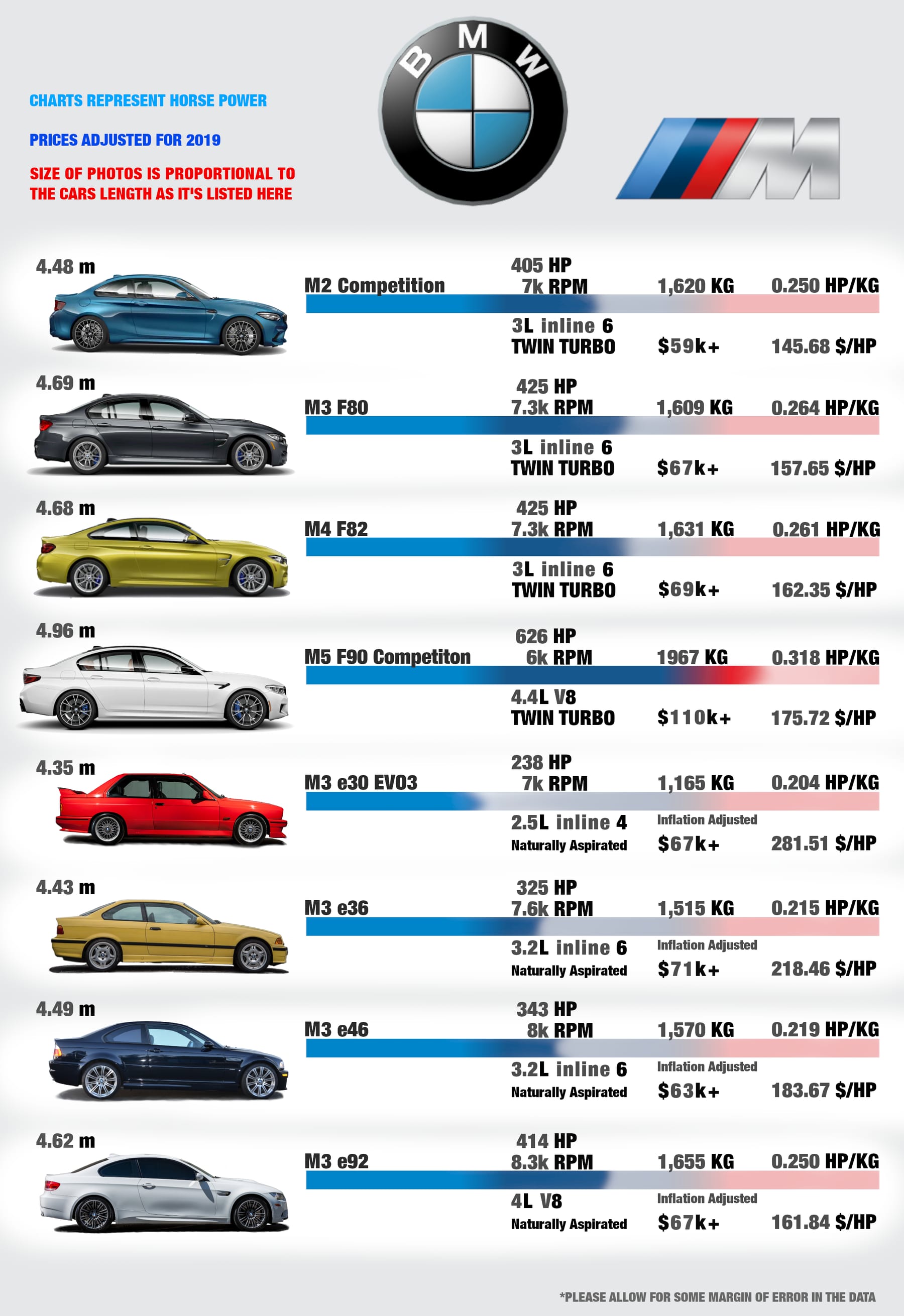
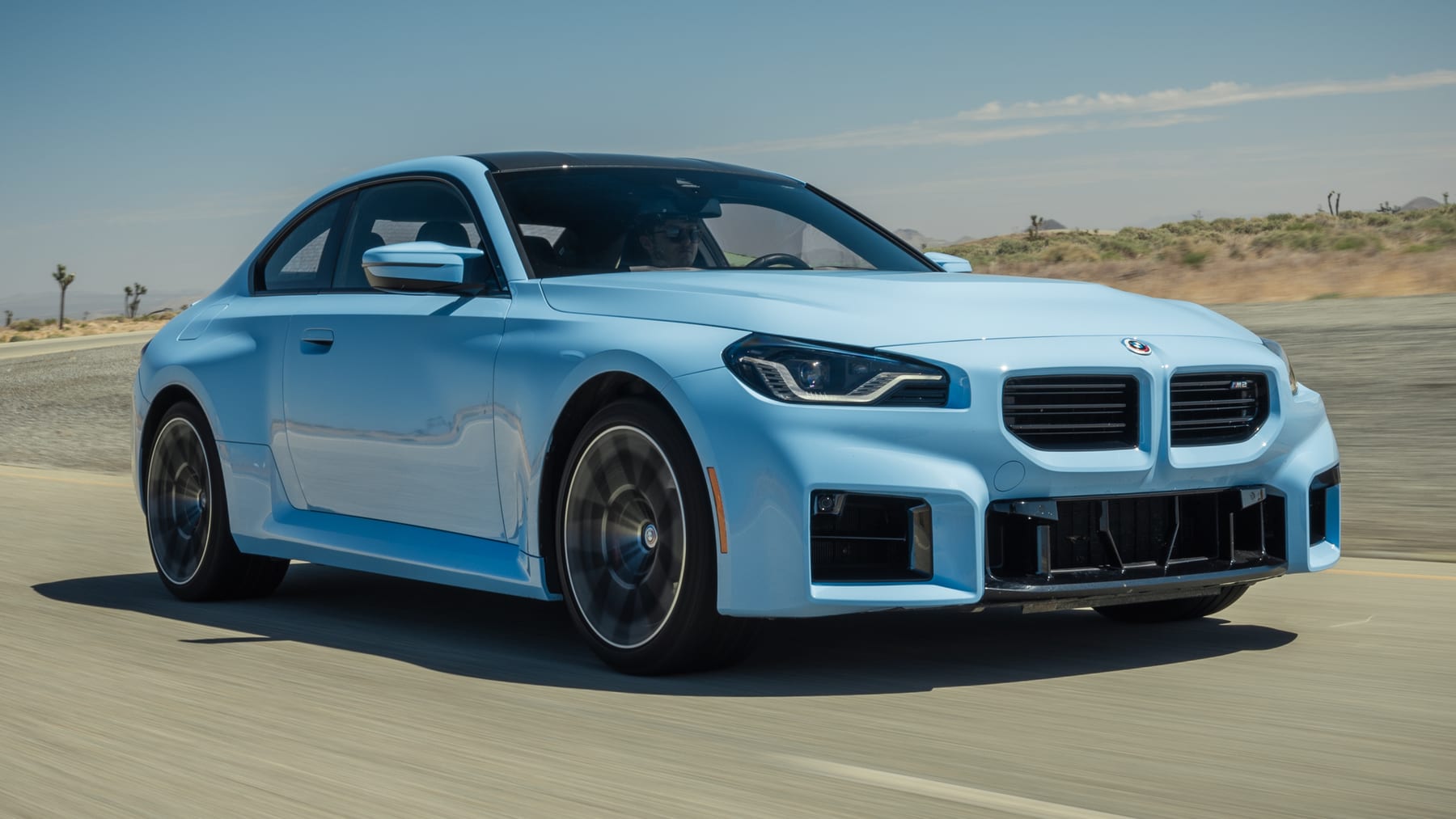
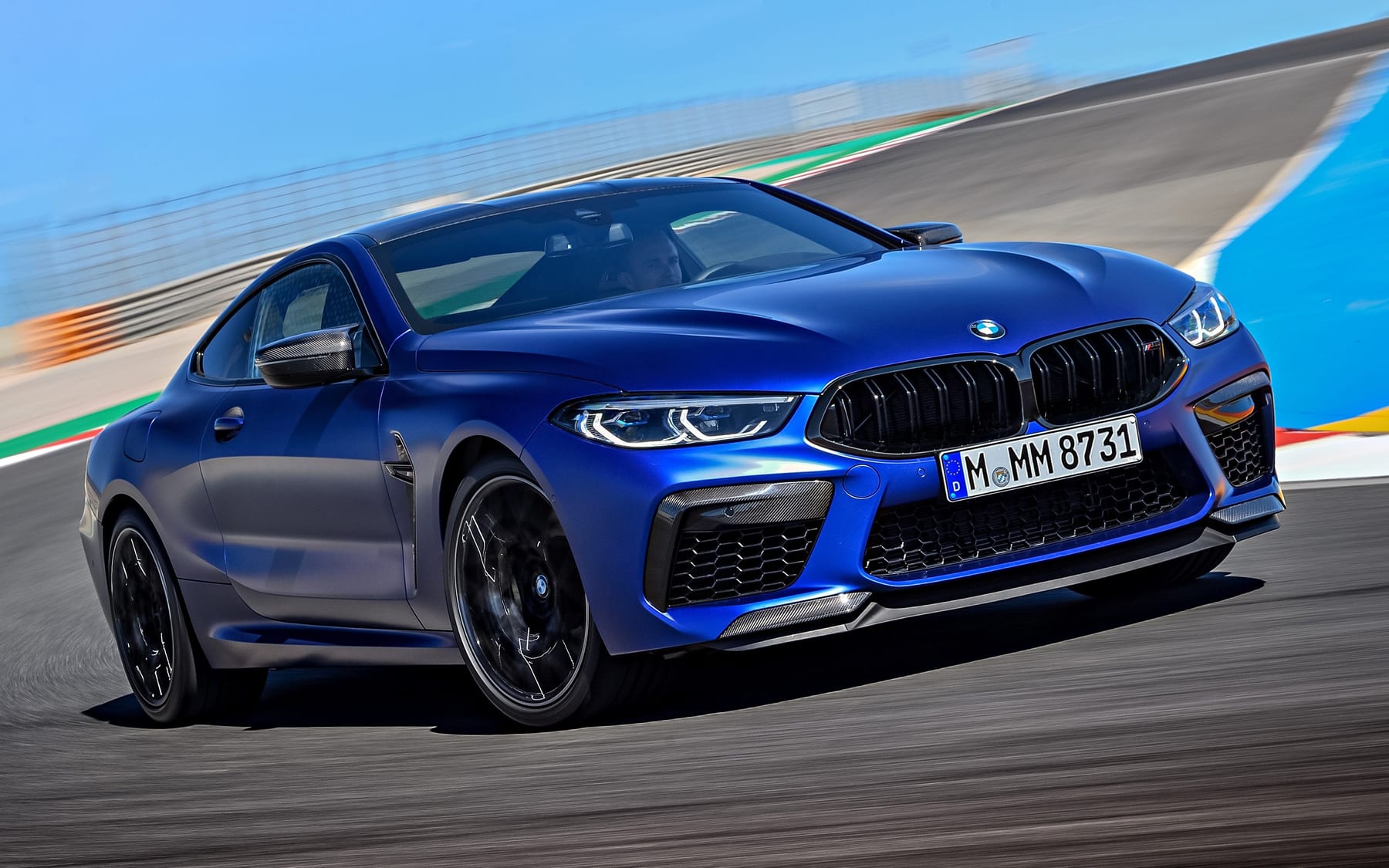
If performance is the priority — M3 Competition. It commutes on Monday and laps a circuit on Saturday, with xDrive making the power usable year-round and a six-speed manual still available on the rear-drive car, which in 2027 is genuinely rare. The Touring wagon variant adds practicality without giving up pace.
If you want open-top driving — Z4 M40i, one of the last roadsters offering a powerful straight-six with a true manual. It is more grand tourer than track weapon, which suits the buyers who actually want it.
How this ranking shifts if you are buying for a business or a small fleet
The consumer framing above optimizes for enjoyment per dollar. Buying two or more vehicles for a company changes the weights entirely, and it is worth understanding even as an individual because it exposes which of these models are genuinely well-engineered versus merely well-marketed.
Fleet logic prioritizes predictability. Service intervals, parts availability, and downtime cost more than a tenth of a second to 60 mph. That pushes the choice toward the high-volume nameplates — 3 Series, X1, X3 — because parts move fast and every dealer technician has seen a hundred of them. The M-badged and low-volume trims invert this: specialized parts, longer waits, higher labor.
Charging infrastructure becomes a capital project rather than a household errand. If a company installs chargers at its facility, the i4 and i5 become dramatically more attractive because the per-mile energy cost is predictable and low, and predictable operating cost is worth more to a business than peak performance. If there is no site charging, the electric ladder is a non-starter regardless of how good the cars are.
The resale question also inverts. An individual keeps a car for feel; a business disposes of it on a schedule. That makes the depreciation curve a primary input, and it favors the well-known nameplates with deep used-market demand over unusual configurations. A beige-interior X3 sells quickly. A rare-spec M car in an unusual color takes months and a discount.
There is a broader lesson here that applies to any considered purchase. When the decision is emotional, people optimize for the peak experience — the best drive, the fastest lap, the most impressive spec sheet. When the decision is financial, people optimize for the median experience across years of ownership. Both are legitimate. The mistake is running one framework while telling yourself you are running the other, then feeling ambushed by the tire bill in year three.
Related questions
Which BMW holds its value best?
High-volume nameplates with broad used demand — 3 Series, X3, X5 — generally have the deepest resale market simply because more buyers are shopping for them. Unusual colors, niche configurations, and very high trims narrow the buyer pool and typically take longer to sell.
Is a used BMW a better buy than a new one?
Often, yes. A two- to three-year-old example with remaining factory warranty coverage skips the steepest depreciation. The trade-offs are inheriting someone else's options, an older infotainment generation, and a shorter remaining warranty window.
Are BMW EVs cheaper to run than the gas models?
Generally yes on routine service — no oil changes, and regenerative braking dramatically extends brake life. The offsets are a home charger installation and tire wear from the extra weight. Home charging is where the savings actually come from.
Should I get all-wheel drive?
If you see real winter, xDrive plus proper winter tires is a meaningful safety and confidence upgrade. In mild climates, rear-wheel drive is lighter, marginally more efficient, and preferred by drivers who care about steering feel.
What is the difference between M Sport and a real M car?
M Sport is an appearance and suspension package on a standard model. A true M car — M3, X5 M — has a different engine, chassis, brakes, and cooling. The badges look similar; the engineering underneath is not.
FAQ
Is the 3 Series still the best all-around BMW in 2027?
Yes, for a single-vehicle household it remains the most complete package. Starting near $46,000, the 330i's roughly 255-horsepower turbocharged four balances efficiency with genuine engagement, while the M340i's mild-hybrid inline-six near 386 horsepower delivers near-M pace with daily comfort intact.
What is the most affordable way into a BMW SUV?
The X1 xDrive28i, starting near $42,000 with about 241 horsepower and standard all-wheel drive. It is roomy for its footprint, efficient, and the cabin materials do not telegraph the entry-level price. The M35i at roughly 312 horsepower adds real pace for buyers who want it.
Which BMW EV has the best range?
Among the current i-badged cars, the i5 eDrive40 leads at up to roughly 321 miles EPA-estimated, with the i4 eDrive40 and i7 xDrive60 both near 318 miles. All three are competitive rather than class-leading; BMW prioritized chassis feel and cabin quality over maximum range.
Is the i7 worth six figures?
Only if the rear seat is the point. Starting near $108,000, the xDrive60 delivers roughly 318 miles of range with an available 31-inch rear theater screen, reclining rear seats, and near-silent operation. As a driver's car it is excellent; as a chauffeured car it is exceptional.
Can I still get a manual transmission BMW in 2027?
Yes, in two places: the rear-drive M3, and the Z4 M40i with the Handschalter package. Both pair a six-speed manual with a turbocharged inline-six. These are increasingly rare configurations, so plan on a factory order rather than finding one in stock.
Does the X5 plug-in hybrid make financial sense?
It does if you charge nightly. The xDrive50e's roughly 40 miles of electric range covers most daily driving on electricity while the turbocharged six handles road trips. Without home charging, you are carrying the weight and complexity of a hybrid system that never delivers its advantage.
Sources
- https://www.bmwusa.com/
- https://www.caranddriver.com/bmw
- https://www.motortrend.com/cars/bmw/
- https://www.edmunds.com/bmw/
- https://www.kbb.com/bmw/
- https://www.fueleconomy.gov/
- https://www.iihs.org/ratings
- https://www.nhtsa.gov/ratings
Related on PULSE
- [Best BMW X6 Model Years (Ranked)](/knowledge/ca0638)
- [Best BMW Z4 Model Years (Ranked)](/knowledge/ca0637)
- [Best BMW 7 Series Model Years (Ranked)](/knowledge/ca0636)
- [Best BMW i4 Model Years (Ranked)](/knowledge/ca0635)
- [Best BMW 4 Series Model Years (Ranked)](/knowledge/ca0634)
- [Best BMW X7 Model Years (Ranked)](/knowledge/ca0633)
This page will be disappearing soon. Save it to your device for $1 — or read it free while it is here.
@Kory-White- · if Venmo asks, the last 4 of my number are 2012
 pulse-carsTop 10 Luxury Sedans in 2027
 pulse-carsTop 10 Supercars 2027 — Best Overall + Best Value
 pulse-carsTop 10 Sports Sedans 2027 — Best Overall + Best Value
 pulse-carsBest Used Wagons Under $40,000 in 2027 (Ranked)
 pulse-carsTop 10 Electric Sedans 2024 — Best Overall + Best Value
 pulse-carsBest Audi A3 Model Years (Ranked) in 2027
 pulse-carsTop 10 Hybrid Minivans in 2027
 pulse-carsBest Ford Falcon Model Years (Ranked) in 2027
 pulse-carsBest Kia Optima and K5 Model Years (Ranked) in 2027
 pulse-carsTop 10 SUVs 2000 — Best Overall + Best Value