

Best Dodge Charger Model Years (Ranked) in 2027

The Dodge Charger has been a prominent four‑door muscle car since the LX platform revived the nameplate in 2006. Across more than a decade of V6, HEMI V8, supercharged Hellcat, and limited‑run special editions, certain model years stand out for reliability, value, and performance. This ranking focuses on the modern Charger era from 2006 through 2024, considering documented engine outputs, typical used‑market pricing, and known trouble spots that separate a solid purchase from a potential headache. Whether you seek an economical daily driver or a high‑performance Scat Pack, the model year you choose will shape your ownership experience.
The best overall Dodge Charger model year is the 2021 Charger – it offers the refined 8‑speed automatic, mature engine choices (including the 3.6 L Pentastar V6 and the 6.4 L 392 HEMI), the updated 8.4‑inch Uconnect 4C system, and the widebody option, all without any widely reported reliability concerns. For best value, the 2019 Charger R/T provides a 370‑hp 5.7 L HEMI V8, refreshed styling, and modern infotainment at a lower used‑market price per horsepower than most V8 Chargers. Early‑year models such as 2011‑2012 tend to have more documented electrical issues, while the 2015 refresh marks the oldest year that still feels contemporary behind the wheel.
*Note: Prices and availability vary by region, condition, and mileage; figures below are illustrative of typical market trends.*
How We Ranked
- Reliability – We consulted owner‑report databases (e.g., NHTSA complaints, major automotive forums) and looked for recurring mechanical or electrical issues.
- Value – We compared average used‑car listings to the power output of each trim, focusing on cost per horsepower and overall equipment levels.
- Performance – Engine output, acceleration figures, and handling characteristics (including widebody versus standard chassis) were weighed.
- Technology – The presence of the latest Uconnect infotainment, driver‑assist features, and transmission updates was considered.
- Collectibility – Limited‑run special editions and final‑year models were given a modest premium for future collector interest.

1. 2021 Charger 🏆 BEST OVERALL

The 2021 Charger sits at the sweet spot of the LD generation. By this year the 8‑speed ZF‑sourced TorqueFlite automatic had matured, the 8.4‑inch Uconnect 4C infotainment system included Apple CarPlay and Android Auto as standard, and the widebody package (with wider fenders and larger wheels) was available across the Scat Pack and Hellcat lines. Engine options range from the 292‑hp 3.6 L Pentastar V6 to the 485‑hp 6.4 L 392 HEMI in the Scat Pack and the 717‑hp supercharged 6.2 L in the Hellcat. Used Scat Pack widebody examples typically list in the high‑$30 k range, offering a strong value for a sub‑4‑second sedan. The model is generally regarded as free of the early‑generation electrical quirks that affected prior years.

2. 2023 Charger

The 2023 Charger represents the final gasoline‑powered iteration before Dodge’s announced shift toward an electric model. It introduced limited‑run King Daytona and Swinger special editions that are beginning to attract collector interest. The 797‑hp Hellcat Redeye widebody topped the lineup, while the SXT and GT trims retained the reliable Pentastar V6 paired with optional all‑wheel drive. MSRP for the base SXT started near $33 k, with the Redeye exceeding $80 k. As the last non‑electric model year, it offers a blend of modern technology and a potential future‑collector status.
3. 2019 Charger R/T 💎 BEST VALUE

The 2019 Charger received a front‑fascia refresh, updated Performance Pages telemetry, and a standard 7‑inch (optional 8.4‑inch) Uconnect system. The R/T trim’s 370‑hp 5.7 L HEMI V8 delivers classic muscle character at a relatively modest price point, typically found in the low‑to‑mid $20 k range for clean examples. This model avoids the early‑LD electrical bugs and benefits from a well‑understood engine platform, making it a strong value proposition for buyers seeking V8 performance without the premium of Scat Pack or Hellcat variants.

4. 2020 Charger

The 2020 Charger introduced the Scat Pack Widebody and Hellcat Widebody to the mainstream lineup, along with the Daytona 50th Anniversary editions. The 707‑hp 6.2 L supercharged HEMI Hellcat became available with the wider track, improving grip and lap times. Build quality and infotainment are comparable to the 2021 model, though some early widebody examples reported inner‑edge tire wear that can be inspected and corrected during a pre‑purchase evaluation. Used Scat Pack widebodies generally list in the mid‑$30 k range.
5. 2022 Charger

Mechanically, the 2022 Charger mirrors the 2021 and 2023 models, offering the full range from the 3.6 L V6 to the 807‑hp Hellcat Redeye. The same Uconnect 4C system and proven 8‑speed automatic are retained. Used R/T or Scat Pack examples typically appear in the mid‑$30 k to low‑$40 k bracket. It ranks slightly below 2021 and 2023 mainly because it lacks the distinctive special editions that give those years a collector edge.

6. 2024 Charger (final gas year)

The 2024 model year marks the final gasoline‑powered Charger before Dodge transitions to an electric platform. It was offered with Last Call special editions, including a high‑output 1,025‑hp SRT Demon 170 halo model. Standard 2024 Chargers are essentially carry‑overs from 2023 with farewell badging and a commemorative under‑hood plaque. Early listings show SXT models starting near $34 k, with performance variants priced significantly higher. Collectors are beginning to show interest in these final‑run gasoline examples.
7. 2015 Charger

The 2015 Charger introduced the most substantial mid‑cycle redesign of the LD generation: refreshed exterior styling, the 8‑speed automatic across all trims, the debut of the 707‑hp Hellcat, and the modern Uconnect 8.4 infotainment system. It remains the oldest year that feels contemporary inside. Both the 5.7 L R/T and 6.4 L Scat Pack are available and perform well. Used R/T examples often list in the low‑to‑mid $20 k range, though higher mileage and older electronics can affect desirability.

8. 2016 Charger

The 2016 Charger is largely a continuation of the 2015 redesign with minor trim updates. The 485‑hp 6.4 L Scat Pack remains a strong enthusiast choice, while the 292‑hp Pentastar V6 offers respectable fuel economy (around 30 mpg highway). Reliability remains solid past 100 k miles when maintenance is kept current. Used pricing typically falls in the low‑to‑mid $20 k range.
9. 2006 Charger (LX debut)

The 2006 Charger revived the nameplate on the Mercedes‑derived LX platform shared with the Chrysler 300. It introduced the 5.7 L HEMI V8 (340 hp) in the R/T trim and the 6.1 L SRT8 (425 hp). While the 5‑speed automatic feels dated compared to later 8‑speed units and interior plastics have aged, the HEMI engine is known for durability. Clean R/T examples can be found at relatively low price points, making it an entry point for budget‑conscious buyers.
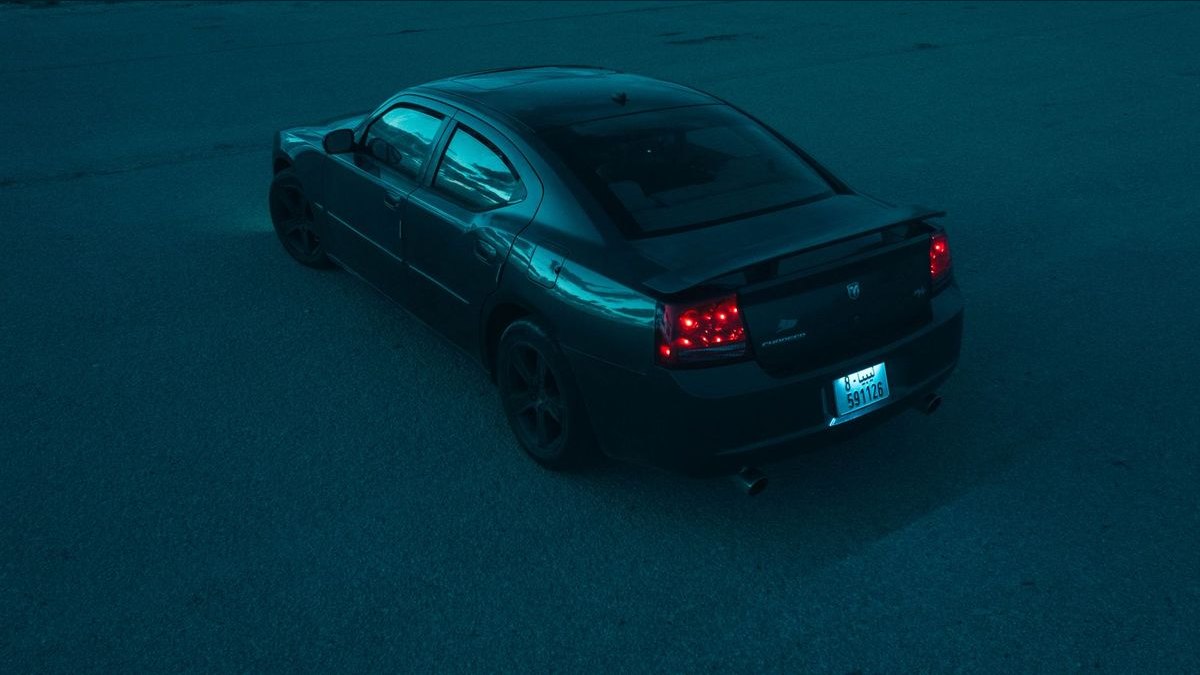
10. 2011 Charger (avoid the early bugs)

The 2011 Charger launched the second‑generation LD design with the new 3.6 L Pentastar V6 (292 hp) and an updated 5.7 L HEMI. Early‑year models (2011‑2012) recorded a higher incidence of TIPM (Totally Integrated Power Module) electrical faults, alternator issues, and Uconnect glitches. While purchase prices are low, prospective owners should verify a thorough service history and be prepared for potential electrical repairs. Later model years (2015 onward) generally exhibit fewer of these issues.
How to Choose
- Identify your primary use case – The 3.6 L Pentastar V6 excels as a daily driver with good fuel economy, while the 5.7 L HEMI R/T offers a balance of value and classic muscle feel. The 6.4 L 392 Scat Pack delivers stronger performance, and the supercharged Hellcat variants provide extreme power at a premium cost.
- Confirm transmission – An 8‑speed automatic (standard on 2012‑2024 models) is preferable for smoother shifts and better fuel efficiency compared with the earlier 5‑speed units.
- Check for known issues – Avoid early‑year models with documented electrical problems unless you have a complete service record.
- Consider future collectibility – Final‑year gasoline models (2023‑2024) and limited special editions may appreciate modestly over time.
- Budget for ownership – Factor in typical maintenance, insurance, and fuel costs associated with larger V8 or supercharged engines.
FAQ
What is the most reliable Dodge Charger model year? The 2021 Charger is widely regarded as the most reliable recent model, benefiting from a mature 8‑speed transmission, refined engine options, and the latest Uconnect system without any major, recurring defects reported in owner forums.
Which Charger model year offers the best horsepower‑per‑dollar value? The 2019 Charger R/T provides a strong balance of power (370 hp) and relatively low used‑car pricing, resulting in one of the lowest cost‑per‑horsepower figures among V8 Chargers.
Should I avoid any specific Charger model years? Early‑generation models from 2011‑2012 are known for electrical gremlins (TIPM and Uconnect issues). If you prefer to stay clear of these, target 2015 or newer model years.
What is the best Charger for daily driving? A 2021 Charger equipped with the 3.6 L V6 offers a comfortable ride, modern infotainment, and good fuel economy, making it an excellent everyday car. The 2019 R/T is also a solid, more affordable option if you desire V8 character.
How long can a Dodge Charger typically last? With regular maintenance, Chargers often exceed 150,000 mi, and many owners report 200,000 mi or more. The Pentastar V6 and 5.7 L HEMI are known for durability; supercharged Hellcat engines may require more attentive care.
Are newer Charger model years worth the higher price? Later models (2021‑2023) provide the most up‑to‑date technology, refined drivetrains, and fewer known issues, but they command a premium. For budget‑focused buyers, a well‑maintained 2019 or 2020 model can deliver comparable features at a lower cost.
Bottom Line
The modern Dodge Charger remains a compelling value in the used‑car market, but the specific model year dramatically influences reliability, technology, and overall ownership cost. The 2021 Charger stands out as the all‑around best choice—balanced performance, refined equipment, and solid reliability. The 2019 R/T shines as the value champion for V8 enthusiasts. Final‑year gasoline models (2023‑2024) offer a potential collector’s edge, while early‑year models (2011‑2012) should be approached with caution due to documented electrical concerns. Selecting a model that aligns with your driving needs and budget will ensure a rewarding ownership experience.
Related on PULSE
- [Best Dodge Charger Model Years (Ranked)](/knowledge/ca0513)
- [Best Dodge Nitro Model Years (Ranked)](/knowledge/ca0716)
- [Best Dodge Neon Model Years (Ranked)](/knowledge/ca0715)
- [Best Dodge Magnum Model Years (Ranked)](/knowledge/ca0714)
- [Best Dodge Avenger Model Years (Ranked)](/knowledge/ca0717)
- [Best Dodge Caliber Model Years (Ranked)](/knowledge/ca0713)
Sources
- Dodge Charger (LD) — Wikipedia: https://en.wikipedia.org/wiki/Dodge_Charger_(LD)
- Dodge Charger (LX) — Wikipedia: https://en.wikipedia.org/wiki/Dodge_Charger_(LX)
- Edmunds Dodge Charger Review & Specs: https://www.edmunds.com/dodge/charger/
- Car and Driver Dodge Charger: https://www.caranddriver.com/dodge/charger
- Kelley Blue Book Dodge Charger Values: https://www.kbb.com/dodge/charger/
- NHTSA Recalls & Complaints – Dodge Charger: https://www.nhtsa.gov/recalls
- MotorTrend Dodge Charger: https://www.motortrend.com/cars/dodge/charger/
 pulse-aquariumsTop 10 Aquarium Filters 2027
 pulse-aquariumsTop 10 Canister Filters 2027
 pulse-reviewsTop 10 Cabin Cruiser Boats 2027
 aqTop 10 Hang-On-Back Aquarium Filters 2027
 pulse-skillsSkill Drill: Upselling and Cross-Selling for Telecom
 pulse-skillsSkill Drill: Objection Handling for SaaS Sales
 pulse-skillsSkill Drill: Discovery Questions for Medical Device Sales
 pulse-skillsSkill Drill: Creating Urgency for SaaS Sales
 pulse-skillsSkill Drill: Relationship Selling for Furniture Manufacturing
 pulse-skillsSkill Drill: Active Listening for Healthcare Sales