
Best Off-Road SUVs Under $50,000 in 2027
 Curated byKory White · Fractional CRO · Maryland
 PULSEKNOWLEDGE LIBRARY
Under $50,000 in 2027, the Ford Bronco Badlands (about $48,000) is the most complete off-road SUV, pairing front and rear locking differentials with a disconnecting sway bar. The Jeep Wrangler Willys (about $39,000) is the value pick, and the Toyota 4Runner TRD Off-Road (about $46,000) wins on long-haul reliability.
The contenders that actually clear the bar
Strip away the appearance packages and the field of genuinely trail-ready SUVs under fifty grand narrows fast. What separates a real off-roader from a lifted-looking crossover is a short list of hardware: a locking differential (ideally two), low-range gearing, factory skid plates, all-terrain or mud-terrain tires on a wheel with enough sidewall to air down, and approach and departure angles that let the bumpers survive a ledge. Everything else — the graphics, the tow hooks painted a contrasting color, the "trail" badge — is marketing.
The Ford Bronco Badlands is the deepest hardware bundle at this price. Front and rear electronic lockers are rare below $50,000; almost nothing else in the segment offers a front locker without stepping into a higher trim that blows the budget. Add the disconnecting front sway bar, seven drive modes including Rock Crawl and Mud/Ruts, 33-inch tires, and a 2.7-liter twin-turbo V6 making roughly 335 horsepower, and you have a vehicle that clears obstacles most rivals have to detour around. Because Ford went with independent front suspension rather than a solid front axle, the Badlands also behaves noticeably better on pavement than the Jeep it competes with — less wander, less head-toss over expansion joints.
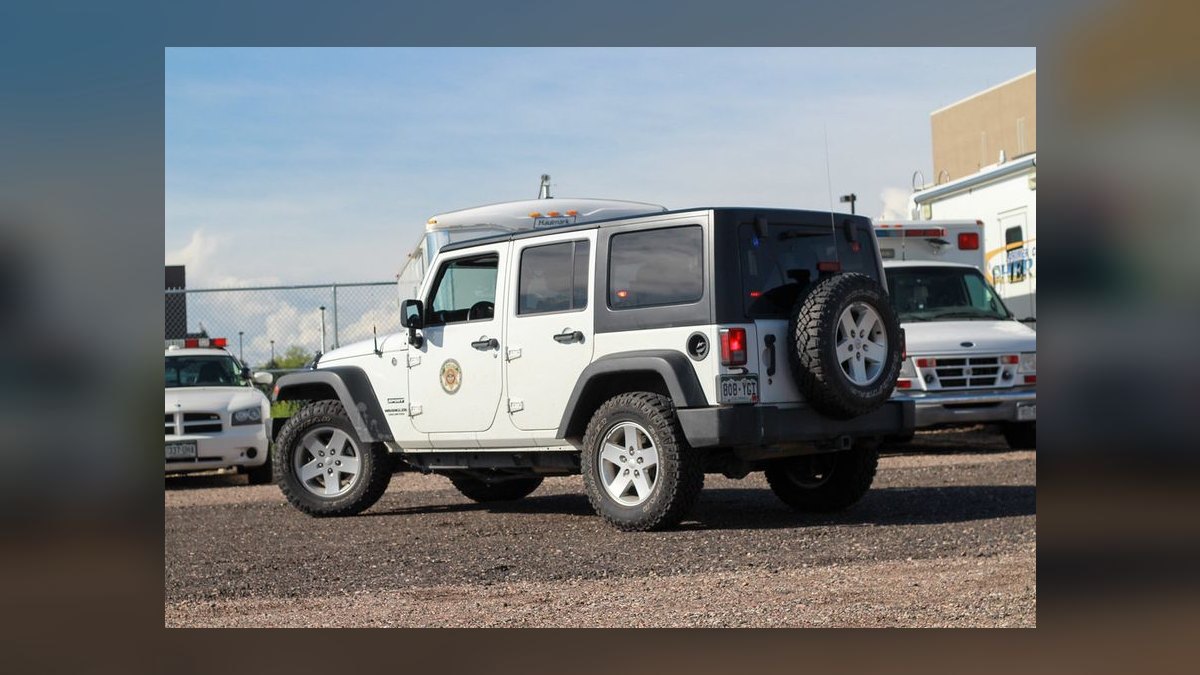
The Jeep Wrangler Willys attacks from the opposite direction: fewer features, lower price. Around $39,000 buys a rear limited-slip differential, off-road tires, rock rails, solid axles front and rear, and the removable doors and roof that define the nameplate. It does not have twin lockers. It does not need them for eighty percent of what most owners actually drive. The short two-door wheelbase makes it more nimble in tight technical terrain than anything longer, and the money you save covers a locker install later if you outgrow it.
The Wrangler Rubicon at roughly $49,000 (two-door) is the extreme end of the budget. Tru-Lok lockers front and rear, an electronic sway-bar disconnect, a 4:1 low-range transfer case, Dana 44 axles, and 33-inch mud tires make it the rock-crawling benchmark of the segment. The cost is on-road behavior — more wind noise, a busier ride, worse fuel economy than anything else here.
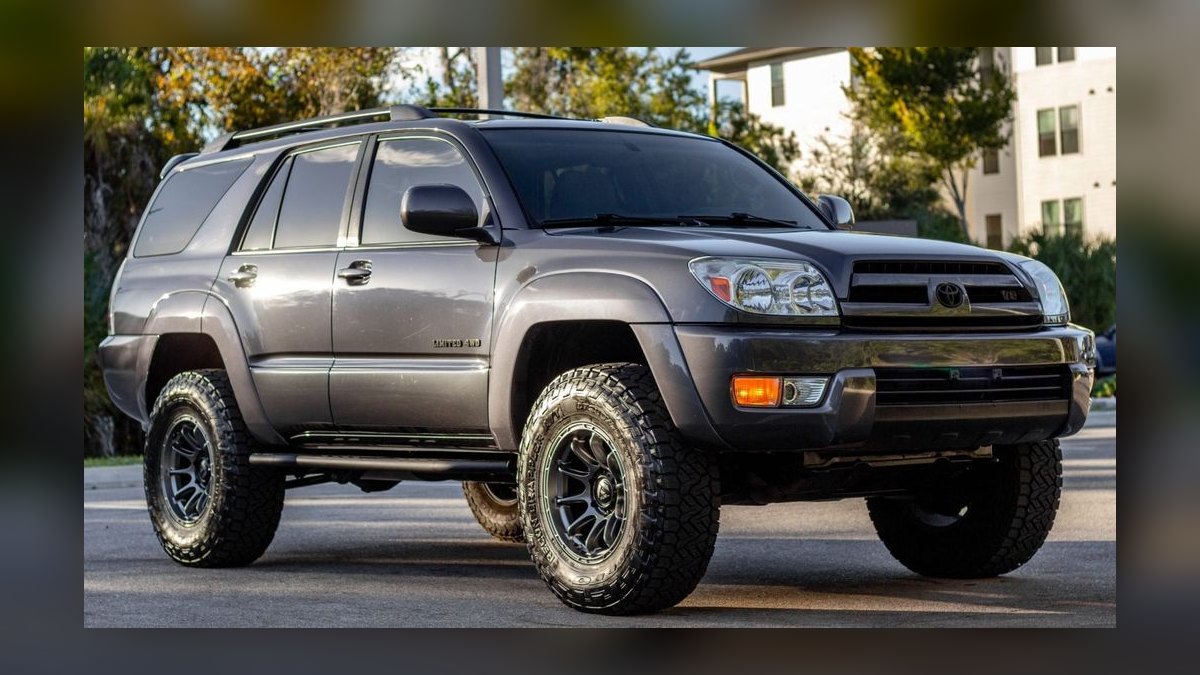
The Toyota 4Runner TRD Off-Road near $46,000 trades peak capability for durability. A rear locker, crawl control, and multi-terrain select cover most trails; the turbocharged powertrain in the redesigned truck improves both low-end torque and efficiency over the old naturally aspirated V6. Its case is long-term: body-on-frame construction, a reputation for running well past 200,000 miles, and cargo volume that suits multi-day trips. When you are three hours from cell service, that reputation is worth something no spec sheet captures.
The Subaru Outback Wilderness near $41,000 is the outlier and, for a large share of buyers, the correct answer. It does not crawl. It has 9.5 inches of ground clearance, symmetrical all-wheel drive, a dual-function X-Mode terrain system, and all-terrain tires wrapped around a comfortable, efficient wagon. On snow, gravel, mud, and washboard forest service roads it is entirely competent, and it returns fuel economy no body-on-frame truck can approach.
The Ford Bronco Sport Badlands at roughly $41,000 occupies similar ground with more attitude — a 250-horsepower 2.0-liter turbo, a twin-clutch rear drive unit that simulates a differential lock, and Badlands-specific suspension. Unibody, so it rides well, but with genuine sand, snow, and moderate-trail ability.
Then there is the truck bench, which matters because buyers cross-shop it constantly. The Jeep Gladiator Willys (~$48,000) is Wrangler hardware with a five-foot bed and a longer, calmer highway wheelbase. The Chevrolet Colorado Trail Boss (~$42,000) brings a factory two-inch lift, an automatic locking rear differential, 32-inch all-terrains, and a 310-horsepower 2.7-liter turbo. The Nissan Frontier PRO-4X (~$42,000) offers an electronic rear locker, Bilstein shocks, hill descent control, and a simple, proven 3.8-liter V6. The Toyota Tacoma TRD Off-Road (~$47,000) pairs a rear locker, crawl control, and an available sway-bar disconnect with the strongest resale value in the class.
How to decide between them
Decision-making in this segment goes wrong the same way every time: the buyer picks for the trip they take twice a year and lives with the compromise for the other 360 days. Reverse the order. Start with the drive you actually make daily, then confirm the vehicle clears the hardest terrain you will realistically face.
Ask three questions in sequence. First, does your terrain require a locker to be safe, or merely to be faster? Deep sand, snow, and graded gravel need traction management and clearance, not lockers — X-Mode and all-terrains handle it. Articulating over rock ledges where one wheel goes airborne is where an open differential fails outright and a locker becomes non-negotiable. Second, do you need cargo enclosed or open? Muddy gear, dirt bikes, and fuel cans want a bed; dogs, camera equipment, and sleeping platforms want a closed cabin. Third, what is your tolerance for road noise and fuel cost across a year of commuting? A solid-axle Wrangler at 18 mpg over 15,000 miles costs meaningfully more per year in fuel than an Outback at 28 mpg, and that gap compounds across a five-year ownership window.
One more filter worth applying: how far do you drive to reach the trailhead? Owners with 20-minute access to dirt can tolerate a harsh-riding, thirsty vehicle. Owners driving six hours to a destination should weight highway manners far higher than the forums suggest. This single variable explains most of the buyer's remorse in the segment.
The numbers behind each option
Specifications matter more here than in almost any other vehicle category, because geometry determines what a trail physically permits. A few reference points to calibrate against.
Ground clearance. Factory off-road trims in this price band generally land between roughly 8.5 and 10.5 inches. The Wrangler Rubicon sits at the high end; the Bronco Badlands runs closer to the mid-8s in standard configuration but compensates with better articulation and geometry. The Outback Wilderness at 9.5 inches beats several body-on-frame trucks on paper — a useful reminder that clearance alone does not rank capability. What clearance actually buys you is the ability to straddle a rut or a rock without leaving your differential on it.
Approach, breakover, and departure angles. Approach angle governs whether you can start climbing an obstacle; departure governs whether you can leave it without crushing the rear bumper; breakover governs whether you high-center on the crest. Short-wheelbase vehicles — the two-door Wrangler above all — win decisively on breakover. Four-door versions and pickups give up several degrees, and the Gladiator, with its long wheelbase and bed overhang, is the most compromised of the group on departure. This is the trade you accept for hauling capacity.
Power and gearing. The Bronco Badlands' 2.7-liter twin-turbo V6 makes roughly 335 horsepower; the Colorado Trail Boss and Frontier PRO-4X both sit near 310. But horsepower is nearly irrelevant on a technical trail — crawl ratio is what matters. The Rubicon's 4:1 transfer case combined with its axle ratios produces a crawl ratio deep enough to descend a steep grade at walking speed with your feet off both pedals. That control is the difference between finesse and momentum, and momentum is what breaks parts.
Fuel economy and running costs. Expect roughly high-teens to low-20s mpg from the body-on-frame group in mixed driving, mid-20s from the Bronco Sport, and high-20s from the Outback Wilderness. Over 15,000 annual miles, a 10 mpg spread translates to hundreds of gallons a year. Add tires: 33-inch all-terrains are meaningfully more expensive than the crossover sizes and wear faster, and aggressive mud-terrains wear faster still while costing you a few mpg on the highway.
Resale. Toyota and Jeep have historically held value unusually well in this segment, and the Tacoma in particular has a long record of strong residuals. That matters to your real cost of ownership more than a $2,000 MSRP difference at purchase — a vehicle that retains an extra 10 percent of its value at year five hands back more than most option packages cost.
Payload and towing. If a trailer is in the picture, the pickups separate themselves immediately. The Gladiator, Colorado, Frontier, and Tacoma all handle a utility trailer or a pair of dirt bikes without strain. The Wrangler and Bronco can tow, but their ratings and stability are more modest, and the Outback Wilderness is limited to light-duty use — a small camper at most.
Building the vehicle out and sequencing your money
Almost nobody stops at stock. The useful discipline is spending in the order that actually changes outcomes, rather than the order that looks best in a parking lot.

Tires come first, and it is not close. A capable stock SUV on highway-terrain tires is worse in mud and on wet rock than a modest one on good all-terrains. Buy the right compound and size for your terrain before touching anything else, and buy a wheel that lets you air down to the low teens PSI safely — footprint is traction. Budget roughly $1,200–$1,800 for a set of five in common off-road sizes.
Recovery gear is second, and it is cheap insurance: a rated recovery strap, two soft shackles, a set of traction boards, a shovel, a compressor for airing back up, and a tire repair kit. Call it $400–$700 total. More stuck vehicles get recovered by traction boards and a shovel than by anything mechanical.
Protection is third. Factory skid plates on these trims cover the essentials, but rock sliders are the upgrade that pays for itself the first time you slide off a ledge, because body damage on a unibody vehicle is expensive and slow to repair.
Suspension is fourth, not first. A lift without matched geometry correction introduces driveline vibration, wears ball joints, and often makes the vehicle worse. If you do lift, keep it modest — two inches is plenty for most trail use with a properly sized tire — and correct the geometry.
Lockers and gearing are last, and only if you have proven you need them. If you routinely lift a wheel and stall out, a rear locker is transformative. If you are on gravel and snow, it will sit unused.
Sequencing extends to the buying process itself. Order timing matters in this segment — configurable off-road trims frequently carry longer lead times than volume models, and dealer allocation on the most desirable trims can push a build months out. If you need the vehicle for a specific season, work backward from that date. Also confirm what the trim includes before assuming: manufacturers periodically reshuffle which hardware lives in which package, and a feature that was standard one model year can migrate into an optional group the next. Verify the window sticker, not the forum post.
Adjacent paths worth pricing before you commit
The under-$50,000 new-vehicle question sits inside a larger decision, and two neighboring options often beat it outright.
Used, one trim up. A two- or three-year-old top-spec off-roader frequently lands in the same price band as a new mid-trim, with hardware you cannot otherwise reach at this budget. The trade is warranty coverage and unknown history — and off-road vehicles are one of the few categories where prior use genuinely matters. Inspect the underside for skid plate gouging, check the differential and transfer case fluid for a milky appearance that indicates water intrusion, and look hard at the frame and control arms for impact damage. A vehicle that has been wheeled hard is not automatically a bad buy, but it should be priced as one.

Building up from a cheaper base. Buying a lower trim and adding a rear locker, tires, and armor can cost less than the factory off-road trim and gets you exactly the parts you want. What you give up is factory warranty coverage on the modified systems, integrated electronics (a factory locker's traction control calibration is genuinely better tuned than most aftermarket installs), and resale clarity — heavily modified vehicles sell to a narrower audience.
Rental and outfitter routes. If your actual off-road use is a handful of weekends a year, renting a purpose-built rig for those trips and daily-driving something efficient is frequently cheaper across five years than owning a compromise vehicle. Run the arithmetic honestly before dismissing it.
Two downstream costs deserve a line each. Insurance premiums on off-road trims run higher than on base models of the same vehicle, partly from theft rates on removable-panel vehicles. And storage matters — removable doors and roof panels need somewhere dry to live, and factory hard tops are bulky and heavy enough that removing them alone is difficult.
Related questions
Do I need four-wheel drive, or is all-wheel drive enough?
All-wheel drive with a good terrain-management system handles snow, gravel, and moderate mud well. Four-wheel drive with a low range is what you need for steep, slow, technical terrain where you require torque multiplication and engine braking rather than speed.
Which of these is easiest to live with as an only vehicle?
The Subaru Outback Wilderness and the Ford Bronco Sport Badlands, comfortably. Both are unibody, quiet, efficient, and easy to park, while still handling snow and forest roads. The body-on-frame trucks demand more tolerance for noise, fuel cost, and size.
Is a two-door or four-door better off-road?
Two-door wins on breakover angle and tight-trail maneuverability, which matters most in rocky, technical terrain. Four-door wins on cargo space, passenger practicality, and highway stability. Most buyers are better served by the four-door despite the small capability penalty.
How much should I budget beyond the purchase price?
Plan roughly $2,000–$3,000 in the first year for tires, recovery equipment, and basic protection. That figure buys most of the real-world capability gain available, and it should be reserved before you stretch your budget on the vehicle itself.
Does a factory off-road trim hold value better than a modified base model?
Generally yes. Factory trims have documented, warrantied hardware that appraisers and buyers recognize, while heavily modified vehicles appeal to a narrower market and are frequently valued near the unmodified base.
FAQ
What is the best off-road SUV under $50,000 in 2027?
The Ford Bronco Badlands, starting near $48,000, is the most complete package. It includes front and rear locking differentials and a disconnecting front sway bar for maximum articulation, and its independent front suspension makes it noticeably more comfortable on pavement than solid-axle rivals. Removable doors and roof panels add versatility nothing else here matches.
Can I get a Jeep Wrangler under $50,000 with real off-road hardware?
Yes. The Willys trim, near $39,000, includes a rear limited-slip differential, off-road tires, rock rails, and the Wrangler's solid axles. The Rubicon, near $49,000 for the two-door, adds front and rear lockers, a sway-bar disconnect, and a 4:1 transfer case — the segment's rock-crawling benchmark, right at the budget ceiling.
Which one has the best long-term reliability?
The Toyota 4Runner TRD Off-Road and Tacoma TRD Off-Road carry the strongest reputations for high-mileage durability in this class, which is why they dominate the overlanding community. That reputation also translates directly into resale value, lowering true cost of ownership even though their sticker prices are not the lowest.
Do any under-$50,000 SUVs come with a locking front differential?
The Bronco Badlands is the standout, offering both front and rear lockers within budget. The Wrangler Rubicon also has both. Most other options in this range — the 4Runner, Tacoma, Frontier, Colorado, and the various Willys trims — provide a rear locker or limited-slip only.
How much ground clearance do these vehicles have?
Factory off-road trims under $50,000 generally range from about 8.5 to 10.5 inches. The Wrangler Rubicon sits near the top; the Subaru Outback Wilderness offers 9.5 inches, which beats several body-on-frame trucks. Clearance alone does not determine capability — approach, breakover, and departure angles matter just as much.
Are these comfortable enough for a daily commute?
The Outback Wilderness and Bronco Sport Badlands are genuinely easy daily drivers. The Bronco Badlands and 4Runner are acceptable. The Wrangler, with solid axles and removable panels, is the least refined on pavement — noisier and busier over bumps — which is the price of its trail hardware.
Sources
- https://www.ford.com/suvs/bronco/
- https://www.jeep.com/wrangler.html
- https://www.toyota.com/4runner/
- https://www.subaru.com/vehicles/outback.html
- https://www.chevrolet.com/trucks/colorado
- https://www.nissanusa.com/vehicles/trucks/frontier.html
- https://www.fueleconomy.gov/
- https://www.edmunds.com/
Related on PULSE
- [Best Used Off-Road SUVs Under $50,000 in 2027 (Ranked)](/knowledge/ca0861)
- [Top 10 Off-Road SUVs in 2027](/knowledge/ca0992)
- [Best Used Off-Road SUVs Under $35,000 in 2027 (Ranked)](/knowledge/ca0961)
- [Best SUVs for Off-Road Adventures in 2027 (Ranked)](/knowledge/ca0920)
- [Best Used Off-Road SUVs Under $40,000 in 2027 (Ranked)](/knowledge/ca0841)
- [Best Used Off-Road SUVs Under $30,000 in 2027 (Ranked)](/knowledge/ca0821)
This page will be disappearing soon. Save it to your device for $1 — or read it free while it is here.
@Kory-White- · if Venmo asks, the last 4 of my number are 2012
 pulse-carsBest Cadillac XT5 Model Years (Ranked) in 2027
 pulse-carsBest Kia Optima and K5 Model Years (Ranked) in 2027
 pulse-carsTop 10 Hybrid Trucks 2027 — Best Overall + Best Value
 pulse-carsTop 10 Sports Cars 1981 — Best Overall + Best Value
 pulse-carsBest Ford Escape Model Years (Ranked) in 2027
 pulse-carsBest Used AWD Cars Under $20,000 in 2027 (Ranked)
 pulse-carsTop 10 Full-Size SUVs 2027 — Best Overall + Best Value
 pulse-carsTop 10 Sedans 2010 — Best Overall + Best Value
 pulse-carsBest Ford EcoSport Model Years (Ranked) in 2027
 pulse-carsBest Subaru Impreza Model Years (Ranked) in 2027