 Pulse Reviews and Analysis
Best Ford Flex Model Years (Ranked)
 Curated by Kory White · Fractional CRO, CRO Syndicate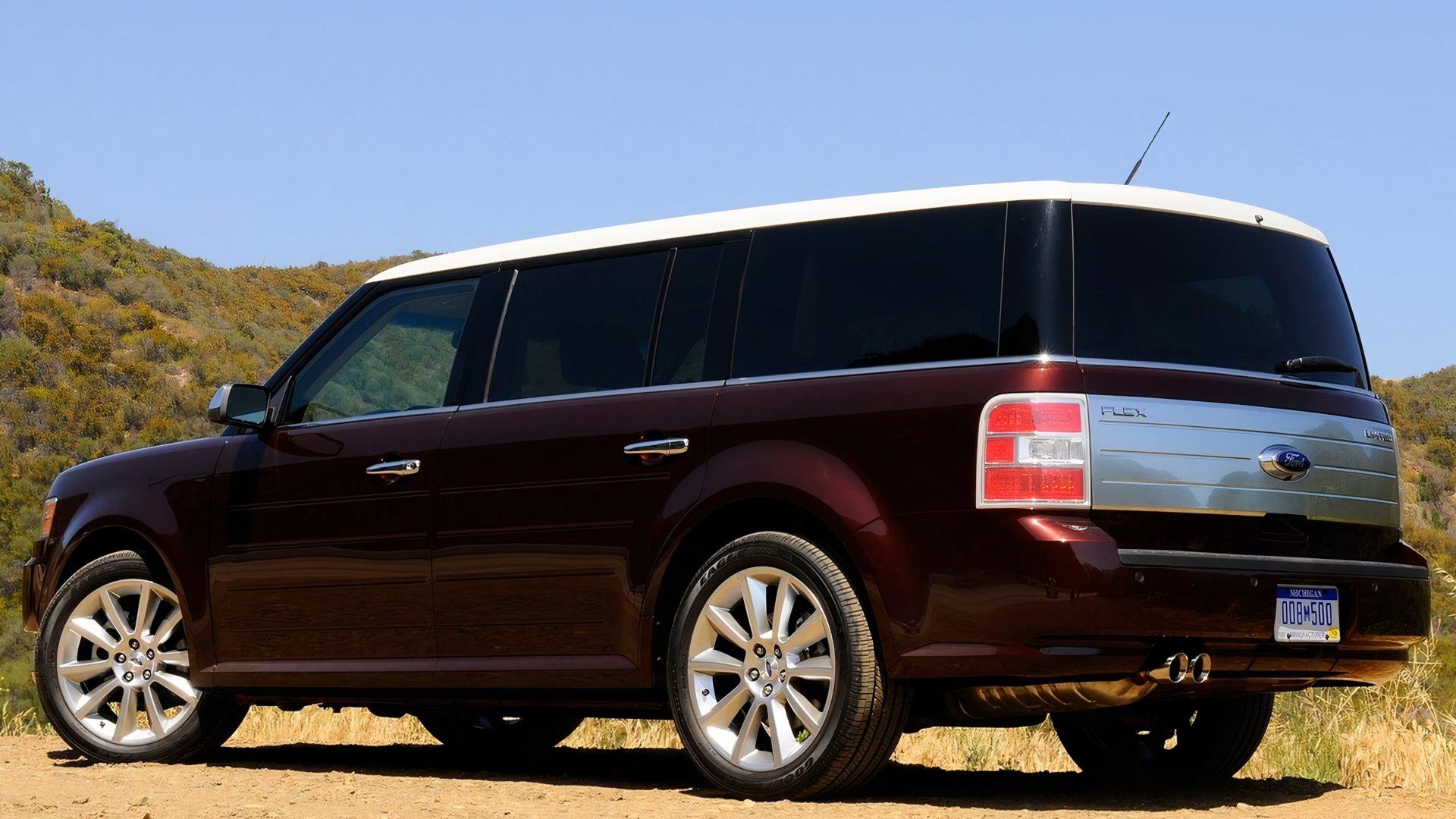
Best Ford Flex Model Years (Ranked)
The Ford Flex is one of the most distinctive three-row family vehicles ever sold in America, a boxy, low-slung crossover that drove more like a tall wagon than an SUV. Built from the 2009 through 2019 model years, it offered genuine room for seven, a flat floor, and an available 3.5L EcoBoost twin-turbo V6 that made it surprisingly quick.
Its retro styling never found a mass audience, which is exactly why it is such a strong used-car value today. Buyers get a comfortable, refined three-row hauler for far less than a comparable Explorer or Highlander. The key is choosing the right model year and powertrain, and knowing the few real weak points, especially the internal water pump and the AWD power transfer unit (PTU).
This ranking covers the best Ford Flex years, their engines, and where the value lies.
Direct Answer
The best overall Ford Flex is the 2016-2019 model, which benefits from years of refinement after the 2013 mid-cycle update, the available 365-hp EcoBoost engine, modern SYNC 3 infotainment in later cars, and the most up-to-date safety equipment the platform ever received. For shoppers focused on value, the best value is the 2013-2015 SEL with the 3.5L V6, which captures the major refresh, an improved six-speed automatic, and a refreshed interior at a low used price while avoiding the added complexity of the twin-turbo.
Across all years, prioritize documented maintenance on the water pump and the AWD power transfer unit, the Flex's two most important wear items, and favor a clean service history over a rock-bottom price.
1. 2016-2019 Flex (3.5L V6 / 3.5L EcoBoost) 🏆 BEST OVERALL

The final years of the Flex represent the model at its most polished. By 2016 Ford had added SYNC 3 infotainment on many examples, refined the ride, and carried over the strong powertrain lineup: a 287-hp naturally aspirated 3.5L V6 and the 365-hp twin-turbocharged 3.5L EcoBoost paired with a six-speed automatic.
These late cars also have the lowest mileage and the most remaining life. The EcoBoost Limited with AWD is genuinely fast and tows up to 4,500 pounds, while the V6 models are smooth and easy to live with.
Build quality is solid and the cabin remains roomy and quiet. Buy a late-model V6 for simplicity or the EcoBoost for performance, and confirm the water pump and PTU have been serviced. This is the Flex to own.
2. 2013-2015 Flex SEL (3.5L V6) 💎 BEST VALUE

The 2013 refresh transformed the Flex, and the SEL trim with the naturally aspirated 3.5L V6 is the sweet spot for value. The update brought a new front fascia, a revised interior with better materials, an updated instrument cluster, and available driver-assistance features. The 287-hp V6 is the simpler, more affordable powertrain, avoiding the turbochargers and intercooler plumbing of the EcoBoost while still moving the Flex comfortably.
The best value is a 2013-2015 SEL V6 with documented water pump service, which delivers three-row practicality, a refreshed cabin, and a comfortable ride at a price well below newer three-row rivals. The SEL adds desirable equipment without the Limited's premium, making it the smartest budget pick in the lineup.
3. 2013-2019 Flex Limited EcoBoost (AWD)

For buyers who want the Flex at its most capable, the Limited EcoBoost with all-wheel drive is the performance flagship. The 365-hp twin-turbo 3.5L V6 delivers strong acceleration that belies the Flex's boxy shape, and AWD adds all-weather security. The Limited trim loads on leather, a premium audio system, navigation, and the most complete feature set offered.
These are the most desirable Flexes to enthusiasts, but the EcoBoost and AWD add maintenance complexity: the turbo system and the power transfer unit both demand attention. Insist on records showing PTU fluid changes and any turbo-related service. A well-kept EcoBoost Limited is a quick, comfortable, and unusual three-row machine that few rivals can match for character.
4. 2010-2012 Flex (3.5L V6 / EcoBoost, Pre-Refresh)

The first-generation pre-refresh Flex, particularly 2010-2012, offers the same fundamental package at a lower price than the updated cars. The EcoBoost engine became available for 2010, giving these earlier examples access to the 355-365 hp twin-turbo, while the naturally aspirated 3.5L V6 remained the volume engine.
The interior is slightly less modern than post-2013 cars, and infotainment is the older MyFord Touch or earlier SYNC system.
These years are an affordable entry point into Flex ownership, but higher mileage and age mean the water pump and PTU should be inspected closely. A clean, well-maintained 2010-2012 V6 in SEL or Limited trim is a sensible buy for shoppers who want maximum space for minimal money.
5. 2016-2019 Flex SE (3.5L V6, Base Trim)

The base SE trim in the final years is a value-focused way into a late-model Flex. It uses the 287-hp naturally aspirated 3.5L V6 and front-wheel drive, with cloth seats and a simpler feature set than the SEL or Limited. What it lacks in luxury it makes up for in the same roomy, flat-floored three-row cabin and the same recent build quality.
The SE is the simplest, lowest-cost late Flex, which makes it appealing for buyers who prioritize space and reliability over features. With the naturally aspirated V6 and FWD, it also has fewer maintenance variables than EcoBoost AWD cars. Confirm the water pump history and you have an honest, practical family hauler at an attractive used price.
6. 2013-2015 Flex Limited (3.5L V6, FWD)

The refreshed Limited trim with the naturally aspirated V6 blends the updated styling and interior of the 2013 facelift with the simpler non-turbo engine. Buyers get leather, upgraded audio, available navigation, and the most complete feature set of the post-refresh cars, without the added complexity of the EcoBoost's turbochargers.
This is the comfortable, well-equipped choice for buyers who want luxury features but simpler mechanicals. Front-wheel drive also removes the PTU concern that affects AWD models, leaving the internal water pump as the main item to verify. A clean 2013-2015 Limited V6 offers a near-premium three-row experience at a fraction of its original price, making it a quietly excellent used pick for families.
7. 2010-2012 Flex Limited EcoBoost

The early EcoBoost Limited delivers the Flex's signature performance at the lowest price in the lineup. The twin-turbo 3.5L V6 produces around 355-365 hp depending on year, and the Limited trim packs in leather, premium audio, and the era's top technology. These pre-refresh cars look slightly dated next to 2013-and-later models, but mechanically they offer the same thrilling, torque-rich character.
The trade-off is age plus EcoBoost and AWD complexity. These cars are now over a decade old, so the turbo system, water pump, and power transfer unit all warrant a thorough inspection and service-record review. For an enthusiast on a budget who understands the maintenance demands, an early EcoBoost Limited is a lot of unusual, quick three-row crossover for the money.
8. 2009 Flex (First Model Year, 3.5L V6)

The debut 2009 Flex introduced the distinctive design and the naturally aspirated 3.5L Duratec V6 (262 hp at launch, paired with a six-speed automatic). It established the formula of three rows, a flat floor, and wagon-like handling. As a first-model-year vehicle, it predates the EcoBoost option and the various running improvements that followed.
The 2009 is the oldest and cheapest Flex, which is both its appeal and its caution. These cars are now well into high-mileage territory, and the internal water pump is a particular concern on aging examples. Treat any survivor as budget transportation and prioritize one with thorough records.
For buyers who simply want maximum space at the lowest possible price, a clean 2009 V6 can still serve well.
9. 2009-2012 Flex SE (Base, Pre-Refresh)

The early base SE Flex is the most stripped-down, lowest-cost version of the first-generation car. It uses the naturally aspirated 3.5L V6 with front-wheel drive and minimal equipment. The appeal is simple: maximum interior space for the smallest outlay.
The cabin lacks the refinements of higher trims and the updates that arrived in 2013, but the fundamental three-row practicality is intact.
This is strictly a value play, suited to buyers who need room and prioritize a low purchase price over features or low mileage. As with all early Flexes, the water pump is the key inspection item, and the FWD layout at least removes PTU worries. Buy one only with solid maintenance records, and treat it as an economical, no-frills family hauler.
10. High-Mileage EcoBoost AWD (Any Year, Caution)

A high-mileage EcoBoost AWD Flex of any model year is the riskiest buy in the lineup and lands last for good reason. The combination of the twin-turbo engine, AWD power transfer unit, and the internal water pump means three significant wear systems are all working hard. On a neglected, high-mile example, a failing water pump can leak coolant internally into the engine, and a starved PTU can fail expensively.
Only consider one of these with comprehensive documentation proving the water pump, turbo service, and PTU fluid changes were performed on schedule. The performance is genuinely appealing, but without records the repair risk outweighs the savings. For most buyers, a lower-mileage naturally aspirated V6 Flex is the far safer and smarter choice.
What to Watch For When Buying
The most important inspection items on any used Flex are the internal water pump and, on AWD cars, the power transfer unit (PTU). The 3.5L V6 (both naturally aspirated and EcoBoost) uses a timing-chain-driven water pump located inside the engine; when it fails, coolant can leak internally rather than externally, and replacement is labor-intensive and costly.
Ask for proof of water pump service and watch for any coolant-loss history.
- Verify water pump service or condition on every Flex; it is the model's signature weak point.
- On AWD cars, confirm PTU fluid changes; the transfer unit can overheat and fail if neglected.
- EcoBoost models add turbo and intercooler systems; look for any related repairs and oil-maintenance records.
- Check the six-speed automatic for smooth shifts and confirm any fluid-service history.
- Inspect for suspension wear and brake condition on higher-mileage three-row examples.
- Confirm MyFord Touch / SYNC functions; older infotainment can be glitchy, while SYNC 3 in later cars is better.
How to Choose
Match the Flex to your priorities. For the best overall blend of refinement, features, and remaining life, target a 2016-2019 car and pick the naturally aspirated V6 for simplicity or the EcoBoost for performance. For the best value, a 2013-2015 SEL V6 captures the major refresh at a low price while keeping mechanicals straightforward.
Buyers who want maximum performance should seek a well-documented EcoBoost Limited AWD, accepting the added maintenance. Bargain hunters can consider 2009-2012 cars, but should favor naturally aspirated V6 examples and demand water pump records. In every case, service history matters more than sticker price: a documented water pump and PTU history is worth paying extra for.
FAQ
Which Ford Flex years are the most reliable? The later 2016-2019 cars tend to be the most refined and lowest-mileage, but reliability on any Flex hinges on the water pump and, for AWD models, the power transfer unit. A well-maintained naturally aspirated V6 of any year is the lower-risk choice.
What is the Ford Flex water pump problem? The 3.5L V6 uses an internal, chain-driven water pump. When it fails, coolant can leak inside the engine rather than dripping externally, which makes failures hard to spot and expensive to repair. Always verify water pump service or condition before buying.
Is the EcoBoost Flex worth it? The 365-hp twin-turbo EcoBoost makes the Flex genuinely quick and tows up to 4,500 pounds, which enthusiasts love. The trade-off is added complexity from the turbos and, on AWD cars, the PTU. It is worth it for buyers who want performance and will keep up with maintenance.
Why was the Ford Flex discontinued? Ford ended Flex production after the 2019 model year due to declining sales as buyers shifted to more conventional-looking SUVs and crossovers. Its distinctive boxy styling limited mass appeal, which is precisely why it is now an underrated used-car value.
Bottom Line
The Ford Flex is an underrated used three-row value, offering a uniquely spacious, comfortable cabin for far less than mainstream rivals. The 2016-2019 cars are the best overall pick thanks to refinement and remaining life, while a 2013-2015 SEL V6 delivers the best value after the major refresh.
Across every year, the internal water pump and the AWD power transfer unit are the make-or-break items, so favor documented maintenance over a low price. Choose carefully and the Flex rewards you with room, comfort, and character that few three-row vehicles can match.
Sources
- Ford official Flex model history and specifications, ford.com
- EPA Fuel Economy ratings for Ford Flex by model year, fueleconomy.gov
- NHTSA recall and complaint database for Ford Flex, nhtsa.gov
- Edmunds Ford Flex generation reviews and used-car appraisals, edmunds.com
- Kelley Blue Book Ford Flex used values by model year, kbb.com
- Wikipedia Ford Flex history, powertrains, and technical specifications, en.wikipedia.org