 Pulse Reviews and Analysis
Best GMC Yukon XL Model Years (Ranked)
 Curated by Kory White · Fractional CRO, CRO Syndicate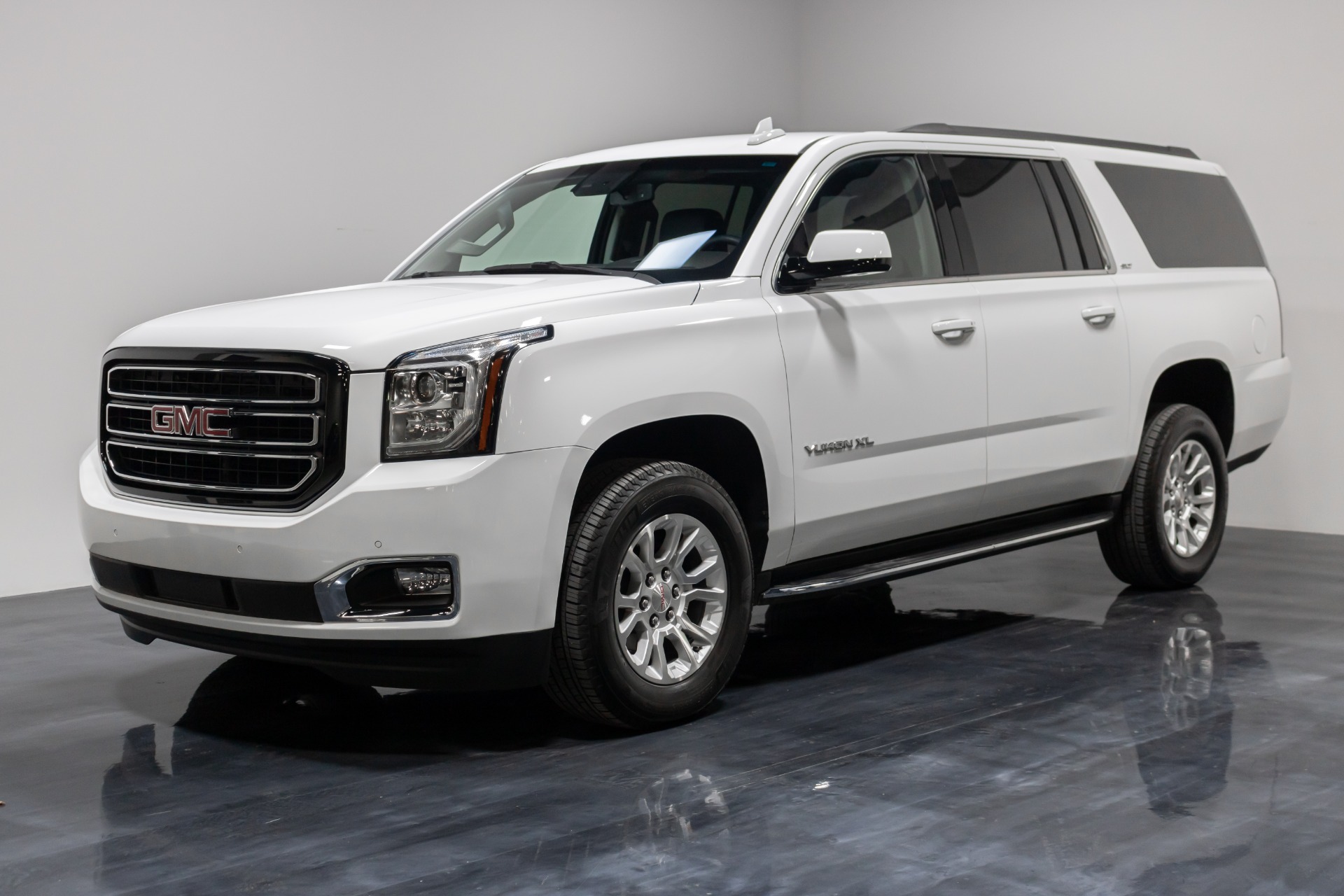
Best GMC Yukon XL Model Years (Ranked)
The GMC Yukon XL is the long-wheelbase version of GMC's full-size SUV, a body-on-frame three-row hauler built to tow heavy, carry eight, and rack up high mileage. Across four generations, the formula has stayed consistent: a 5.3L or 6.2L V8, available four-wheel drive, and the upscale Denali trim that pioneered the genre.
But the platform's history matters to used buyers. The GMT800 (2000-2006) and GMT900 (2007-2014) trucks are durable but include Active Fuel Management (AFM) lifter concerns, while the T1XX (2021+) finally added independent rear suspension and an available 3.0L Duramax diesel.
This ranking covers the best Yukon XL model years, their powertrains, the known issues to verify, and where the strongest used value sits today.
Direct Answer
The best overall GMC Yukon XL is the 2021-2024 fifth-generation (T1XX) model, which adds independent rear suspension for a far better ride and third-row space, a refined 6.2L V8 or efficient 3.0L Duramax diesel, and a modern interior, while reliability has settled after early launch quirks.
For shoppers focused on value, the best value is the 2018-2020 fourth-generation (K2XX) Yukon XL with the 5.3L V8, which offers a proven powertrain, generous towing, and strong durability at a used price well below newer examples. Be cautious with high-mileage AFM V8s in older trucks unless lifter and maintenance history is documented.
1. 2021-2024 Fifth Generation (T1XX) 🏆 BEST OVERALL

The fifth-generation Yukon XL is the model's high point. The headline change is independent rear suspension, replacing the old solid axle for a smoother ride and a genuinely usable, larger third row and cargo area. Powertrains include the proven 5.3L V8, the strong 6.2L V8 (420 hp) reserved largely for Denali, and a remarkably efficient 3.0L Duramax inline-six diesel that returns highway economy unheard of in a truck this size.
A 10-speed automatic is standard. The interior took a major step up, and the new Denali Ultimate trim adds air ride and luxury appointments. After sorting early electronics bugs, this is the Yukon XL to buy if your budget reaches a recent example.
2. 2018-2020 Fourth Generation (K2XX) — 5.3L V8 💎 BEST VALUE

The late K2XX Yukon XL is the value champion. The dependable 5.3L EcoTec3 V8 (355 hp) paired with a smooth automatic delivers strong towing and good real-world durability, and by 2018-2020 these trucks had a refined direct-injection V8 and updated infotainment. The best value is a 2018-2020 SLT or Denali 5.3L, which bundles leather, heated seats, and a roomy three rows at a used price well below newer T1XX trucks.
The solid rear axle rides slightly firmer than the new IRS setup, but the trade is rock-solid mechanicals. Verify the AFM/Dynamic Fuel Management lifter history, and a well-maintained example is an outstanding family hauler buy.
3. 2021-2024 Yukon XL Denali (3.0L Duramax)

The diesel Yukon XL deserves its own spot for transforming the model's running costs. The 3.0L Duramax inline-six turbodiesel (277 hp, 460 lb-ft) returns roughly 26-27 mpg highway, extraordinary for a vehicle that can still tow and carry eight. Paired with the 10-speed automatic and independent rear suspension, it is quiet, torque-rich, and effortless on long hauls.
The diesel commands a premium new but its efficiency and torque make it compelling for high-mileage drivers and towers. The value is real for buyers who cover serious distances, since fuel savings offset the price gap over time while delivering Denali-level comfort and the latest interior technology.
4. 2015-2017 Fourth Generation (K2XX) — 5.3L V8
The early K2XX Yukon XL launched the fourth generation with a stiffer body, quieter cabin, and the 5.3L EcoTec3 V8. These trucks introduced direct injection and cylinder deactivation in a more refined package than the prior GMT900, with available magnetic ride control on Denali.
The solid rear axle keeps the ride firm but towing and durability are strong. As with all of this era, confirm AFM lifter condition and look for documented oil-consumption history. A clean 2015-2017 5.3L in SLT or Denali trim offers three-row practicality and proven mechanicals at an attractive, lower used price than the 2018-2020 cars.
5. 2018-2020 Yukon XL Denali (6.2L V8)

The 6.2L V8 (420 hp) Denali is the performance and luxury flagship of the K2XX era. It pairs the big V8 with a 10-speed automatic (added in 2018), magnetic ride control, and the most premium interior of the generation. Acceleration and towing are effortless, and the Denali trim brings 22-inch wheels and upscale materials.
Fuel economy is modest given the displacement, and the 6.2L also uses cylinder deactivation, so verify lifter and maintenance records. For a buyer who wants maximum power and luxury without paying T1XX prices, a clean 2018-2020 6.2L Denali XL is a compelling, well-equipped choice.
6. 2012-2014 Third Generation (GMT900) — 5.3L V8

The late GMT900 Yukon XL is a dependable, affordable older pick. The 5.3L V8 in these years is well-understood and parts are inexpensive, with a comfortable ride and a roomy three-row cabin. By 2012-2014 the GMT900 had received interior updates and refined drivetrains.
The main caution is the AFM lifter system, which can cause lifter failure or oil consumption on high-mileage engines, so inspect carefully and budget for potential repair. These are aging trucks now, but a well-maintained 5.3L GMT900 XL makes a serviceable, low-cost full-size hauler for buyers who prioritize space and value.
7. 2007-2011 Third Generation (GMT900)

The early GMT900 Yukon XL brought a major step up in refinement over the GMT800, with a quieter cabin, improved interior, and available 6.2L V8 in Denali trim alongside the standard 5.3L. These trucks tow well and offer genuine eight-passenger space. The same AFM caution applies, and early examples are now high-mileage, so corrosion in salt-belt states and worn suspension are worth checking.
Pricing is very affordable. For a budget buyer who wants the more modern GMT900 platform over the older GMT800, a clean 2007-2011 XL in SLT or Denali trim is a sensible, low-cost choice.
8. 2003-2006 Second Generation (GMT800, Refreshed)

The refreshed GMT800 Yukon XL offered the durable 5.3L V8 and the larger 6.0L V8 in heavier-duty 2500 versions, along with available Quadrasteer rear-wheel steering on some trucks. These are simple, rugged, pre-AFM engines that many owners value for their long-term reliability and low repair costs.
The interiors are dated and fuel economy is poor, but the mechanicals are proven. Rust and aging suspension are the main concerns at this age. For a buyer who wants a tough, simple, inexpensive full-size hauler and does not mind an older cabin, a clean 2003-2006 5.3L XL is honest value.
9. 2000-2002 Second Generation (GMT800, Early)

The original GMT800 Yukon XL introduced the modern nameplate (renamed from Suburban) with the 5.3L and 6.0L Vortec V8s and a roomy three-row body. These early trucks are pre-AFM and mechanically straightforward, prized for durability, but they are now very old with the usual concerns of corrosion, worn drivetrains, and dated safety equipment.
Interior plastics and electronics show their age. There is little reason to seek one out except for ruggedness or a rock-bottom price. Treat a survivor as budget transportation or a project hauler rather than a polished daily driver, and inspect thoroughly before buying.
10. 2021 Fifth Generation (T1XX, Launch Year)

The launch-year T1XX Yukon XL brought the breakthrough independent rear suspension and new interior, but as a first-model-year vehicle it carried the most early bugs. Owners reported infotainment glitches, electronics issues, and some early build concerns that were largely addressed in later 2022-2024 production.
The hardware is excellent and the powertrains strong, so a 2021 can be a good buy if priced below later examples and inspected carefully. For most shoppers, spending a little more for a 2022 or newer T1XX avoids the first-year teething problems while keeping the same modern platform and features.
What to Watch For When Buying
The most important step when buying a used Yukon XL is to check the V8 for Active Fuel Management (AFM) lifter wear, which affected many 5.3L and 6.2L engines across the GMT900, K2XX, and early T1XX trucks. Failed lifters can cause ticking, misfires, and expensive repairs, so listen for noise on a cold start and ask for documented maintenance and any lifter or AFM-delete history.
Pre-AFM GMT800 V8s sidestep this concern entirely, which is why those older trucks earn trust on the used market despite their age. Beyond the engine, inspect for corrosion in salt-belt states, confirm the transmission shifts smoothly, and check the 10-speed automatic in newer trucks for proper operation.
On T1XX models, verify infotainment and electronics work fully. Documented maintenance records outweigh a low sticker price every time, especially given how hard these vehicles are often worked towing and hauling.
How to Choose
Match the Yukon XL to your priorities. For the best blend of ride quality, space, and refinement, the 2021-2024 T1XX is the answer, with the 3.0L Duramax diesel leading on running costs for high-mileage drivers. For the best value with proven durability, a 2018-2020 5.3L K2XX is hard to beat, offering three rows and strong towing at a low price.
Buyers wanting maximum power and luxury without T1XX money should target a 2018-2020 6.2L Denali. Bargain hunters can consider GMT900 or even pre-AFM GMT800 trucks, but should always verify lifter health on any AFM engine. In every case, prioritize a clean maintenance history and a thorough pre-purchase inspection.
FAQ
Which GMC Yukon XL years should I avoid? Be cautious with high-mileage AFM-equipped 5.3L and 6.2L trucks from the GMT900 and K2XX eras that lack documented lifter and maintenance history, and with the 2021 launch-year T1XX, which had the most early electronics bugs.
What is the AFM lifter issue? Active Fuel Management deactivates cylinders to save fuel, but the lifters in some 5.3L and 6.2L V8s can fail, causing ticking, misfires, and oil consumption. Verify maintenance history and listen for noise; some owners opt for an AFM delete.
Does the Yukon XL have independent rear suspension? Only the fifth-generation T1XX (2021 and newer) has independent rear suspension, which improves ride quality and third-row and cargo space. Earlier GMT800, GMT900, and K2XX trucks use a solid rear axle.
Is the 3.0L Duramax diesel worth it? Yes for high-mileage drivers and towers. The 3.0L Duramax inline-six returns roughly 26-27 mpg highway with strong torque, making it the efficiency and long-haul standout in the T1XX lineup, though it costs more upfront.
Bottom Line
The GMC Yukon XL is a durable, capable full-size three-row hauler, but the AFM lifter concern makes engine and model-year choice critical on older trucks. The 2021-2024 fifth-generation T1XX is the best overall pick, thanks to its independent rear suspension, refined powertrains, and available Duramax diesel, while the 2018-2020 5.3L K2XX offers the best value.
When shopping any AFM-equipped V8, verify lifter and maintenance history, and consider pre-AFM GMT800 trucks for simple, rugged value. Buy carefully and the Yukon XL delivers towing, eight-passenger space, and long-haul comfort that few rivals match.
Sources
- GMC official Yukon XL model history and specifications, gmc.com
- NHTSA recall and complaint database for GMC Yukon XL, nhtsa.gov
- EPA Fuel Economy ratings for GMC Yukon XL by model year, fueleconomy.gov
- Edmunds GMC Yukon XL generation reviews and used-car appraisals, edmunds.com
- Kelley Blue Book GMC Yukon XL used values by model year, kbb.com
- Wikipedia GMC Yukon and Yukon XL generations and technical specifications, en.wikipedia.org