 Pulse Reviews and Analysis
Best Buick LaCrosse Model Years (Ranked)
 Curated by Kory White · Fractional CRO, CRO Syndicate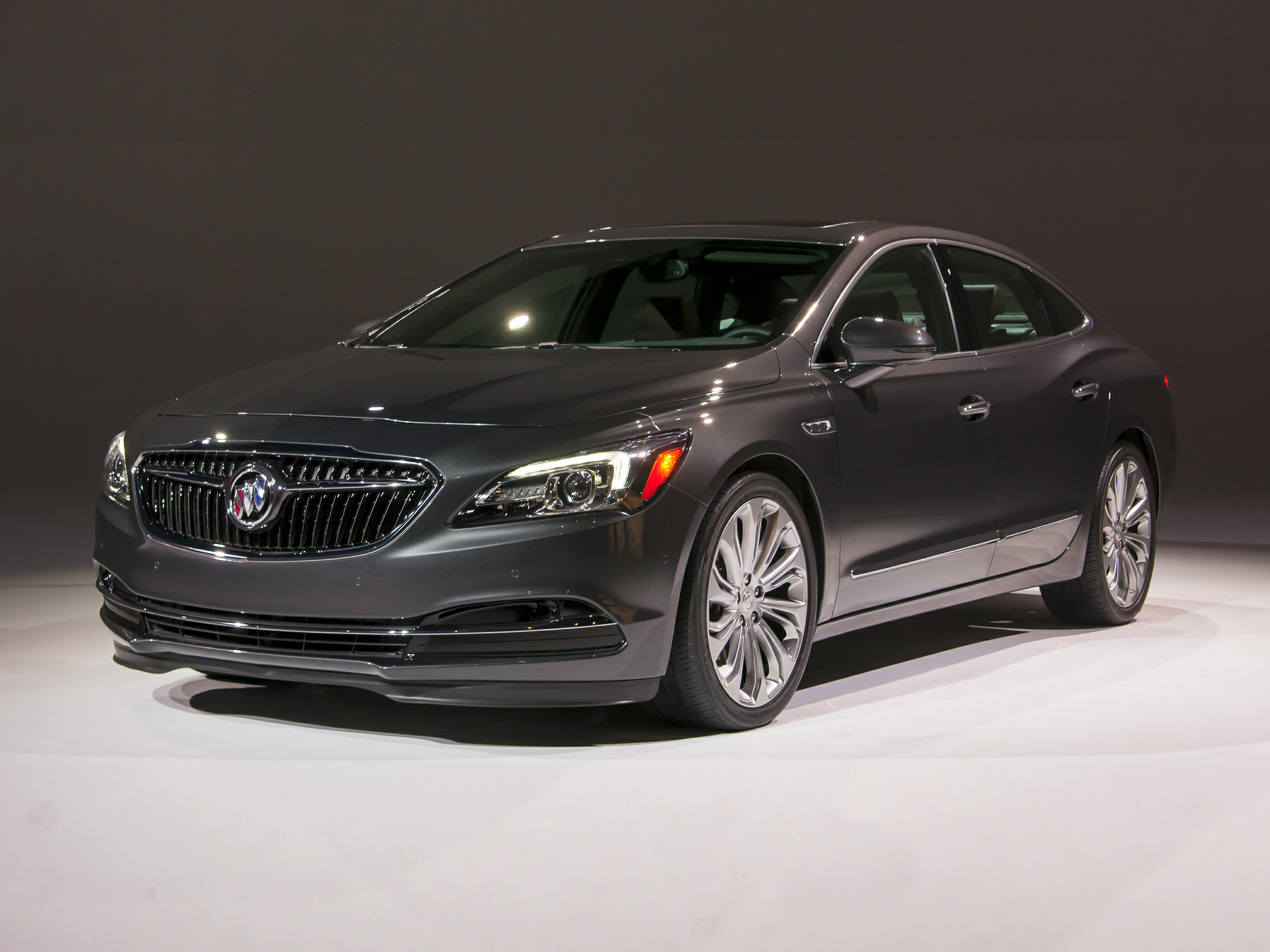
Best Buick LaCrosse Model Years (Ranked)
The Buick LaCrosse spent three generations evolving from a comfortable mid-size sedan into a genuinely upscale full-size flagship, making it one of the more underrated used near-luxury buys today. Built from the 2005 model year through 2019, the LaCrosse offered everything from torque-rich V6 power to a clever eAssist mild-hybrid four-cylinder, plus a smooth, quiet ride that has always been its calling card.
For used shoppers, the difference between the best and worst LaCrosse years comes down to engine choice, generation, and known trouble spots. This ranking covers the strongest LaCrosse model years, their powertrains, the issues to verify before buying, and where the real value sits today.
Direct Answer
The best overall Buick LaCrosse is the 2017-2019 third generation with the 3.6L V6, which pairs 310 horsepower with a refined eight-speed (later nine-speed) automatic, a quieter and lighter chassis, and a genuinely premium interior that rivals entry-luxury sedans at a fraction of the price.
For shoppers focused on value, the best value is the 2014-2016 second-generation 3.6L V6, a well-equipped, comfortable, and reliable full-size sedan that can be found at very low used prices. Be cautious with the earliest 2010-2011 second-generation cars and the eAssist four-cylinder models, which trade power and durability margin for modest fuel savings.
1. 2017-2019 Third Generation — 3.6L V6 🏆 BEST OVERALL

The third-generation LaCrosse is the nameplate's high point. A new, lighter platform shed weight while improving rigidity, and the cabin took a clear step upscale with better materials and a cleaner design. The standout powertrain is the 3.6L V6 producing 310 horsepower, paired first with an eight-speed and later a nine-speed automatic, with available all-wheel drive.
Ride quality is hushed and composed, the LaCrosse's signature strength. A later eAssist 2.5L four-cylinder was also offered for efficiency. With strong V6 performance, a quiet luxury feel, and the most modern safety tech of any LaCrosse, a clean 2017-2019 Premium or Avenir V6 is the one to buy if your budget allows.
2. 2014-2016 Second Generation — 3.6L V6 💎 BEST VALUE

The facelifted second-generation LaCrosse with the 3.6L V6 is the value champion. The 2014 refresh brought updated styling, a better interior, and the IntelliLink touchscreen, while the proven 304-horsepower 3.6L V6 and six-speed automatic delivered smooth, effortless power.
Available all-wheel drive added all-weather capability. The cabin is roomy and exceptionally quiet, and by these years Buick had ironed out many early-generation quirks. The best value is a 2014-2016 Leather or Premium V6, which bundles heated leather, a sunroof, and a hushed ride at a used price well below comparable Lexus or Lincoln sedans.
These V6 cars have a solid durability record when maintained.
3. 2012-2013 Second Generation — 3.6L V6

The early-facelift second-generation LaCrosse with the 3.6L V6 is a strong, affordable full-size sedan. By 2012 Buick had matured the second-generation car, and the 3.6L direct-injection V6 offered roughly 303 horsepower with a smooth six-speed automatic and available all-wheel drive.
The interior is comfortable and quiet, with available leather and a sunroof. These cars represent a sweet spot of refinement and low price, sidestepping the higher cost of newer models. Favor the V6 over the eAssist four-cylinder for stronger performance and a simpler, more durable powertrain.
A well-kept 2012-2013 V6 makes an excellent budget luxury cruiser.
4. 2017-2019 Third Generation — eAssist 2.5L

The third-generation LaCrosse was later offered with an eAssist 2.5L four-cylinder mild-hybrid, which paired the engine with a small electric motor for improved fuel economy of roughly 25 mpg city and 35 mpg highway. It delivers the same quiet, refined third-generation cabin and modern safety equipment as the V6 car, just with more modest acceleration.
For a buyer who prioritizes efficiency and the newest LaCrosse interior over outright power, this is a sensible pick. Verify the eAssist battery system's health before buying, as the mild-hybrid components can be costly to service. Otherwise it is a comfortable, economical near-luxury sedan.
5. 2008-2009 First Generation — 3.8L V6

The original LaCrosse's 3.8L V6 is the engine of choice from the first generation. This is the long-running GM 3800 Series III, a famously durable and torque-rich pushrod V6 known for going high mileage with basic maintenance. The first-generation LaCrosse rode comfortably and quietly, true to Buick form, though its interior and tech are clearly dated now.
The 2008-2009 cars benefit from minor running improvements over the earliest models. These are old vehicles, so inspect for suspension wear and corrosion, but a clean 3.8L example is one of the most dependable budget sedans you can buy.
6. 2014-2016 Second Generation — eAssist 2.4L
The facelifted second-generation LaCrosse offered an eAssist 2.4L four-cylinder mild-hybrid as the efficiency option, delivering around 25 mpg combined, strong figures for a full-size sedan of its era. It uses a small electric motor and a compact battery to assist the engine and enable stop-start, without the complexity of a full hybrid.
The trade-off is noticeably less power than the V6 and a small trunk intrusion from the battery pack. For an efficiency-minded buyer who wants the comfortable 2014-2016 cabin at a low price, it works, but have the eAssist battery checked and weigh it against a stronger V6.
7. 2008-2009 First Generation — 3.6L V6 (CXS)

The top first-generation LaCrosse CXS used the more powerful 3.6L V6 for sportier performance, around 280 horsepower in its later form. It is quicker than the 3.8L cars and was the enthusiast's choice of the first generation, with firmer suspension tuning in the Super and CXS trims.
However, this early 3.6L direct-injection-era V6 can be more demanding on maintenance than the bulletproof 3.8L, with timing-chain and oil-consumption concerns to verify on high-mileage examples. Buy one for the extra performance if the service history is clean, but the 3.8L remains the more carefree first-generation pick.
8. 2005-2007 First Generation — 3.8L V6

The earliest LaCrosse years with the 3.8L V6 offer the same proven, durable 3800 Series III engine in the oldest and cheapest package. These cars replaced the Buick Century and Regal and brought a quieter, more refined ride than their predecessors. The 3.8L V6 is the durability highlight, but everything around it is now quite dated, from the interior to the safety equipment.
Watch for intake-manifold gasket issues common to GM 3800 engines of this era, plus the usual corrosion and suspension wear. Treat a 2005-2007 3.8L as inexpensive, dependable basic transportation rather than a near-luxury experience.
9. 2010-2011 Second Generation — 3.6L V6 (Caution)

The second-generation LaCrosse launched for 2010 with a handsome new design and the 3.6L V6, but these earliest examples are the ones to approach carefully. As a first-year-of-generation car, the 2010 LaCrosse carried more reported electronics, infotainment, and minor mechanical bugs than the refined 2012-onward models.
The 3.6L V6 of this era can show timing-chain wear and oil consumption if maintenance was neglected. The car is still comfortable and quiet, and prices are very low, but insist on full service records and a careful inspection. For most buyers, a slightly newer 2012-2013 V6 is the smarter, lower-risk choice.
10. 2010-2011 Second Generation — 2.4L Four-Cylinder (Caution)

The base second-generation LaCrosse used a 2.4L four-cylinder (around 182 horsepower) for efficiency, but in a heavy full-size sedan it is the least satisfying powertrain in the lineup. Performance is sluggish, and as an early-generation engine paired with first-year electronics, it carries the same reliability cautions as the other 2010-2011 cars plus the strain of moving a big body on modest power.
It is the cheapest way into a second-generation LaCrosse, but the trade-offs are real. Only consider one with documented maintenance; otherwise the V6 versions, even slightly newer, are well worth the small price difference.
What to Watch For When Buying
The most important step when buying a used LaCrosse is to match the engine to the generation's strengths. The first-generation 3.8L V6 (3800 Series III) is the durability standout, while later 3.6L V6 cars deliver more power but warrant a check for timing-chain wear and oil consumption, especially on neglected high-mileage examples.
On any eAssist mild-hybrid, confirm the small lithium-ion battery and electric-motor system are healthy, as repairs can be expensive. Beyond the powertrain, the 2010-2011 second-generation cars are first-year models with more reported electronics and infotainment bugs, so favor 2012-2016 versions.
Inspect suspension components on higher-mileage cars, verify the touchscreen and driver-assistance features work, and check salt-belt cars for corrosion. Documented maintenance records outweigh a low sticker price every time.
How to Choose
Match the LaCrosse to your priorities. For the best blend of refinement, power, and modern safety tech, the 2017-2019 third-generation 3.6L V6 is the answer, with a quieter, lighter chassis and a premium cabin. For the best value with proven comfort and durability, a 2014-2016 3.6L V6 is hard to beat at its low used price.
Efficiency-minded buyers can consider an eAssist model but should budget for its battery system and accept softer acceleration. Bargain hunters who want maximum dependability should target a first-generation 3.8L V6. In every case, favor the V6, prioritize 2012-and-newer second-generation cars, and insist on a clean maintenance history.
FAQ
Which Buick LaCrosse years should I avoid? Be cautious with the first-year 2010-2011 second-generation cars, which had more reported electronics and infotainment bugs, and with the underpowered 2.4L four-cylinder. The refined 2012-2016 and 2017-2019 V6 models are the safer, more satisfying picks.
Is the Buick LaCrosse a reliable car? Generally yes, especially the first-generation 3.8L V6 and the well-sorted 2012-2016 and 2017-2019 V6 models. Verify timing-chain and oil-consumption history on 3.6L engines and battery health on eAssist mild-hybrids before buying.
What is eAssist on the LaCrosse? EAssist is Buick's mild-hybrid system that pairs a four-cylinder engine with a small electric motor and battery to improve fuel economy and enable stop-start. It boosts efficiency to around 25 mpg combined but offers less power than the V6 and can be costly to service.
Which LaCrosse is best for buyers on a budget? A 2014-2016 3.6L V6 offers an upscale, quiet ride and strong performance at a very low used price. For maximum dependability on a tight budget, a clean first-generation 3.8L V6 is one of the most durable sedans you can buy.
Bottom Line
The Buick LaCrosse is an underrated used near-luxury sedan, but engine and generation choice make all the difference. The 2017-2019 third-generation 3.6L V6 is the best overall pick, blending strong power, a quiet luxury cabin, and modern safety tech, while the 2014-2016 3.6L V6 offers the best value at a low used price.
Across the lineup, favor the V6 engines, lean toward 2012-and-newer second-generation cars, and confirm service history before buying. Choose carefully and the LaCrosse delivers genuine comfort, quietness, and dependability for far less than its luxury-badged rivals.
Sources
- Buick official LaCrosse model history and specifications, buick.com
- NHTSA recall and complaint database for Buick LaCrosse by model year, nhtsa.gov
- EPA Fuel Economy ratings for Buick LaCrosse including eAssist, fueleconomy.gov
- U.S. News & World Report used Buick LaCrosse rankings and reliability, cars.usnews.com
- Edmunds Buick LaCrosse generation reviews and used-car appraisals, edmunds.com
- Kelley Blue Book Buick LaCrosse used values by model year, kbb.com
- Wikipedia Buick LaCrosse generations and technical specifications, en.wikipedia.org