 Pulse Reviews and Analysis
Best Acura TSX Model Years (Ranked)
 Curated by Kory White · Fractional CRO, CRO Syndicate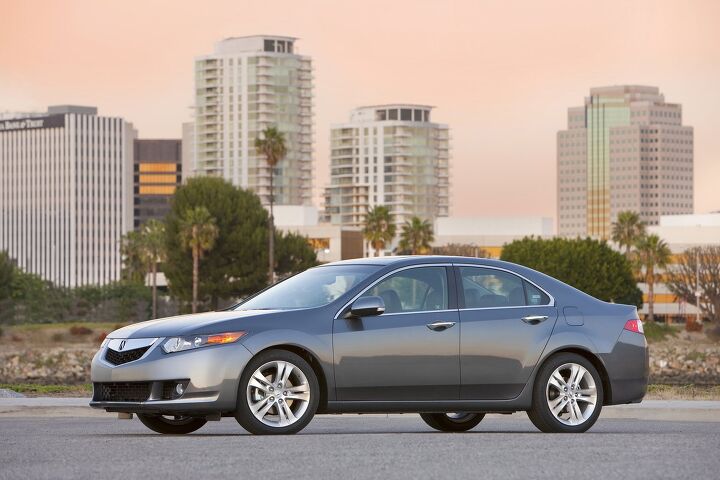
Best Acura TSX Model Years (Ranked)
The Acura TSX was the entry-luxury sport sedan (and later wagon) that Honda's premium brand sold in North America from 2004 through 2014 across two generations. A rebadged and re-engineered version of the European/Japanese Honda Accord, the TSX paired a revvy K-series four-cylinder with sharp handling, a premium interior, and Honda's legendary durability.
Later second-generation cars added an optional 3.5L V6 and a practical Sport Wagon. For used buyers today, the TSX is one of the smartest affordable near-luxury sedans available, but engine choice, timing-chain versus timing-belt considerations, and a handful of known quirks separate the great years from the merely good.
This ranking covers the best TSX model years, their powertrains, the issues to verify, and where the value lies.
Direct Answer
The best overall Acura TSX is the 2009-2010 second-generation (CU2) four-cylinder, which combines the smooth, durable 2.4L K24 engine, a refined and quiet cabin, a strong available six-speed manual, and excellent long-term reliability before later electronics added complexity.
For shoppers chasing the most car for the least money, the best value is the 2006-2008 first-generation (CL9) with the six-speed manual, a genuinely engaging driver's car with a high-revving K24A2 and a low used price. Avoid neglected examples of any year; the TSX rewards documented maintenance, and a clean four-cylinder with service records is almost always a better buy than a tired V6.
1. 2009-2010 Second Generation (CU2) — 2.4L 🏆 BEST OVERALL

The early second-generation TSX is the sweet spot of the entire lineup. It uses the proven 2.4L K24Z3 four-cylinder (201 hp) mated to a slick six-speed manual or a five-speed automatic, and it rides on a wider, more comfortable platform than the first generation. The cabin is genuinely upscale, quiet, and well-built, with supportive seats and high-quality materials.
Crucially, these earliest CU2 cars predate some of the later electronic and infotainment complexity, keeping repairs simpler. The K24 is a timing-chain engine, so there is no belt to replace, and it has an excellent durability record. A well-maintained 2009-2010 four-cylinder TSX is the most reliable, most balanced version to own today.
2. 2006-2008 First Generation (CL9) — Manual 💎 BEST VALUE

The late first-generation TSX with the manual gearbox is the enthusiast and value champion. Its 2.4L K24A2 revs eagerly to a high redline, producing 205 hp in this trim, and the six-speed manual is one of the best in its class. The 2006 mild refresh brought minor styling and equipment updates while retaining the engaging chassis.
The best value is a clean 2006-2008 CL9 manual, which delivers real driving joy at a used price often well below comparable German sport sedans. The K24 is durable, parts are cheap and plentiful, and the car shares much with the Accord. Verify clutch health and check for the common front-suspension clunk on higher-mileage examples.
3. 2011-2012 Second Generation (CU2, Refreshed) — 2.4L

The 2011 refresh updated the second-generation TSX with revised front and rear styling, additional standard equipment, and minor interior tweaks while keeping the dependable 2.4L four-cylinder and the option of a six-speed manual. These cars look slightly more modern than the early CU2 and still benefit from the durable timing-chain K24.
Reliability remains strong, and the refreshed cabin tech is a modest step up. The main trade-off is a higher used price than the pre-facelift cars for largely the same mechanical package. For a buyer who wants the freshest-looking four-cylinder TSX with proven mechanicals, a clean 2011-2012 is an excellent, low-risk choice.
4. 2011-2014 TSX Sport Wagon

The TSX Sport Wagon is the rare and practical member of the family, sold only with the 2.4L four-cylinder and an automatic transmission (no manual or V6 wagon was offered in North America). It adds genuine cargo flexibility to the TSX's refined ride and tidy handling, making it a uniquely useful luxury small wagon.
Because wagons were a low-volume offering, clean examples can command a premium and take patience to find. Mechanically it mirrors the dependable four-cylinder sedans, so reliability is strong. For buyers who want practicality without losing the TSX's character, the Sport Wagon is a charming and increasingly collectible pick.
5. 2013-2014 Second Generation (CU2, Final) — 2.4L

The final two model years of the TSX brought a second light styling update and represent the newest and lowest-mileage examples on the used market. The 2.4L four-cylinder carried over unchanged, retaining the durable timing chain and the option of a six-speed manual in the sedan.
As the last of the line, these cars have the longest remaining service life and the most modern feel, though they command the highest prices in the range. The infotainment and electronics are slightly more involved than the early CU2 cars, so verify all systems work. A clean 2013-2014 four-cylinder is a fine pick for a buyer prioritizing low mileage and longevity.
6. 2009-2010 Second Generation (CU4) — 3.5L V6

Introduced for 2010, the TSX V6 uses a 3.5L SOHC V6 (280 hp) with a five-speed automatic only. It adds strong, smooth, effortless acceleration and is the quickest TSX, with a more relaxed, grand-touring character than the rev-happy four-cylinder.
The trade-offs matter: the V6 is front-heavy, blunting the four-cylinder's sharp handling balance, it is only available as an automatic, and the SOHC J-series uses a timing belt that requires periodic replacement, unlike the chain-driven K24. Fuel economy is also lower.
The V6 is a satisfying cruiser, but the four-cylinder cars are the more characterful and lower-maintenance choice for most buyers.
7. 2011-2014 Second Generation (CU4, Refreshed) — 3.5L V6

The refreshed V6 cars carry the same 3.5L SOHC J35 V6 and five-speed automatic with updated styling and equipment. They are the most powerful and best-equipped TSX sedans, often loaded with the Technology Package, navigation, and premium audio.
The same caveats apply: a timing belt to service, more weight over the nose, and automatic-only availability. These later V6 cars are newer and lower-mileage than the 2010 models, which helps offset the higher maintenance ceiling. For a buyer who wants maximum power and equipment in a TSX and prioritizes smooth highway cruising over back-road agility, a clean, well-documented refreshed V6 is a strong option.
8. 2004 First Generation (CL9) — Launch Year
The debut 2004 TSX introduced North America to the K24A2 four-cylinder and the engaging CL9 chassis, and it earned strong reviews for its driver focus and premium-feeling cabin at a competitive price. Early cars came well-equipped, with leather and a high-quality interior standard.
As a launch-year, first-generation car, it is now quite old, so inspect for age-related wear: front lower control-arm bushings, suspension clunks, aging electronics, and clutch wear on manuals. Some early cars had minor first-year fit-and-finish quirks. Pricing is very low, making a well-kept 2004 a budget enthusiast bargain, but a 2006-2008 example is the more refined first-generation choice.
9. 2005 First Generation (CL9)

The 2005 TSX carried over the first-generation formula with only minor changes, retaining the high-revving K24A2 and the excellent six-speed manual or five-speed automatic. It remains a sharp-handling, well-built small sport sedan with the same durable Honda underpinnings.
Like all early cars, it is now aged, so the same inspection points apply: suspension bushings, brake wear, clutch condition, and the health of the climate and audio electronics. Records of regular oil changes and fluid services are essential. The upside is a rock-bottom price for a genuinely fun, reliable driver.
Treat a 2005 as an affordable enthusiast entry point rather than a low-maintenance daily appliance.
10. 2010 First Year V6 — Early Adopter (Caution)

The 2010 model year marked the first appearance of the V6, and as with any all-new variant, the earliest examples warrant extra scrutiny. The 3.5L SOHC V6 is fundamentally a proven Honda J-series engine, but the timing-belt service, heavier front end, and automatic-only configuration are real ownership considerations from day one.
Buy a first-year V6 only with documented maintenance, including timing-belt and water-pump service at the recommended interval, and confirm the transmission shifts cleanly. For most shoppers, a later refreshed V6 offers the same powertrain with newer electronics and lower mileage, or a four-cylinder of any year offers simpler, cheaper ownership.
The 2010 V6 is rewarding but demands diligence.
What to Watch For When Buying
The single most important distinction is engine type and its maintenance. The 2.4L K24 four-cylinder uses a timing chain that does not require scheduled replacement, while the 3.5L SOHC V6 uses a timing belt that must be replaced (along with the water pump) at the recommended interval.
On any V6, get documented proof the belt service was done.
- Front suspension clunks and worn control-arm bushings are common, especially on first-generation cars; budget for replacement.
- Clutch wear on manual cars; confirm engagement feel and check for slipping.
- Brake and rotor wear, plus aging suspension on high-mileage examples.
- Infotainment and navigation quirks on later CU2 cars; verify screens, audio, and Bluetooth.
- Oil maintenance history is critical on the K-series; insist on records.
- Accident and frame history via a VIN report, and confirm even tire wear.
A documented service history matters more than a low asking price on these cars.
How to Choose
Match the TSX to your priorities. For the best blend of reliability, refinement, and engagement, choose a 2009-2012 four-cylinder CU2, ideally with the six-speed manual. For the most driving fun per dollar, a 2006-2008 first-generation manual is the value pick and a genuine enthusiast favorite.
If you want practicality, the 2011-2014 Sport Wagon is the rare and useful choice. Buyers prioritizing effortless power and a loaded cabin should look at a refreshed V6, accepting the timing-belt maintenance and front-heavy balance. In every case, favor a four-cylinder with full records over a tired V6, and let documented maintenance guide the final decision.
FAQ
Which Acura TSX engine is more reliable, the four-cylinder or the V6? The 2.4L K24 four-cylinder is generally the lower-maintenance, more durable choice because it uses a timing chain rather than a belt. The 3.5L V6 is a strong, proven engine but requires periodic timing-belt and water-pump service, so factor that cost in.
Is the Acura TSX a reliable used car? Yes. Both generations share Honda Accord underpinnings and have a strong reliability reputation when maintained. The four-cylinder cars in particular are known for high-mileage durability, provided oil changes and routine services were kept up.
What is the difference between the first and second generation TSX? The first generation (CL9, 2004-2008) is a sharper, more compact driver's car with only the 2.4L four-cylinder. The second generation (CU2/CU4, 2009-2014) is larger, quieter, and more refined, and it added an optional 3.5L V6 and a Sport Wagon body style.
Which TSX years should I avoid? There is no truly bad year, but be cautious with any neglected example, and treat early first-year cars (2004 and the 2010 launch V6) with extra scrutiny. A first-year V6 without documented timing-belt service is the riskiest buy.
Bottom Line
The Acura TSX is one of the best affordable near-luxury sport sedans on the used market, blending Honda durability with a premium cabin and engaging handling. The 2009-2010 four-cylinder CU2 is the best overall pick for its balance of refinement and reliability, while the 2006-2008 first-generation manual offers the best value for driving enthusiasts.
Favor the timing-chain four-cylinder for simpler ownership, verify timing-belt service on any V6, and always prioritize a documented maintenance history. Chosen carefully, the TSX delivers years of dependable, satisfying driving.
Sources
- Acura official TSX model history and specifications, acura.com
- Wikipedia Acura TSX generations and technical specifications, en.wikipedia.org
- Edmunds Acura TSX generation reviews and used-car appraisals, edmunds.com
- Kelley Blue Book Acura TSX used values by model year, kbb.com
- NHTSA recall and complaint database for the Acura TSX, nhtsa.gov
- Car and Driver Acura TSX road tests and long-term reviews, caranddriver.com