 Pulse Reviews and Analysis
Best Dodge Neon Model Years (Ranked)
 Curated by Kory White · Fractional CRO, CRO Syndicate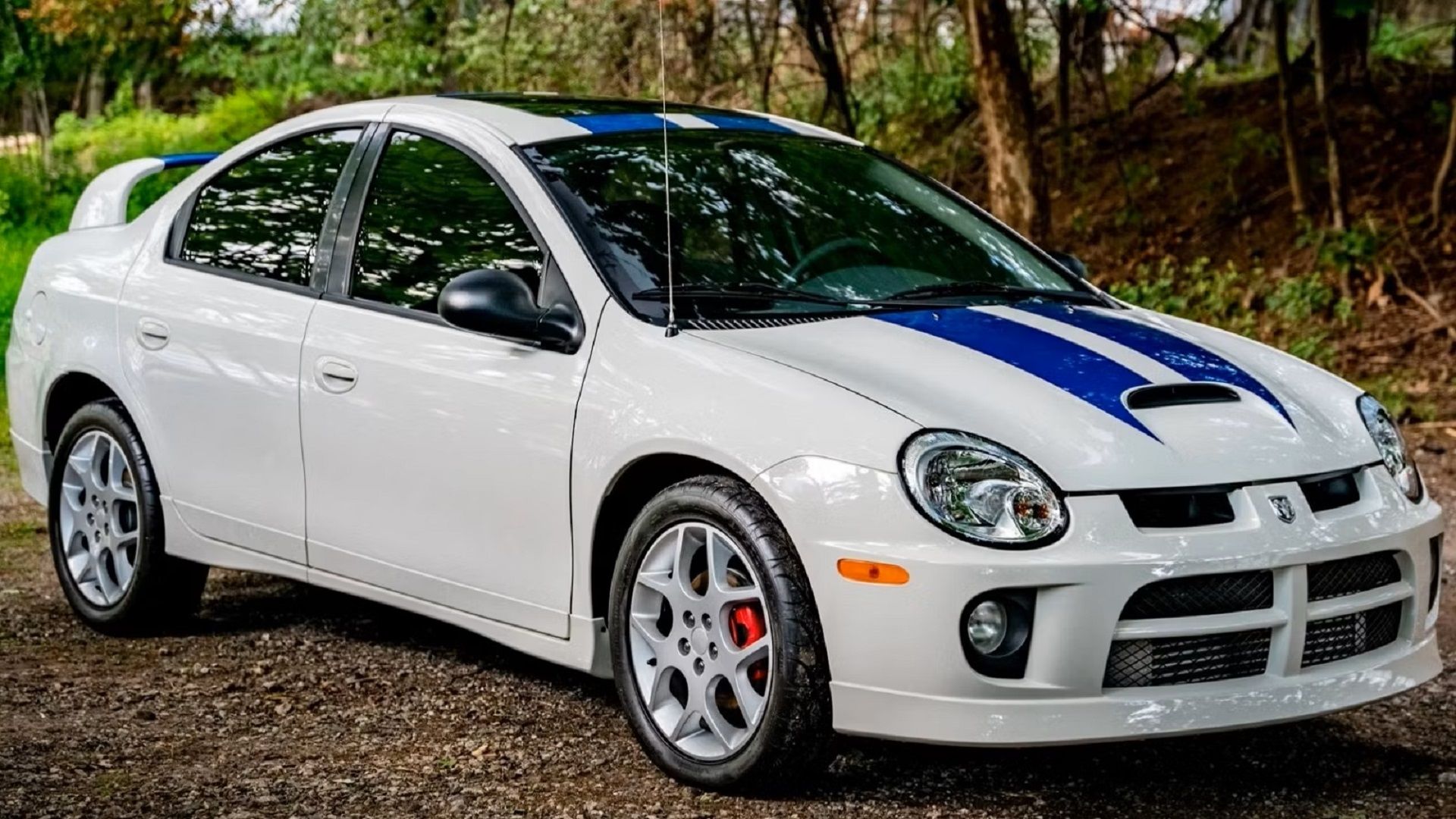
Best Dodge Neon Model Years (Ranked)
The Dodge Neon was Chrysler's affordable compact car from 1995 through 2005, sold in two generations and famous for its cheerful "Hi." marketing, its peppy 2.0L four-cylinder engines, and the genuinely fast SRT-4 turbo variant that turned an economy car into a sleeper performance bargain.
The Neon also carried real flaws — early head gasket failures, weak automatic transmissions, and rust — so the right model year matters enormously on the used market. This ranking walks through the best Neon years and variants, from the celebrated Neon SRT-4 and ACR (American Club Racer) track special to the most dependable everyday second-generation sedans, plus the engines, known problems, and where the value lies for buyers today.
Direct Answer
The best overall Dodge Neon is the 2003-2005 SRT-4, a 215-230 hp turbocharged sport compact that delivered low-13-second quarter miles for a fraction of the cost of any rival, making it the most desirable and collectible Neon by far. For everyday buyers, the best value is a 2003-2005 second-generation SXT sedan, which benefited from years of running improvements, a more refined chassis, and the better-sealing 2.0L SOHC engine at bargain prices.
Avoid early 1995-1997 first-generation cars unless the head gasket has been addressed, since those years are notorious for gasket and water-pump failures. Manual-transmission cars across all years are generally more durable than the three-speed and four-speed automatics.
1. 2003-2005 SRT-4 🏆 BEST OVERALL

The SRT-4 is the Neon's crowning achievement and the clear best buy for enthusiasts. Its 2.4L turbocharged DOHC four-cylinder made 215 hp in 2003 and 230 hp for 2004-2005, paired exclusively with a five-speed manual, and ran the quarter mile in the low 13-second range — quicker than many V8 muscle cars of the era.
It cost around $20,000 new, undercutting the WRX and other turbo rivals dramatically.
The SRT-4 responds well to modest tuning, and a healthy stock example is genuinely quick. Watch for boost leaks, worn turbos, and clutch wear from abusive owners. The strengthened drivetrain handles power better than standard Neons, but verify maintenance history and check for tasteful versus thrashed modifications before buying.
2. 2003-2005 Second Generation SXT 💎 BEST VALUE

The late second-generation SXT is the smart everyday pick and the best value on the used market. By 2003-2005, Chrysler had ironed out many earlier issues, and the 2.0L SOHC engine (132 hp) ran reliably when maintained, especially with the five-speed manual. The SXT trim added alloy wheels, better seats, and creature comforts over the base model.
These cars are inexpensive, simple to repair, and cheap to insure, making them ideal first cars or budget commuters. Timing belt service is critical — the 2.0L is an interference engine, so a snapped belt can destroy it. Confirm the belt and water pump have been replaced on schedule, and favor manual cars over the four-speed automatic.
3. 2005 Final-Year SRT-4
The 2005 SRT-4 is the last and arguably most refined version of the turbo Neon, retaining the 230 hp 2.4L turbo and five-speed manual while incorporating the cumulative running improvements of the model's short run. As the final-year car, it carries some collector appeal among Neon enthusiasts.
The 2005 cars benefit from the upgraded clutch and revised tuning that arrived for 2004. As with any SRT-4, the biggest risk is prior owner abuse, so inspect the turbo, intercooler piping, and transmission synchros carefully. A clean, lightly modified 2005 SRT-4 is a future-classic sport compact that still delivers strong performance for the money.
4. 2003 First-Year SRT-4

The 2003 SRT-4 launched the performance Neon with 215 hp, slightly less than the later 230 hp cars, but still ferociously quick for its price. First-year cars used a somewhat weaker clutch that Chrysler upgraded for 2004, so many have since been replaced — verify which clutch is fitted.
This is often the most affordable way into SRT-4 ownership. The Mopar tuning support and aftermarket are deep, so parts are easy to find. Inspect for boost leaks and oil consumption, and treat any heavily modified first-year car with caution. A well-kept stock 2003 delivers nearly all of the later cars' thrills at a lower entry price.
5. 2002 Second Generation (Refined)

The 2002 Neon sits in the sweet spot of the second generation, after Chrysler addressed early teething issues but before the model wound down. The 2.0L SOHC engine is the engine to seek, and by 2002 the head gasket reliability had improved markedly over first-generation cars.
These sedans ride and handle better than the original Neon thanks to the stiffer second-gen body and revised suspension. As always, the five-speed manual is more durable than the automatic. Rust around the rear wheel arches and subframe is the main concern in salt-belt states, so inspect underneath thoroughly.
A clean 2002 makes a dependable, dirt-cheap commuter.
6. 2000-2001 Second Generation (Early)

The second-generation Neon debuted for 2000 with a quieter cabin, a stiffer body, and a more grown-up feel than the original. The 2.0L SOHC (132 hp) replaced the earlier DOHC option in most trims and proved more reliable, with better head gasket sealing than the 1995-1999 cars.
Early second-gen cars still had some bugs being sorted, so a 2001 is generally preferable to a 2000. Look for the usual Neon issues: automatic transmission weakness, timing belt service history, and rust. With a manual transmission and documented maintenance, these are honest, frugal compacts that cost almost nothing to buy and run.
7. 1999 First Generation (Best of Gen 1)

The 1999 Neon is the most sorted of the first-generation cars. By the final year of the original design, Chrysler had improved the head gasket and addressed several early-production faults, making the 1999 the safest first-gen bet. The lively 2.0L engines — both SOHC (132 hp) and DOHC (150 hp) — give it surprising pep for an economy car.
These are now old and inexpensive, so condition trumps everything. Check for the multi-layer steel head gasket upgrade, evidence of overheating, and rust. A clean 1999 with the five-speed manual is a fun, lightweight, tossable little car for buyers who want first-generation character without the worst of the early gasket woes.
8. 1998-1999 R/T and ACR Variants

Before the SRT-4, the R/T and the track-focused ACR (American Club Racer) were the enthusiast Neons. They used the 150 hp 2.0L DOHC engine with sportier suspension, and the ACR added stiffer dampers, thicker sway bars, and deletion of sound deadening for amateur racing. These are collectible among first-generation fans.
The R/T and ACR drive far more sharply than a base Neon and are genuinely entertaining on a back road or autocross course. They share the first-generation head gasket risk, so verify repairs. Finding an unmolested example is increasingly hard, but a well-preserved ACR is a charming, lightweight enthusiast car at a low price.
9. 1996-1997 First Generation (Caution)

The 1996-1997 Neon improved slightly over the launch cars but still carries the first generation's chronic head gasket failures, often caused by the original gasket design and aggravated by overheating. The 2.0L SOHC and DOHC engines are otherwise willing performers, and these years added incremental refinements.
Buy one of these only if the multi-layer steel head gasket upgrade has been documented and the cooling system is healthy. The three-speed automatic is weak and best avoided in favor of the manual. Rust is widespread on survivors. These cars are dirt cheap, but the gasket gamble makes them a cautious buy unless the work is already done.
10. 1995 First Generation (First Year)

The 1995 Neon launched the nameplate to wide acclaim for its value, roomy interior, and spirited 2.0L engines, but the first-year cars are the most problematic today. They are notorious for head gasket failures, water-pump leaks, and assorted early-production glitches, and most survivors are well-worn.
As the original car, a 1995 has some nostalgic appeal, and the DOHC 150 hp version is genuinely lively. Realistically, though, these are now budget transportation or enthusiast projects. Only consider a 1995 if the gasket and cooling system have been rebuilt, the body is rust-free, and the price reflects the risk.
For most buyers, a later second-generation car is the wiser choice.
What to Watch For When Buying
- Head gasket history, especially on 1995-1999 first-generation cars — confirm the multi-layer steel (MLS) gasket upgrade and check for signs of overheating, coolant in the oil, or white exhaust smoke.
- Timing belt and water pump service — the 2.0L is an interference engine, so a failed belt can wreck it; verify replacement within the recommended interval.
- Transmission choice — the three-speed and four-speed automatics are weak; the five-speed manual is far more durable across every year.
- Rust around rear wheel arches, rocker panels, and subframes, particularly in salt-belt states.
- SRT-4 abuse — inspect for boost leaks, worn turbo, clutch slip, and tasteless or unsafe modifications; favor stock, well-documented cars.
- Maintenance records — given the low purchase prices, documented upkeep matters far more than the asking price.
How to Choose
Match the Neon to your goal. For performance and collectibility, the 2003-2005 SRT-4 is the only real answer — quick, cheap to buy, and deeply supported by the aftermarket; pick a 2004-2005 for the 230 hp tune and upgraded clutch. For a reliable, low-cost daily driver, target a 2003-2005 SXT or a 2001-2002 second-generation sedan with the 2.0L SOHC and a five-speed manual.
First-generation buyers should stick to a 1999 or a well-sorted R/T/ACR with documented gasket work. In every case, prioritize a manual transmission, verified timing-belt and head-gasket service, and a rust-free body over a marginally lower price.
FAQ
Which Dodge Neon years should I avoid? The 1995-1997 first-generation cars are the riskiest because of chronic head gasket and water-pump failures. They can be fine if the multi-layer steel gasket upgrade and cooling system work are documented, but unverified examples are a gamble.
Late second-generation cars (2003-2005) are the safest everyday choices.
What makes the Neon SRT-4 special? The SRT-4 packed a 2.4L turbocharged engine making 215-230 hp into a cheap economy-car body, running low-13-second quarter miles for around $20,000 new. It undercut rivals like the Subaru WRX dramatically and remains a beloved, tunable sleeper that is now the most collectible Neon.
Is the Dodge Neon reliable? It depends on the year and transmission. The 2.0L engines are durable once the head gasket issue is resolved, and the five-speed manual is dependable. The automatic transmissions are the weak point, and timing-belt neglect can destroy the interference engine, so maintenance history is everything.
Manual or automatic Neon — which is better? The five-speed manual is clearly better. It is more reliable, more engaging, and more efficient than the weak three-speed and four-speed automatics Chrysler used. The SRT-4 came only with a manual, and even on economy versions the manual is the recommended choice for durability and resale.
Bottom Line
The Dodge Neon is a cheap, characterful compact whose value hinges entirely on year and engine. The 2003-2005 SRT-4 is the best overall pick — a quick, collectible turbo bargain — while the 2003-2005 SXT sedan offers the best value for everyday buyers. Steer clear of unverified 1995-1997 first-generation cars with their head gasket risk, always favor the five-speed manual, and confirm timing-belt and gasket service through records.
Bought carefully, a Neon delivers honest, inexpensive motoring or genuine sleeper performance.
Sources
- Wikipedia Dodge Neon generations, engines, and SRT-4 specifications, en.wikipedia.org
- NHTSA recall and complaint database for Dodge Neon by model year, nhtsa.gov
- Edmunds Dodge Neon and Neon SRT-4 reviews and used-car appraisals, edmunds.com
- Kelley Blue Book Dodge Neon used values by model year, kbb.com
- Car and Driver Dodge Neon SRT-4 road tests and performance figures, caranddriver.com
- EPA Fuel Economy ratings for Dodge Neon by model year, fueleconomy.gov