
2027 Best Used Hybrid SUVs Under $20,000 for Phoenix Desert Driving (AC & Heat Focus)
 Curated byKory White · Fractional CRO · Maryland
 PULSEKNOWLEDGE LIBRARY
Quality
Certified

For extreme Phoenix heat under $20,000, prioritize a used Toyota hybrid — RAV4 Hybrid or Highlander Hybrid — because their electric-driven compressors keep AC running at full output while stopped in traffic, unlike belt-driven systems that weaken at idle. Verify condenser condition, cabin filter, and hybrid battery cooling fan before buying any Arizona example.
What hybrid AC actually is, and why it matters at 115°F
The single most important mechanical fact for a Phoenix buyer is that most full hybrids do not run their air conditioning off a belt. In a conventional gas SUV, the AC compressor is spun by the accessory belt off the crankshaft. When the engine is at idle — which is exactly what happens at a red light on Bell Road in July — the compressor is turning at its slowest speed, moving the least refrigerant, right at the moment cabin heat load is highest. That is why so many conventional vehicles blow noticeably warmer air at a stoplight and cool off again once you're moving.
Full hybrids from Toyota, Honda's two-motor systems, Ford's older hybrid architecture, and Hyundai/Kia's parallel hybrids largely solve this with an electrically driven compressor powered from the high-voltage system. The compressor speed is decoupled from engine speed entirely. Stopped at a light with the gas engine shut off, the AC still pulls full refrigerant flow because it is running on traction-battery power. In practice this means a hybrid SUV's vents hold their temperature during long idles, drive-through lines, school pickup queues, and the stop-and-go crawl on the I-10 through downtown. That is a real, measurable comfort difference in a metro that spends roughly a third of the year above 100°F and routinely hits 115–118°F on peak summer afternoons.
There is a second, less obvious benefit. Because the hybrid can keep cooling with the engine off, the system does not force the engine to idle purely to run the AC. That preserves the fuel-economy advantage in exactly the conditions where a conventional car loses the most — city driving in extreme heat with the climate control at maximum. Phoenix drivers commonly report that a conventional SUV's real-world summer mileage drops meaningfully with AC at full blast; a hybrid absorbs more of that load electrically and recovers energy through regenerative braking at every one of those stoplights.

The third factor is thermal management of the hybrid battery itself. Nickel-metal-hydride and lithium hybrid packs are cooled by cabin air drawn through a vent — usually behind a rear seat side panel or under the rear seat. That is an advantage in Phoenix, because the pack is being fed conditioned cabin air rather than ambient 115°F air. But it comes with an obligation: that intake vent and its fan must be clean. A pet-hair-clogged battery cooling fan in Arizona is one of the fastest routes to a degraded pack, and it is one of the cheapest things to inspect before purchase.
So the short version of "why it matters": in a mild climate, the hybrid AC advantage is a nice-to-have. In Phoenix, it is the difference between a system that struggles for four months of the year and one that behaves the same in gridlock as it does at 60 mph. It also reframes what a "good deal" means — a $16,000 hybrid with a healthy pack and a clean condenser will be more livable than a $12,000 conventional SUV with a marginal AC system that needs a $1,200 repair in its first July.
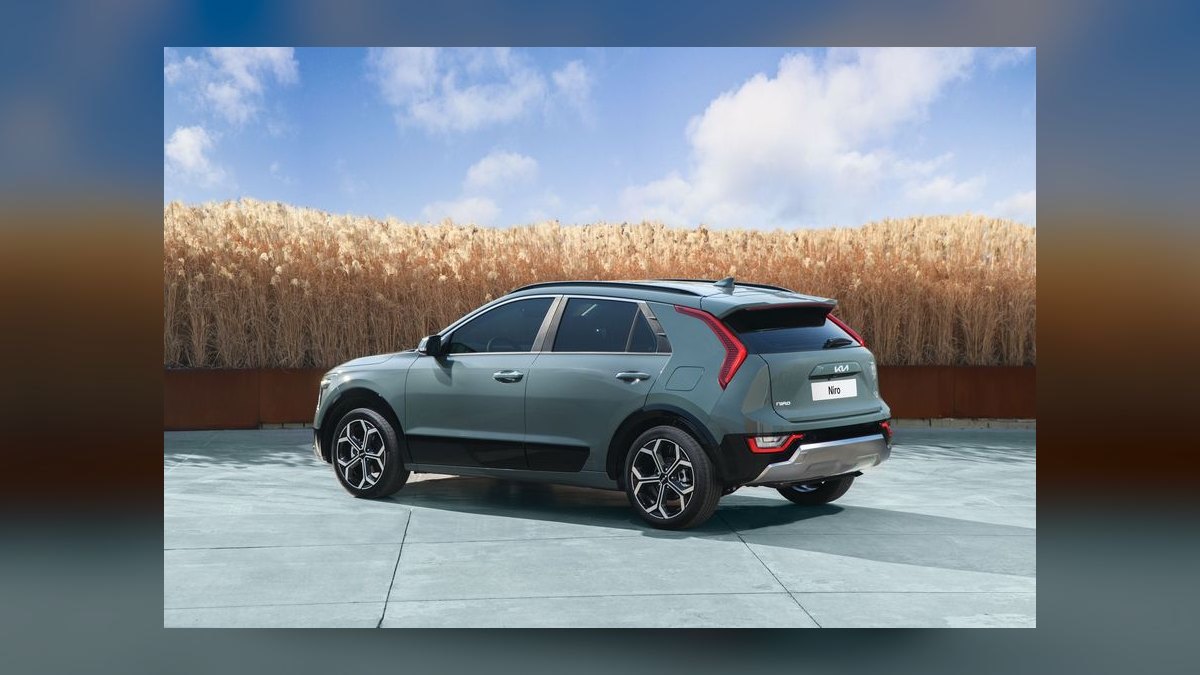
Worth naming the constraint honestly: the phrase "2027 used hybrid SUVs under $20,000" describes model years that are effectively new-ish vehicles, and a genuinely recent hybrid crossover does not land under $20,000 in a normal used market. What actually exists in that price band in the Phoenix Valley is older hybrid SUV inventory — earlier-generation RAV4 Hybrid, Highlander Hybrid, Ford Escape Hybrid, Kia Niro-class and similar — plus conventional crossovers. Everything below is written for that reality rather than for a listing price that does not exist.
The step-by-step process for evaluating AC performance before you buy
Do not evaluate AC by sitting in a car for ninety seconds with the fan on high. That test passes systems that will fail you in August. The sequence below takes about 40 minutes and separates a healthy system from one that is one hot week away from a repair bill.
Step 1 — Arrive at the worst time. Schedule the test drive between roughly 1:00 and 5:00 p.m. in the hottest month you can, and ask that the vehicle be parked in direct sun, not moved into shade or pre-cooled. A dealer who "pulls it around front with the AC running" has removed the entire value of your test. Interior surfaces in a closed car in Phoenix can climb far above ambient, and that soak load is the real workload.
Step 2 — Measure, don't guess. Bring an inexpensive probe or infrared thermometer and a phone stopwatch. Put the probe in the center dash vent. Record the ambient temperature, then start the vehicle, set climate to maximum cool, fan on high, and — critically — recirculate on. Note the vent temperature at 2, 5, and 10 minutes while the vehicle idles.
Step 3 — Interpret the numbers realistically. In extreme ambient conditions a healthy system typically produces a large vent-to-ambient drop, and the practical benchmark most technicians use is a substantial delta between outside air and center-vent air once the system has stabilized on recirculate. If a vehicle is barely cooler at the vent than the outside air after ten minutes on recirculate, the system has a real problem — low charge, a failing compressor, a blocked condenser, or a blend-door fault. Do not accept "it just needs a recharge." A system that is low is low because refrigerant leaked out, and the leak is the repair.

Step 4 — Test the idle case specifically. This is the hybrid-specific test. With the vehicle in Park and fully warmed, let it sit until the gas engine cycles off (in a Toyota hybrid this is normal and expected). Watch the vent temperature during the engine-off window. In a healthy hybrid with an electric compressor, the air stays cold. If the vent air warms noticeably every time the engine shuts down, either the compressor is not running on battery power as designed or the system is compensating for a fault.
Step 5 — Drive it, then stop it. Get on a surface street, then a freeway on-ramp, then come back to a long light. You are watching for the classic conventional-system signature: cold on the highway, weak at the stop. A hybrid should not show that pattern.
Step 6 — Inspect the hardware. Look through the grille at the condenser. In Arizona, condensers collect dust, bugs, and road debris, and bent fins from rock strikes are common on I-17 commuters. A condenser that is 30% blocked will cool acceptably at speed and poorly at idle. Pull the cabin air filter — it is usually behind the glovebox and takes two minutes. A filter gray with dust is normal for a Valley car and cheap to replace, but a filter that is packed solid tells you the previous owner ignored maintenance broadly.

Step 7 — Inspect the hybrid battery cooling path. Find the battery intake vent (commonly a slotted panel near the rear seat or in the rear quarter trim). Confirm it is not blocked by cargo, a seat cover, or accumulated pet hair. With the AC running, you should be able to feel or hear the battery fan. This is the single highest-value five-minute check on a used hybrid in a hot climate.
Step 8 — Get a pre-purchase inspection with a hybrid-competent shop. Budget roughly $150–$250 for a standard PPI. For a hybrid, pay the extra to have the shop read the hybrid system data — pack block voltages, delta between the weakest and strongest blocks, and any stored codes. A pack with a wide block spread is a future repair regardless of how the AC feels today.
Costs, timelines, and typical ranges in the Valley market
Set expectations on money before you shop, because the difference between a good Phoenix hybrid buy and a bad one is usually a few specific line items rather than the sticker.

Purchase price reality. Under $20,000 in the Phoenix metro, you are shopping older hybrid SUV inventory rather than late-model examples. Toyota's hybrid crossovers hold value stubbornly — that is the well-documented flip side of their reliability reputation — so the same dollar buys you an older RAV4 Hybrid than it would an older conventional RAV4. Expect the hybrid tax to be real. Ford Escape Hybrid and Hyundai/Kia hybrid crossovers of similar age typically list lower, which is a legitimate way to get electric-compressor AC behavior for less money if you accept a smaller service network for hybrid-specific work.
AC repair line items. These are the numbers that should shape your negotiation:
- Cabin air filter: a low-cost part, often a genuinely DIY job in under ten minutes. In Phoenix, plan to change it roughly twice as often as the manual suggests — dust load here is not the national average.
- Refrigerant evacuate-and-recharge with leak dye: a routine shop service, but treat it as diagnostics, not a fix. If the seller has "recharged it twice," the system leaks.
- Condenser replacement: a meaningful repair, several hundred dollars in parts and labor on most crossovers, and one of the more common failures in a rock-and-debris environment.
- Compressor replacement on a hybrid: the expensive one. Electric compressors are more costly than belt-driven units, and they require the correct POE/ND-11 style refrigerant oil — using standard PAG oil in a hybrid's electric compressor can compromise the high-voltage insulation of the unit. Any shop touching a hybrid AC system must know this. It is a genuine reason to prefer a shop with hybrid experience over the cheapest quote.
- Blend door actuator: a modest part cost with labor that varies enormously by how buried the actuator is. Symptom is air that is cold at one vent and warm at another, or a clicking sound behind the dash.
Hybrid battery. The number everyone asks about. Replacement pack costs vary widely by model and by whether you choose a dealer new pack, a remanufactured pack, or a reconditioned unit from a hybrid specialist — and the Phoenix metro has a real independent hybrid repair market, which is a genuine advantage over smaller cities. The relevant Arizona wrinkle is that sustained extreme heat is hard on any battery chemistry, so a pack's calendar age matters as much as its mileage here. Ask specifically whether the car spent its life in Arizona or was imported from a milder market — a Valley-native pack with a clean cooling path can still be healthy, but a neglected one ages faster than the same car would in Seattle.

Timeline. Give yourself three to five weekends. Good hybrid inventory under $20,000 in this market moves quickly, and the failure mode is rushing a purchase in June because your current car's AC just died. Shop in the shoulder seasons if you can — but if you shop in summer, at least you get to test the AC honestly, which is a genuine offsetting advantage.
Budget buffer. Hold back $800–$1,500 beyond the purchase price for the first ninety days. On a Phoenix used car, the realistic first-year list is tires (heat destroys them, and sidewall age matters more than tread depth here), brakes, a cabin filter, an oil service, and often one climate-system item.
Where Phoenix buyers get this wrong
Testing in the morning. The most common error. A car tested at 8 a.m. in October tells you almost nothing about its behavior at 3 p.m. in July. If you cannot test in heat, at minimum test on recirculate after the car has been closed up in the sun for an hour, and discount your confidence accordingly.

Accepting "it just needs a recharge." Refrigerant is a closed system. It does not get consumed. If it is low, it escaped, and it will escape again. Treat a recharge offer as disclosure of a leak and price accordingly.
Ignoring recirculate. Some buyers test with fresh-air mode on and conclude the AC is weak. In extreme heat, recirculate is not optional — the system cannot repeatedly cool 115°F outside air down to vent temperature as efficiently as it can re-cool already-conditioned cabin air. Always evaluate on recirc, and drive on recirc.
Overweighting mpg, underweighting the cooling system. Buyers arrive with a fuel-economy spreadsheet and no plan for evaluating climate control. In this metro the order of operations is inverted: AC performance first, then reliability, then economy. A hybrid that saves you a few hundred dollars a year in fuel but needs a compressor is a net loss.

Skipping the battery vent check. It takes five minutes and it is the highest-leverage inspection on the car. A blocked hybrid battery intake in extreme Arizona heat accelerates pack degradation in a way that is entirely preventable.
Assuming window tint solves it. Tint helps meaningfully with solar gain and is close to standard practice here, but it is a supplement to a healthy system, not a substitute. Check Arizona's window-tint rules before buying a car with aggressive aftermarket film — a car that fails inspection standards is a problem you inherit. Similarly, a windshield sunshade and covered parking reduce soak load substantially and cost very little, and they will extend the life of the dash, seats, and every rubber and plastic component in the interior. Phoenix is as hard on interiors as it is on mechanicals.
Buying out-of-state sight-unseen to save money. A car shipped in from a salt-belt state may have rust you would never see on a Valley car; a car shipped from a mild coastal market may have a healthier battery but unknown maintenance. Neither is automatically better. What matters is documented service history and a local inspection before money moves.

Forgetting the adjacent systems. Extreme heat stresses more than the AC. Coolant condition, radiator and inverter-cooling condition on a hybrid, battery (the 12V one) age, tire sidewall cracking, and the condition of every rubber hose and wiper blade all age faster here. When you inspect the condenser, look at the radiator behind it; when you check the cabin filter, check the 12V battery date code. These are cheap to address at purchase and expensive to address on the shoulder of the 101.
Decision framework: matching the vehicle to how you actually drive
There is no single right answer, because the AC advantage of an electric compressor is worth the most to the drivers who idle the most. Match the choice to your pattern.
If your commute is stop-and-go city driving — surface streets, long lights, drive-throughs, school pickup, rideshare, delivery — the electric-compressor hybrid advantage is at its maximum, and it is worth paying the hybrid premium. This is the profile where a conventional SUV's AC most visibly falls off. Toyota's hybrid crossovers are the default recommendation here because of the combination of electric compressor, strong long-term reliability record, and a deep independent service network in the Valley.
If your commute is mostly freeway at speed — a long run down the 101 or the I-10 with few stops — a conventional system with a healthy condenser will keep up fine, and the hybrid's AC advantage shrinks. You still get the fuel-economy benefit, but the comfort case is weaker. Here you can reasonably widen the search to strong conventional crossovers and spend the savings on a newer, lower-mileage example.
If you carry passengers in a third row, cooling volume becomes the constraint rather than compressor type. A three-row SUV with rear climate controls and rear vents will outperform a larger vehicle without them, regardless of powertrain. Confirm rear vents actually blow cold, not just cool — test the second and third rows separately with the probe.
If you park outdoors all day — an uncovered work lot, no garage at home — prioritize glass area, factory tint, a light interior color, and remote start with pre-cooling far more heavily than you otherwise would. A hybrid's ability to pre-cool without a long engine idle is an underrated feature in this scenario.
If your budget is genuinely hard at $20,000, the honest trade is this: take the older hybrid with documented cooling-system health over the newer conventional with unknown history. In this climate, the climate system is a primary component, not an accessory.
Related questions
Does a hybrid's AC keep running when the gas engine shuts off?
In full hybrids with an electrically driven compressor, yes — the compressor runs on high-voltage battery power independent of engine speed, so vent temperature holds during auto-stop. Mild hybrids and belt-driven systems do not behave this way. Verify by watching vent temperature during an engine-off window.
Is Arizona heat bad for a used hybrid battery?
Sustained extreme heat does accelerate battery aging, which is why calendar age matters as much as mileage on a Valley car. The mitigating factor is that packs are cooled by conditioned cabin air. Keep the intake vent and fan clear, and have block voltages read before purchase.
How much does hybrid AC repair cost compared to a conventional car?
Filters, condensers, and actuators cost roughly the same. The compressor is the divergence — electric compressors are more expensive and require specific POE-type refrigerant oil, so the repair must go to a hybrid-competent shop rather than the cheapest available quote.
Should I buy a used car from outside Arizona to avoid heat damage?
Not automatically. Out-of-state cars trade heat exposure for other risks — salt-belt corrosion, unknown maintenance, no local service history. Documented records and a local pre-purchase inspection matter more than the state on the title.
What vent temperature should I expect on a 115-degree day?
Expect a large drop between ambient and center-vent air on recirculate after ten minutes, not a fixed number — the delta is what matters. If the vent air is only slightly cooler than outside air after ten minutes, the system is faulty regardless of what the seller says.
FAQ
Why do hybrids handle Phoenix traffic better than conventional SUVs?
Because the AC compressor is driven electrically rather than by the accessory belt. At idle, a belt-driven compressor turns at its slowest and moves the least refrigerant, which is why conventional cars blow warmer at a stoplight. An electric compressor runs at commanded speed regardless of engine rpm, so cooling output stays flat in gridlock — the exact condition Phoenix summer driving is made of.
What is the single most important thing to check before buying?
Vent temperature under load, measured. Park the car in the sun, run it on maximum cool with recirculate on, and log center-vent temperature at two, five, and ten minutes while idling. That one test catches low charge, a failing compressor, and a blocked condenser. Everything else is confirmation.
Can I really find a 2027-model-year hybrid SUV under $20,000?
Realistically, no — a genuinely recent hybrid crossover does not fall into that price band in a normal market, and any listing that claims otherwise deserves a hard look at title branding, mileage, or accident history. What the $20,000 budget actually buys in the Valley is older hybrid SUV inventory, and that is where to focus.
Does window tint replace the need for a strong AC system?
No. Tint reduces solar gain and genuinely lowers cabin soak temperature, and it is close to universal practice here for good reason, but it does not increase the cooling capacity of the system. Treat it as a multiplier on a healthy system. Also confirm any aftermarket film complies with Arizona's tint regulations before you buy.
How often should I change the cabin air filter in Phoenix?
More often than the manual says. Valley dust load is well above the national average, and a clogged filter directly reduces airflow across the evaporator — which reads as weak AC even when the refrigerant circuit is perfectly healthy. It is inexpensive, usually accessible behind the glovebox, and it is the cheapest cooling improvement available.
Is it worth paying more for a Toyota hybrid specifically?
For most Phoenix buyers, yes. The combination of an electric compressor, a long reliability record, deep parts availability, and a dense network of independent shops that know the hybrid system reduces both the probability and the cost of the failures that matter here. The resale premium is real, but so is what it buys.
Sources
- EPA Fuel Economy — hybrid vehicle basics
- U.S. Department of Energy — Alternative Fuels Data Center
- Consumer Reports — used cars
- Edmunds
- Kelley Blue Book
- Car and Driver
- IIHS Vehicle Ratings
- NHTSA Vehicle Safety and Recalls
- RepairPal Reliability
- National Weather Service — Phoenix forecast office
Related on PULSE
- [Best Used Hybrid Cars Under $20,000 in 2027 (Ranked)](/knowledge/ca0772)
- [Best Used Subcompact SUVs Under $20,000 in 2027 (Ranked)](/knowledge/ca0935)
- [Best Used Mid-Size SUVs Under $20,000 in 2027 (Ranked)](/knowledge/ca0934)
- [Best Used Electric SUVs Under $20,000 in 2027 (Ranked)](/knowledge/ca0932)
- [Best Used Off-Road SUVs Under $20,000 in 2027 (Ranked)](/knowledge/ca0781)
- [Best Used Full-Size SUVs Under $20,000 in 2027 (Ranked)](/knowledge/ca0778)
This page will be disappearing soon. Save it to your device for $1 — or read it free while it is here.
@Kory-White- · if Venmo asks, the last 4 of my number are 2012
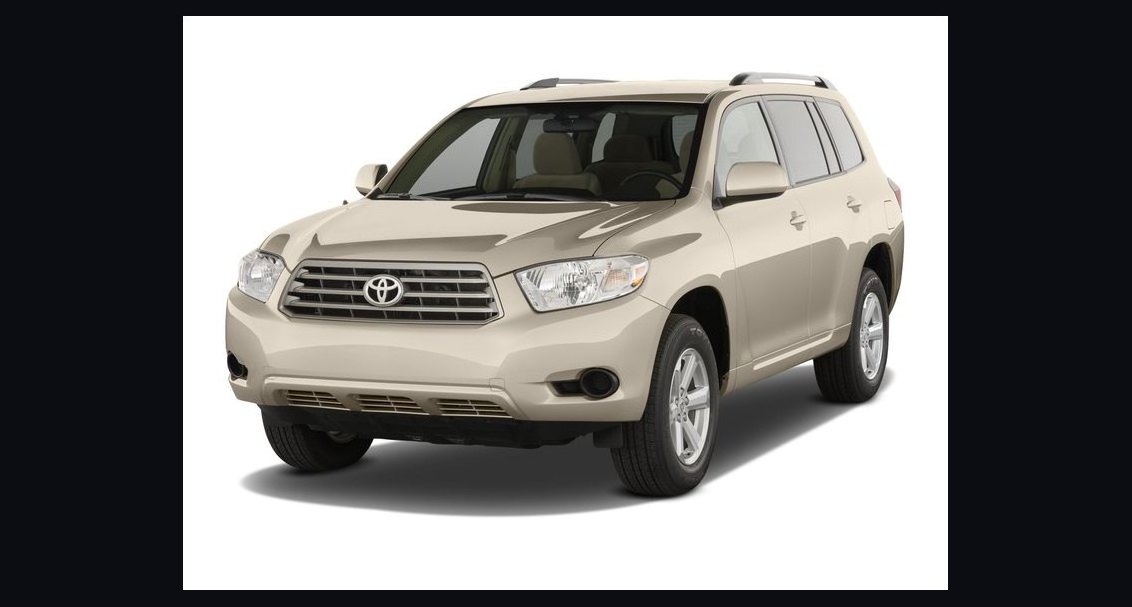 pulse-carsTop 10 SUVs 2010 — Best Overall + Best Value
 pulse-carsBest Hyundai Genesis Coupe Model Years (Ranked) in 2027
 pulse-carsBest EVs for Cold Weather in 2027
 pulse-carsBest Ford EcoSport Model Years (Ranked) in 2027
 pulse-carsTop 10 Pickup Trucks 1969 — Best Overall + Best Value
 pulse-carsTop 10 Luxury SUVs 2027 — Best Overall + Best Value
 pulse-carsBest Chevrolet Equinox Model Years (Ranked) in 2027
 pulse-carsTop 10 Cargo Vans 2027 — Best Overall + Best Value
 pulse-carsTop 10 Diesel Trucks 2027 — Best Overall + Best Value
 pulse-carsTop 10 Hydrogen Cars 2027 — Best Overall + Best Value