


How do I choose between a hybrid and a plug-in hybrid car in 2027?
Quality
Certified
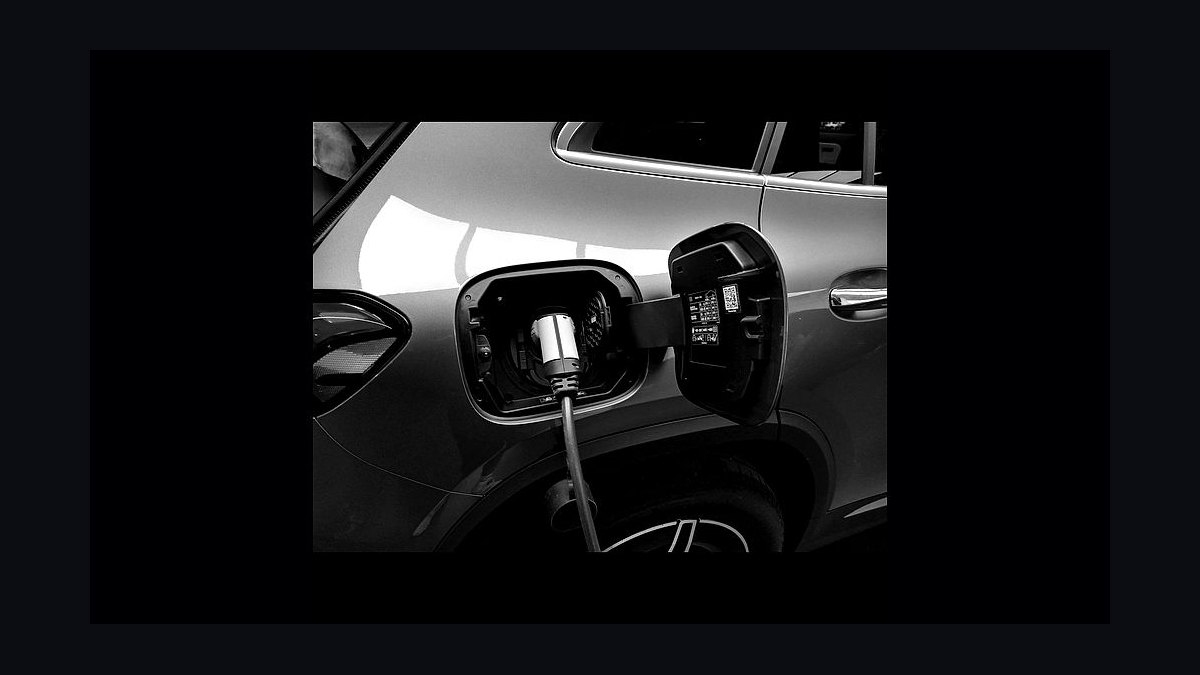
To choose between a hybrid and a plug-in hybrid in 2027, match the car to your daily driving and charging access. A conventional hybrid suits drivers without home charging who cover long, variable distances; a plug-in hybrid pays off only if you can charge regularly and most trips fit inside its electric range.
The two options compared
The core decision in 2027 is between a conventional hybrid (HEV) and a plug-in hybrid (PHEV). Both pair a gasoline engine with an electric motor, but they are engineered around different assumptions about where their energy comes from, and those assumptions drive every downstream cost.
A conventional hybrid charges its small battery only through regenerative braking and engine output. There is no plug. The battery typically holds roughly 1 to 2 kWh, enough to buffer energy and let the electric motor assist during acceleration, low-speed creep, and idling. The engine still supplies essentially all the propulsion energy over a trip, so the efficiency gain comes from recovering energy that a normal car would lose as brake heat and from letting the engine run closer to its most efficient operating point. Real-world results cluster around a 20 to 40 percent fuel saving versus a comparable non-hybrid, with city driving benefiting most because that is where braking losses are largest.

A plug-in hybrid carries a much larger battery, commonly 10 to 25 kWh in current passenger cars, and adds a charge port. That battery is sized so the car can complete a meaningful distance on electricity alone — often 30 to 60 miles of EPA-rated range — before the engine takes over and the car behaves like a conventional hybrid. The critical consequence is that a PHEV's efficiency is not a single number. It is two very different numbers depending on whether you charge it. Charged daily and driven within its electric range, a PHEV can run most miles on grid electricity and post extremely low fuel consumption. Driven without charging, it carries several hundred pounds of extra battery and motor hardware and can return worse fuel economy than a plain hybrid, because the engine is now hauling weight it cannot offset with plug energy.
That split personality is the whole decision. A conventional hybrid delivers a reliable, moderate improvement with no behavior change required. A plug-in hybrid delivers a much larger improvement, but only if you actually plug it in and your routine fits its electric range. The rest of this page turns that principle into concrete numbers and a sequence you can follow.
How to decide between them

The fastest way to decide is to run your own routine against a short decision path rather than against marketing claims. Work through the following logic honestly, because the branch that matters most is the charging question — everything else is secondary.
Read the chart as a filter, not a verdict. The first question eliminates the largest group of buyers: if you live in an apartment with no assigned parking, or your workplace offers no charging, a plug-in hybrid's main advantage is largely unavailable to you, and a conventional hybrid is the safer financial choice. The second and third questions separate the remaining buyers. If your typical day is short and you can charge overnight, a PHEV can cover most of your miles on electricity. If your days are long and electricity is expensive where you live, the plug-in premium buys less than it appears to.
Two refinements matter before you commit. First, "can you charge" means reliably and conveniently, not occasionally — a PHEV that gets plugged in twice a week behaves mostly like a heavy hybrid. Second, consider your longest regular trips, not your average. A PHEV handles long highway days fine, but on those days it is running on gasoline and delivering roughly hybrid-level economy while carrying extra mass, so the advantage narrows. Buyers who mostly drive long distances and rarely charge should treat the plug-in premium as money spent on capability they will seldom use.
Concrete numbers behind each option

Translate the decision into arithmetic you can run on your own commute. The figures below are representative ranges for 2027-era passenger cars, not quotes for a specific model — always pull the actual EPA label and your local electricity and fuel prices before deciding.
Start with the conventional hybrid. Assume a mid-size hybrid sedan returns about 50 mpg combined in mixed driving, against roughly 32 mpg for a comparable non-hybrid. At 12,000 miles a year and $3.50 per gallon, the hybrid burns about 240 gallons ($840) while the non-hybrid burns about 375 gallons ($1,313) — a saving near $470 a year, before any difference in purchase price. Over five years that is roughly $2,300. The hybrid's purchase premium is often smaller than a plug-in's, so this is the lower-risk option: modest, predictable savings with no change to how you fuel the car.
Now the plug-in hybrid, which has two cost profiles. Charged daily and driven mostly within its electric range, a PHEV might cover 70 to 80 percent of its annual miles on electricity. At an efficiency of about 3 miles per kWh and electricity at $0.16 per kWh, 9,000 electric miles cost roughly $480, while the remaining 3,000 gasoline miles at 45 mpg cost about $233 — a combined fuel-and-power cost near $713 a year, comparable to or slightly below the conventional hybrid, with the bonus that much of your driving is electric. Driven without charging, the same car might return only 35 to 40 mpg while hauling its larger battery, costing roughly $1,050 to $1,200 a year — worse than the conventional hybrid and far worse than its charged profile.

The gap between those two PHEV outcomes — roughly $350 to $500 a year — is the value of actually plugging in. Weigh it against the plug-in's higher purchase price, which in 2027 commonly runs several thousand dollars above a comparable conventional hybrid before any incentives. If you will charge reliably, that premium can pay back over several years of ownership. If you will not, the conventional hybrid usually wins on total cost, and it wins immediately rather than after a payback period.
Three more numbers deserve a place in your spreadsheet. First, electricity price varies enormously by region and by time of day; off-peak home charging can cost a third of what public fast charging does, so a PHEV's economics depend heavily on where you charge. Second, maintenance differs: hybrids and plug-ins both avoid some wear through regenerative braking, but a PHEV adds charging hardware and a larger battery, and long-term battery replacement cost — while improving — remains a real consideration on older cars. Third, incentives and registration fees are volatile and jurisdiction-specific in 2027; some regions reward plug-ins with tax credits, rebates, or carpool access, while others charge plug-in owners higher annual fees to offset lost fuel-tax revenue. Check your own jurisdiction rather than assuming either way, because these swing the payback by hundreds or thousands of dollars.
Implementation details and sequencing

Once you have a rough answer, the work shifts from arithmetic to verification. Follow a fixed sequence so you are not comparing a well-researched hybrid against a poorly understood plug-in, or the reverse.
Step one is data collection, and it is the step most buyers skip. For two weeks, log every trip: distance, whether it was city or highway, and whether the car sat somewhere it could have charged. This produces two numbers that drive everything — your typical daily distance and your longest regular trip. If your typical day is under the PHEV's electric range and your longest regular trip is occasional, a plug-in fits. If your typical day already exceeds that range, the plug-in spends most of its time on gasoline and the conventional hybrid is simpler.
Step two is confirming charging. Identify the exact outlet or station you would use, confirm it is available when you need it, and estimate the cost. A dedicated home circuit charged overnight is the ideal case; a shared apartment charger or a workplace spot is workable but less certain. If neither exists, stop here and buy the conventional hybrid.
Step three is gathering the real specifications for the specific trims you are considering: EPA electric range, combined mpg, and kWh per 100 miles for the plug-in, and combined mpg for the hybrid. Step four is pricing your local electricity and fuel, including any time-of-use rate you would actually enroll in. Step five is modeling five years of fuel, electricity, and routine maintenance, and adding the purchase-price difference. Step six is checking incentives and fees in your jurisdiction. Step seven is the test drive — drive both on the same route, and on the plug-in, deliberately run it in electric mode and then in hybrid mode so you feel the difference. Step eight is the decision and negotiation, where you now have a defensible total-cost figure to anchor against.
Two practical cautions close the sequence. First, do not let a single exceptional trip distort the model — a once-a-year road trip does not justify buying for that trip; both cars handle it, and the plug-in simply runs on gasoline. Second, revisit the decision if your circumstances are about to change: a move, a new commute, or the arrival of home charging can flip the answer, and it is worth re-running the numbers rather than defaulting to last year's conclusion.
Related questions
Can a plug-in hybrid run without ever being charged?
Yes. It falls back to hybrid operation and runs on gasoline, but it carries extra battery weight, so fuel economy is typically worse than a conventional hybrid. You lose the plug-in's main advantage while paying its higher price.
How long does it take to charge a plug-in hybrid?
On a standard household outlet, a full charge commonly takes several hours to overnight. A dedicated 240-volt home charger cuts that to roughly two to four hours. Public fast charging is faster but usually costs more per kWh.
Is a conventional hybrid cheaper to maintain than a plug-in?

Generally yes, because it has a smaller battery and no charging hardware. Both benefit from regenerative braking, which extends brake life. The plug-in's larger battery is the main long-term cost consideration.
Do plug-in hybrids qualify for incentives in 2027?
It depends entirely on your jurisdiction. Some regions offer tax credits, rebates, or carpool access for plug-ins; others charge higher annual fees. Verify locally before assuming any incentive applies.
What if I can only charge at work, not at home?
It can still work if your workplace charging is reliable and your commute fits the electric range, but home charging is more convenient and usually cheaper. Without either, a conventional hybrid is the safer choice.
FAQ
Which is better for long highway commutes, a hybrid or a plug-in hybrid?
For long highway commutes without reliable charging, a conventional hybrid is usually better. A plug-in hybrid on the highway runs mostly on gasoline while carrying a heavier battery, so its economy can be no better than a hybrid's. The plug-in only pulls ahead when you charge and drive within its electric range.
How much does the plug-in premium cost, and does it pay back?
The plug-in premium commonly runs several thousand dollars above a comparable conventional hybrid in 2027. It pays back only if you charge regularly and drive enough electric miles to offset the difference in fuel and power costs. Without consistent charging, the premium rarely pays back.

What electric range do plug-in hybrids offer in 2027?
Most current passenger plug-in hybrids offer roughly 30 to 60 miles of EPA-rated electric range, though this varies widely by model. Check the specific vehicle's EPA label rather than a class average, because range is the single biggest factor in whether a plug-in fits your routine.
Does driving style change the hybrid versus plug-in decision?
Yes. Aggressive highway driving reduces the benefit of both, but it hurts a plug-in more because it drains the electric range faster and pushes the car onto gasoline sooner. Smooth city driving, where regenerative braking works hardest, favors both technologies.
Can I install home charging if I rent?
Sometimes, but it depends on your lease and local rules. Some jurisdictions give renters a right to install charging at their own cost; others do not. If home charging is not feasible and workplace charging is unreliable, treat a conventional hybrid as the default.
Will a plug-in hybrid save money if electricity is expensive where I live?
Often not. If your electricity rate is high, the cost per electric mile can approach or exceed the cost per gasoline mile, erasing the plug-in's advantage. Run your local rates through the arithmetic before paying the plug-in premium.
Sources
- https://www.fueleconomy.gov/feg/findacar.shtml
- https://www.epa.gov/greenvehicles
- https://www.energy.gov/eere/vehicles/electric-vehicles
- https://www.consumerreports.org/cars/hybrids-evs/
- https://www.iihs.org/ratings
- https://www.nhtsa.gov/ratings
- https://www.edmunds.com/fuel-economy/
- https://www.kbb.com/car-advice/
Related on PULSE
This page will be disappearing soon. Save it to your device for $1 — or read it free while it is here.
@Kory-White- · if Venmo asks, the last 4 of my number are 2012
This page is gone.
This one is off the shelf now. $1 keeps it on your phone for good — the whole page, pictures and diagrams included.
 pulse-recentTop 10 Grand Tourers 1960 — Best Overall + Best Value
 pulse-recentTop 10 Grand Tourers 1950 — Best Overall + Best Value
 pulse-recentTop 10 Muscle Cars 1990 — Best Overall + Best Value
 pulse-recentTop 10 Grand Tourers 2002 — Best Overall + Best Value
 pulse-recentTop 10 Hot Hatchbacks With the Lowest 5-Year Cost of Ownership in 2027
 pulse-recentWhat's the minimum down payment banks typically require to finance a new supercar in 2027?
 pulse-recentTop 10 Muscle Cars 1987 — Best Overall + Best Value
 pulse-recentTop 10 Electric Cars 2023 — Best Overall + Best Value
 pulse-recentTop 10 Muscle Cars 2000 — Best Overall + Best Value
 pulse-recentTop 10 Supercars With Manufacturer Lease Deals in 2027