


Is a used McLaren 720S cheaper to own than a new Porsche 911 Turbo S in 2027?
Quality
Certified
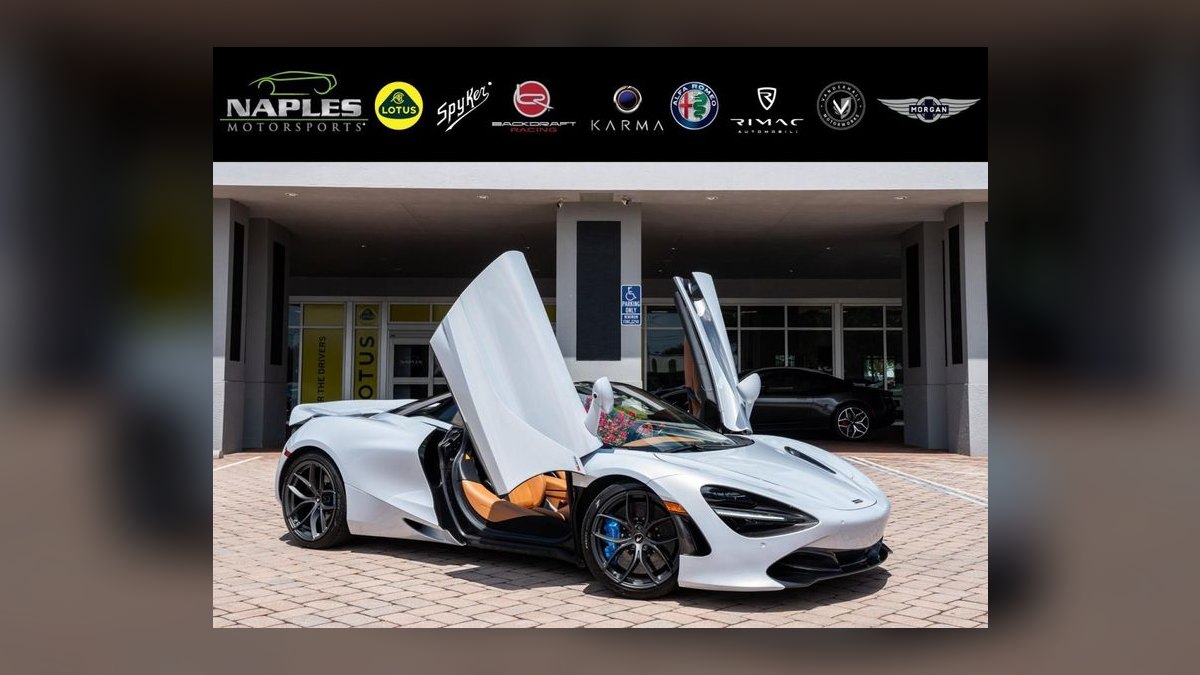
Yes — a used McLaren 720S typically costs less to own over three years than a new Porsche 911 Turbo S, mainly because the 720S has already absorbed its steepest depreciation. The Porsche's higher purchase price, sales tax, and first-year depreciation usually outweigh the McLaren's higher maintenance and warranty costs. Exact totals depend on mileage, warranty coverage, and resale timing.
The outcome you should expect
The short answer is that a used McLaren 720S is usually cheaper to own than a new Porsche 911 Turbo S over a typical three-year hold, but the margin is narrower than the sticker prices suggest and it can flip depending on how you buy and when you sell. The reason is depreciation math, not running costs. A new 911 Turbo S loses a large chunk of its value in the first two years, and that loss dwarfs almost every other ownership expense. A used 720S that has already taken its biggest depreciation hit has far less left to lose, so its depreciation line is smaller even though its maintenance, tires, and consumables cost more.
A realistic three-year picture for a buyer paying cash or financing a modest amount looks roughly like this. On a new 911 Turbo S, first-year depreciation alone can run into six figures in absolute dollars on a well-optioned car, and the cumulative three-year depreciation is the single largest cost. On a used 720S, depreciation over the same window is smaller in absolute dollars because the car's value has already fallen from its original MSRP. That gap is usually large enough to cover the McLaren's extra maintenance and repair exposure, which is why the used McLaren tends to win on total cost of ownership.
The outcome is not guaranteed, and it is not a claim that the McLaren is a cheap car to run. It is not. The claim is comparative: against a brand-new 911 Turbo S, a used 720S usually costs less to own because the Porsche is still in its steepest depreciation phase while the McLaren is past it. If you buy the Porsche used instead, or if you buy the McLaren at an inflated price and sell into a soft market, the comparison can reverse.
Two other factors shape the outcome. First, financing: a new Porsche often qualifies for lower promotional rates, while a used exotic usually carries a higher rate, and that interest difference can eat into the depreciation advantage. Second, warranty: a new Porsche comes with a full factory warranty, while a used McLaren may be out of warranty or covered by a limited extended plan, so you must budget for out-of-pocket repairs. When you net those two factors against the depreciation gap, the used McLaren still usually comes out ahead, but by a smaller margin than the raw depreciation numbers imply.
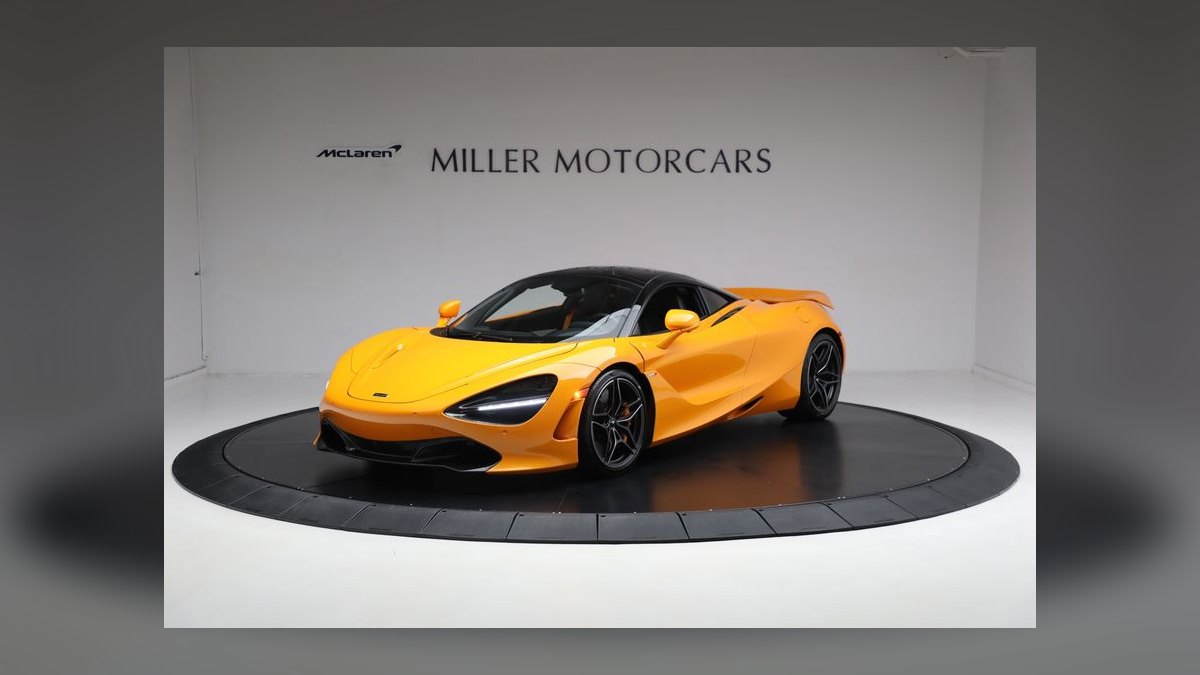
The practical takeaway: if your goal is lowest total cost over a few years, buying the McLaren used and the Porsche new is the comparison where the McLaren wins most clearly. If you are comparing a used McLaren to a used Porsche, or a new McLaren to a new Porsche, the answer changes and you should run the numbers for that specific pair.
What drives that outcome
The core driver is depreciation, and depreciation is driven by where each car sits in its value curve. A new car is at the top of its curve; a used car is somewhere down the slope. The 911 Turbo S is a high-volume, high-demand performance car with a strong residual reputation, but it is still new, so it still takes the first-year hit. The 720S is a low-volume exotic that depreciated hard early and then flattened, so a used example has less value left to lose. That asymmetry is the engine behind the whole comparison.

The second driver is the cost of consumables and service. A McLaren 720S uses large, expensive tires, big carbon-ceramic brakes on many examples, and requires specialist servicing. Annual servicing at a franchised McLaren dealer can run into four figures, and a major service with fluids, filters, and inspections costs more. The 911 Turbo S is also expensive to service, but Porsche's dealer network is larger, parts are more available, and independent specialists are more common, which tends to hold labor rates and parts prices down relative to McLaren. Over three years, the McLaren's running costs are usually higher, but the gap is often smaller than people assume because the Porsche is not cheap to run either.
The third driver is insurance. Both cars are expensive to insure, but a new 911 Turbo S may carry a higher premium simply because its replacement value is higher. A used 720S with a lower market value can sometimes be cheaper to insure, though some insurers load exotic-car premiums because of repair complexity and parts lead times. Get quotes for both before you decide; the difference can be meaningful.
The fourth driver is financing cost. New cars often get subvented rates from captive lenders, while used exotics are financed through banks or specialty lenders at higher rates. If you are financing a large portion of the price, the interest difference can be several thousand dollars over three years. That does not usually erase the depreciation advantage, but it narrows it. Paying cash or making a large down payment removes this variable entirely and makes the used McLaren's advantage clearer.
The fifth driver is resale timing and market conditions. Exotic car values move with supply, fashion, and the broader collector market. If you buy a used 720S at a fair price and sell after three years in a stable market, you may lose relatively little. If you buy at a peak and sell into a downturn, you can lose more than the Porsche owner did. The Porsche's value is generally more predictable, which is a real advantage if you value certainty over expected savings.
Benchmarks and realistic ranges

Because prices move constantly, treat the following as ranges and ratios rather than fixed numbers, and verify current figures before you commit. The pattern is what matters.
Purchase price. A new 911 Turbo S typically transacts well into the mid-to-high six figures once options are added, and popular options push it higher. A used 720S generally trades below that, often by a wide margin, because the car has already depreciated from its original MSRP. The exact spread depends on the 720S's year, mileage, spec, and condition. The key benchmark: the used McLaren usually costs less to buy than the new Porsche, which means less capital at risk and lower sales tax in most jurisdictions.
First-year depreciation. On a new 911 Turbo S, first-year depreciation is the largest single cost of ownership. It is common for a new performance car to lose a double-digit percentage of its value in year one, and on a car at this price level that translates to a very large absolute dollar figure. On a used 720S, first-year depreciation is usually a much smaller percentage because the steepest part of the curve is behind it. This is the benchmark that most often decides the comparison.
Three-year depreciation. Over three years, the new Porsche typically loses more in absolute dollars than the used McLaren, even though the Porsche may retain a higher percentage of its original value. Percentage retention and absolute dollars are different things, and for total cost of ownership the absolute dollars are what you pay. This is why a car with strong residuals can still be the more expensive one to own when bought new.

Maintenance and repairs. Budget for the McLaren to cost more here. Annual servicing, tires, brakes, and unexpected repairs on a used exotic can add up quickly, and a single major repair out of warranty can cost as much as several years of Porsche servicing. The 911 Turbo S is not cheap, but its costs are more predictable and its dealer and independent network is broader. As a rule of thumb, assume the McLaren's running costs are higher by a meaningful margin, then check whether the depreciation gap still covers it. It usually does, but not always.
Insurance. Expect both to be expensive. A new Porsche may cost more to insure because of its higher value; a used McLaren may cost more because of repair complexity. Get real quotes. A difference of a few hundred to a few thousand dollars a year is possible in either direction.
Financing. New-car rates are often lower than used-exotic rates. If you finance most of the purchase price, the interest difference over three years can be several thousand dollars. Run an amortization for both scenarios rather than assuming.
Total cost of ownership over three years. A simple model: add depreciation, financing interest, insurance, maintenance, repairs, tires, and taxes, then subtract resale value. In most realistic scenarios, the used 720S comes out cheaper than the new 911 Turbo S, typically by an amount driven mostly by the depreciation gap. The margin can range from modest to substantial depending on the specific cars and the market. If the McLaren needs a major out-of-warranty repair, the margin shrinks or disappears. If the Porsche is heavily optioned and the McLaren is well bought, the margin widens.
Break-even thinking. The cleanest way to decide is to find the break-even repair cost. Estimate the depreciation gap between the two cars over your planned hold, then ask how large an unexpected McLaren repair would have to be to erase that gap. If the gap is large and the repair risk is manageable, the McLaren is the cheaper ownership proposition. If the gap is small, the Porsche's predictability may be worth the extra expected cost.
Risks, edge cases, and failure modes

The comparison has several ways to go wrong, and a careful buyer should stress-test each one.
The out-of-warranty major repair. This is the biggest risk. A used 720S may be outside its factory warranty, and a major component failure — engine, transmission, or carbon-ceramic brakes — can cost a large sum. A single such event can wipe out the depreciation advantage and make the McLaren more expensive to own than the Porsche. Mitigations: buy a car with a remaining warranty or a reputable extended warranty, get a pre-purchase inspection from a McLaren specialist, and set aside a repair reserve. If you cannot stomach the tail risk, the Porsche's factory warranty is worth real money.
Buying the McLaren at the wrong price. If you overpay for the used 720S, you start with less equity and your depreciation over the hold is larger. The whole advantage depends on buying well. Research recent transaction prices, not asking prices, and be willing to walk away.
Selling into a soft market. Exotic values are cyclical. If you sell the McLaren during a downturn, you can lose more than expected. The Porsche's value is generally more stable, so the Porsche owner's outcome is more predictable. If you might need to sell on short notice, the Porsche's liquidity is an advantage.

Financing and insurance surprises. A higher-than-expected interest rate or insurance premium can narrow the gap. Get quotes before you buy, not after.
Mileage and usage. If you drive the McLaren a lot, its depreciation and maintenance both increase, and its advantage shrinks. If you drive it sparingly, the advantage holds. The Porsche tolerates mileage and daily use with less drama, which matters if the car is your only performance car.
Options and spec. A heavily optioned Porsche depreciates on a larger base, which increases its absolute depreciation. A well-spec'd McLaren holds value better than a poorly spec'd one. Spec matters on both sides.
The "cheaper" trap. Cheaper to own does not mean cheap. Both cars are expensive. The claim is only that the used McLaren usually costs less than the new Porsche over a few years. If your budget cannot absorb a large unexpected repair, the Porsche's warranty and predictability may be the better financial choice even if its expected total cost is higher.
Edge case: you keep the car a very long time. Over a long hold, depreciation matters less and running costs matter more. The longer you keep both cars, the more the McLaren's higher maintenance narrows or reverses its advantage. Over a very long horizon, the Porsche's lower running costs can win.
Edge case: you buy the Porsche used. If you compare a used 720S to a used 911 Turbo S, the Porsche has also absorbed its depreciation, and its warranty and running-cost advantages become more decisive. In that comparison, the Porsche is often the cheaper car to own. The used-McLaren advantage is specifically against a new Porsche.
A practical rollout plan

If you want to act on this, work through the comparison in a disciplined sequence rather than relying on rules of thumb. The plan below walks from defining your hold to making the call.
Step by step:
- Define the hold. Three years is a common planning horizon. The shorter the hold, the more depreciation dominates and the more the used McLaren wins. The longer the hold, the more running costs matter and the more the Porsche catches up.
- Get real prices. For the Porsche, price a new car with the options you actually want, including destination and any dealer markup. For the McLaren, find recent transaction prices for the year, mileage, and spec you want, not asking prices. This step alone often reveals that the used McLaren costs materially less up front.
- Quote insurance for both. Use your actual location, driving record, and coverage. Do not assume; exotic-car premiums vary widely.
- Quote financing for both. Compare the new-car rate to the used-exotic rate on the same loan amount and term. Note the total interest for each.
- Estimate depreciation. For the Porsche, use published residual or depreciation data for a new car over your hold. For the McLaren, estimate how much a used example of that year and mileage will be worth at the end of your hold. Be conservative on the McLaren and realistic on the Porsche.
- Estimate running costs. For the McLaren, budget annual servicing, a set of tires, brake wear, and a repair reserve. For the Porsche, budget its servicing and consumables. Use specialist quotes where you can.
- Add taxes and fees. Sales tax, registration, and any luxury or excise taxes apply. A lower purchase price usually means lower sales tax, which favors the McLaren.
- Compute both totals. Sum depreciation, interest, insurance, maintenance, repairs, tires, and taxes for each car, then subtract the expected resale value. Compare the two totals.
- Stress-test. Ask what happens if the McLaren needs a major repair, if the market softens, or if rates rise. If the McLaren still wins under reasonable stress, it is the cheaper ownership proposition. If a single repair flips the result and you cannot absorb that, choose the Porsche.
- Decide and set a reserve. If you choose the McLaren, keep a dedicated repair fund and get a pre-purchase inspection. If you choose the Porsche, you are buying predictability and warranty coverage, which has real value even at a higher expected cost.
The plan is deliberately mechanical because the comparison is easy to get wrong when done by feel. Run the numbers, stress-test the result, and let the arithmetic decide. For most buyers comparing a used 720S to a new 911 Turbo S, the arithmetic points to the McLaren as cheaper to own over a few years, with the Porsche offering lower risk and more predictable costs in exchange for a higher expected total.

Related questions
Is a used McLaren 720S cheaper to insure than a new Porsche 911 Turbo S?
Not necessarily. A new 911 Turbo S may cost more to insure because of its higher replacement value, while a used 720S can cost more because exotic repairs are complex and parts take longer. Get quotes for both; the difference varies by insurer and location.
How much does a used McLaren 720S depreciate over three years?

Usually less in absolute dollars than a new 911 Turbo S, because the 720S has already absorbed its steepest depreciation. The remaining loss depends on mileage, spec, condition, and market conditions at resale.
Does the Porsche 911 Turbo S hold its value better than a McLaren 720S?
The Porsche generally retains a higher percentage of its original value, but percentage retention is not the same as absolute dollars lost. Bought new, the Porsche can still lose more total value than a used McLaren over the same period.
What is the biggest risk of buying a used McLaren 720S?
An out-of-warranty major repair. A single engine, transmission, or brake repair can cost enough to erase the depreciation advantage. A pre-purchase inspection and a repair reserve reduce this risk.
Should I buy a used 911 Turbo S instead of a used 720S?
If you compare used to used, the Porsche's warranty, dealer network, and predictable running costs often make it the cheaper and lower-risk choice. The used McLaren's advantage is strongest against a new Porsche.
FAQ
Is a used McLaren 720S cheaper to own than a new Porsche 911 Turbo S? In most realistic three-year scenarios, yes. The used 720S has already taken its largest depreciation hit, while the new 911 Turbo S is still losing value quickly. That depreciation gap usually exceeds the McLaren's higher maintenance and repair costs, making the used McLaren cheaper to own overall.

What affects this comparison the most? Depreciation. It is the largest cost for both cars, and the difference between a new car's first-year loss and a used car's flatter curve drives the result. Financing rates, insurance, warranty coverage, and unexpected repairs are secondary but can narrow or reverse the gap.
How much should I budget for McLaren 720S maintenance? Budget more than for a 911 Turbo S. Annual servicing at a franchised dealer, tires, brakes, and a repair reserve add up. Set aside a meaningful annual figure and a separate reserve for a major repair, and get a pre-purchase inspection before buying.
Does the 911 Turbo S warranty change the math? Yes. A new Porsche comes with a full factory warranty, which covers defects and reduces out-of-pocket risk. A used McLaren may be out of warranty, so you must self-insure. That warranty has real value and can offset part of the Porsche's higher depreciation.
Can the used McLaren end up more expensive? Yes. If you overpay, sell into a soft market, drive it heavily, or suffer a major out-of-warranty repair, the McLaren can cost more than the Porsche. The advantage is an expected outcome, not a guarantee.
How long should I keep the car to make the comparison valid? A three-year hold is a reasonable planning horizon and usually favors the used McLaren. Over a much longer hold, depreciation matters less and the Porsche's lower running costs can make it the cheaper car.
Sources
- https://www.mclaren.com
- https://www.porsche.com
- https://www.kbb.com
- https://www.edmunds.com
- https://www.caranddriver.com
- https://www.motortrend.com
- https://www.hagerty.com
- https://www.nhtsa.gov
Related on PULSE
- How to model three-year total cost of ownership for a performance car
- Depreciation curves: new versus used exotic cars
- Extended warranty math for out-of-warranty exotics
- Financing a used exotic versus a new performance car
- Insurance considerations for low-volume supercars
- When to sell a used exotic to limit depreciation
This page will be disappearing soon. Save it to your device for $1 — or read it free while it is here.
@Kory-White- · if Venmo asks, the last 4 of my number are 2012
This page is gone.
This one is off the shelf now. $1 keeps it on your phone for good — the whole page, pictures and diagrams included.
 pulse-recentTop 10 Sedans with the Best Resale Value — Best Overall + Best Value in 2027
 pulse-carsBest Used Off-Road SUVs Under $20,000 in 2027 (Ranked)
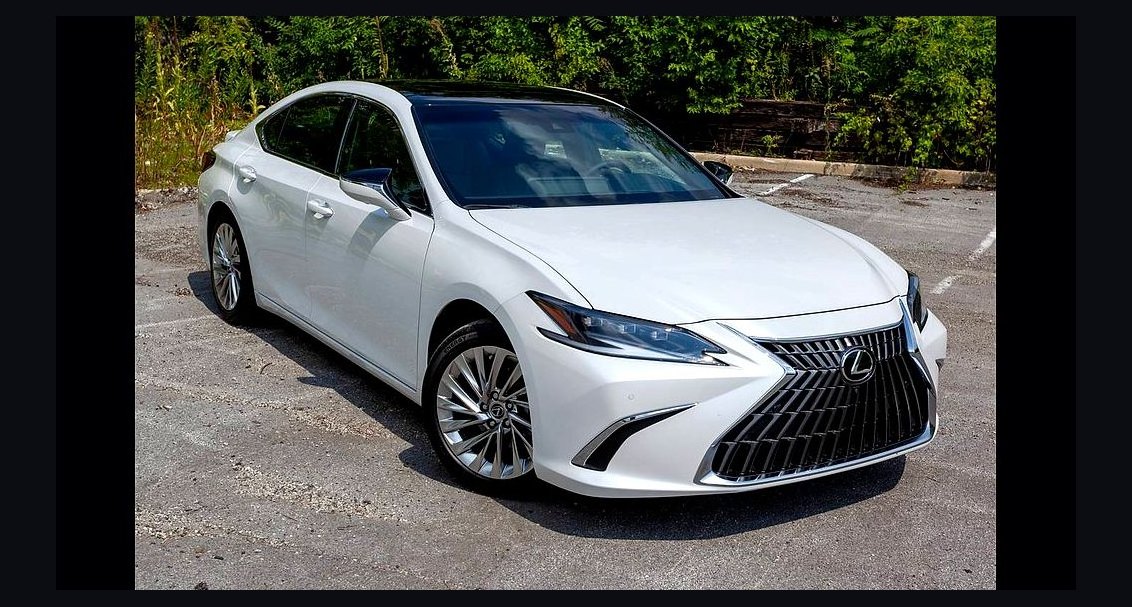 pulse-carsBest Used Luxury Cars Under $40,000 in 2027 (Ranked)
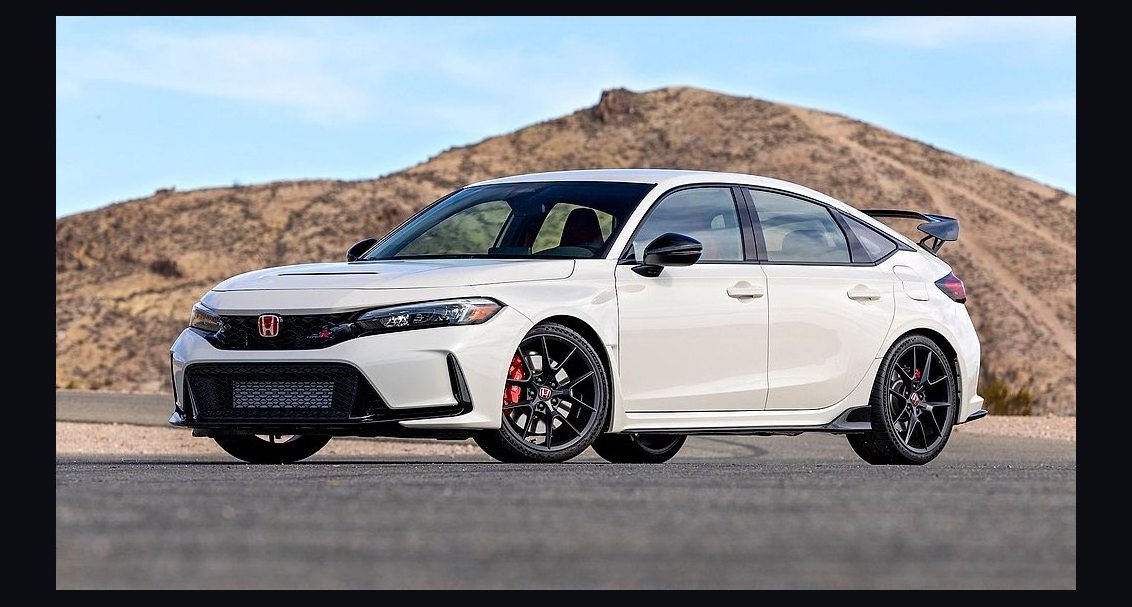 pulse-carsTop 10 Hot Hatchbacks 2024 — Best Overall + Best Value
 pulse-carsTop 10 Three-Row SUVs 2027 — Best Overall + Best Value
 pulse-carsBest Used Off-Road SUVs Under $15,000 in 2027 (Ranked)
 pulse-carsBest Used Off-Road SUVs Under $40,000 in 2027 (Ranked)
 pulse-recentBest Supercar Model Years to Buy Used (Ranked) in 2027
 pulse-carsBest Used Sports Cars Under $20,000 in 2027 (Ranked)
 pulse-carsTop 10 Hatchbacks 2027 — Best Overall + Best Value