


What does it cost to repaint or wrap a McLaren in satin or chrome in 2027?
Quality
Certified
A satin or chrome finish on a McLaren typically costs $3,500–$8,000 for a quality vinyl wrap and $12,000–$30,000+ for a full repaint in satin or chrome-effect paint. Chrome wraps run $8,000–$15,000 due to film cost and labor intensity. Repaint costs more because of teardown, prep, and McLaren's specialized panel materials.
What satin and chrome finishes are and why the choice matters
Satin and chrome are two of the most visually dramatic finish options for a McLaren, but they sit at opposite ends of the cost, durability, and maintenance spectrum. Understanding what each actually is — and how it interacts with a McLaren's specific body construction — is the foundation for any realistic budget.
A satin finish is a low-sheen, semi-gloss surface that sits between matte and gloss. It reflects light diffusely, giving the car a soft metallic glow without the mirror-like reflections of a standard clear coat. Satin can be achieved two ways: a satin vinyl wrap film applied over the existing paint, or a satin clear coat sprayed over a base color during a repaint. The wrap route is reversible; the repaint route is permanent.
A chrome finish is a highly reflective, mirror-like surface. True chrome plating on a car body is essentially never done — it is heavy, brittle, and prohibitively expensive. What the industry calls "chrome" is almost always a chrome-effect vinyl film (sometimes called chrome delete film or mirror film) or, less commonly, a chrome-look paint using specialized metallic pigments. Chrome wraps are among the most difficult films to install because every imperfection in the underlying surface shows through, and the film itself is unforgiving — it creases, fingerprints, and stretches visibly if the installer is not highly skilled.
Why does this matter specifically for a McLaren? McLaren road cars use a carbon fiber monocoque (the MonoCage or MonoCell) with aluminum and composite body panels. The paint and finish on these panels is applied at the McLaren Production Centre in Woking, England, to a very high standard. That matters for three reasons:
First, McLaren paint is expensive to replicate. A factory-correct respray requires matching McLaren's proprietary paint codes, which are not always publicly available to independent shops. Some McLaren colors — particularly the special-order MSO (McLaren Special Operations) finishes — use multi-layer processes that independent painters cannot easily reproduce.

Second, the panel materials behave differently. Carbon fiber panels expand and contract at different rates than aluminum or steel, and they require specific primer and adhesion promoters. A painter who treats a McLaren like a standard steel-bodied car will get blistering, peeling, or cracking within a year or two.
Third, resale value. McLaren buyers are extremely sensitive to paint condition and originality. A repaint — even a perfect one — can reduce resale value because it signals accident history or hidden damage to a buyer or inspector. A wrap, by contrast, is removable and generally does not raise the same red flags, though a poorly installed wrap can trap moisture and damage the paint underneath.
The practical upshot: satin and chrome are both achievable on a McLaren, but the wrap route is far more common for chrome, and the repaint route is more common for satin (because satin paint can be integrated into a full respray more naturally than chrome). The cost difference between the two routes is enormous — often 3x to 5x — and that gap drives almost every decision a McLaren owner makes here.
The step-by-step process for a satin or chrome finish
The process differs significantly depending on whether you choose a wrap or a repaint, and whether you choose satin or chrome. Below is the realistic sequence for each path, with the decision points that affect cost and outcome.
Wrap path (satin or chrome)

Step 1 — Consultation and film selection. The installer assesses the current paint condition, discusses the desired finish, and selects a film. For satin, common films include 3M 2080 Series Satin, Avery Dennison SW900 Satin, and KPMF Satin. For chrome, the options are narrower: 3M 2080 Series Chrome, Avery Dennison Chrome, and a few specialty films like Hexis Chrome. Film cost alone ranges from about $600 to $1,500 for enough material to cover a McLaren, depending on the film and the car's size.
Step 2 — Surface preparation. This is where most of the labor goes. The car is washed, decontaminated with clay bar and iron remover, and any existing defects (swirls, chips, scratches) are corrected. For chrome film, the surface must be near-perfect — any imperfection telegraphs through the mirror finish. For satin, the surface still needs to be clean and smooth, but minor imperfections are less visible. Prep typically takes 4–8 hours.
Step 3 — Disassembly. A proper wrap requires removing or loosening trim pieces, badges, door handles, mirrors, lights, and sometimes bumper covers. On a McLaren, this is more involved than on a typical car because of the tight panel gaps and the number of composite panels. Disassembly and reassembly add 3–6 hours of labor.
Step 4 — Film application. The film is applied panel by panel using a slip solution and squeegee. Chrome film is applied with more care and often with a second installer assisting, because it cannot be stretched as aggressively as satin film. A full McLaren wrap takes 2–4 days for satin and 3–5 days for chrome, depending on the installer's experience and the car's complexity.
Step 5 — Post-heating and finishing. Edges are sealed with heat, and the car is inspected under bright light for bubbles, lifting, and creases. Any defects are reworked. This adds 2–4 hours.
Step 6 — Cure and handoff. The wrap needs 24–48 hours to fully adhere and settle. The owner is given care instructions — no pressure washing for the first week, no wax on the edges, etc.
Repaint path (satin or chrome-effect paint)

Step 1 — Consultation and color matching. The shop discusses the desired finish and either matches an existing McLaren color or mixes a custom satin or chrome-effect paint. Chrome-effect paint is rare and difficult; many shops will steer you toward a satin or a "liquid metal" finish instead, which is more achievable and more durable.
Step 2 — Teardown. A proper repaint requires removing bumpers, lights, mirrors, door handles, trim, and often the hood and decklid. On a McLaren, this is a significant labor cost because of the composite panels and the tight tolerances. Teardown alone can be 8–16 hours.
Step 3 — Surface prep and primer. The existing paint is sanded, any damage is repaired, and a primer is applied. For carbon fiber panels, a specific primer and adhesion promoter are required. This step is where shortcuts cause long-term failure.
Step 4 — Base coat and satin clear (or chrome-effect coat). For satin, a base color is sprayed, then a satin clear coat is applied. For chrome-effect, a specialized metallic base is sprayed, sometimes over a black base, then a clear coat is applied. Chrome-effect paint is extremely sensitive to spray technique — uneven coats show as blotches.
Step 5 — Reassembly and curing. Panels are reassembled, and the paint is allowed to cure. Full cure takes 30–90 days depending on the product and conditions.
Step 6 — Final inspection and delivery. The car is inspected under daylight and artificial light, and any defects are corrected.
Costs, timelines, and typical ranges

The cost of a satin or chrome finish on a McLaren breaks down into materials, labor, and ancillary costs. The ranges below reflect real-world pricing from reputable shops in North America and Europe as of the mid-2020s. Prices vary by region, shop reputation, and the specific McLaren model — a 570S has less surface area than a 720S or a Speedtail, and a full carbon-fiber body (like the Senna or Speedtail) requires different handling.
Satin wrap costs
- Film: $600–$1,500 for enough material to cover a McLaren.
- Labor: $2,500–$5,500, depending on the shop's hourly rate and the car's complexity.
- Prep and disassembly: $400–$1,000.
- Total: $3,500–$8,000 for a quality satin wrap. A high-end shop with extensive McLaren experience may charge $8,000–$10,000.
Chrome wrap costs
- Film: $1,000–$2,500. Chrome film is more expensive per square foot and more prone to waste because it cannot be stretched as aggressively.
- Labor: $5,000–$10,000. Chrome requires more skill and often two installers.
- Prep and disassembly: $600–$1,500, because the surface must be near-perfect.
- Total: $8,000–$15,000 for a chrome wrap. Some shops charge more for a full chrome wrap on a McLaren because of the panel complexity.
Satin repaint costs
- Materials: $1,500–$4,000 for primer, base, satin clear, and consumables.
- Labor: $8,000–$20,000, depending on the shop and the extent of teardown.
- Total: $12,000–$30,000 for a full satin repaint. A concours-level job with extensive panel-off work can exceed $30,000.
Chrome-effect repaint costs

- Materials: $3,000–$8,000 for specialized chrome-effect pigments and clear.
- Labor: $10,000–$25,000, because chrome-effect paint is difficult to spray evenly.
- Total: $15,000–$35,000+. Many shops will not attempt a full chrome-effect repaint because the failure rate is high.
Timelines
- Satin wrap: 3–5 days in the shop, plus 1–2 days for prep and cure.
- Chrome wrap: 5–8 days in the shop, plus 2–3 days for prep and cure.
- Satin repaint: 2–4 weeks in the shop, plus 30–90 days for full cure.
- Chrome-effect repaint: 4–8 weeks in the shop, plus 30–90 days for full cure.
Ancillary costs to budget for
- Paint correction before wrap: $500–$1,500 if the existing paint has swirls or chips.
- Ceramic coating over the wrap or paint: $800–$2,500. This adds gloss and makes cleaning easier, but it is optional.
- PPF (paint protection film) over the wrap: $2,000–$5,000. Some owners add PPF over a satin wrap to protect it, but PPF over chrome film is uncommon because it dulls the mirror effect.
- Insurance or value adjustment: A repaint can reduce resale value by 5–15% on a McLaren, depending on the buyer and the documentation. A wrap generally does not affect resale value, but a poorly installed wrap can.
- Loaner car or storage: If the car is in the shop for weeks, budget for a rental or storage.
What drives the cost up

- McLaren model: A Speedtail or Senna has more complex panels and more carbon fiber than a 570S. Expect 20–40% higher labor.
- Shop reputation: A shop that regularly works on McLarens charges more but is less likely to damage the car.
- Film or paint choice: Chrome film and chrome-effect paint are both more expensive and more labor-intensive than satin.
- Existing paint condition: If the paint is damaged, prep costs rise.
- Geographic location: Labor rates in major metro areas are 20–50% higher than in rural areas.
- Timeline pressure: Rush jobs cost more.
What drives the cost down
- Choosing satin over chrome: Satin is cheaper in both film and labor.
- Choosing wrap over repaint: A wrap is almost always cheaper than a repaint.
- Doing prep work yourself: Some owners remove trim and badges themselves, but this risks damage on a McLaren.
- Off-peak scheduling: Some shops discount in winter or during slow periods.
Where teams get it wrong
The mistakes below are common among McLaren owners and even among shops that do not specialize in the brand. Avoiding them saves money and protects the car.
Mistake 1 — Assuming a wrap is always reversible without risk. A wrap is removable, but if the paint underneath is failing, or if the wrap is left on for years, removal can pull clear coat or leave adhesive residue. On a McLaren, the paint is generally high quality, but a wrap installed over a previously repaired panel can cause problems. Always have the paint inspected before wrapping.
Mistake 2 — Choosing chrome film because it looks dramatic in photos. Chrome film shows every fingerprint, every speck of dust, and every panel gap imperfection. It also reflects heat and can make the car uncomfortable in sunlight. Many owners who choose chrome regret it within a month. Satin is far more livable.

Mistake 3 — Hiring a shop that has never worked on a McLaren. McLaren panel gaps are tight, and the composite panels require specific handling. A shop that usually works on steel-bodied cars may crack a panel or misalign a bumper. Ask for references and photos of previous McLaren work.
Mistake 4 — Skipping paint correction before a wrap. If the paint has swirls or chips, the wrap will telegraph them. Chrome film makes this especially obvious. Budget for paint correction even if the car looks clean.
Mistake 5 — Assuming a repaint will increase value. On a McLaren, a repaint often decreases value because buyers assume hidden damage. If you repaint, document everything with photos and receipts, and consider using a shop that is known to McLaren buyers.
Mistake 6 — Not budgeting for the ancillary costs. The wrap or paint is the headline cost, but ceramic coating, PPF, paint correction, and a loaner car add up. A $5,000 satin wrap can easily become a $7,500 project.
Mistake 7 — Choosing a chrome-effect repaint without seeing a sample. Chrome-effect paint is notoriously difficult to spray evenly. Always ask to see a sample panel in daylight before committing.
Mistake 8 — Ignoring insurance and warranty implications. Some McLaren warranties may be affected by a repaint, and some insurance policies require notification of a wrap or repaint. Check before you commit.
Mistake 9 — Using the wrong cleaning products on satin or chrome. Satin film and satin paint should not be waxed or polished with abrasive products. Chrome film should not be pressure-washed at the edges. Using the wrong product can ruin the finish.
Mistake 10 — Rushing the cure. Satin paint and chrome-effect paint need time to cure. Driving the car in the rain or washing it too soon can cause water spots or hazing.
Decision framework: when to choose what

The choice between satin and chrome, and between wrap and repaint, comes down to four factors: budget, desired look, tolerance for maintenance, and resale plans. The framework below walks through the decision.
If budget is the primary constraint: Choose a satin wrap. It is the cheapest route to a dramatic finish, and it is reversible. A $3,500–$8,000 satin wrap delivers a significant visual change without the risk of a repaint.
If you want the most dramatic look and have the budget: Choose a chrome wrap. It is more expensive than satin but far cheaper than a chrome-effect repaint, and it is removable. Expect $8,000–$15,000.
If you want a permanent finish and plan to keep the car: A satin repaint is the most durable option. It costs $12,000–$30,000, but it will outlast a wrap and can be maintained like any other paint. Chrome-effect repaint is rarely worth it because of the cost and failure rate.
If resale value is a concern: Choose a wrap. A repaint can reduce resale value by 5–15% on a McLaren. A wrap does not, as long as it is installed correctly and removed before sale if the buyer prefers.
If you are unsure about the color: Choose a wrap. You can change it in a few years without permanent commitment. A repaint locks you in.
If the car is a collector piece or a limited edition: Avoid both unless the finish is factory-correct. A non-original finish on a Senna or Speedtail can significantly reduce value. Consult a McLaren specialist before doing anything.
If you live in a harsh climate: Satin wrap is more forgiving than chrome. Chrome film can delaminate or discolor in extreme heat or cold, and it shows water spots. Satin hides minor imperfections better.
If you drive the car frequently: Satin wrap or satin repaint is more practical. Chrome is a show finish — it requires frequent cleaning and careful handling.
Related questions

How long does a satin or chrome wrap last on a McLaren?
A quality satin wrap lasts 5–7 years with proper care. Chrome film lasts 3–5 years because it is more susceptible to UV damage, lifting, and scratching. Garage parking and hand washing extend the life.
Can you wrap a McLaren without removing panels?
A partial wrap is possible, but a full color change requires removing or loosening trim, badges, lights, and often bumper covers. Skipping disassembly leads to lifting edges and visible seams.
Does a satin repaint require a special clear coat?
Yes. Satin paint uses a flattening agent in the clear coat to reduce gloss. The clear must be sprayed evenly, because uneven application creates blotches. A standard gloss clear will not produce a satin finish.
Is chrome wrap legal on a McLaren?
Chrome wrap is legal in most jurisdictions, but some countries and states restrict highly reflective surfaces because they can dazzle other drivers. Check local regulations before installing chrome film.
How much does it cost to remove a wrap from a McLaren?
Wrap removal typically costs $800–$2,000, depending on the film's age and condition. Older film is harder to remove and may leave adhesive residue that requires additional labor.
FAQ

How much does a satin wrap cost on a McLaren? A satin wrap on a McLaren typically costs $3,500–$8,000, including film, labor, prep, and disassembly. High-end shops with McLaren experience may charge $8,000–$10,000. The price depends on the film brand, the car's model, and the shop's location.
How much does a chrome wrap cost on a McLaren? A chrome wrap costs $8,000–$15,000. Chrome film is more expensive per square foot, and installation requires more skill and often two installers. Prep must be near-perfect because chrome shows every imperfection.
How much does a satin repaint cost on a McLaren? A full satin repaint costs $12,000–$30,000. The price includes teardown, surface prep, primer, base coat, satin clear, reassembly, and curing. A concours-level job with extensive panel-off work can exceed $30,000.
How much does a chrome-effect repaint cost on a McLaren? A chrome-effect repaint costs $15,000–$35,000 or more. Chrome-effect paint is difficult to spray evenly, and many shops will not attempt it. The failure rate is high, and the finish is less durable than satin.
Does a repaint or wrap affect McLaren resale value? A repaint can reduce resale value by 5–15% because buyers assume hidden damage. A wrap generally does not affect resale value, but a poorly installed wrap can trap moisture and damage paint. Always document the work.
How long does the process take? A satin wrap takes 3–5 days in the shop. A chrome wrap takes 5–8 days. A satin repaint takes 2–4 weeks, plus 30–90 days for full cure. A chrome-effect repaint takes 4–8 weeks, plus cure time.
Sources
- McLaren Automotive — official site for model and paint information: https://www.mclaren.com
- 3M Automotive Films — satin and chrome vinyl film specifications: https://www.3m.com/3M/en_US/automotive-films-us/
- Avery Dennison Graphics Solutions — vehicle wrap films: https://graphics.averydennison.com
- Specialty Equipment Market Association (SEMA) — industry standards for vehicle wraps: https://www.sema.org
- Paint and Coatings Industry Magazine — refinishing trends and costs: https://www.pcimag.com
- Car and Driver — McLaren model coverage and pricing: https://www.caranddriver.com/mclaren
- MotorTrend — McLaren news and reviews: https://www.motortrend.com/mclaren
- Hagerty — collector car values and repaint impact: https://www.hagerty.com
- Edmunds — vehicle ownership and resale information: https://www.edmunds.com
Related on PULSE
- What does it cost to wrap a supercar in a color-shift film?
- How do you protect a satin wrap from swirl marks and staining?
- What is the resale impact of a non-original paint color on a McLaren?
- How do you choose a shop for high-end vehicle wraps?
- What maintenance does a chrome wrap require to stay reflective?
- How does PPF interact with satin and chrome finishes?
This page will be disappearing soon. Save it to your device for $1 — or read it free while it is here.
@Kory-White- · if Venmo asks, the last 4 of my number are 2012
This page is gone.
This one is off the shelf now. $1 keeps it on your phone for good — the whole page, pictures and diagrams included.
 pulse-carsBest Used Off-Road SUVs Under $20,000 in 2027 (Ranked)
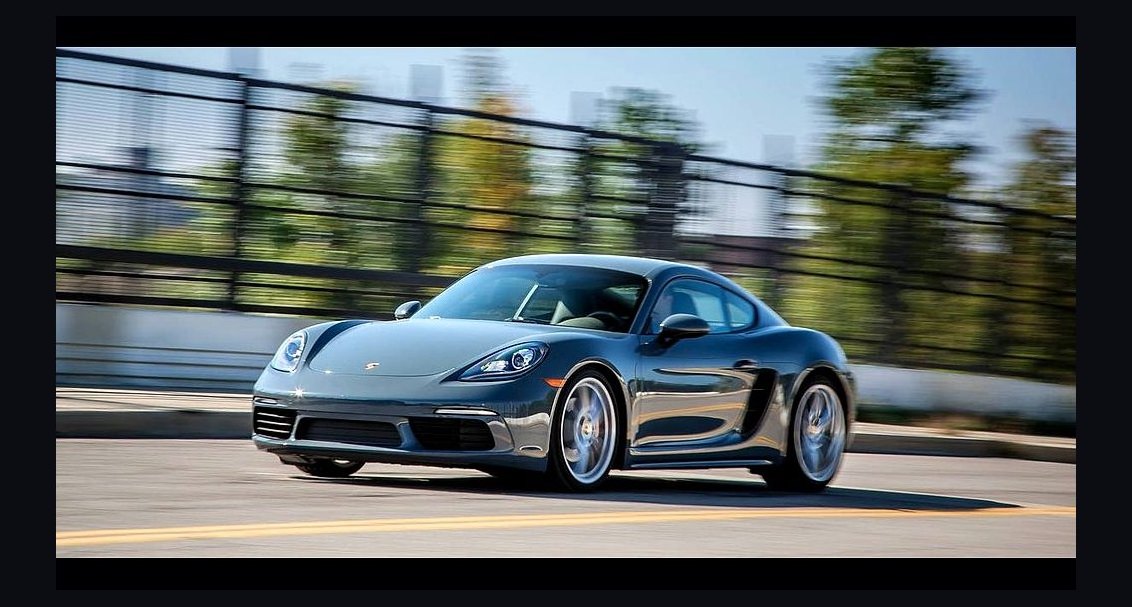 pulse-carsBest Used Sports Cars Under $30,000 in 2027 (Ranked)
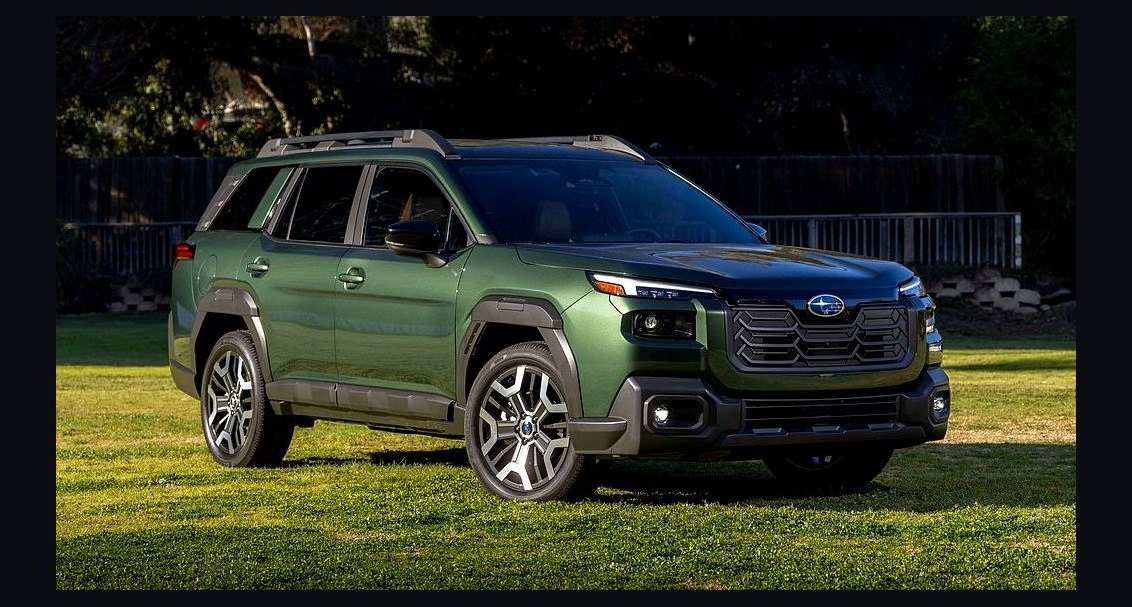 pulse-carsBest Cars for Dog Owners in 2027 (Ranked)
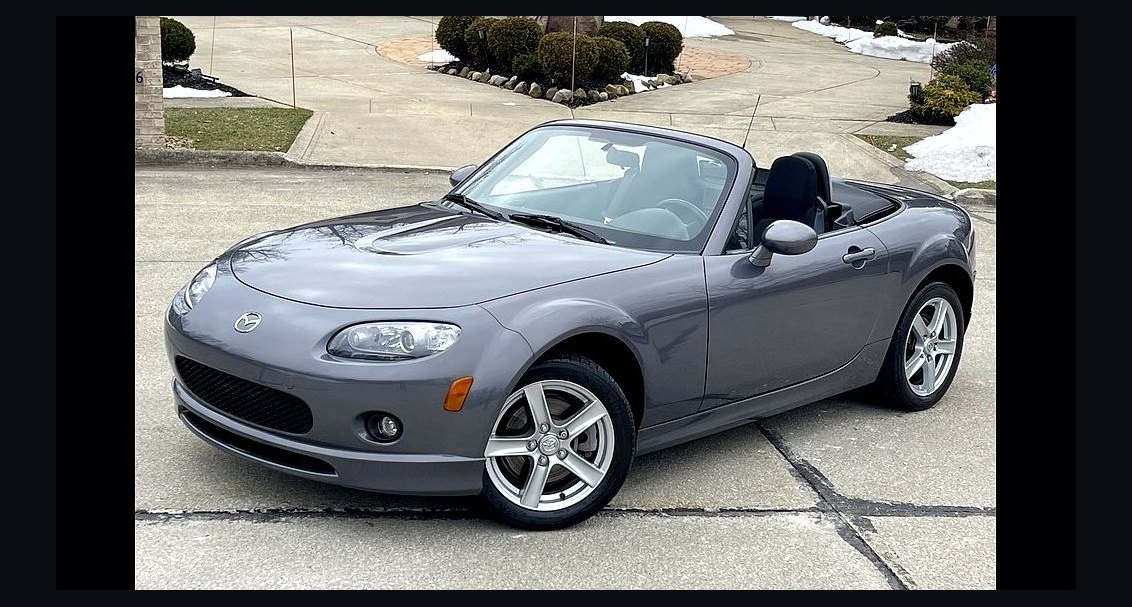 pulse-carsBest Used Sports Cars Under $10,000 in 2027 (Ranked)
 pulse-recentTop 10 Hybrid Supercars in 2027
 pulse-recentTop 10 Electric Cars 2027 — Best Overall + Best Value
 pulse-carsBest Toyota Sienna Generations (Ranked) in 2027
 pulse-carsBest Sleeper Cars in 2027
 pulse-carsBest Sedans for Off-Road Adventures in 2027 (Ranked)
 pulse-carsTop 10 Mid-Size SUVs 2024 — Best Overall + Best Value