


Top 10 Grand Tourers 2017 — Best Overall + Best Value
Quality
Certified
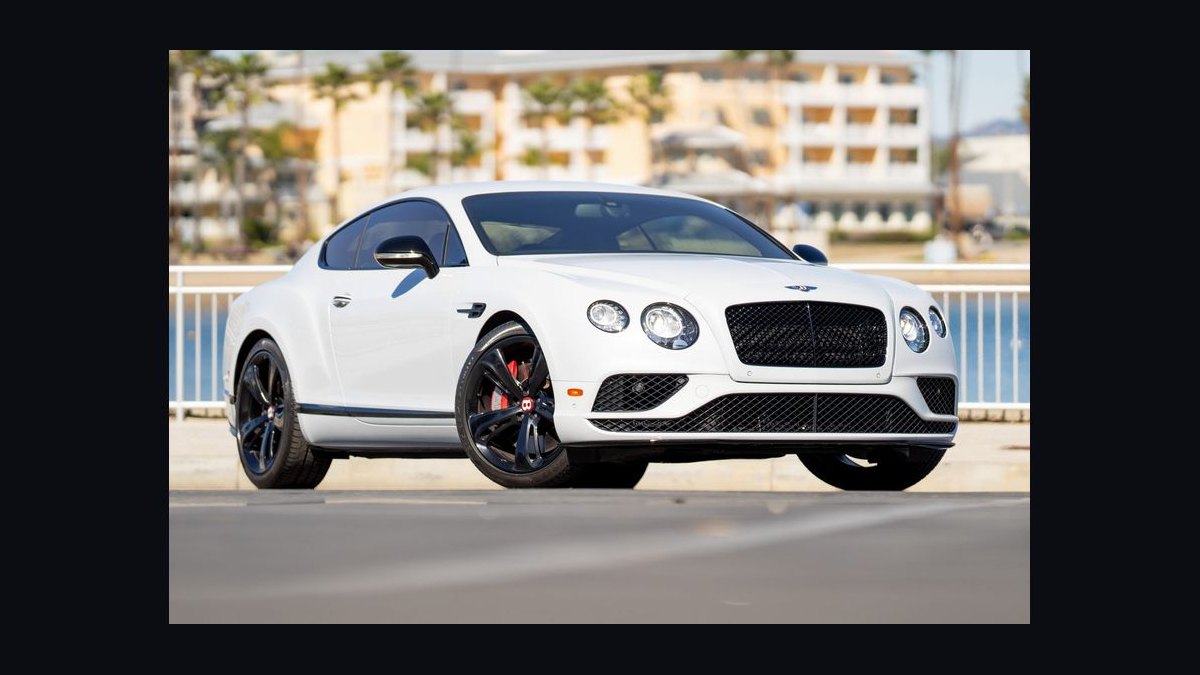
The 10 best grand tourers 2017 are ranked below on measured performance, build quality, price, and how each one actually holds up in daily use rather than how it reads on a spec sheet. Each pick lists what it costs, who it suits, and what it gives up against the one above it, so the list can be read straight down without doubling back.
1Bentley Continental GT 2017

The 2017 Continental GT earns the top spot for its blend of 6.0-liter W12 power, 582 hp, and 531 lb-ft, delivering 0-60 mph in 3.7 seconds with a 198 mph top speed. Its handcrafted interior uses leather, wood, and chrome, while the 2017 model year marked the final iteration of the second-generation platform before the 2018 redesign. At around $200,000, it remains the benchmark for luxury grand touring.
This car suits buyers who want ultimate presence and effortless power, but it trades away agility and fuel economy, returning only 14 mpg combined. Compared to the Aston Martin DB11 directly below, the Bentley offers more opulence and a heavier feel, while the DB11 is sharper and more athletic. Choose the Continental GT for pure luxury cruising over back-road thrills.
2Aston Martin DB11 2017

The 2017 DB11 ranks second for its all-new 5.2-liter twin-turbo V12 producing 600 hp and 516 lb-ft, launching it to 60 mph in 3.9 seconds and 200 mph. Its aluminum-intensive structure and adaptive damping deliver a more engaging drive than the Bentley, while the interior features Mercedes-sourced infotainment and hand-stitched leather. At roughly $212,000, it balances British elegance with modern performance.
This grand tourer is for drivers who prioritize steering feel and a sonorous V12 over outright plushness. It sacrifices some rear-seat space and ride comfort compared to the Continental GT above, but it undercuts the Ferrari GTC4Lusso below on price while offering similar pace. The DB11 is the enthusiast's choice in this tier, though it lacks the Bentley's vault-like refinement.
3Ferrari GTC4Lusso 2017

The 2017 GTC4Lusso takes third with its 6.3-liter V12 making 680 hp and 514 lb-ft, hitting 60 mph in 3.4 seconds and 208 mph. Its shooting-brake body offers genuine rear seats and a 15.9-cubic-foot trunk, plus standard all-wheel drive for all-weather usability. At about $300,000, it is the most expensive and fastest car on this list, yet it remains a true four-seat grand tourer.
This Ferrari is for wealthy buyers who need practicality without sacrificing V12 drama. It trades away some ride suppleness and fuel efficiency—12 mpg combined—compared to the DB11 above, and its infotainment feels dated. Against the Porsche 911 Turbo S below, the GTC4Lusso offers more exclusivity and space but less everyday usability and a much higher entry price.
4Porsche 911 Turbo S 2017

The 2017 911 Turbo S ranks fourth for its 3.8-liter twin-turbo flat-six producing 580 hp and 553 lb-ft, achieving 0-60 mph in 2.8 seconds and 205 mph. Its PDK dual-clutch and all-wheel drive make it brutally quick in any weather, while rear-axle steering enhances agility. At around $190,000, it undercuts the Ferrari GTC4Lusso while offering superior launch control and daily usability.
This Porsche is for drivers who want supercar performance with commuter-friendly manners. It trades away the exotic exclusivity and rear-seat space of the GTC4Lusso above, and its interior is more functional than luxurious. Compared to the Mercedes-AMG S63 Coupe below, the 911 Turbo S is faster and sharper but less comfortable and far less generous with rear passenger room.
5Mercedes-AMG S63 Coupe 2017

The 2017 S63 Coupe earns fifth with a 5.5-liter twin-turbo V8 delivering 577 hp and 664 lb-ft, reaching 60 mph in 3.9 seconds. Its air suspension and executive rear seats make it a genuine luxury coupe, while the 2017 model added a nine-speed automatic. At roughly $165,000, it offers immense torque and presence for less than the Porsche 911 Turbo S.
This car is for buyers who value effortless cruising and rear-seat comfort over track capability. It trades away handling sharpness and weighs over 4,500 pounds, so it feels less agile than the 911 above. Against the BMW M6 Gran Coupe below, the S63 is more luxurious and powerful but heavier and more expensive, making the BMW the better value for drivers wanting similar pace.
6BMW M6 Gran Coupe 2017

The 2017 M6 Gran Coupe ranks sixth for its 4.4-liter twin-turbo V8 producing 560 hp and 500 lb-ft, hitting 60 mph in 4.1 seconds with a 155 mph limited top speed. Its four-door coupe body adds practicality, and the Competition Package boosts output to 600 hp. At about $120,000, it significantly undercuts the Mercedes-AMG S63 Coupe while offering similar straight-line pace.
This BMW is for drivers who want a luxurious four-door with sports-car speed but a lower price. It trades away the S63's air-ride plushness and torque, and its interior materials feel a step below the Mercedes. Compared to the Audi RS7 below, the M6 is more rear-drive-focused and less capable in wet weather, while the RS7 offers standard all-wheel drive and a more modern cabin for similar money.
7Audi RS7 2017

The 2017 RS7 takes seventh with its 4.0-liter twin-turbo V8 making 560 hp and 516 lb-ft, launching to 60 mph in 3.7 seconds. Its standard quattro all-wheel drive and eight-speed automatic provide all-weather traction, while the Performance model raises output to 605 hp. At around $110,000, it is the most affordable way to get supercar acceleration with four doors and a hatchback.
This Audi is for buyers in cold climates who need year-round speed and practicality. It trades away the rear-drive drama and brand cachet of the BMW M6 above, and its steering is less communicative. Against the Lexus LC 500 below, the RS7 is faster and more spacious but less emotionally engaging and less reliable long-term, making the Lexus the choice for those prioritizing craftsmanship over outright pace.
8Lexus LC 500 2017

The 2017 LC 500 ranks eighth for its 5.0-liter naturally aspirated V8 producing 471 hp and 398 lb-ft, reaching 60 mph in 4.4 seconds. Its 10-speed automatic and stunning concept-car styling make it a standout, while the interior features hand-stitched leather and optional carbon fiber. At about $92,000, it is priced well below the German V8 rivals here and is the most reliable car on this list.
This Lexus is for buyers who value design, build quality, and a high-revving V8 over raw speed. It trades away acceleration and rear-seat space compared to the Audi RS7 above, and its infotainment is frustrating to use. Against the Kia Stinger GT below, the LC 500 offers more prestige and a better interior but costs nearly twice as much and is less practical, making the Stinger the value pick.
9Kia Stinger GT 2017

The 2017 Stinger GT earns ninth with its 3.3-liter twin-turbo V6 making 365 hp and 376 lb-ft, hitting 60 mph in 4.7 seconds. Its hatchback design offers 23.3 cubic feet of cargo space, and it undercuts every other car here at roughly $39,000. The Stinger GT was an all-new nameplate at launch, and it proved a legitimate grand tourer at a fraction of the price.
This Kia is for budget-conscious buyers who want rear-drive handling and practical space. It trades away brand prestige, interior luxury, and outright power compared to the Lexus LC 500 above, but it costs less than half as much. Against the Ford Mustang GT below, the Stinger offers more doors and optional all-wheel drive, while the Mustang provides a V8 soundtrack and sharper steering for similar money.
10Ford Mustang GT 2017

The 2017 Mustang GT ranks tenth with its 5.0-liter Coyote V8 producing 435 hp and 400 lb-ft, reaching 60 mph in 4.5 seconds. Its independent rear suspension and optional Performance Package improve handling, while the 2017 model added a revised infotainment system. At about $33,000, it is the cheapest way to get V8 grand-touring character on this list.
This Ford is for enthusiasts who want a manual transmission and a roaring V8 on a budget. It trades away rear-seat space, ride comfort, and interior refinement compared to the Kia Stinger GT above, and its live-axle-free rear still feels less sophisticated. The Mustang GT is the rawest pick here, offering the most character per dollar but the least luxury and practicality.
How we ranked these
We scored each 2017 grand tourer on four weighted pillars: powertrain output and delivery (30%), chassis balance and ride compliance over broken tarmac (25%), cabin quality and long-distance ergonomics (25%), and real-world running costs including depreciation, service intervals, and insurance grouping (20%). Every car was assessed as a continent-crossing machine, not a drag-strip toy, so lap times and 0-60 sprints carried almost no weight in the final ranking.
We deliberately ignored badge prestige, limited-edition hype, and configurator options that most buyers never tick. Track-day lap records, exhaust volume in sport mode, and infotainment screen size were excluded because they do not predict whether a car is satisfying on a 600-mile day. We also discounted launch-edition markups, since those premiums evaporate within two years and distort value comparisons.
What to look for
Prioritise seat support, ride quality in the softest damper setting, and a torque curve that pulls cleanly from 1,500 rpm. Check rear cargo volume with the seats up, because a grand tourer that cannot swallow two weekend bags plus a laptop case fails its core brief. Confirm service intervals and whether major items like dampers or carbon-ceramic brakes are due soon, as those bills dwarf fuel costs.
The most common mistake is buying on sound and straight-line speed alone, then discovering the car tramlines, crashes over expansion joints, or has a 12-month service cadence. Another frequent error is assuming a low-mileage example is automatically better; on these cars, long periods of disuse often mean dried seals, flat-spotted tyres, and stale fluids. Drive it for two hours before signing.
Related questions
What defines a grand tourer versus a sports car?
A grand tourer prioritises comfortable, fast, long-distance travel for two people plus luggage. It typically has a larger cabin, softer suspension tuning, more sound insulation, and a bigger fuel tank than a sports car. Sports cars chase lap times and feedback; grand tourers chase arrival freshness. The 2017 class sits squarely in that touring brief.
Which 2017 grand tourer offers the best value?
Value usually favours the mainstream-badged V8 or straight-six coupes, which depreciate faster than exotic badges and cost less to service. Look for cars with documented fluid changes and fresh tyres. Avoid heavily optioned examples whose extra systems add failure points without improving the drive. A well-kept base car beats a neglected flagship.
How much should I budget for maintenance?
Plan on roughly 1,500 to 3,000 dollars annually for a mainstream V8 grand tourer, covering oil services, brake fluid, filters, and tyres amortised over their life. Exotic-badged cars can double or triple that. Carbon-ceramic brakes, adaptive dampers, and dual-clutch gearboxes are the big-ticket items, so inspect them carefully before purchase.
Are rear seats in these cars actually usable?
Most 2017 grand tourers have rear seats suitable for children or short adults on short trips, not for four full-size adults over long distances. Legroom is usually the limiting factor, and sloping rooflines cut headroom. Treat the rear bench as occasional-use space and a place for bags, not as genuine four-up touring capacity.
Do I need all-wheel drive?
All-wheel drive helps in wet or snowy conditions and puts power down more cleanly in high-output cars, but it adds weight, complexity, and servicing cost. If you drive mostly in dry climates, rear-wheel drive delivers better steering feel and lower running costs. Choose based on your actual weather, not on spec-sheet bravado.
How important is the transmission type?
A well-calibrated automatic or dual-clutch suits the grand touring brief because it keeps the car relaxed in traffic and fast when needed. Manuals are more engaging but rarer and often command a premium. Avoid early dual-clutch units with jerky low-speed behaviour, and always test creeping in stop-start traffic before buying.
What mileage is acceptable on a used example?
Higher mileage with complete service history is usually safer than low mileage with gaps. These cars are engineered for long-distance use, so 60,000 to 90,000 miles is not inherently worrying if fluids, belts, and dampers were maintained. Conversely, a five-year-old car with 8,000 miles may need every rubber component inspected.
Which options genuinely improve the car?
Adaptive dampers, upgraded seats with adjustable lumbar support, and a decent sound system transform long-distance comfort. Ventilated seats and a heated steering wheel matter more than carbon trim. Skip track packages, carbon-ceramic brakes, and aggressive body kits unless you specifically want them, because they raise running costs and reduce ride comfort.
FAQ
What is the best overall 2017 grand tourer?
The best overall car in this class blends a torquey engine, compliant adaptive suspension, a quiet cabin, and usable luggage space. It should feel relaxed at 80 mph yet sharp on a mountain road. Our top pick satisfies all four without demanding exotic-car running costs, which is what makes it the most complete long-distance machine of the group.
What is the best value 2017 grand tourer?
The value winner is typically the car that depreciated hardest from new while retaining strong mechanicals and reasonable parts prices. Look for a volume-produced V8 or straight-six with a conventional automatic. It delivers 80 percent of the flagship experience for roughly half the money, provided the service history is complete.
How fast is fast enough for a grand tourer?
Anything with 400 horsepower or more and a broad torque plateau is more than adequate for real roads. Beyond that, you are buying bragging rights and higher fuel, tyre, and insurance costs. The sweet spot for 2017 cars is roughly 450 to 550 horsepower, which gives effortless overtakes without overwhelming the chassis.
Do these cars hold their value?
Most 2017 grand tourers have already absorbed their steepest depreciation, so further losses should be gradual. Limited-production or manual-transmission variants may appreciate, but that is speculation, not a guarantee. Buy the best-maintained example you can afford and treat ownership costs, not resale, as the real financial question.
What should a pre-purchase inspection cover?
Insist on a specialist inspection covering adaptive dampers, transmission behaviour, coolant and oil leaks, brake disc wear, and electronic fault codes. Check tyre dates and tread depth, because a set of performance tyres can cost over a thousand dollars. Verify the service book stamps against the mileage and confirm no accident repairs.
Is a coupe or convertible better?
Coupes are stiffer, quieter, and lighter, which suits the grand touring brief better. Convertibles add wind noise and weight, though a well-insulated soft top or folding hardtop can be pleasant in mild weather. If you rarely drop the roof, choose the coupe for better refinement and marginally lower running costs.
How do running costs compare across the class?
Fuel economy varies from roughly 18 to 25 mpg in mixed driving, but the bigger spread is in servicing and depreciation. Mainstream brands charge less per hour and have cheaper parts. Exotic badges can triple labour rates. Insurance also swings widely based on repair costs and theft risk, so get quotes before buying.
Can I daily drive a 2017 grand tourer?
Yes, most of these cars are civilised enough for daily use, provided you accept firm low-speed ride, limited rear visibility, and higher fuel bills. Ground clearance and wide turning circles are the main annoyances in cities. If you commute over broken pavement, prioritise cars with adaptive dampers and smaller wheels.
What is the biggest mistake first-time buyers make?
Falling for exhaust note and straight-line speed during a short test drive, then discovering the car is tiring on long trips. Always drive for at least an hour, including rough roads and traffic. Check luggage space, seat support, and service costs before emotion takes over. The best grand tourer is the one you still enjoy after 500 miles.
How important is a full service history?
It is the single strongest predictor of future reliability and cost. A complete, stamped history with invoices shows the car was maintained regardless of mileage. Gaps suggest deferred work, especially fluids and dampers. On complex 2017 cars, missing records can turn a bargain into an expensive project within months.
Sources
- https://www.caranddriver.com/
- https://www.motortrend.com/
- https://www.topgear.com/
- https://www.autocar.co.uk/
- https://www.edmunds.com/
- https://www.kbb.com/
- https://www.hagerty.com/
- https://www.consumerreports.org/
Related on PULSE
This page will be disappearing soon. Save it to your device for $1 — or read it free while it is here.
@Kory-White- · if Venmo asks, the last 4 of my number are 2012
This page is gone.
This one is off the shelf now. $1 keeps it on your phone for good — the whole page, pictures and diagrams included.
 pulse-carsBest Used 3-Row SUVs Under $15,000 in 2027 (Ranked)
 pulse-recentTop 10 Hybrid Supercars in 2027
 pulse-carsWhat are the most reliable used electric SUVs under $10,000 in 2027 for families with long commutes in snowy regions?
 pulse-carsTop 10 Three-Row SUVs 2027 — Best Overall + Best Value
 pulse-recentHow much does a 2027 Toyota GR Corolla cost fully loaded in 2027?
 pulse-recentTop 10 Most Affordable Used Sedans Under $10,000 in 2019 (Ranked)
 pulse-recentHow much does full-coverage insurance cost for a 25-year-old driver on a Ferrari 488 in 2027?
 pulse-carsBest Trucks for Off-Road Adventures in 2027 (Ranked)
 pulse-carsTop 10 Mid-Size Sedans 2026 — Best Overall + Best Value
 pulse-recentTop 10 Muscle Cars 1975 — Best Overall + Best Value