
How do you coach a rep who's slipping after a strong start?
 Curated byKory White · Fractional CRO · Maryland
 PULSEKNOWLEDGE LIBRARY
When a rep who's slipping after a strong start needs help, diagnose before you coach: pinpoint whether the drop traces to a skill ceiling, complacency, or a life event, then run one direct 1:1 using the GROW model to agree on a single behavior to fix. Coach that specific cause with a 30-day cadence — never a generic pep talk.
The outcome you should expect
Done right, a diagnostic coaching conversation should produce one visible change within two weeks: either the activity numbers climb back toward the rep's early-ramp baseline, or a specific stage-conversion problem starts closing. You are not looking for the whole quarter to fix itself overnight — quota is a lagging number, and it will not move for another four to six weeks even after the underlying behavior is repaired. What you should see immediately is a rep who can articulate, in their own words, what changed and what they are doing differently starting this week.
If the root cause was complacency, expect the fastest visible recovery. Activity is a habit, and habits respond to a visible floor and a public check-in within one to two weeks. Dials, new conversations, and outbound sequences in Outreach or Salesloft should climb back to within 80-90% of the rep's ramp-period average by the end of week two, assuming the cadence is actually enforced rather than just discussed.
If the root cause was a skill ceiling, expect a slower, more uneven recovery — typically four to eight weeks. Skills like multithreading into the economic buyer, running a discovery call without over-pitching, or negotiating a real objection are learned through repetition, not insight. You should see the specific failure point move later in the sales cycle: a rep who used to lose every deal at "no economic buyer identified" should start reaching proposal stage, even if the deal still doesn't close. That shift in where deals die is the tell that coaching is working before the win rate itself recovers.

If the root cause was a life event, the outcome you should expect is different in kind: not a performance metric, but a stabilized person. In the short term, expect flat or even lower numbers while the rep handles what's happening outside work — and that is the correct outcome, not a failure of your coaching. The recovery signal here is the rep re-engaging with the cadence on their own terms within two to four weeks, not hitting a number.
Across all three roots, the outcome you should NOT expect is instant reversal. A rep who ramped over six to eight weeks did not build that motion overnight, and unwinding a three-week slump takes a comparable runway. Managers who expect one 1:1 to flip the trend end up either escalating too fast (turning a coachable skill gap into a performance write-up) or abandoning the plan too early (declaring the coaching "didn't work" after five days). Set the expectation with the rep explicitly: "We're not fixing this today. We're fixing the next 30 days, and I'll know it's working when I see X move by week two."
What drives that outcome
The single biggest driver of whether your coaching lands is correct diagnosis before you open your mouth. A rep who starts hot and cools off is the most misread pattern in sales management, because the visible symptom — the number dropping — looks identical across three completely different root causes, and each one requires an almost opposite response.

The first driver is the skill ceiling. New or newly-ramped reps frequently inherit warm inbound, a clean territory, or a backlog of low-hanging accounts that close themselves. Those early wins inflate the ramp numbers and can make a rep look like a top performer for six to eight weeks. Once that backlog is spent, the rep has to generate pipeline and run a full, multi-stage motion — multithreading, objection handling, negotiation — that they never actually had to use yet. No amount of motivational coaching fixes a skill the rep has never practiced under real conditions.
The second driver is complacency, a will and habit problem rather than a capability problem. A rep coasts on early commission or manager praise, quietly stops doing the unglamorous top-of-funnel activity — prospecting, multithreading, disciplined follow-up — and the pipeline thins out 45 to 60 days later, right when the early deals finish working through the pipe. This is the most common driver and also the easiest to reverse, because the rep already has the skill; they've simply stopped applying it.
The third driver is a life event — something off the field pulling focus: a health issue, a family crisis, burnout. This driver is the one managers miss most often because they default to a metrics conversation, which is exactly the wrong move and actively damages trust with a rep who is already struggling.

A fourth and fifth driver worth naming, even though they are less common: a knowledge gap (the rep never fully learned the product or ICP and is now hitting deals where that gap matters), and a system problem (territory reassignment, lead-quality drop, or routing changes that are not the rep's fault at all). Coaching a system problem as if it were a will problem is one of the fastest ways to lose a good rep.
Your job as the manager is to route the symptom to the correct root before you coach anything. Pull the data first — pipeline created and stage conversion in Salesforce, call volume and talk patterns in Gong or Chorus, and daily activity in Outreach or Salesloft — because the numbers usually reveal which branch you're on before the conversation even starts.
The discipline the tree enforces is simple: you do not start coaching until you can name the branch out loud. Coaching a complacency problem like a skill problem — sending the rep to more training — wastes time on both sides. Coaching a life event like a will problem breaks trust in a way that is hard to repair, sometimes permanently.
Benchmarks and realistic ranges
Because "slipping" means different things at different magnitudes, set your own thresholds before the conversation so you're reacting to signal, not noise.
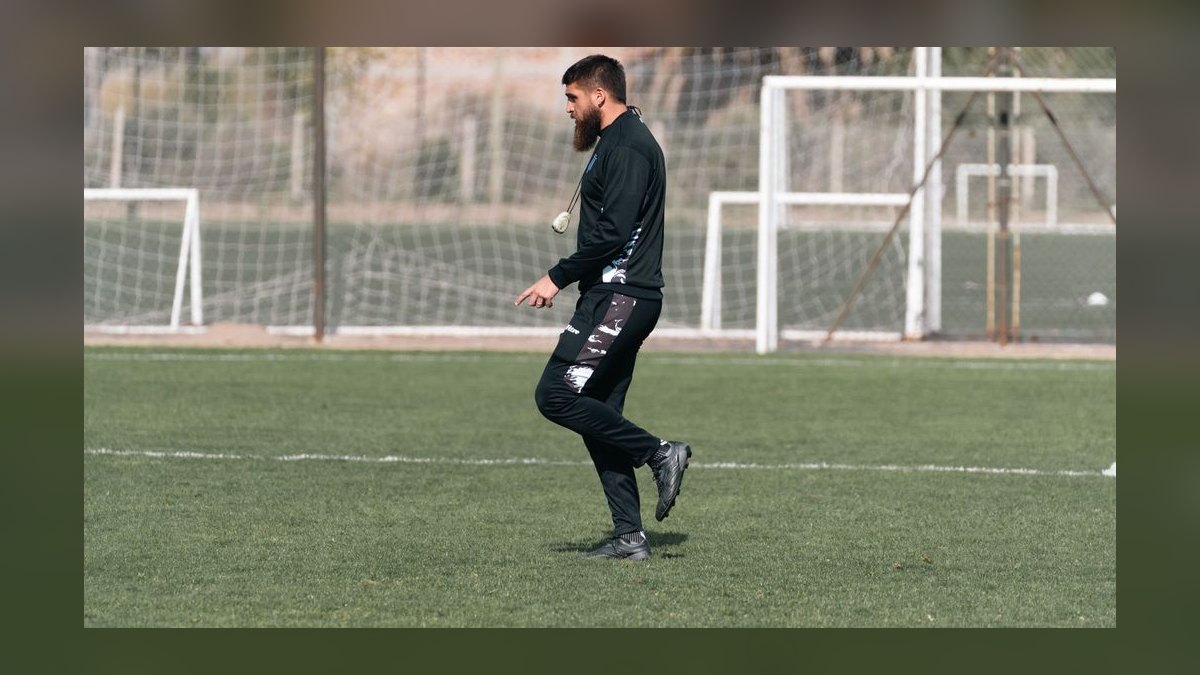
Activity drop. A dip of 10-15% in dials or new conversations week over week is normal variance — don't intervene yet. A sustained drop of 30% or more from the rep's ramp-period average, held for two consecutive weeks, is the complacency threshold worth a direct conversation. Below 40% sustained for three weeks, treat it as a serious flag regardless of the reason.
Pipeline creation. Track opportunities created per week against the rep's own ramp baseline, not the team average — comparing a fading rep to a team veteran obscures the real trend. A fall from, say, twelve new opportunities a week down to four or five over a three-week span is a clear signal, not noise. Watch this number before quota itself, because it leads quota by roughly a full sales cycle.
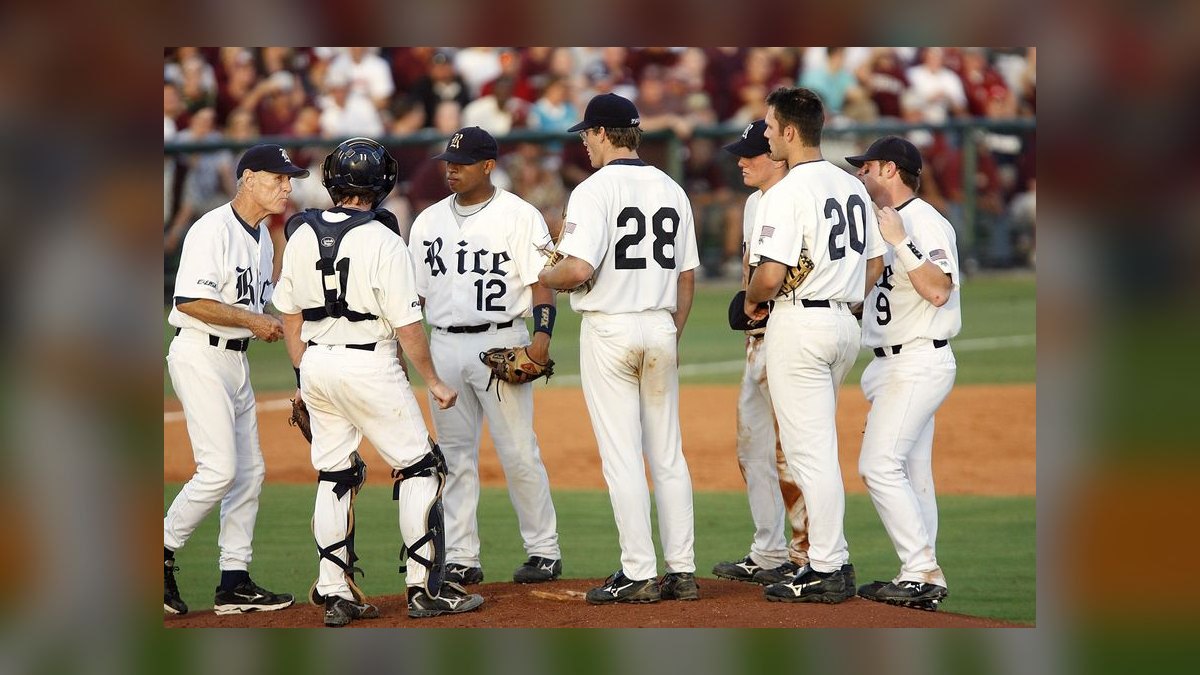
Stage conversion. If a rep is losing deals at the same stage three or more times in a row — always at "no economic buyer identified," always at "first pricing conversation" — that repetition is diagnostic. A single stalled deal is normal; a pattern at one stage across three-plus deals is a skill ceiling, not bad luck.
Time to first visible recovery. For complacency, expect the activity floor to visibly move within 1-2 weeks of an enforced cadence. For a skill ceiling, expect 4-8 weeks before the failure point moves later in the cycle. For a life event, there is no fixed benchmark — support the person and revisit coaching in 2-4 weeks, not on a fixed clock.

Quota lag. Even after leading indicators recover, expect quota itself to lag the fix by roughly 30-45 days, because pipeline created this week doesn't close for another four to six weeks in most B2B cycles. Don't judge whether the coaching "worked" by looking at this month's quota number — look at the leading indicators from two to three weeks ago.
Escalation threshold. If the diagnosed behavior hasn't moved at all after a full 90-day plan — honest coaching, a real cadence, and a clear scorecard — that is the realistic point to shift from coaching to a formal performance conversation. Escalating before 60-90 days, absent a policy violation, usually means the diagnosis or the cadence was wrong, not the rep.
These ranges are directional, not universal — a highly transactional SMB motion will see faster activity recovery than a complex enterprise RevOps sale with 90-day cycles, so calibrate the specific numbers to your own team's historical ramp data before applying them.

Risks, edge cases, and failure modes
The most common failure mode is misdiagnosis dressed up as speed. A manager sees a dip, assumes it's motivation, and delivers a pep talk to a rep who is actually dealing with a life event or has genuinely hit a skill wall. The pep talk lands as tone-deaf at best and damaging at worst, and it teaches the rep that this manager doesn't actually look at the data before reacting.
A second failure mode is rescuing instead of coaching — jumping onto the rep's calls to save deals personally. It feels like help in the moment, but it teaches the rep to depend on the manager rather than building the skill, and it hides the real gap until the next quarter, when the same pattern reappears with a new set of deals.
A third failure mode is coaching the deal instead of the skill. Fixing this quarter's three stalled opportunities does nothing for next quarter's pipeline if the underlying behavior — say, freezing at multithreading — never gets addressed as a repeatable skill. Always zoom out from the specific deal to the pattern behind it.

A fourth risk is stacking too many fixes at once. A rep who is told to fix five things simultaneously — more activity, better discovery questions, tighter proposals, faster follow-up, and more self-sourced pipeline — will improve at none of them. Commit to one behavior per coaching cycle; layering fixes is the single fastest way to make a 30-day plan fail even when every individual piece of feedback was correct.
A fifth risk, and the one that erodes trust fastest, is no follow-through. A strong, well-diagnosed 1:1 with no cadence behind it is just a one-time speech. If the manager doesn't show up for the Friday check-in they promised, the rep reasonably concludes the whole conversation wasn't serious, and the next attempt at coaching starts from a worse position than the first one did.
A subtler edge case: the rep who fakes recovery. Some reps, especially ones anxious about a performance conversation, will spike activity numbers for a week or two — more dials, more logged conversations — without the underlying skill or habit actually changing. This is why leading indicators alone aren't enough; pair activity volume with a qualitative check, like a live call review in Gong, to confirm the change is real and not just a number being gamed ahead of a review.

Finally, there's the edge case of the wrong-fit hire mistaken for a slump. Not every rep who fades after a strong start is coachable back to their early numbers — sometimes the early wins really were inherited (a clean territory, warm accounts) and the "true" skill level was always lower than the ramp numbers suggested. If honest coaching with a real cadence produces no behavior change across a full 90-day plan, don't keep re-running the same coaching cycle indefinitely; that's the signal to move to a performance conversation instead of extending the plan a fourth time.
A practical rollout plan
Recovery from a slip is a habit-rebuild, so the plan should be short, frequent, and behavior-based rather than a single big intervention. Structure it in three phases.
Days 1-30, stabilize. Run the diagnostic 1:1 in week one using the GROW model: state the Goal, ground the Reality in specific numbers, explore Options together, and close by confirming the rep's Will to commit to one behavior. From there, hold a daily two-minute check-in — Slack is fine — on that single committed behavior, plus two 20-minute call reviews per week in Gong focused only on the diagnosed skill or activity gap. Reset the activity floor explicitly and make it visible to the rep, not just tracked privately by the manager.

Days 31-60, rebuild. Shift from daily check-ins to weekly 1:1s anchored on the leading indicators you defined in the benchmarks above. Add one role-play per week targeted at the exact stage where deals were breaking. Have the rep self-score one call against a scorecard before you review it together — self-diagnosis builds ownership faster than a manager's verdict alone.
Days 61-90, reinforce. Pull back the scaffolding deliberately. The rep should be running their own pre-call plans and bringing one deal to coaching rather than waiting for the manager to flag it. Confirm the behavior holds without the daily nudge — if it does, the rebuild worked and you can return to a normal coaching cadence. If it doesn't, after genuinely honest coaching and a real cadence, this is the point where a performance conversation becomes the right call rather than another round of coaching.
Throughout all three phases, treat this as a core RevOps discipline, not a one-off favor to a struggling rep: the same operating cadence — data pull, diagnosis, single-behavior commitment, leading-indicator check-ins — should be the default response any time a rep's numbers move, not a special program you build from scratch each time.
Related questions
What's the difference between coaching a skill gap and coaching a motivation problem? A skill gap needs repetition — role-play, call review, drills on the exact stage that breaks. A motivation problem needs a visible activity floor and accountability cadence. Coaching one like the other wastes time and erodes trust.
How do you tell complacency from a life event? Ask directly and watch the response. Complacency shows steady deflection or minimization; a life event usually surfaces once the manager leads with genuine concern instead of metrics. When unsure, always lead with the human question first.
Should quota relief be part of a rebuild plan? For a diagnosed life event, yes — temporary relief protects the rep and the relationship. For complacency or a skill ceiling, relief removes the accountability the plan depends on and should generally be avoided.
How many behaviors should a rep work on at once during a rebuild? One. Stacking multiple fixes into a single 30-day plan is one of the most common reasons coaching fails — reps improve fastest when the target is narrow and specific.
When does coaching become a performance conversation? When a diagnosed, specific behavior hasn't moved after a full 90-day plan with a real cadence and honest coaching. Escalating earlier than that, absent a conduct issue, usually means the diagnosis was wrong rather than the rep.
FAQ
What's the first thing I should do when I notice a rep slipping? Resist the urge to jump straight into motivation mode. Pause and diagnose first — the slip is a symptom, not the problem itself. Pull data from your CRM or conversation intelligence tool to pinpoint exactly when and where the drop started, then set up one focused 1:1 to explore the root cause together.
How do I tell if it's a skill issue or a motivation issue? Look at the rep's activity data alongside their deal patterns. If outreach volume and pipeline generation have both dropped, it's most likely a will or complacency problem. If the rep is still working hard but losing deals in later stages, it's more likely a skill ceiling — they haven't yet learned the harder motions a fuller pipeline demands.
Should I use a specific coaching framework for this conversation? Yes — the GROW model works well here. Name the slip with objective data, ask the rep which root cause they believe it is, agree together on one specific behavior to fix, and set a tight check-in cadence around that single behavior. Avoid trying to fix everything in one conversation.
How quickly should I intervene after noticing the dip? Ideally within the first two weeks of the decline. Waiting until quarter-end makes both the fix and the conversation harder. Use whatever sales intelligence tooling you have to catch the trend early and schedule a focused 1:1 while the pattern is still small and reversible.
What if the rep doesn't acknowledge the slip or resists coaching? Stay factual rather than confrontational. Show the data plainly and ask open-ended questions about what they think is happening. If resistance continues after a couple of honest attempts, it may be time to consider a more formal performance conversation — but only after the coaching has had a fair, documented shot.
How long should a rebuild plan last, and what should it include? A full rebuild plan typically runs 90 days across three phases: a 30-day stabilization period, a 30-day rebuild period, and a 30-day reinforcement period. Anchor each phase to leading-indicator checkpoints — daily activity targets, specific skill drills, self-scored calls — rather than revenue goals alone, and adjust based on what the rep is actually doing week to week.
Sources
- HBR — The Best Sales Managers Don't Chase Revenue, They Coach Behaviors
- Gong Labs — Sales Coaching Research and Call Analytics
- RAIN Group — Sales Coaching: How to Coach Sellers to Top Performance
- Sandler — A Framework for Effective Sales Coaching
- Challenger / Gartner — Sales Coaching and Seller Effectiveness
- Performance Consultants — The GROW Model for Coaching
- Salesforce — How to Coach Your Sales Team
- Winning by Design — Coaching Frameworks for Revenue Teams
Related on PULSE
- [How do you coach a farmer rep to start hunting new logos?](/knowledge/cg0218)
- [How do you coach a rep who gets ghosted after strong first calls?](/knowledge/cg0790)
- [How do you coach a rep whose demos are technically strong but boring?](/knowledge/cg0065)
- [How do you coach a rep to write a strong breakup email?](/knowledge/cg0049)
- [What question can you ask after a lost deal to extract actionable lessons without making the rep feel blamed?](/knowledge/cg0886)
- [How do you structure your follow-up sequence after a prospect goes silent?](/knowledge/cg0941)
This page will be disappearing soon. Save it to your device for $1 — or read it free while it is here.
@Kory-White- · if Venmo asks, the last 4 of my number are 2012
 sales-coachingHow do you spot a struggling remote rep before it's too late?
 sales-coachingHow do you turn around an underperforming sales rep?
 sales-coachingHow do you coach a rep to improve their next-steps language?
 sales-coachingHow do you coach a full-cycle rep to balance prospecting and closing?
 sales-coachingHow do you coach an SDR who books meetings that never show up?
 sales-coachingHow do you coach a rep who's upset about a territory change?
 sales-coachingHow do you keep remote reps accountable without micromanaging?
 sales-coachingHow do you document and track coaching across your team?
 sales-coachingHow do you follow up on coaching so it actually changes behavior?
 sales-coachingHow do you have a tough conversation with an underperformer?