 Pulse Reviews and Analysis
How do you deliver tough feedback to a sensitive sales rep?
 Curated by Kory White · Fractional CRO, CRO Syndicate
Direct Answer
Deliver tough feedback to a sensitive sales rep by separating the person from the performance, leading with genuine care, and then naming the gap plainly — the care personally, challenge directly move from Kim Scott's Radical Candor. Do not soften the message into a "compliment sandwich"; that buries the signal and teaches the rep to wait for the bad news.
Instead, build enough psychological safety that the rep can hear a direct critique without spiraling, then make the feedback specific, behavioral, and forward-looking ("here's the one thing to change next call"). The manager's job is not to protect the rep from the truth — it's to make the truth survivable and actionable.
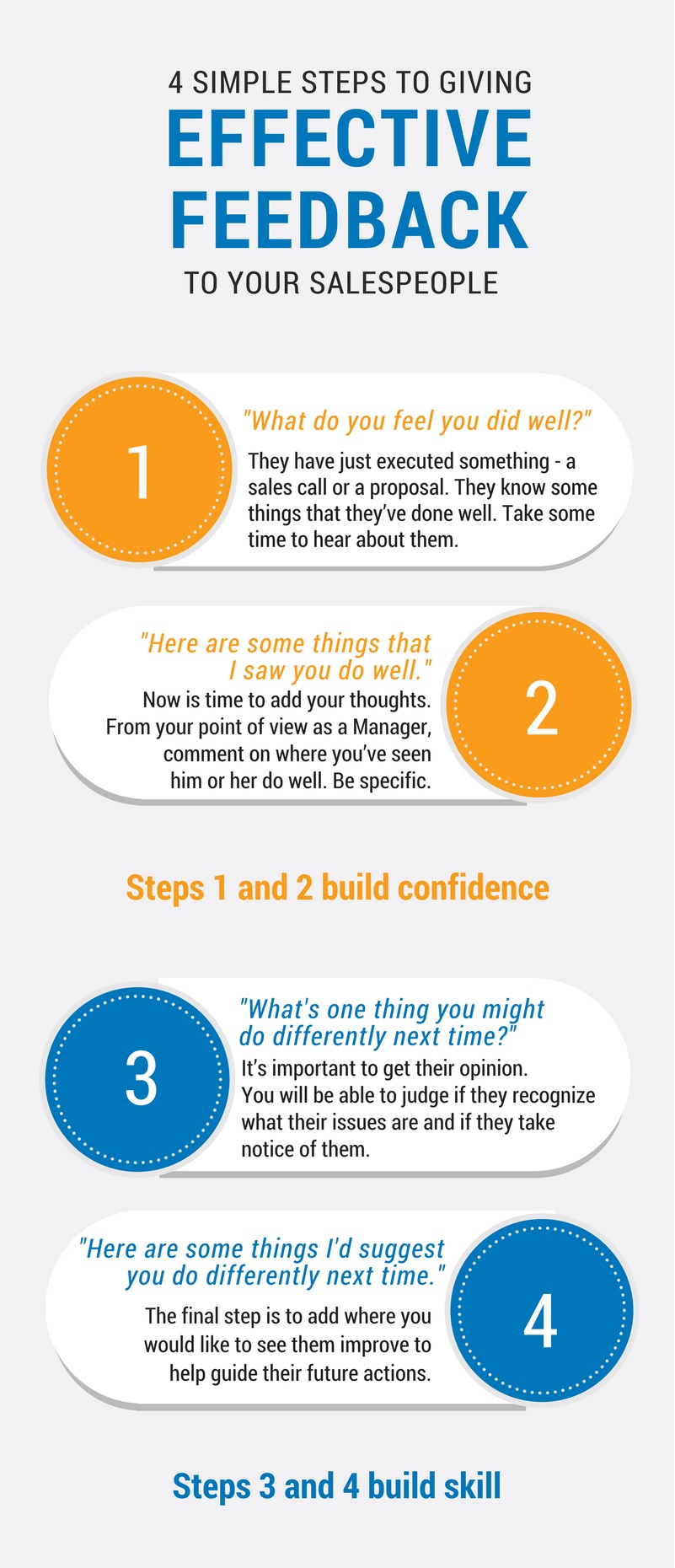
Why This Happens — Diagnose Before You Coach
"Sensitive" is a symptom, not a diagnosis. Before you change *how* you deliver feedback, figure out *why* this rep reacts the way they do. There are four common root causes, and each needs a different manager response.
- Skill gap masked as fragility. The rep gets defensive because they genuinely don't know how to do the thing you're critiquing, so feedback feels like a verdict, not a coaching note. The fix is teaching, not toning down.
- Will / identity threat. The rep ties their self-worth to being "the nice one" or "the closer," so any critique reads as an attack on identity. The fix is separating role-performance from personal worth.
- Knowledge / context gap. The rep didn't know the standard they're being measured against. Feedback feels like a moving goalpost. The fix is clarifying expectations *before* the next rep, not after.
- System / trust problem. The rep has been burned before — drive-by criticism, public call-outs, a manager who only shows up when something's wrong. The fix is rebuilding the relationship, per SBI (Situation–Behavior–Impact) research from the Center for Creative Leadership, which shows feedback lands when it's specific and trust already exists.
Diagnose first, because if you treat a skill gap as fragility you'll under-coach, and if you treat an identity threat as a skill gap you'll trigger the exact reaction you're trying to avoid.
The Coaching Conversation
Run the conversation with care personally, challenge directly as your spine, and borrow the GROW model (Goal, Reality, Options, Will) to keep it a dialogue, not a lecture. Here is the verbatim language.
Open with care that is specific, not generic. Sensitive reps detect hollow praise instantly, so name something real:
"Before we get into the call, I want to say — the way you handled that pricing pushback last week, staying calm and asking why it mattered to them, that's exactly the instinct I want more of. I'm telling you that because I want you to get even better, and that means I'm going to be straight with you today."
Signal the challenge is coming — don't ambush. Naming the structure lowers the threat:
"I've got one piece of tough feedback. I'm giving it to you directly because I respect you enough not to sugarcoat it. Are you good to hear it now, or do you want to grab water first?"
Deliver the critique with SBI — situation, behavior, impact — no sandwich:
"On the Henderson call (situation), when the buyer said 'we're not sure this is a priority,' you moved straight to a discount (behavior). The impact is we lost the chance to find out *why* it wasn't a priority, and we anchored low before we had to (impact). That's the gap I want to close."
Then hand the wheel back with GROW questions. Bold the questions you must ask:
- "What's your read on what happened in that moment?" (Reality)
- "If you ran that call again, what would you try instead?" (Options)
- "What's the one thing you'll do differently on your next discovery call?" (Will)
Close by reaffirming the relationship, not re-softening the feedback:
"I'm not worried about you — I'm investing in you. I'll be on your next call and I'm looking specifically for that one change."
Notice what's missing: there's no "but you're doing great otherwise" tacked on the end. The compliment is genuine and up front; the challenge is clean and behavioral; the close is about belief, not retraction.
The Coaching Plan / Cadence
One brave conversation doesn't fix sensitivity — frequency does. The reason a sensitive rep panics is that feedback is *rare and therefore high-stakes*. Make it routine and the stakes fall. Run a 30/60/90 rhythm.
- Days 0–30 — Lower the stakes. Move to weekly 1:1s with one small, specific feedback note per session. Co-review one call together each week so feedback becomes a shared activity, not a judgment handed down. Affirm one real strength every week so care is constant, not occasional.
- Days 31–60 — Build tolerance. Introduce self-assessment first: have the rep critique their own call before you say a word. This shifts them from defending to diagnosing. Increase the directness as trust grows.
- Days 61–90 — Transfer ownership. The rep sets their own coaching goal, brings their own call to review, and reports their own progress. You're now coaching the coach.
Drills & Role-Play
- Self-review-first drill. Hand the rep a recorded call from Gong or Chorus and have them mark the one moment they'd redo, *before* you give your take. This builds the muscle of receiving critique by sourcing it internally.
- Objection role-play, low stakes. Run the exact scenario the rep fumbled, but as a two-minute practice rep, not a real deal. Praise the attempt, then run it again. Reps that fail in practice fear feedback less in the field.
- Feedback-receiving drill. Explicitly practice *taking* feedback: give a small critique and have them respond with "tell me more" instead of explaining. You're training the response, not just the skill.
- Scorecard the behavior. Give the rep a simple call scorecard (discovery questions asked, pricing held, next step set) so feedback becomes self-evident from the numbers, not a personal opinion.
What to Measure
Track leading indicators of behavior change, not just the lagging quota number:
- Recovery time — how fast the rep re-engages after tough feedback (days at first, then hours). Shrinking recovery time is the clearest sign safety is building.
- Self-correction rate — how often the rep flags their own gap before you do.
- The targeted behavior — e.g., "held price on X% of discovery calls," measured in Gong or Salesforce.
- Coaching engagement — does the rep now bring their own calls to review? That's ownership.
- Conversion / win-rate trend over a quarter — the lagging proof the behavior change is paying off.
Common Mistakes Managers Make
- Rescuing the rep. Softening the message until there's no message left. You feel kind; the rep stays stuck.
- The compliment sandwich. Burying the critique between two praises trains the rep to brace at every "good job" and to discount the real feedback. Lead with care, then challenge cleanly.
- Coaching the deal, not the skill. Fixing the one call instead of the pattern, so you're back next week with the same conversation.
- Going quiet. Avoiding feedback because the rep is "sensitive," which makes the next inevitable conversation a high-stakes ambush.
- Coaching everyone the same. A sensitive rep and a thick-skinned veteran need different *delivery*, not different *standards*.
- Confusing a coaching problem with a fit problem. Sometimes the rep is in the wrong role or needs a PIP, not more empathy. Be honest about which one you're solving.
FAQ
Isn't the compliment sandwich the standard way to deliver tough feedback? It's common, but it's counterproductive. Research behind Radical Candor shows reps learn to wait for the "but," discount the praise, and miss the actual point. Lead with specific, genuine care, then deliver the challenge clean — the praise and the critique are both real, just not used to cushion each other.
What if the rep cries or shuts down? Pause, don't retract. Say: "Take the time you need — this doesn't change how much I believe in you, and we'll work through it together." Retracting the feedback teaches the rep that emotion makes critique disappear. Hold the message and the warmth at the same time.
How do I deliver tough feedback without damaging the relationship? The relationship is damaged by *avoidance*, not directness. Psychological safety research from Amy Edmondson at Harvard shows people trust managers who are honest and consistent. Make feedback frequent and low-stakes so no single conversation carries all the weight.
Should tough feedback ever be given in writing? Lead in person or on video for the tough part, then follow up in writing with the agreed behavior change. The verbal delivery carries the care; the written note carries the clarity and accountability. Never deliver hard feedback over Slack first.
When is it not a coaching problem at all? When the gap is will, not skill, and the rep has had clear expectations, frequent coaching, and time — yet the behavior doesn't change. At that point it's a performance-management conversation and possibly a PIP, and pretending otherwise is unfair to the rep and the team.
How often should a sensitive rep get critical feedback? More often, not less — in smaller doses. Weekly, one specific note. Rarity is what makes feedback feel catastrophic; routine is what makes it survivable.
Bottom Line
Tough feedback lands with a sensitive rep when you make it frequent, specific, and clearly rooted in care — the care personally, challenge directly move, delivered with SBI and run through GROW. Kill the compliment sandwich, build psychological safety so the message survives, and measure recovery time and self-correction, not just quota.
Coach the skill, be honest when it's actually a fit problem, and never let "they're sensitive" become an excuse to go silent.
Sources
- Radical Candor — Care Personally, Challenge Directly (Kim Scott)
- Harvard Business Review — The Right Way to Give Negative Feedback
- Center for Creative Leadership — The SBI Feedback Model
- Amy Edmondson on Psychological Safety (HBR)
- Gong Labs — Sales Coaching Research
- RAIN Group — How to Coach Salespeople
- The GROW Model for Coaching Conversations
- SBI Growth — Sales Manager Coaching
*Sales coaching for tough feedback — how to deliver tough feedback to a sensitive sales rep, sales manager coaching guide, rep coaching framework, and a coaching playbook for 2027.*