 Pulse Reviews and Analysis
How do you use a scorecard to coach a sales team?
 Curated by Kory White · Fractional CRO, CRO Syndicate
Direct Answer
You use a scorecard to coach a sales team by turning vague feedback into a shared, observable rubric of the specific behaviors that drive deals, then scoring real reps against it on a fixed cadence. Build a skills scorecard (the behaviors a great rep performs across a deal) and a call scorecard (the moves a great rep makes inside one conversation), score from recorded calls in Gong or Chorus, and coach to the one lowest-skill that most affects revenue — not everything at once.
The scorecard makes coaching objective and consistent across managers, so a 7/10 on "multi-threading" means the same thing to every rep and every coach. For 2027 teams with longer cycles and buying committees, the scorecard is also how you make AI call-scoring useful instead of noisy: the rubric tells the AI and the manager what "good" looks like.
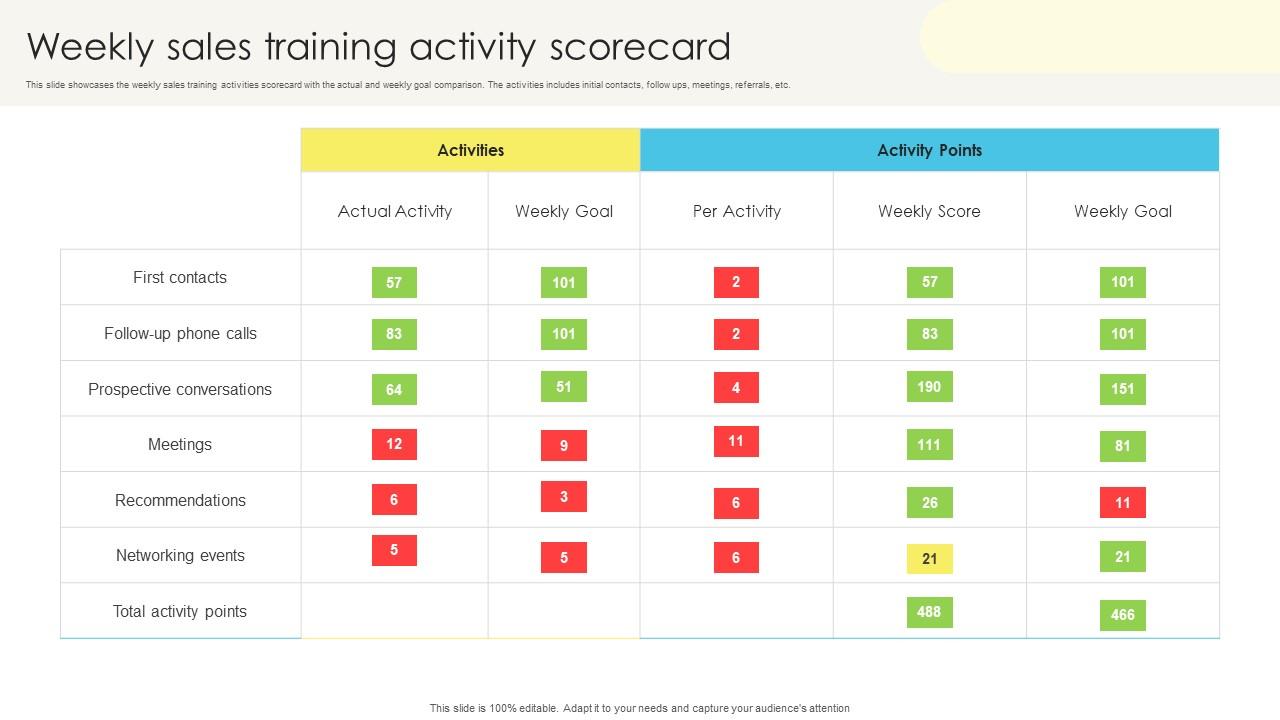
Why This Happens — Diagnose Before You Coach
Most coaching is inconsistent because managers carry the rubric in their heads. One manager praises rapport; another only cares about next-step discipline. Reps get contradictory feedback, can't tell what to practice, and tune it out. A scorecard fixes the root cause: it makes the standard external, visible, and the same for everyone.
Before you score anyone, root-cause why performance is uneven. The gap is almost always skill, will, knowledge, or system/territory — and a scorecard only fixes skill and knowledge. If a rep knows how to discover pain but won't do the reps, that's a will problem.
If the territory is dead, no scorecard moves the number. Diagnose first so you don't "coach" a problem that needs a comp fix or a PIP.
Run this routing every time a score is low. The scorecard tells you *what* is weak; this tree tells you *why*, which determines whether you coach, train, manage, or escalate.
The Coaching Conversation
Score the call before the 1:1, pick the single lowest behavior that touches revenue, and run a GROW model conversation (Goal, Reality, Options, Will). The scorecard gives you evidence so the conversation is about the tape, not your opinion. Make the rep self-assess first — ownership beats being told.
Open with the score and hand them the wheel:
"I scored the Acme call on our call scorecard. Before I share, how would you rate your discovery — the pain and impact part — on a 1 to 5?"
If they rate themselves high and you scored them low, go to the tape, not the argument:
"I had it at a 2. Here's the moment — at 14:30 they said 'renewals are a mess' and we moved to demo. What would a 5 have done there?"
Then run GROW explicitly:
- Goal: "What do you want this skill to look like on your next three discovery calls?"
- Reality: "On the scorecard, where are you strongest and where's the drop?"
- Options: "What are two ways you could have dug into that 'renewals are a mess' line?"
- Will: "Which one will you run on the Beacon call Thursday, and how will we check the recording together?"
Close by naming the behavior and the next checkpoint:
"So this week we're only working the impact question on the call scorecard. I'll score Thursday's call against that one row and we'll review it in Friday's 1:1."
One behavior, one tape, one checkpoint. That focus is what makes the rubric coachable instead of overwhelming.
The Coaching Plan / Cadence
A scorecard only changes behavior if you score on a rhythm. Use a weekly loop and a 30/60/90 ramp for new hires.
- Days 1–30: Calibrate the rep on the rubric. Score one call together each week; the rep self-scores first. Target = they grade calls within one point of you.
- Days 31–60: Coach the single lowest revenue-driving skill. One behavior per week, scored from a real recorded call.
- Days 61–90: Add a second behavior, start tracking the leading indicators the scorecard predicts (conversion, next-step rate), and have the rep co-score a peer's call.
The loop repeats indefinitely after ramp: observe a real call, score it, diagnose the cause, coach one behavior, practice it in a drill, measure the change next week.
Protect the cadence. A scorecard you fill in once a quarter is a performance review, not coaching. The win comes from short, frequent loops on one behavior at a time.
Drills & Role-Play
Scoring without practice just labels the gap. Pair every low score with a rep.
- Call review against the row: Watch the exact timestamp where the score dropped. Ask the rep, "Replay that — what would a 5 sound like?" Then have them say it out loud.
- Same-scenario role-play: Run the missed moment three times. You play the buyer who says "renewals are a mess"; the rep practices the impact question until it's automatic. Score each rep on the same row.
- Blind-score calibration: Manager and rep score the same recorded call separately on the skills scorecard, then compare. This trains the rep to coach themselves between 1:1s.
- Peer scoring: In team meetings, score one anonymized call together. Disagreement on a score is a sign the rubric needs sharper definitions — fix the language, not the people.
Drills convert a number on a page into a behavior in a live call. Without the reps, the scorecard is a diagnosis with no treatment.
What to Measure
Coach to leading indicators, not just the lagging quota number. The scorecard's job is to predict revenue before the quarter closes.
- Score trend per behavior: Is "multi-threading" moving from 2 to 4 over four weeks? Track the row, not just the overall average.
- Manager calibration gap: How close are two managers' scores on the same call? A wide gap means inconsistent coaching, not inconsistent reps.
- Behavior-to-outcome link: Do calls scoring high on "quantified impact" convert to next steps more often? If a rubric row doesn't correlate with win rate or next-step rate, cut it.
- Self-score accuracy: Reps who grade themselves within a point of you are coaching themselves. That's the real goal.
- Ramp speed: Time for a new hire to reach target scores — a clean leading indicator of enablement quality.
If a scorecard line never predicts a deal outcome, it's measuring activity for its own sake. Keep the rows that move revenue and delete the rest.
Common Mistakes Managers Make
- Scoring everything at once. A 12-row scorecard with all rows coached in one 1:1 overwhelms the rep and changes nothing. Coach one row per week.
- Rescuing the rep. Telling them the answer instead of asking GROW-style questions builds dependence. Let them find the move, then score it.
- Coaching the deal, not the skill. "Send that proposal by Friday" closes one deal; "you skip impact questions" fixes fifty. Use the scorecard to stay on the skill.
- No follow-through. Scoring a call and never re-scoring the same behavior means the rep learns the scorecard is theater. Re-score next week, every week.
- One rubric for everyone, applied identically. The rubric is shared, but the *coaching* is individual — an SDR's call scorecard and an AE's skills scorecard are different instruments.
- Letting scores drift between managers. Without calibration sessions, a 4 from one manager is a 2 from another and the whole system loses trust.
FAQ
What's the difference between a skills scorecard and a call scorecard? A skills scorecard measures a rep across an entire deal or quarter — discovery quality, multi-threading, forecasting accuracy, pipeline hygiene. A call scorecard (or rubric) measures the moves inside one conversation — agenda set, pain quantified, next step booked.
Use the call scorecard for weekly coaching from recordings and the skills scorecard for the bigger ramp and development picture.
How many items should a sales scorecard have? Five to eight behaviors. More than that and you can't coach it, reps can't remember it, and managers won't score it consistently. Every row must connect to a real deal outcome like next-step rate or win rate, or it gets cut.
How do I keep scoring consistent across managers? Run monthly calibration sessions: every manager scores the same recorded call independently, then the team compares and sharpens the rubric language wherever scores diverge by more than a point. Tools like Gong and Chorus let you assign the same call to multiple scorers, which makes calibration easy.
Can I use AI to score calls in 2027? Yes, but the AI needs your rubric. Gong, Chorus, and Clari can auto-flag behaviors like talk ratio, monologue length, and next-step language, which removes grunt work from scoring. The manager still owns the judgment calls and the coaching conversation — AI surfaces the moments; you coach them.
What if a rep scores well but still misses quota? That tells you the gap isn't skill. Re-run the diagnosis tree — it's likely will, territory, comp, or a product fit problem, and none of those are fixed by more scoring. Honest managers separate a coaching gap from a system gap and a system gap from a performance issue that needs a PIP.
Should reps see their own scores? Always. A hidden scorecard is a manager's secret opinion; a shared one is a coaching contract. Have reps self-score first so they own the gap before you ever share your number.
Bottom Line
A scorecard works as a coaching tool when it makes "good" observable and the same for everyone, and when you coach to one behavior at a time on a weekly loop. Build a clear rubric, score real recorded calls, diagnose skill versus will versus system before you coach, and re-score the same behavior next week.
The scorecard isn't the coaching — it's what makes the coaching objective, consistent, and repeatable.
Sources
- Gong Labs — Sales Call Research
- Harvard Business Review — The Secret to Coaching Salespeople
- RAIN Group — Sales Coaching Research and Best Practices
- Sales Hacker — How to Build a Sales Coaching Program
- Sandler — Sales Coaching Methodology
- Winning by Design — Sales Coaching Framework
- Chorus by ZoomInfo — Conversation Intelligence for Coaching
*Sales coaching with a scorecard — how to use a scorecard to coach a sales team, sales manager coaching guide, rep coaching framework, call scorecard rubric, and a coaching playbook for 2027.*