
How do you coach reps to tell better customer stories in 2027?
 Curated byKory White · Fractional CRO · Maryland
 PULSEKNOWLEDGE LIBRARY
Quality
Certified

Coach reps to tell better customer stories by making them practice one repeatable story structure — the Before-After-Bridge arc wrapped around real customer proof — instead of reciting features. The core move is the manager-led 1:1 where you pull a real won deal from Gong or Chorus, force the rep to retell it in 90 seconds with a named customer, the pain before, the measurable result after, and the bridge to the prospect in front of them. Stories fail because reps default to product facts under pressure; your job as the coach is to give them a skeleton they can hang any account on, then drill it until it's automatic. This approach works for AEs and SDRs who already know the product but lose the room when it's time to make it feel real.
The old approach of memorizing a "hero" case study and reciting it verbatim is dead. Modern buying committees are too diverse — a CFO cares about ROI timelines, the VP of Engineering cares about integration friction, and the end-user cares about daily workflow. A single canned story can't hit all three. Instead, coach reps to treat each customer story as a modular asset they can reshape on the fly. The Before-After-Bridge structure gives them the flexibility to emphasize the CFO-relevant ROI or the engineer-relevant implementation speed, all from the same raw material. This shift from scripted to modular storytelling is what separates reps who close complex deals from those who get stuck in feature dumps.
Another hidden reason stories fail: reps don't realize they're telling a story at all. They'll say, "We worked with Acme and they saw a 30% lift," but they deliver it as a throwaway line buried in a feature walkthrough. The buyer's brain doesn't register it as a story because there's no narrative arc — no tension, no transformation, no relevance signal. Your coaching must first make the rep conscious that a story has a beginning, middle, and end. Use the 90-second retell drill to force them to sequence their thoughts. Once they feel the difference between a data point and a narrative, they'll start hunting for stories in every deal they close.
Why Customer Stories Fail — And How to Diagnose the Root Cause
Before you build a single drill, root-cause why the rep tells weak stories. There are four very different failures, and each needs a different fix. Skill: the rep doesn't know how to structure a story — they have the raw material but ramble or lead with the product. Will: the rep can do it but won't — they think stories are "fluffy" and feel safer reciting specs. Knowledge: the rep doesn't actually know any customer outcomes — they were never given the case studies, win-wires, or numbers, so they have nothing to tell. System/territory: the rep's segment has no reference customers yet, or marketing never produced proof for their vertical, so the gap is real, not personal.
The most common misdiagnosis is treating a knowledge gap as a skill gap. You can role-play story structure all day, but if the rep has never seen a quantified win in their industry, you're polishing an empty stage. Equally common: calling a will problem a skill problem and over-training a rep who simply needs to be convinced stories close deals. Pull three of the rep's recorded calls and listen for which failure shows up — that recording is your evidence. Here's a practical way to run this diagnosis in under 15 minutes. Open the rep's last three discovery or demo calls in Gong. Skip to the part where they mention a customer name. Ask yourself three questions: (1) Did they name the customer, or just say "a company like yours"? (2) Did they describe the specific pain before the solution, or jump straight to the product? (3) Did they connect the outcome back to the prospect's stated need? If the answer to any is "no," you've found a skill gap. If the rep named the customer and described the pain but still sounded flat, listen for their tone — a monotone delivery suggests a will gap, where they don't believe the story matters. If there's no customer name at all across three calls, it's a knowledge gap. If they mention a customer but you know that customer is in a different vertical or company size, it's a system gap — they're reaching because they have nothing else.

Let's walk through a real diagnosis from a team. A rep named Sarah claimed she had "tons of stories" but her calls showed she only used two, both from enterprise clients, while she sold to mid-market. The diagnosis was a system gap: marketing had produced only enterprise case studies, so Sarah was reaching for stories that didn't fit. The fix wasn't more coaching — it was escalating to product marketing for mid-market proof. Another rep, Tom, had three perfect stories in his email from a recent win-wire but never used them. His calls showed he led with features every time. That was a skill gap — he had the material but didn't know how to structure it. We ran the 90-second retell drill, and within two sessions, his stories appeared in live calls. The diagnosis saved us weeks of wasted coaching. A third rep, Elena, was a top performer but her stories were always about "a company in your space" with no name. She had the skill and the will, but she was afraid of confidentiality agreements. The diagnosis was a knowledge gap — she didn't know which customers had given permission to be named. We worked with legal to create a list of "safe" customer names, and her story quality improved immediately. For more on diagnosing rep performance gaps, see this guide on coaching frameworks.
How to Run the GROW Coaching Conversation on Storytelling
Run this in a weekly 1:1 using the GROW model — Goal, Reality, Options, Will. Keep it conversational, but use these verbatim questions. The point is to make the rep do the thinking and own the structure, not to have you narrate a perfect story at them.
Goal — "When you picture a story that actually moves a buyer, what does it do for them?" Let them answer. Then frame it: *"Right — a great customer story makes the prospect see themselves in someone who already won. Let's make yours do that every time."* Reality — "Play me the part of your last call where you brought up a customer. Let's listen together." Open the Gong call. After it plays: *"What did you lead with there — the customer's pain, or our product?"* Most reps will admit they led with product. Don't rescue them; let the silence sit.

Then teach the skeleton out loud: "Every story you tell has four beats. One: name a real customer like them — 'A VP of Sales at a 200-person SaaS company.' Two: the Before — the specific pain they were in. Three: the After — the measurable result, with a number. Four: the Bridge — 'and the reason I'm telling you this is, you mentioned the exact same thing five minutes ago.'" This is Before-After-Bridge with a relevance bridge bolted on the end. Options — "Take the [Customer Name] win you just closed. Tell it to me in 90 seconds using those four beats. Go." Time it. When they finish: *"Where was the number? Make me feel the Before."* Have them run it again. The second rep is always better — point that out so they trust the structure. Will — "Which two live deals will you use this on this week, and which call should I review to check it?" Get a specific commitment to a specific deal and a specific call you'll listen to. Close with: *"I'll listen to the [Acme] call Thursday and we'll review the story together Friday."* Now the coaching has a follow-through hook, which is where most coaching dies.
A note on honesty: if the Reality step reveals the rep has no customer outcomes to draw from, stop the role-play. You've found a knowledge or system gap, and more drilling won't help. Go get them proof first. One advanced tweak: if the rep is a senior AE who resists the structure, don't frame it as a "lesson." Frame it as a "challenge." Say, "I bet you can't tell me the Acme story in under 60 seconds without mentioning the product name." Senior reps respond to competition and constraints, not pedagogy. Make the drill a game and they'll engage. For remote teams, record the 1:1 coaching session itself. Let the rep watch themselves struggle through the first retell and then nail the second. Seeing their own improvement on video is more powerful than any feedback you can give. For more on structuring effective coaching conversations, check out this resource on sales coaching cadences.

The 30/60/90 Coaching Plan for Storytelling
Storytelling is a skill, so it improves with reps over time, not in one session. Run a 30/60/90 arc and a tight weekly loop.
Days 1–30 — Structure. One story drill per weekly 1:1. The rep retells one real won deal in Before-After-Bridge until they can do it cold in 90 seconds. Build a shared "story bank" doc of three vetted, quantified customer stories per vertical they sell into. Don't try to fix every story gap at once. Pick ONE story per rep for the first 30 days — the one they are most likely to use in their next three calls. Drill that single story until it's bulletproof. Once it's automatic, add a second story. Trying to build a full story bank before any story is polished leads to ten mediocre stories instead of one great one. Reps need the dopamine hit of a story working in a live call — that's what turns a skeptic into a believer.

Days 31–60 — Relevance. Now the rep must match the right story to the right prospect. In each 1:1, give them a discovery snippet and have them pick and bridge the correct story on the spot. Introduce the concept of "story slots." A discovery call has natural openings for a story: when the prospect mentions a pain point, when they ask about results, or when they express skepticism. Coach reps to recognize these slots and pre-load the appropriate story. Use Gong to find these moments in their own calls and practice the transition phrase. For example, if the prospect says "We tried something similar and it didn't work," the rep's story slot opens. The bridge becomes: "We actually saw a similar situation with [Customer Name], and here's what made the difference for them."
Days 61–90 — Live transfer. You review Gong/Chorus calls weekly and score whether the story actually landed on a live deal. The goal is unprompted, well-matched stories appearing in real calls. The weekly loop is what makes it stick. Observe a real call, diagnose the one thing to fix, coach it with a verbatim retry, have the rep practice on a live deal, then measure whether it showed up. One team I coached created a shared Google Sheet with columns: Customer Name, Vertical, Company Size, Before Pain, After Result (with number), Bridge Keywords (e.g., "churn," "efficiency," "cost"), and Permission Status (named vs. anonymous). Each rep was required to add one story per week from their own closed-won deals. The sheet grew to 40 stories in 90 days. The rule was: you cannot use a story in a live call unless it's in the sheet and has a quantified result. This created a culture of sharing and made the bank a living asset. For more on building shared team assets, see this guide on sales enablement systems.
Essential Drills to Build Storytelling Muscle Memory
- The 90-second retell. Rep tells a real won deal using the four beats, against a timer. Run it twice — the second pass proves the structure works.
- Strip the product. Rep tells a customer story with the product name banned. Forces them to lead with pain and outcome, not features. A rep named James was selling a data analytics platform. In the drill, he had to tell the story of a retail customer without using the words "analytics," "dashboard," "AI," "machine learning," or the product name. His first attempt was weak, but after coaching, his second attempt: "A retailer with 50 stores was losing $2M annually because they kept overstocking winter coats in warm regions. We helped them see the pattern — now they stock based on regional weather data, and that $2M loss became a $500K savings. You mentioned you're dealing with inventory waste — that's why I'm sharing this." No product name, no jargon. The prospect could see themselves in the story.
- The number hunt. Rep must state a quantified Before and After ("ramp went from 9 months to 5"). No vague "they were happier."
- Match-the-story. You read a discovery transcript; rep picks the right story from the bank and delivers the relevance bridge in one sentence.
- Call-review scorecard. Score real Gong clips on a simple rubric: named customer (yes/no), specific Before, quantified After, relevance bridge. Coach to the lowest box.
- Peer story swap. In team meetings, two reps trade their best stories so the bank grows and reps hear strong models from peers. Expand this into a monthly "story slam." Each rep brings their best new story from the last 30 days. They have 90 seconds to tell it. The team votes on the most compelling, most relevant, and most surprising. The winner gets a small prize (a gift card, a shoutout in the team Slack, or a "story master" badge). This gamifies the behavior and creates a library of vetted stories that everyone trusts. It also surfaces stories from reps who don't usually speak up in team meetings — the quiet closer who has a killer manufacturing story but never shares it.

Another drill that works well in group settings: "The Worst Story." Each rep tells a customer story deliberately badly — no customer name, no pain, no number, no bridge. Then the team rewrites it together. This removes the fear of being judged (everyone is performing poorly on purpose) and teaches the structure through humor. Reps remember the negative example better than the positive one. It also builds team cohesion because everyone is laughing and learning simultaneously.
What to Measure to Track Storytelling Improvement
Track leading indicators, not just quota. Story frequency: how many discovery/demo calls include at least one customer story (pull from Gong trackers). Story completeness: percentage of stories that hit all four beats on the scorecard. Relevance match: how often the story fits the prospect's segment. Talk-time and engagement on the segment of the call where the story lands. Multi-threading rate — strong stories get forwarded internally, so watch for new contacts appearing post-story. The lagging proof is win rate and deal velocity, but those move months after the leading indicators do, so don't coach to them directly.

One metric that most managers ignore: story-to-objection ratio. A well-told story should preempt or neutralize objections. If a rep's calls show that objections spike after they tell a story, the story is actually creating friction, not resolving it. Use Gong to track objection frequency in the 30 seconds following a story. If you see a pattern — e.g., "We're too small for that solution" after a story about a large enterprise — the rep is telling the wrong story for their prospect's size. This metric turns storytelling from a "nice to have" into a measurable, improvable skill.
Also, measure story recall rate. In your weekly 1:1, ask the rep to retell a story from memory that they haven't practiced in two weeks. If they stumble, the story isn't sticky enough. Reps need stories that are so familiar they can deliver them under pressure, on a bad day, with a prospect who's distracted. The recall drill reveals which stories need more repetition and which are ready for prime time. Use a simple 1-5 scale: 5 is flawless, 3 is passable, 1 is forgotten. Any story below a 4 needs another practice session. A sales ops manager created a "Story Score" in their CRM as a custom field on the opportunity. After every call that included a story, the rep self-reported: "Did you name the customer? (Y/N), Did you describe the Before pain? (Y/N), Did you state a quantified After? (Y/N), Did you bridge to the prospect's need? (Y/N)." The manager reviewed a random 20% of calls to validate. Over 90 days, the team's Story Score went from 1.2 (out of 4) to 3.4. Win rate for opportunities with a Story Score of 3+ was 45% vs. 22% for those below 3. That data was presented in the next all-hands, and suddenly every rep wanted to improve their Story Score.
Common Mistakes Managers Make When Coaching Storytelling
- Telling the story for them. You narrate a beautiful story; the rep nods and learns nothing. Make the rep do every retry.
- Coaching the deal, not the skill. You fix the story on the Acme deal but never build the rep's repeatable structure, so next week it's broken again.
- No follow-through. You coach in the 1:1 and never review the live call you said you'd review. The rep learns coaching has no teeth. A manager named Priya coached her rep, David, on a story for a manufacturing prospect. In the 1:1, David nailed the retell. Priya said, "Great, use it on your call with FlexCorp tomorrow." She never reviewed the call. Two weeks later, in another 1:1, David was still telling the same story poorly. Priya asked, "Did you use it on the FlexCorp call?" David: "I tried, but it didn't feel right, so I skipped it." Priya had no recording to check, no data to discuss. The coaching loop was broken. The fix: Priya set a calendar reminder to review the FlexCorp call within 48 hours. She found that David had used the story but rushed the bridge. She coached that one element in the next 1:1, and David's next story attempt was clean.
- Treating a knowledge gap as a skill gap. Drilling structure when the rep has zero customer outcomes to draw from. Get them proof first.
- One-size coaching. A will problem and a skill problem get the same generic role-play. Diagnose first.
- Rescuing instead of waiting. Filling the silence when the rep stumbles. Let them struggle through the retell — that's where the learning is.
- Over-coaching the structure, under-coaching the delivery. A rep can nail the four beats but deliver them in a monotone, rushed, or robotic way. Use the "pause and pace" drill: have the rep tell the story, but force a 2-second pause before the "After" number and a 1-second pause before the "Bridge." The pause signals importance. Also, coach vocal variety — the rep's voice should go down in pitch for the "Before" pain and up in energy for the "After" result. Record the rep's delivery and play it back without sound — just watch their facial expressions. If their face doesn't change when they describe the customer's pain, the prospect won't feel it either.
- Coaching the story in isolation, not in context. A rep can tell a perfect story in the 1:1 but fail to insert it naturally in a live call because they're focused on discovery questions or handling objections. Practice the transition: "That reminds me of a situation with [Customer Name]..." or "One of our customers faced that exact challenge..." Role-play the entire call flow, not just the story segment.

The "3-Second Hook" Drill for Cold Openings
Most reps bury their story's power in the third sentence. Coach them to lead with a specific, surprising outcome in the first three seconds. Example: *"We helped a mid-market manufacturer cut downtime by 40% in six weeks — here's how."* Run a 10-minute drill where reps take a real customer win and rewrite only the opening line. They must delete any reference to the product name, features, or industry jargon. The hook should make the prospect think *"I need to know how that happened."* Practice this until the rep can deliver it without glancing at notes. This works because buying committees scan for relevance instantly — if the first three seconds don't land, the rest is noise.
Take this drill further by testing the hook against a specific prospect persona. Have the rep write three different hooks for the same story — one for a CFO, one for a VP of Engineering, and one for an end-user. The CFO hook leads with a financial metric ("reduced OpEx by 22%"), the engineer hook leads with a technical metric ("cut deployment time from weeks to days"), and the end-user hook leads with a workflow metric ("saved 10 hours per week on manual reporting"). This forces the rep to think about who they're talking to before they even open their mouth. In the 1:1, have them state the prospect's title, then deliver the corresponding hook without pausing. If they hesitate, they haven't internalized the persona-matching skill.

Also, practice the "hook recovery" — what happens when the prospect interrupts the hook. Say the rep starts, "We helped a mid-market manufacturer cut downtime by 40%..." and the prospect cuts in with "We're not mid-market, we're enterprise." The rep's recovery should be immediate: "Understood, and the approach scales — we actually saw the same pattern with [Enterprise Customer Name] who cut downtime by 35%." This recovery requires the rep to have a second, parallel story ready for a different segment. Drill this until it's reflexive. A rep named Lisa was selling a project management tool. Her original opening: "Our platform helps teams collaborate better and track milestones." That's generic and product-forward. After the drill, her hook became: "We helped a 50-person agency cut project delivery time by 30% in one quarter — no more missed deadlines." The prospect's response: "How did you do that?" That's the reaction you want. Lisa's second hook for the CFO persona: "We reduced a client's contractor costs by $120K annually because projects finished on time." Same story, different metric, same hook structure.
The "Stretch vs. Fit" Story Audit
Not every customer story belongs in every call. Coach reps to sort their stories into two buckets: stretch (ambitious outcomes from aspirational customers) and fit (closely matched industry, role, or pain). In your weekly 1:1, have the rep pull three recent deals and classify each as stretch or fit for their current top-three prospects. If a rep keeps reaching for stretch stories when the prospect needs fit, they're likely avoiding the hard work of mapping pain points. The fix: create a simple spreadsheet with columns for customer name, pain, result, and which prospect persona it fits. Review it together until the rep can instinctively grab the right story in 10 seconds. This prevents the awkward *"I have a story but it's not quite right"* pause that kills momentum.
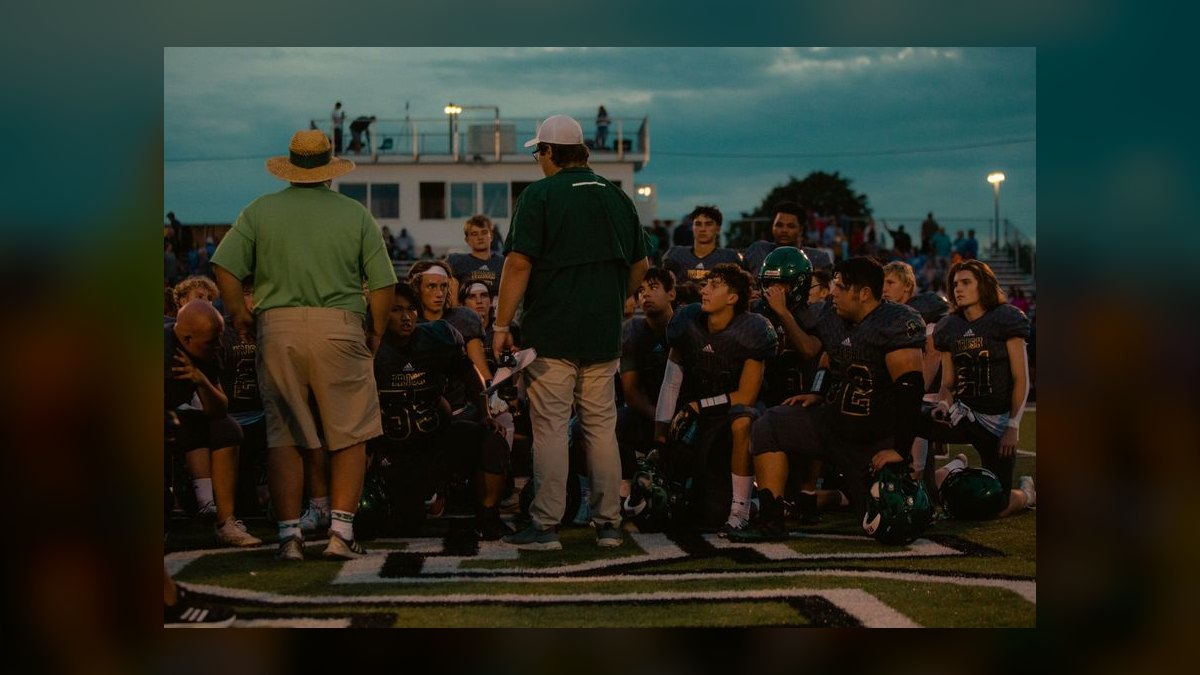
Go deeper with a "story gap analysis." For each of the rep's top five prospects, list the known pain points from discovery. Then map each story in the bank to those pain points. If a prospect has a pain point with no matching story, that's a gap. The rep needs to either find a story from a similar account or escalate to marketing for a case study. Run this analysis monthly because prospects' pain points evolve. A story that was a perfect fit in Q1 might be irrelevant in Q2 if the prospect's industry shifted (e.g., new regulations, new competitors). The story bank is a living document, not a static archive.
Additionally, teach reps the "one-sentence fit statement." Before they launch into a story, they should say something like, "This is relevant because you mentioned [specific pain], and [Customer Name] had the exact same challenge." This sentence does two things: it signals to the prospect that the rep was listening, and it primes the prospect to pay attention because the story is directly relevant. Without this sentence, the prospect might mentally check out, thinking "This is just a canned pitch." The fit statement is the bridge before the bridge. A rep named Carlos was selling to a 200-person logistics company (Fit prospect). He kept telling a story about a 5,000-person global manufacturer (Stretch story). The prospect's response was consistently, "That's great for them, but we're much smaller." Carlos was using a stretch story because it had the best numbers (40% cost reduction), but it was actually hurting his credibility. In the audit, we found a fit story from a 150-person warehouse that saved 25% on overtime costs. The numbers were smaller, but the prospect said, "That's exactly our situation." Carlos closed that deal in 30 days.
The "No-Result" Story Hack
Many reps freeze when they lack a hard ROI number. Coach them to tell a process story instead: *"We didn't have the data yet, but here's what we did differently and the early signal we saw."* Practice this in roleplay with a deal that closed recently but hasn't produced metrics. The rep describes the customer's initial skepticism, the step-by-step implementation, and the qualitative feedback (e.g., *"The VP said it was the smoothest rollout they'd ever done"*). This builds credibility without fabricating numbers. It also trains reps to listen for the prospect's own metrics — if the prospect says *"We track that too,"* the rep can pivot to a specific comparison. This hack turns a perceived weakness into a trust-building moment.

Expand this with a "proxy metric" drill. If the rep has no hard number from their customer, they can use an industry benchmark or a public metric from a similar company. Example: "One of our customers in the same space told us their average time-to-value was 60 days before, and after working with us, they hit value in 30 days. I don't have their exact dollar figure, but the time savings alone was significant." The key is to be transparent about the source — "I don't have the exact figure, but here's what they said" is more credible than a made-up number. Prospects respect honesty, and a proxy metric with a clear source is better than a fabricated number that gets caught in due diligence.
Also, coach the "early signal" story for new product launches. When a rep is selling a new feature with only one or two beta customers, they can say: "We're still collecting data, but the early signal from our beta is that [metric] moved by [X%] in the first month. I'll share the full results as soon as they're available." This positions the rep as a partner in the customer's journey, not just a vendor. It also creates a follow-up opportunity — the rep can reach out later with the validated results, keeping the conversation alive. A rep named Aisha was selling a new compliance software that had only been in the market for two months. She had one customer, a small bank, but no hard ROI numbers yet. Her process story: "We worked with a community bank that was struggling with manual audit prep — they were spending 80 hours per quarter just gathering documents. We helped them automate the collection process, and while we're still measuring the exact time savings, the compliance officer told us, 'This is the first time I've left work on time during audit season.' That was a big win for them. I don't have a dollar figure yet, but I can tell you the process saved them at least two weeks of prep time based on their feedback." The prospect, another community bank, said, "That's exactly our pain. We'll take the pilot." Aisha closed the deal without a single hard number.
Related questions
How do I get reps to stop leading with product features?
Diagnose the gap: if it's skill, drill the Strip the Product exercise; if it's will, show them call recordings where feature-dumping lost the deal. The fastest fix is banning product names from the story entirely and forcing the rep to lead with pain and outcome.
What if my team has no case studies or customer data?
That's a system gap. Escalate to product marketing for at least three quantified wins per vertical, or use process stories from recent implementations that show the journey even without hard numbers. Reps can also gather informal quotes from happy customers during handoff calls.
How do I coach storytelling for SDRs versus AEs?
SDRs need a shorter, hook-only story (15-30 seconds) to earn a meeting, while AEs need the full four-beat narrative (60-90 seconds) to advance a deal. SDRs should focus on the 3-Second Hook drill; AEs need the complete Before-After-Bridge structure.
Should every rep use the same story bank?
Yes, but with customization per vertical and persona. A shared bank ensures consistency, but each rep must practice adapting the delivery to their specific prospect's pain points. The bank is a raw material library, not a script to be read verbatim.
How do I measure if storytelling is actually working?
Track story frequency, completeness, and relevance match in Gong calls. The leading indicator is the Story Score (named customer, specific Before, quantified After, relevance bridge). The lagging indicator is win rate on opportunities where stories were used versus not.
FAQ
How long before a rep tells noticeably better stories? With weekly drilling, structure improves in 2–3 weeks; consistent, relevant stories on live calls take the full 90 days. The 90-second retell is the fastest visible win — most reps tighten dramatically by the second attempt in the first session. I've seen reps go from rambling to crisp in a single 30-minute 1:1 when they hear themselves on playback and realize how much they improved on the second try.
What if the rep thinks customer stories are "fluffy" and resists? That's a will gap. Don't argue — show data. Pull Gong win/loss patterns or share research that buyers trust peer proof over vendor claims, then attach a story directly to one of the rep's stuck deals so they feel it work once. I had a rep named Kevin who was a pure product guy — he believed features sold themselves. I showed him three calls where he lost to a competitor who used customer stories, and then I coached him to use a story on a stalled deal. He closed it in two weeks. He became the team's biggest storytelling advocate.
Do I need recorded calls to coach this? They make it far easier — a real Gong or Chorus clip is undeniable evidence and removes "that's not how it went." If you have no recording tool, sit in on live calls and take verbatim notes, but recordings are strongly preferred because they allow the rep to hear their own delivery and see the difference between their first and second attempts.
What if the rep has no customer outcomes to draw from? That's a knowledge or system gap, not a skill gap. Stop drilling structure and go get them proof. Escalate to product marketing, pull win-wires from the CRM, or interview recent customers for informal quotes. Without raw material, no amount of coaching will produce a good story.
How do I handle confidentiality agreements that prevent naming customers? Create a "safe list" of customers who have given explicit permission to be named. For the rest, use a descriptive label like "a VP of Sales at a 200-person SaaS company in your space" combined with a process story that focuses on the journey rather than the specific company name.
Should I coach stories in group settings or one-on-one? Both. Use one-on-one for personalized skill-building and diagnosis, and group settings for the "story slam" or "worst story" drills that build team culture and share best practices. Group settings are especially effective for building the shared story bank and for gamifying the behavior.
What's the most common mistake managers make in the first coaching session? Telling the story for the rep instead of making them do the retell. Let the rep struggle through the first attempt, then improve on the second. The learning happens in the struggle, not in listening to you narrate a perfect story.
How do I keep storytelling coaching going after the initial 90 days? Integrate it into your regular deal review cadence. Every deal review should include: "What story did you use, and how did the prospect respond?" Make the story bank a living document that reps update monthly. Run quarterly story slams to keep the skill fresh and surface new wins.
Sources
- Gong Labs - Sales Storytelling Research
- Chorus.ai - The Science of Sales Storytelling
- Harvard Business Review - The Case for Customer Stories
- Sales Hacker - How to Tell Customer Stories That Close Deals
- HubSpot - The Ultimate Guide to Sales Storytelling
- Forrester - The Power of Customer Reference Stories
- Gartner - Buying Committees and the Need for Modular Stories
- Salesforce - How to Build a Sales Story Bank
- LinkedIn Sales Solutions - Storytelling for Sales Professionals
- RAIN Group - The ROI of Sales Storytelling
Related on PULSE
- How do you coach a rep to leverage customer success stories in their pitch in 2027
- How do you coach a sales team to work better with customer success in 2027?
- How do you coach reps to ask better questions using call data?
- How do you coach reps to ask better discovery questions?
- How do you coach reps to build a mutual action plan with buyers?
- How do you coach reps to build a multichannel outreach sequence?
This page will be disappearing soon. Save it to your device for $1 — or read it free while it is here.
@Kory-White- · if Venmo asks, the last 4 of my number are 2012
This page is gone.
This one is off the shelf now. $1 keeps it on your phone for good — the whole page, pictures and diagrams included.
 cgHow do you build a weekly sales coaching cadence that sticks in 2026?
 cgHow do you coach a rep to present pricing with confidence in 2026?
 sales-coachingHow do you coach a rep who's great at demos but can't close in 2026?
 sales-coachingHow do you run a cold-call coaching session with live dials in 2027?
 sales-coachingHow do you coach a field rep to use their time in-territory well in 2027?
 sales-coachingHow do you build a repeatable sales coaching framework in 2027?
 sales-coachingHow do you balance coaching and accountability in a 1:1 in 2027?
 sales-coachingHow do you coach a rep to control the room in a group demo in 2026?
 sales-coachingHow do you certify a new rep is ready to sell on their own in 2026?
 sales-coachingHow do you coach reps to get past gatekeepers in 2026?