
How do you coach a rep over video without losing connection?
 Curated byKory White · Fractional CRO · Maryland
 PULSEKNOWLEDGE LIBRARY
You coach a rep over video without losing connection by treating presence as a trained skill, not a toggle: cameras on, eyes to the lens, one topic per 25-minute session run twice weekly. Watch real call recordings together, narrate what the medium hides, and always book the next session before hanging up.
A Monday 1:1 that quietly falls apart
Picture a RevOps-adjacent sales manager, Dana, running a remote team across three time zones. Her Monday 1:1 with a mid-tenure AE, Marcus, is a 60-minute video block on the calendar. Dana joins two minutes late, camera off, "just finishing something." Marcus is on camera but slumped, thumbnail-watching himself. For the first fifteen minutes they trade status updates that could have been a Slack thread. By minute forty, Dana is glancing at a second monitor while Marcus recaps a deal, and Marcus — reading the flat, half-there face on his screen — stops volunteering the thing he was actually worried about: he's been freezing on pricing pushback for three weeks and doesn't know why.
Nobody did anything obviously wrong. Yet the session lost connection, and it lost it in a specific, diagnosable way. The medium stripped out the micro-signals that carry rapport in a room — the lean-in, the eyebrow, the shared laugh — and neither person replaced them with anything. Dana coached the calendar (a marathon meeting), not the skill. She coached from memory instead of tape. And she modeled distraction, which Marcus mirrored instantly, because presence over video is reciprocal: the coach sets the floor.
This is the failure mode you are actually solving for. "Losing connection over video" almost never means the webcam is the problem. It means fatigue, multitasking, and format are doing the damage, and the fix is to change how you run the session — not to accept that remote coaching is second-best. The rest of this page is the format that keeps Dana and Marcus connected.
How the mechanism actually works
Before you prescribe a drill, root-cause the disconnection. Coaching symptoms trace back to one of four levers — skill, will, knowledge, and system — and remote work adds a fifth: the medium itself (bandwidth, video fatigue, camera norms, lag, time zones). Misdiagnose it and you coach the wrong thing. You hand a presence exercise to a rep who is genuinely exhausted after eight back-to-back calls, or you push harder on cadence when the real issue is a laptop camera below the chin, backlit by a window.

Separate your connection problem from the rep's. Sometimes the coach is the one multitasking, and the rep feels it through the lens within seconds. Sometimes the rep's flat presence is honest signal — real disengagement you should listen to, not paper over. The point of a diagnosis step is to route the symptom to the true cause so the coaching conversation lands on the right lever instead of the loudest one.
The core mechanism is this: over video you lose most body language, so you have to make the implicit explicit. In a room, a good coach reads the rep and adjusts silently. On camera, you narrate what you'd otherwise infer — "I noticed your eyes dropped the second the buyer said 'send me pricing'" — and you invite the rep to narrate their own experience because you can no longer see the whole room. Connection is rebuilt by replacing lost signal with spoken signal, not by pretending the signal is still there.
Once you've placed the symptom on this tree, the conversation writes itself. Run it as a GROW loop — Goal, Reality, Options, Will — on camera, notifications off, eyes to the lens rather than the gallery. Open by naming the medium and lowering the stakes: "I've got my camera on and everything else closed. If I glance away, it's a note for you, not me checking out — deal?" That single line gives you permission to look down occasionally without it reading as disengagement, and it resets the emotional floor for the whole session.

Real numbers, ranges, and benchmarks
Cadence is the lever with the biggest payoff, and it has concrete settings. Retire the monthly 60-minute review; video fatigue climbs sharply past the 30-minute mark, so a single long block is the format most likely to lose connection. Replace it with a 30/60/90 rhythm of short, frequent, camera-on sessions:
- Days 1–30: Two 25-minute video 1:1s per week — one deal-focused, one skill-focused (presence, discovery, objection handling). Send a two-line async agenda the night before so live time is spent practicing, not catching up on status.
- Days 31–60: Keep the twice-weekly cadence and add one group video role-play so reps coach each other and rebuild *team* connection, not just manager-rep connection.
- Days 61–90: Shift to one weekly live 1:1 plus async clip feedback — you leave timestamped comments on their recorded calls. The rep is now self-correcting; you are reinforcing.
Session mechanics have numbers too. Keep sessions to 25–30 minutes on one topic. Ask the rep to test camera, lighting, and audio five minutes early so the "can you see me / hear me" ritual takes 30 seconds and pre-empts the frozen-screen interruptions that derail a coaching arc. Adopt a deliberate 3-second pause after the rep finishes speaking — count "one-thousand-one, one-thousand-two, one-thousand-three" — to absorb the half-second audio lag that otherwise mimics disinterest and to give the rep room to elaborate instead of getting talked over.
Then measure whether behavior actually changed, because coaching connection is only real if it moves leading indicators — not just quota. Track these over a rolling 6–8 weeks:

- Camera-on rate in internal 1:1s and external customer calls (pulled from conferencing or conversation-intelligence participation data).
- Talk-to-listen ratio on customer calls — improving presence usually shows up as the rep talking less and pausing more.
- Question rate and longest-monologue metrics — better video discovery means more buyer questions and shorter rep monologues.
- Coaching session frequency and attendance — are the short sessions actually happening, or quietly slipping?
- Conversion at the stage you coached (for example discovery-to-demo).
- Rep-reported energy — a quick 1–10 "how connected did that feel?" after each session catches video fatigue before it becomes disengagement.
If none of these move after a focused 60-day cycle, the issue is no longer your video technique — it is fit, comp, or a performance conversation that needs a different frame. Set that expectation up front so the numbers, not vibes, decide the next step.
Trade-offs and alternatives
Every choice here trades one cost against another, and picking well is what separates a coach who sustains connection from one who burns it. Live synchronous video carries the richest rapport but the highest fatigue and scheduling cost across time zones. Async recorded feedback — you commenting on a rep's call clip, or a rep sending a 60-second self-debrief — costs almost nothing in fatigue and works across any time zone, but it loses the real-time back-and-forth that builds trust fastest. The winning system is not one or the other; it is live video for practice and hard moments, async for volume and reinforcement.
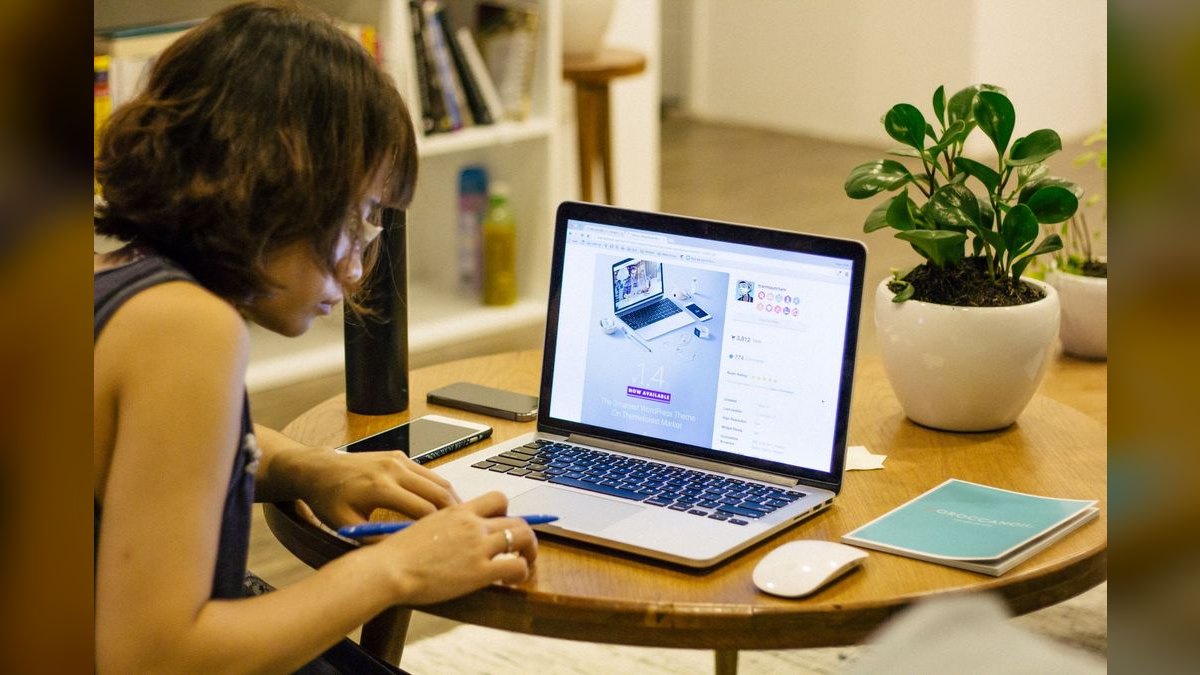
Consider the 60-second video debrief as the async workhorse. Right after a call, the rep records a phone or laptop clip answering three questions: what did I do well, what would I change, what do I need from you. They send it before the next live session. That shifts the rep from passive recipient to active self-coach, frees your live time for the single highest-leverage change instead of a laundry list, and the 60-second constraint forces clarity — reps can't ramble or deflect. You reply with a 60-second clip of your own, creating a tight asynchronous loop that deepens connection between live sessions rather than letting it decay to zero.
The recorded-versus-remembered trade-off is nearly always worth paying for. Coaching from conversation-intelligence tape (auto-summarized calls, talk-ratio flags, surfaced coachable moments) costs a few dollars per seat and a minute of setup, but coaching from memory means debating two people's differing recollections of a call neither can replay. Watch the actual 90 seconds together and the disagreement evaporates. Use AI to *find* the moment; use your camera-on presence to *coach* it — the tool never replaces the human loop, it just makes the human loop land on the right 90 seconds.
The loop below is what you repeat every cycle. The discipline is the loop, not the length of any single meeting — a team that runs this reliably beats one that schedules impressive-looking marathons and skips half of them.

The last trade-off is personalization versus a fixed playbook. A camera-shy new SDR and a confident senior AE need different reps — same-playbook-for-everyone is efficient to run and reliably ineffective. Spend the diagnosis minute; it decides which drill you're actually running. The specific drills worth keeping in rotation: the lens-lock drill (deliver the value prop twice on a recorded call, once watching the gallery, once with a sticky-note arrow pointing at the camera, then watch both back); the silent-buyer role-play (you play a buyer who goes flat so the rep practices reading tone and pause length when visual cues vanish); the cold-open critique (reps trade five-minute openings and grade each other on a shared scorecard); and objection-on-camera reps (one objection per week, handled live three times in a row, frozen at the moment the rep's eyes drop or pace spikes).
Common pitfalls and how to avoid them
- Treating video like a phone call with a webcam. If you're off-camera or multitasking, the rep mirrors you and the whole session flattens. Presence is reciprocal — yours sets the floor, so model it before you ever ask for it.
- Marathon sessions. A 60-minute video review burns connection through fatigue. Shorter and more frequent always wins remotely; trade length for cadence and you lose nothing that mattered.
- Coaching to the deal, not the skill. Saving one deal on the call feels productive but teaches nothing repeatable. Coach the behavior the rep can run on the next ten deals, or you'll be back on the same call next week.
- No recording, just opinion. Without tape you're debating memories. Watch the actual moment together — it removes the argument and makes the coaching self-evident.
- Same playbook for everyone. Diagnose first. A camera-shy new hire and a senior AE need opposite interventions, and guessing wastes the session.
- No follow-through. Ending a video 1:1 without scheduling the next one is how remote connection quietly dies. Connection over video is rebuilt through frequency, so never leave a session without the next one on the calendar — that one habit protects everything else you built.
Avoiding these is less about willpower than about defaults. Make camera-on the norm and explain the why. Cap the clock at 30 minutes so fatigue can't accumulate. Put a tape source in front of every session so opinion never has to stand in for evidence. And book the next session before you hang up, every time, so the cadence maintains itself instead of depending on you remembering to rebook — that is how a RevOps-minded coach keeps connection compounding week over week without losing it to the medium.
Related questions
How often should remote coaching sessions happen?
Twice a week at 25–30 minutes each during the first 30–60 days, then taper to one weekly live session plus async clip feedback once the rep is self-correcting. Frequency, not duration, is what rebuilds connection remotely.
Should I require cameras on for coaching?
Yes, as the default for coaching sessions, and you model it first by always being on yourself. You're training presence and can't coach what you can't see. Stay human about genuine exceptions, but keep on as the norm.
What tools help coach reps over video?
Video conferencing for the live session and conversation-intelligence tools that auto-summarize calls, flag talk ratios, and surface coachable moments. Use the tool to find the 90 seconds worth watching; use your camera-on presence to actually coach it.
How do I coach presence without making the rep self-conscious?
Coach mechanics, not personality: camera at eye level, front lighting, eyes on the lens instead of the thumbnail, a deliberate pause on the key sentence. Then show them a clip where they already looked great — comfort follows competence.
FAQ
Should I require cameras on for remote coaching? Yes — for coaching sessions, make camera-on the norm and explain why: you are training presence and you can't coach what you can't see. Be human about exceptions like a sick kid or a rough day, but the default is on, and you model it first by always being on yourself.
How long should a video coaching session be? Aim for 25–30 minutes on one topic. Video fatigue spikes past the half-hour mark, so trade length for frequency — two short focused sessions a week beat one draining monthly hour, and the cadence itself is what rebuilds connection between you and the rep.
My rep says they hate being on camera. Now what? Separate discomfort from avoidance. Coach the mechanics that reduce self-consciousness — camera at eye level, front lighting, looking at the lens rather than the thumbnail — and let them watch a clip where they actually looked great. Comfort reliably follows competence, so build the competence first.
How do I read a buyer's reaction when I can't see the room? Train reps to lean on verbal cues — tone, pace, pause length, the specific words chosen — since video strips most body language. Practice with the silent-buyer role-play so reps learn to ask "how is this landing for you?" instead of guessing from a frozen tile.
Can AI help me coach over video? Yes. Conversation-intelligence tools auto-summarize calls, flag talk ratios, and surface coachable moments, so you spend live video time on practice instead of note-taking. Use AI to find the moment worth reviewing; use your camera-on presence to coach it. The tool finds; the human coaches.
Is video coaching actually as effective as in-person? It can be, but only if you adapt the format. Managers who lose connection are running in-person habits over a webcam. Camera-on norms, shorter loops, recorded self-review, and deliberate presence make remote coaching equal to — sometimes better than — in-person, because the tape is always there to review.
Sources
- Gong Labs — Sales Coaching Research
- Harvard Business Review — How to Combat Zoom Fatigue
- RAIN Group — Sales Coaching Best Practices
- Sales Hacker — Sales Coaching
- Sandler — Resources
- Winning by Design — Resources
- ZoomInfo — Conversation Intelligence
Related on PULSE
- [How do you coach reps to use video in their outreach?](/knowledge/cg0046)
- [How can I ask a question that helps a rep identify their own pattern of losing deals in the same stage?](/knowledge/cg0841)
- [How do you coach a renewals rep to protect revenue without discounting?](/knowledge/cg0215)
- [How do you coach an SMB rep to move fast without cutting corners?](/knowledge/cg0211)
- [How do you coach a rep through a missed quarter without crushing them?](/knowledge/cg0155)
- [How do you coach a rep to create urgency without fake deadlines?](/knowledge/cg0085)
This page will be disappearing soon. Save it to your device for $1 — or read it free while it is here.
@Kory-White- · if Venmo asks, the last 4 of my number are 2012
 sales-coachingHow do you coach salespeople to handle rejection?
 sales-coachingHow do you coach a rep to navigate a buying committee?
 sales-coachingHow do you turn around an underperforming sales rep?
 sales-coachingHow do you coach a full-cycle rep to balance prospecting and closing?
 sales-coachingHow do you coach reps across multiple time zones?
 sales-coachingHow do you coach a rep who's upset about a territory change?
 sales-coachingHow do you structure a weekly sales coaching 1:1?
 sales-coachingHow do you know when coaching won't fix a sales rep?
 sales-coachingHow do you coach reps to ask better questions using call data?
 sales-coachingHow do you coach reps to act on AI call-coaching feedback?