
How do you use the GROW model to coach salespeople?
 Curated byKory White · Fractional CRO · Maryland
 PULSEKNOWLEDGE LIBRARY
Coach salespeople with the GROW model by running a four-step question loop — Goal, Reality, Options, Will — instead of handing out advice. You ask a rep what they want to achieve, get them to honestly assess where they stand today, help them generate their own options, then lock a specific, time-bound commitment you follow up on next week. A manager using GROW to coach talks roughly 20% of the time; the rep does the rest.
What Coaching With GROW Actually Produces
The outcome you should expect from using the GROW model to coach salespeople isn't a single fixed behavior change — it's a rep who owns their own development plan instead of waiting for you to hand them one. That distinction matters because ownership is what makes a plan survive contact with a busy week. A rep who was told "call five more prospects a day" treats that number as your quota, not theirs, and it decays the first time pipeline gets tight. A rep who arrived at "five more calls a day" themselves, inside a GROW Reality conversation where they saw their own connect-rate data, treats it as their own commitment, and it survives longer.
Realistically, expect three layers of outcome on three different timelines. In the first two to four weeks, expect better conversations, not better numbers — reps start bringing you specific, real problems instead of vague pipeline updates, because the Reality step trains them to look at evidence (a call recording, a stalled deal, a skipped step) rather than a feeling. By weeks four to eight, expect movement in leading indicators tied to whatever skill you coached: discovery-to-demo conversion improving a few points, talk-time ratio dropping as questioning improves, or activity volume climbing for a will-gap rep who finally named their real blocker. By quarter's end, if the diagnosis was right, expect the lagging number — quota attainment — to follow the leading indicator.

What you should NOT expect is a fast fix for a rep who is fundamentally missing product knowledge, working a broken territory, or simply a bad fit for the seat. GROW is a coaching model for skill and will gaps. It doesn't teach a rep facts they don't have, and it can't overcome a structural problem like a comp plan that rewards the wrong behavior or a territory with no real demand. Running GROW against those problems produces exactly what it looks like: a well-run conversation that changes nothing, because the lever you pulled wasn't the lever holding the rep back.
The other outcome worth naming explicitly is manager time. GROW coaching is not free — a real session runs 25 to 30 minutes, and it only compounds if you follow through on the Will commitment the following week. Managers who run one great GROW session and never check the commitment get a worse outcome than managers who never used GROW at all, because the rep learns that commitments made in coaching don't actually get followed up on, and stops taking the sessions seriously.
What Drives That Outcome
The outcome above depends almost entirely on one thing happening before you ever open with a GROW question: correctly diagnosing why the rep is missing the target. GROW is a tool for two of four possible root causes — skill and will — and using it against the other two wastes the session and can damage trust, because the rep senses you're asking questions about a problem you should be solving yourself.

A skill gap means the rep can't yet execute the behavior even when they try — they don't run discovery well because they've never been taught or drilled on it. A will gap means the rep can execute the behavior but isn't consistently choosing to — a rep who is a strong closer but avoids prospecting calls usually isn't missing the skill, they're avoiding the discomfort. A knowledge gap is different from both: the rep doesn't know something (the product roadmap, a competitor's weakness, the buyer's industry) and no amount of Socratic questioning teaches them a fact they were never given — that's an enablement problem. A system gap is structural: broken lead flow, a compensation plan that punishes the right behavior, or a territory that was never viable, and coaching a rep harder inside a broken system just teaches them to blame themselves for something you control.
Once you've confirmed skill or will as the driver, the quality of the GROW conversation itself is the second thing driving the outcome — specifically, whether you actually run all four steps in order and resist the urge to skip Reality. Managers under time pressure routinely jump from Goal straight to Options, which means the rep starts generating solutions to a problem that was never actually diagnosed. The Reality step is where the real driver of change lives: pulling up an actual call recording (Gong or Chorus, if your RevOps stack includes call intelligence) instead of relying on the rep's memory of what happened. Memory is self-serving by default — reps remember the deal going better than the tape shows. A coaching conversation anchored to the tape produces a different, more honest Reality step, and a more honest Reality step produces Options that actually address the real gap instead of an imagined one.
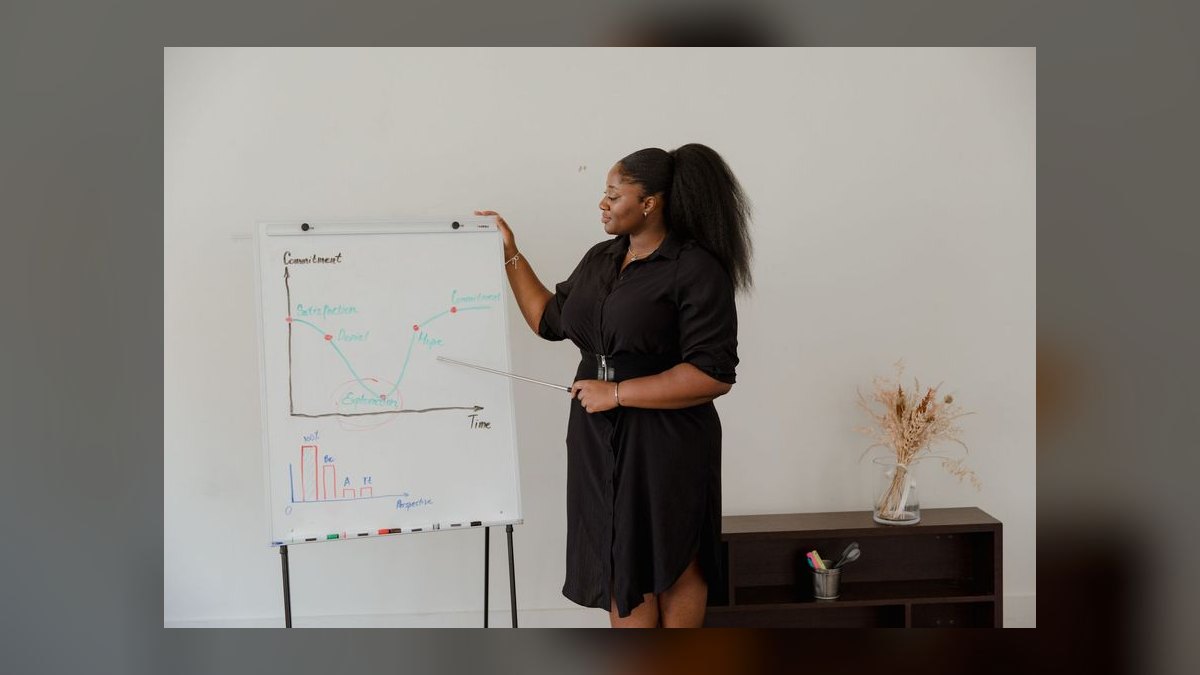
The third driver is whether the Will step produces a commitment specific enough to check. "I'll work on my discovery questions" is not checkable. "I will ask three open discovery questions before pitching on my next two calls, and I'll send you the recordings by Thursday" is checkable, and checkable commitments are the ones that actually change behavior, because the rep knows you'll ask.
Benchmarks and Realistic Ranges
Because GROW coaching outcomes vary by what's being coached, benchmark ranges are more useful as bands than single numbers. Treat these as realistic ranges practitioners report, not guarantees.

Session length and cadence. A focused GROW session runs 25–30 minutes. Sessions under 15 minutes tend to skip Reality; sessions over 45 minutes tend to try to cover too much ground in one sitting and dilute the commitment at the end. Weekly cadence on one skill is the most common structure — daily is too frequent to show meaningful change between sessions, and monthly is too infrequent for the rep to remember what they committed to.
Talk ratio. In a well-run GROW session, the manager should be talking roughly 20% of the time and asking questions the other 80%. If you're checking a recording of your own coaching session and your talk ratio is over 40%, you've likely drifted into advice-giving rather than coaching.
Commitment follow-through. The single most useful leading indicator of whether GROW coaching is actually working is the percentage of "Will" commitments a rep completes week over week. Teams that track this typically see follow-through in the 60–80% range once the cadence is established; a rate that stays well under 50% for multiple weeks in a row usually signals either the commitments are too big (shrink them) or accountability isn't real (the manager isn't actually checking).

Conversion movement. For a skill gap tied to discovery quality, expect discovery-to-demo conversion to move gradually — a few percentage points over a quarter of consistent weekly coaching plus drills, not overnight. For a will gap tied to prospecting avoidance, activity volume (dials, connects, meetings booked) is a faster-moving indicator and can show change within two to three weeks of a specific, small Will commitment.
Rollout timeline. A practical 30/60/90 rollout — one skill in the first 30 days, measurement added in days 31–60, manager involvement fading in days 61–90 — is a reasonable default pace. Compressing it much faster tends to overload the rep with more than one behavior change at a time, which undermines the "one skill" discipline that makes GROW coaching effective in the first place.

Team-wide adoption. Rolling GROW out across an entire sales floor typically takes a full quarter before it's a habit rather than a checklist — managers need repetitions running the four steps before the questioning style becomes natural rather than scripted, and reps need to experience a few complete Goal-to-Will loops before they trust that their input actually shapes the plan.
Risks, Edge Cases, and Failure Modes
The most common failure mode is misdiagnosis — running GROW against a knowledge or system gap because it's easier to schedule a conversation than to fix a broken territory or build an enablement module. The session goes fine on the surface, the rep sets a Goal and names a Will, and nothing changes the following month, because the actual constraint was never inside the rep's control to fix. If you find yourself running the same GROW conversation with the same rep on the same topic three sessions in a row with no movement, stop and re-run the skill/will/knowledge/system diagnosis — you likely have the wrong tool on the wrong problem.
A second failure mode is rescuing: the manager asks a good GROW question, the rep pauses to think, and the manager fills the silence with the answer. This defeats the entire model, because it re-trains the rep that the manager will eventually just tell them what to do if they wait long enough. The pause is where the thinking happens; letting it sit for five or even ten uncomfortable seconds is part of running the model correctly, not a sign the conversation has stalled.

A third failure mode is coaching the deal instead of the skill. Helping a rep rescue one specific opportunity feels productive, but it doesn't transfer — the rep learns nothing repeatable, and you're back in the same conversation on the next stuck deal. Every GROW session on a specific deal should end with the manager explicitly naming the transferable skill behind it, so the rep leaves with something they can apply beyond that one account.
A fourth risk is treating every rep identically. A brand-new SDR often needs more directive input inside the Options step because they genuinely don't have enough experience to generate good options yet — pure non-directive coaching on someone with no reps under their belt can feel like abandonment rather than empowerment. A tenured AE, by contrast, usually has more options than they're voicing and needs the space GROW creates, not more instruction. Applying a rigid, fully non-directive style to a rep who lacks the base knowledge to generate options is a real edge case where GROW needs to flex — offering one suggestion, with permission, inside the Options step is appropriate for a newer rep in a way it wouldn't be for a veteran.

A fifth failure mode is no follow-through on the Will commitment. This is arguably the most damaging because it's invisible in the moment — the session itself feels successful — and only shows up as declining engagement over subsequent sessions, as reps quietly learn that what they commit to in coaching doesn't get checked and therefore doesn't matter.
Finally, there's a risk specific to remote and distributed sales teams: without a recorded call to anchor the Reality step, coaching conversations lean on the rep's self-report, which tends to be optimistic. Teams without call recording infrastructure should substitute something concrete — a shared deal doc, a live shadow session, written call notes reviewed together — rather than letting Reality default to unverified memory.

A Practical Rollout Plan
Rolling GROW out to a sales team — or to a broader RevOps function that includes customer success and account management — works best as a staged loop rather than a one-time training. Start narrow: pick one manager, one rep, and one skill, and run the full Goal-Reality-Options-Will cycle weekly for a month before expanding. Trying to launch GROW across an entire org simultaneously usually produces shallow adoption, because managers who haven't internalized the questioning style default back to advice-giving under time pressure.
The loop itself should be treated as continuous, not a single conversation: this week's Will commitment becomes next week's Reality input. Every session should open with a direct check on the prior commitment — "last week you said you'd do X, what happened?" — before moving to a new Goal. Skipping that check is the fastest way for the whole cadence to lose credibility.
Pair every GROW cycle with deliberate practice between sessions, since a conversation alone rarely builds a skill on its own. A weekly call review against a short scorecard — open, discovery quality, pain quantification, next step — gives the Reality step real evidence to work from the following week. Role-play matters more than most managers use it: running the same objection three times in a row, with the rep going first, then the manager modeling it, then the rep trying again, produces a visibly different result on the third rep than the first.

Measurement should track the behavior being coached, not the lagging quota number, which only tells you a rep missed after it's too late to help. For a prospecting will-gap, track dials, connects, and meetings booked. For a skill-gap in discovery, track discovery-to-demo conversion and, where call intelligence tooling exists, talk-time ratio and question rate. Across every skill, track the percentage of Will commitments the rep actually completed — it's the single most reliable signal that the coaching itself, not just the underlying selling motion, is working.
By day 90, the manager's role in the loop should be shrinking. The rep should be self-assessing against their own scorecard before the session starts, arriving with their own Reality already partly diagnosed, and the manager's questions shift from foundational ("what happened on the call") to developmental ("what's the next thing you want to be able to do"). That fade is the actual sign the model has worked — a rep who can run their own Goal-Reality-Options-Will loop internally no longer needs a manager to prompt every step of it.
Related questions
How do you apply the GROW model in a weekly sales 1-on-1?
Anchor the conversation to one real call or deal, run all four steps in 25–30 minutes, and always open by checking the prior week's Will commitment before setting a new Goal.
How is coaching with GROW different from giving advice?
Advice hands the rep your solution; GROW helps the rep build and own their own solution, which makes them far more likely to actually execute it without you in every deal.
Can GROW coaching fix a rep who won't prospect?
Yes, if the root cause is a will gap — the Reality and Options steps surface the real blocker, and the Will step locks a small, specific commitment the rep believes they can keep.
What's the difference between coaching a skill gap and a knowledge gap?
A skill gap means the rep can't yet execute even when they try and needs GROW plus drills; a knowledge gap means they're missing information entirely and need enablement, not more questions.
How often should a sales manager run GROW sessions?
Weekly, focused on one skill at a time, is the most common and effective cadence — frequent enough to build momentum, infrequent enough that reps remember and complete their commitments.
FAQ
How is the GROW model different from just giving advice? Advice transfers your solution and creates a rep who needs you in every deal. GROW builds the rep's own ability to solve the next problem without you, because they generated and chose the plan themselves. You can still share your expertise, but it belongs at the Options step, offered as one choice among several, and only after asking permission.
How long should a GROW coaching session take? About 25 to 30 minutes for a focused weekly session on one skill or one deal. Sessions that run much longer usually try to cover too much ground; sessions much shorter usually skip the Reality step, which is where the real diagnostic work happens.
What if the rep just says "I don't know" at the Options step? Don't fill the silence for them. Try "if you did know, what might you try?" or ask for even one bad option to start the list moving. If they're genuinely blank after that, it's usually signaling a knowledge gap underneath, which means the fix is enablement, not another round of questions.
Can you use the GROW model to coach salespeople on prospecting specifically? Yes — prospecting avoidance is often a textbook will gap, and the Goal and Will steps do the most work there. The Reality and Options steps typically surface the actual blocker, whether that's fear of rejection, a weak script, or a thin prospect list, and the Will step should land on something small enough the rep genuinely believes they'll do it.
How do you keep a GROW conversation from feeling like an interrogation? Tell the rep why you're asking, keep your tone curious rather than corrective, and use framing like "what makes it that number and not lower" so the rep names what's already working, not just what's broken. The goal of the conversation is partnership, not a test.
Does the GROW model still work for coaching remote and hybrid sales teams? It works well remotely, and often better, when you anchor the Reality step to a recorded call rather than relying on the rep's memory of how it went. Reviewing the actual tape together turns a vague self-report into a specific, evidence-based coaching conversation.
Sources
- Performance Consultants — the GROW model, from John Whitmore's Coaching for Performance
- Harvard Business Review — The Leader as Coach
- Gong Labs — sales coaching and call analytics research
- RAIN Group — sales coaching research and frameworks
- Sandler — sales coaching methodology
- MindTools — the GROW model overview
- Winning by Design — sales coaching and enablement frameworks
Related on PULSE
- [How do you apply the GROW model in a weekly sales 1-on-1?](/knowledge/cg0929)
- [How do you coach an account manager to grow existing accounts?](/knowledge/cg0204)
- [How do you coach storytelling skills to salespeople?](/knowledge/cg0175)
- [How do you coach salespeople to handle rejection?](/knowledge/cg0144)
- [How do you coach salespeople without micromanaging them?](/knowledge/cg0004)
- [How do you coach an account manager to expand NRR inside a flat renewal?](/knowledge/cg0930)
This page will be disappearing soon. Save it to your device for $1 — or read it free while it is here.
@Kory-White- · if Venmo asks, the last 4 of my number are 2012
 sales-coachingHow do you coach reps to open a cold call without getting hung up on?
 sales-coachingHow do you build a self-coaching habit in your sales reps?
 sales-coachingHow do you coach reps to stop doing feature-dump demos?
 sales-coachingHow do you have a comp conversation without demotivating a rep?
 sales-coachingHow do you coach reps to use AI for outreach without sounding robotic?
 sales-coachingHow do you coach a rep moving from SMB to enterprise selling?
 sales-coachingHow do you coach salespeople to handle rejection?
 sales-coachingHow do you keep coaching consistent when you're swamped?
 sales-coachingHow do you coach reps to ask better questions using call data?
 sales-coachingHow do you deliver tough feedback to a sensitive sales rep?