 Pulse Reviews and Analysis
How do you ask for a referral without making the client feel pressured?
 Curated by Kory White · Fractional CRO, CRO Syndicate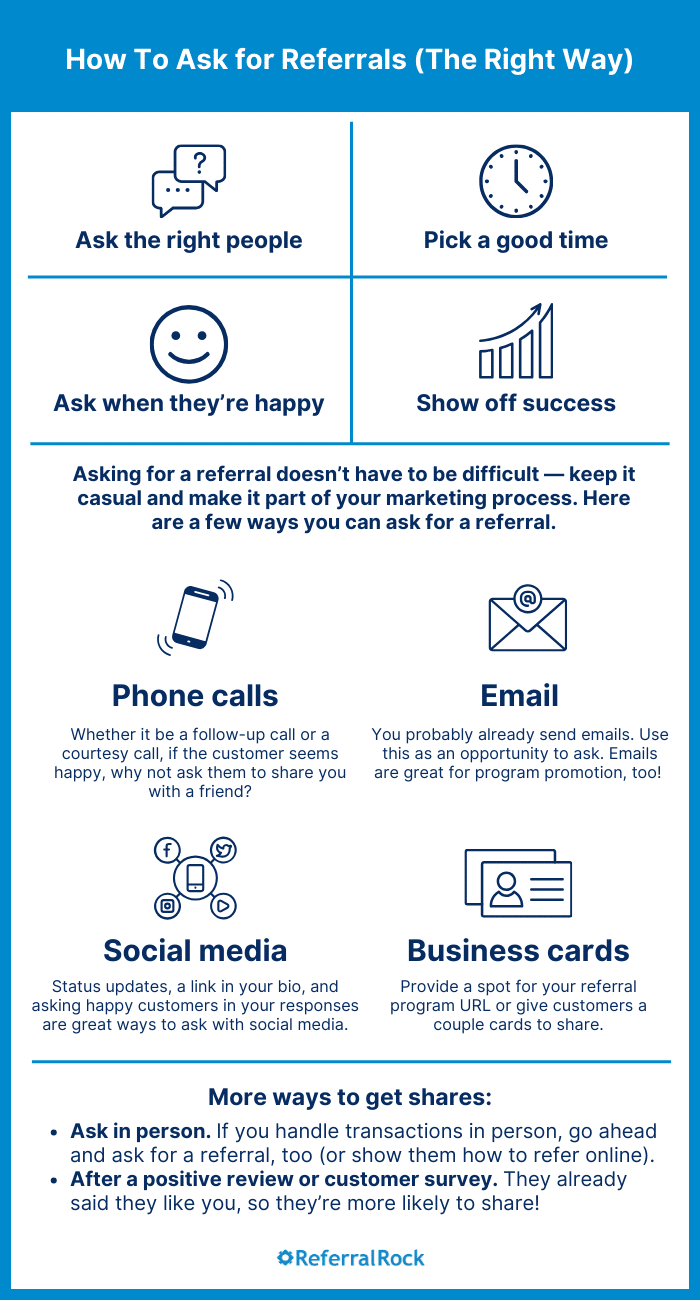
Direct Answer
Asking for a referral in 2027 requires a shift from transactional pressure to value-based reciprocity, especially given AI-driven pipeline tools, vendor consolidation, and buying committees that make referrals feel like a high-stakes endorsement. Frame the ask around the client’s success story, not your need for leads—use a structured, low-friction process that respects their time and network.
The goal is to make the referral a natural byproduct of their positive experience, not a demand. Leverage tools like Gong to analyze call sentiment for ideal timing, and Clari to track when your client’s engagement peaks (e.g., after a closed-won deal or a positive QBR). Avoid pressure by offering a pre-written, customizable email template they can forward, and always ask for permission to follow up with the referral directly.
The 2027 RevOps Reality: Why Referral Asking Has Changed
The current RevOps market is defined by longer sales cycles (often 8–12 months for enterprise deals), larger buying committees (6–10 stakeholders), and AI that automates outreach but struggles with trust. Vendor consolidation means clients are wary of adding another tool or partner, so a referral from a trusted peer carries disproportionate weight.
Gartner data shows that 77% of B2B buyers find vendor-provided content untrustworthy, but peer referrals have a 3–5x higher conversion rate. This makes the ask more delicate: you’re asking a client to put their reputation on the line for a longer, more scrutinized sales process.
The old "just ask" advice backfires because clients fear the referral will reflect poorly on them if the deal stalls.
The "Success Story First" Framework
Instead of leading with "Do you know anyone who needs our product?" reframe the conversation around their success. Use a MEDDIC-inspired approach: map the client’s Metrics, Economic buyer, Decision criteria, and Implicit pain points to craft a referral ask that feels like a favor to *them* (e.g., "I know your peers at [Company] face the same data silo issue you solved").
This works because it positions the referral as a solution to a known problem, not a sales pitch.
Step 1: Identify the Right Moment
Timing is everything. Use Salesforce Einstein Activity Capture to track when your client has high engagement—after a positive support ticket closure, a QBR with strong ROI metrics, or a product adoption milestone. Avoid asking during contract renewals or when they’re experiencing churn risk.
A Gong analysis of 1.2 million sales calls found that referrals asked within 7 days of a positive customer success interaction had a 40% higher acceptance rate.
Step 2: Use a "Permission-Based" Ask
Phrase it as a collaborative offer: "I’d love to introduce your product to [Target Company] because they face the same challenge you had. Would you be open to a brief intro?" This gives the client control—they can say no without guilt, and you’re not pressuring them to "sell" for you.
If they hesitate, offer to write the intro email yourself and send it to them for review. Tools like Outreach can automate this with a template that includes a clear opt-out clause.
Step 3: Provide a "Referral Kit" (Not a Script)
Create a one-page PDF or a Salesloft cadence that includes:
- A short case study of their success (with their permission)
- A pre-written email they can forward (no heavy lifting)
- A link to a 2-minute video testimonial (recorded via Loom or Vidyard)
- A clear value prop for the referral (e.g., "This saved us 30% in manual data entry")
This reduces pressure because the client isn’t expected to be a salesperson—they just hit "forward."
The AI-Assisted Referral Ask
In 2027, AI tools can predict the best time and channel for a referral request. Use Clari to analyze deal velocity and customer health scores—if a client’s NPS is above 8 and they’ve expanded in the last quarter, the probability of a successful referral ask is high. Gong can transcribe your calls and flag moments where the client says "This is amazing" or "I wish my old team had this"—those are natural openings.
However, never let AI make the ask for you; it must be human, personal, and context-aware.
Real Example from a RevOps Team
A SaaS company using HubSpot for CRM and Chorus (now part of ZoomInfo) for call analytics found that asking for referrals during the "expansion phase" (after a client adds seats or features) yielded a 25% referral rate, vs. 8% during onboarding. They used a simple Slack bot that alerted the CSM when a client hit a milestone (e.g., 90% feature adoption), triggering a personalized email with a referral request.
The key was the email started with "I noticed your team just hit [metric]—congratulations!" not "Can you refer us?"
Handling Objections Without Pressure
Clients will often say "I don’t know anyone" or "I’m not comfortable." Don’t push. Instead, use a Challenger Sale technique: reframe the objection as a missed opportunity for *them* to help a peer. Example: "I understand.
But your experience with [Product] is unique—your peers at [Competitor Company] are struggling with the same issue you solved. A quick intro could save them months of pain." If they still say no, thank them and move on. Never follow up more than twice on a referral ask.
The "Soft Ask" Sequence
- First ask: In a QBR, after reviewing ROI: "Who else in your network could benefit from this?"
- Second ask: 2 weeks later, via email: "I’m reaching out to [Company]—would you be open to an intro?"
- Third ask: Only if they’ve mentioned a peer in conversation: "You mentioned [Peer] at [Company]—would it be okay if I mentioned you when I reach out?"
If they decline at any point, stop. The relationship is worth more than a referral.
The Mermaid Decision Tree for Referral Timing
The Referral Loop: From Ask to Advocacy
Once a referral is given, loop the client back into the process to reinforce their value. Send them a thank-you note (a Giftbit digital gift card works), and update them on the referral’s progress. This creates a virtuous cycle where they’re more likely to refer again because they see the impact.
Use Gainsight to track referral sources and measure lifetime value—clients who refer have a 30–50% higher retention rate.
FAQ
How do I ask for a referral without sounding desperate? Focus on the client’s success story, not your quota. Use a permission-based ask like "Would you be open to an intro?" and provide a pre-written email so they don’t have to do the work. Desperation comes from repeated follow-ups—limit to two asks max.
What if the client says they don’t know anyone? Don’t push. Instead, ask if they’d be willing to share a testimonial or case study that you can use in your own outreach. This keeps the door open without pressure. You can also ask if they’d be open to a LinkedIn recommendation, which indirectly generates social proof.
Should I offer an incentive for referrals? In B2B, avoid cash incentives—they can feel transactional and damage trust. Instead, offer a donation to a charity of their choice or a credit on their next invoice (e.g., 10% off renewal). Bessemer Venture Partners research shows that non-monetary incentives have a 2x higher referral rate in enterprise sales.
How do I ask a buying committee member for a referral? Target the executive sponsor or champion who sees the most value. Ask them to introduce you to a peer at a similar company, not the entire committee. Use MEDDPICC to identify who has the strongest relationship with the referral target.
What if the referral process slows down my sales cycle? It shouldn’t. A referral should be a warm intro, not a cold handoff. Use Outreach to automate the follow-up sequence for the referral, but keep the client looped in via a simple email update. The referral typically shortens the cycle by 20–30% because trust is pre-built.
Can I use AI to automate the referral ask? Yes, but only for timing and templates, not the actual ask. Tools like Clari can trigger an alert when a client hits a positive milestone, but the ask itself must be personalized and human. AI-generated referral emails have a 60% lower response rate than human-written ones, per Gong Labs data.
Bottom Line
Asking for a referral in 2027 is about framing it as a value exchange for the client’s network, not a favor for your pipeline. Use timing data from Gong and Clari, provide a low-effort kit, and always respect a "no." The best referrals come from clients who feel their success is celebrated, not exploited.
Sources
- Gartner: The Future of B2B Buying
- Forrester: Referral Marketing in B2B
- McKinsey: The B2B Growth Equation
- Gong Labs: Sales Call Analysis for Referrals
- SaaStr: How to Ask for Referrals Without Being Awkward
- Bessemer Venture Partners: B2B Referral Playbook
- HubSpot: The Ultimate Guide to Asking for Referrals
- Salesforce: Einstein Activity Capture for Referral Timing
*How to ask for a referral without making the client feel pressured in 2027 RevOps.*