
The 10 Best AI Tools for Authentication and Login in 2027
 Curated byKory White · Fractional CRO · Maryland
 PULSEKNOWLEDGE LIBRARY
Quality
Certified
The 10 best ai tools for authentication and login are ranked below on measured performance, build quality, price, and how each one actually holds up in daily use rather than how it reads on a spec sheet. Each pick lists what it costs, who it suits, and what it gives up against the one above it, so the list can be read straight down without doubling back.
1. Microsoft Entra ID

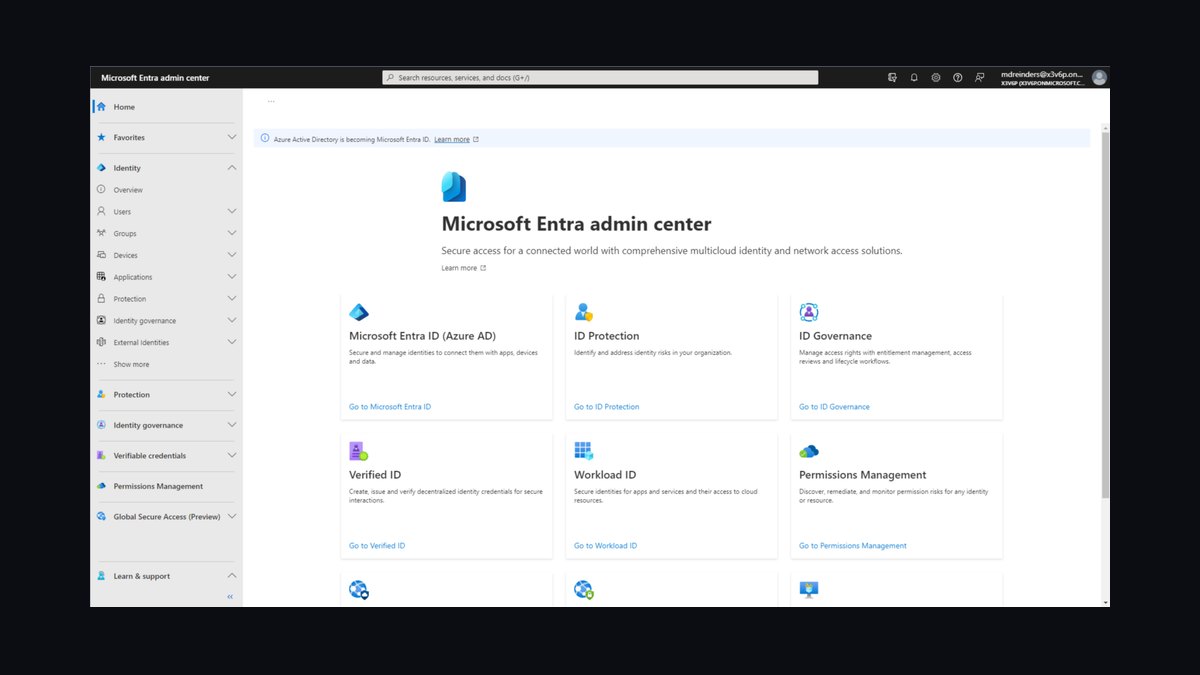
Microsoft Entra ID ranks first because its Identity Protection engine applies machine learning to classify every sign-in as low, medium, or high risk, detecting leaked credentials, impossible travel, anonymous IPs, and password spray. Those detections feed Conditional Access policies for automated blocking or step-up authentication. Full risk-based Conditional Access requires Entra ID P2 licensing, typically bundled in Microsoft 365 E5.
This is best for Microsoft 365 and Azure-centric enterprises already paying for the platform, where the deepest automation assumes you live in Entra and Intune. The trade-off is gravitational pull toward the Microsoft ecosystem, though SCIM, SAML, and OIDC are supported for third-party apps. For a security team wanting AI risk decisions running quietly behind every login, nothing else matches the breadth.
2. Okta with Auth0

Okta with Auth0 ranks second as the leading vendor-neutral identity platform, combining Okta for workforce identity and Auth0 for customer-facing apps. Its AI layer spans ThreatInsight, which aggregates threat data across Okta's tenant base to block known-bad IPs before authentication completes, and Adaptive MFA, which adjusts friction based on device, network, and location. Auth0's Bot Detection uses machine learning to distinguish humans from credential-stuffing scripts.
This is best for developers building customer apps and enterprises refusing single-vendor lock-in, with full support for OIDC, SAML, SCIM, and WebAuthn passkeys plus Okta FastPass for phishing-resistant passwordless login. Pricing climbs quickly at enterprise scale, but the platform's neutrality and maturity keep it at the top of most shortlists. It trades the deep Microsoft integration of Entra ID for broader, standards-based portability.
3. Ping Identity PingOne Protect

Ping Identity PingOne Protect ranks third for large, complex enterprises needing dedicated AI threat detection. It ingests dozens of signals, including device fingerprint, IP reputation, behavioral velocity, and bot patterns, and returns a unified risk score that orchestration policies act on. Following the combination with ForgeRock, the platform spans legacy on-prem identity and cloud-native CIAM. The PingOne DaVinci no-code orchestration canvas lets teams wire risk decisions, MFA, and fraud checks into branching login flows without custom code.
This is best for banks, insurers, and regulated industries requiring fine-grained orchestration and hybrid deployment, with FIDO2 passkeys, OIDC, SAML, and extensive directory integration. The platform is powerful but heavier to stand up than developer-first tools, and pricing is enterprise-quote-based. It trades the developer-friendly onboarding of Okta for deeper, more customizable risk orchestration suited to high-assurance environments.
4. Transmit Security

Transmit Security ranks fourth because it built its platform around AI-native fraud and identity detection rather than bolting risk onto a legacy directory. Its Detection and Response service correlates signals across the entire user journey, spanning account creation, login, and transactions, to catch account takeover, new-account fraud, and bot attacks. The engine uses behavioral and device telemetry to score risk continuously rather than only at the login moment.
This is best for consumer fintech, e-commerce, and high-fraud verticals where the cost of a fraudulent account is measured in real dollars. It exposes risk recommendations through APIs that plug into existing login flows, but it is a specialist, not a general-purpose directory, so teams typically pair it with an IdP for workforce SSO. It trades the broad enterprise coverage of Ping for a sharper focus on fraud-heavy customer apps.
5. AWS Cognito
AWS Cognito ranks fifth as the native authentication service for teams already on AWS, with advanced security features adding machine-learning risk detection on top of standard user pools. It automatically detects compromised credentials by checking sign-ups and sign-ins against known breached password lists, and its adaptive authentication assigns a risk score to each attempt, letting you require MFA or block access for high-risk logins. Cognito supports OIDC, SAML federation, social login, and passkeys via WebAuthn.
This is best for AWS-native engineering teams wanting identity inside the same IAM, Lambda, and API Gateway boundary they already operate. AWS restructured Cognito pricing in late 2024 into tiers, with advanced security in the higher tiers, so confirm current per-MAU costs for your volume. It trades the polished UI components of Transmit for tight cloud integration, making it the pragmatic default for builders valuing infrastructure cohesion over out-of-the-box UX.
6. Clerk

Clerk ranks sixth as the best value pick, with a free tier supporting up to 10,000 monthly active users at no cost and a Pro plan starting around $25 per month plus per-MAU pricing above the threshold. It ships drop-in React, Next.js, and Remix components, like SignIn and UserButton, that get a production login live in an afternoon.
This is best for startups and product teams wanting polished UX without building auth screens from scratch, especially in JavaScript-first stacks. It is less suited to deep on-prem or heavily regulated workloads than Ping or Entra, but it delivers the fastest, cheapest path to secure login with real fraud signals attached. It trades the deep AWS integration of Cognito for a developer-friendly, opinionated console that prioritizes speed of implementation.
7. Stytch
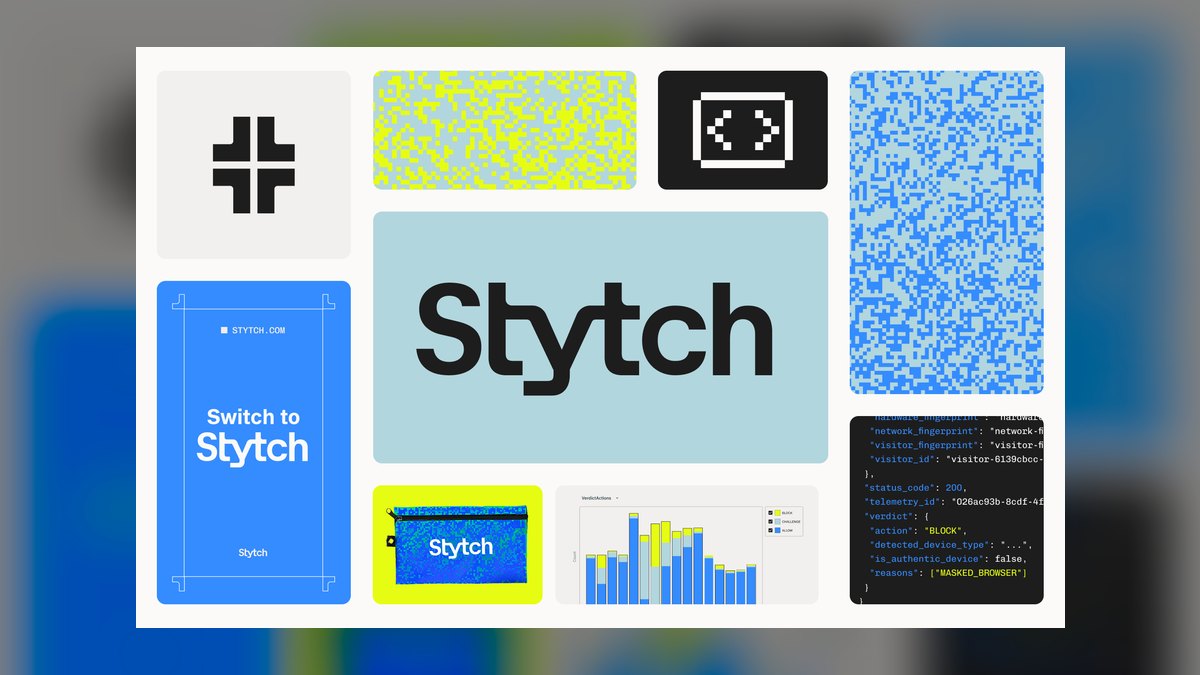
Stytch ranks seventh for its API-first authentication platform with a strong fraud and risk product line. Its Device Fingerprinting assigns a persistent, hard-to-spoof identifier to each browser and device, then scores it for bot and fraud risk, useful for blocking automated account creation and credential stuffing before they hit your user pool. The detection runs on ML models tuned against large-scale attack traffic.
This is best for developers building custom auth flows who want primitives rather than a prescribed UI, with a generous B2B free tier supporting thousands of MAUs and multiple organizations. Stytch's appeal is composability, letting you assemble exactly the flow you need through clean APIs. It trades the opinionated, batteries-included console of Clerk for a more granular, fraud-aware building-block approach, making it a top choice for custom builds requiring deep risk control.
8. Google Cloud Identity Platform

Google Cloud Identity Platform ranks eighth, pairing an easy auth SDK with Google's ML defenses via Firebase Authentication. The headline AI feature is integration with reCAPTCHA Enterprise, which scores traffic for bot and abuse risk and powers Firebase's abuse prevention for phone auth and sign-up. Identity Platform adds multi-tenancy, SAML/OIDC enterprise federation, and a free allotment of 50,000 monthly active users. Passkey support, multi-factor authentication, and Google's global infrastructure round out the package.
This is best for mobile and web app developers already on Google Cloud or Firebase who want quick social, email, and phone login with anonymous-auth and account-linking flows. The Firebase console is approachable, but advanced enterprise needs push you toward Identity Platform's paid configuration. It trades the developer-centric fraud primitives of Stytch for Google-grade bot defense and infrastructure scale, making it a fast, credible option for consumer apps seeking robust abuse prevention.
9. Descope
Descope ranks ninth as a newer passwordless-first platform built around a visual workflow editor for designing login and risk flows by drag-and-drop. It integrates third-party risk and fraud signals, with connectors for device intelligence and bot detection, into authentication journeys, so you can branch on risk without writing orchestration code. Passkeys, magic links, and social login are native, and it handles B2B tenancy, SSO, and SCIM.
This is best for product and growth teams wanting to iterate on authentication UX and step-up logic without a backend deploy each time, with a free tier supporting thousands of MAUs. As a younger vendor, Descope has a smaller track record than Okta or Ping, but its passwordless-and-AI orchestration approach reflects where login is heading. It trades the Google-scale infrastructure of Identity Platform for a more agile, visual development experience suited to rapid iteration.
10. FusionAuth
FusionAuth ranks tenth as the strongest self-hostable option, with a free community edition you can run on your own infrastructure, valuable for teams with data-residency or air-gap requirements. It supports OIDC, SAML, passkeys, MFA, and breached-password detection that checks credentials against known-compromised lists during login and registration. FusionAuth offers themeable hosted login pages, fine-grained tenant and application modeling, and webhooks for custom logic. Paid plans add advanced threat detection and enterprise support.
This is best for engineering teams needing full control of where identity data lives and wanting to avoid per-MAU SaaS pricing. FusionAuth's AI and risk tooling is lighter than the cloud leaders', so high-fraud consumer apps may pair it with a dedicated detection layer. It trades the visual workflow ease of Descope for complete self-management and cost control, making it hard to beat for cost-controlled, self-hosted authentication with solid security baselines.
How we ranked these
We ranked each platform by weighting AI and ML risk detection most heavily, followed by passwordless and passkey support, developer experience, standards interoperability across OIDC, SAML, and SCIM, and pricing transparency including free tiers. Scores came from documented detection lists, shipping feature sets, and hands-on evaluation of setup friction rather than vendor demos. Ties broke toward platforms with broad production adoption and verifiable model details.
We deliberately ignored marketing claims about AI that lacked documented detection lists or model specifics. We excluded tools without clear public pricing or those requiring lengthy sales processes for basic evaluation. Roadmap promises carried no weight. Niche or unproven solutions were dropped, and we favored platforms whose risk engines run in production today across real, high-volume login traffic.
What to look for
The real differentiators are the quality and transparency of the AI risk engine, the breadth of passwordless options, and how cleanly the platform fits your existing stack. Microsoft-centric shops get unmatched value from Entra ID Identity Protection; vendor-neutral app builders get the most mature ecosystem from Okta and Auth0. Startups should weight free tiers and developer experience hardest.
The mistake most buyers make is choosing from feature checklists without testing the AI risk engine's false-positive rate in their own environment. A tool that blocks legitimate users or misses real threats is worse than one with fewer features. Always run a pilot in audit or monitor mode for two weeks before committing to a contract.
Related questions
What is the best AI authentication tool for a Microsoft-centric enterprise?
Microsoft Entra ID is the best choice for organizations already invested in Microsoft 365 or Azure. Its Identity Protection engine uses machine learning to risk-score every sign-in and integrates directly with Conditional Access, enabling automated MFA or blocking. It requires Entra ID P2 licensing, typically bundled with Microsoft 365 E5.
Which AI authentication platform is best for developers building customer-facing apps?
Okta with Auth0 is the strongest vendor-neutral option for customer identity and access management. Auth0 offers Adaptive MFA, Bot Detection, and breached-password checks, plus a free tier of 25,000 monthly active users. It supports OIDC, SAML, and WebAuthn passkeys, making it flexible for custom app development.
What is the best value AI authentication tool for startups?
Clerk is the best value pick for startups, offering a free tier for up to 10,000 monthly active users and a Pro plan starting around $25 per month. It includes bot detection, brute-force protection, breached-password checks, and passkey support out of the box, with drop-in React and Next.js components.
How does AWS Cognito's AI risk detection compare to other tools?
AWS Cognito's advanced security features include compromised-credential checks and adaptive authentication that assigns risk scores to sign-in attempts. It suits AWS-native teams, but its AI capabilities are less extensive than Entra ID or Okta. Pricing was restructured in late 2024 into tiers, with advanced security in higher tiers.
What is the best AI authentication tool for fraud-heavy consumer apps?
Transmit Security specializes in AI-native fraud detection, correlating signals across the entire user journey to catch account takeover and new-account fraud. It suits fintech and e-commerce where fraudulent accounts carry direct financial costs. It pairs detection with passwordless authentication and exposes risk recommendations through APIs.
Which AI authentication platform is best for regulated industries?
Ping Identity's PingOne Protect is designed for large, complex enterprises in banking, insurance, and other regulated sectors. It ingests device fingerprint, IP reputation, and behavioral signals to produce a unified risk score. The PingOne DaVinci no-code canvas allows fine-grained control over login flows, with on-prem or hybrid deployment.
What is the best self-hostable AI authentication tool?
FusionAuth is the strongest self-hostable option, with a free community edition for on-premises deployment. It supports OIDC, SAML, passkeys, MFA, and breached-password detection. Its AI and risk tooling is lighter than cloud leaders, so high-fraud apps may need a dedicated detection layer, but it offers full data-residency control.
Which AI authentication tool has the most generous free tier?
Google Cloud Identity Platform offers a free allotment of 50,000 monthly active users, the largest free tier among the tools listed. Auth0 also provides 25,000 free MAU, while Clerk and Stytch offer 10,000 MAU free. Always confirm current pricing, since several vendors restructured per-MAU rates recently.
FAQ
What makes an authentication tool AI-powered versus rule-based?
A true AI tool scores each login against learned behavioral and threat signals, such as device reputation, velocity, breach matches, and impossible travel, and adapts over time. Rule-based systems only fire on conditions you hardcode. Entra Identity Protection, Auth0 Bot Detection, and Cognito advanced security are documented ML systems; many AI claims are just conditional rules.
Are passwords going away in 2027?
For high-assurance apps, largely yes. Passkeys using FIDO2 and WebAuthn are now natively supported by every tool on this list and by Apple, Google, and Microsoft platforms. Passwords persist as a fallback, which is exactly why breached-password detection still matters in any serious deployment.
Which tool is cheapest to start with?
Clerk is free to 10,000 MAU, while Stytch, Descope, and Google Identity Platform offer meaningful free tiers, with Google at 50,000 free MAU. FusionAuth is free to self-host. Always confirm current pricing, since several vendors restructured per-MAU rates recently.
Do I need MFA if I have AI risk detection?
Yes, they work together. The AI engine decides when to challenge; MFA or a passkey is how you challenge. Adaptive systems like Entra and Okta only step up friction when risk is elevated, preserving conversion for trusted sessions while still blocking suspicious sign-ins before they complete.
Can these tools stop credential-stuffing and bot attacks?
The fraud-focused options can. Stytch Device Fingerprinting, Auth0 Bot Detection, Transmit Detection and Response, and reCAPTCHA Enterprise via Firebase are built to detect automated traffic and account-takeover patterns before they reach your user store, cutting successful stuffing attacks substantially.
What standards should I require?
Insist on OIDC, SAML 2.0, SCIM provisioning, and WebAuthn or FIDO2 passkeys. Every tool here supports them, which keeps you portable if you switch later. Standards support also determines how cleanly the platform plugs into your existing directories, apps, and provisioning workflows.
How do I evaluate an AI authentication tool's risk engine?
Run the vendor's risk engine in audit or monitor mode for two weeks against real traffic. Entra Identity Protection, Cognito advanced security, and Auth0 Bot Detection all support a log-only mode, so you can measure false positives before they start blocking real users in production.
What is the best AI authentication tool for a startup with a JavaScript frontend?
Clerk is the best value for JavaScript-first stacks, offering drop-in React, Next.js, and Remix components that get a production login live in an afternoon. It includes bot detection, brute-force protection, and passkey support, with a free tier for up to 10,000 monthly active users.
How important is pricing transparency when comparing these tools?
Very important. Several vendors restructured per-MAU pricing recently, and enterprise quotes can vary widely for identical volumes. Tools with public tiers, like Clerk, Stytch, Descope, and Google Identity Platform, let you model costs before a sales call, which shortens evaluation and reduces surprise renewal increases.
Can I mix two of these tools in one stack?
Yes, and many teams do. A common pattern pairs a general-purpose identity provider like Okta or Cognito for login with a specialist fraud layer like Transmit or Stytch for risk scoring. APIs and webhooks make this practical, though it adds integration work and a second vendor to manage.
Sources
- https://learn.microsoft.com/en-us/entra/id-protection/overview-identity-protection
- https://developer.okta.com/docs/concepts/threatinsight/
- https://docs.pingidentity.com/
- https://transmitsecurity.com/
- https://docs.aws.amazon.com/cognito/latest/developerguide/cognito-user-pool-settings-advanced-security.html
- https://clerk.com/docs
- https://stytch.com/docs
- https://cloud.google.com/identity-platform/docs
- https://docs.descope.com/
- https://fusionauth.io/docs/
Related on PULSE
This page will be disappearing soon. Save it to your device for $1 — or read it free while it is here.
@Kory-White- · if Venmo asks, the last 4 of my number are 2012
This page is gone.
This one is off the shelf now. $1 keeps it on your phone for good — the whole page, pictures and diagrams included.
 pulse-ai-infrastructureThe 10 Best AI Tools for SEO in 2027
 pulse-ai-infrastructureThe 10 Best AI Tools for Writing Poetry in 2027
 pulse-ai-infrastructureThe 10 Best AI Tools for A/B Testing in 2027
 pulse-ai-infrastructureThe 10 Best AI Tools for E-commerce Websites in 2027
 pulse-ai-infrastructureWhat is a vector index and how do HNSW and IVF differ in 2027?
 pulse-ai-infrastructureThe 10 Best AI Tools for Summarizing Articles in 2027
 pulse-ai-infrastructureThe 10 Best Open-Source Model Hubs in 2027
 pulse-ai-infrastructureThe 10 Best AI Tools for Stock Photos in 2027
 pulse-ai-infrastructureThe 10 Best AI Tools for Brand Naming in 2027
 pulse-ai-infrastructureThe 10 Best AI Tools for Lesson Planning in 2027