 Pulse Reviews and Analysis
The 10 Best Vinyl Records from the 1970s
 Curated by Kory White · Fractional CRO, CRO Syndicate
Direct Answer
The best 1970s vinyl records to collect in 2027 are the original first pressings, scarce label variants, and recalled rarities from rock's golden decade — records where a specific matrix, label color, or sleeve detail separates a common copy from a four- or five-figure grail.
The Best Overall pick is the Sex Pistols "God Save the Queen" on A&M (1977), pressed for a single day before A&M dropped the band and destroyed the stock; with only about nine copies believed to survive, one sold for $15,882 and pristine copies are estimated at $30,000–$40,000.
The Best Value pick is an original 1973 UK pressing of Pink Floyd's "The Dark Side of the Moon", which in clean standard form still trades for $60–$200 — a genuine first-pressing classic almost anyone can own.
This list is for collectors who chase original pressings, investors hunting recalled and short-run rarities, and music fans who want the authentic 1970s artifact rather than a modern reissue. Prices reflect 2027 reality: pressing variant, matrix number, sleeve completeness, and condition drive nearly all the value.
Expect $60 to $20,000+ depending on the title and which pressing you hold.
How We Ranked the Top 10
We weighted six criteria using Discogs sold data and marketplace highs, the Rare Record Price Guide, ValueYourMusic, and documented auction results:
- Documented sale comps (30%) — real Discogs and auction sold prices.
- Pressing-variant scarcity (25%) — recalled runs, label colors, and matrix rarities.
- Condition and sleeve sensitivity (15%) — how much grading and sleeve completeness move value.
- Cultural significance (15%) — the record's place in 1970s music history.
- Liquidity (10%) — how readily the pressing sells at a fair price.
- Counterfeit risk (5%) — exposure to reproductions and bootlegs.
Sources include Discogs, the Rare Record Price Guide, ValueYourMusic, Variety, and Recordmecca.
1. Sex Pistols — "God Save the Queen" (A&M, 1977) 🏆 BEST OVERALL

Era/Set: 1977 A&M 7" single | Typical price: ~$15,000–$40,000 (estimated for top copies) | Best for: punk grail and recalled-pressing collectors
This is the most legendary recalled record of the decade. A&M pressed about 25,000 copies in March 1977, then dropped the Sex Pistols days later and destroyed almost the entire run — today only around nine copies are believed to exist. One sold for $15,882 on Discogs in 2018, confirmed sales have reached $20,000, and experts estimate pristine copies could command $30,000–$40,000.
The record later came out on Virgin in a common version, so the entire grail status rests on the scarce A&M label.
Pros:
- Roughly nine A&M copies believed to survive
- Documented $15,882 Discogs sale
- Pristine copies estimated at $30,000–$40,000
- The defining punk-rock recalled pressing
Cons:
- Counterfeits of the A&M label exist and require expert verification
- Genuine copies almost never reach the open market
Verdict: The ultimate 1970s punk grail — verify the A&M matrix carefully, because the common Virgin pressing is a different record entirely.
2. Pink Floyd — "The Dark Side of the Moon" UK Solid Blue Triangle (1973)

Era/Set: 1973 Harvest UK first pressing | Typical price: ~$1,000–$13,160 (solid blue triangle variant) | Best for: pressing-variant and Pink Floyd collectors
The UK first pressing exists in several label variants, and the rare solid blue triangle prism on the label is the prize. A solid-blue-triangle copy sold for $13,160, reportedly the most expensive record sold on Discogs in its month. The standard first pressing with the lighter prism is common and cheap, so the entire premium depends on the exact label art and the original posters and stickers being present.
Collectors examine the triangle color and matrix runout before paying up.
Pros:
- Solid blue triangle variant sold for $13,160
- Complete first pressings include posters and stickers
- One of the best-selling albums ever, with deep demand
- Standard pressings give an affordable entry
Cons:
- Inserts are routinely missing, hurting value
- Label variants are easy to confuse without close inspection
Verdict: A classic where the exact label art is everything — the solid blue triangle is the four-figure version, the common prism is not.
3. Led Zeppelin — "IV" UK Turquoise / Superhype (1971)

Era/Set: 1971 Atlantic UK first pressing | Typical price: ~$1,000–$9,235 (turquoise/Superhype) | Best for: original-pressing rock collectors
The untitled fourth album's earliest UK pressing is identified by turquoise lettering on the inner sleeve and a "Superhype" publishing credit on the label. A copy with these traits sold for $9,235 in 2013. Later UK pressings dropped the turquoise lettering and changed the credit, so collectors must check the sleeve text and label details to confirm a true first.
The album is ubiquitous in later pressings, which keeps common copies cheap and the genuine first scarce.
Pros:
- Turquoise/Superhype first sold for $9,235
- One of the best-selling rock albums of all time
- Clear identifying markers for a true first pressing
- Later pressings keep the album accessible
Cons:
- The four runic symbols make catalog identification tricky
- Later UK pressings are easily mistaken for firsts
Verdict: A rock cornerstone where turquoise lettering and the Superhype credit define the valuable first pressing.
4. David Bowie — "The Man Who Sold the World" UK Dress Cover (1971)
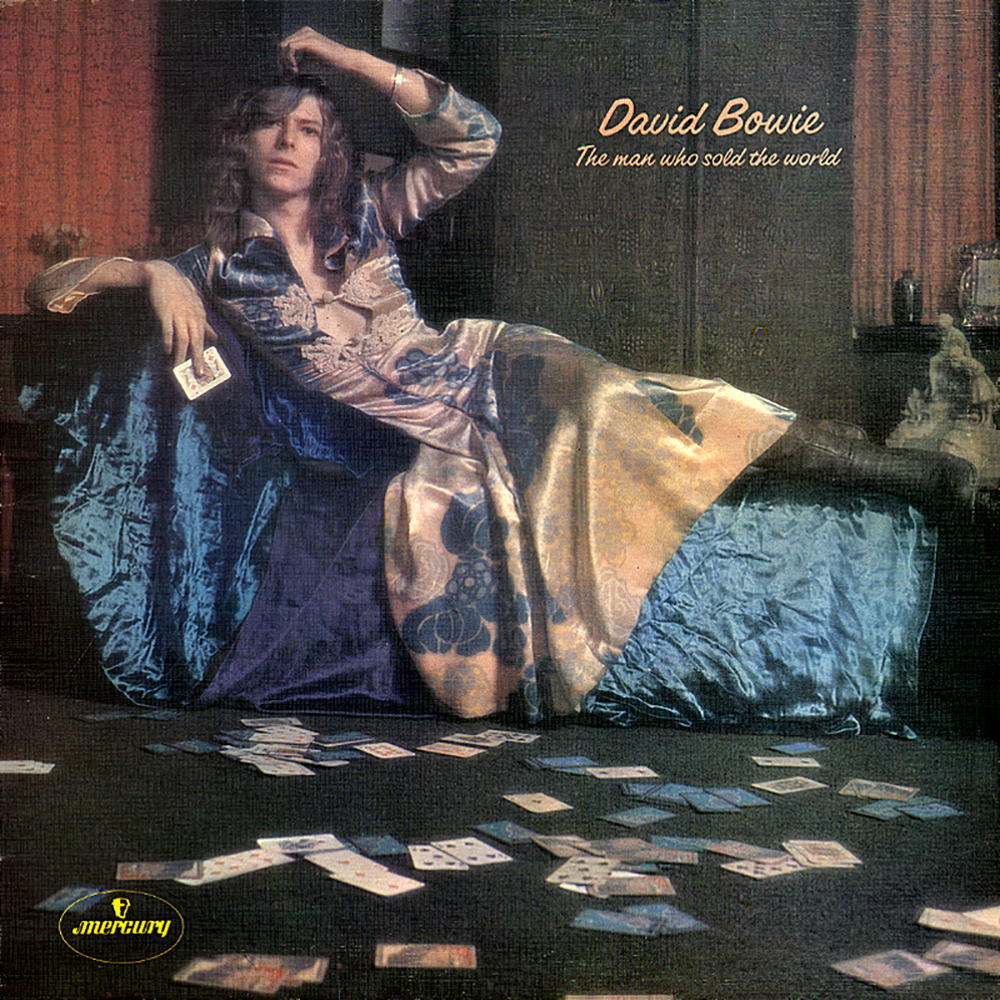
Era/Set: 1971 Mercury UK first pressing | Typical price: ~£600–£1,000+ (dress cover, VG to NM) | Best for: Bowie and banned-cover collectors
The UK first pressing carries the famous "dress cover" — Bowie reclining in a Mr. Fish gown — which was later replaced in other markets. The Rare Record Price Guide lists it around £1,000, with Very Good copies bringing up to £600.
Authenticity hinges on the runout details: genuine copies have machine-stamped matrices in the runout grooves, while many counterfeits exist. The scarce sleeve and early Mercury label make this one of the most sought-after Bowie LPs.
Pros:
- Rare Record Price Guide value around £1,000
- Iconic, later-replaced dress cover
- Machine-stamped matrices confirm authenticity
- Strong, enduring Bowie collector demand
Cons:
- Counterfeits are common and convincing
- Sleeve condition swings value sharply
Verdict: A landmark Bowie sleeve — check for machine-stamped matrices to avoid the many fakes.
5. David Bowie — "The Rise and Fall of Ziggy Stardust" (1972)
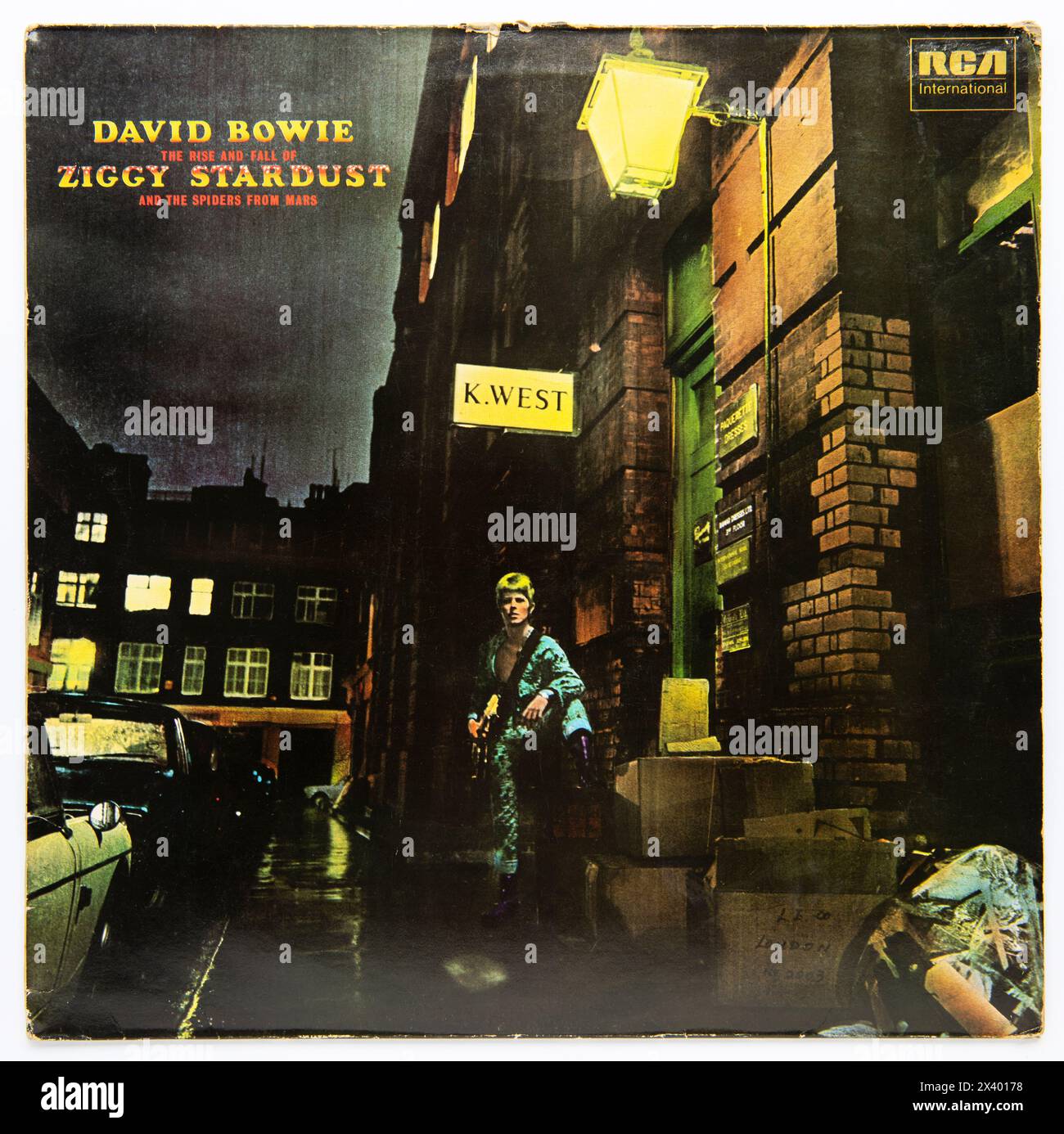
Era/Set: 1972 RCA UK first pressing | Typical price: ~$500–$2,000 (original, by condition) | Best for: concept-album and Bowie collectors
Bowie's Ziggy Stardust is one of the defining albums of the decade, and a pristine original pressing can bring up to $2,000. Early RCA pressings are identified by specific label and matrix details, with the orange RCA labels and original inner sleeves being the markers collectors check.
Clean, complete copies command the premium, while later reissues are plentiful and inexpensive. The album's cultural weight gives it durable demand well beyond pure scarcity.
Pros:
- Pristine originals bring up to $2,000
- One of the most important albums of the decade
- Clear early-RCA label markers
- Reissues keep the music affordable
Cons:
- Numerous reissues complicate first-pressing identification
- Top value requires a clean original inner sleeve
Verdict: A cultural landmark where a clean, correctly identified original RCA pressing reaches four figures.
6. The Rolling Stones — "Sticky Fingers" Working Zipper (1971)

Era/Set: 1971 Rolling Stones Records | Typical price: ~$700–$1,500 (working-zipper first pressing) | Best for: cover-art and Stones collectors
Sticky Fingers is famous for its Andy Warhol-designed cover with a real working zipper. Early pressings with the functional zipper in clean condition bring up to $1,500, a sealed first pressing sold for about $1,240, and used early copies with the large zipper reach $715.
The zipper itself is the condition battleground — it often damaged the record beneath it in storage, so collectors prize copies where both the zipper and the vinyl survived intact.
Pros:
- Working-zipper firsts bring up to $1,500
- Iconic Andy Warhol cover design
- Sealed first pressing sold near $1,240
- Instantly recognizable to non-collectors
Cons:
- The zipper frequently dented the vinyl in storage
- Later pressings omit the working zipper
Verdict: A pop-art classic where an intact working zipper and undamaged vinyl define the valuable first pressing.
7. Led Zeppelin — "III" UK Rotating Wheel Sleeve (1970)

Era/Set: 1970 Atlantic UK first pressing | Typical price: ~$200–$800 (complete, working wheel) | Best for: packaging and original-pressing collectors
Led Zeppelin III's gatefold features a rotating volvelle wheel that reveals images through cut-out windows, and early UK pressings carry hand-etched runout messages. Complete copies with a freely rotating, undamaged wheel bring $200–$800, while torn or seized wheels and worn copies drop sharply.
The interactive sleeve is the value driver here — collectors check that the wheel spins, the images align, and the runout etchings match a genuine first pressing.
Pros:
- Complete working-wheel copies bring $200–$800
- Distinctive rotating volvelle gatefold
- Hand-etched runout messages on firsts
- A landmark Zeppelin album
Cons:
- Volvelle wheels tear, seize, or go missing
- Condition of the moving part caps the grade
Verdict: A packaging-driven collectible — a freely rotating, undamaged wheel is what makes the first pressing worth holding.
8. Bob Marley & The Wailers — "Catch a Fire" Zippo Lighter Sleeve (1973)
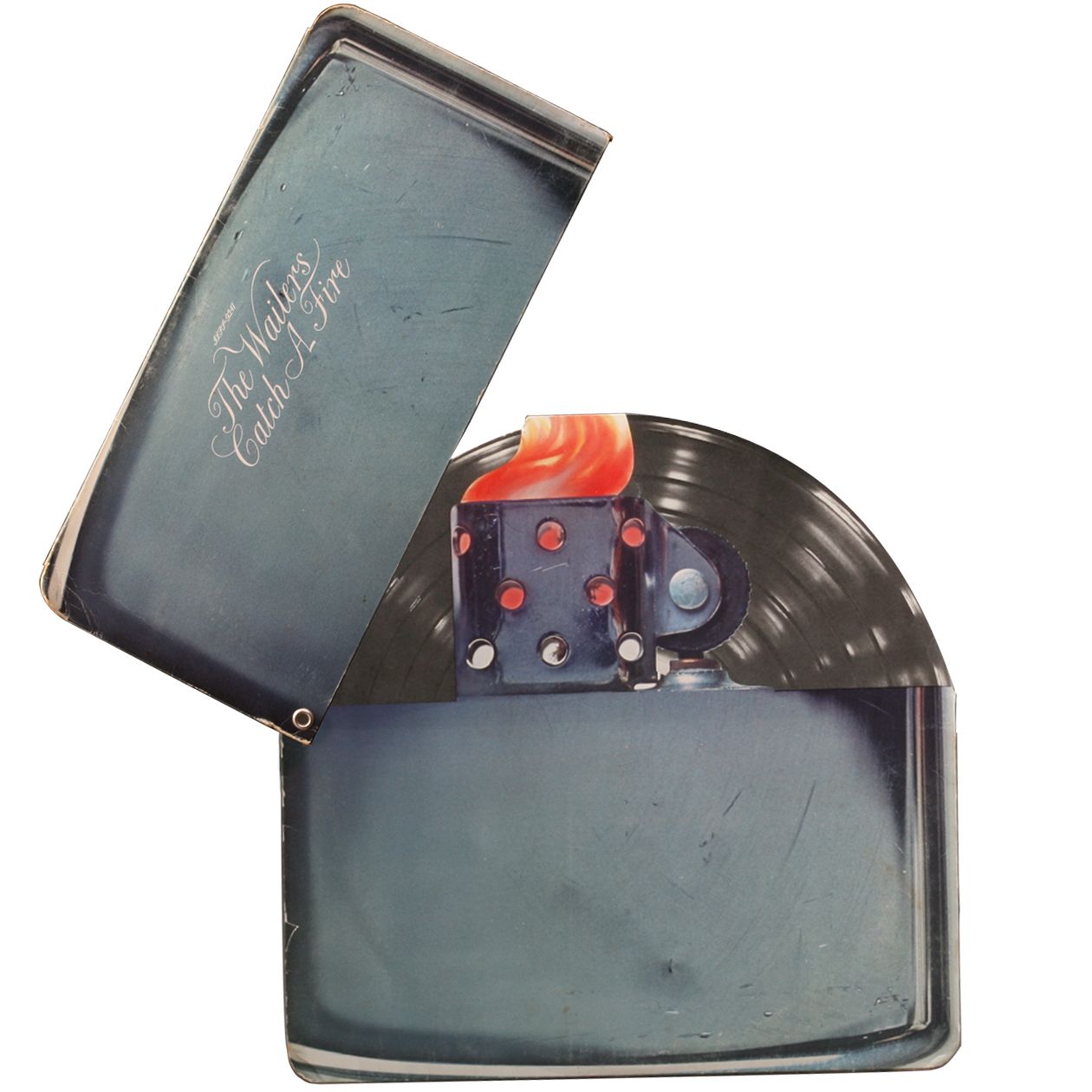
Era/Set: 1973 Island first pressing | Typical price: ~$200–$1,000 (Zippo sleeve, by condition) | Best for: reggae and novelty-packaging collectors
The original 1973 pressing came in a die-cut Zippo lighter sleeve that opened on a hinge like a real lighter — quickly replaced by the standard portrait cover, which makes the Zippo version the collectible one. Clean Zippo-sleeve copies bring $200–$1,000 depending on condition and whether the hinge is intact.
The novelty die-cut is fragile, so surviving examples with a working hinge and uncreased card command the premium. It is also a milestone as Marley's international breakthrough.
Pros:
- Zippo-sleeve copies bring $200–$1,000
- Quickly replaced novelty die-cut packaging
- Marley's international breakthrough album
- Standard cover keeps the music accessible
Cons:
- The die-cut hinge tears and creases easily
- Standard-cover reissues are common and cheap
Verdict: A reggae milestone where the fragile, short-lived Zippo sleeve is the entire collectible value.
9. The Clash — "The Clash" UK First Pressing (1977)

Era/Set: 1977 CBS UK first pressing | Typical price: ~$100–$400 (UK original, by condition) | Best for: punk and original-pressing collectors
The Clash's debut is a punk landmark, and the UK CBS first pressing is prized over the later, differently-tracklisted US release. Clean UK originals with the correct matrix and inner sleeve bring $100–$400, while later pressings and the US version are cheaper. The value markers are the UK track listing, the original CBS label, and the lyric inner sleeve.
As a foundational punk record from 1977, it carries strong, steady demand among genre collectors.
Pros:
- UK first pressings bring $100–$400
- Foundational 1977 punk album
- Distinct from the altered US release
- Affordable entry into rare punk vinyl
Cons:
- US pressing is often mistaken for the UK original
- Inner sleeve completeness affects value
Verdict: A punk cornerstone where the UK CBS first pressing and correct tracklist define the collectible copy.
10. Pink Floyd — "The Dark Side of the Moon" Standard UK First (1973) 💎 BEST VALUE
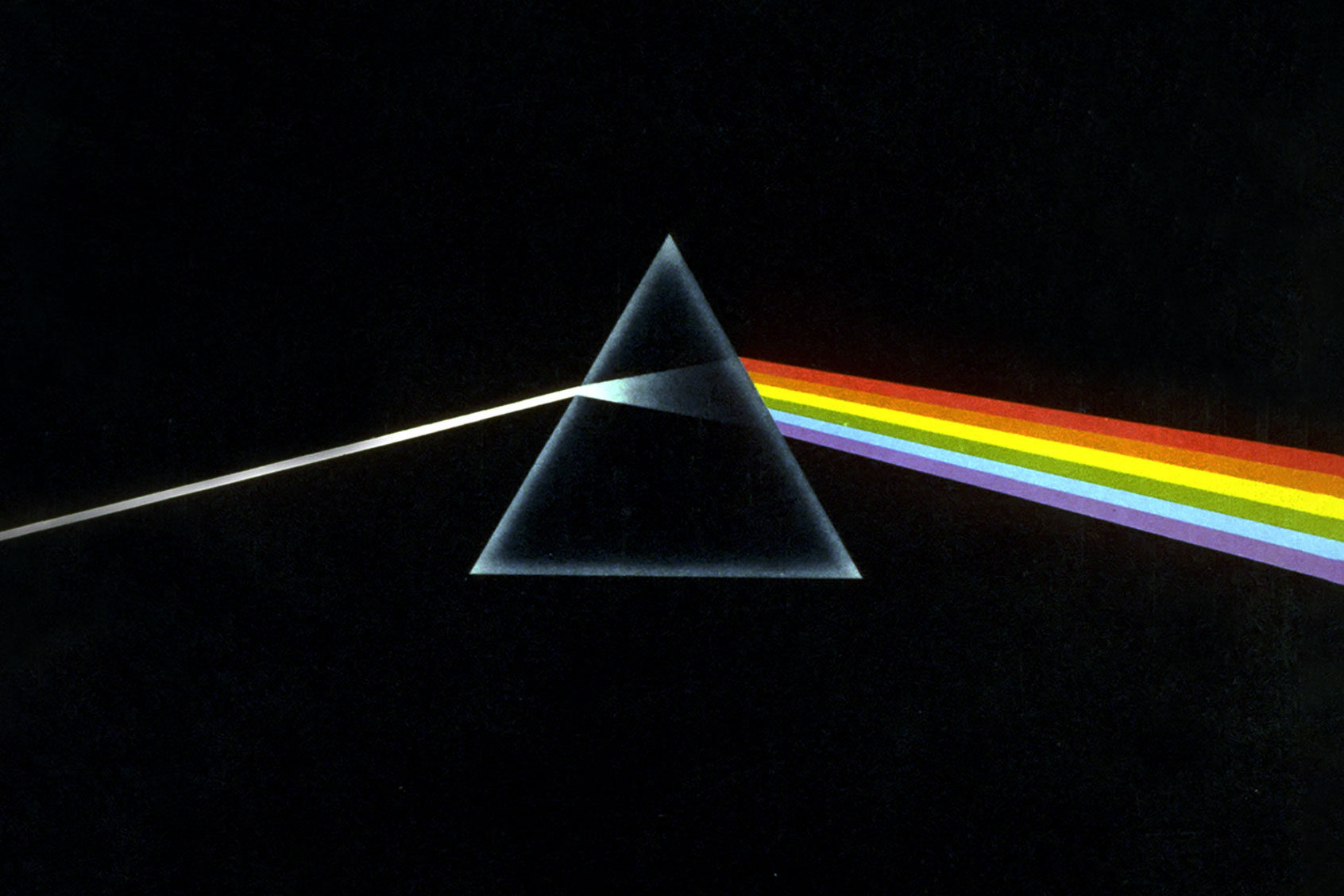
Era/Set: 1973 Harvest UK first pressing (standard label) | Typical price: ~$60–$200 (clean, complete) | Best for: new collectors wanting a real first pressing
The same 1973 UK first pressing that produces the $13,000 blue-triangle grail also exists in the common standard label version, and a clean, complete copy with both posters and stickers trades for just $60–$200. That makes it the smartest value buy of the decade: a genuine first pressing of one of the best-selling albums ever, complete with original inserts, for the price of a few new LPs.
Keep the posters and stickers and you own a real piece of 1973 vinyl history with room to appreciate.
Pros:
- Clean complete copies trade for just $60–$200
- Genuine 1973 UK first pressing, not a reissue
- Best-selling-era album with deep liquidity
- Upside if you find a scarce label variant
Cons:
- Standard pressings were made in huge numbers
- Missing inserts sharply reduce value
Verdict: The best entry point in 1970s vinyl — an authentic first pressing of a landmark album, complete and affordable.
Which One Is Right for You?
What to Look For
- Identify the exact pressing by matrix and label. Value lives in the first pressing; read the runout matrix, label art, and catalog number, since later pressings of the same title can be worth a tenth as much.
- Grade the vinyl and the sleeve separately. A clean record in a ringwear-damaged sleeve grades lower; both surfaces matter, and inserts like posters and stickers are part of the value.
- Confirm novelty packaging works. Sticky Fingers needs a functioning zipper, Led Zeppelin III a spinning wheel, Catch a Fire an intact Zippo hinge — broken mechanisms gut the price.
- Watch for counterfeits on grails. The A&M Sex Pistols and Bowie dress cover are heavily faked; verify machine-stamped matrices and buy from reputable dealers.
- Keep all original inserts. Posters, lyric sleeves, and stickers are routinely lost; a complete copy is worth a clear premium over a bare disc.
What matters less than the hype: a later audiophile reissue. A modern remaster sounds great but carries little collector value — the original first pressing with correct matrix and complete inserts is the asset.
FAQ
Why is the Sex Pistols A&M single so valuable? A&M pressed about 25,000 copies, then dropped the band and destroyed nearly all of them, leaving roughly nine known survivors. One sold for $15,882, and pristine copies are estimated at $30,000–$40,000, making it one of the rarest rock records ever.
How do I tell a first pressing from a reissue? Check the runout matrix numbers, label design, and catalog number against Discogs entries for the original release. Details like the Superhype credit on Led Zeppelin IV or a solid blue triangle on Dark Side identify true firsts.
Does the zipper on Sticky Fingers matter? Yes. Early pressings have a real working zipper, and intact examples bring up to $1,500. The zipper often dented the vinyl in storage, so copies where both the zipper and the record survived undamaged are the valuable ones.
Are 1970s reissues worth collecting? For value, no — modern reissues and remasters trade near retail. Collectors pay premiums for original first pressings with correct matrices and complete inserts, not for later repressings.
What is the safest cheap 1970s record to start with? A standard 1973 UK first pressing of Dark Side of the Moon, complete with posters and stickers, runs $60–$200 and is a genuine first pressing of a landmark album — the ideal entry point.
Bottom Line
The Sex Pistols "God Save the Queen" on A&M (1977) is the Best Overall pick — a recalled, destroyed pressing with about nine survivors, a documented $15,882 sale, and pristine estimates of $30,000–$40,000. For collectors who want a real first pressing without grail money, the standard 1973 UK first pressing of "The Dark Side of the Moon" is the Best Value at $60–$200 complete with inserts.
Between them sit the decade's defining variants — the blue-triangle Dark Side, the turquoise Led Zeppelin IV, the Bowie dress cover, and the Sticky Fingers zipper — where the exact pressing and intact packaging decide whether you hold a $100 record or a $13,000 one.
Sources
- Variety — Rare Sex Pistols Record Fetches Over $15,000
- Discogs — Pink Floyd: The Dark Side of the Moon releases
- Discogs — Sex Pistols: God Save the Queen (A&M)
- Recordmecca — David Bowie Original Dress Cover Man Who Sold the World
- Discogs — Rolling Stones: Sticky Fingers releases
- All For Turntables — 25 Most Valuable Records of the 70s
- ValueYourMusic — Most Valuable Pink Floyd Records
*Vinyl records 1970s review — 1970s vinyl records reviews, ratings, best 1970s vinyl record pressings 2027, and a review of the top original-pressing rarities for collectors.*