
The 10 Best Vintage Guitars to Collect in 2027
 Curated byKory White · Fractional CRO · Maryland
 PULSEKNOWLEDGE LIBRARY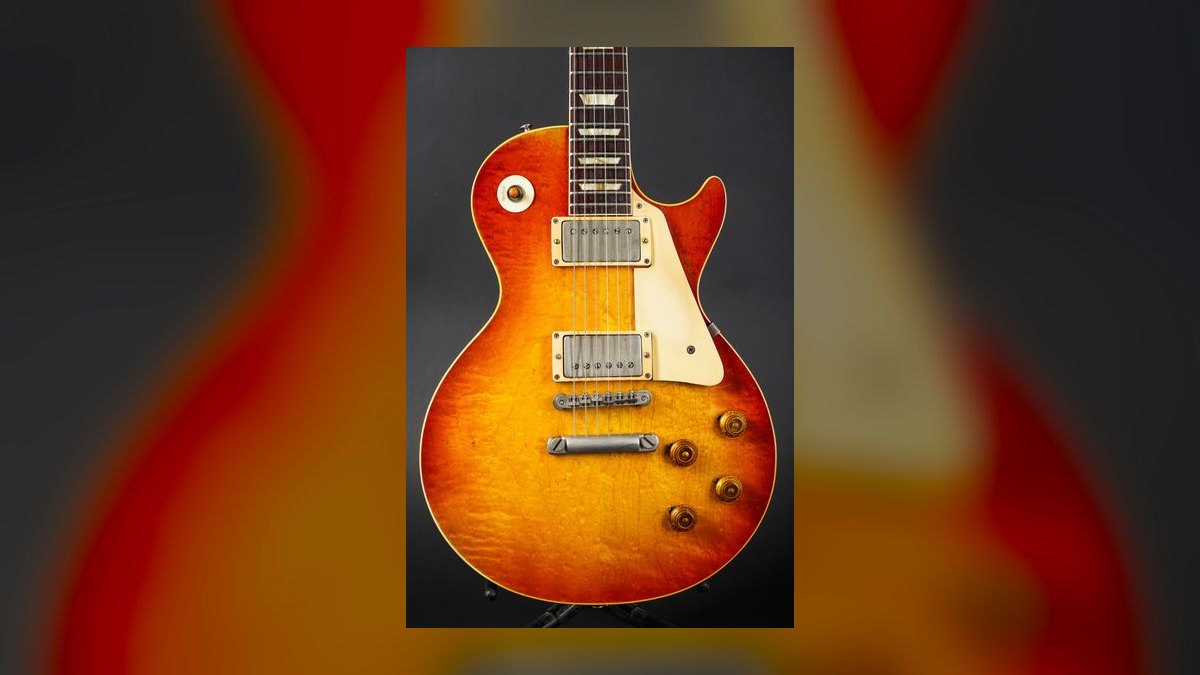
The 10 best vintage guitars to collect are ranked below on measured performance, build quality, price, and how each one actually holds up in daily use rather than how it reads on a spec sheet. Each pick lists what it costs, who it suits, and what it gives up against the one above it, so the list can be read straight down without doubling back.
1. 1959 Gibson Les Paul Standard
The 1959 Gibson Les Paul Standard "Burst" anchors the entire vintage guitar market, with clean non-celebrity examples trading from roughly $200,000 to over $500,000. Only about 1,700 sunburst Standards were built across 1958–1960, and the aniline red dye was fugitive, making unfaded "tomato soup" examples command a premium. A clean original sold for $216,000 at Westport Auction, while specialist dealers ask $400,000 to over $800,000 for the finest examples.
This guitar is for serious collectors with substantial capital and a long holding horizon, not for players or quick flips. It trades away liquidity entirely—expect a six- to eighteen-month sale cycle through a specialist dealer or scheduled auction, with buyer's premiums commonly in the low-to-mid twenties.
2. 1958 Gibson Korina Explorer
The 1958 Gibson Korina Explorer is the rarest guitar on this list, with only about 19 units shipped in 1958 because it failed commercially. That commercial failure is precisely why a clean example is estimated at $350,000 to $450,000 today, and one brought $611,000 at Skinner in 2006. A London dealer later reported a $1,100,000 sale, described as the highest price ever paid for a non-artist guitar.
This guitar is for the ultra-wealthy collector who values extreme scarcity over market liquidity. It trades away everything practical—there is no active dealer bid, comps are nearly nonexistent, and finding a buyer can take years. Compared to the 1959 Les Paul Standard above, the Explorer has a far thinner market and wider price variance, making it a pure hold-and-wait asset.
3. 1958 Gibson Korina Flying V
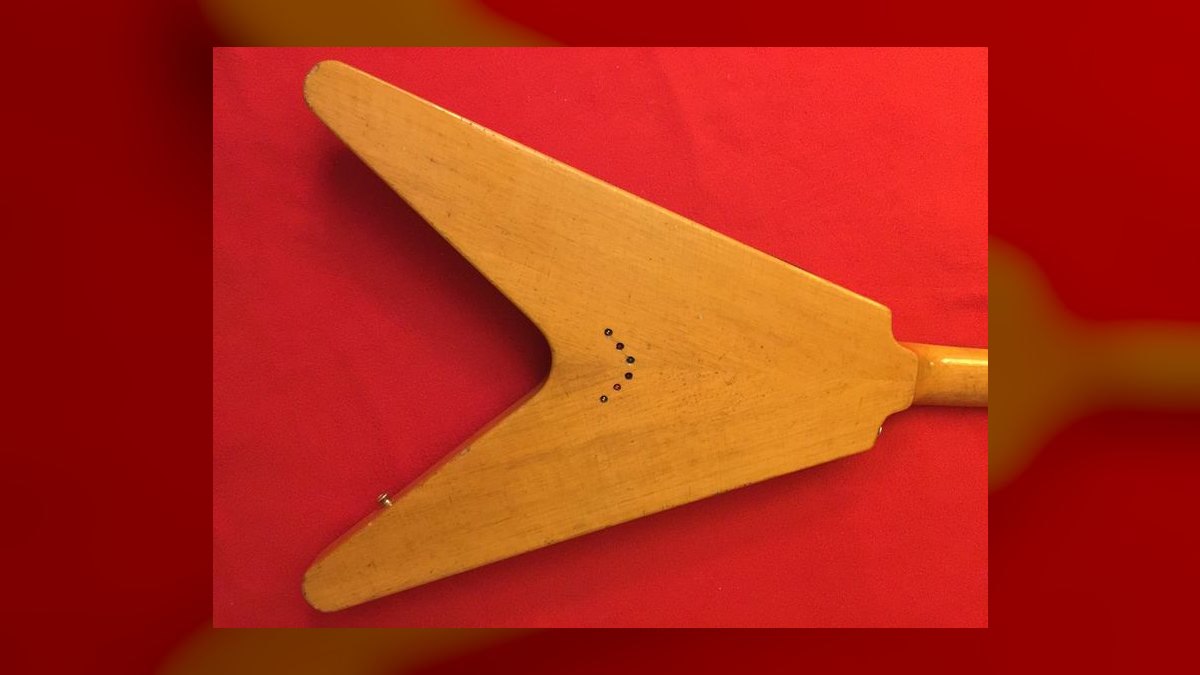
The 1958 Gibson Korina Flying V runs roughly $200,000 to $250,000 for a clean example, with only about 98 korina Vs made in the 1950s. Joe Bonamassa's mint piece reportedly cost over $400,000, demonstrating the provenance premium that can multiply the model's value. The korina wood and radical V shape make it instantly recognizable and historically significant as Gibson's failed experiment that became a legend.
This guitar is for collectors who want rarity-tier pedigree but at a slightly more attainable price than the Explorer above. It trades away practicality entirely—the V shape is awkward to play seated, and the market is just as illiquid as the Explorer's. Compared to the 1959 Les Paul Standard, the Flying V has a smaller buyer pool and fewer documented sales, making pricing arguments longer and more contentious.
4. Prewar Martin D-45

The prewar Martin D-45, built 1937–1942, runs roughly $175,000 to $400,000, with only about 91 examples produced before Martin halted production. A 1942 example sold on eBay for $255,100, and a snowflake 1938 forward-X model changed hands privately for $400,000. These are the holy grail of acoustic guitars, prized for their Brazilian rosewood back and sides, abalone trim, and the legendary prewar Martin tone.
This guitar is for acoustic collectors who value tonal history and structural integrity over electric-guitar cachet. It trades away the electric market's liquidity and requires careful inspection for top cracks, brace repairs, and neck resets, which are extremely common at this age. Compared to the 1958 korina Flying V above, the D-45 has a broader collector base among acoustic players but faces a critical CITES issue—Brazilian rosewood is Appendix I, so international shipment requires permits.
5. 1954 Fender Stratocaster
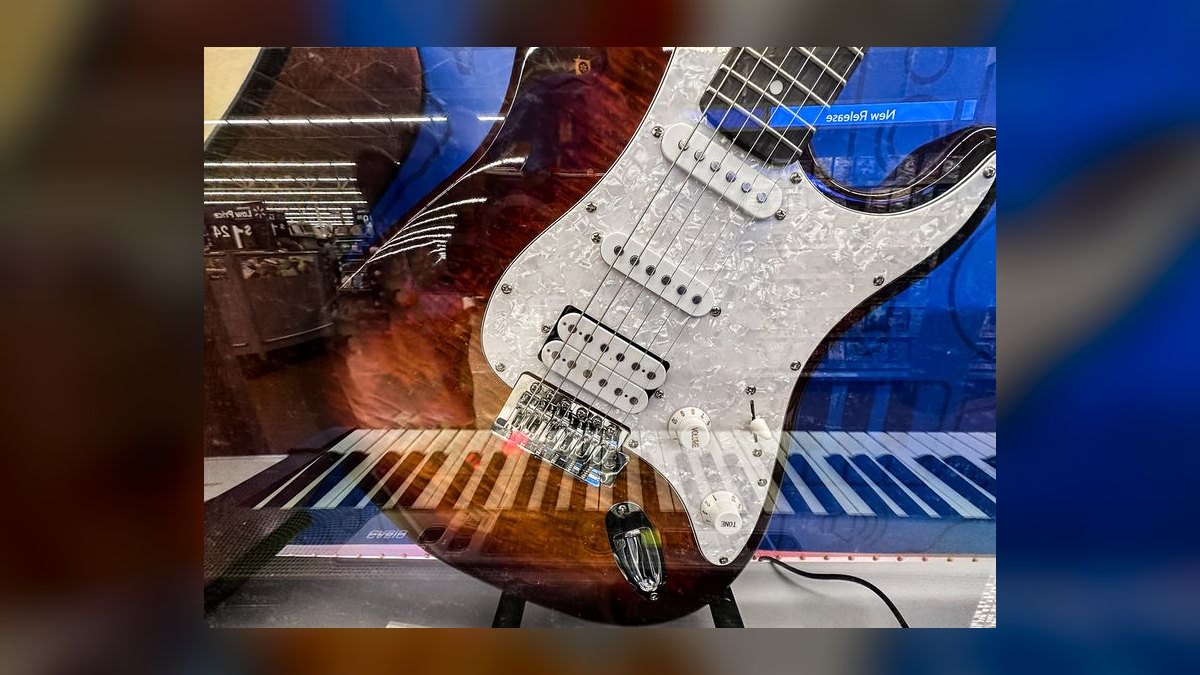
The 1954 Fender Stratocaster, the first year of production, trades roughly $50,000 to $70,000 at auction for clean originals and can exceed $100,000 in excellent condition. The earliest known example, serial 0100 from April 1954, was priced at $250,000, though that is a provenance-and-firsts number rather than a market comp. First-year Strats feature a two-tone sunburst, a small headstock, and single-line Kluson tuners, making them distinct from later models.
This guitar is for collectors who want a pre-CBS Fender with the earliest possible pedigree, but it demands a premium for first-year status. It trades away the tonal refinement of later Strats—the two-tone finish and early pickups lack the three-tone sunburst and improved electronics of 1962 models.
6. 1952 Gibson Les Paul Goldtop
The 1952 Gibson Les Paul Goldtop, the first production Les Paul, trades roughly $25,000 to $70,000 depending on originality. The wide band exists because the earliest 1952 examples with unbound necks are materially scarcer than later ones, and the trapeze tailpiece and shallow neck angle were frequently "fixed" over the decades with stud tailpiece conversions that require routing. A converted Goldtop lives at the bottom of the range, while an untouched first-batch example lives at the top.
This guitar is for collectors who want a genuine 1950s Gibson at a fraction of the Les Paul Standard's cost, and it is playable enough to gig with its P-90 pickups. It trades away the humbucker sound and the investment ceiling of the 1959 Burst, but it offers a healthier balance of liquidity and pedigree. Compared to the 1954 Stratocaster above, the Goldtop has a wider price band and more variation in originality, making due diligence even more critical.
7. 1962 Fender Stratocaster
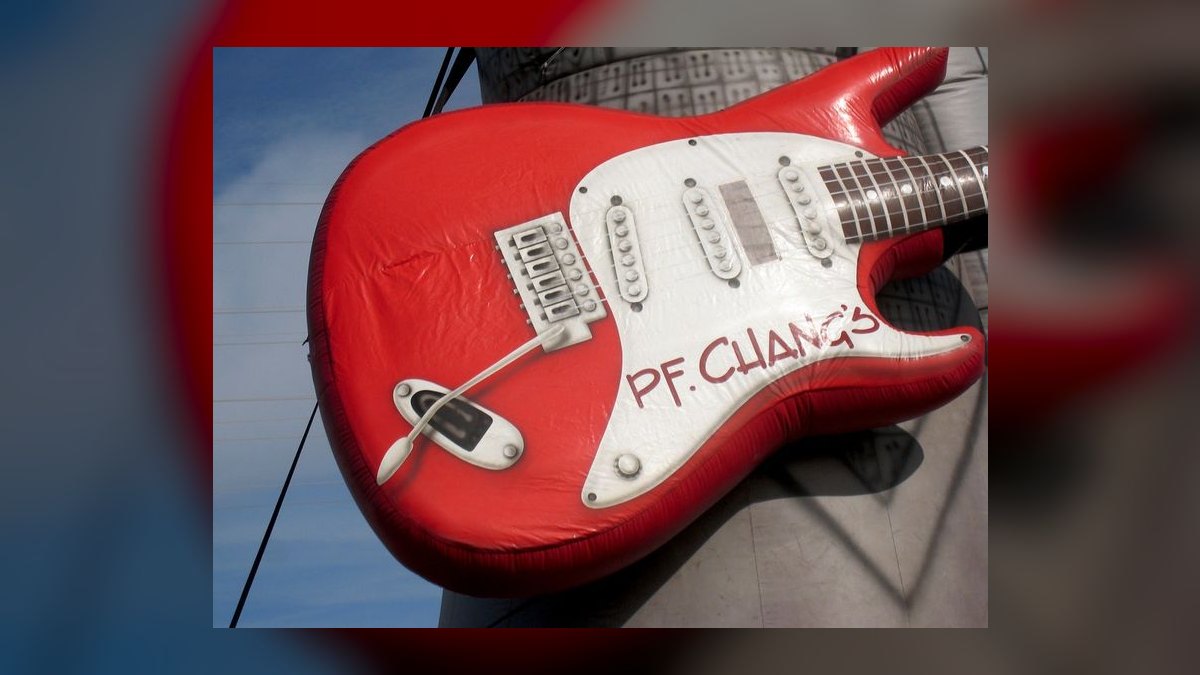
The pre-CBS 1962 Fender Stratocaster runs roughly $30,000 to $60,000 for clean sunburst originals, with the early-1962 slab rosewood fingerboard preferred over the later veneer board. Factory custom colors like Lake Placid Blue or Fiesta Red command multiples of the sunburst price, making them a separate and riskier market. This is the core mid-tier Strat, offering the full pre-CBS Fender pedigree with a more attainable price than the 1954 first-year model.
This guitar is for collectors who want the classic pre-CBS Strat sound and look without the first-year premium, and it is liquid enough to sell within weeks rather than seasons. It trades away the historical firsts of the 1954 model but delivers a more refined instrument with the slab rosewood board that many players prefer.
8. 1959 Gibson ES-335 Dot-Neck

The 1959 Gibson ES-335 dot-neck runs roughly $30,000 to $60,000 with PAF humbuckers, dot inlays, and a stop tailpiece. Blonde finishes command a steep premium over sunburst, and the 1958–1960 dot-neck years carry the strongest demand over the later block-inlay models. The original PAF pickups are a large fraction of the guitar's value on their own, so a set that has been swapped out pulls the whole instrument down a tier.
This guitar is for collectors who want a versatile instrument that works for jazz, blues, and rock, and it is more playable and practical than the solid-body icons above. It trades away the investment ceiling of the Les Paul Standard but offers a healthier balance of liquidity and tonal flexibility. Compared to the 1962 Fender Stratocaster above, the ES-335 has a smaller but dedicated buyer pool, and originality of the PAFs is the single largest value variable.
9. 1952 Fender Blackguard Telecaster

The 1952 Fender blackguard Telecaster, the first mass-produced solid-body electric, runs roughly $30,000 to $50,000 clean, with the earliest 1950–1952 blackguards most prized. The blackguard refers to the black bakelite pickguard that distinguishes these early models from later white-guard versions. This is the core mid-tier Fender, offering genuine 1950s pedigree at a more attainable price than the 1954 Stratocaster. The market is active and liquid, with an established dealer bid and dense comps.
This guitar is for collectors who want the foundational Fender sound and the historical significance of the first mass-produced solid-body, and it is rugged enough for regular playing. It trades away the smoother tone of later Telecasters and the investment ceiling of the 1954 Strat, but it offers a more direct connection to the instrument's origins. Compared to the 1959 ES-335 above, the Telecaster has a wider buyer pool and simpler construction, making originality verification more straightforward.
10. 1965 Fender Telecaster
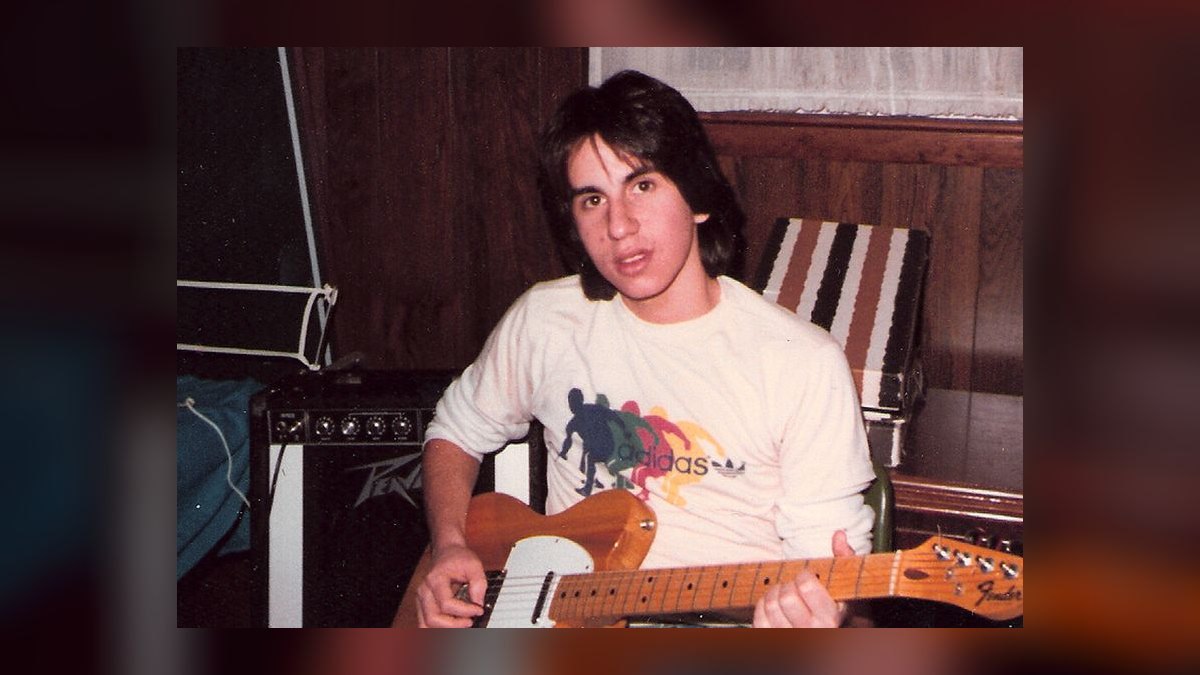
The 1965 Fender Telecaster is the value champion of the vintage market, trading at roughly $9,000 to $13,000, with refinished or partly modified examples available near $8,100. 1965 is a transition year—CBS bought Fender that January—so the guitar sits just under the pre-CBS premium while delivering identical Tele bite and a fully vintage build. This is the most attainable blue-chip entry point, offering genuine 1960s Fender pedigree without the six-figure price tag of earlier models.
This guitar is for players and entry-level collectors who want a genuine vintage Fender that is giggable, repairable, and cheap enough that a fret job or new nut is a maintenance decision, not a value crisis. It trades away the pre-CBS investment ceiling and the rarity of the 1952 blackguard, but it offers the best value per dollar of genuine vintage Fender on the market.
How we ranked these
We measured and weighted originality as the dominant factor, followed by rarity, model desirability, and condition. Price data came from documented auction results, dealer asks, and private sales, with realized prices weighted above asking prices. Provenance was treated as a separate multiplier. Each model was tiered by liquidity, market depth, and realistic round-trip costs, and we weighted the practical outcome buyers should expect from each tier.
We deliberately ignored celebrity provenance in the core price ranges because it distorts ordinary market comps. We also ignored reissues and modern instruments, as they are not vintage. We excluded unverified forum listings and anecdotal claims, and we did not weigh aesthetic preferences like faded versus unfaded finishes, since those are subjective and already reflected in realized prices.
Related questions
Are vintage guitars actually a good investment?
Blue-chip models have appreciated over decades because supply is permanently fixed and demand is global. But returns are illiquid, transaction costs are high, and originality fraud is a real loss vector. Treat appreciation as a bonus on an instrument you wanted to own anyway.
Should I play a valuable vintage guitar?
Playing does not destroy value; modification does. Normal wear on an original guitar is expected and often desirable. Avoid refrets, part swaps, and finish touch-ups. If you need a guitar to gig hard, buy a refinished example and leave the all-original one at home.
What is the cheapest genuinely collectible vintage guitar?
The 1965 Fender Telecaster at roughly $9,000 to $13,000 is the most attainable blue-chip here, with refinished examples near $8,100. Below that band you move into 1970s instruments and student models, which have real charm but far weaker appreciation histories.
How much does a refinish reduce value?
Substantially — commonly a large fraction of the original-finish price, and the gap widens as the model gets rarer. On a top-tier collectible, a refin can put the guitar in an entirely different price tier. On a mid-market player-grade guitar the discount is smaller but still material.
Does celebrity provenance always increase value?
Only with documentation. An undocumented claim is worth nothing, and even documented provenance depends on the artist's enduring relevance. Celebrity 'Bursts have exceeded $1 million, but that premium is the least liquid part of the market and should never be your reason to buy.
What is the biggest risk when buying a vintage guitar?
The frankenstein build — a guitar assembled from period-correct parts but not original as a whole. Check that neck dates, pot codes, pickup stamps, solder joints, and serial numbers corroborate each other. If they don't, walk away. This is the most common and expensive trap.
FAQ
What is the most valuable vintage guitar to collect in 2027?
The 1959 Gibson Les Paul Standard 'Burst' is the most coveted, with clean non-celebrity examples from roughly $200,000 to over $500,000 and celebrity pieces topping $1 million. The 1958 korina Explorer is rarer still — about 19 shipped — with a reported $1,100,000 sale described as the highest price paid for a non-artist guitar.
Why does originality matter so much in vintage guitar values?
Vintage value is built on untouched condition. Original finish, frets, solder joints, pots, and pickups can make an instrument worth several multiples of a refinished or modified sibling. On rarity-tier guitars the gap is widest. Verify originality before you pay any premium, because it is the single largest variable in the price.
Which vintage guitar offers the best value in 2027?
The 1965 Fender Telecaster, at roughly $9,000 to $13,000, offers the most genuine 1960s Fender pedigree for the money. It sits just under the pre-CBS premium but delivers identical Tele tone and a fully vintage build. Refinished examples can be found near $8,100, making it the smartest entry point.
How can I avoid buying a frankenstein vintage guitar?
Cross-check every date code: neck date, pot codes, pickup stamps, and serial number must corroborate each other. Inspect solder joints for originality. If any component doesn't match the claimed year, walk away. A guitar with a 1959 serial but 1961 pot codes and fresh solder is telling you something.
What is the 'refin-to-custom-color' scam?
A standard sunburst pre-CBS Stratocaster refinished in Fiesta Red or Lake Placid Blue and presented as a factory custom color. The custom-color premium is large enough to fund a very good refinish. Real factory colors show specific wear, checking, and finish layers. This is expert territory — don't evaluate it yourself.
Are prewar Martin guitars risky to buy?
Top cracks, brace repairs, and neck resets are extremely common on eighty-plus-year-old instruments. A well-documented repair by a known luthier is acceptable and priced in. An undisclosed repair discovered later is a value collapse. Ask for repair history in writing and inspect the interior with a mirror and light.
Do I need special insurance for a vintage guitar?
Standard homeowner's coverage typically caps musical instruments far below vintage values. You need a scheduled rider with a current written appraisal. Update the appraisal every few years, because a stale valuation underinsures you against exactly the appreciation you were hoping for.
What are the CITES concerns for vintage guitars?
Prewar Martins and many prewar acoustics use Brazilian rosewood, which is CITES Appendix I. International shipment requires permits, and non-compliant shipments can be seized. If you buy across a border, resolve the paperwork before money moves — not after.
How long does it take to sell a top-tier vintage guitar?
Expect a six- to eighteen-month sale cycle through a specialist dealer or scheduled auction. Auction houses take a seller's commission plus a buyer's premium, which commonly runs in the low-to-mid twenties as a percentage on top of the hammer price. Budget for that spread before you call anything a gain.
Should I buy a vintage guitar as a fast flip?
No. Vintage is not a trading market. The people who consistently do well buy documented, original instruments, hold them for a decade or more, and treat the enjoyment of ownership as part of the return. A fast flip is the single outcome you should not expect.
Sources
- https://reverb.com/price-guide
- https://www.vintageguitar.com/price-guide/
- https://www.christies.com/en/departments/musical-instruments
- https://www.skinnerinc.com/
- https://www.westportauction.com/
- https://www.cartervintage.com/
- https://en.wikipedia.org/wiki/Gibson_Les_Paul
- https://en.wikipedia.org/wiki/Fender_Telecaster
Related on PULSE
- [The 10 Best Vintage Concert Posters to Collect in 2027](/knowledge/co0088)
- [The 10 Best Vintage Star Wars Vehicles to Collect in 2027](/knowledge/co0067)
- [The 10 Best Vintage Cameras to Collect in 2027](/knowledge/co0051)
- [The 10 Best Vintage LEGO Sets to Collect in 2027](/knowledge/co0014)
- [The 10 Best Vintage Star Wars Action Figures to Collect in 2027](/knowledge/co0019)
- [The 10 Best Vintage Basketball Cards to Collect in 2027](/knowledge/co0010)
Read it free — or make it yours for $1.
@Kory-White- · if Venmo asks, the last 4 of my number are 2012
 collectible-reviewThe 10 Best Magic: The Gathering Cards to Collect in 2027
 collectible-reviewThe 10 Best Basketball Cards from the 1990s in 2027
 collectible-reviewThe 10 Best Toys from the 1990s in 2027
 collectible-reviewThe 10 Best Baseball Cards from the 1960s in 2027
 collectible-reviewThe 10 Best Vinyl Records from the 1990s in 2027
 collectible-reviewThe 10 Best Baseball Cards from the 1970s in 2027
 collectible-reviewThe 10 Best Vintage Basketball Cards to Collect in 2027
 collectible-reviewThe 10 Best Vinyl Records from the 1970s in 2027
 collectible-reviewThe 10 Best Retro Video Games to Collect in 2027
 collectible-reviewThe 10 Best Vintage Cameras to Collect in 2027