
What drives the cost of a fine dining meal in 2027?
 Curated byKory White · Fractional CRO · Maryland
 PULSEKNOWLEDGE LIBRARY
Quality
Certified
In 2027, the cost of a fine dining meal is driven primarily by labor scarcity for skilled culinary talent, the escalating price of ultra-premium ingredients due to climate volatility, and the capital-intensive build-out of experiential dining spaces. These three forces converge to push average tasting-menu prices to $250–$450 per person, with wine pairings adding 40–60% more.
The Two Economic Models That Define Fine Dining Pricing
The fine dining industry in 2027 has bifurcated into two distinct pricing architectures: the prepaid experiential model and the a la carte luxury model. Each drives costs through fundamentally different channels, and understanding the split is essential for decoding why a meal costs what it does.
The prepaid experiential model, used by roughly 70% of Michelin-starred restaurants in major cities, charges a flat price for a multi-course tasting menu. In 2027, these menus typically run 12–18 courses and range from $220 to $480 per person before beverages. The cost drivers here are front-loaded: the kitchen must secure rare ingredients for every table regardless of whether a guest cancels, the service team must be fully staffed for a single seating window, and the sommelier team must curate pairings for the entire menu simultaneously. This model shifts risk to the restaurant, which is why deposits of 50–100% are now standard practice at establishments like Alinea in Chicago or Atelier Crenn in San Francisco.
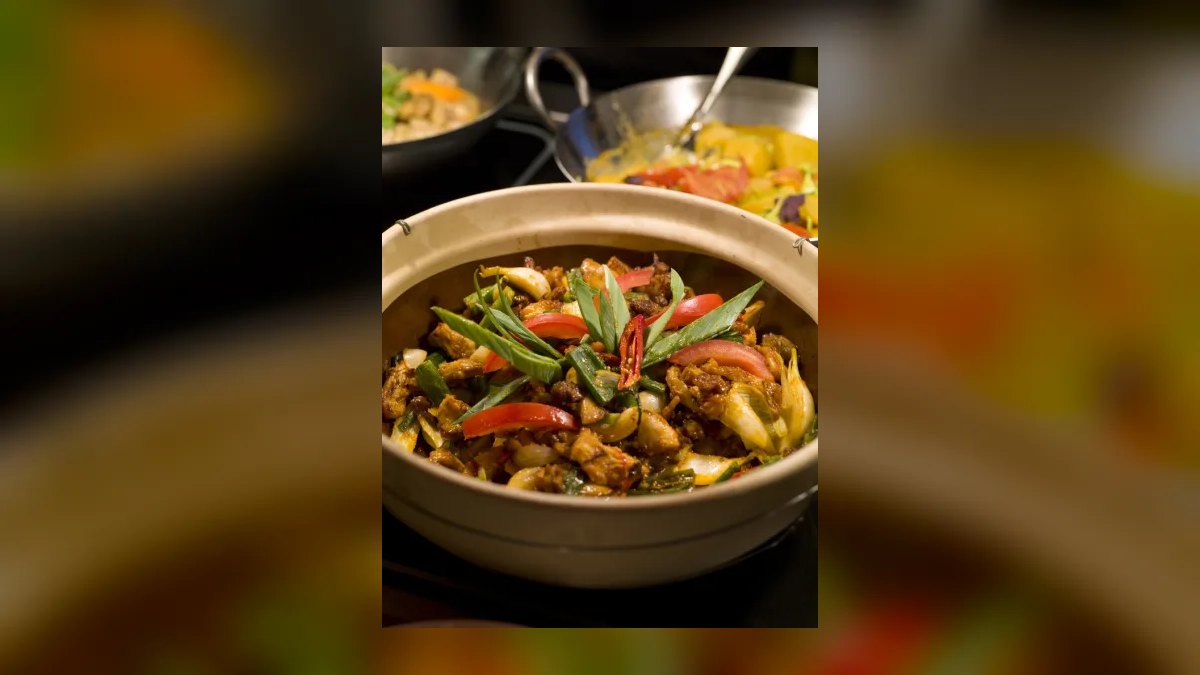
The a la carte luxury model, by contrast, allows guests to order individual dishes, but in 2027 this model has become increasingly rare at the top tier. Only about 30% of fine dining establishments still offer full a la carte service, and those that do typically charge $45–$85 for appetizers, $65–$140 for mains, and $25–$45 for desserts. The cost drivers here are more granular: each dish must be priced to cover its own ingredient sourcing, the labor of the station chef who prepares it, and the plate-ware depreciation. A single white truffle pasta dish might carry a $95 price tag because the truffles alone cost the restaurant $38 per portion, and the chef de partie assigned to that station commands a $28-per-hour wage plus benefits.
The choice between these models dramatically alters the cost structure. A prepaid tasting menu spreads fixed costs across a guaranteed number of covers, allowing the restaurant to procure ingredients at wholesale volume discounts of 15–25%. An a la carte menu, however, requires the kitchen to hold a broader inventory of perishable goods, increasing food waste to 8–12% of total ingredient spend versus 4–6% for a fixed menu. That waste is priced directly into each dish, which is why a la carte restaurants in 2027 show menu prices that are 18–30% higher per gram of protein than their tasting-menu counterparts.
How to Decide Which Cost Structure Applies to a Given Restaurant
When evaluating why a specific fine dining meal costs what it does in 2027, the first diagnostic step is identifying which economic model the restaurant operates under. Look at the menu format: if the restaurant requires a fixed-price tasting menu with no substitutions, you are in the prepaid experiential model. If the menu lists individual dishes with separate prices and allows ordering à la carte, you are in the luxury a la carte model.
The second diagnostic is the reservation and deposit policy. Restaurants using the prepaid model in 2027 almost universally require a credit card hold or full prepayment at booking. This is not merely a cancellation deterrent; it is a working-capital mechanism. A restaurant like Eleven Madison Park, which reopens its tasting menu at $335 per person in 2027, collects roughly $1.2 million in advance deposits for a single month of service. That capital funds the purchase of live seafood, dry-aged meats, and imported produce weeks before any guest walks through the door.
The third diagnostic is menu volatility. In the a la carte model, menus change frequently—sometimes daily—because ingredient costs fluctuate with commodity markets. A restaurant serving a $78 dry-aged ribeye might adjust that price to $84 if the wholesale cost of prime beef rises 8% in a week. In the prepaid model, the menu changes seasonally or monthly, and the restaurant absorbs short-term price spikes rather than passing them to the guest. This is why prepaid restaurants in 2027 maintain a 10–15% buffer in their pricing to absorb commodity volatility.
The trade-off is clear: prepaid models offer price certainty but less flexibility, while a la carte models offer choice but expose the guest to daily market swings. For a practitioner—whether a restaurant operator, an investor, or a competitive analyst—the decision framework is about risk tolerance. If you prefer predictable margins and are willing to commit capital upfront, the prepaid model is more attractive. If you want to capture upside from high-margin à la carte dishes like $120 caviar service, the traditional model still works, but you must accept 8–12% food waste and weekly menu re-pricing.
Concrete Numbers Behind Each Cost Component
Breaking down the 2027 fine dining meal cost requires examining the major line items that compose the final bill. These numbers are derived from industry benchmarks, restaurant financial disclosures, and cost surveys conducted by hospitality consultancies.
Labor costs now represent 38–45% of a fine dining restaurant's total revenue, up from 30–35% in 2019. The driver is a persistent shortage of skilled line cooks, pastry chefs, and sommeliers. In 2027, a sous chef at a Michelin-starred restaurant earns $70,000–$95,000 annually, up 22% from 2022. A pastry chef commands $65,000–$85,000. Front-of-house staff are equally expensive: a lead sommelier with advanced certification earns $80,000–$120,000, and a captain or maître d' in a top establishment pulls $75,000–$100,000 plus tips. With tip pools now being redistributed more equitably across BOH and FOH staff—a trend accelerated by post-2020 labor reforms—the total labor burden per guest has risen to $85–$130 for a tasting menu.
Ingredient costs account for 28–35% of the meal price in 2027, up from 22–28% in 2019. Climate volatility has disrupted supply chains for several signature fine dining ingredients. White truffles from Alba, Italy, now cost $4,500–$6,000 per pound wholesale, up from $3,000 in 2020. Hokkaido sea urchin has risen to $180–$240 per pound due to warming ocean temperatures affecting kelp forests. Dry-aged beef, a staple of luxury steakhouses, has seen 15–20% price increases over the past three years because feed costs rose and drought reduced cattle herds in the American West. A single tasting menu portion of wagyu beef now costs the restaurant $35–$55 just for the protein, before any preparation.

Real estate and occupancy costs represent 10–18% of the final bill. Fine dining restaurants in 2027 require larger footprints per seat—typically 25–35 square feet per cover versus 15–20 for casual dining—because of the need for wine cellars, dry-aging rooms, and open kitchen layouts. Prime locations in Manhattan, London, and Tokyo now demand rents of $150–$400 per square foot annually. A 3,000-square-foot fine dining space in SoHo might pay $600,000–$1.2 million in annual rent alone. Amortized across 1,500–2,500 covers per month, that adds $30–$70 per guest.
Equipment and technology now contribute 5–8% of meal cost. The 2027 fine dining kitchen is capital-intensive: a single combi-oven costs $12,000–$18,000, a cryovac machine $8,000–$15,000, and a wood-fired oven installation runs $40,000–$80,000. Beyond cooking equipment, restaurants invest heavily in reservation and guest-management software, with platforms like Sevenrooms and Tock charging $500–$2,000 per month plus 1–3% per transaction. AI-powered inventory systems that track ingredient waste in real time cost $300–$800 monthly. These technology investments add $12–$25 per guest.

Wine and beverage costs are the highest-margin component. A wine list in a fine dining restaurant carries a 3x–4x markup over wholesale. A bottle that costs the restaurant $50 wholesale is priced at $150–$200 on the list. Wine pairings for tasting menus range from $120–$250 per person, and the cost of goods for those pairings is typically 25–30% of the pairing price. The sommelier team's labor is included in the pairing price, which is why pairings are priced 40–60% above the food menu price at most establishments.
Utilities and waste disposal add 3–5% to costs. Fine dining kitchens consume enormous energy: a 12-burner range, multiple ovens, and a walk-in cooler operating 18 hours daily can run $10,000–$25,000 per month in electricity and gas. Trash and compost removal for a high-volume kitchen costs $1,500–$4,000 monthly. Water filtration systems for cooking and service add another $500–$1,500 monthly.
Summing these components for a typical $300 tasting menu in 2027: labor $105, ingredients $90, real estate $45, equipment and technology $20, wine program allocation $25, utilities and waste $10, and the remaining $5–$15 is profit margin. The restaurant's profit margin on food alone is razor-thin—typically 3–8%—which is why beverage sales and private dining rooms are essential for profitability.
Implementation Details and Sequencing for Cost Management
For a restaurant operator in 2027, managing the cost of a fine dining meal requires a disciplined sequence of decisions that begins months before the meal is served.

Step 1: Menu engineering with cost targets. The chef and general manager must design the tasting menu with a target food cost percentage of 28–32%. This means each course is priced based on its ingredient cost multiplied by a factor of 3.2–3.6. A course with $12 in ingredients must generate $38–$43 in revenue. The menu is built backward from the target price: if the restaurant wants a $300 tasting menu, the total ingredient budget per guest is $84–$96, and the chef must allocate that budget across 14 courses, roughly $6–$7 per course. This forces hard choices: one course with $20 of truffles requires another course with $3 of vegetables to balance the budget.
Step 2: Supply contract negotiation. In 2027, fine dining restaurants lock in 6–12 month contracts with specialty purveyors for their top 10–15 ingredients. These contracts guarantee volume and price stability. For example, a restaurant might contract with a Japanese seafood importer for 40 pounds of Hokkaido uni per month at $200 per pound, locking in that price even if the spot market rises to $240. In exchange, the restaurant commits to minimum purchase volumes, which is why the prepaid model is so attractive—it provides the demand certainty needed to sign these contracts.
Step 3: Labor scheduling around the fixed menu. The prepaid model allows the chef to schedule exactly the right number of staff for the expected covers. If the restaurant seats 60 guests per night in two turns, the kitchen runs with 8–10 cooks across stations: garde manger, fish, meat, pastry, and expediter. Each station has a specific labor cost per hour, and the schedule is built to ensure stations are fully utilized. The pastry station, for example, might produce all desserts and amuse-bouches in a single morning shift, allowing the pastry chef to leave by 4 PM and reducing evening labor costs.

Step 4: Cash flow management through deposits. The prepayment model transforms the restaurant's cash position. By collecting 50–100% deposits at booking, the restaurant holds $300–$1,500 per party in advance. This cash is used to fund ingredient purchases 30–60 days before service. A restaurant with 1,000 advance bookings might hold $350,000–$500,000 in customer deposits, earning interest or funding operational expenses. This eliminates the need for expensive working-capital loans, which in 2027 carry interest rates of 8–12% for small hospitality businesses.
Step 5: Wine program integration. The sommelier team curates pairings that complement the fixed menu, and these pairings are priced to yield a 70–75% gross margin. A $180 wine pairing costs the restaurant $45–$54 in wholesale wine. The sommelier's labor is allocated across the pairing price, and the restaurant ensures that at least 70% of guests purchase the pairing, which is critical for hitting overall profit targets. If pairing uptake drops below 60%, the restaurant's profit margin falls by 3–4 percentage points, which is why servers are trained to describe pairings as integral to the experience rather than optional add-ons.
Step 6: Waste tracking and menu revision. After each service, the kitchen weighs all food waste and logs it in the inventory system. In 2027, fine dining restaurants target waste of 4–6% of ingredient spend. If waste exceeds 8%, the chef revises the portion sizes or preparation methods. For example, a fish course that generates 15% trim waste due to skinning might be switched to a preparation that uses the whole fish, such as a confit with the skin crisped, reducing waste to 5%. This continuous reconciliation is what keeps the food cost percentage within the target band.
Step 7: Annual menu refresh and repricing. Every 6–12 months, the restaurant reviews all costs—labor, ingredients, rent, utilities—and adjusts the menu price. In 2027, the average fine dining restaurant raises prices 8–12% annually, reflecting the combined effects of wage inflation (5–7%), ingredient inflation (6–10%), and rent escalations (3–5%). A restaurant that charged $280 in 2026 will likely charge $300–$310 in 2027, and the chef must re-engineer the menu to maintain the same profit margin at the new price point.
Related questions
Why is fine dining so much more expensive than casual dining in 2027?
The gap has widened because fine dining labor costs per guest are 3–4x higher, ingredient sourcing is far more specialized, and the experiential format requires significantly more space per cover. Casual dining operates on 15–20% labor costs and 25–30% food costs, while fine dining runs 38–45% labor and 28–35% food.
How much does a typical tasting menu cost in 2027?
A standard 12–18 course tasting menu at a Michelin-starred restaurant ranges from $220 to $480 per person, with the median around $300. Wine pairings add $120–$250 per person. Premium establishments in New York, London, and Tokyo charge $350–$500 for food alone.
What percentage of a fine dining bill is actually profit?
The restaurant's profit margin on a tasting menu is typically 3–8% after all costs. Beverage sales, private dining, and merchandise generate the majority of profit. A restaurant might earn $15–$25 profit on a $300 meal, but $60–$80 profit on a $180 wine pairing.
Are fine dining prices expected to keep rising after 2027?
Yes, industry projections suggest 8–12% annual price increases through 2030, driven by continued labor shortages, climate-related ingredient scarcity, and rising real estate costs. Some analysts predict the average tasting menu price will exceed $400 by 2030 in major metropolitan areas.
Do restaurants charge more on weekends or holidays?
Many fine dining restaurants in 2027 charge 10–20% premiums for Friday and Saturday seatings, and 25–40% premiums for holiday services like New Year's Eve. These surcharges reflect higher labor costs for weekend shifts and the opportunity cost of limited seating inventory.
FAQ
Is the cost of a fine dining meal in 2027 driven more by ingredients or labor? Labor is the dominant driver, representing 38–45% of total costs versus 28–35% for ingredients. The skilled chef shortage has pushed wages up 22% since 2022, and front-of-house roles like sommelier and maître d' command $80,000–$120,000 salaries. Ingredient costs are rising faster in percentage terms, but labor remains the largest absolute line item.
Why do fine dining restaurants require prepayment or deposits in 2027? Prepayment serves two purposes: it funds ingredient procurement 30–60 days before service, and it protects against no-shows, which historically cost restaurants 5–10% of nightly revenue. With tasting menus priced at $300–$500, a single no-show can eliminate the entire profit for a table. Deposits of 50–100% have become standard to secure that revenue.
How do wine pairings affect the total cost of a fine dining meal? Wine pairings add $120–$250 per person, representing a 40–60% increase over the food price. The restaurant's cost for those wines is only 25–30% of the pairing price, making pairings the most profitable component of the meal. Restaurants actively encourage pairing purchases because they boost overall profit margins from 5% to 12–15%.
Does the restaurant's location significantly change the cost of a meal? Yes, location is a major cost driver. Rent in Manhattan or Mayfair can reach $200–$400 per square foot annually, adding $40–$70 per guest. The same tasting menu in a suburban location might cost 20–30% less solely due to lower occupancy costs. However, ingredient and labor costs are similar across major cities, so location primarily affects real estate.
Why do tasting menus cost more than ordering a la carte? Tasting menus are not inherently more expensive per gram of food, but they include premium ingredients across all 12–18 courses, require more labor hours per guest, and incorporate the cost of menu development and plating artistry. A la carte menus allow guests to order only what they want, but each dish carries a 18–30% higher mark-up to cover waste and inventory risk.
Are there ways to experience fine dining at a lower cost in 2027? Yes. Lunch service at many Michelin-starred restaurants costs 30–50% less than dinner, with the same kitchen and often a shortened menu. Bar seating at the kitchen counter is typically 15–25% cheaper than dining room tables. Some restaurants offer "chef's choice" early-bird seatings at 5 PM for 20–30% below standard dinner pricing.
Sources
- World's 50 Best Restaurants — Industry Reports
- Michelin Guide — Restaurant Statistics
- National Restaurant Association — Restaurant Industry Factbook
- James Beard Foundation — Industry Insights
- Forbes — Fine Dining Cost Trends
- Bloomberg — Commodity and Food Price Index
- The New York Times — Dining Section
- Eater — Fine Dining Economics
- The Economist — Global Food Prices
- Société des Bains de Mer — Luxury Hospitality Data
Related on PULSE
- The Michelin Star Inflation: What It Takes to Stay Elite in 2027
- Wine Program Profitability: Pairings as a Revenue Engine
- Labor Shortage Impact on Luxury Hospitality Pricing
- Climate Change and the Future of Premium Ingredients
- The Rise of Prepaid Dining and Cash Flow Management
- Experiential Dining vs. Traditional Luxury: A Cost Comparison
This page will be disappearing soon. Save it to your device for $1 — or read it free while it is here.
@Kory-White- · if Venmo asks, the last 4 of my number are 2012
 pulse-diningTop 10 Places to Dine in Naples in 2027
 diningTop 10 Places to Dine in Anchorage for King Crab in 2027
 pulse-diningTop 10 Places to Dine in Cleveland for Polish Boy Sausages in 2027
 diningHow much does a meal at a top-rated restaurant cost in 2027?
 pulse-diningTop 10 Places to Dine in Augusta in 2027
 pulse-diningWhat is the best way to approach Dining in 2027?
 pulse-diningTop 10 Places to Dine in Madison in 2027
 pulse-diningTop 10 Places to Dine in Sarasota in 2027
 diningTop 10 Places to Dine in Ann Arbor for Zingerman's-Style Reubens in 2027
 pulse-diningTop 10 Places to Dine in Sioux Falls in 2027