


How do I plan a dining budget for a week-long food trip in 2027?
Quality
Certified

Budget a week-long food trip by setting a per-day dining ceiling, then splitting it across meal tiers: roughly 50% to one anchor meal, 30% to a mid-tier meal, and 20% to snacks and markets. Multiply by seven, add 15% for tax, tip, and drinks, and hold a 10% buffer.
The outcome you should expect
A well-built dining budget for a seven-day food trip does not eliminate spending surprises — it moves them from the end of the trip to the beginning, where you can still make decisions about them. The outcome you should expect from an hour of planning is not a smaller number. It is a number you actually believe, and a structure that tells you, on day four, whether you are on pace or drifting.
Concretely, a finished plan produces four artifacts. First, a total dining envelope: one figure covering every calorie you consume between arrival and departure, including airport food, hotel coffee, bottled water, and the beer you drink because the flight was delayed. Second, a per-day ceiling derived from that envelope, not the other way around. Third, a tier allocation inside each day, so you know before you walk into a restaurant whether it is an anchor meal or a filler meal. Fourth, a reconciliation habit — five minutes each night — that converts the plan from a wish into a control.
The behavioral outcome matters more than the arithmetic. Most food-trip overspending is not caused by one expensive dinner. It is caused by unbudgeted small purchases: the third coffee, the airport sandwich, the hotel minibar, the taxi-adjacent snack because the restaurant is a forty-minute walk. These items are individually trivial and collectively enormous. A traveler who plans four restaurant meals and treats everything else as free will typically land 30% to 50% over the number they had in their head, and will not be able to explain where it went. The plan's job is to make those purchases visible in advance, so they are choices rather than leaks.

You should also expect the plan to survive contact with reality — because you built slack into it. A dining budget with no buffer is not a budget, it is a prediction, and predictions about a week of travel in an unfamiliar city are reliably wrong in the expensive direction. The right posture is to assume you will discover one restaurant you did not know about and want badly. The buffer is how you say yes to it without unwinding the rest of the week.
Finally, expect the plan to shift your spending, not just cap it. Most travelers, given a fixed envelope, discover they were unconsciously spreading money evenly across fourteen mediocre meals. The tier structure concentrates it: two or three genuinely memorable meals funded by deliberately cheap ones on either side. That is the actual return on planning — the same total, deployed with intent.
What drives that outcome
Five variables do most of the work in a week-long dining budget, and they interact in ways that are not obvious until you see them laid out.
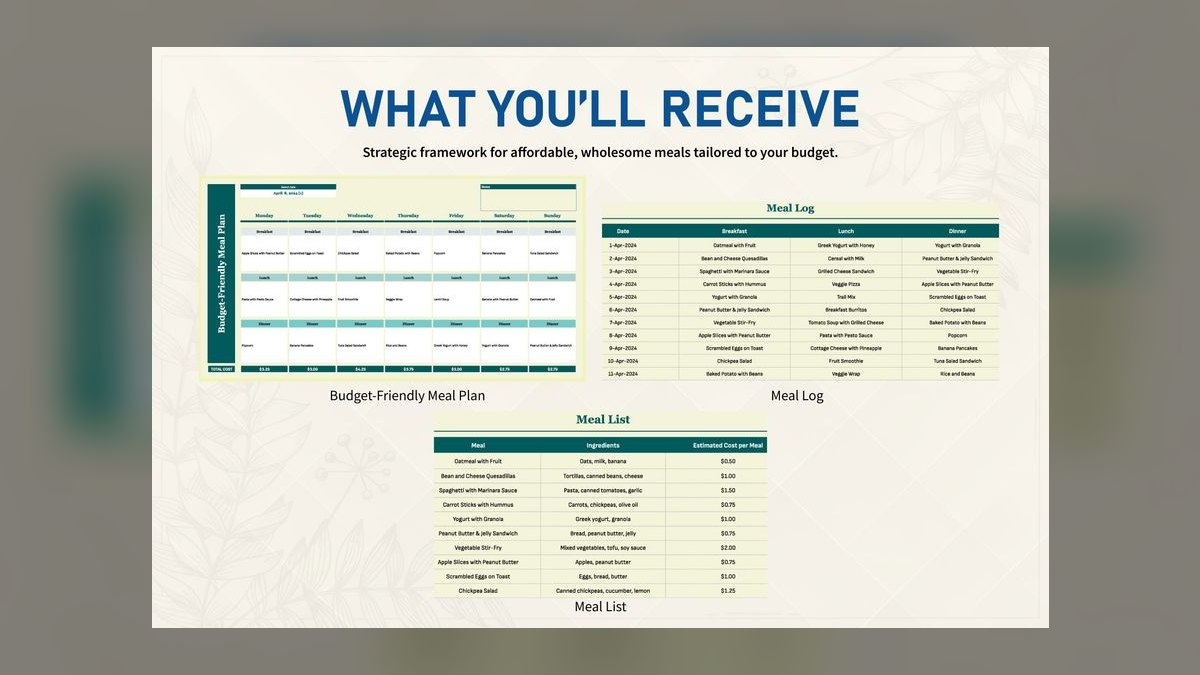
Destination price level. This is the single largest multiplier and it is not subtle. A sit-down dinner that costs the equivalent of $18 in a mid-priced Southeast Asian or Central European city can cost $65 in Copenhagen, Tokyo's fine-dining tier, or a major North American coastal city. Before you set any per-day number, anchor on the destination. The most reliable sources are current restaurant menus themselves — pull up five or six places you would plausibly eat at, on their own websites, and read the actual prices. Aggregators and cost-of-living indexes give you a rough band; menus give you the real number. Do this for the specific neighborhoods you will be in, because intra-city variation within a single metro is routinely 2x between a tourist district and a residential one twenty minutes away.
Meal count, not meal price. Travelers consistently underestimate how many eating events a day contains. A "three meals a day" assumption produces 21 line items for the week. The realistic count on a food trip is closer to 30–35, because food trips add tasting stops, market snacks, a pastry with morning coffee, a drink before dinner, and dessert somewhere else. If your per-meal estimate is right and your meal-count estimate is 30% low, your budget is 30% low. Count the events first.
Beverages. Alcohol is the most common single cause of a blown dining budget, because it is priced per unit and consumed in quantity, and because the mental accounting files it under "dinner" without adding it to dinner's estimate. Two glasses of wine can add 40% to 60% to the cost of a mid-tier meal. Coffee compounds quietly: three coffees a day for seven days at $4–6 each is $84–126 that most people never write down. Decide your beverage posture in advance — dry days, wine only at anchor meals, whatever fits — and give it its own line.
Tax and service. These vary enormously by country and they are not a rounding error. In much of the United States you are adding sales tax plus a tip in the 18–20% range, so a $60 menu price is realistically $75–78 out the door. In Japan, consumption tax is included in the displayed price and tipping is not practiced, so the menu price is close to final. In much of continental Europe, service is typically included and tipping is a small round-up rather than a percentage, but a per-person cover charge or a separate charge for water and bread can appear. In some countries a service charge of 10–15% is added automatically. Look up the convention for your specific destination and apply it as a fixed multiplier to your whole food line rather than trying to remember it restaurant by restaurant.
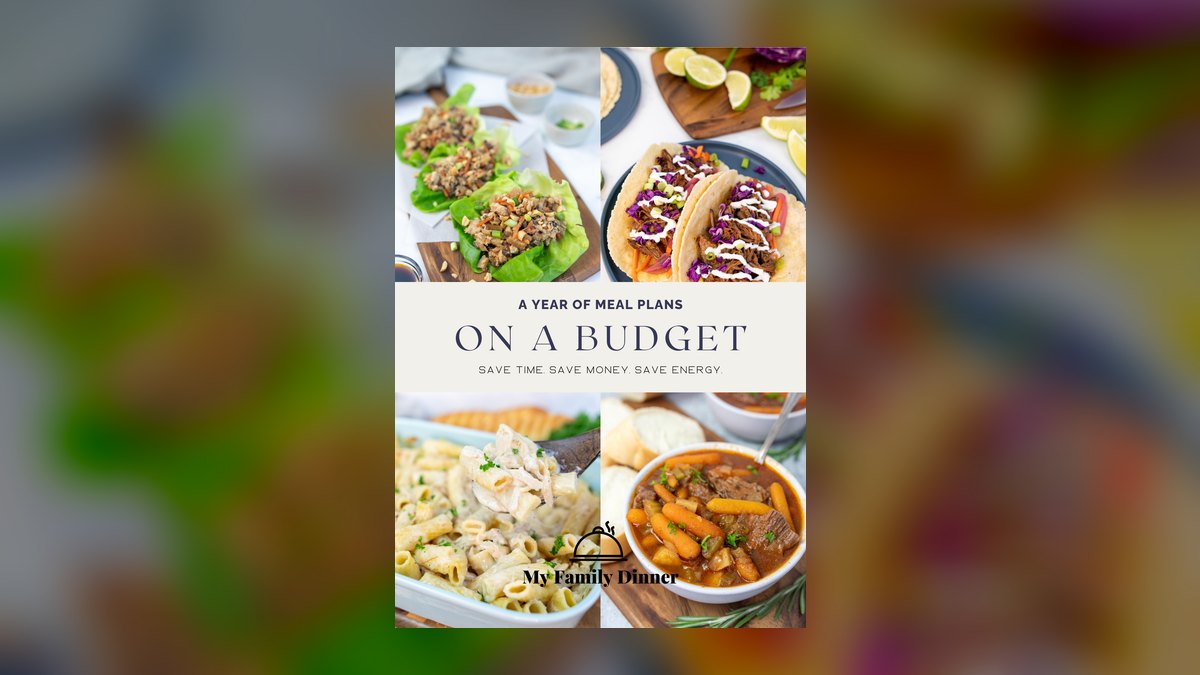
Group size and sharing. Per-person cost drops meaningfully when you can order across a table and share, because it lets you sample more dishes without buying full portions of each. It rises when you are solo at tasting-menu restaurants, some of which price effectively for two. A party of two to four is usually the most cost-efficient configuration for a food trip. Solo travelers should budget slightly above the per-person group figure, not below it.
Benchmarks and realistic ranges
Absolute numbers date quickly and vary by destination, so treat these as structural ratios and rough bands to sanity-check against live menu research — not as prices to copy.
The tier split. The 50/30/20 anchor-to-mid-to-snacks split is the workhorse. On a day with a $120 ceiling, that is roughly $60 for the anchor meal, $36 for the mid-tier meal, and $24 for everything else. The split works because it matches how food trips actually run: one meal you planned and traveled for, one meal that is good but incidental, and a tail of small purchases that always exists and is always underestimated. If you are on a trip built around several high-end reservations, the split shifts to something like 70/20/10 and you should expect several deliberately cheap days to fund it.
Day-type mix across a week. Do not budget seven identical days — nobody eats that way, and a flat plan collapses the first time you want a real dinner. A workable mix for seven days is two splurge days, three standard days, and two austerity days. If a splurge day runs 1.8x your average and an austerity day runs 0.5x, the mix lands close to your average while giving you two genuinely memorable meals. Assign the day types to the calendar in advance, and put an austerity day immediately after each splurge day — that adjacency is what makes the arithmetic hold, and it also gives your palate a break.

Fixed weekly line items. Some costs are weekly rather than daily and belong outside the per-day ceiling so they do not distort it. Budget separately for: arrival and departure day food, which is dominated by airport and transit pricing and often runs well above your city average; any prepaid experiences like food tours or cooking classes, which are typically booked and paid before you leave; and a grocery or market run on day one for water, breakfast items, and snacks, which reliably pays for itself by removing the most expensive marginal purchases from the rest of the week.
The buffer. Ten percent of the total envelope is the standard reserve, held explicitly and not spent by default. It exists for one thing: the restaurant you did not know about. Some travelers prefer 15% on a first visit to an unfamiliar city and 5% on a return trip where they already know the ground. Either is defensible. What is not defensible is zero, and what is worse than zero is a buffer you quietly spend on day two and then have to pretend still exists.
Pacing checkpoints. The useful checkpoints are end of day two and end of day four. By the end of day two you should have spent roughly 29% of the envelope; by the end of day four, roughly 57%. If you are more than about 10% above those marks, the correction is straightforward and should be made immediately rather than hoped away: convert one planned anchor meal into a mid-tier meal, or add one austerity day. Both moves are painless on day four and impossible on day six.
What to do with the leftover. If you finish day six under pace, spend the remainder deliberately on day seven rather than banking it. A budget that consistently underspends is miscalibrated, and an underspent food-trip budget represents meals you traveled for and did not eat. Note the variance and adjust the next trip's per-day figure downward.
Risks, edge cases, and failure modes
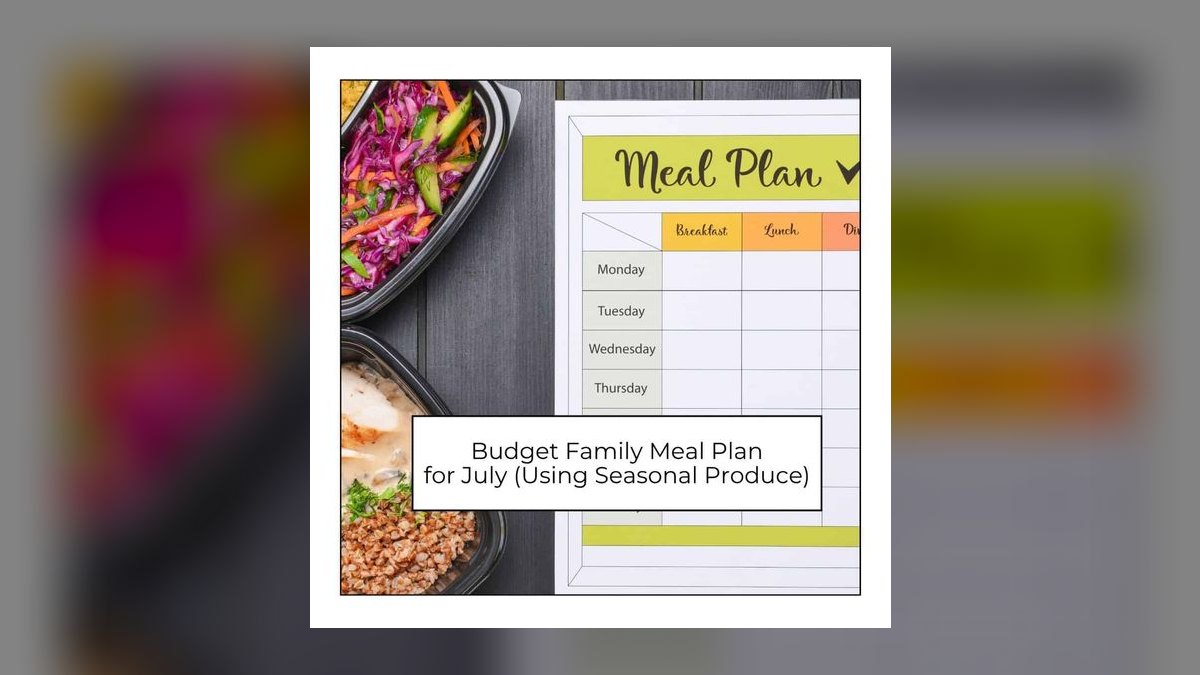
The reservation trap. High-demand restaurants often require booking weeks or months ahead, sometimes with a prepaid deposit or a full prepaid ticket. This is a genuine planning risk because it inverts the normal order: you commit the money before you have built the budget around it. The fix is to identify must-book restaurants first, price them, subtract them from the envelope as a fixed cost, and build the per-day ceiling from what remains. Also read the cancellation terms — a nonrefundable deposit forfeited because of a schedule change is a pure loss, and food trips have more schedule changes than people expect.
Currency and payment friction. If you are traveling internationally, the exchange rate you plan with and the rate you actually get differ. Card foreign-transaction fees are commonly around 3% unless your card waives them, and dynamic currency conversion — the terminal offering to charge you in your home currency — is consistently worse than declining and paying in local currency. ATM withdrawal fees stack similarly. None of these is large alone; together they can add several percent to your total food spend. Plan with a slightly conservative exchange rate and choose a card without foreign-transaction fees before you go.
Cash-only establishments. Many of the best-value food destinations — markets, street stalls, small family restaurants — do not take cards, and in some countries this is the norm rather than the exception. A traveler carrying only cards ends up eating at more expensive card-accepting places by default. Carry enough local cash for the cash-only tier, and account for the fact that cash spending is much harder to track, which is exactly why the nightly reconcile matters.

Portion mismatch and food waste. Ordering for a food trip is not ordering for a normal week. The failure mode is ordering full portions at four places in one day, being uncomfortably full by the second, and paying for food you do not eat. Where sharing is possible, share. Where a restaurant offers a half portion or a tasting size, take it. This is not a small effect — on a dedicated food day, disciplined ordering can cut spend 20–30% while increasing the number of things you actually taste.
Hidden charges. Cover charges per person, mandatory bread or table service fees, bottled water billed at restaurant markup, and automatic service charges on larger parties are all common and all invisible on the menu. Ask about water — in many places tap water is free and perfectly good, and in others it is not offered. On a week of dinners, water alone can be a meaningful line.
Dietary constraints. If someone in the party has an allergy, a religious dietary requirement, or is vegetarian or vegan, the set of viable restaurants narrows and the average price of that set usually rises, because specialized or accommodating restaurants are often in the mid-to-upper tier. Budget a premium for this rather than discovering it on arrival, and do the restaurant research before the trip rather than standing on a street corner filtering a map.
Illness and the wasted day. On a week-long food trip there is a real chance one day is lost to fatigue, a stomach upset, or a schedule that ran long. A lost day is not free — you still eat, just cheaply and unmemorably, and any prepaid reservation for that day is money gone. Do not build a plan that requires all seven days to execute perfectly.
The last-day cliff. Departure day is chronically under-budgeted. Airport food is expensive, options are limited, and you are often eating at an inconvenient hour. Give it a real line rather than assuming it away.
A practical rollout plan

Work this in five passes. The whole sequence takes about ninety minutes and most of it happens weeks before departure.
Pass one — set the envelope (do this first, before any research). Decide the total you are willing to spend on food for the week, as one number. Set it from what you can afford and what the trip is worth to you, not from a per-meal estimate — bottom-up estimating on food reliably produces a number 30% below reality because you forget the small purchases. Write the total down. Everything downstream is an allocation of this figure.
Pass two — research live prices (30 minutes, four weeks out). Pick eight to ten restaurants across the tiers you would realistically visit, in the neighborhoods you will actually be in, and read their current menus on their own sites. Record a representative main-course price for each. You now have a real price band for the destination instead of a guess. Note which ones require reservations and how far ahead, and note the local tax and tipping convention.
Pass three — carve out the fixed costs. Subtract from the envelope, in this order: must-book reservations including any deposits, prepaid food tours or classes, arrival and departure day food, and the day-one grocery run. What remains is your flexible dining pool. Divide it by the number of remaining days to get the working per-day ceiling. If that number looks uncomfortably low against the price band from pass two, this is the moment to fix it — cut a reservation, add an austerity day, or raise the envelope. Fixing it now is free; fixing it on day five is not.
Pass four — assign day types and tiers. Lay the seven days on a calendar and mark each as splurge, standard, or austerity, alternating so that no splurge day is followed by another. Within each day, apply the tier split and name the anchor meal specifically — an actual restaurant, not a placeholder. Book what needs booking. A day with a named anchor meal is a day you will not overspend on impulse, because the decision is already made.

Pass five — reconcile nightly (five minutes, on the trip). Each evening, total what you actually spent that day and compare it to cumulative pace, not to that day's ceiling. Single days will overshoot and that is fine; the cumulative line is what matters. If you are over pace, make the correction the next morning — one tier downgrade, one converted day type. If you are under, release buffer toward something you want. The reconcile is the entire control mechanism; a plan without it degrades into a number you once wrote down.
Related questions
How much should I budget per day for food while traveling?
Derive it, do not guess it. Take your total weekly food envelope, subtract fixed costs like prepaid reservations and travel-day meals, and divide the remainder by the days left. Sanity-check that figure against live menu prices in the neighborhoods you will actually be eating in.
Should I include alcohol in a dining budget?
Give it its own line rather than folding it into meal estimates. Alcohol is priced per unit and consumed in quantity, so two glasses of wine can add 40–60% to a mid-tier meal. A separate line makes the trade-off visible and lets you trade drinks for a better restaurant.
How do I keep a food budget on track mid-trip?
Reconcile nightly for five minutes against cumulative pace, not against the single day's ceiling. If you are more than about 10% over by day four, downgrade one planned anchor meal to mid-tier or convert a standard day to austerity. Early corrections are painless; late ones are not.
What is a realistic buffer for a food trip?
Ten percent of the total envelope, held explicitly and not spent by default. Fifteen percent is reasonable for a first visit to an unfamiliar city, five percent for a return trip. The buffer exists specifically to fund the restaurant you did not know about before you arrived.
Is it cheaper to eat as a group or solo?
Groups of two to four are usually the most cost-efficient, because sharing lets you sample more dishes without buying full portions of each. Solo travelers should budget slightly above the per-person group figure — some tasting menus effectively price for two, and sharing is unavailable.
FAQ
How far ahead should I start planning a week-long food trip budget?
Start about four to six weeks out, which is driven by reservations rather than by the budget itself. High-demand restaurants often open bookings weeks or months ahead, and if a must-visit place requires a prepaid deposit, that money is committed before you have built the rest of the plan. Doing the live-menu research and the fixed-cost carve-out at four weeks gives you time to book, and time to adjust the envelope if the researched prices come in above what you assumed.
Should I budget top-down from a total, or bottom-up from meal prices?
Top-down, then validate bottom-up. Setting the total first anchors you to what you can actually afford. Bottom-up estimating on food consistently lands about 30% low because people count three meals a day when a food trip involves closer to four or five eating events, and because coffee, water, snacks, and drinks never make it into the mental tally. Use bottom-up menu research as a check on the top-down number, not as the source of it.
How do I handle taxes and tipping in a foreign country?
Look up the convention for the specific destination and apply it as one fixed multiplier across your whole food line. Practices differ sharply: in much of the United States you add sales tax plus a tip in the 18–20% range; in Japan tax is included in the displayed price and tipping is not practiced; in much of continental Europe service is typically included and tipping is a small round-up. Some countries add a service charge automatically. Applying one multiplier is far more reliable than trying to remember the rule restaurant by restaurant.
What if I blow the budget in the first three days?
Do the correction immediately rather than hoping the back half runs cheap. Convert the remaining days to a heavier austerity mix, downgrade any un-booked anchor meals to mid-tier, and lean on markets and grocery breakfasts, which are the largest available savings. If you have a nonrefundable reservation later in the week, that money is already spent — plan the remaining days around it rather than cancelling and losing the deposit for nothing.
Does a day-one grocery run actually save money?
Usually yes, and the mechanism is not the grocery items themselves. Buying water, breakfast items, and snacks on arrival removes the most expensive marginal purchases from the rest of the week — the hotel coffee, the convenience-store water at tourist markup, the impulse pastry bought because you left without breakfast. It also protects your anchor meals, because arriving at a good restaurant genuinely hungry rather than half-full from filler food is the difference between the meal being worth its price and not.
How do I budget when someone in the party has dietary restrictions?
Budget a premium and do the restaurant research before you leave. Allergies, religious requirements, and vegetarian or vegan diets narrow the set of viable restaurants, and the accommodating ones often sit in the mid-to-upper tier. Filtering a map on a street corner while hungry is both stressful and expensive. Identify the viable places in advance, note their price levels, and adjust the per-day ceiling upward rather than discovering the gap on day two.
Sources
- https://www.nomadicmatt.com/travel-tips/how-to-travel-on-a-budget/
- https://www.consumerfinance.gov/consumer-tools/credit-cards/
- https://www.investopedia.com/terms/d/dynamic-currency-conversion.asp
- https://www.numbeo.com/cost-of-living/
- https://travel.state.gov/content/travel/en/international-travel.html
- https://www.usa.gov/tips-taxes
- https://www.nerdwallet.com/article/travel/travel-budget
- https://www.oecd.org/en/data/indicators/purchasing-power-parities-ppp.html
- https://www.bls.gov/cpi/
Related on PULSE
- How do I build a realistic weekly travel budget across lodging, transport, and food?
- What is the right way to set a per-day spending ceiling on a trip?
- How do I track trip spending without ruining the trip?
- When is a prepaid food tour worth the cost versus booking meals yourself?
- How do I decide which single meal to splurge on during a short trip?
- What should I budget for arrival and departure day food?
This page will be disappearing soon. Save it to your device for $1 — or read it free while it is here.
@Kory-White- · if Venmo asks, the last 4 of my number are 2012
This page is gone.
This one is off the shelf now. $1 keeps it on your phone for good — the whole page, pictures and diagrams included.
 diningTop 10 Steakhouses in North Carolina in 2027
 diningWhat is the best time of year to visit a steakhouse in Napa Valley in 2027?
 diningHow to save money on dining out in 2027
 diningTop 10 Steakhouses in Evansville in 2027
 diningTop 10 Places to Dine in Ann Arbor for Zingerman's-Style Reubens in 2027
 diningTop 10 Steakhouses in Overland Park in 2027
 pulse-recentTop 10 Steakhouses in Colorado in 2026
 diningTop 10 Steakhouses in Indiana in 2027
 diningTop 10 Steakhouses in Aurora in 2027
 diningTop 10 Steakhouses in Pawtucket in 2027