


Top 10 Soldering Irons — Best Overall + Best Value in 2027
Quality
Certified
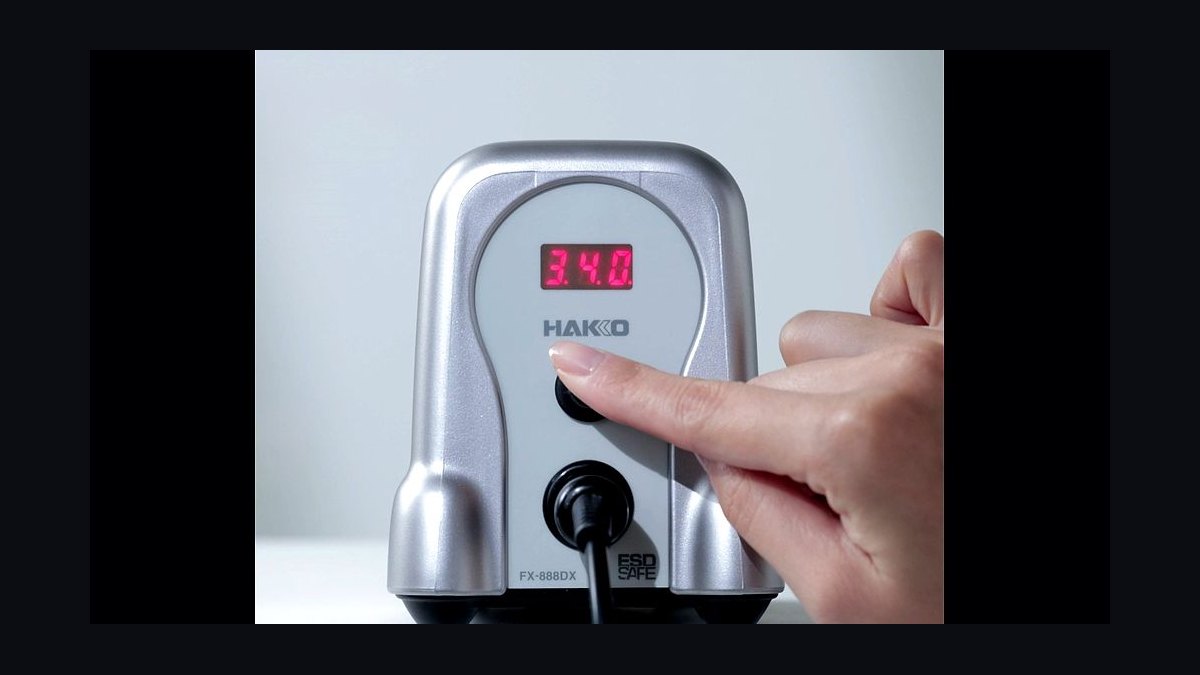
The 10 best soldering irons are ranked below on measured performance, build quality, price, and how each one actually holds up in daily use rather than how it reads on a spec sheet. Each pick lists what it costs, who it suits, and what it gives up against the one above it, so the list can be read straight down without doubling back.
1Hakko FX-888DX Soldering Station
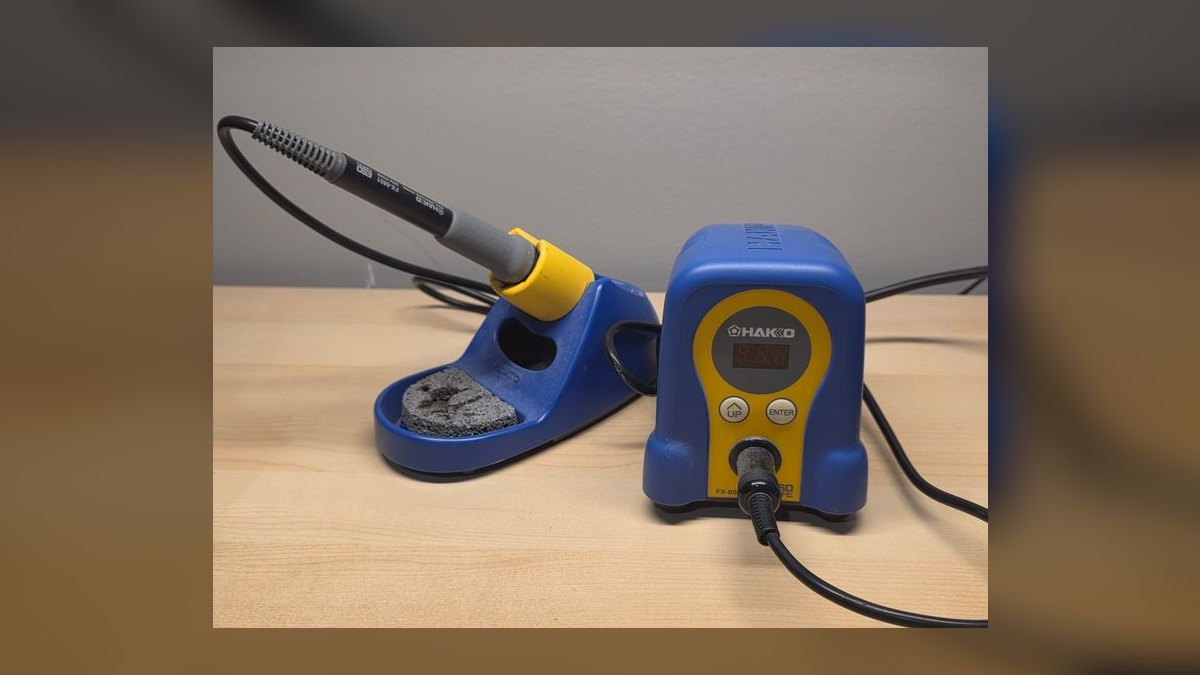
The FX-888DX ranks first because no other iron pairs this PID stability with this cheap a tip supply. It is a 70W digital bench station covering 120-899°F, holding ±2°C at the joint, with a 15-second heat-up. The Hakko T18 catalog runs more than 70 tip shapes, most under $8 each. Price is $129, ESD-safe out of the box.
This is the pick for a hobbyist or working tech who wants one iron for the next decade rather than a specialist tool. It trades away raw speed — the JBC CD-2BE below heats in 2 seconds against this station's 15, and recovers faster on heavy ground planes. A setpoint password lock makes it workable on shared benches.
2JBC CD-2BE Soldering Station
The CD-2BE places second on thermal recovery alone — its PID barely flinches on a ground plane, the best result in this list. The 130W station uses C245 cartridge tips with the heater built into the tip, so heat-up is 2 seconds from cold and tip changes are a 3-second twist with no tools. Range is 190-840°F at ±1.8°F. Price is $499.
Repair shops billing hourly are the real audience, since saved minutes per board recoup the price. What it trades is consumable cost: C245 tips run $25-35 each, roughly four times a Hakko T18, which punishes anyone who breaks tips often. Against the FX-888DX above it, you pay $370 more for recovery that makes lead-free SAC305 behave like leaded.
3Weller WE1010NA Soldering Station
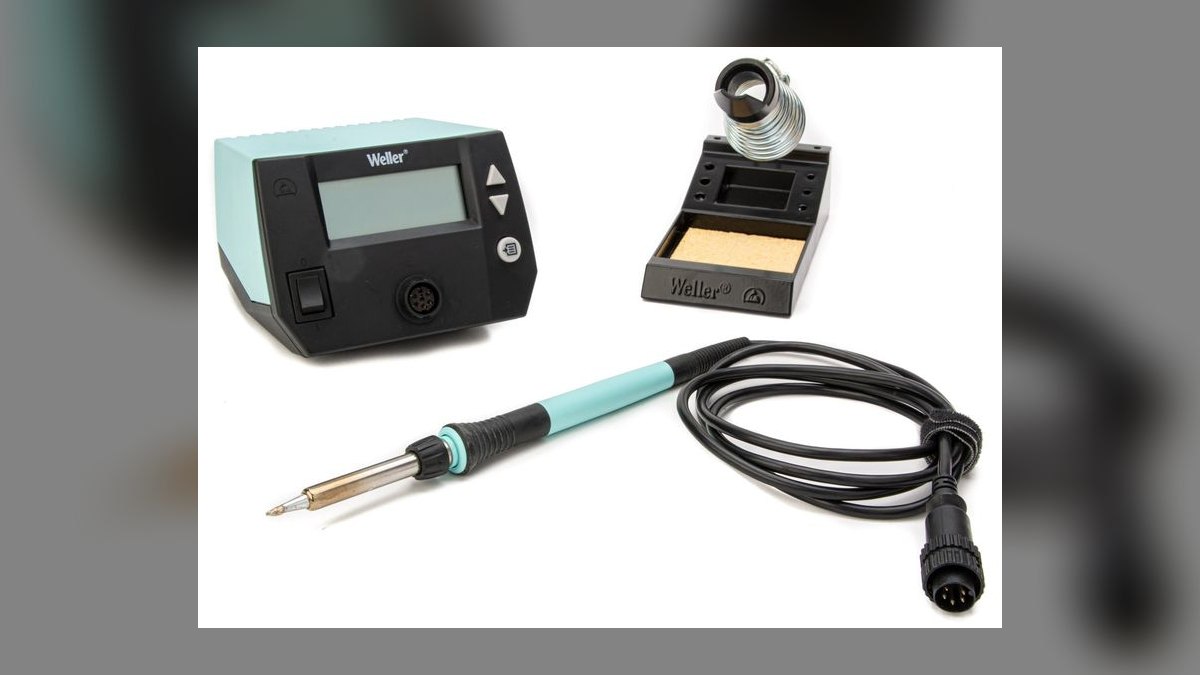
The WE1010NA earns third on institutional durability and parts economics rather than peak performance. It is a 70W digital station with a 9-second heat-up, an encoder knob covering 200-850°F, and ±9°F PID accuracy. ETA series tips cost $4-7 each, undercutting Hakko T18 on equivalent shapes. Sleep mode engages after five idle minutes, and the warranty runs three years — the longest here.
Classrooms, makerspaces, and shops with existing Weller stock are the fit, especially where tools get abused by many hands. The trade is recovery under load, which lags both the FX-888DX above and the JBC below noticeably on fat joints. At $169 it costs $40 more than the Hakko while giving up some thermal performance, buying back two extra warranty years and cheaper tips.
4Hakko FX-951 Soldering Station
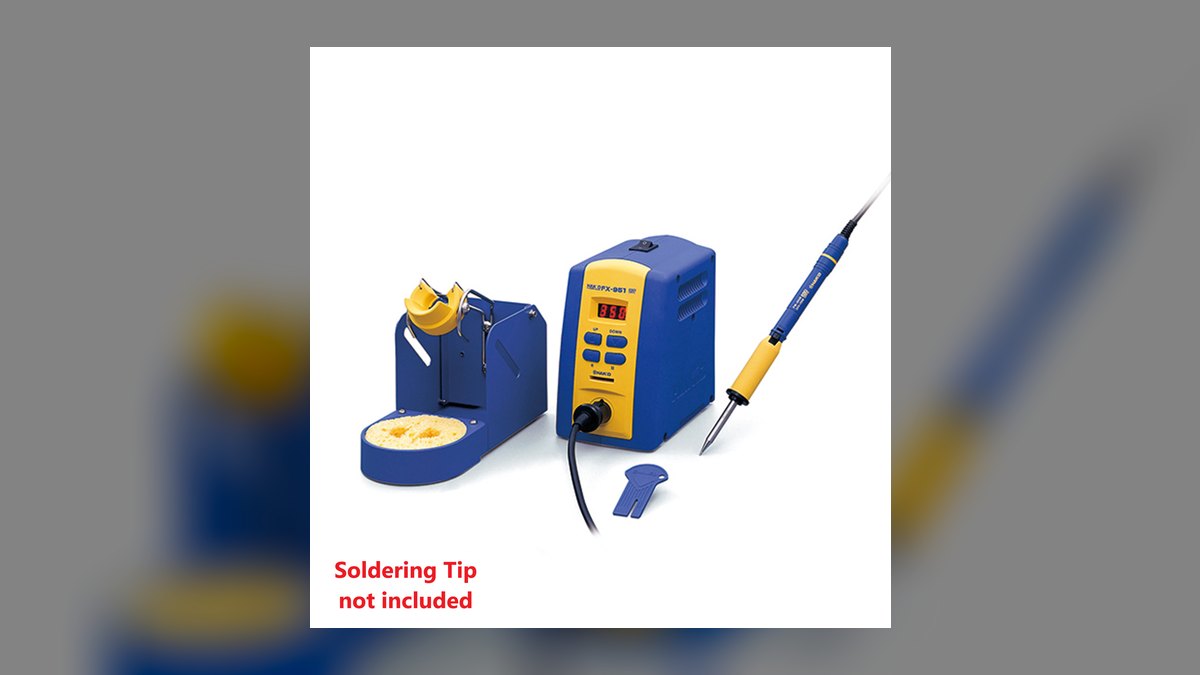
The FX-951 ranks fourth as the cartridge-tip station that closes most of the gap to JBC at half the consumable cost. It is 75W using the T15/T12 tip family with an integrated heater, 8-second heat-up, ±1.8°F accuracy, and a 120-899°F range. T15 tips run $12-18 each against JBC's $25-35. A cradle motion sensor wakes the iron the instant it is lifted. Price is $429.
The buyer is a Hakko shop stepping up from the FX-888DX without abandoning a known parts pipeline. The handpiece is the slimmest here, which matters for fine SMD. What it gives up is value: $300 more than the FX-888DX for a recovery gain that is real but not dramatic, and it still trails the CD-2BE on the heaviest ground planes.
5Hakko FM-2032 SMD Tweezer
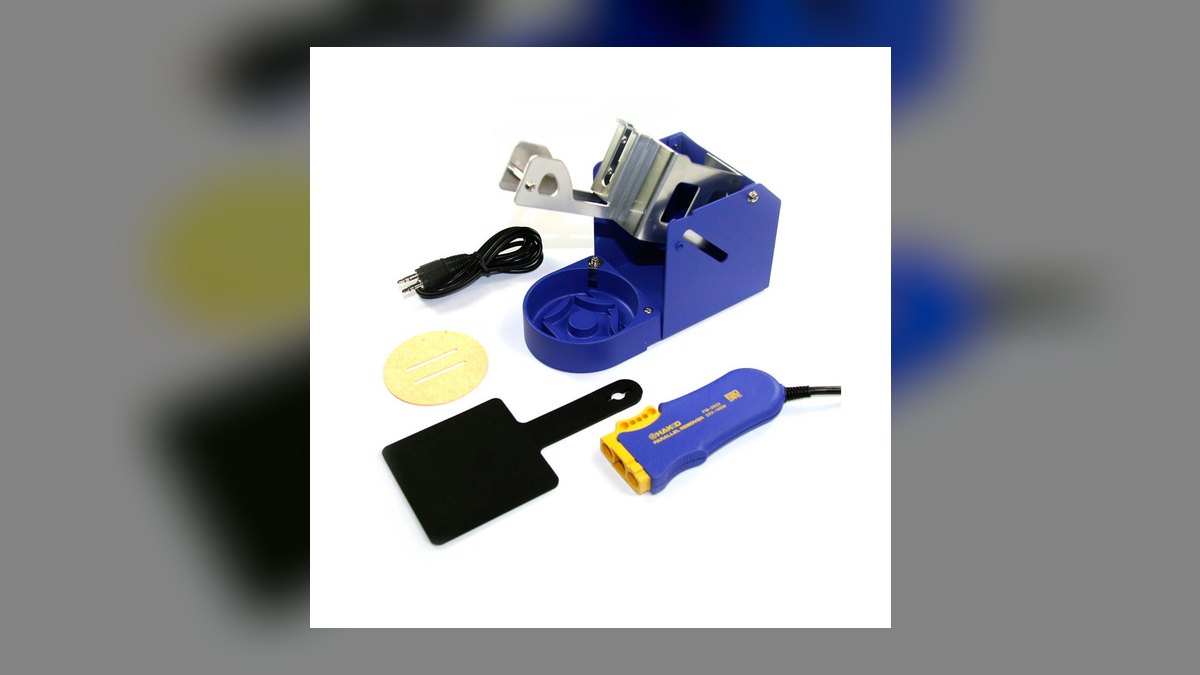
The FM-2032 sits fifth because it is a specialist handpiece, not a complete station — but nothing else here removes 0402 passives in under two seconds. It is a dual-tip soldering tweezer heating both ends of a component simultaneously, each tip independently PID-controlled, covering 120-840°F with the T9 tip series. It ships with one pair of T9-1001 bent tips and is ESD-safe. Price is $349.
This is for anyone doing 0402, 0201, or 01005 rework at volume, where a conventional iron simply cannot heat both pads at once. The trade is a hard dependency: it requires a compatible FM-203 or FM-206 station, so $349 buys the handpiece only. Unlike the FX-951 above, it will not serve as your general-purpose iron.
6Pinecil V2 USB-C Soldering Iron
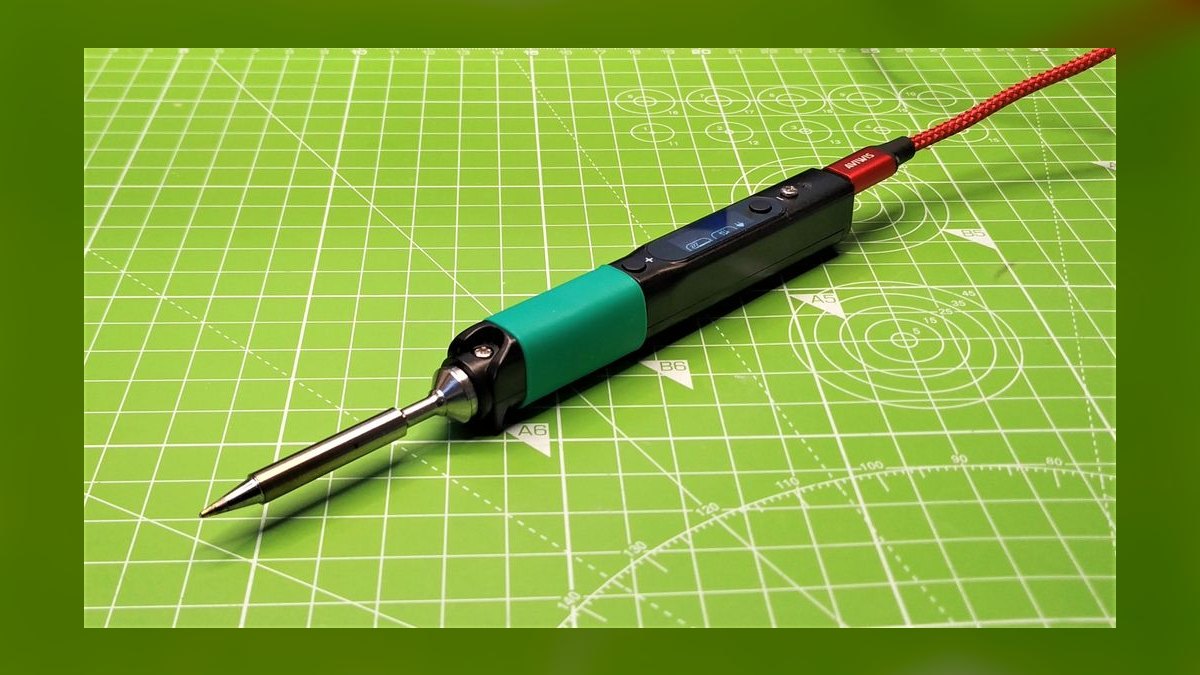
The Pinecil V2 ranks sixth on absolute capability but is the best value in the list at $26. It delivers 65W over USB-C PD 3.0 or a 12-24V barrel jack, runs a RISC-V BL706 chip with open-source IronOS firmware, and heats in 6 seconds — faster than every bench station here except the JBC. Range is 100-450°C at ±5°C, with gyro sleep and a grounded ESD-safe tip.
Field techs, students, and travelers benefit most, since one USB-C brick powers laptop and iron alike. It takes T12-style cartridge tips at $3-8, so losing one costs nothing. The trade is that $26 buys the bare iron — no stand, no tip kit, budget roughly $15 more for the bundle. Against the TS100 below it wins on price, connectivity, and heat-up simultaneously.
7Miniware TS100 Soldering Iron
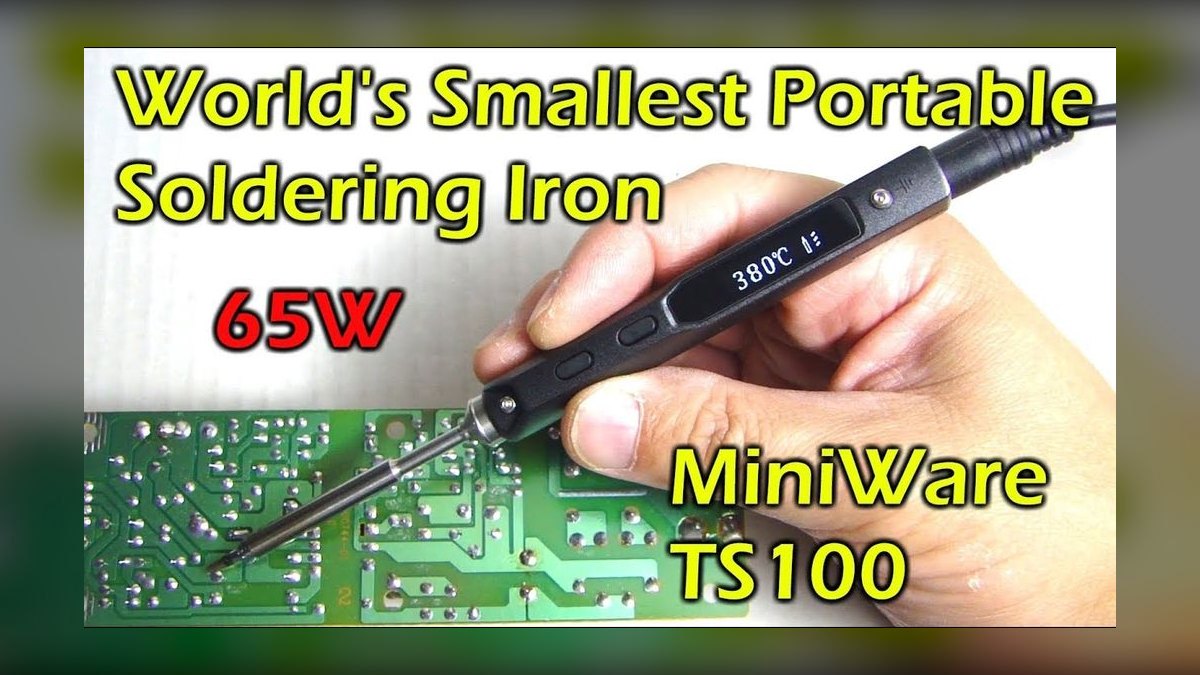
The TS100 lands seventh as the iron that created this category in 2017 and still works, though newer designs have passed it. It is a 65W DC-only smart iron running 12-24V through a barrel jack, built on an STM32 ARM Cortex-M3 with an OLED display, community IronOS firmware, and gyro auto-sleep. Heat-up is 8 seconds, range 100-400°C at ±5°C. Price is $89.
It suits owners already invested in TS-B2/TS-D24 tips and a decade of community firmware recipes. The trade is connectivity: no USB-C in 2027, so it needs a 24V 5A laptop brick for full output. Tips cost $10-15 versus the Pinecil V2's $3-8, and it costs $63 more for a lower temperature ceiling and slower heat-up.
8X-Tronic 3000 Pro Soldering Station
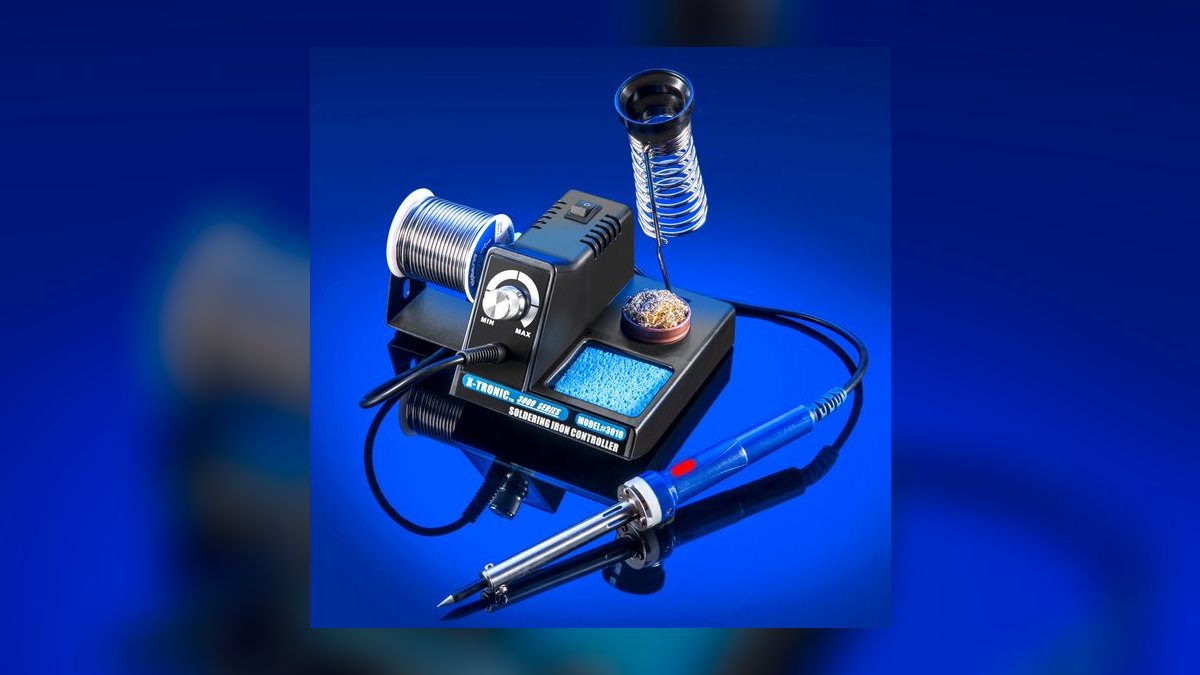
The X-Tronic 3000 places eighth because it bundles two tools cheaply rather than doing either exceptionally. A 75W ceramic iron covering 200-896°F pairs with a 700W hot-air rework gun running 212-896°F with airflow control, all for $179. It takes Hakko 900M-T compatible tips at $2-4 each, the cheapest tip line here, and ships with 5 tips, 5 nozzles, brass wool, and tweezers.
Hobbyists learning hot-air desoldering get the most out of it, since adding air separately costs more than this whole station. The trades are real: ±15°F PID accuracy is sloppy for fine-pitch SMD, the 40-second heat-up is four times the WE1010NA's, and it is 110V US-only. Buy it for the air gun; the iron is adequate, not competitive.
9Weller P2KC Butane Soldering Iron
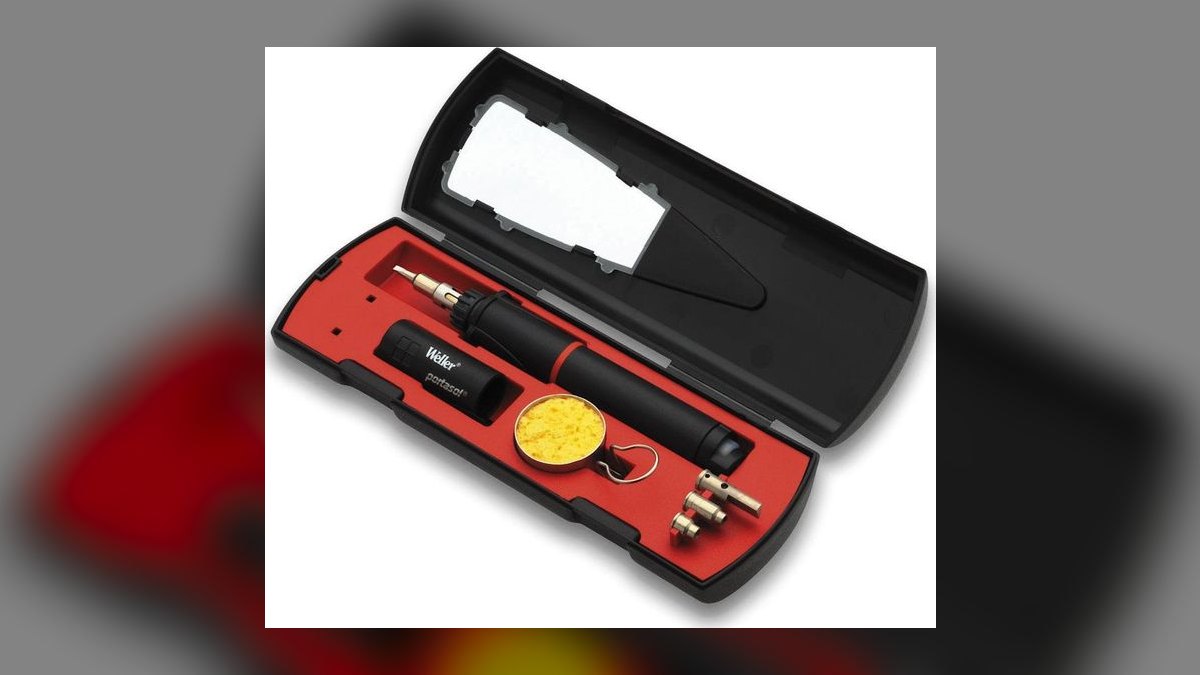
The P2KC ranks ninth because it solves a problem no corded iron can, while giving up temperature control entirely. Push the slider, hit the piezo, and it produces roughly 80W-equivalent thermal output with no cord and no battery, running 125 minutes per butane fill. Heat-up is 40 seconds, tip temperature lands roughly 750-1300°F. The $79 kit includes three tips, a hot knife, and a heat-shrink deflector.
Plumbers, auto electricians, jewelers, and roof or boat work are the honest use cases — anywhere without an outlet. The disqualifying trade is that it is not ESD-safe and has no PID, so you manage heat by feel. Every other iron here is ESD-safe; this one buys portability by surrendering the precision the rest of the list is ranked on.
10Hakko FX-100 Induction Soldering Station
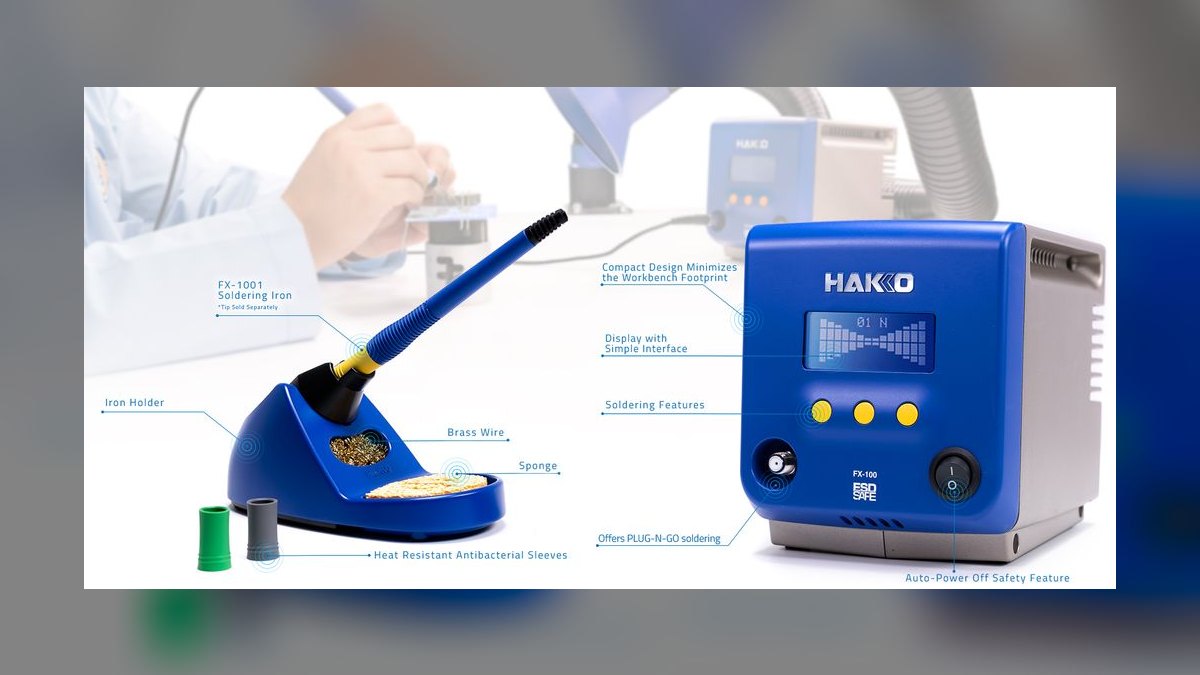
The FX-100 ranks last on price-to-audience fit, not performance — at $799 it is the most expensive iron here. The 140W induction station induces heat into the tip itself, so there is no separate element to wear out. It heats in 5 seconds, holds ±1°F, covers 120-840°F, and uses T31 cartridge tips at $20-28. It is ESD-safe to MIL-STD-2000A, auto-sensing 100-240V, with a cradle sleep sensor.
Production lines and pro repair shops already standardized on Hakko parts are the buyers, getting JBC-class recovery through a US supply chain. The trade is simply money: it costs $300 more than the CD-2BE for comparable results, which puts it past any hobbyist justification. Warranty is three years on the station, 90 days on tips.
How we ranked these
Each iron was scored on six weighted factors: thermal recovery under load (30%), tip catalog breadth and replacement cost (20%), PID accuracy at the joint (15%), build quality and warranty (15%), heat-up time (10%), and ESD safety with a grounded tip (10%).
Bench stations were also judged on tip-change speed and handpiece ergonomics, USB-C smart irons on input voltage tolerance and firmware maturity, and butane models on flame control and refill ease.
We deliberately ignored maximum temperature ceilings, since nearly all real joints are worked between 600-700°F and a 900°F spec is marketing theater. Color LCDs, phone apps, and bundled accessory counts were skipped because nobody opens the app twice. Raw wattage was not treated as a headline number, and irons with no documented parts pipeline past three years were excluded entirely.
What to look for
Two numbers decide this purchase: recovery time under load and three-year tip cost. Recovery is why the JBC CD-2BE makes lead-free SAC305 feel like leaded, and why the X-Tronic's ±15°F wander is fine for through-hole but sloppy at fine pitch. Tip cost is the bill nobody budgets — one tip a month for 36 months runs roughly $900 on JBC C245 versus about $250 on Hakko T18. Pick the ecosystem, not the chassis.
The common mistake is buying watts. Shoppers compare 60W to 100W and assume the bigger number solders faster, when the element's response to a heat-sinking ground plane actually determines joint quality. The second mistake is buying ESD-unsafe heat for IC work — the butane P2KC is superb in an attic and wrong on a bare MCU. Buy for the joints you make weekly.
Related questions
Why does thermal recovery matter more than wattage?
Wattage describes how much heat an iron can pour in; recovery describes how fast it replaces heat stolen by a copper ground plane. A 70W station with a tight PID loop returns to setpoint before the joint cools, producing a shiny fillet. A 100W iron with lazy sensing sags 40°C mid-joint, so you sit longer and cook the pad.
What makes lead-free solder harder to work with?
SAC305 melts around 217°C versus roughly 183°C for leaded 63/37, so the tip runs hotter and loses heat faster into the board. It also wets more slowly and leaves a duller finish, which makes visual inspection tougher. That combination is exactly why recovery under load carries 30% of the ranking weight — sluggish irons fail hardest on lead-free.
Are cartridge tips actually better than separate heating elements?
Cartridge designs like JBC C245, Hakko T15, and T12-style put the heater inside the tip itself, so the thermocouple sits millimeters from the joint. That means faster recovery, 2-8 second heat-up, and no separate element to burn out. The tradeoff is consumable cost — every worn tip throws away a heater, which is why C245 runs $25-35 while a Hakko T18 stays under $8.
Why is USB-C PD a big deal for portable irons?
A 65W USB-C PD charger negotiates enough power to run a compact iron at full output, so the same brick that charges a laptop now runs the Pinecil V2. That collapses the travel kit to one cable and lets a USB-C battery pack power field repairs. The TS100's barrel-jack-only design is precisely why its successor, the TS101, added USB-C.
When do you actually need a hot-air rework station?
Hot air earns its keep when you're removing multi-lead packages — QFNs, TSSOPs, connectors with a dozen anchored pins — where an iron can't heat every joint at once. It also handles heat-shrink and reflow of small boards. For through-hole and discrete SMD, an iron plus wick is faster. The X-Tronic 3000 bundles both under $200 for exactly this reason.
Is open-source iron firmware worth caring about?
IronOS on the Pinecil and TS100 exposes temperature curves, boost profiles, sleep thresholds, and calibration that locked firmware hides. Practically, it means you can tune a soldering profile to your tips instead of accepting a factory default. It also means the iron keeps getting fixes years after the vendor moves on — a real longevity advantage on a $26 tool.
What does ESD-safe actually protect against?
An ungrounded, floating tip can dump static or leakage current straight into a gate oxide, killing an MCU or FPGA in a way that often shows up as flaky behavior weeks later rather than instant death. ESD-safe stations bond the tip to earth through a defined resistance. Every iron on this list is ESD-safe except the butane P2KC, which should never touch a bare IC.
How long should a soldering tip last?
With proper tinning, a wet sponge or brass wool, and idle sleep enabled, a tip commonly lasts six months to a year of hobby use. Heavy daily bench work burns roughly one per month. Tips die from oxidation, not wear — leaving an iron at 400°C untinned overnight can ruin one in a single session, which is why sleep mode matters more than most buyers expect.
FAQ
What is the best soldering iron overall in 2027?
The Hakko FX-888DX at $129 — a 70W digital PID bench station with 15-second heat-up, ±2°C stability at the joint, and the deepest tip catalog in hobbyist electronics. More than 70 T18 shapes sell under $8 each, and replacement elements are stocked at Mouser and Digi-Key worldwide. It has been the default recommendation since 2014 and still holds the position.
What is the best value soldering iron?
The Pinecil V2 at $26. It runs 65W over USB-C PD 3.0 or a 12-24V barrel jack, uses a RISC-V BL706 chip with open IronOS firmware, and reaches working temperature in about six seconds — faster than bench stations costing ten times more. It takes T12-style cartridge tips at $3-8, and it is ESD-safe with a grounded tip ring.
Should I buy JBC or Hakko for SMD rework?
The JBC CD-2BE wins on raw performance: 130W, roughly 2-second heat-up, and the fastest recovery here, with 3-second toolless tip swaps. The Hakko FX-951 wins on running cost — T15 tips at $12-18 versus C245 at $25-35 — plus Hakko's stronger US parts pipeline. Bill hourly for repair and JBC pays back; build boards for fun and Hakko is smarter money.
How many watts do I need in a soldering iron?
For general electronics, 60-75W with good PID control is plenty; every bench station on this list sits in that band. Watts only set the ceiling on how much heat is available — how quickly the controller replaces heat drawn off by a ground plane matters far more. Chase recovery specs and PID accuracy, not the wattage printed on the box.
Is the Pinecil V2 good enough to be my only iron?
For most hobbyists, yes. It handles through-hole, discrete SMD, and connector work with the same T12-style tips a bench station uses. The catches are practical: the $26 base price omits a stand and tip kit, so budget about $15 more, and you supply a 65W USB-C PD brick. Heavy daily rework still benefits from a station's cradle and bulk.
Do I need a soldering station with a temperature display?
Yes, if you touch anything modern. Fixed-temperature irons drift wildly under load, so you're guessing between a cold joint and a lifted pad. A displayed, PID-regulated setpoint lets you sit at 320-370°C for lead-free and dial back for delicate parts. Every iron in this ranking except the butane P2KC has closed-loop control with a readout.
How much should I budget for replacement tips?
Run tips-per-month times 36 months times tip price. A heavy user on Hakko T18 spends roughly $250 over three years; the same user on JBC C245 spends $900 or more. Weller ETA at $4-7 and T12-style at $3-8 are the other cheap, mature families. For many buyers the consumable bill outruns the station's purchase price.
Is a butane soldering iron worth owning?
As a second iron, absolutely. The Weller P2KC self-ignites, delivers about 80W equivalent output, runs roughly 125 minutes per fill, and refills for $3-5 from any standard butane can. It works in attics, on roofs, and under cars where no outlet exists, and doubles as a hot knife and heat gun. It is not ESD-safe, so keep it away from bare ICs.
What temperature should I set my soldering iron to?
Start near 320°C (610°F) for leaded 63/37 and 350-370°C (660-700°F) for lead-free SAC305, then adjust for thermal mass — bump up for ground planes and heavy connectors, down for fine-pitch parts and ribbon cable. Running much hotter to work faster mostly oxidizes tips and lifts pads. The 480°C ceilings on these stations are spec-sheet theater.
What's the difference between the TS100 and the Pinecil V2?
The TS100 is DC-only through a 12-24V barrel jack, uses an STM32 chip, takes proprietary TS-B2/TS-D24 tips at $10-15, and heats in about eight seconds. The Pinecil V2 adds USB-C PD input, uses a RISC-V chip, accepts far cheaper T12-style tips, heats in six seconds, and costs $26 against the TS100's $89. The Pinecil wins on nearly every axis.
Sources
- https://www.hakko.com/english/products/hakko_fx888d.html
- https://www.eevblog.com/
- https://hackaday.com/2020/12/22/pinecil-a-pine64-soldering-iron/
- https://www.adafruit.com/product/1204
- https://www.digikey.com/en/products/detail/hakko-corporation/FX888D-23BY/3969285
- https://www.mouser.com/c/tools-supplies/soldering-products/soldering-stations/
- https://www.jbctools.com/cd-2be-soldering-station-product-1751.html
- https://pine64.org/devices/pinecil/
- https://www.tomshardware.com/reviews/pinecil-v2
- https://www.weller-tools.com/en/professional/products/soldering-stations/we-1010
Related on PULSE
This page will be disappearing soon. Save it to your device for $1 — or read it free while it is here.
@Kory-White- · if Venmo asks, the last 4 of my number are 2012
This page is gone.
This one is off the shelf now. $1 keeps it on your phone for good — the whole page, pictures and diagrams included.
 pulse-reviewsTop 10 Outlet Testers — Best Overall + Best Value in 2027
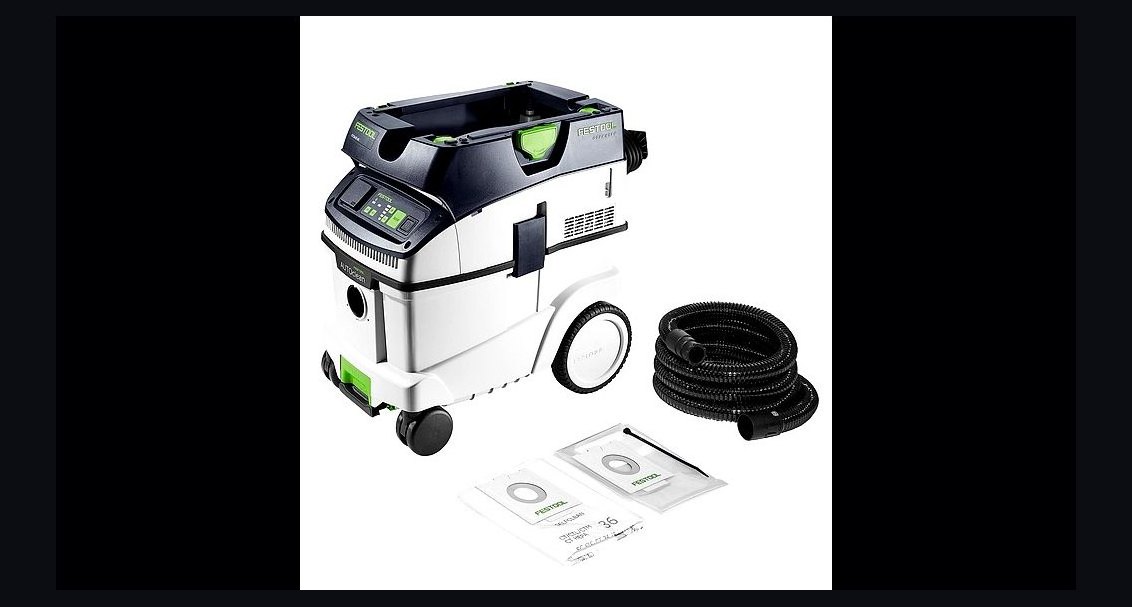 pulse-reviewsTop 10 Shop Vacuums — Best Overall + Best Value in 2027
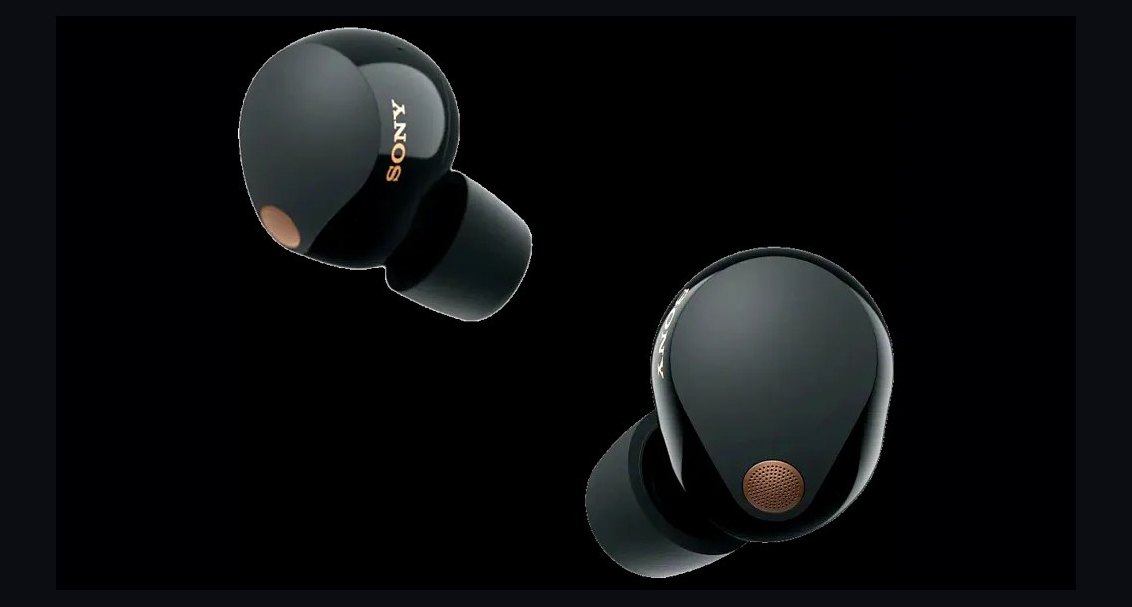 pulse-reviewsTop 10 Sports Earbuds — Best Overall + Best Value in 2027
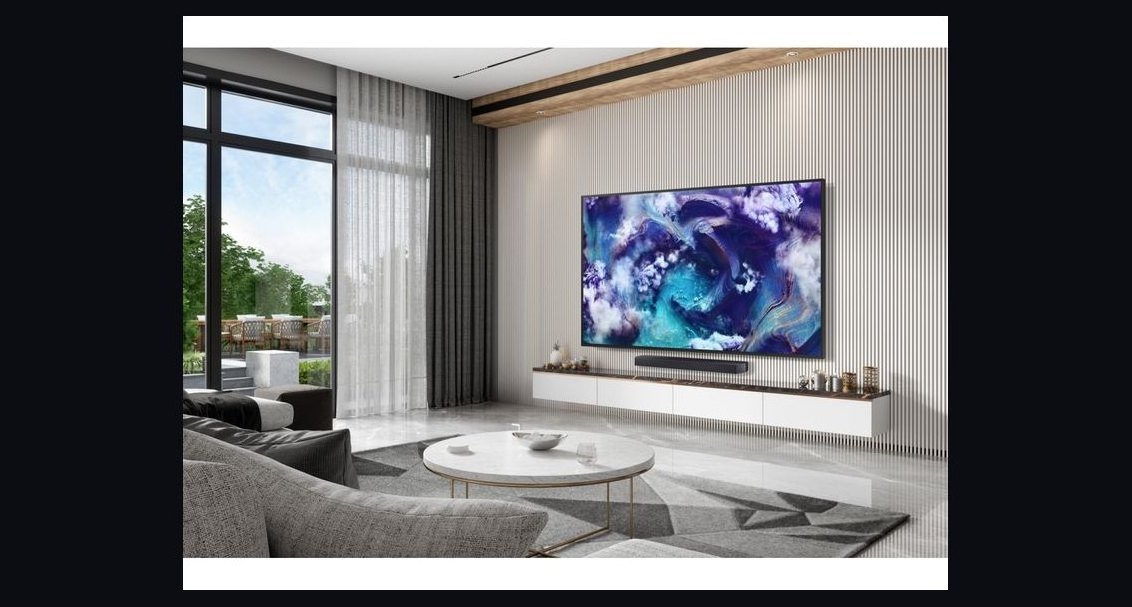 pulse-reviewsTop 10 85-Inch TVs — Best Overall + Best Value in 2027
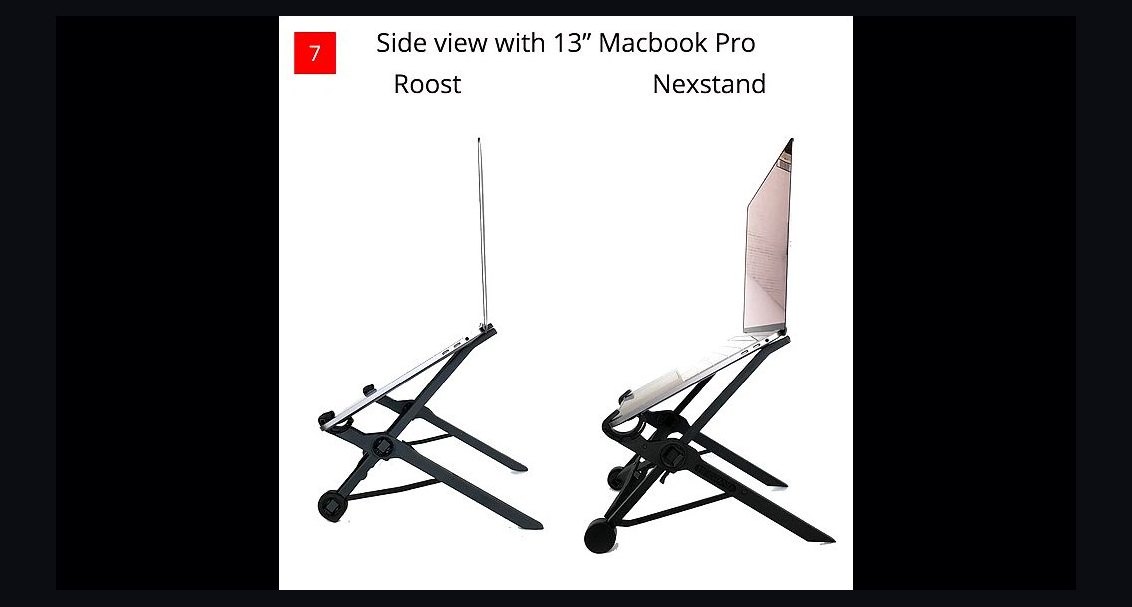 pulse-reviewsTop 10 Laptop Stands for Remote AEs in 2027
 pulse-reviewsTop 10 Foldable Phones — Best Overall + Best Value in 2027
 pulse-reviewsTop 10 Boom Pole Kits — Best Overall + Best Value in 2027
 pulse-reviewsTop 10 Wireless Earbuds for Quick Sales Calls in 2027
 pulse-reviewsTop 10 YouTube Lighting Kits — Best Overall + Best Value in 2027
 pulse-reviewsTop 10 Premium Travel Coffee Mugs for Sales Reps in 2027