


Top 10 Wireless Earbuds for Quick Sales Calls in 2027
Quality
Certified
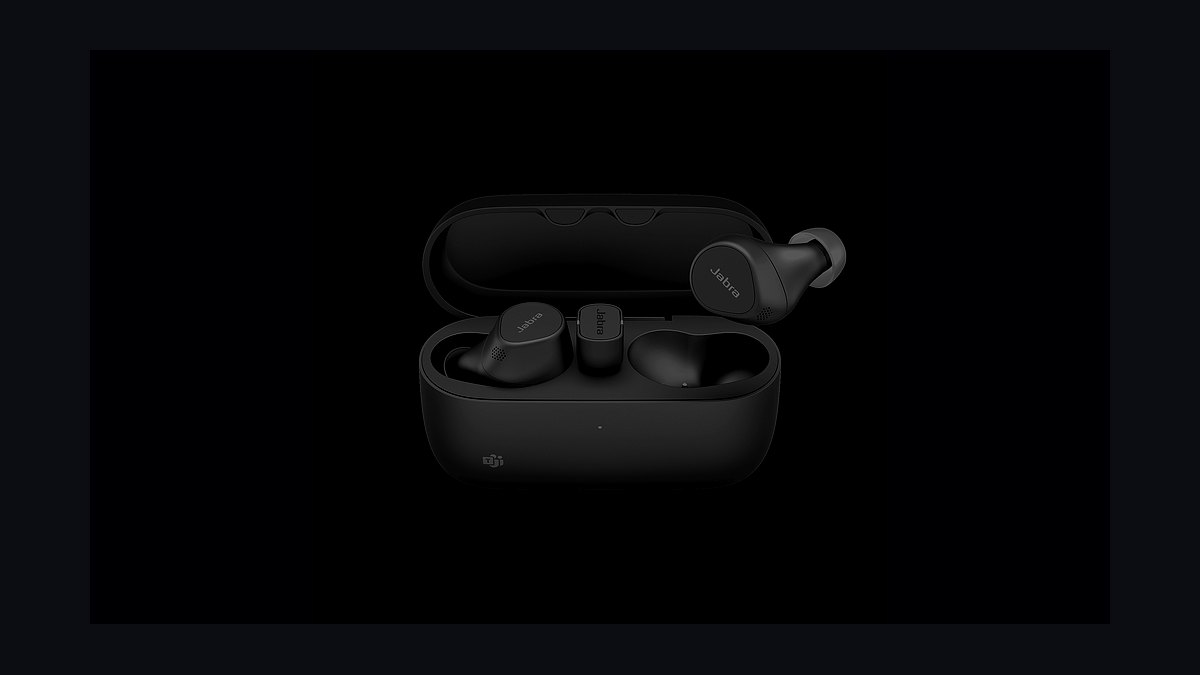
The 10 best wireless earbuds for quick sales calls are ranked below on measured performance, build quality, price, and how each one actually holds up in daily use rather than how it reads on a spec sheet. Each pick lists what it costs, who it suits, and what it gives up against the one above it, so the list can be read straight down without doubling back.
1Jabra Evolve2 Buds
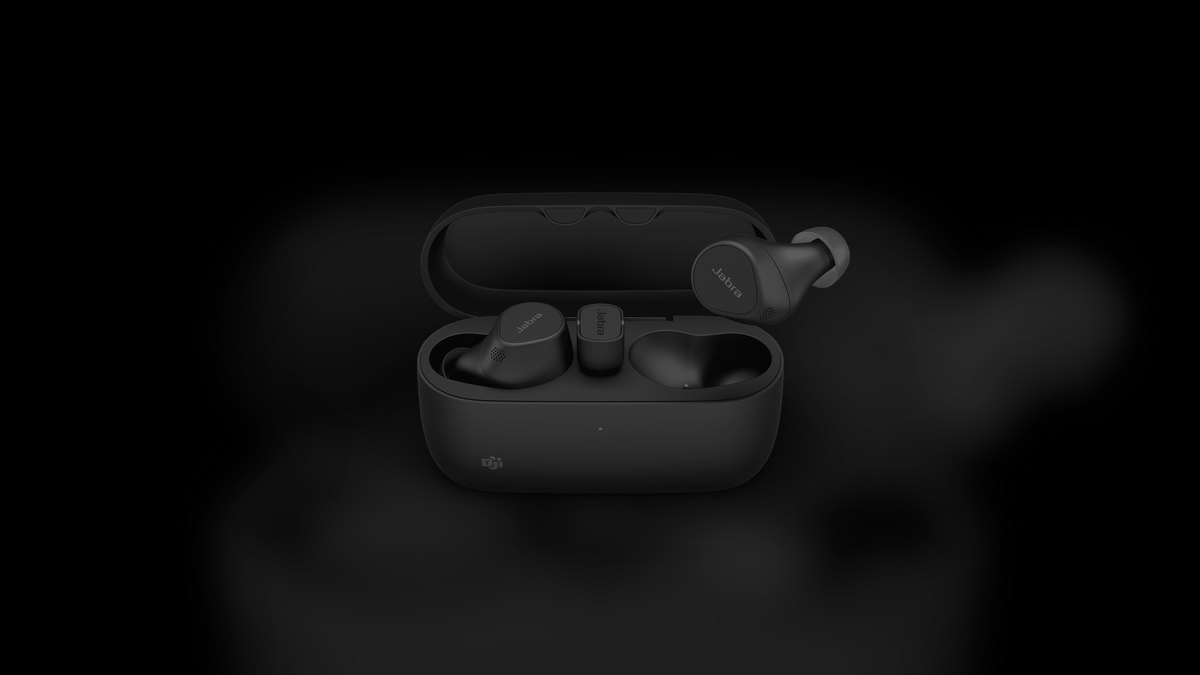
Ranked first because it is the only bud here combining a bundled Jabra Link 380 USB dongle, Microsoft Teams and Zoom certification, and a bone-conduction MultiSensor Voice sensor alongside four beamforming mics. At $299 it delivers 5 hours per bud with ANC and 33 hours from the wireless charging case. The dongle bypasses flaky laptop Bluetooth stacks entirely. Jabra Direct gives IT remote firmware management.
Built for AEs, BDRs, and CS reps burning 4-6 hours of Teams or Zoom daily on a corporate laptop. It trades away music tuning and consumer polish — this is a call device first, and the sound signature reflects that. Against the AirPods Pro 3 below it, the Jabra gives up seamless Apple handoff and a heart-rate sensor, but wins on jawbone voice pickup in a loud open office.
2Apple AirPods Pro 3
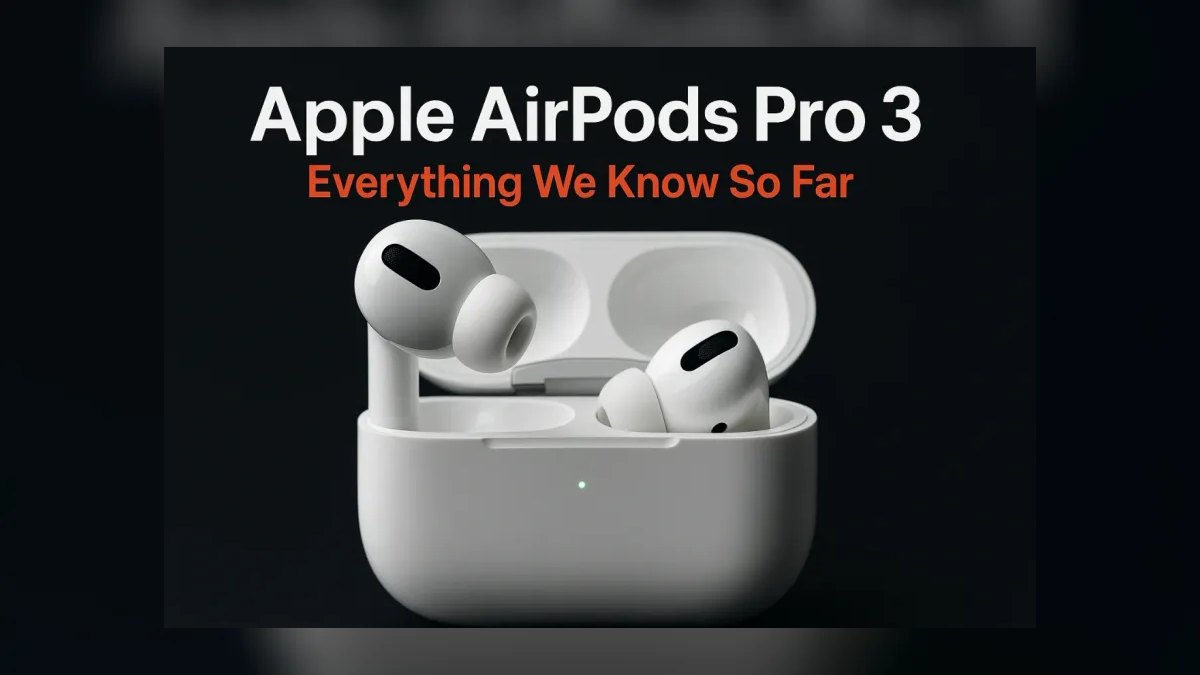
Second place goes to the H3 chip's Voice Isolation, the strongest voice processing available in a non-enterprise earbud. At $249 it runs ultra-low-noise mics with foam-infused eartips for passive isolation, 6 hours per bud with ANC, and 30 hours from the MagSafe case. IP57 sweat resistance and a heart-rate sensor come standard. Adaptive Audio and Conversation Awareness handle transitions automatically.
This is for reps whose entire stack is Apple — iPhone, M-series MacBook, Apple Watch — where instant pairing replaces dongles and IT setup. What it gives up is exactly what keeps the Jabra Evolve2 Buds above it: no Microsoft Teams certification, no IT manageability layer, no bundled dongle. Start a Zoom on the MacBook and finish it on the iPhone walking to your car without dropping a sentence.
3Poly Voyager Free 60+ UC
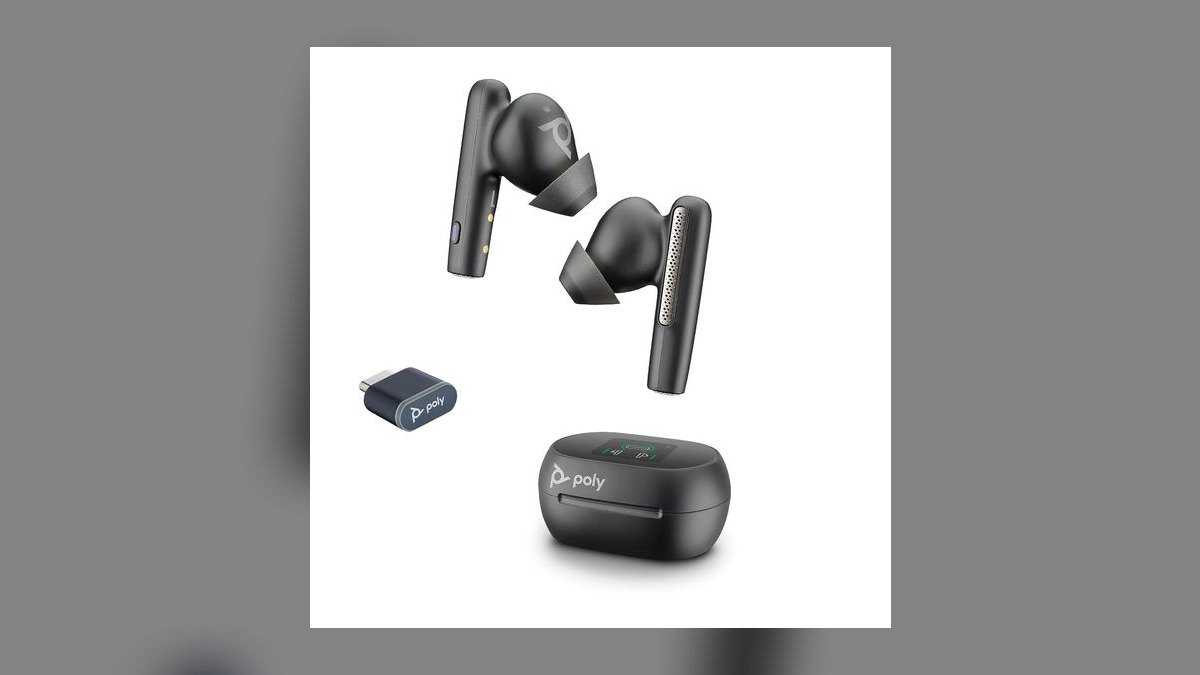
Third because the OLED touchscreen smart case is unmatched — mute, adjust volume, and pair without touching your phone. At $329 it runs a 3-mic windsmart hybrid array with Acoustic Fence, includes the BT700 USB dongle, and carries certification for Microsoft Teams, Zoom, Google Meet, and Cisco Webex. Battery is 5.5 hours per bud, 16 hours total with the case.
Aimed at enterprise orgs already standardized on Poly, plus road warriors who want to mute from the case on a noisy plane. The 16-hour case total is the weakest here and it costs $30 more than the Jabra Evolve2 Buds while lacking bone conduction — that voice-clarity gap in loud rooms is why it sits below Jabra. Poly Lens handles remote firmware for IT.
4Sony WF-1000XM5
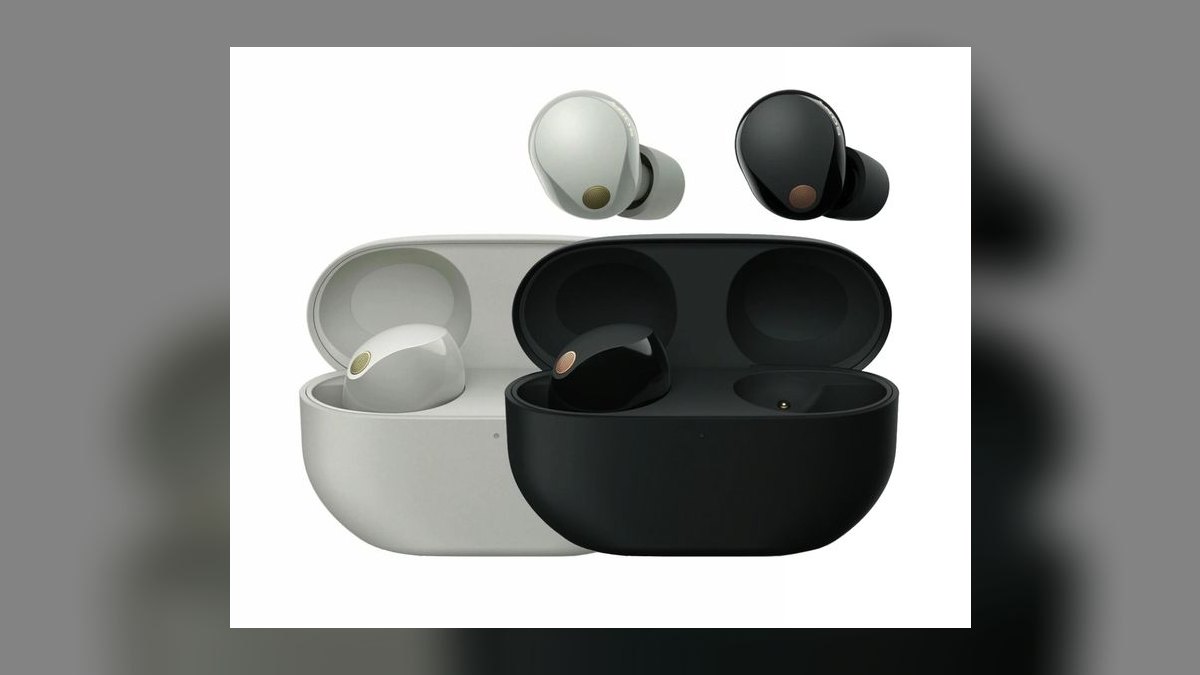
Fourth for the most aggressive active noise cancellation in true wireless, driven by the Integrated Processor V2 and Dynamic Driver X. At $299 it carries three mics per side plus a bone-conduction sensor and AI noise reduction trained on over 500 million voice samples. Battery runs 8 hours per bud with ANC, 24 hours with the case. LDAC, LE Audio, and Auracast are supported.
Built for field reps calling from airports, rideshares, and trade-show floors where cabin rumble matters more than IT deployment. It trades away Teams certification, a dongle, and any management console — this is a consumer flagship. Raw mic intelligibility sits a hair behind the Jabra and Apple picks above it, but nothing on this list rejects ambient noise better.
5Bose QuietComfort Ultra Earbuds
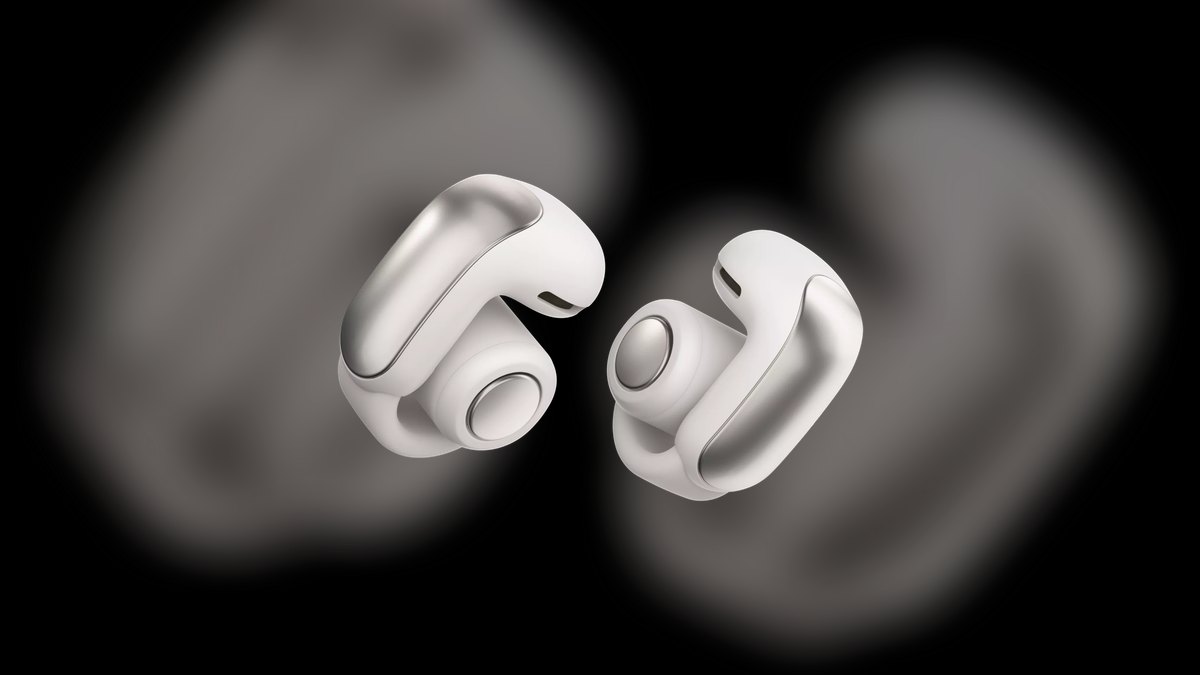
Fifth on the strength of fit: Bose Stability Bands win long-wear comfort testing at RTINGS and Wirecutter, and CustomTune runs a calibration tone at every insertion to tune ANC to your ear canal. The 2nd Gen costs $299, uses four mics per side with adaptive beamforming, and delivers 6 hours per bud with ANC plus 24 hours from the case.
The pick for sellers running five or more back-to-back discovery calls who need buds that vanish in the ear across an 8-hour shift. What it trades is microphone performance in heavy wind, where the Sony WF-1000XM5 above it pulls clearly ahead despite similar pricing. Immersive Audio with head tracking is a music feature, not a call feature — do not pay for it expecting better intelligibility.
6Soundcore Liberty 5
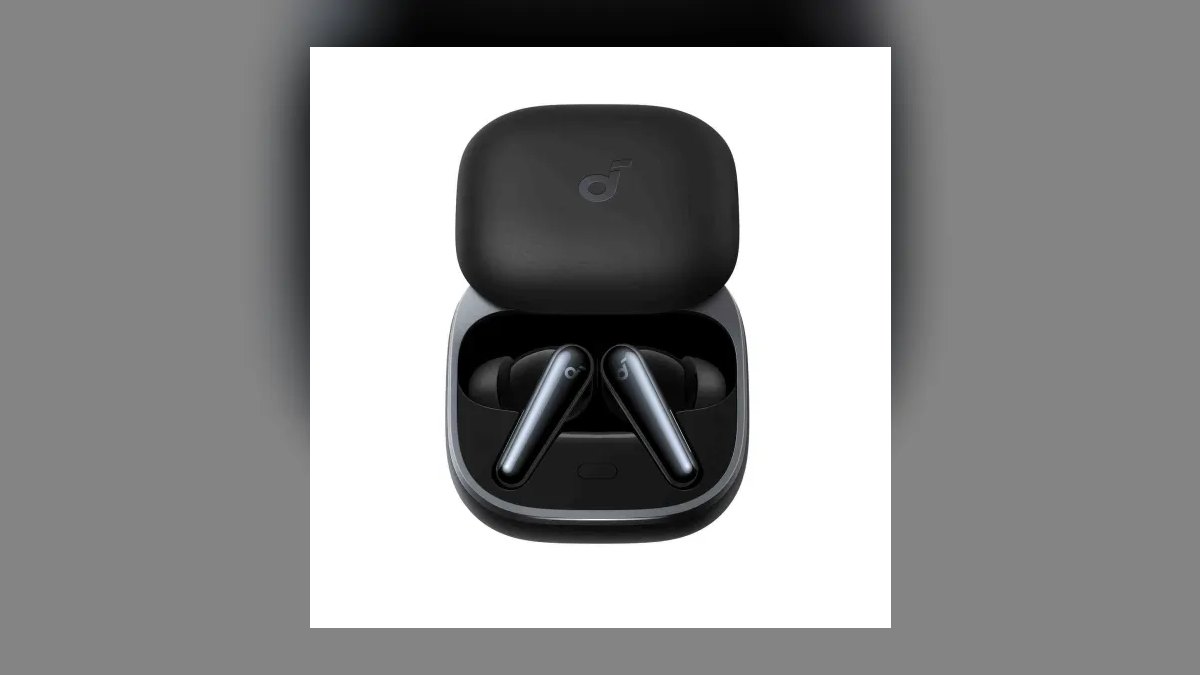
Sixth and the best value on this list at $129.99, with six AI-tuned mics, a wind-resistant algorithm, and adaptive ANC that re-tunes every 0.3 seconds. Battery is 12 hours per bud with ANC off and 48 hours total with the case — a full sales week between charges. Pinch-to-mute is customizable in the Soundcore app. Dolby Audio is included.
This is the answer for a manager kitting out a 10-rep BDR floor under $1,500, or any IC unwilling to lose $300 buds at an airport bar. It gives up dongle connectivity, UC certification, and IT management entirely. Against the Bose above it, you save $169 and lose fit refinement and ANC depth, but the mic array holds its own on intelligibility.
7Jabra Elite 10 Gen 2
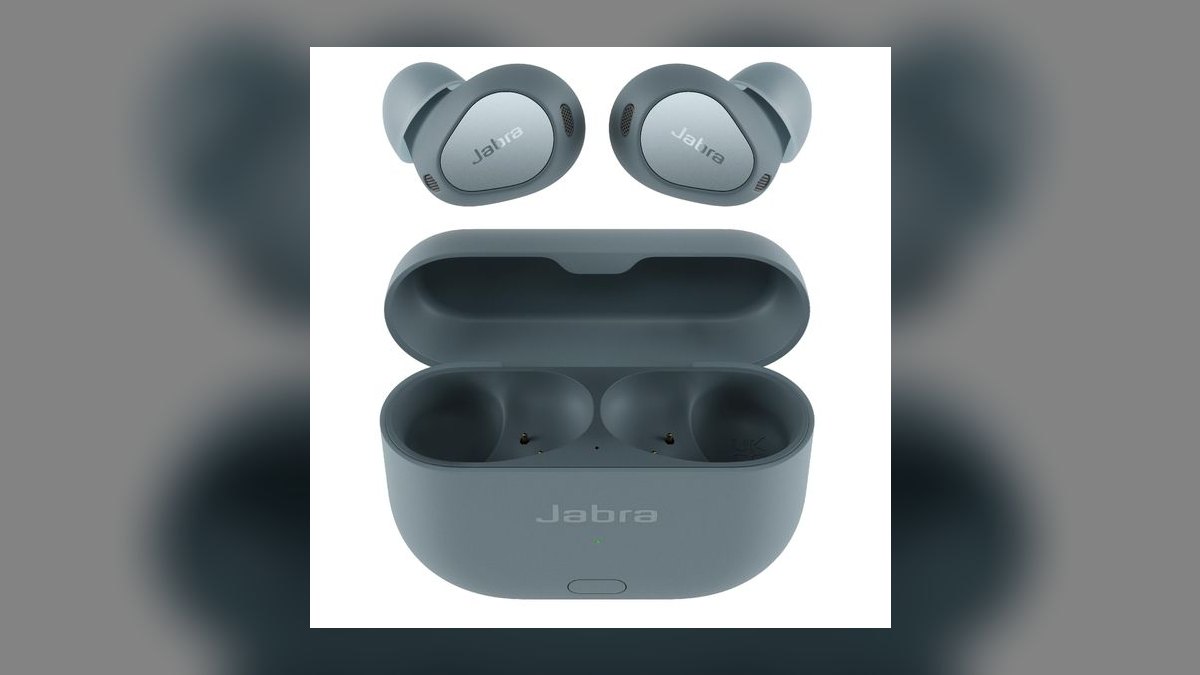
Seventh because it shares call DNA with the Evolve2 Buds — six mics running ClearVoice 2 — while adding Dolby Atmos with head tracking for after-hours listening. At $279.99 it delivers 6 hours per bud with ANC, 36 hours with the case, IP57 durability, and Advanced ANC 2.0 rated twice as strong as the first generation. It earned Editor's Choice at Tom's Guide and Android Central in 2026.
For reps who want one bud for work calls and personal music rather than two devices. It drops the Teams certification and the Link 380 dongle that put the Evolve2 Buds at number one, so laptop connections run on plain Bluetooth. Priced $150 above the Soundcore Liberty 5 for better ANC, spatial audio, and build.
8Technics EAH-AZ80
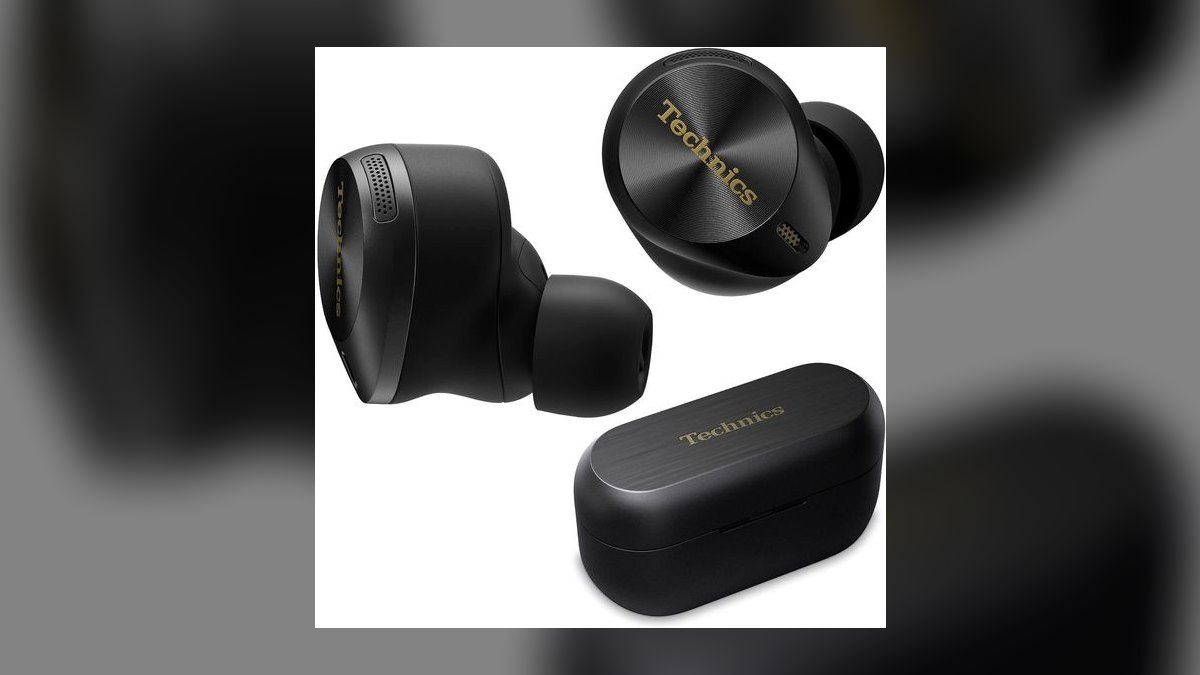
Eighth for three-device Bluetooth multipoint, which no other earbud here matches — every rival tops out at two. At $199.99 it runs an 8-mic JustMyVoice beamforming array, the largest count on this list, with 10mm aluminum drivers and LDAC hi-res support. Battery is 7 hours per bud with ANC and 24 hours from the case. RTINGS named it their top pick in 2026.
Built for sellers juggling a corporate Windows laptop, a personal iPhone, and an iPad for demos simultaneously. ANC is less aggressive than the Sony or Bose picks above it, so loud cabins and trade-show floors are not its strength. Against the Jabra Elite 10 Gen 2, you save $80 and gain a mic and a device slot, losing spatial audio and IP57.
9Samsung Galaxy Buds 3 Pro
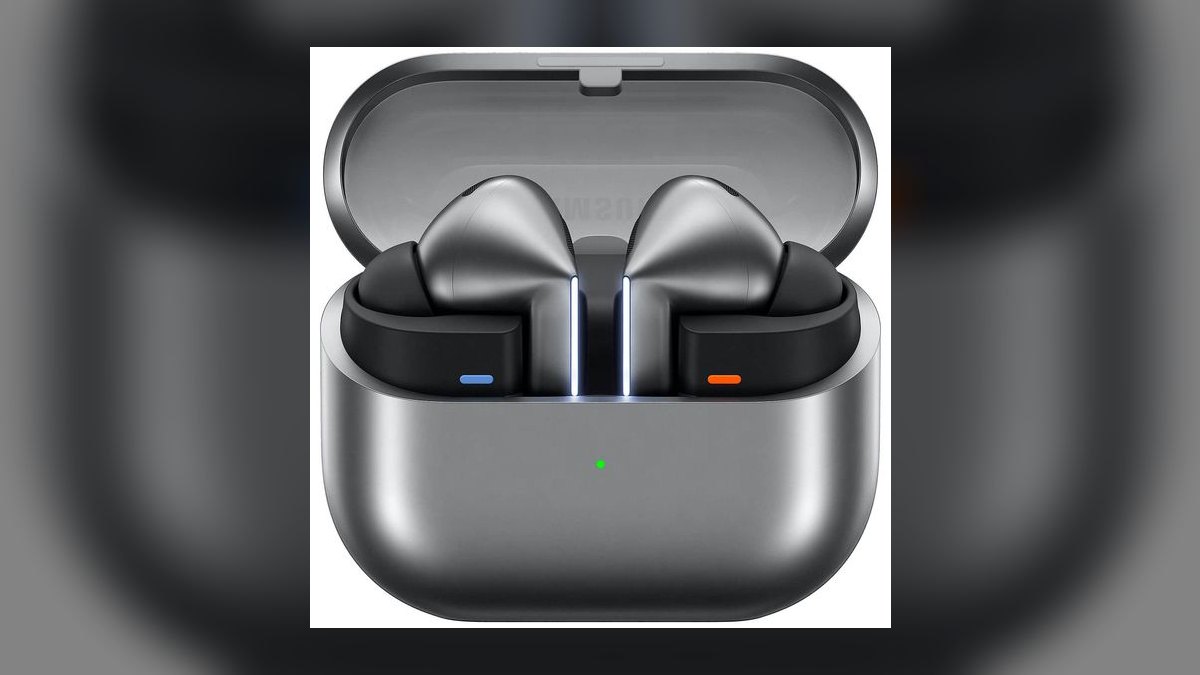
Ninth as the strongest Android-native option under $200, now around $179 after launching at $249. Super Wideband mics with AI noise reduction handle calls, Adaptive ANC with Voice Detect auto-pauses for in-person conversation, and battery runs 6 hours per bud with ANC plus 26 hours from the case. Real-Time Interpreter handles live multilingual calls on device.
For Galaxy phone owners in enterprise sales, where One UI integration mirrors what iPhone users get from AirPods. Call quality holds up in moderate noise but falls behind the Sony and Jabra picks in genuinely loud rooms. Compared to the Technics above it, you lose three-way multipoint and five mics, gaining tighter phone integration and live translation for international territories.
10Google Pixel Buds Pro 2
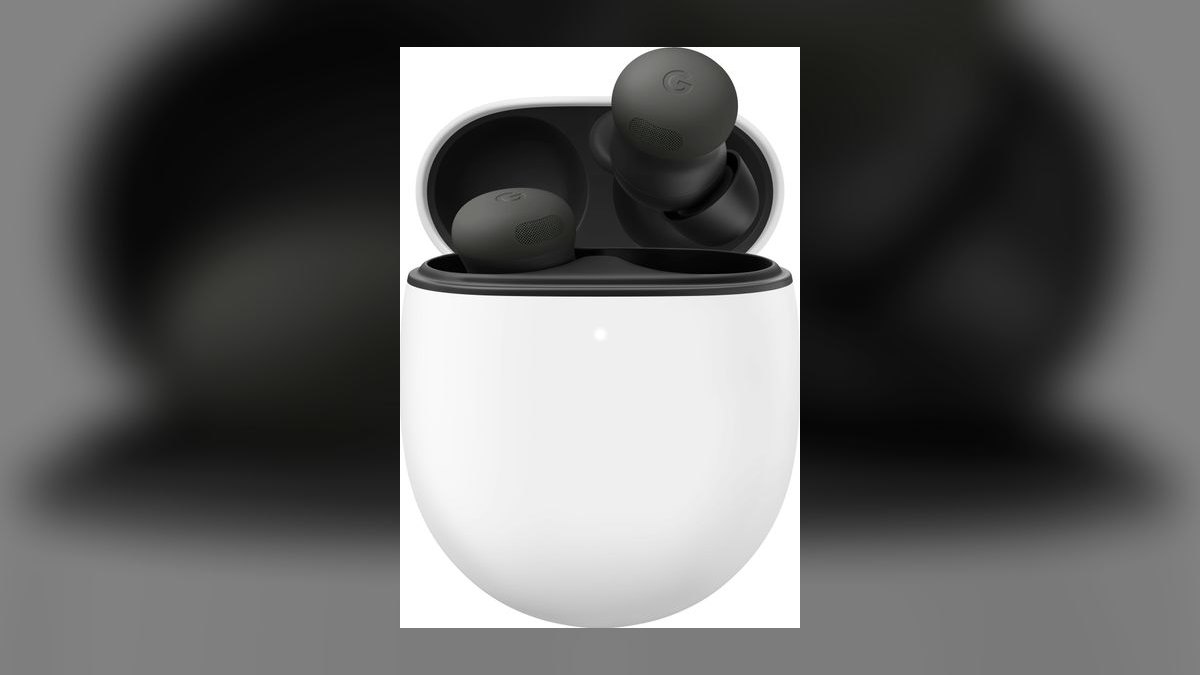
Tenth because the beamforming array is the smallest here — three mics against four to eight on every other pick — which limits it in a noisy bullpen. At $229 the Tensor A1 chip handles on-device voice isolation, Silent Seal 2.0 doubles the ANC of the original Pixel Buds Pro, and battery reaches 8 hours per bud with ANC and 30 hours with the case. Wind-blocking mesh covers the mics.
For Pixel owners who want Gemini Live for hands-free note-taking, call summaries, and translation during outbound blocks — the most useful assistant integration in this category. It trades mic count and noisy-room performance for AI features. Against the Samsung Galaxy Buds 3 Pro above it, you pay $50 more for better battery and Gemini, losing Super Wideband mics.
How we ranked these
We weighed what a seller actually does with a bud: microphone intelligibility in noise, connection stability to a corporate laptop, platform certification (Teams, Zoom, Meet, Webex), talk-time per bud with ANC on, and comfort across back-to-back call blocks. Bone-conduction and beamforming mic counts carried the most weight, followed by dongle inclusion and multipoint device count. Price mattered only against fleet deployment math.
We deliberately ignored music fidelity, codec bragging rights, spatial audio, head tracking, and driver size. Nobody loses a deal because LDAC was unavailable. We also skipped fitness sensors, sleep tracking, and case aesthetics. Launch-year prestige was excluded too — the Samsung and Technics picks rank on current street price and mic arrays, not on how new they are. Immersive audio features were treated as noise, not signal.
What to look for
Match the bud to your stack, not to the review score. If IT manages your laptop and you live in Teams, certification and a bundled dongle matter more than ANC depth — that is the Jabra Evolve2 Buds or Poly Voyager Free 60+. If you take calls from airports and rideshares, ANC wins and the Sony WF-1000XM5 is correct. Apple-only reps should stop at the AirPods Pro 3.
The mistake buyers make is optimizing for what they hear instead of what the prospect hears. You never hear your own mic. A bud with spectacular ANC and a three-mic array sounds great to you and muddy to the buyer in a loud bullpen. Count mics, look for bone conduction, and test by recording yourself in your actual calling environment before kitting out a floor.
Related questions
Does a USB dongle really beat laptop Bluetooth for calls?
Yes, in most corporate environments. Laptop Bluetooth stacks share a radio with Wi-Fi and vary by driver version, which produces jitter and dropouts mid-call. A dedicated dongle like the Jabra Link 380 or Poly BT700 carries its own radio and a tuned profile, so the connection behaves the same on every machine. That predictability is why enterprise UC vendors still ship them.
What does a bone-conduction sensor actually do on an earbud?
It picks up the vibration of your voice through your jawbone rather than through the air. Because it is sensing your skull instead of the room, background noise never reaches it. The bud fuses that signal with the beamforming mics to decide which sound is you. Jabra's MultiSensor Voice and Sony's implementation both use this, and it is the largest single differentiator in loud rooms.
Is more microphones always better on a calling earbud?
Not automatically, but it correlates. Six or eight mics give the beamforming algorithm more spatial data to separate your voice from a room, which is why the Technics EAH-AZ80 and Soundcore Liberty 5 punch above expectations. Processing quality matters just as much — the Pixel Buds Pro 2 do well with three mics thanks to Tensor A1. Mic count plus good processing beats either alone.
How many hours of talk time do I need for a full prospecting day?
Most sellers need five to six hours of actual talk time per bud, which every pick here clears with ANC on. The realistic constraint is the case, not the bud. Look for quick-charge — ten to fifteen minutes typically returns one to two hours. If you run six-hour call blocks without breaks, the Sony's eight hours or the Liberty 5's twelve remove the anxiety entirely.
Should a sales team standardize on one earbud model?
Usually yes, if IT manages the fleet. Jabra Direct and Poly Lens let admins push firmware and settings centrally, which turns a hundred random consumer buds into one supportable device. Standardizing also means one troubleshooting script for the help desk. The exception is a mixed-platform team — forcing Apple-stack reps off AirPods often costs more in friction than it saves in management.
Does Microsoft Teams certification change anything in practice?
It means the bud has a dedicated Teams button that answers, joins, and raises hands, and that the audio path was validated against Microsoft's codec and echo-cancellation requirements. Uncertified buds still work fine on Teams calls. What you lose is the hardware button, guaranteed interoperability testing, and a vendor that Microsoft will point to when something breaks in a support escalation.
Is transparency mode useful during calls or just a gimmick?
Genuinely useful for call work. With ANC sealed tight you cannot hear your own voice, so most people unconsciously raise their volume and sound aggressive to the prospect. Transparency or sidetone lets your voice through naturally and keeps your delivery conversational. Apple's Conversation Awareness and Bose's aware mode both handle this well. Turn it on for calls, turn ANC back on for focus work.
How much should a company budget per rep for calling earbuds?
For a BDR floor, $130 to $180 per rep is the sweet spot — the Soundcore Liberty 5 or Samsung Galaxy Buds 3 Pro deliver most of the call quality at a fraction of flagship cost. Reserve $250 to $330 flagships for AEs and customer success reps in customer-facing demos all day. Factor a replacement rate too; earbuds get lost far more often than headsets.
FAQ
What are the best wireless earbuds for quick sales calls in 2027?
The Jabra Evolve2 Buds at $299 are the best overall. They combine four beamforming mics with a bone-conduction sensor, ship with a Jabra Link 380 USB dongle, and carry Microsoft Teams and Zoom certification. They were engineered for back-to-back business calls rather than adapted from a music product, which shows in intelligibility whenever you are calling from a noisy office.
What is the best value pick on this list?
The Soundcore Liberty 5 at $129.99. It carries six AI-tuned mics with a wind-resistant algorithm, adaptive ANC that re-tunes every 0.3 seconds, and a customizable pinch-to-mute gesture through the Soundcore app. Twelve hours per bud with ANC off and 48 hours with the case means a full sales week between charges. It is the only sub-$150 bud competing with enterprise options on intelligibility.
How do sales-call earbuds differ from regular consumer earbuds?
Sales-focused earbuds prioritize outbound voice clarity over music reproduction. They include larger microphone arrays, bone-conduction sensors, sidetone, and bundled USB dongles for stable laptop connections. Consumer buds rely on Bluetooth alone, which can introduce latency and dropouts on calls. Enterprise models also add IT management tooling like Jabra Direct or Poly Lens for fleet firmware control.
Can these earbuds connect to a laptop and phone at the same time?
Most support Bluetooth Multipoint to two devices, so you can hold a Teams call on the laptop and take a mobile call without unpairing. The Technics EAH-AZ80 is the outlier with three-device multipoint — a Windows laptop, an iPhone, and a demo tablet at once. For the most stable laptop leg, the Jabra and Poly dongles bypass laptop Bluetooth entirely.
What battery life should I expect from these in 2027?
Expect five to eight hours of talk time per bud with ANC engaged. The Sony WF-1000XM5 and Pixel Buds Pro 2 hit eight hours; the Jabra Evolve2 Buds and Poly Voyager Free 60+ sit near five to five and a half. Cases add roughly 16 to 48 hours depending on model. Quick charge typically returns one to two hours from a fifteen-minute top-up.
How important is active noise cancellation for taking sales calls?
It matters for your own concentration in an open office, but it does not control what the prospect hears — that is the mic array's job. The Sony WF-1000XM5 leads on ANC with Integrated Processor V2 and AI noise reduction trained on over 500 million voice samples. Bose CustomTune calibrates ANC to your ear canal on every insertion, which is the other standout.
Which earbuds are certified for Microsoft Teams and Zoom?
The Jabra Evolve2 Buds carry Microsoft Teams and Zoom certification. The Poly Voyager Free 60+ UC goes further with certification for Teams, Zoom, Google Meet, and Cisco Webex, making it the widest-compatibility option for orgs running mixed conferencing platforms. Both include a USB dongle and IT management tooling, which is what separates them from the consumer picks on this list.
Which pick is best if my whole stack is Apple?
The AirPods Pro 3 at $249. The H3 chip drives Voice Isolation, Adaptive Audio, and Conversation Awareness, and handoff across iPhone, MacBook, iPad, and Apple Watch is instant with no dongle or IT setup. You can start a Zoom call on the MacBook and finish it on the iPhone walking to the car. It ranks second only because it lacks Teams certification and IT manageability.
What is the most comfortable option for all-day call blocks?
The Bose QuietComfort Ultra Earbuds 2nd Gen at $299. Their Stability Bands win long-wear comfort testing at Wirecutter and RTINGS, and the bud disappears in the ear across eight-hour shifts without pressure hot spots. Six hours per bud with ANC covers a full call day. The tradeoff is mic performance in heavy wind, which trails the Sony and Apple picks.
Are cheaper earbuds good enough for a BDR floor?
Yes, for most outbound teams. The Soundcore Liberty 5 at $129.99 lets you equip ten reps for under $1,500 with six mics and adaptive ANC. The Samsung Galaxy Buds 3 Pro at roughly $179 is the strongest Android-native option and adds Real-Time Interpreter for international calls. Save the $300 flagships for AEs running customer-facing demos in loud environments.
Sources
- https://www.jabra.com/business/office-headsets/jabra-evolve/jabra-evolve2-buds
- https://www.apple.com/shop/buy-airpods/airpods-pro-3
- https://www.hp.com/us-en/poly/headsets/bluetooth-headsets-and-earbuds/voyager-free-60.html
- https://www.rtings.com/headphones/reviews/best/earbuds-phone-calls
- https://www.whathifi.com/reviews/sony-wf-1000xm5
- https://www.bose.com/p/earbuds/bose-quietcomfort-ultra-earbuds-2nd-gen/QCUE2-HEADPHONEIN.html
- https://www.soundcore.com/products/a3957-liberty-5-tws-earbuds
- https://www.tomsguide.com/reviews/jabra-elite-10
- https://us.technics.com/products/hi-fi-true-wireless-earbuds-with-noise-cancelling-eah-az80
- https://store.google.com/product/pixel_buds_pro_2
Related on PULSE
This page will be disappearing soon. Save it to your device for $1 — or read it free while it is here.
@Kory-White- · if Venmo asks, the last 4 of my number are 2012
This page is gone.
This one is off the shelf now. $1 keeps it on your phone for good — the whole page, pictures and diagrams included.
 pulse-reviewsTop 10 Backpack Leaf Blowers — Best Overall + Best Value in 2027
 pulse-reviewsTop 10 Vibration Plates — Best Overall + Best Value in 2027
 pulse-reviewsTop 10 Boom Pole Kits — Best Overall + Best Value in 2027
 pulse-reviewsTop 10 Multimeters — Best Overall + Best Value in 2027
 pulse-reviewsTop 10 Outdoor Smart Lighting — Best Overall + Best Value in 2027
 pulse-reviewsTop 10 Posture Correctors — Best Overall + Best Value in 2027
 pulse-reviewsTop 10 Smart Mirrors — Best Overall + Best Value in 2027
 pulse-reviewsTop 10 Smart Water Leak Detectors — Best Overall + Best Value in 2027
 pulse-reviewsTop 10 Ethernet Adapters for MacBook — Best Overall + Best Value in 2027
 pulse-reviewsTop 10 Cordless Brad Nailers — Best Overall + Best Value in 2027