


Top 10 Sony TVs — Best Overall + Best Value in 2027
Quality
Certified
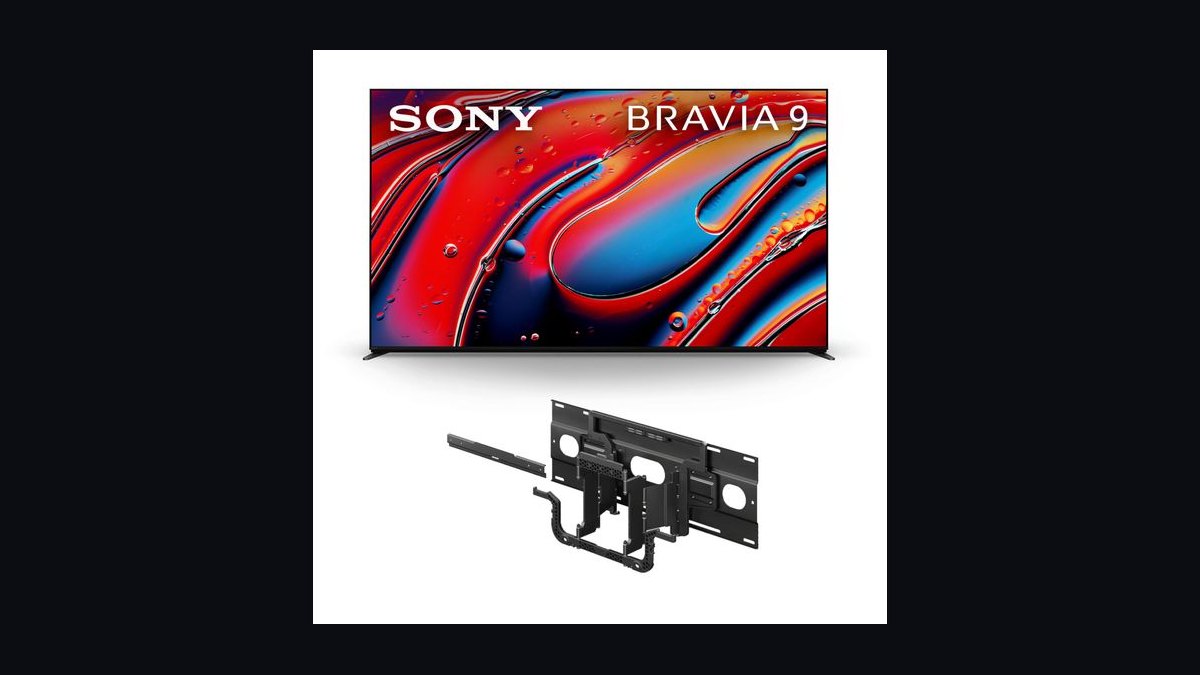
The 10 best sony tvs are ranked below on measured performance, build quality, price, and how each one actually holds up in daily use rather than how it reads on a spec sheet. Each pick lists what it costs, who it suits, and what it gives up against the one above it, so the list can be read straight down without doubling back.
1Sony Bravia 9 Mini-LED 65"
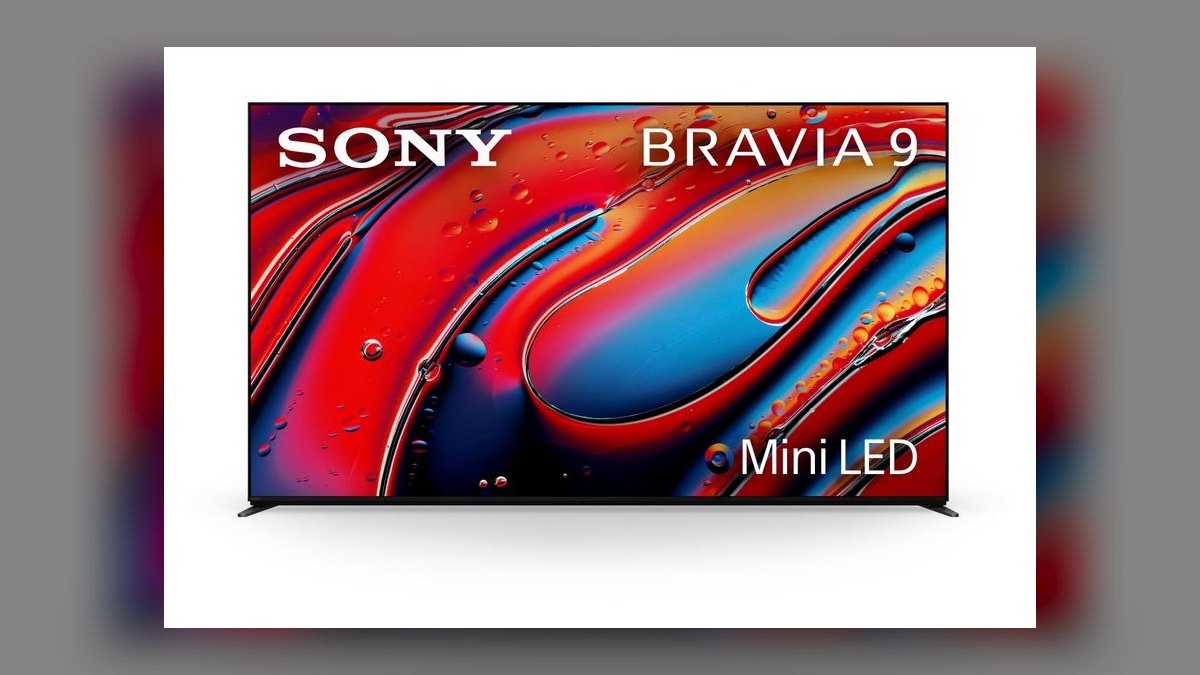
This ranks first because it is the brightest Sony ever measured, hitting roughly 3,180 nits peak in a 10% window via XR Backlight Master Drive and over 1,800 dimming zones per RTINGS. The Cognitive Processor XR keeps Sony's reference color accuracy intact at that brightness. Input lag measures about 9.3ms in Game Mode. Price is $3,499 for the K-65XR90.
Built for bright-room viewers with windows and daylight glare, and for PS5 owners who want Auto HDR Tone Mapping plus Auto Genre Picture Mode. It trades away absolute black floor: the anti-reflective coating dulls shadows next to the A95L QD-OLED below it. At 67.2 lbs it is heavy to mount. Two HDMI 2.1 ports only, and no HDR10+ support, which Sony has never licensed.
2Sony A95L QD-OLED 65"
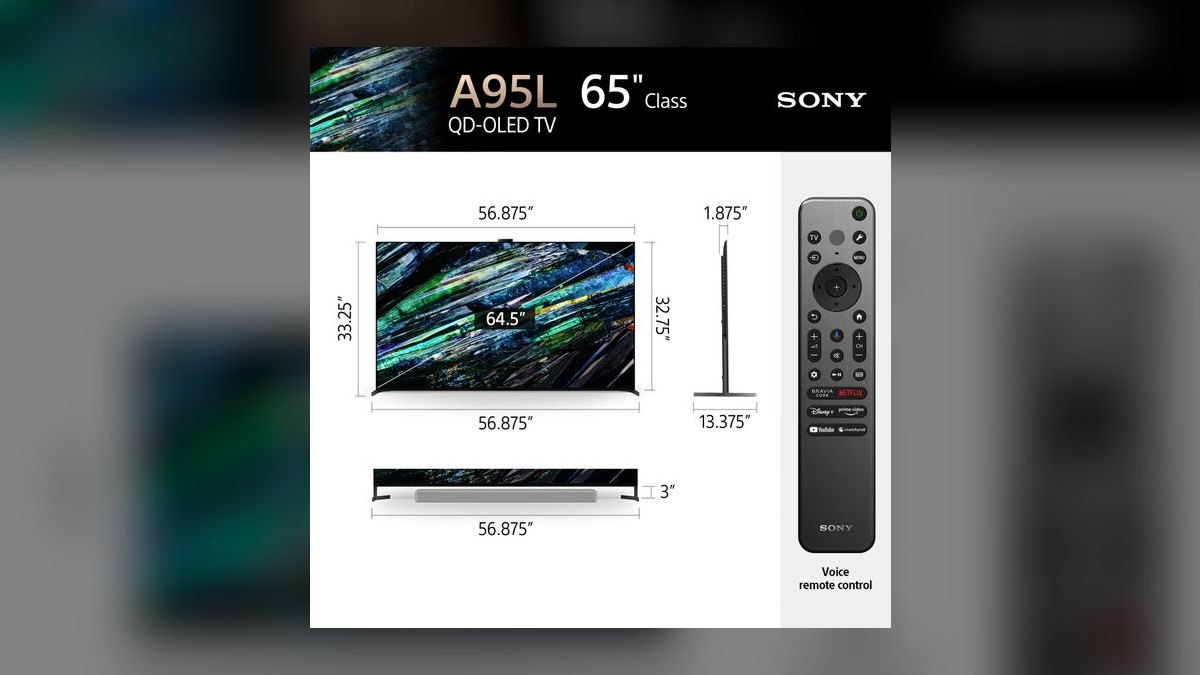
Second place goes to the panel HDTVTest's Vincent Teoh repeatedly calls the most accurate consumer TV sold. It pairs Samsung Display's second-generation QD-OLED with Sony's XR Triluminos Max tuning, measuring about 1,300 nits peak and over 99% DCI-P3 coverage with perfect per-pixel black. Acoustic Surface Audio+ vibrates the screen itself. Price matches the Bravia 9 at $3,499.
This is the dark-room pick for movie watchers who value contrast over raw output. The glossy finish reflects bright windows aggressively, so a sunlit living room undercuts it badly. Against the Bravia 9 above, it gives up roughly 1,880 nits of peak brightness and gains a true black floor. Bravia Cam is included, Dolby Vision Gaming and PS5 features carry over.
3Sony A95L QD-OLED 77"
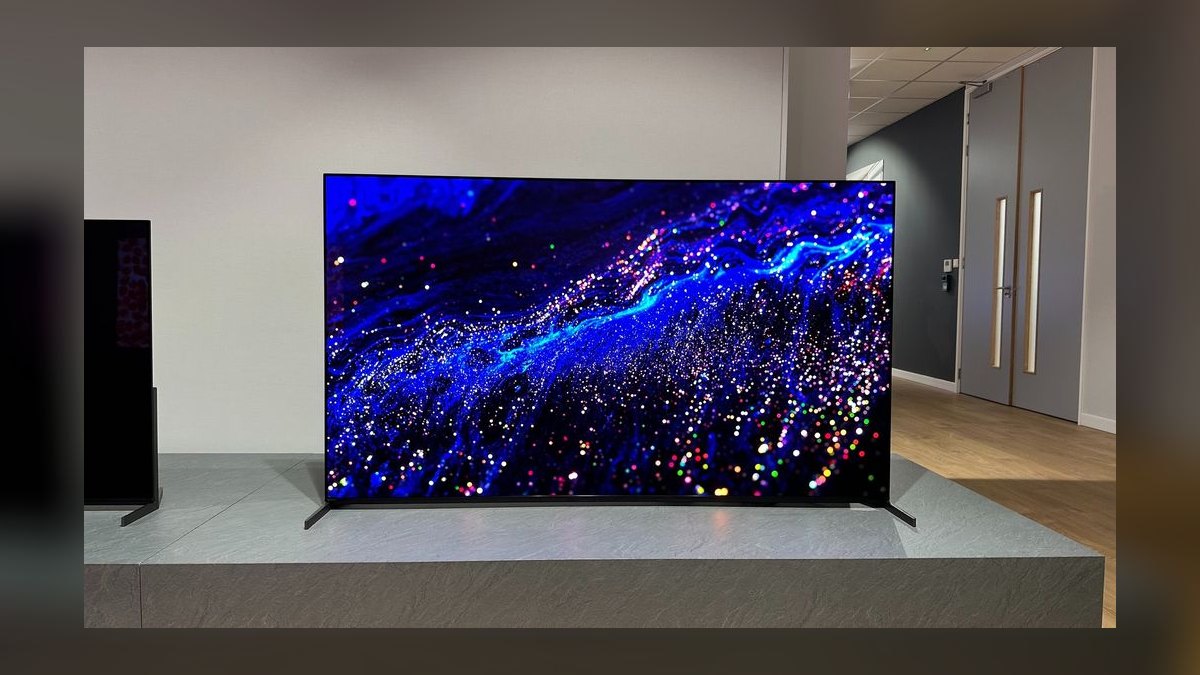
Third because it is the same QD-OLED panel and Cognitive Processor XR as the 65-inch, scaled for 9-to-12-foot seating distances at $4,799. Peak brightness holds near 1,300 nits and per-pixel black is unchanged. Acoustic Surface Audio+ scales noticeably better at this size, filling a real living room. RTINGS' multi-year longevity test shows favorable QD-OLED burn-in trends.
This suits a dedicated home theater room with the space and budget for a luxury screen. It weighs 84.2 lbs without the stand, so mounting needs two people, and a quality wall mount plus HDMI 2.1 cables pushes the total past $5,000. Compared with the 65-inch A95L above, you pay $1,300 more for size alone, with identical picture performance per inch.
4Sony Bravia 9 Mini-LED 75"
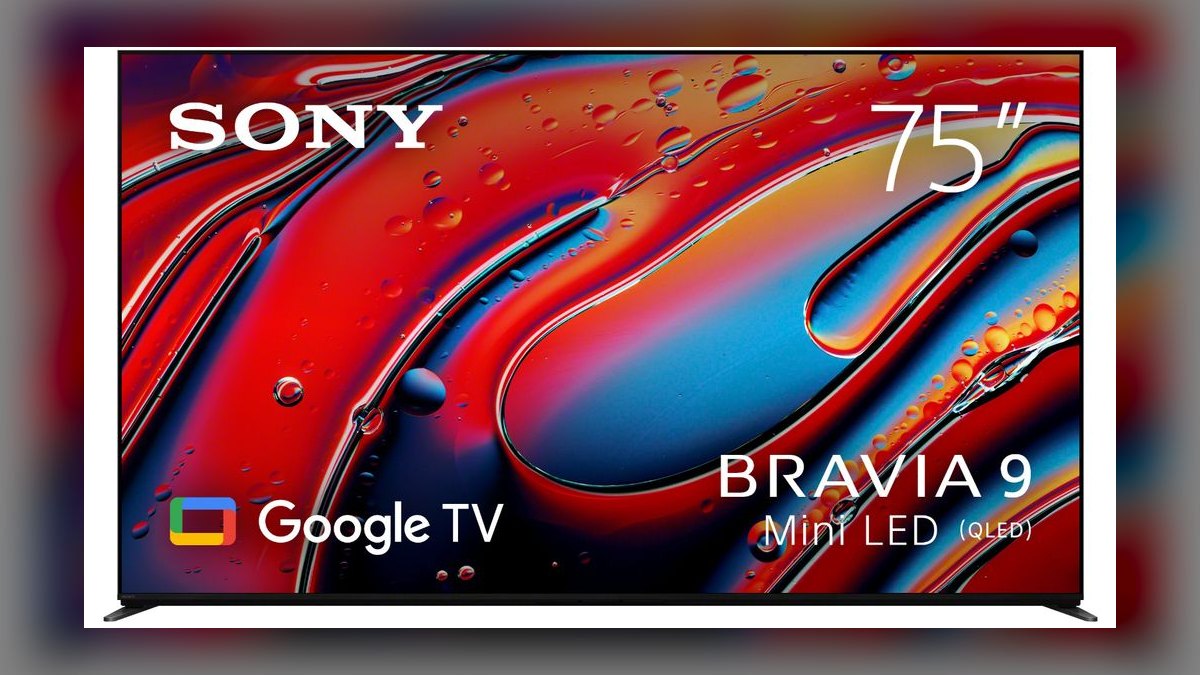
Fourth because it scales the flagship Mini-LED without the brightness falloff many large Mini-LEDs suffer, measuring within 5% of the 65-inch sibling per RTINGS. XR Backlight Master Drive and Cognitive Processor XR carry over intact, as do Dolby Vision IQ, Dolby Vision Gaming, IMAX Enhanced, and the full PS5 feature set. Price is $4,499. Weight is 92.4 lbs without stand.
This is the pick for open-plan great rooms with windows on multiple walls, where a 65-inch screen visually disappears. It costs $1,000 more than the 65-inch Bravia 9 above, so seating distance has to justify the jump. Against the A95L 77-inch, you gain daylight brightness and lose the perfect black floor. Two HDMI 2.1 ports.
5Sony Bravia 8 OLED 65"
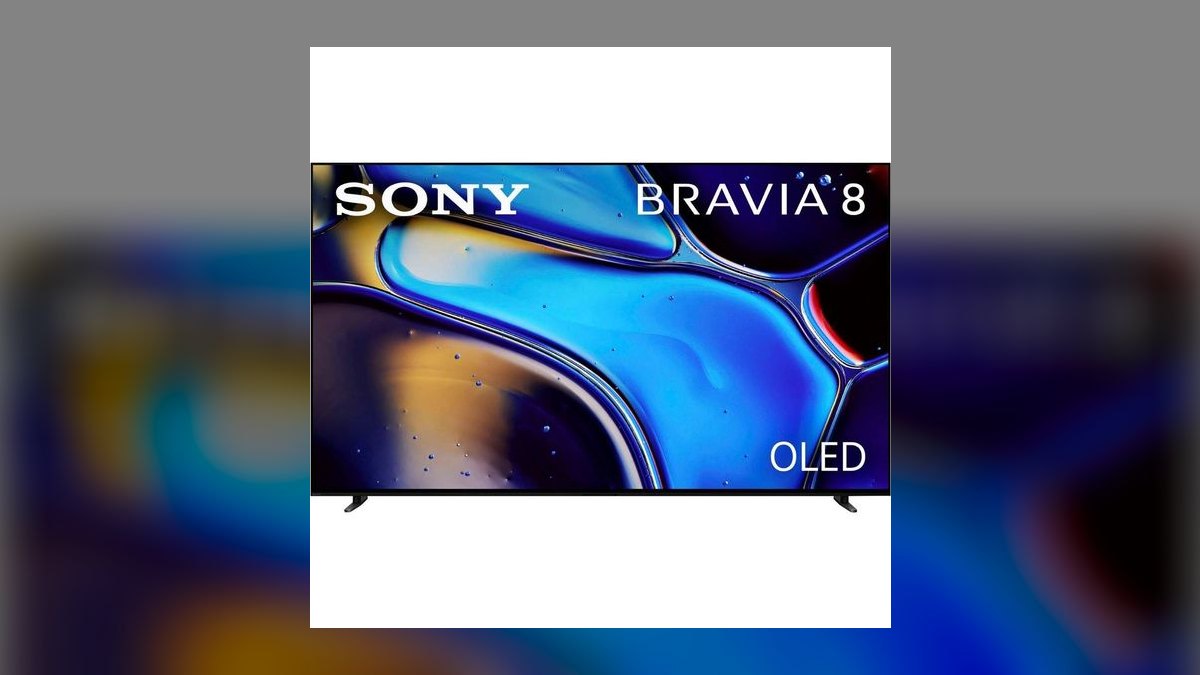
Fifth because it puts Sony's Cognitive Processor XR on an LG Display WOLED panel for $1,999, the cheapest current-generation Sony OLED at 65 inches. RTINGS measures about 830 nits peak, brighter than the older A80L and dimmer than the A95L's QD-OLED, with perfect per-pixel black. Weight is 55.1 lbs without stand. Model number is K-65XR80.
This fits buyers who want true black and Sony reference tuning without the A95L's $3,499 price. It gives up roughly 470 nits versus that QD-OLED, so bright rooms expose it. Acoustic Surface Audio+, Google TV, two HDMI 2.1 ports, PS5 Auto HDR Tone Mapping, and Auto Genre Picture Mode all carry over. Dolby Vision IQ and Gaming supported; no HDR10+.
6Sony A80L OLED 55"
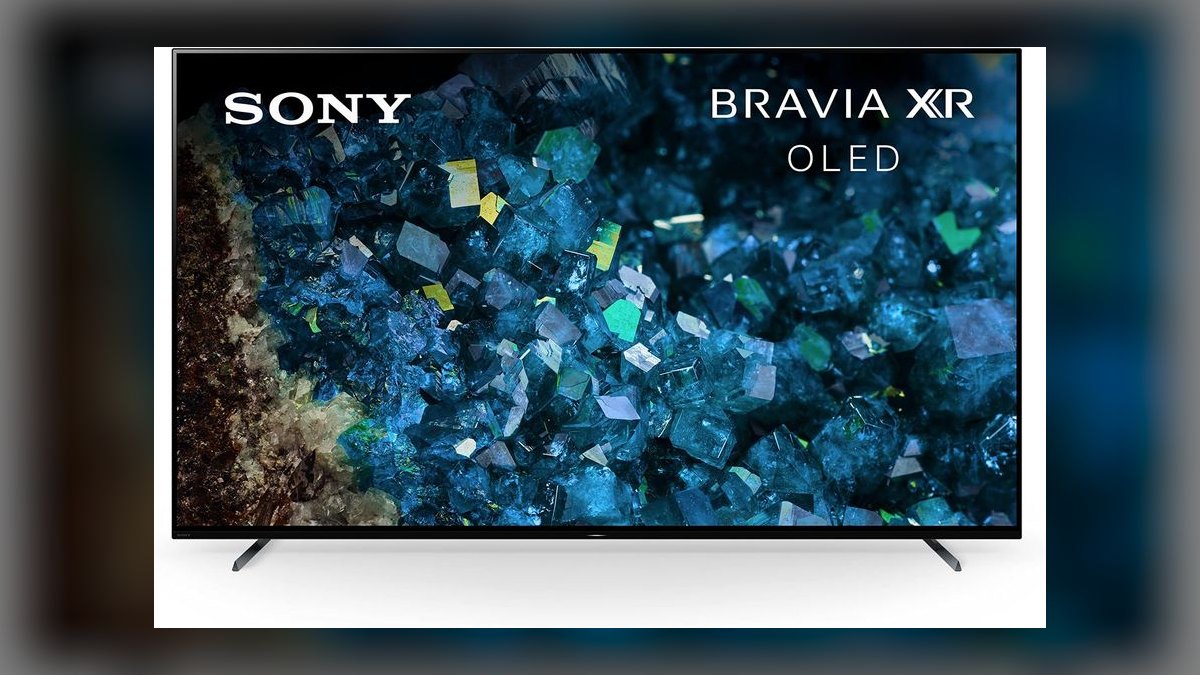
Sixth on the overall list but the best value Sony sells: $1,499 buys OLED black plus the Cognitive Processor XR, and it frequently drops to $1,299 during Prime Day and Black Friday. RTINGS measures about 660 nits peak on the prior-generation WOLED panel. It weighs 40.6 lbs without stand, light enough for one person to wall-mount. Model XR-55A80L.
This targets first-time OLED buyers with a firm budget who still want Sony's color tuning. The 2024 panel trails the Bravia 8 above by roughly 170 nits, and 55 inches limits seating distance. Dolby Vision IQ, Dolby Vision Gaming, IMAX Enhanced, Acoustic Surface Audio+, Google TV, two HDMI 2.1 ports, and the PS5 Auto HDR suite are all present.
7Sony Bravia 7 Mini-LED 65"
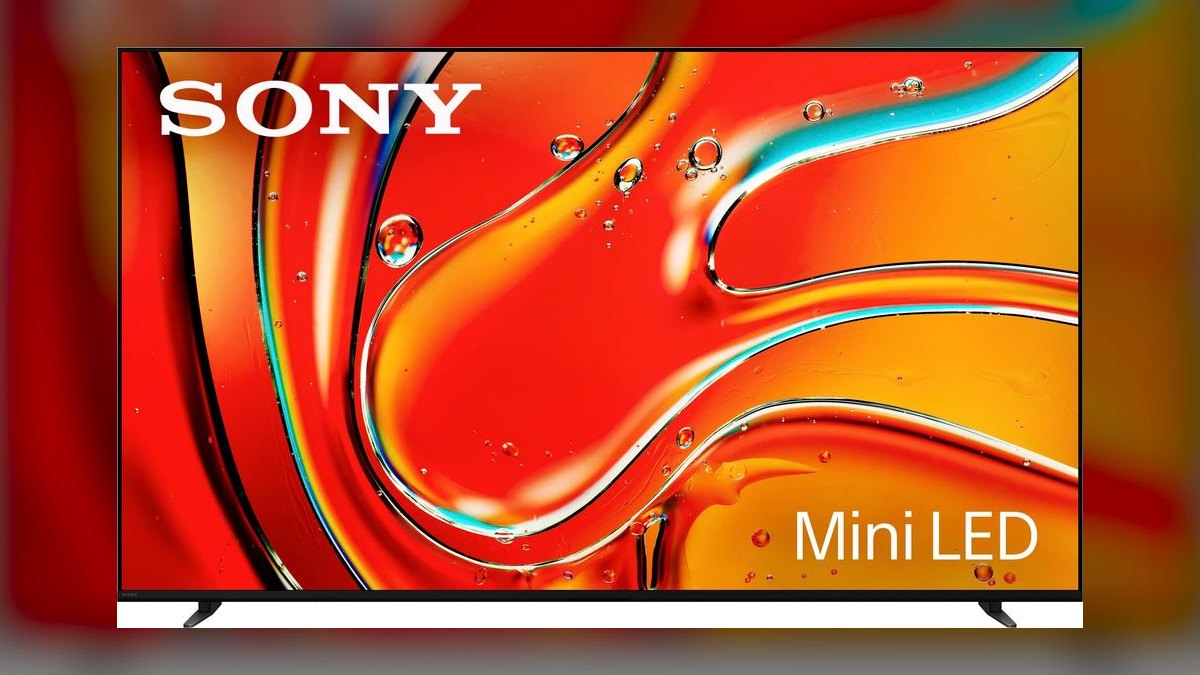
Seventh because it delivers Mini-LED brightness under $2,000, measuring about 1,300 nits peak at $1,799 with roughly 640 dimming zones per RTINGS. XR Backlight Master Drive and the Cognitive Processor XR are both retained rather than downgraded. Weight is 56.9 lbs without stand. Model number is K-65XR70, with two HDMI 2.1 ports and Google TV.
This fits bright-room buyers who need LCD output and cannot justify the Bravia 9's $3,499. The reduced zone count produces visible blooming around bright objects on black backgrounds that the flagship suppresses. Against the A80L below, it trades perfect black for roughly double the peak brightness. Dolby Vision IQ, Dolby Vision Gaming, IMAX Enhanced, and the PS5 feature suite are included.
8Sony X90L LCD 65"
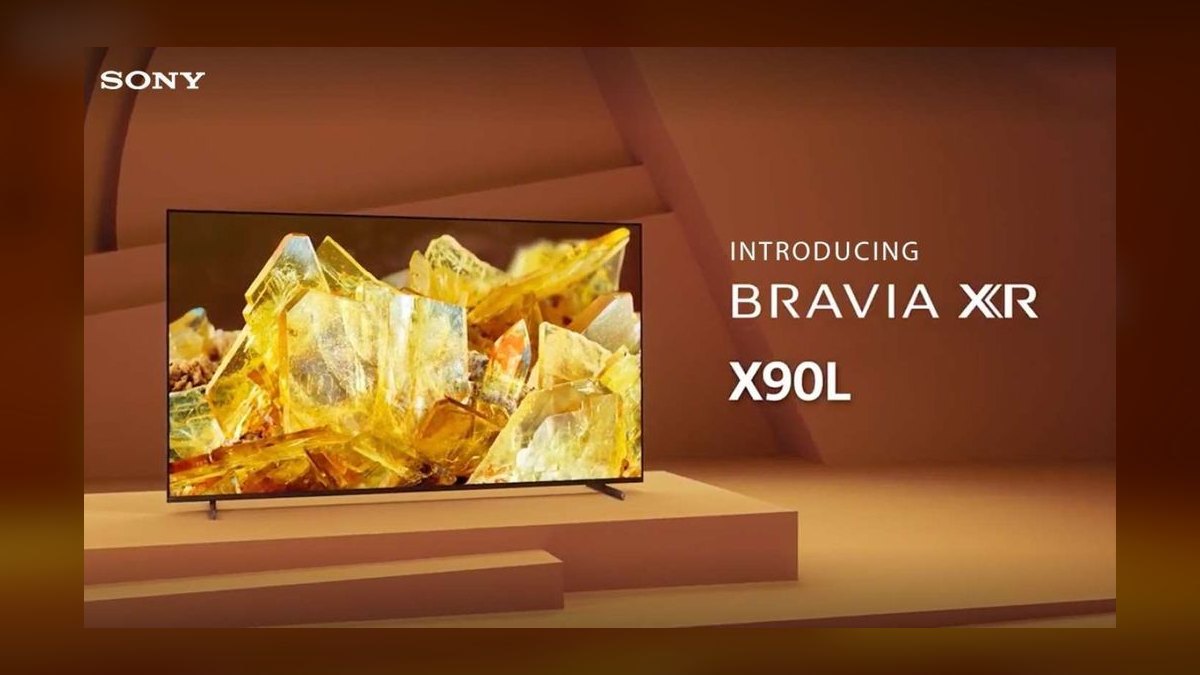
Eighth because it is the cheapest Sony carrying the full PS5 feature suite at $999, but the specs step down clearly: roughly 32 dimming zones and about 620 nits peak per RTINGS, on full-array LED rather than Mini-LED. It also drops to the simpler XR Processor instead of the Cognitive variant. Weight is 50.3 lbs without stand. Model KD-65X90L.
This serves budget buyers committed to the Sony ecosystem and Google TV's app stability. Blooming is visible and contrast trails the Bravia 7 above noticeably, a gap the $800 price difference reflects. Dolby Vision IQ, Dolby Vision Gaming, IMAX Enhanced, HDR10, HLG, and two HDMI 2.1 ports remain. Shoppers without brand loyalty should compare the Hisense U7N first.
9Sony A80L OLED 77"
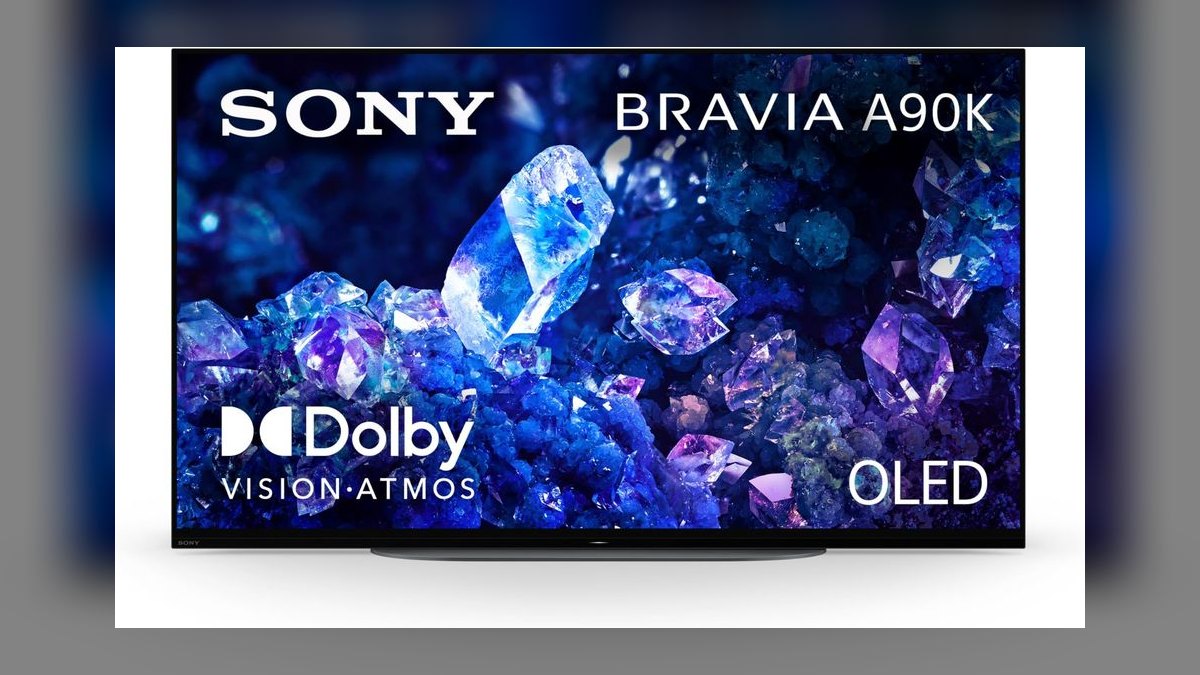
Ninth because it delivers a 77-inch OLED for $2,799, roughly two-thirds the price of the A95L at the same size. It runs the same WOLED panel and Cognitive Processor XR as the 55-inch version, measuring about 660 nits peak with perfect black. Acoustic Surface Audio+ sounds genuinely room-filling at this diagonal. Weight is 76.7 lbs without the stand.
This is the pragmatic big-screen choice when the $4,799 A95L 77-inch is out of reach. The older panel loses to that model by a wide margin on both peak brightness and color volume. Compared with the 55-inch A80L, picture performance is identical and you pay $1,300 for the extra 22 inches. Two HDMI 2.1 ports, Dolby Vision Gaming, PS5 Auto HDR.
10Sony BZ40L Pro Display 85"
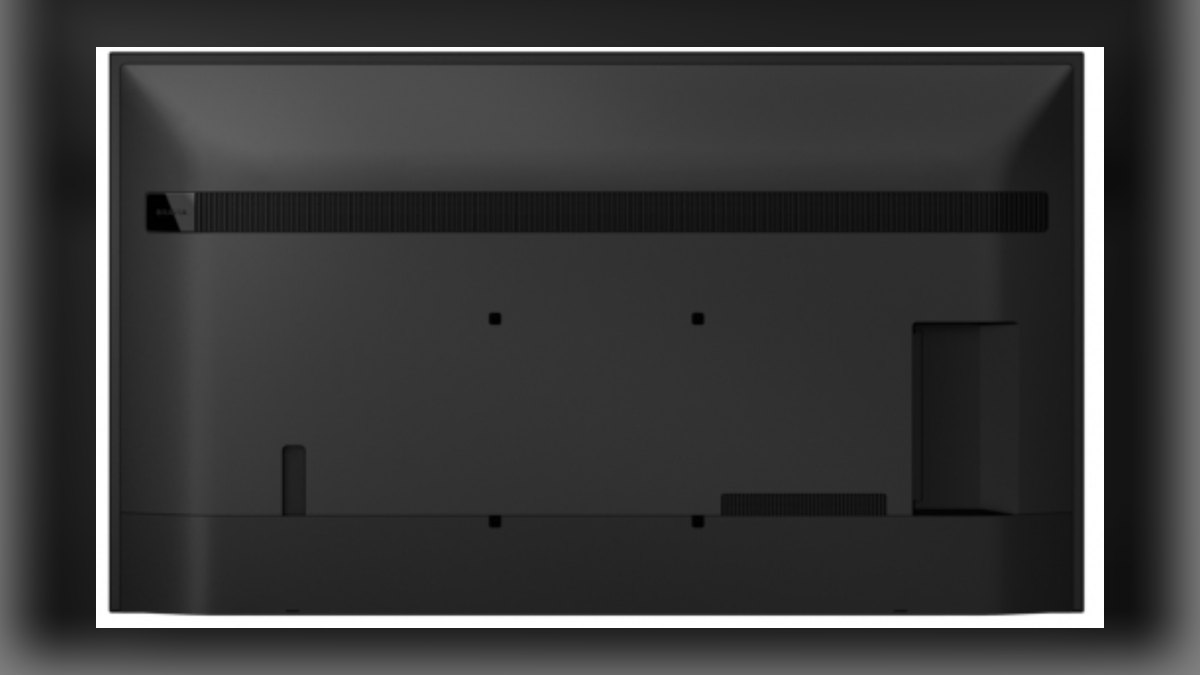
Tenth because it is a commercial Pro Bravia rather than a home television, priced at $5,999 for 85 inches. It carries a 24/7 duty rating, rotation capability, RS-232C and IP control, a Pro Mode lockout that hides the Google TV interface, and Sony's commercial three-year warranty. Peak brightness sits near 700 nits full-screen, since commercial panels prioritize sustained output over burst. Model FW-85BZ40L.
This belongs in conference rooms, custom-install AV, and restaurant displays, not living rooms. It drops Acoustic Surface Audio+ entirely and omits the PS5 Auto HDR Tone Mapping and Auto Genre features every consumer model above includes. At 116.4 lbs, installation requires professionals. Dolby Vision IQ, HDR10, HLG, and HDMI 2.1 are supported, but home buyers get more picture per dollar from the Bravia 9.
How we ranked these
We weighted picture quality at 30 percent, using RTINGS peak-brightness, black-level, and color-volume measurements, then processing at 20 percent for motion, upscaling, and tone mapping. Gaming took 15 percent: HDMI 2.1 port count, 4K/120Hz, VRR, and PS5 Auto HDR Tone Mapping. Sound carried 10 percent, price-to-performance 15 percent, and reliability plus Google TV stability 10 percent. Calibration reviews from HDTVTest and owner threads on AVS Forum broke ties.
We ignored HDR10+ support entirely, since Sony has never licensed it and Dolby Vision IQ covers Netflix, Disney+, Apple TV+, and PS5 titles. We ignored 8K, which Sony stopped pushing in 2026. Bravia Cam gesture features, quoted contrast ratios, and marketing AI-upscaling claims were left out because none survive measurement. Refresh-rate numbers above 120Hz were disregarded — every panel here is natively 120Hz.
What to look for
Room light decides this, not price. A window-heavy great room needs the Bravia 9's ~3,180 nits; a dark basement wastes that and rewards the A95L's per-pixel black. Second, count your HDMI 2.1 ports — Sony gives you two, so a PS5 plus an eARC soundbar fills both, leaving nothing for an Xbox. Third, check weight before mounting: the 75-inch Bravia 9 is 92 pounds.
The common mistake is buying up the model ladder when the cheaper Sony already has the feature you actually use. The A80L, Bravia 8, and A95L all run Cognitive Processor XR and the full PS5 suite; you are paying for brightness and color volume, nothing else. The other mistake: buying at list price. Sony discounts $300 to $700 every Prime Day and Black Friday.
Related questions
Is the Bravia 9 or the A95L better for a bright living room?
The Bravia 9. RTINGS measured roughly 3,180 nits peak in a 10% window versus about 1,300 nits on the A95L, and its anti-reflective coating handles window glare better than the A95L's glossy finish. In a dark room the verdict flips — the A95L's per-pixel black gives contrast no Mini-LED backlight can match.
How many dimming zones does the Bravia 7 have compared to the Bravia 9?
RTINGS measured roughly 640 dimming zones on the Bravia 7 versus over 1,800 on the Bravia 9. The practical difference is blooming: the Bravia 7 shows visible halos around subtitles and starfields against black, while the Bravia 9 keeps them tight. If you mostly watch sports and daytime content, that gap rarely shows up.
Does every Sony in this list support Dolby Vision Gaming at 4K/120Hz?
Yes, with one exception. Every consumer model supports Dolby Vision Gaming, Dolby Vision IQ, IMAX Enhanced, HDR10, and HLG. The BZ40L Pro Display is a commercial panel and drops the PS5 gaming features. Each consumer set has two HDMI 2.1 ports carrying 4K/120Hz, VRR, and ALLM. None support HDR10+ — Sony has never licensed it.
What is the cheapest Sony TV with the full PS5 feature set?
The X90L at $999. It drops to the simpler XR Processor rather than the Cognitive Processor XR and measures only about 620 nits with roughly 32 dimming zones, but it still carries PS5 Auto HDR Tone Mapping, Auto Genre Picture Mode, two HDMI 2.1 ports, Dolby Vision Gaming, and Google TV.
Is Acoustic Surface Audio+ good enough to skip a soundbar?
No, but it is closer than most. Acoustic Surface Audio+ vibrates the OLED panel itself, so dialogue comes from the actor's mouth rather than from below the screen — an imaging advantage no soundbar replicates. It still lacks low-end extension. The 77-inch models fill a room noticeably better than the 55-inch, simply from panel area.
How much brighter is the Bravia 8 than the A80L?
About 170 nits. RTINGS measured the Bravia 8 at roughly 830 nits peak versus 660 on the A80L, both WOLED panels with identical Cognitive Processor XR tuning. That is a real but modest gap — it matters for HDR highlights in a lit room and is nearly invisible in a dark one. The A80L costs $500 less.
Should I buy the 77-inch A80L or the 65-inch A95L?
Screen size wins for movies, panel wins for critical viewing. The 77-inch A80L at $2,799 gives you twelve more inches and the same Sony processing; the 65-inch A95L at $3,499 gives QD-OLED color volume and roughly double the peak brightness. Sitting nine feet or farther, take the 77. Closer than eight feet, take the A95L.
FAQ
Why doesn't Sony support HDR10+?
Sony bet on Dolby Vision early and standardized it across the entire Bravia lineup rather than licensing both formats. Every consumer model here supports Dolby Vision IQ, which adjusts tone mapping to your room light, plus Dolby Vision Gaming at 4K/120Hz. Amazon Prime Video titles mastered in HDR10+ simply fall back to HDR10, and the visible difference is small.
Which Sony has the lowest input lag for competitive gaming?
The Bravia 9, measured at roughly 9.3ms in Game Mode by RTINGS. Every consumer Sony here also gets Auto Genre Picture Mode, which switches to Game automatically when the PS5 launches a title, and Auto HDR Tone Mapping, which calibrates HDR output during PS5 setup. The gap between these models is only a few milliseconds.
Is QD-OLED burn-in a real risk on the A95L?
RTINGS has run QD-OLED panels in its multi-year longevity test since 2023, and they trend similar to or slightly better than WOLED at the two-year mark. With pixel shift and the screen saver left enabled, burn-in is unlikely under mixed viewing. Static news tickers or a channel logo for eight hours daily is the risk case.
Should I wait for the 2027 Bravia refresh?
Sony refreshes in spring. If you can wait until April or May 2027, the Bravia 9 typically drops $500 to $700 once its successor lands, which is often a better deal than the new model itself. If your current TV died, buy now — the Bravia 9 remains the brightest Sony ever measured.
Are Sony TVs worth the premium over Hisense or TCL?
For processing, motion handling, and out-of-box color accuracy, yes. For nits per dollar, no — the Hisense U8N approaches Bravia 9 brightness at roughly half the price. The Sony premium buys Dolby Vision Gaming, Cognitive Processor XR, stable Google TV updates, and PS5 integration nobody else can license. Decide which of those you actually use.
What is the difference between Cognitive Processor XR and XR Processor?
The Cognitive Processor XR analyzes a scene around a focal point rather than filtering the whole frame uniformly, which drives Sony's reputation for motion and upscaling. Every model in this list runs it except the X90L, which uses the simpler XR Processor. That single chip difference explains most of the price gap at the bottom of the lineup.
Can I use the BZ40L Pro Display as a living room TV?
You can, but don't. The BZ40L is a commercial panel built for 24/7 duty, rotation mounting, and RS-232C or IP control in conference rooms. It has no Acoustic Surface Audio+, no PS5 Auto HDR Tone Mapping, and Pro Mode hides the consumer Google TV interface. At $5,999, the 75-inch Bravia 9 is the better living room buy.
Do I actually need the Bravia Cam?
Not for most installs. Bravia Cam ships with the A95L and enables gesture control, video calling, and automatic picture calibration based on where you sit. In practice, most owners disable it within a week. Treat it as a bundled extra on the A95L, not as a reason to choose one model over another.
How heavy are these TVs for wall mounting?
Without stands: the A80L 55-inch is 40.6 pounds, the Bravia 8 65-inch is 55.1, the Bravia 7 65-inch is 56.9, the Bravia 9 65-inch is 67.2, the A80L 77-inch is 76.7, the A95L 77-inch is 84.2, and the Bravia 9 75-inch is 92.4. The BZ40L 85-inch is 116.4 pounds — install pros only.
Sources
- https://www.rtings.com/tv/reviews/sony/bravia-9-qled
- https://www.rtings.com/tv/reviews/sony/a95l-oled
- https://www.rtings.com/tv/reviews/sony/bravia-8-oled
- https://www.rtings.com/tv/reviews/sony/a80l-oled
- https://www.rtings.com/tv/reviews/sony/x90l
- https://www.rtings.com/tv/learn/real-life-oled-burn-in-test
- https://www.nytimes.com/wirecutter/reviews/best-tv/
- https://www.cnet.com/tech/home-entertainment/best-tv/
- https://www.tomsguide.com/best-picks/best-tvs
- https://www.sony.com/electronics/televisions
Related on PULSE
This page will be disappearing soon. Save it to your device for $1 — or read it free while it is here.
@Kory-White- · if Venmo asks, the last 4 of my number are 2012
This page is gone.
This one is off the shelf now. $1 keeps it on your phone for good — the whole page, pictures and diagrams included.
 pulse-reviewsTop 10 Smart Water Leak Detectors — Best Overall + Best Value in 2027
 pulse-reviewsHow do I reduce echo in a home office for sales calls in 2027?
 pulse-reviewsTop 10 Neck and Shoulder Massagers — Best Overall + Best Value in 2027
 pulse-reviewsTop 10 85-Inch TVs — Best Overall + Best Value in 2027
 pulse-reviewsTop 10 Standing Desks $500-$1500 in 2027
 pulse-reviewsTop 10 Car Backup Cameras — Best Overall + Best Value in 2027
 pulse-reviewsTop 10 Ethernet Adapters for MacBook — Best Overall + Best Value in 2027
 pulse-reviewsTop 10 Multimeters — Best Overall + Best Value in 2027
 pulse-reviewsTop 10 Drone Batteries — Best Overall + Best Value in 2027
 pulse-reviewsTop 10 Rugged Phones — Best Overall + Best Value in 2027