


Top 10 Budget TVs Under $500 — Best Overall + Best Value in 2027
Quality
Certified
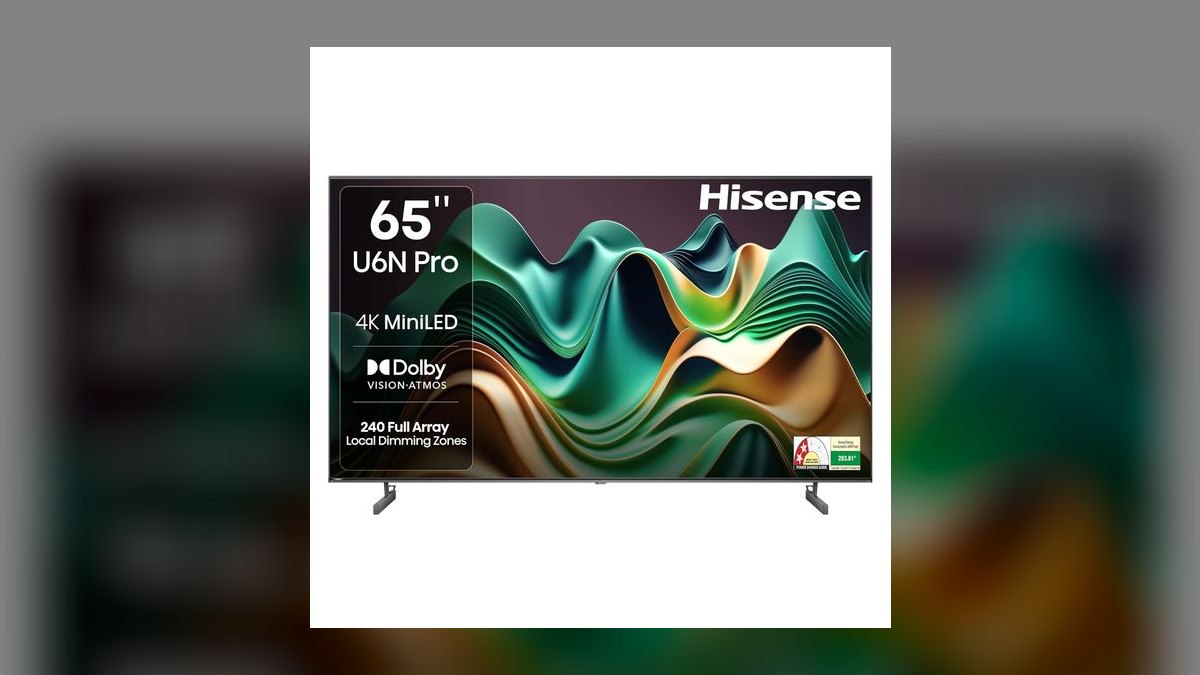
The 10 best budget tvs under $500 are ranked below on measured performance, build quality, price, and how each one actually holds up in daily use rather than how it reads on a spec sheet. Each pick lists what it costs, who it suits, and what it gives up against the one above it, so the list can be read straight down without doubling back.
1Hisense U6N 65" QLED Mini-LED
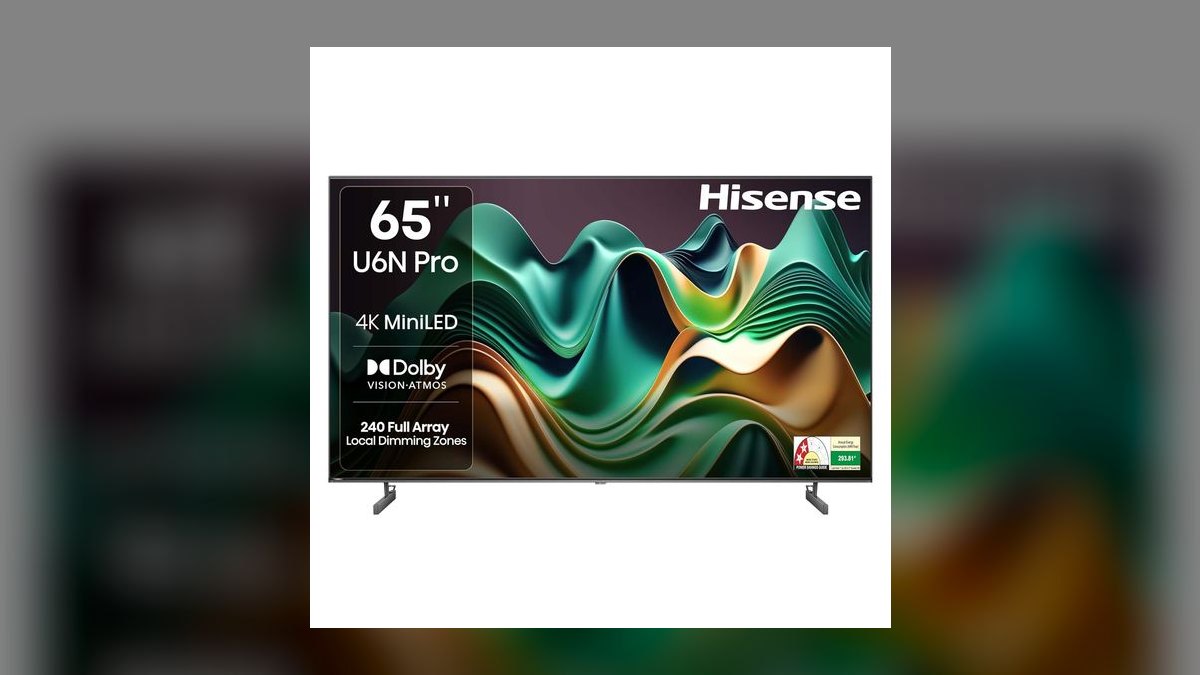
Ranked first because it is the only sub-$500 set here with a Mini-LED backlight, a feature normally reserved for $1,000+ televisions. At $499 it measures roughly 600 nits peak HDR brightness across about 100-120 local dimming zones, and supports Dolby Vision IQ, HDR10+, HLG and IMAX Enhanced. The panel is a 60Hz VA with Quantum Dot color, and Google TV handles the software.
This is for the buyer spending the full $500 on a main living-room screen who wants HDR highlights that actually pop in a lit room. The trade is refresh rate: 60Hz means no 4K/120Hz console gaming, so competitive players should look at the Vizio MQX instead. Against the TCL Q6 65" at the same $499, the U6N wins on brightness and dimming while the Q6 wins on bezel design.
2TCL Q6 65" QLED
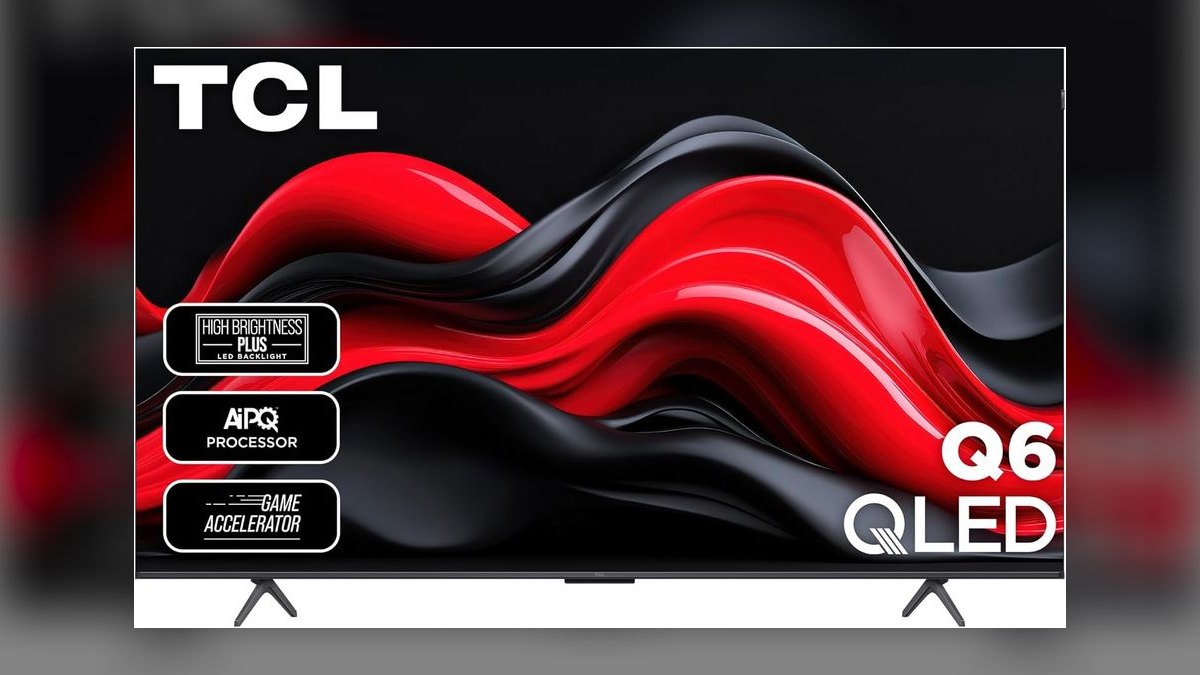
Ranked second because it matches the $499 price and 65-inch size but uses a direct LED backlight rather than Mini-LED, landing near 450 nits peak HDR instead of 600. The Quantum Dot QLED panel still covers Dolby Vision, HDR10+ and HLG, runs Google TV with hands-free voice, and includes three HDMI ports with eARC on one. Native refresh is 60Hz with Game Accelerator 120 interpolation.
Buyers who care about how the set looks on the wall get the better deal here — the slim ZeroEdge bezel reads more expensive than $499, and the roughly 49 lb panel mounts normally. What you give up versus the Hisense U6N above is real local dimming and about 150 nits of headroom, which shows most in bright rooms. In a dim viewing space the gap narrows considerably.
3Hisense U6N 55"
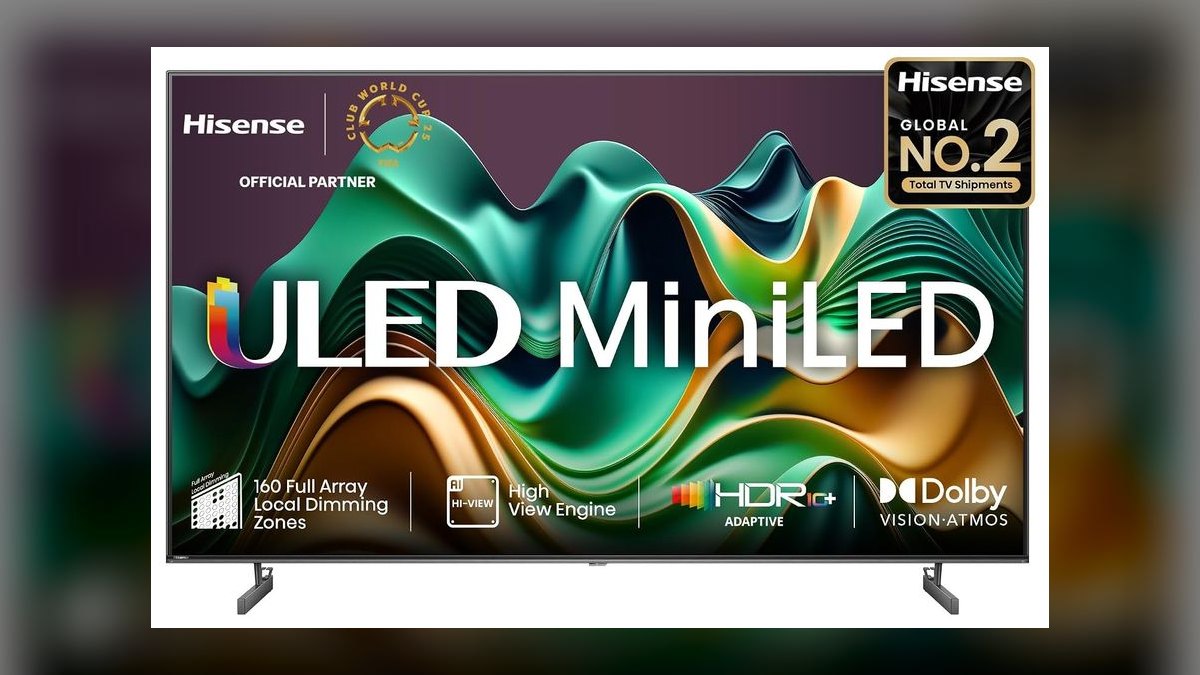
Ranked third because it carries the identical Mini-LED backlight, Quantum Dot color, Dolby Vision IQ and 600-nit HDR peak as the 65-inch winner for $349 — a $150 savings for ten fewer inches. Dimming zones drop to roughly 80-100, but per-zone density stays competitive on the smaller panel. Ports are unchanged: two HDMI 2.0, one HDMI 2.1, Wi-Fi 6 and Ethernet.
At about 34 lbs bare, one person can wall-mount it, which the 65-inch models do not allow. This is the right pick when seating distance is under 12 feet, where a 65-inch screen overwhelms the room. Measure before ordering — buyers with 65-inch-scaled living rooms will find 55 inches undersized and should pay the extra $150 for the larger U6N above.
4TCL Q6 55"
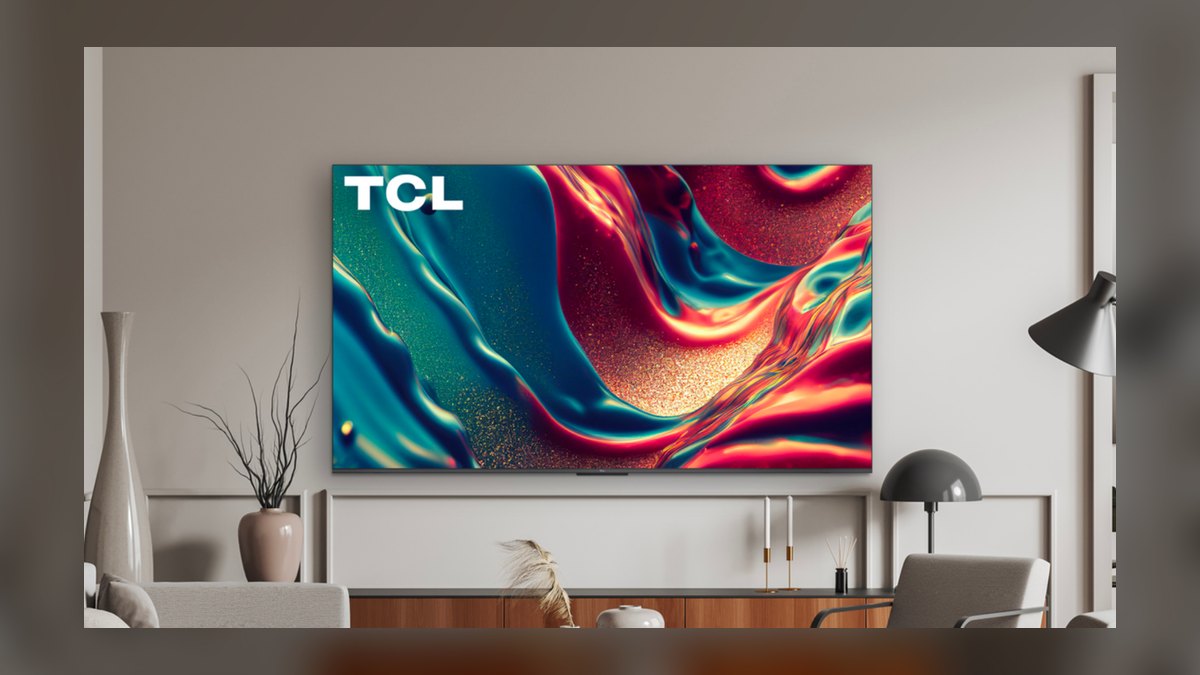
Ranked fourth because it delivers QLED Quantum Dot color, Dolby Vision, HDR10+ and Google TV at $349, but peaks near 400-450 nits with no Mini-LED dimming behind it. Native refresh is 60Hz with Game Accelerator 120 variable refresh, and three HDMI ports include one HDMI 2.1 with eARC. The panel weighs roughly 30 lbs without its stand and keeps the same slim bezel as the 65-inch version.
This suits anyone who wants Google TV and Chromecast in a 55-inch QLED and does not want Roku. The cost is HDR punch: highlights look flatter than the Hisense U6N 55" at the identical $349, which is the main reason it sits below. Treat it as the substitute when the U6N 55" is out of stock or when TCL's styling wins.
5Hisense A6N 65"
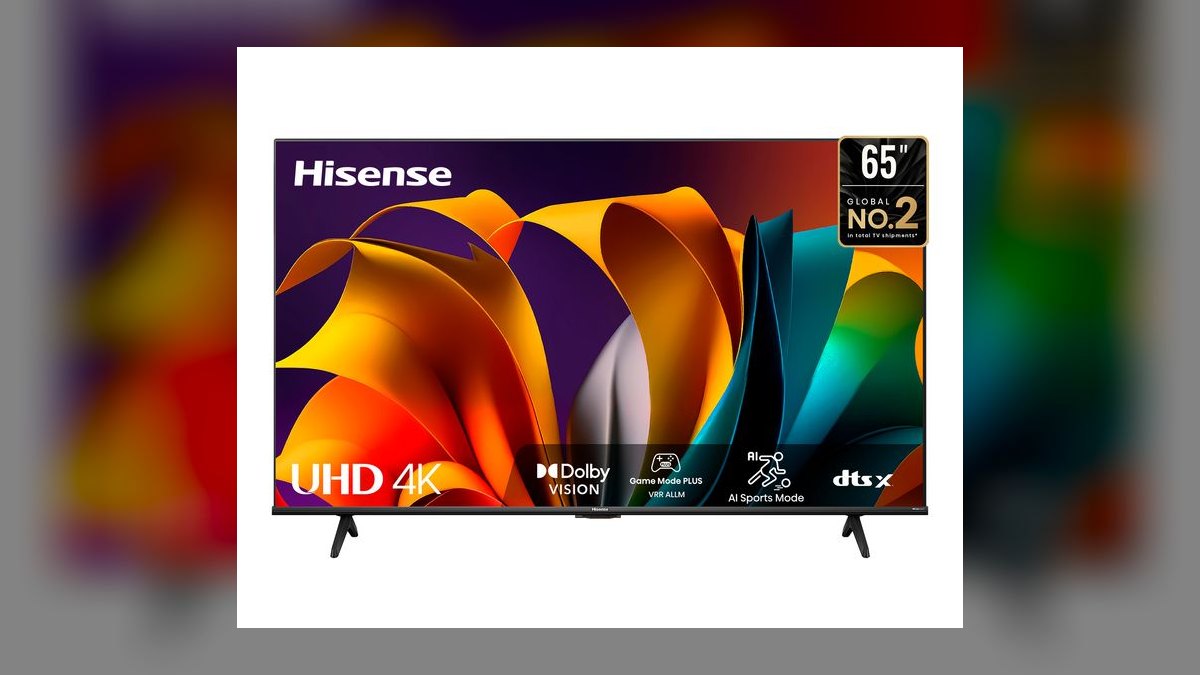
Ranked fifth on dollars-per-inch: $329 buys a full 65-inch 4K Google TV, the cheapest 65-inch panel from a major brand on this list. Getting there means standard direct LED backlighting instead of Mini-LED, standard LCD with wide color instead of QLED, and HDR10 plus HLG with no Dolby Vision. Peak brightness sits near 300 nits at 60Hz refresh, with a bezel-less cabinet and voice remote included.
This is for the buyer whose priority is screen size and whose budget genuinely stops at $350. HDR streaming will look like good SDR rather than true high dynamic range, so anyone who watches Dolby Vision content should spend $349 on the smaller U6N 55" above instead. For cable, sports and daytime SDR viewing, 65 inches at this price is hard to argue with.
6TCL S4 50" Roku 4K
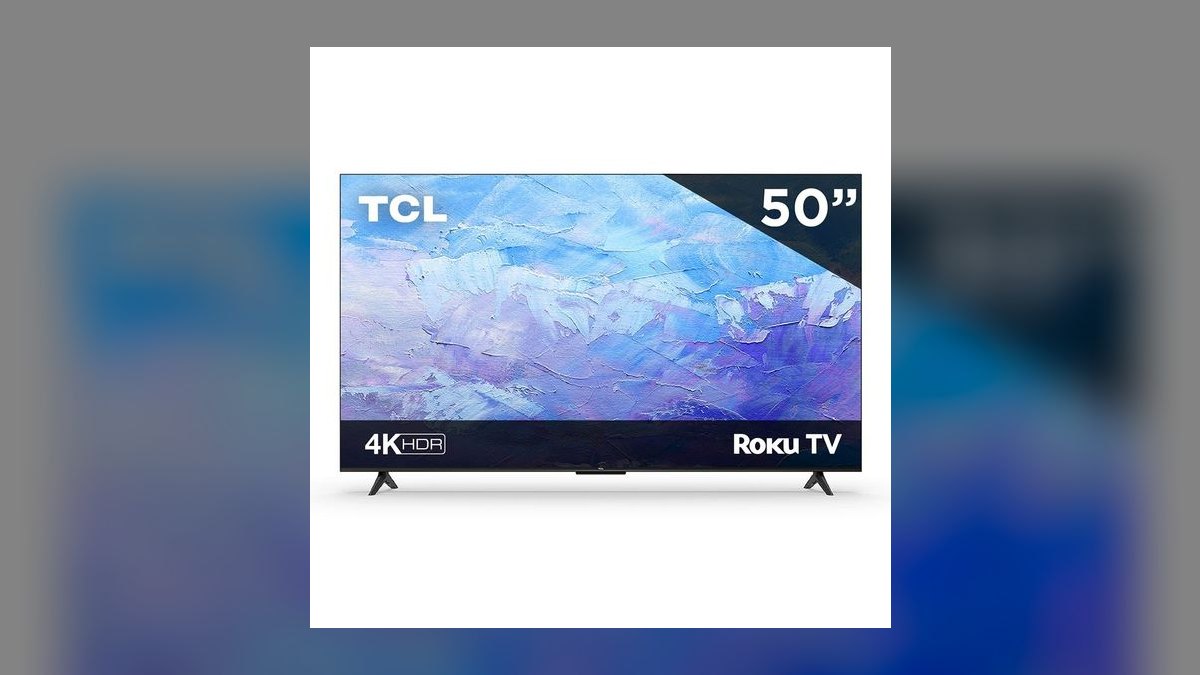
Ranked sixth and named best value because $249 buys a legitimate 50-inch 4K panel paired with the fastest, least ad-heavy smart platform in the budget tier. The direct LED LCD supports HDR10, HDR10+ and HLG, peaks around 250-300 nits, and runs 60Hz across three HDMI ports with no HDMI 2.1. Roku TV brings universal search, the largest streaming app library and a voice remote.
Second bedrooms, kitchens and rentals are the target — places where 50 inches is plenty and 21 lbs makes mounting trivial. Sub-300-nit output means HDR reads as enhanced SDR, a real step down from the Hisense A6N 65" above in both size and brightness. If the room is small and the budget is firm at $250, nothing else on this list competes.
7Vizio MQX 50" 120Hz
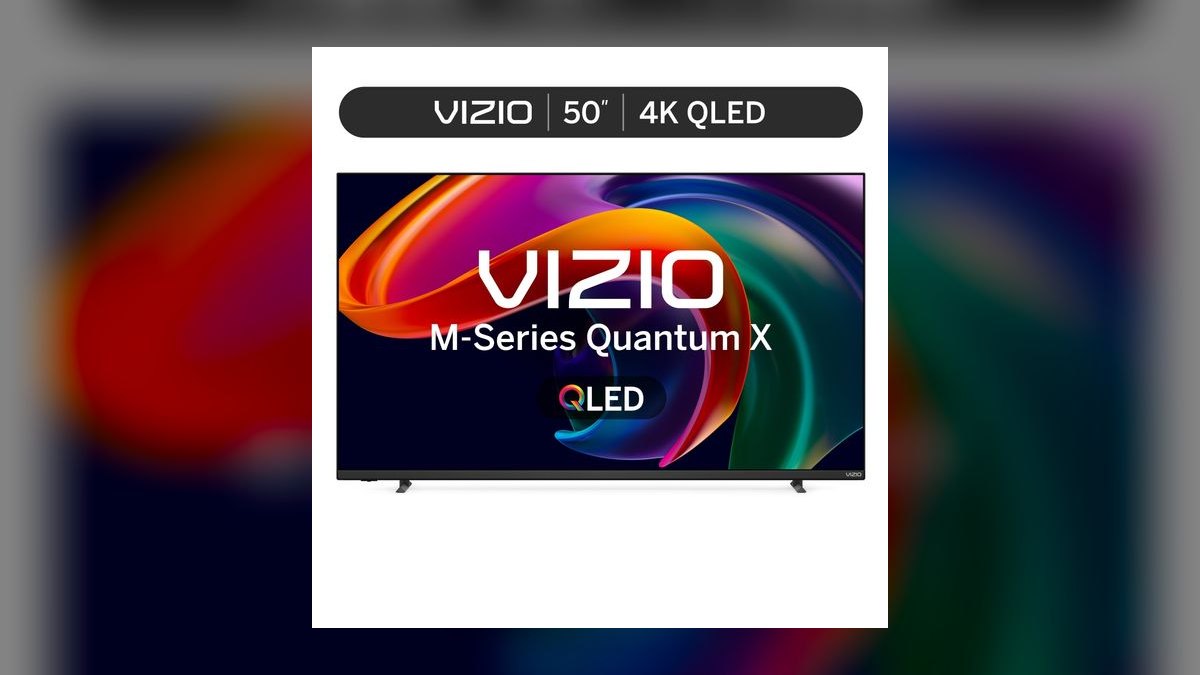
Ranked seventh overall but first for gaming: at $379 it is the only set here with a true native 120Hz panel and real HDMI 2.1, enabling 4K/120Hz on PS5 and Xbox Series X. It adds VRR through AMD FreeSync Premium plus ALLM, with RTINGS measuring input lag under 15ms at 4K/120Hz. The QLED Quantum Color panel covers Dolby Vision, HDR10+ and HLG at roughly 450 nits.
Console owners under $400 should start and stop here. The price is the software: VIZIO SmartCast is slower and carries more advertising than the Google TV on the TCL S4's Roku or the sets above it, and AirPlay 2 plus built-in Chromecast only partly offset that. Streaming-only households get better daily experience from the $249 TCL S4.
8Hisense A4K 43" Roku 4K
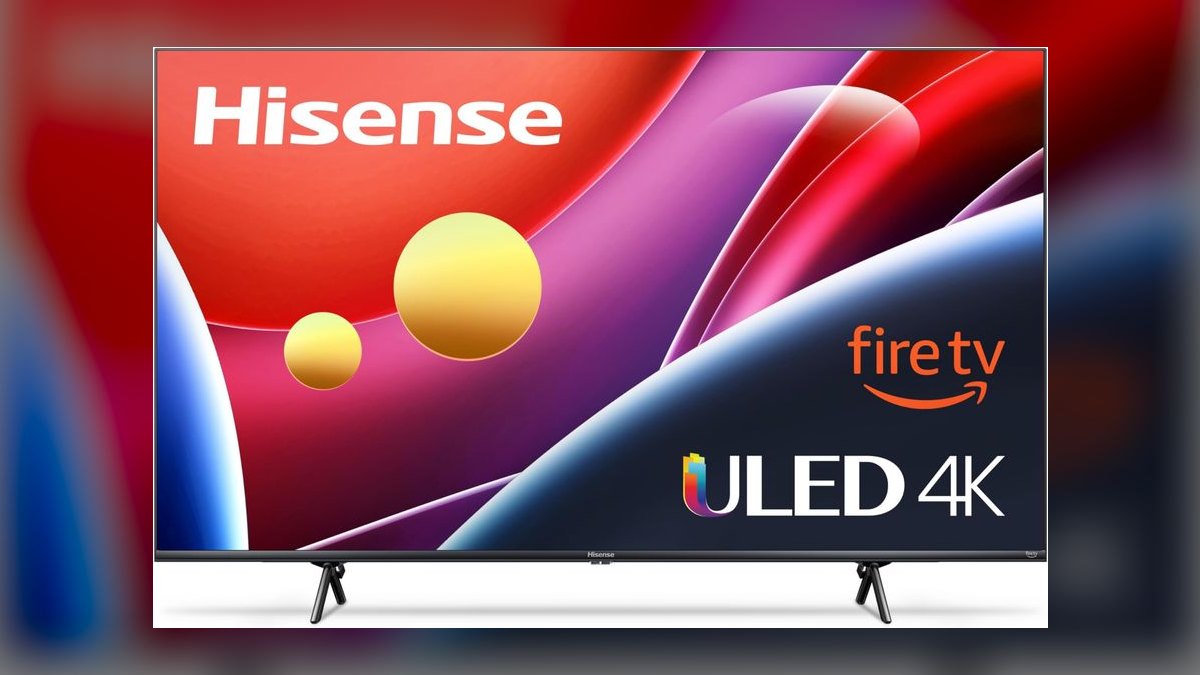
Ranked eighth because $179 is the floor for a 4K HDR TV from a top-tier brand, and the compromises are proportional. The direct LED LCD covers HDR10, HLG and DTS Virtual:X audio at roughly 200-250 nits — the dimmest panel on this list. Refresh is 60Hz across three HDMI ports with no HDMI 2.1, and the set weighs 15 lbs bare. Roku TV runs it with a voice remote.
Dorms, kitchens, RVs and kids' rooms are the fit, and 15 lbs means a single-anchor mount handles it. Daytime viewing washes out badly, so treat it as an evening screen. Compared with the TCL S4 50" at $249, you lose seven inches and roughly 50 nits for $70 — worth it only when the space or the budget genuinely cannot take the larger set.
9Insignia F30 Series 50"
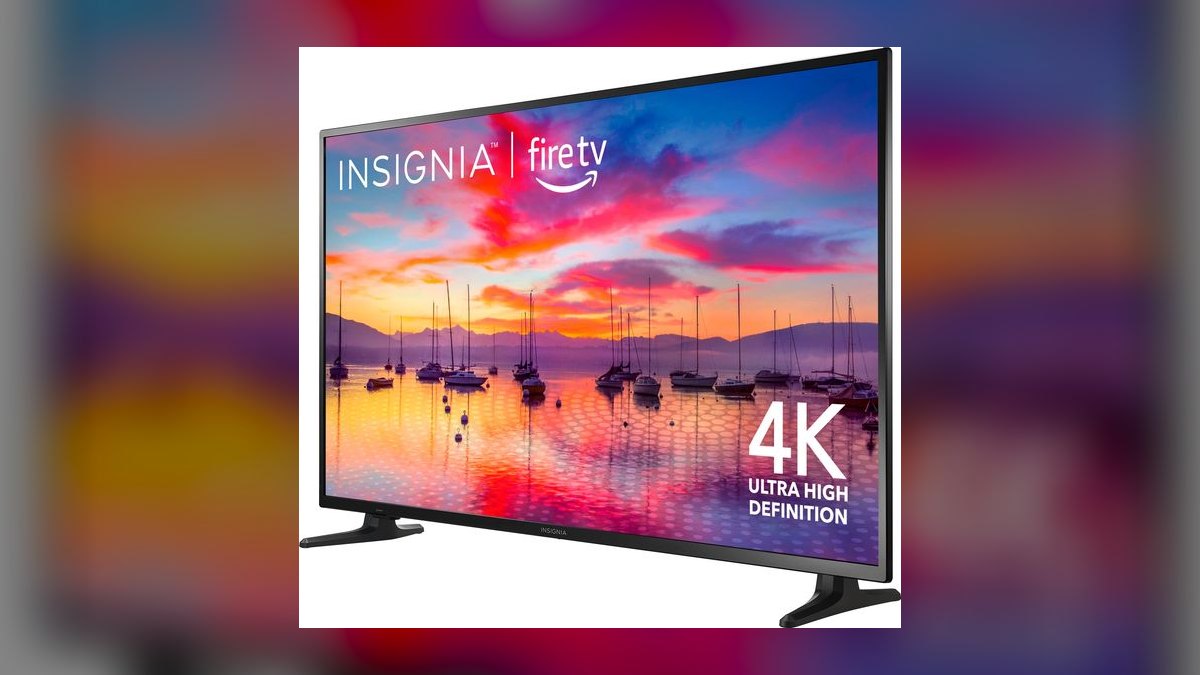
Ranked ninth because it delivers a 50-inch 4K Fire TV for $229, undercutting Amazon's own equivalent by $70 with essentially matching hardware. The direct LED 4K LCD handles HDR10, HDR10+, HLG and DTS Studio Sound at around 300 nits, running 60Hz across three HDMI inputs with no HDMI 2.1. The Alexa voice remote supports far-field commands, and Best Buy backs it with a one-year warranty.
Prime-heavy households get the cleanest Prime Video integration in the category at this price. The cost is the home screen: Fire TV OS pushes Amazon content aggressively and carries a heavier ad load than the Roku on the TCL S4 above. Against the Amazon Fire TV 4-Series below, the panels are near-identical and the $70 saved buys nothing but shorter software support.
10Amazon Fire TV 4-Series 50"
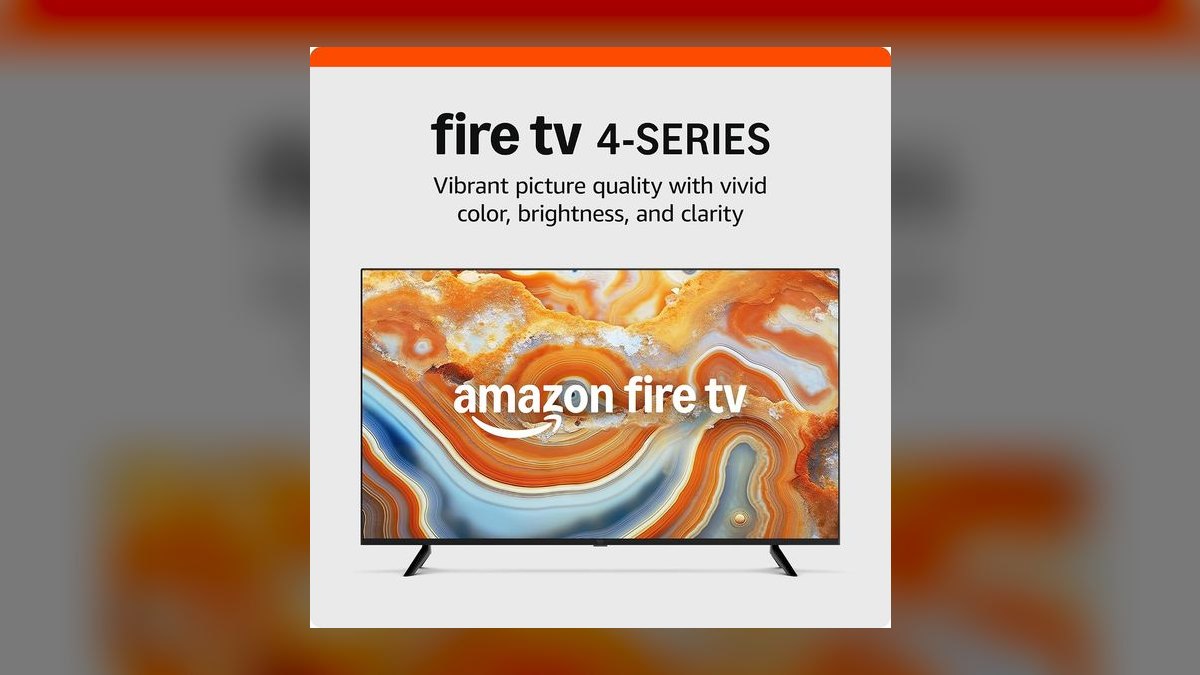
Ranked tenth because at $299 it charges a $70 premium over the near-identical Insignia F30 and returns only first-party software support for it. Specs match closely: 4K UHD, HDR10, HDR10+, HLG, 60Hz, three HDMI ports with no HDMI 2.1, and roughly 300 nits peak. What Amazon adds is the Live tab, Picture-in-Picture for Ring cameras, hands-free Alexa with a paired Echo, and 30-day Amazon-direct returns.
This fits buyers deep in Amazon's ecosystem who want the longest Alexa feature support and Ring integration on the screen itself. Everyone else is paying for update cadence. The Insignia F30 directly above runs the same Fire TV OS on comparable hardware for $229, which is why this sits last despite being the more polished software experience.
How we ranked these
We scored ten sub-$500 sets on five weighted axes: picture quality at 35% (measured peak HDR nits, native contrast, local dimming zone count, out-of-box color accuracy), smart-OS responsiveness at 20%, gaming features at 15% (native panel refresh, HDMI 2.1, VRR, ALLM, input lag), build and warranty at 15%, and price-to-performance at 15%. Inputs were RTINGS lab measurements, Wirecutter's budget guide, CNET hands-on reviews, Tom's Guide, and r/4kTV owner reports.
We ignored quoted contrast ratios, "Motion Rate 120" and "Game Accelerator" numbers, AI-upscaling branding, and cinema-mode presets — all are marketing layers over the same panel hardware. We ignored 8K entirely; nothing near this price has usable content or bandwidth. Built-in speakers were excluded because every set here needs a soundbar. Sale-week pricing was ignored in favor of routine street price at Best Buy, Amazon, Walmart, and Target.
What to look for
Two hardware facts decide this whole list: peak HDR brightness and whether the backlight dims in zones. Under 400 nits, HDR collapses into slightly enhanced SDR no matter what logos are on the box. The Hisense U6N is the only pick here clearing roughly 600 nits with Mini-LED zones, which is why it wins at $499. Everything else trades that for screen size, a faster OS, or a real 120Hz panel.
The mistake buyers make is paying for "120Hz" that isn't. Game Accelerator 120, TruMotion, Motion Xcelerator, and Motion Rate are interpolation running on 60Hz glass. Only the Vizio MQX 50" has a native 120Hz panel with HDMI 2.1 here. The second mistake is buying 65 inches of dim panel when a 55" Mini-LED at the same money looks dramatically better from eight feet.
Related questions
What is the best budget TV under $500 in 2027?
The Hisense U6N 65" QLED Mini-LED at $499. It is the only sub-$500 set pairing Mini-LED local dimming with roughly 600-nit HDR peak brightness, Dolby Vision IQ, HDR10+, and Google TV with Chromecast. Roughly 100-120 dimming zones give it black levels that direct-LED competitors at the same price cannot match. Its one real weakness is the 60Hz panel.
Which budget TV is the best value under $250?
The TCL S4 50" Roku 4K at $249. It delivers a legitimate 50-inch 4K panel with HDR10, HDR10+, and HLG on Roku TV, the fastest and least ad-heavy budget smart platform. Peak brightness is modest at 250-300 nits and there is no HDMI 2.1, but at 21 pounds and $249 nothing else matches the dollars-per-inch floor.
Which TV on this list is best for PS5 and Xbox gaming?
The Vizio MQX 50" at $379 — the only pick with a true native 120Hz panel and HDMI 2.1. You get 4K/120Hz, AMD FreeSync Premium VRR, ALLM, and input lag measured under 15ms by RTINGS. The QLED panel hits about 450 nits with Dolby Vision and HDR10+. The tradeoff is SmartCast, the slowest and ad-heaviest OS here.
Is the 55-inch Hisense U6N a better buy than the 65-inch?
At $349 versus $499, often yes. The 55" carries identical Mini-LED backlighting, Quantum Dot color, Dolby Vision IQ, Google TV, and the same 600-nit HDR peak. Zone count drops to roughly 80-100, but per-zone density stays competitive. At 34 pounds it wall-mounts solo. Choose the 65" only if your seating distance is eight feet or more.
What is the cheapest 65-inch TV worth buying in 2027?
The Hisense A6N 65" at $329, the best dollars-per-inch pick here. It is a genuine 65-inch 4K Google TV with Chromecast and a bezel-less design, but it drops Mini-LED, drops Quantum Dot color, and has no Dolby Vision. Peak brightness sits near 300 nits, which is fine for evening SDR streaming and weak for daytime HDR.
How do the Insignia F30 and Amazon Fire TV 4-Series differ?
Barely, in hardware. Both 50-inch sets are TCL-manufactured direct-LED 4K panels around 300 nits, running Fire TV OS with three HDMI ports and no HDMI 2.1. The $299 Amazon 4-Series adds first-party software updates, longer Alexa feature support, Ring camera picture-in-picture, and 30-day Amazon returns. The $229 Insignia F30 saves you $70 for essentially the same viewing experience.
Which smart TV operating system should I choose under $500?
Roku TV is the fastest and lightest with the least ad load, and it ships on the TCL S4 and Hisense A4K. Google TV has the deepest app library plus Chromecast, and covers the U6N, TCL Q6, and A6N. Fire TV pushes Amazon content hard in the home row. VIZIO SmartCast lags all three — take it only for the MQX's 120Hz panel.
What is the cheapest 4K TV on this list worth buying?
The Hisense A4K 43" at $179 — a real 4K HDR set from a top-three brand rather than a no-name panel. It runs Roku TV, supports HDR10, HLG, and DTS Virtual:X, and weighs just 15 pounds for an easy wall mount. Peak brightness of 200-250 nits makes it strictly an evening TV, ideal for dorms, kitchens, and RVs.
FAQ
Is the Hisense U6N 65" really the best TV under $500?
Yes. It is the only sub-$500 set combining Mini-LED backlighting, roughly 600-nit HDR peak brightness, Dolby Vision IQ, HDR10+, IMAX Enhanced, and Google TV. Wirecutter, RTINGS, and CNET all rank it the budget pick for 2026-2027. The 60Hz VA panel is the compromise — competitive gamers should look at the Vizio MQX instead for its native 120Hz.
Should I buy a 50-inch or 65-inch TV with $500?
Measure your seating distance first. At eight feet or more, buy the 65" Hisense U6N at $499 — the extra inches pay off. Under eight feet, or in a bedroom, the 55" U6N at $349 delivers identical Mini-LED picture quality for $150 less, and the 50" TCL S4 at $249 is plenty of screen. Oversizing a small room is the most common regret.
Is QLED worth paying for under $500?
Yes. Quantum Dot color volume is a genuine hardware advantage over standard LCD at the same price, producing noticeably richer saturated tones in HDR content. The Hisense U6N, TCL Q6, and Vizio MQX all use QLED panels. The Hisense A6N, TCL S4, Hisense A4K, Insignia F30, and Fire TV 4-Series use standard LCD and look visibly flatter side by side.
Can I get an OLED TV under $500 in 2027?
No. OLED panels do not exist under $500 at any size 48 inches or larger. The cheapest current OLED is the LG B5 48" at roughly $900 to $1,000. If OLED-like black levels matter to you on this budget, Mini-LED with local dimming — meaning the Hisense U6N at $499 or $349 — is the closest available substitute in the sub-$500 tier.
Do I actually need HDMI 2.1 on a budget TV?
Only for 4K/120Hz console gaming on PS5 or Xbox Series X. For streaming, cable, and older consoles, HDMI 2.0 is fully sufficient. Watch the trap: the Hisense U6N and TCL Q6 both list an HDMI 2.1 port, but pair it with a 60Hz panel — you get eARC for a soundbar, not true 4K/120Hz. Only the Vizio MQX has both.
What does "120Hz Motion Rate" or "Game Accelerator 120" actually mean?
It means a 60Hz panel running frame interpolation, not a 120Hz display. TruMotion, Motion Xcelerator, MEMC, and Motion Rate are all marketing names that obscure the native refresh rate. Only native panel refresh matters for gaming. Confirm the spec on RTINGS before buying — the TCL Q6's Game Accelerator 120 is variable refresh from 60Hz glass, not real 120Hz.
How many nits of brightness do I need for HDR to look good?
Roughly 400 nits is the floor where HDR starts looking meaningfully different from SDR. Below that, highlights get compressed and HDR content just looks like slightly punchier standard video. Only the Hisense U6N clears 600 nits here. The TCL Q6 and Vizio MQX land near 450. The Hisense A4K at 200-250 nits is strictly for evening viewing in a dim room.
How long should a budget TV last?
Five to seven years with normal daily use is typical for sub-$500 panels. Backlight uniformity problems — visible clouding, dark corners, or banding on gray scenes — are the most common failure mode, usually surfacing after year three. All the major brands here ship a one-year manufacturer warranty. Best Buy Geek Squad Protection at $40 to $80 for three years is the only meaningful extension.
Does local dimming matter more than resolution at this price?
Yes, by a wide margin. Every TV here is 4K, so resolution is not a differentiator. Backlight control is. A direct-LED set with no dimming zones renders black as dark gray, washing out night scenes and letterbox bars. Mini-LED with roughly 100 zones, as on the Hisense U6N, is the single largest picture-quality upgrade available under $500.
Should I skip the built-in speakers and budget for a soundbar?
Plan on it. Every set on this list uses thin down-firing drivers with virtual-surround processing — DTS Virtual:X or Studio Sound — that cannot produce real bass. Dialogue clarity suffers most. Budget $100 to $150 for an entry soundbar and connect it over eARC where available, which covers the Hisense U6N, TCL Q6, and Vizio MQX. It is the highest-impact upgrade after the panel itself.
Sources
- https://www.rtings.com/tv/reviews/best/by-price/best-tvs-under-500
- https://www.rtings.com/tv/reviews/hisense/u6-u6n
- https://www.nytimes.com/wirecutter/reviews/best-budget-tv/
- https://www.cnet.com/tech/home-entertainment/best-tv-under-500/
- https://www.tomsguide.com/best-picks/best-tvs-under-500
- https://www.bestbuy.com/site/hisense-65-class-u6-series-mini-led-qled-4k-uhd-smart-google-tv/6578274.p
- https://www.rtings.com/tv/reviews/vizio/quantum-pro-2023
- https://www.rtings.com/tv/learn/what-is-the-refresh-rate-motion-interpolation
- https://www.digitaltrends.com/home-theater/best-tvs-under-500/
Related on PULSE
This page will be disappearing soon. Save it to your device for $1 — or read it free while it is here.
@Kory-White- · if Venmo asks, the last 4 of my number are 2012
This page is gone.
This one is off the shelf now. $1 keeps it on your phone for good — the whole page, pictures and diagrams included.
 pulse-reviewsTop 10 Boom Pole Kits — Best Overall + Best Value in 2027
 pulse-reviewsTop 10 YouTube Lighting Kits — Best Overall + Best Value in 2027
 pulse-reviewsTop 10 Sports Earbuds — Best Overall + Best Value in 2027
 pulse-reviewsTop 10 RV Surge Protectors — Best Overall + Best Value in 2027
 pulse-reviewsTop 10 Noise-Cancelling Headphones — Best Overall + Best Value in 2027
 pulse-reviewsTop 10 DVD Players — Best Overall + Best Value in 2027
 pulse-reviewsTop 10 NVMe SSD Enclosures — Best Overall + Best Value in 2027
 pulse-reviewsTop 10 Cordless Brad Nailers — Best Overall + Best Value in 2027
 pulse-reviewsTop 10 Foldable Phones — Best Overall + Best Value in 2027
 pulse-reviewsTop 10 Laptop Stands for Remote AEs in 2027