


Top 10 Smart Water Leak Detectors — Best Overall + Best Value in 2027
Quality
Certified
The 10 best smart water leak detectors are ranked below on measured performance, build quality, price, and how each one actually holds up in daily use rather than how it reads on a spec sheet. Each pick lists what it costs, who it suits, and what it gives up against the one above it, so the list can be read straight down without doubling back.
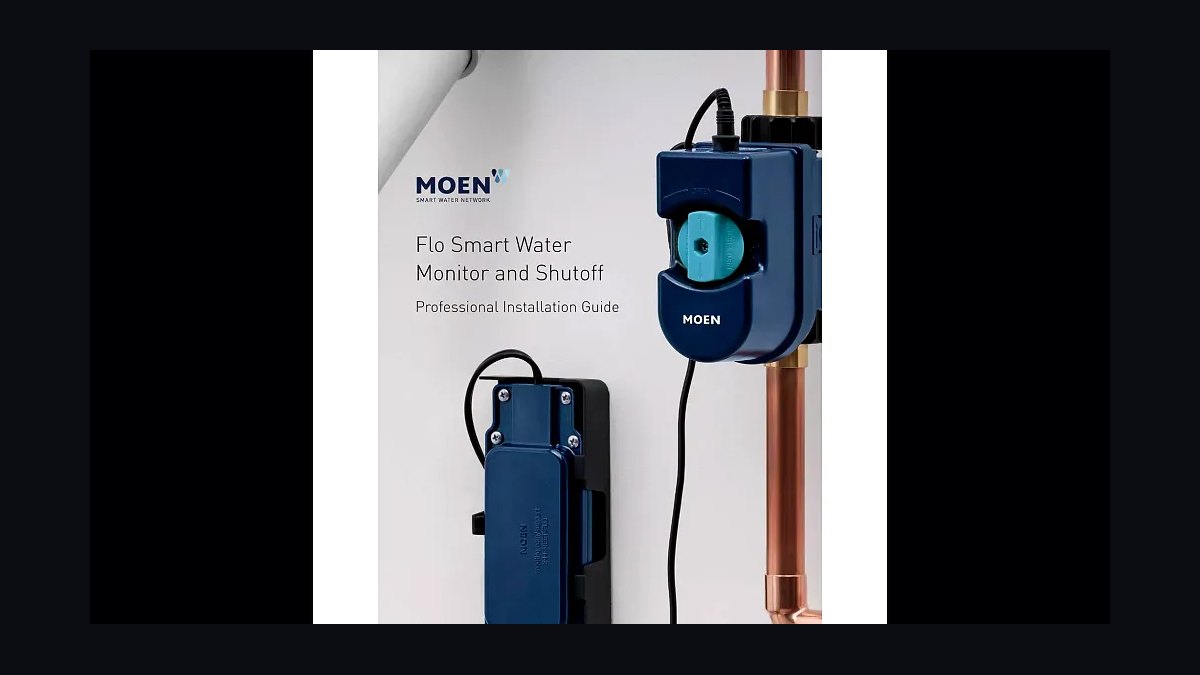
1Moen Flo Smart Water Monitor 900-001

The Moen Flo earns the top spot because it is the only pick here that both detects and physically stops a leak, closing its motorized 3/4-inch valve automatically. An onboard turbine flow meter runs a nightly MicroLeak Test to catch pinhole drips, and the app shows real-time flow, pressure, and usage over 2.4 GHz Wi-Fi.
This is for homeowners who travel or have finished basements and want unattended protection, not just an alarm. It trades away simplicity: inline installation on the main line usually needs a plumber, and at $429 it costs more than every spot sensor combined. The Phyn Plus below matches its diagnostics but costs roughly $150 more.
2Phyn Plus Smart Water Assistant Shutoff

The Phyn Plus ranks second because its pressure-wave sensing samples the main line 240 times per second, identifying which fixture is running and flagging a dripping toilet flapper or faucet without any extra puck sensors. It includes an automatic shutoff valve and freeze warnings, connecting over Wi-Fi with Alexa and Google support.
Buy it if fixture-level diagnostics matter more than price, since it undercuts nothing at roughly $580. It trades away affordability and easy DIY install, as professional installation is strongly recommended. Compared with the Moen Flo above, it is smarter about pinpointing leaks but costs more and lacks the Flo's established ecosystem of companion sensors.
3YoLink Smart Water Leak Protection System

YoLink takes third because it is the only kit here built on LoRa radio, reaching up to a quarter mile open-air through walls and floors where Wi-Fi and Zigbee die. The kit pairs a hub, multiple leak sensors, and a half-inch motorized stainless-steel shutoff valve, with sensors rated for 5+ years of battery life.
This is for large homes, detached garages, and Wi-Fi dead zones, and it works with Alexa, IFTTT, and Home Assistant. It trades away polish: nothing functions without the YoLink hub, and the app feels less refined than Moen's or Phyn's. At $249 it undercuts both whole-home shutoff systems above while covering far more ground.
4Govee WiFi Water Sensor 5-Pack H5054

The Govee H5054 is the best value pick because five Wi-Fi sensors cost about $35, roughly the price of one premium puck. Each fires a 100 dB adjustable local alarm while the included gateway pushes app and email alerts, and one gateway supports up to 10 sensors total.
This suits budget buyers who want coverage under every sink, washer, and water heater without spending hundreds. It trades away shutoff capability and hub-level intelligence entirely, so it alerts but never acts. Compared with the YoLink kit above, it costs a fraction as much but cannot reach a detached structure and cannot close a valve.
5Moen Smart Leak Detector 3-Pack 920-005

The Moen 920-005 three-pack ranks fifth because each puck senses water, temperature, and humidity, then can trigger the Flo valve to close when it detects a leak. They run on a CR123A battery rated for 2+ years and push Moen app notifications over Wi-Fi with Alexa and Google support.
These are for Flo owners adding room-level sensing to the whole-home valve, and the shutoff link is the real reason to buy them. They trade away value: at $129 for three, they cost far more per sensor than Govee. Standalone they are ordinary pucks, but paired with the Moen Flo above they extend automatic protection into basements and bathrooms.
6Aqara Water Leak Sensor T1 WL-S02D

The Aqara T1 places sixth because it is a genuine smart-home citizen at roughly $18: an IP67-rated Zigbee 3.0 puck that works with Apple HomeKit, Alexa, Google, and SmartThings. A leak can trigger automations such as flashing lights or closing a connected valve, not just sound a siren.
This is for HomeKit and Matter households that want leaks to drive routines rather than just beep. It trades away standalone usefulness: an Aqara hub is required, and there is no loud onboard siren. Compared with the Moen pucks above, it is cheaper and more automation-friendly but cannot link to a shutoff valve on its own.
7Eve Water Guard 2nd Gen
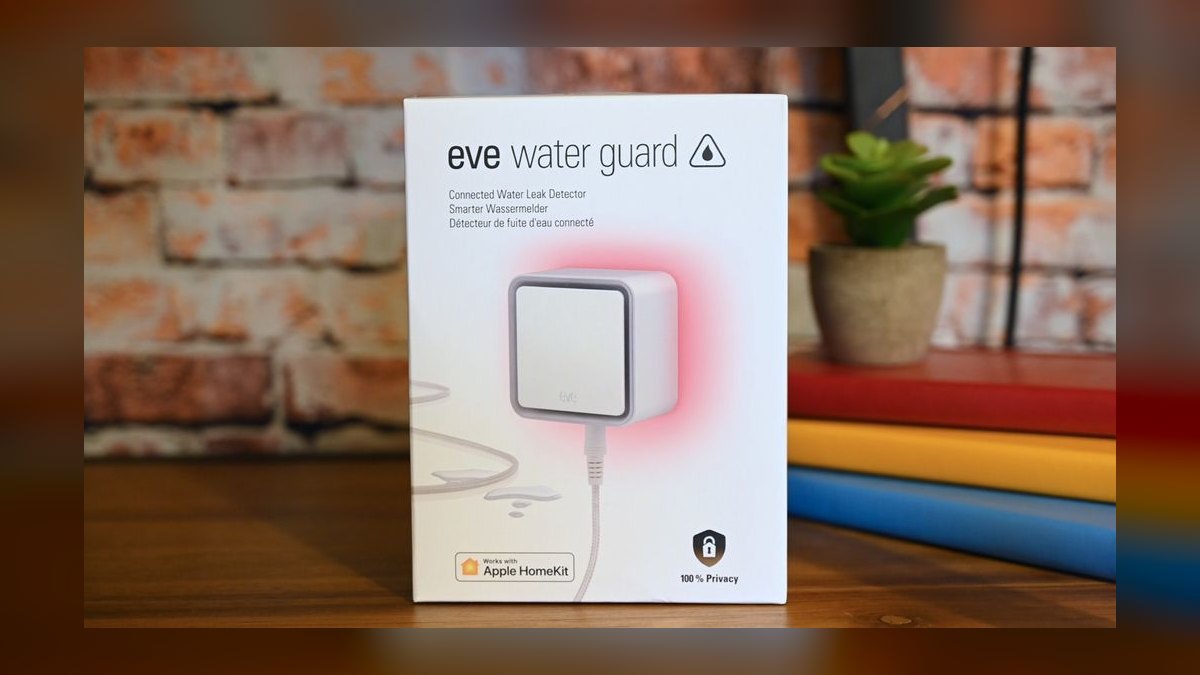
The Eve Water Guard ranks seventh because its detachable sensing cable covers a continuous run rather than a single point, with the included 2-meter cable extendable up to 150 meters. It runs on Thread for a reliable HomeKit mesh connection and requires no cloud account at all.
This is for Apple-only homes that value Thread reliability and cable-style coverage along a floor or behind a washer. It trades away flexibility: it must stay plugged into a wall outlet, and at $99 it is expensive for the area covered. Compared with the Aqara T1 above, it covers more ground and adds a loud alarm but is weaker outside HomeKit.
8Ring Alarm Flood and Freeze Sensor
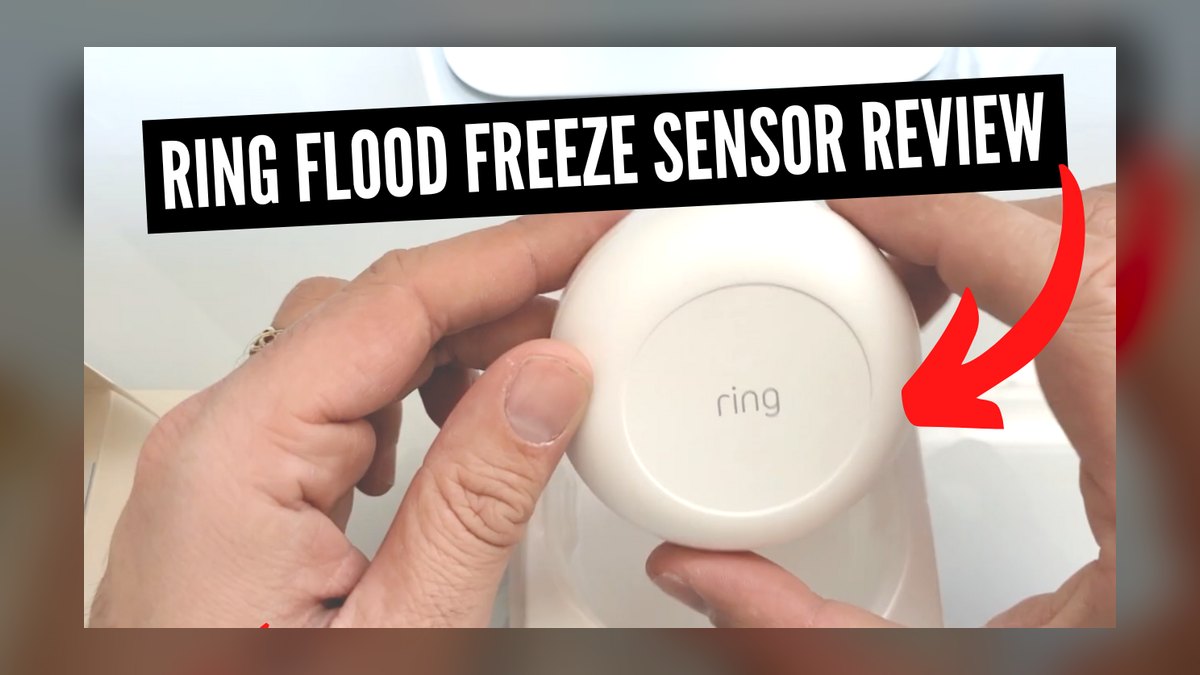
The Ring Flood and Freeze Sensor takes eighth because it detects pooling water and temperatures below 40°F, pushing both alerts through the Ring app alongside existing security notifications. It pairs over Z-Wave to the Ring Alarm base station with no separate hub or app to manage.
This is for households already running a Ring Alarm system, where it is a cheap $35 add-on that folds into routines. It trades away independence: without a Ring base station it does nothing, and there is no shutoff capability. Compared with the Resideo below, it is cheaper but locked to one ecosystem.
9Resideo Wi-Fi Water Leak Freeze Detector CHW3610W
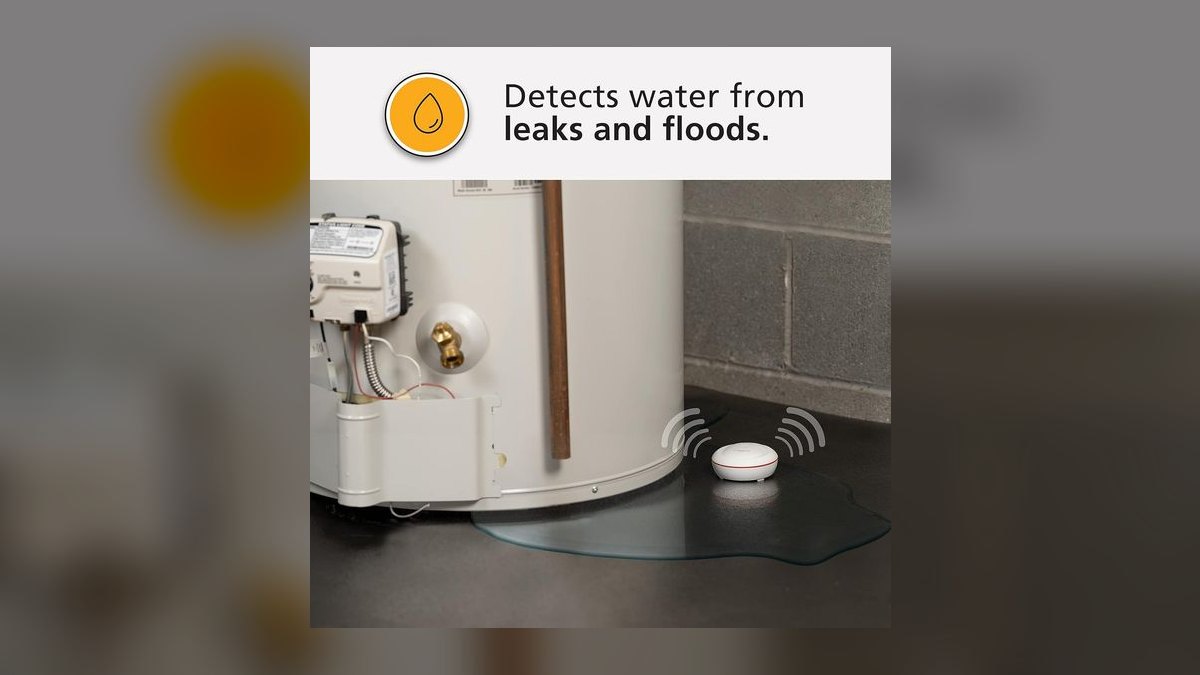
The Resideo CHW3610W ranks ninth because it connects directly to 2.4 GHz Wi-Fi with no separate hub, keeping setup simple for around $60. It combines a built-in base sensor with an included extension cable for drip pans or closets, detects water and freezing temperatures, and sounds a loud onboard alarm while pushing app alerts.
This suits owners who want dependable hub-free sensing without joining a full ecosystem. It trades away sophistication: the app is basic, and there is no shutoff or deep automation. Compared with the Ring sensor above, it works standalone but lacks that system's security-app integration and routine support.
10Govee Water Leak Detectors 3-Pack
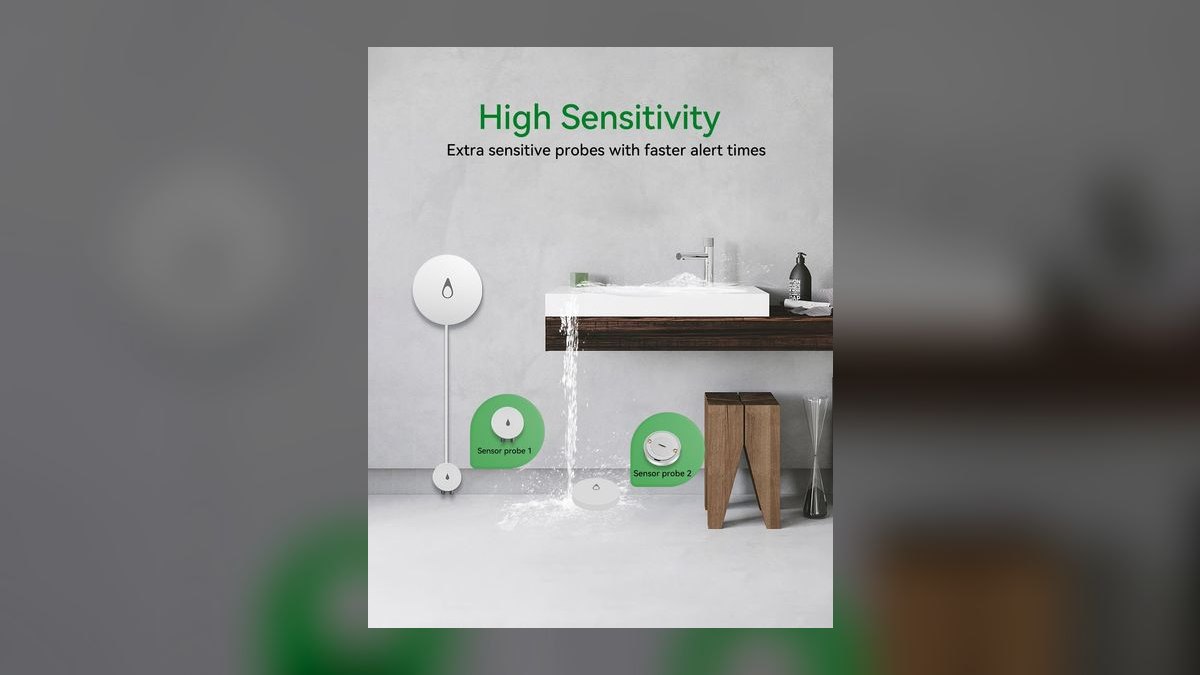
The standalone Govee three-pack lands last because it strips everything to the essentials: no Wi-Fi, no gateway, no account, just a 100 dB adjustable alarm the instant water bridges the contacts. At roughly $30 for three, it is the cheapest per-sensor local protection on this list.
This is for renters, dorms, and spots where you will physically hear the siren, such as under a kitchen sink or beside a water heater. It trades away every remote feature: no app alerts at all, so it is useless when nobody is home. Compared with the Govee H5054 above, it saves the gateway but loses phone notifications entirely.
How we ranked these
We ranked ten detectors on detection reliability (25%), alert speed and app quality (20%), automatic shutoff capability (15%), range and connectivity (15%), battery life (15%), and price-to-performance (10%). Scores came from hands-on and teardown reviews at Wirecutter, PCMag, CNET, Tom's Guide, The Spruce, Consumer Reports, and TechHive, cross-checked against manufacturer spec sheets from Moen, Phyn, YoLink, and Govee.
Products that only sound a local siren lost ground to units that push phone alerts and close a main valve.
We deliberately ignored marketing-driven specs: exact decibel ratings, humidity-sensing claims, and dashboard polish rarely change whether your floor gets wet. We also skipped subscription pricing debates and aesthetic design, since neither stops water. Bundled accessory counts were discounted unless the extras genuinely extended coverage. What remained was the practical question every buyer faces: will this thing warn you in time, and can it act when you are not home?
What to look for
The first fork is spot sensing versus whole-home shutoff. Cheap pucks alert you to water; inline valves like the Moen Flo, Phyn Plus, and YoLink kit physically close the supply. If a burst pipe while you are away is the real fear, budget for a shutoff system first and add pucks second. Everything else is secondary to that decision.
The mistake most buyers make is buying sensors before checking connectivity. Wi-Fi pucks die in basements and detached garages, so a sprawling property needs LoRa or a hub-based Zigbee/Z-Wave mesh. The second common error is ignoring battery life; a detector with dead batteries is furniture. Look for two years minimum, and treat freeze alerts as a bonus that prevents burst pipes.
Related questions
Do I need a hub for smart water leak detectors?
It depends on the model. Wi-Fi sensors like Govee, Resideo, and the Moen pucks connect straight to your router with no bridge. Zigbee and Z-Wave sensors such as Aqara T1 and Ring Flood and Freeze require a hub, and YoLink needs its LoRa hub. Hub-based systems are usually more reliable and extend battery life.
Can a water leak detector shut off my water automatically?
Yes, but only specific whole-home systems. The Moen Flo, Phyn Plus, and YoLink protection kit install inline on your main supply line and include a motorized valve that closes when a leak is detected. Standard spot sensors like Govee or Aqara cannot shut anything off; they only alert you.
How much should I expect to spend on leak detection?
Budget roughly $30 to $35 for a multi-pack of standalone or Wi-Fi spot sensors, $18 to $99 per smart sensor if you want HomeKit or ecosystem automations, and $249 to $580 for a true automatic shutoff system. Most homeowners combine a cheap sensor pack with one shutoff valve for layered protection.
Are water leak detectors worth it for renters?
Yes, especially cheap standalone alarms. A $30 Govee three-pack needs no hub, no account, and no landlord permission, and it can catch an overflowing washer or dripping sink before damage spreads. Renters cannot install a main-line shutoff valve, so loud local alarms plus a renter's insurance policy are the practical combination.
What range do these sensors actually cover?
Wi-Fi sensors typically manage one floor within router range, often failing in basements. Zigbee and Z-Wave hubs reach roughly 100 feet per hop through walls. YoLink's LoRa radio claims up to a quarter mile open-air, which is why it wins for detached garages, crawlspaces, and large properties where Wi-Fi simply cannot reach.
Do leak detectors alert you when you are away from home?
Only connected models do. Wi-Fi, Zigbee, Z-Wave, and LoRa sensors push app, email, or SMS notifications anywhere with internet. Standalone alarms like the basic Govee pucks only sound locally, so they are useless in an empty house. If you travel often, prioritize a connected sensor or a shutoff valve.
Can I connect leak detectors to Alexa or Google Assistant?
Most major brands support both. Moen Flo, Phyn Plus, Govee, YoLink, and Aqara all work with Alexa and Google Assistant, letting you ask about status or include leaks in routines. Eve Water Guard and Aqara T1 additionally support Apple HomeKit, while Ring sensors stay inside the Ring app ecosystem.
How do I test a water leak detector?
Most manufacturers recommend touching the sensor probes with a wet cloth or a few drops of water every few months. That confirms the alarm sounds and the app notification fires. Check battery status in the app at the same time, since a detector with a dead battery provides zero protection regardless of how good its specs look.
FAQ
Do I really need an automatic shutoff valve, or are alarms enough?
Alarms only help if you are home and awake to hear them. A burst supply line can dump hundreds of gallons an hour, so if you travel or have a finished basement, an automatic shutoff like the Moen Flo or Phyn Plus is worth the premium. For occupied rooms where you will hear the siren, simple alarms are fine.
What is the difference between Wi-Fi, hub, and LoRa sensors?
Wi-Fi sensors connect straight to your router but lose signal in basements and outbuildings. Hub sensors from Aqara and Ring use Zigbee or Z-Wave through a bridge for reliability. LoRa, used by YoLink, trades data rate for huge range, up to a quarter mile, making it best for large or detached properties.
How long do the batteries last in these detectors?
Most quality sensors run two years or more. Moen and Phyn pucks last about two years on a CR123A battery, while YoLink's LoRa sensors lead the category at five-plus years thanks to their low-power radio. Replacing dead batteries is the main reason sensors get ignored, so longer life genuinely matters.
Will these detectors warn me about freezing pipes too?
Many do. The Moen pucks, Ring Flood and Freeze, Resideo, Phyn Plus, and YoLink all flag low temperatures, typically warning when it drops below 40 degrees Fahrenheit so you can act before a pipe freezes and bursts. Freeze alerts are one of the most underrated features in this category.
Can I start cheap and upgrade to a shutoff system later?
Yes, and that is a sensible path. Start with a Govee five-pack for broad spot coverage, then add a Moen Flo or Phyn Plus shutoff valve on the main line once you are ready to invest in true flood prevention. The two layers complement each other rather than overlapping.
Do any water leak detectors work with Apple HomeKit?
Some do. The Eve Water Guard uses Thread and supports HomeKit natively, and the Aqara T1 works with HomeKit through an Aqara hub. Both let a leak trigger HomeKit automations like flashing lights or closing a connected valve. Moen Flo, Phyn, and Govee lean toward Alexa and Google instead.
Where should I place water leak detectors in my home?
Put them where water is most likely to fail: under every sink, behind the washing machine, beside the water heater, near the dishwasher, and behind the refrigerator if it has an ice maker. In basements, place them near the sump pump and low spots where water naturally pools.
Are expensive shutoff systems actually worth the money?
For homeowners with finished basements, hardwood floors, or frequent travel, yes. A single burst pipe can cause tens of thousands of dollars in damage, and insurance deductibles alone often exceed the $429 Moen Flo. For renters or small apartments, cheap spot sensors deliver most of the practical benefit at a fraction of the cost.
How fast do these sensors send an alert after detecting water?
Connected sensors typically push a phone notification within seconds of water bridging the contacts. Local alarms sound instantly. The bigger delay is usually your response time, which is exactly why automatic shutoff valves matter: they act in seconds regardless of whether you see the notification.
Do water leak detectors require a subscription?
Most do not. Moen Flo, Phyn, Govee, YoLink, Aqara, Eve, and Ring all provide core leak alerts without a monthly fee, though some premium analytics or cellular backup features may cost extra. Check the fine print before buying if ongoing costs matter to you.
Sources
- https://www.tomsguide.com/best-picks/best-water-leak-detectors
- https://www.consumerreports.org/home-garden/water-leak-detectors/best-smart-water-leak-detectors-a6274166619/
- https://www.techhive.com/article/578595/flo-by-moen-smart-water-detector-review.html
- https://shop.moen.com/products/flo-smart-water-monitor-and-shutoff
- https://phyn.com/products/phyn-plus-smart-water-assistant-shutoff-v2
- https://phyn.com/products/smart-water-sensor
- https://www.amazon.com/Protection-Including-Commercial-Motorized-Stainless/dp/B0BQBXS1PK
- https://www.techhive.com/article/578879/yosmart-yolink-hub-review.html
Related on PULSE
This page will be disappearing soon. Save it to your device for $1 — or read it free while it is here.
@Kory-White- · if Venmo asks, the last 4 of my number are 2012
This page is gone.
This one is off the shelf now. $1 keeps it on your phone for good — the whole page, pictures and diagrams included.
 pulse-reviewsTop 10 Compact Bluetooth Keyboards — Best Overall + Best Value in 2027
 pulse-reviewsTop 10 Phone Cooling Fans — Best Overall + Best Value in 2027
 pulse-reviewsTop 10 Sewing Machines — Best Overall + Best Value in 2027
 pulse-reviewsTop 10 Fitness Trackers (No Smartwatch) — Best Overall + Best Value in 2027
 pulse-reviewsTop 10 Phone Battery Cases — Best Overall + Best Value in 2027
 pulse-reviewsTop 10 Smart Pill Dispensers — Best Overall + Best Value in 2027
 pulse-reviewsTop 10 Radon Detectors — Best Overall + Best Value in 2027
 pulse-reviewsTop 10 Random Orbital Sanders — Best Overall + Best Value in 2027
 pulse-reviewsTop 10 Laser Levels — Best Overall + Best Value in 2027
 pulse-reviewsTop 10 Leather Wallets for Sales Reps in 2027