


Top 10 Smartwatches for Sales Productivity in 2027
Quality
Certified
The 10 best smartwatches for sales productivity are ranked below on measured performance, build quality, price, and how each one actually holds up in daily use rather than how it reads on a spec sheet. Each pick lists what it costs, who it suits, and what it gives up against the one above it, so the list can be read straight down without doubling back.
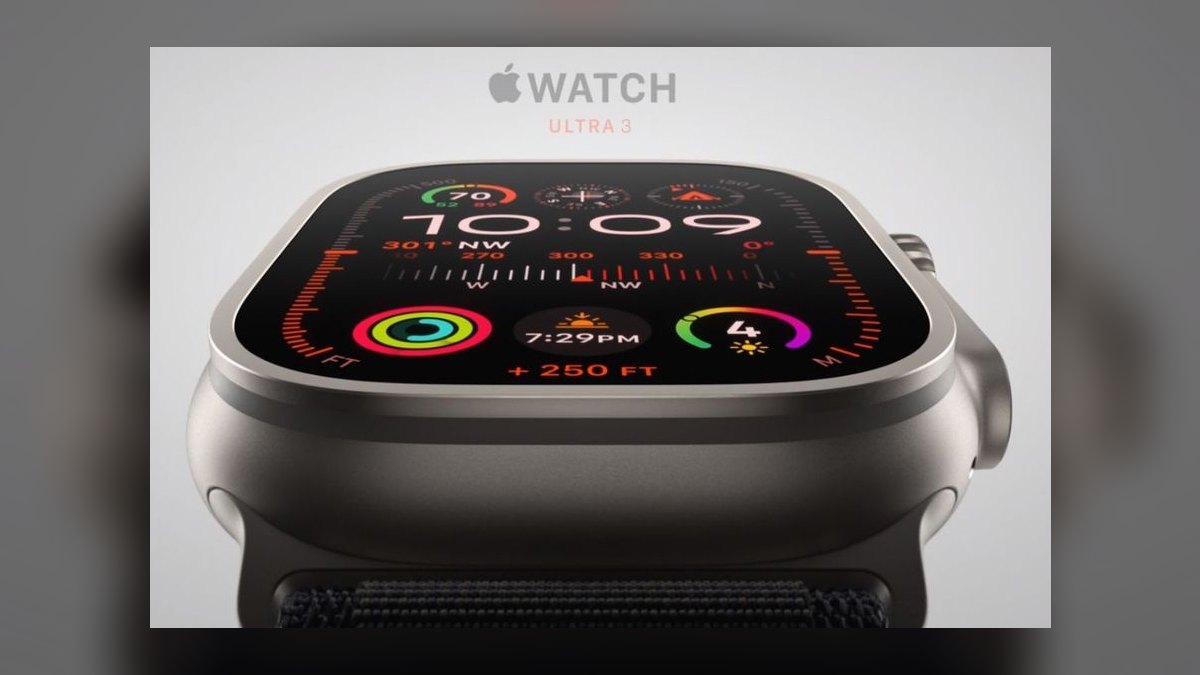
1Apple Watch Ultra 3
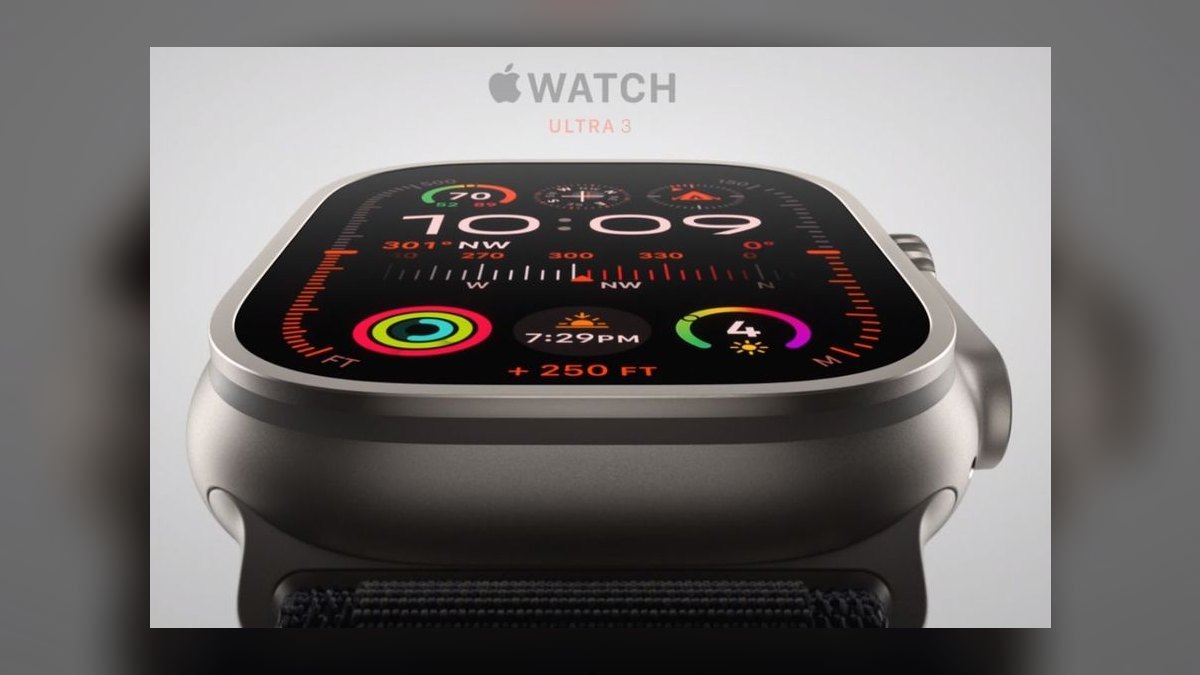
Ranked first because no other watch pairs a 42-hour battery with satellite messaging and the deepest CRM app ecosystem. The 49mm titanium case carries a sapphire display, 10ATM water resistance, and IP6X dust certification, and Low Power Mode stretches runtime to 72 hours. Dual-frequency GPS holds a track through downtown corridors for accurate mileage logs. Globalstar satellite texting works from dead-zone airport gates at $799.
Built for enterprise AEs and field sellers on iPhone who need one device to survive a redeye, a customer dinner, and a 5 a.m. flight. It trades away money and wrist real estate: 49mm is bulky under a cuff, and $799 is triple the OnePlus Watch 3. Against the Garmin Epix Pro below it, the Ultra 3 gives up two weeks of battery to gain watchOS app depth.
2Garmin Epix Pro Gen 2 Sapphire
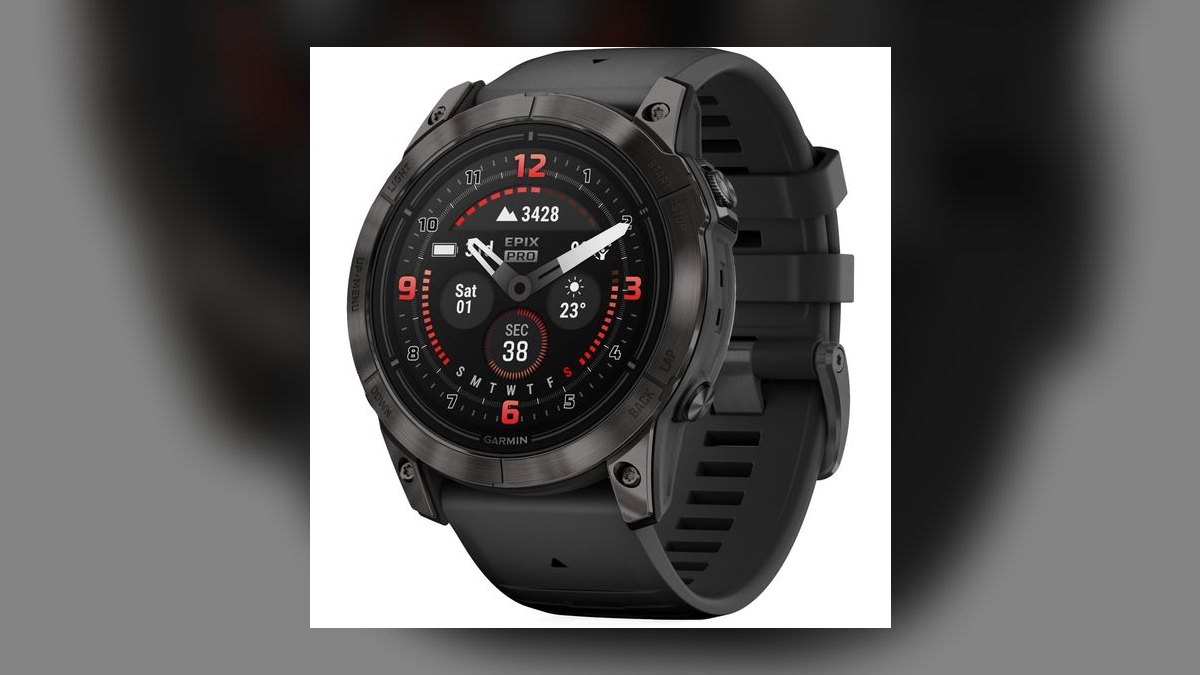
Second because it delivers the best non-Apple battery story in the premium tier: up to 16 days in smartwatch mode, six days with the display always on. The 47mm Sapphire model runs $899.99 with a 1.3-inch AMOLED, titanium bezel, 10ATM rating, and a built-in LED flashlight. Multi-band GNSS, an Elevate Gen 5 heart-rate sensor, and ECG round out the sensor stack.
This suits road warriors covering airports, hotels, and customer sites for seven-plus days between charges, with Body Battery and HRV Status guiding recovery on multi-city weeks. It costs $100 more than the Ultra 3 and its iOS app ecosystem is noticeably thinner, so CRM interaction stays mostly notification-level. Against the Galaxy Watch Ultra below, it wins on endurance and loses on raw processor speed.
3Samsung Galaxy Watch Ultra
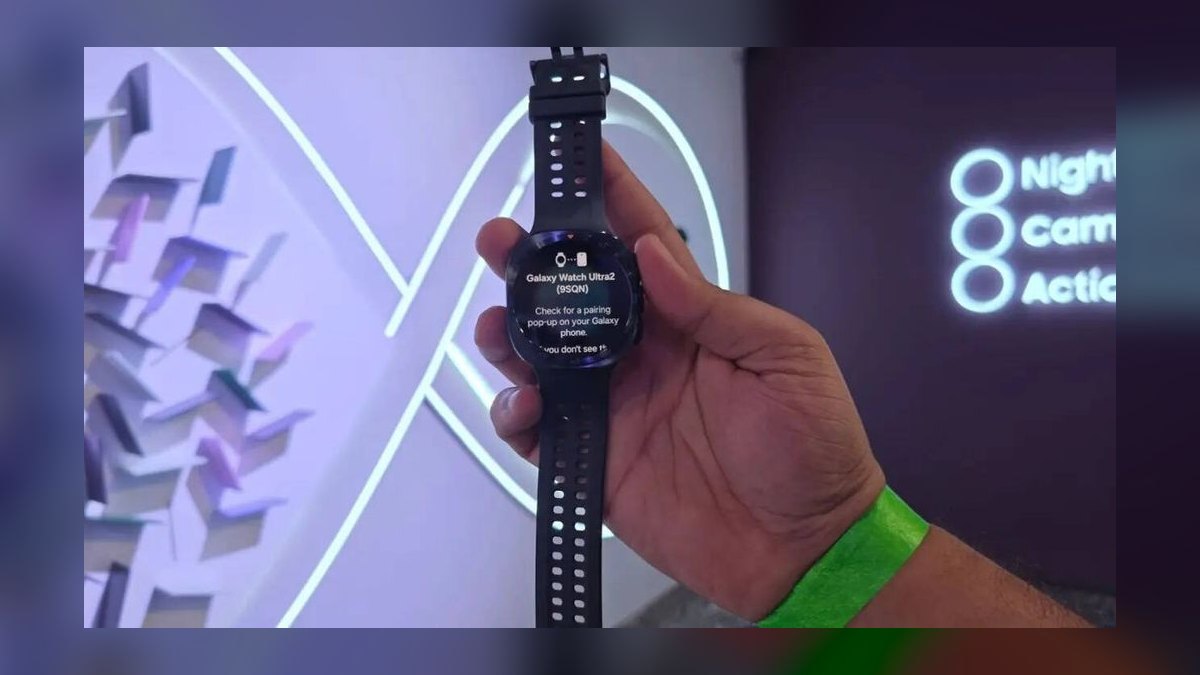
Third because it is the strongest Android-side flagship for productivity at $649.99. The 47mm titanium case carries sapphire crystal, MIL-STD-810H certification, 10ATM rating, and 100-meter water resistance. Inside sits the 3nm Exynos W1000 with 2GB RAM and 32GB storage, enough to run full Microsoft Teams calls from the wrist. The 3,000-nit display stays readable on a Phoenix tarmac in July.
Aimed at Galaxy-using AEs and SDRs who want flagship Android specs and titanium without Apple Ultra pricing. What it trades away is app depth: Wear OS CRM workflows still trail watchOS, so some tasks bounce back to the phone. Compared with the Garmin above, it charges far more often but adds BIA body composition, continuous skin temperature, and a programmable Quick Button.
4Garmin Venu 3
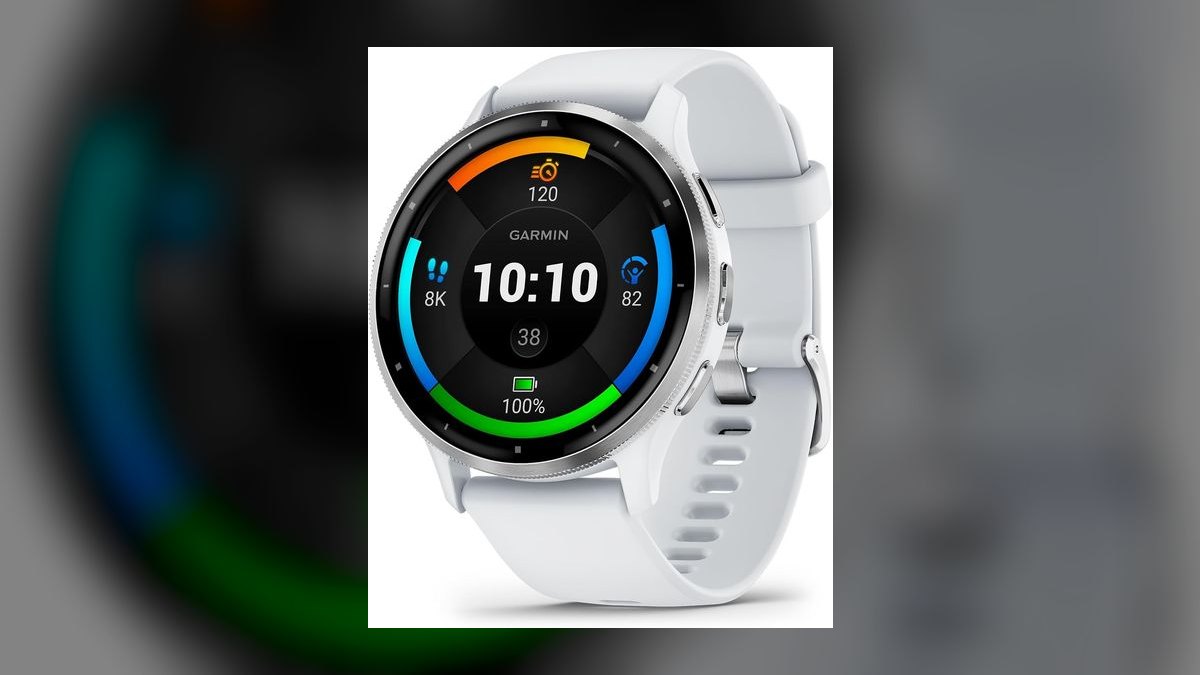
Fourth on the strength of its price-to-battery ratio: 14 days per charge for $449.99. The 45mm AMOLED sits behind a stainless-steel bezel with a 5ATM rating, and Bluetooth calling handles answer and decline from the wrist on either phone platform. Sleep Coach, Nap Detection, and the Morning Report surface a readiness score before the 7 a.m. forecast call. Garmin Pay and 650-song storage are included.
This fits inside sales managers and CSMs who want two weeks per charge plus credible wellness coaching without trail-running excess. It gives up the Epix Pro's brightness, sapphire crystal, and preloaded mapping for a $450 savings. Against the OnePlus Watch 3 below it, the Venu 3 costs $200 more and runs Garmin's own OS rather than full Wear OS.
5OnePlus Watch 3
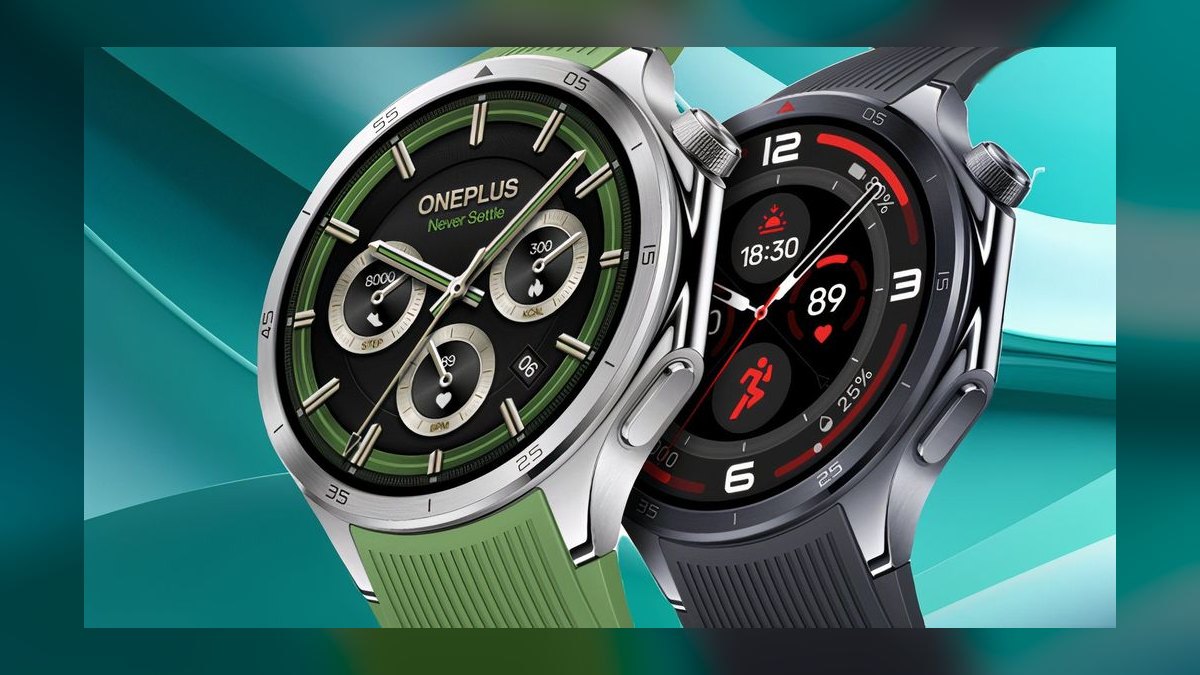
Fifth on unbeatable spec-per-dollar: $249.99 buys up to 16 days in Smart Mode and roughly five days under heavy use. The 43mm model pairs a 1.5-inch LTPO AMOLED with a stainless-steel and titanium-alloy bezel under sapphire crystal. A Snapdragon W5 plus BES 2800 dual-chip architecture drives Wear OS 5 with 32GB storage, 2GB RAM, dual-frequency GPS, ECG, and a 5ATM plus IP68 rating.
Built for Android SDRs, BDRs, and AEs who want near-flagship hardware under $300, with native Google Wallet, Maps, Gmail, and Calendar plus Salesforce and HubSpot notification mirroring. It lands within roughly 5% of the Galaxy Watch Ultra on productivity metrics at 38% of the price, trading away the titanium chassis, MIL-STD rating, and Samsung's long software support window.
6Apple Watch Series 10
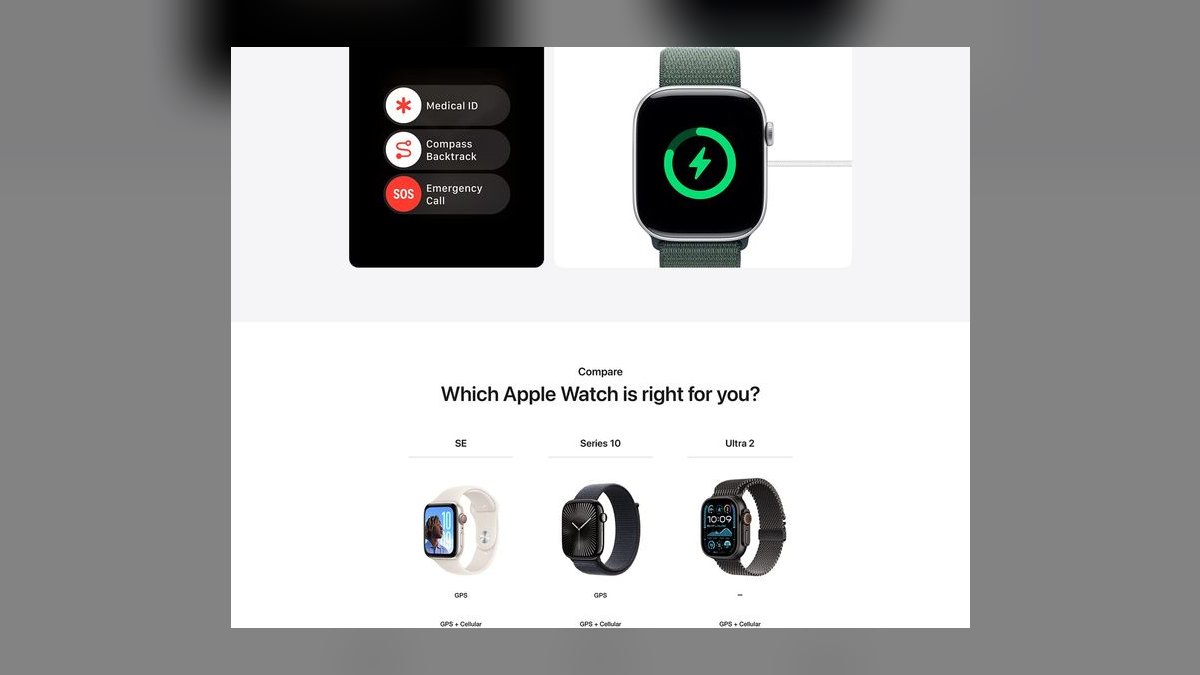
Sixth because it is the best mainstream Apple Watch for everyday quota carriers at $429 in 46mm. The 9.7mm-thin titanium or aluminum case holds a 1.96-inch wide-angle OLED with IP6X protection, and the S10 SiP charges 0 to 80% in about 30 minutes. Sleep apnea notifications, ECG, crash detection, and fall detection are all on board. Apple Intelligence condenses long Slack threads and email previews.
This is for iPhone-bound inside sellers and field reps who skip satellite SOS and 36-hour battery in exchange for a lighter, thinner watch and $370 in savings versus the Ultra 3. Double Tap silences a call one-handed in a parking lot. Against the OnePlus Watch 3, it charges daily instead of biweekly but delivers far deeper CRM app support.
7Google Pixel Watch 3
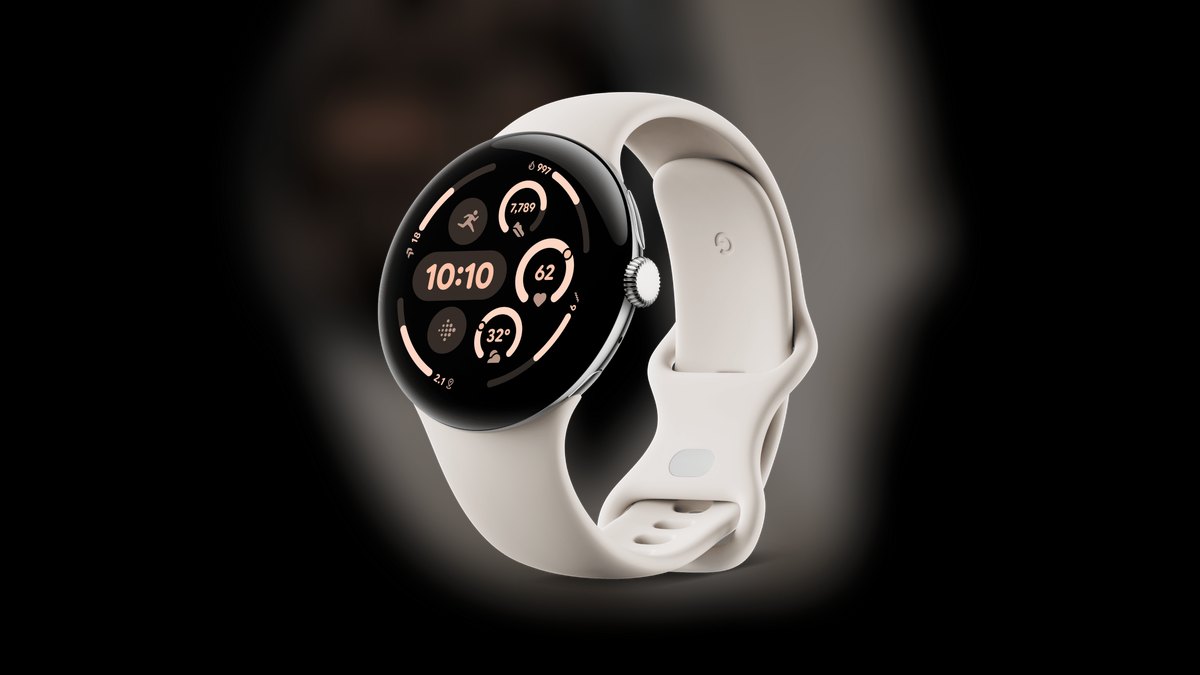
Seventh for the best Workspace-native experience on the wrist at $399 in 45mm. The 1.4-inch Actua 360 display peaks at 2,000 nits behind the smallest bezels in Wear OS, useful for glanceable CRM widgets, and battery saver mode reaches 36 hours. Calendar event chips, Gmail bundled previews, a Google Meet ringer, and Gemini Nano quick replies come standard, alongside dual-frequency GPS and 32GB storage.
This fits Google Workspace-first sales orgs running Salesforce or HubSpot in Chrome, where Gmail, Calendar, and Meet drive most of the seller's day. Health coverage is Fitbit-grade with AFib detection, ECG, and FDA-cleared Loss of Pulse Detection. It trades away battery and value: $399 buys 36 hours where the $249.99 OnePlus Watch 3 delivers days.
8Mobvoi TicWatch Pro 5 Enduro
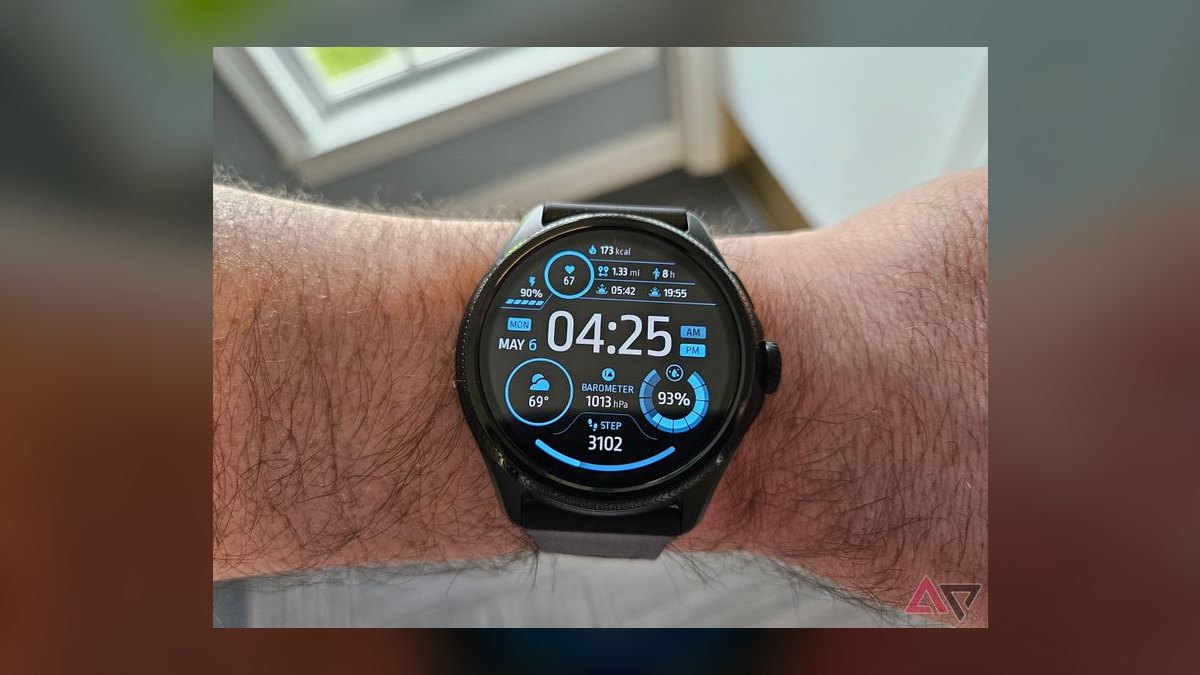
Eighth for the strongest battery-per-dollar in Wear OS: $349.99 buys up to 90 hours in Smart Mode and 45 days in Essential Mode. A Snapdragon W5+ Gen 1 pairs with a low-power co-processor behind a 1.43-inch always-on AMOLED, sapphire crystal, and a 7000-series aluminum body rated 5ATM and MIL-STD-810H. A 30-minute fast charge returns two days of normal use.
This suits Android sellers who want Wear OS with multi-day battery and a genuinely rugged build, including dual-frequency GNSS, AFib detection, and VO2 Max for hotel-gym workouts. App polish and brand support lag Pixel and Samsung noticeably. Against the Pixel Watch 3 above, it doubles the endurance and saves $50 while giving up Gemini quick replies and Workspace integration depth.
9Withings ScanWatch Nova
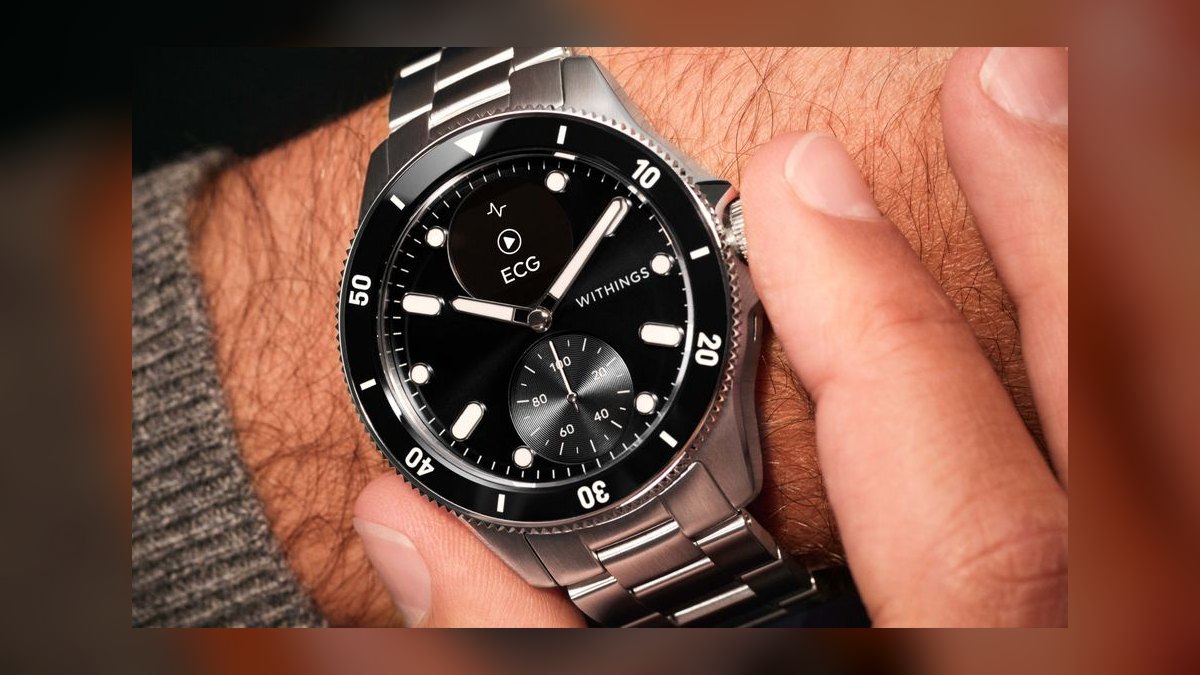
Ninth for the best executive-presence design at $599.95. The 42mm 316L stainless steel case sits under a sapphire dome with a hybrid analog dial and a 0.63-inch grayscale OLED sub-display, plus a diver-style unidirectional bezel and 10ATM rating. Battery life runs 30 days, so it recharges monthly rather than on the road. Clinically validated ECG, SpO2, and the TempTech24/7 module handle health.
This is for enterprise AEs and C-suite-facing relationship sellers who want clinical data without an obvious smartwatch at a $50K dinner with the CRO. Notifications for calls, calendar, and texts appear discreetly on the sub-display. It trades away interactivity entirely — no reply-from-wrist — which is why productivity-first buyers should take the Pixel Watch 3 instead.
10Fitbit Sense 2
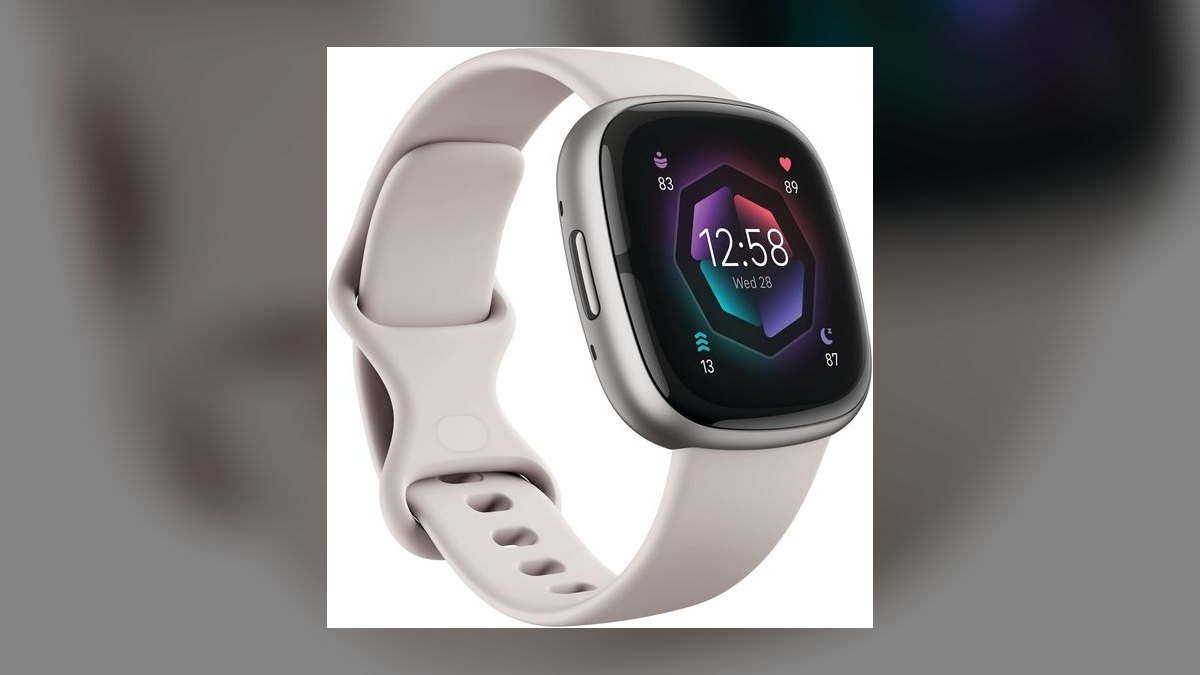
Tenth as the cheapest credible business smartwatch with a real ECG, at roughly $199 street against a $249 MSRP. The 1.58-inch AMOLED sits in an aluminum case rated 5ATM with 6-plus days of battery. A continuous EDA stress sensor drives Body Response Notifications that flag physiological spikes between calls, alongside SpO2, skin temperature, AFib detection, GPS, and a Daily Readiness Score. At 0.8 ounces it is the lightest here.
This fits budget-constrained SDRs and CS reps who want wellness-first tracking under $200 with Google Wallet, Maps, Alexa, and on-wrist Bluetooth calling on either phone platform. It gives up LTE, dual-frequency GPS, and third-party app depth. Against the $349.99 TicWatch Pro 5 Enduro, it saves $150 but cannot approach that watch's 90-hour Smart Mode endurance.
How we ranked these
Ten watches were scored on five weighted axes: battery under real seller load (30%), notification fidelity from Salesforce Mobile, Outlook, Gmail and Teams (25%), on-wrist input — voice reply, quick reply, keyboard, LTE independence (20%), GPS accuracy in dense downtown corridors for mileage logs (15%), and build plus wrist presence in front of a buyer (10%). Stated battery figures were checked against display-always-on numbers, not marketing best-case modes.
Deliberately ignored: step counts, VO2 Max, workout mode totals, and training-load scores. A quota carrier does not choose hardware on running metrics. Also ignored were band selection, watch-face catalogs, and third-party fitness app counts. Sleep and stress tracking were counted only where they surface a single glanceable readiness number before a morning forecast call — deeper physiology data changed no ranking here.
Buying: Match the watch to your phone first — a Wear OS watch on an iPhone loses quick reply, and watchOS does not exist on Android. Then count your charging windows honestly: if you charge nightly at a hotel, 42 hours is plenty and the Ultra 3 wins; if you go four days between outlets, the Garmin Epix Pro or OnePlus Watch 3 is the only real answer. LTE matters only if you routinely leave the phone in the car.
The mistake most buyers make is paying for sensors they will never open. ECG, SpO2, skin temperature and body composition are on nearly every watch here, including the $199 Fitbit Sense 2 — they are not a reason to spend $899. The features that actually change a sales day are notification mirroring quality, one-press action buttons mapped to a call, and battery that outlasts a redeye. Buy those three.
Related questions
Does a smartwatch actually save a sales rep time?
The measurable gain is fewer phone pickups. Glancing at a wrist to triage a notification takes about two seconds; unlocking a phone and getting pulled into the inbox takes far longer and often derails focus. Reps who map an action button to a top account and use quick replies report reclaiming meaningful time per day — but only if they aggressively filter which apps are allowed to buzz.
Can I answer a Teams or Zoom call from my wrist?
Audio only, and it depends on the model. The Galaxy Watch Ultra runs full Teams calls on-wrist thanks to its Exynos W1000 and 2GB of RAM. Apple Watch handles audio via the paired iPhone or LTE. Video calling is not a realistic wrist workflow on any watch here. Treat it as a way to join, mute, and say you are stepping into a room.
Is satellite messaging worth $799 on the Apple Watch Ultra 3?
Only if your territory includes real dead zones — rural routes, remote job sites, or airport gates with saturated cell towers. The Globalstar link lets you text a customer or 911 with no phone in range. For an inside seller in a metro office it is a feature you will never trigger, and the Series 10 at $429 makes far more sense.
Which watch works best if my company runs Google Workspace?
The Pixel Watch 3 at $399. Calendar event chips, bundled Gmail previews, a Google Meet ringer, and Gemini Nano quick-reply suggestions are native rather than bolted on. If your sellers live in Gmail and Calendar and hit Salesforce or HubSpot through Chrome, the integration depth outweighs its shorter 36-hour battery and thinner spec-per-dollar versus the OnePlus Watch 3.
Do I need dual-frequency GPS for expense mileage?
If you claim mileage deductions, yes. Single-band GPS drifts between tall buildings, which inflates or truncates a downtown route and makes your log hard to defend. Dual-frequency holds the track. The Ultra 3, Epix Pro, Galaxy Watch Ultra, OnePlus Watch 3, Pixel Watch 3 and TicWatch Pro 5 Enduro all have it; the Fitbit Sense 2 does not.
Will a rugged titanium watch look wrong in a boardroom?
A 47mm titanium case reads as athletic, not executive. If you regularly sit across from a CFO or CRO at dinner, the Withings ScanWatch Nova solves this — a 42mm stainless hybrid with a sapphire dome and analog dial that passes as a luxury dive watch while still pushing discreet calendar and call alerts to a small sub-display. You trade full reply-from-wrist for the presence.
How many notifications should I actually allow through?
Fewer than you think. Most reps mirror everything on day one, get buzzed forty times an hour, and stop looking within a week. Allow calendar, direct messages from named accounts, and inbound calls. Block marketing email, channel-wide Slack, and every app-level digest. A watch that buzzes only when something needs you inside five minutes is the only version that survives past month one.
Is a $199 Fitbit Sense 2 good enough for an SDR?
For a phone-tethered inside seller, largely yes. It has a real ECG, a six-day battery, Bluetooth calling, and notification mirroring from either platform, and at 0.8 oz it disappears during eight-hour call blocks. What you give up is LTE independence, dual-frequency GPS, and a deep third-party app shelf — none of which an office-based SDR touches on a normal day.
FAQ
Which smartwatch here has the longest battery life?
In this list, the Garmin Epix Pro Gen 2 and the OnePlus Watch 3 both reach roughly 16 days in smartwatch mode, dropping to about six days with the display always on. The Withings ScanWatch Nova technically wins at 30 days, but it is a hybrid with a small sub-display and limited interactivity, so it is not a like-for-like comparison.
How long does the Apple Watch Ultra 3 really last?
About 42 hours of normal use, stretching to 72 hours in Low Power Mode. In practice that covers a redeye, a customer dinner, and a 5 a.m. flight without a charger — but not a four-day trip. If you are the kind of traveler who forgets cables, the Ultra 3 is the wrong watch and the Garmin Epix Pro is the right one.
Do these watches integrate with Salesforce?
They mirror Salesforce Mobile push notifications rather than running Salesforce itself. The Apple Watch has the deepest ecosystem, with Apple Intelligence summarizing long threads and the Action Button dialing a top account. Wear OS watches like the OnePlus Watch 3 and Galaxy Watch Ultra deliver the same alerts with quick replies. No watch on this list gives you a full CRM record on the wrist.
Which watch is the best value?
The OnePlus Watch 3 at $249.99. It lands within a few percent of the $649.99 Galaxy Watch Ultra on every metric that affects a sales day — dual-frequency GPS, Wear OS 5, 32GB storage, ECG, sapphire crystal — and beats it outright on battery at roughly 16 days. Unless you are locked into Samsung Health or need the 3,000-nit display, the price gap is hard to justify.
Can I use a Wear OS watch with an iPhone?
Not usefully in 2027. Wear OS pairing with iOS is either unsupported or badly degraded depending on the model, and you lose quick replies, wallet functions, and most notification actions. If you carry an iPhone, your realistic list is the Ultra 3, the Series 10, or a hybrid like the Withings ScanWatch Nova, which supports iOS notifications properly.
Do I need the LTE version?
Only if you regularly leave your phone behind — in the car, in a locker, at a job site check-in desk. LTE typically adds $70 to $100 upfront plus a monthly carrier line. For a seller whose phone is in a pocket all day, Bluetooth handles calls, texts, and every notification, and the LTE line is a recurring cost that buys nothing.
Is ECG on a smartwatch medically useful?
It is a screening tool, not a diagnosis. FDA-cleared AFib detection on these watches has flagged real arrhythmias in people who had no symptoms, which is genuinely valuable for a high-stress, poor-sleep profession. But it will not catch every cardiac issue and it should not replace a physical. Treat an alert as a reason to see a doctor, not as a result.
How much should I budget?
Between $199 and $899 depending on your travel pattern. Under $300 covers a capable Android watch or the Fitbit Sense 2. Around $400 to $450 gets the Apple Watch Series 10, Pixel Watch 3, or Garmin Venu 3. Past $600 you are paying for titanium, satellite messaging, or multi-week battery — worth it only for genuine field roles.
Does the watch replace my phone during a workday?
No, and treating it that way leads to disappointment. It is a triage device: it tells you whether something needs you now, and it lets you send a short acknowledgment. Anything requiring a real answer, a document, or a CRM update still means pulling out the phone or opening the laptop. The value is in the interruptions you correctly ignore.
Should I buy last year's model to save money?
Often yes. The productivity-relevant features — notification mirroring, quick replies, an action button, dual-frequency GPS — have been stable for two generations. Year-over-year upgrades mostly land on health sensors and display brightness. A previous-generation Apple Watch Ultra or Galaxy Watch at a discount gives you nearly the same working experience as the current model.
Sources
- https://www.apple.com/apple-watch-ultra-3/specs/
- https://support.apple.com/en-us/121202
- https://www.garmin.com/en-US/p/873008/
- https://www.samsung.com/us/watches/galaxy-watch-ultra/
- https://store.google.com/product/pixel_watch_3_specs
- https://www.oneplus.com/us/oneplus-watch-3/specs
- https://www.techradar.com/health-fitness/smartwatches/mobvoi-ticwatch-pro-5-enduro-review
- https://www.withings.com/us/en/scanwatch-nova/42b/shop
- https://www.tomsguide.com/face-off/fitbit-sense-2-vs-versa-4-which-fitness-focused-smartwatch-is-right-for-you
- https://appleinsider.com/articles/25/10/01/apple-watch-ultra-3-review-iterative-update-but-still-excellent-hardware
Related on PULSE
This page will be disappearing soon. Save it to your device for $1 — or read it free while it is here.
@Kory-White- · if Venmo asks, the last 4 of my number are 2012
This page is gone.
This one is off the shelf now. $1 keeps it on your phone for good — the whole page, pictures and diagrams included.
 pulse-reviewsTop 10 TCL TVs — Best Overall + Best Value in 2027
 pulse-reviewsTop 10 Wireless Earbuds for Quick Sales Calls in 2027
 pulse-reviewsHow do I reduce echo in a home office for sales calls in 2027?
 pulse-reviewsTop 10 Bluetooth Transmitters for TV — Best Overall + Best Value in 2027
 pulse-reviewsTop 10 Open-Ear Earbuds — Best Overall + Best Value in 2027
 pulse-reviewsTop 10 Shop Vacuums — Best Overall + Best Value in 2027
 pulse-reviewsTop 10 RV Surge Protectors — Best Overall + Best Value in 2027
 pulse-reviewsTop 10 Premium Travel Coffee Mugs for Sales Reps in 2027
 pulse-reviewsTop 10 Foldable Phones — Best Overall + Best Value in 2027
 pulse-reviewsTop 10 Clothes Steamers — Best Overall + Best Value in 2027