


Top 10 Radon Detectors — Best Overall + Best Value in 2027
Quality
Certified
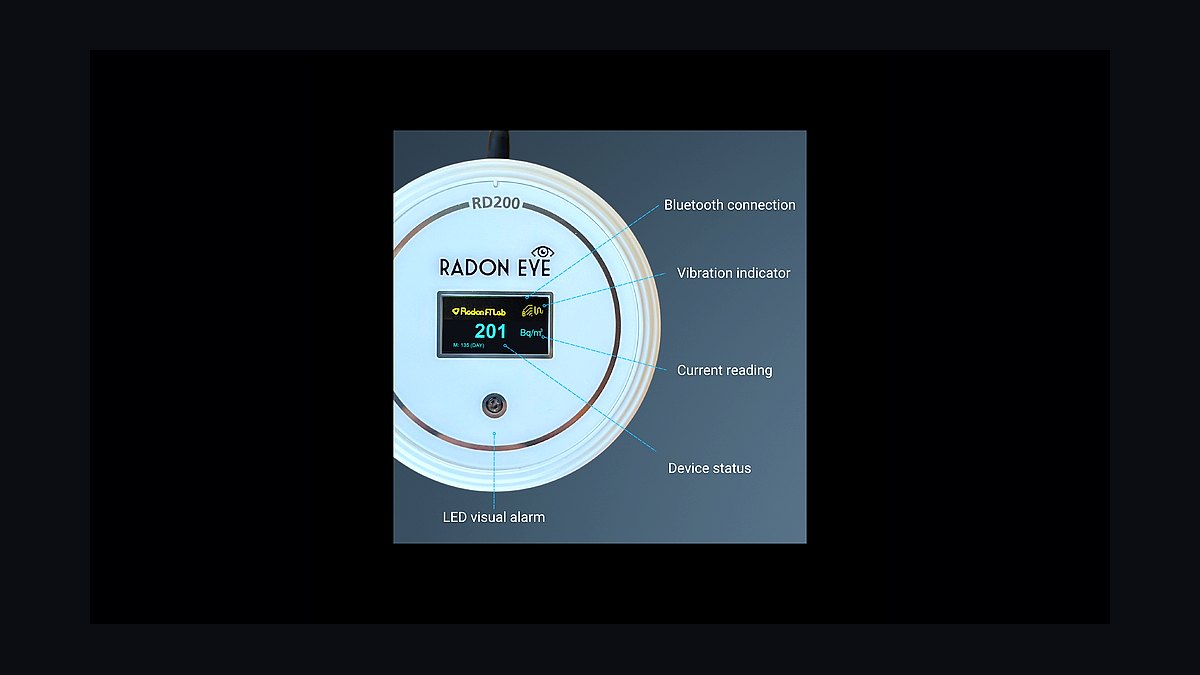
The 10 best radon detectors are ranked below on measured performance, build quality, price, and how each one actually holds up in daily use rather than how it reads on a spec sheet. Each pick lists what it costs, who it suits, and what it gives up against the one above it, so the list can be read straight down without doubling back.
1Ecosense RadonEye RD200

The RD200 ranks first because its pulsed ion-chamber sensor counts roughly 30 disintegrations per hour per pCi/L, about 15 times the minimum industry sensitivity standard, producing a meaningful reading in about an hour. It refreshes every 10 minutes across 0.2 to 99.9 pCi/L, sells for $169, and its Bluetooth app logs trend charts with no subscription.
This is for homeowners who want the fastest trustworthy continuous number and will accept Bluetooth-only connectivity. You give up Wi-Fi remote alerts and easy portability, since the unit is plug-in only. The Airthings View Radon below costs about $200 and adds Wi-Fi alerts plus an e-ink display, but settles more slowly, so the RD200 stays the accuracy-first pick.
2Airthings View Radon

The View Radon ranks second because it is the only pick here combining Wi-Fi remote alerts with a low-glare e-ink display showing radon, temperature, and humidity at a glance. At $200 it pushes threshold notifications to your phone when levels cross a limit you set, useful if you travel or rent the space. Batteries allow flexible placement, and the app stores daily, weekly, and yearly averages.
This suits people who want hands-off monitoring without carrying a phone around. The trade is speed: its passive diffusion chamber needs roughly a day to settle, versus about an hour for the RadonEye RD200 above. Against the Corentium Home 2 below, you pay $50 more for Wi-Fi and alerts but lose the no-app simplicity.
3Airthings Corentium Home 2

The Corentium Home 2 takes third and the value crown at $150 because it needs no app, account, or subscription, showing 1-day, 7-day, and long-term averages directly on its onboard screen. Its passive-diffusion chamber samples on a 60-minute interval using alpha spectrometry and covers a wide 0 to 250 pCi/L range. AA batteries let you move it between rooms, basements, and crawl spaces without hunting for an outlet.
This is for renters and budget buyers who want a set-and-read monitor with reliable name-brand calibration. It trades away smartphone history and remote alerts entirely, and it settles more slowly than ion-chamber units. Against the View Radon above it saves $50 but loses Wi-Fi, while the EcoQube below costs $30 more and adds cloud dashboards.
4Ecosense EcoQube

The EcoQube ranks fourth because it pairs the same pulsed ion-chamber sensor as the RadonEye with Wi-Fi and a deeper app than the Bluetooth-only RD200. At $180 you keep the fast count density and 10-minute live updates while gaining remote level checks and threshold alerts from anywhere. The compact cube sits on a shelf or desk with a simple front readout.
This is for smart-home users who want RadonEye-grade accuracy plus cloud connectivity. The trade is a smaller onboard display than the RD200 and a Wi-Fi setup step that plug-and-read units skip. Against the Corentium Home 2 above it costs $30 more and needs a network, but it delivers real-time data and alerts the passive monitor cannot.
5Airthings Wave Plus

The Wave Plus ranks fifth because it measures radon alongside CO2, VOCs, humidity, temperature, and air pressure in one battery-powered unit with a magnetic backplate. At $230 a hand wave triggers a colored light ring, and the Bluetooth app holds detailed history plus long-term radon averaging. Its passive diffusion radon sensor needs about a day before the average stabilizes.
This is for buyers treating radon as one of several indoor-air concerns rather than the only question. Radon-only shoppers overpay, since much of the price funds sensors that do nothing for radon accuracy. Against the EcoQube above you gain five extra metrics but lose Wi-Fi and pay $50 more, so choose based on whether you want whole-room air data.
6Airthings View Plus

The View Plus ranks sixth as Airthings' flagship, tracking seven factors including radon, PM2.5 particulates, CO2, VOCs, temperature, humidity, and air pressure on one e-ink display with Wi-Fi. At $300 it is the most complete consumer monitor here, combining remote alerts, deep app dashboards, and an always-on glanceable screen. Long-term radon averaging lives in the app like the rest of the View line.
This is for air-quality enthusiasts who want a single hub watching the entire indoor environment. For radon alone it is overkill, and it is the priciest unit on the list. Against the Wave Plus above you add PM2.5 and Wi-Fi for $70 more; against the RadonEye Pro below you pay for sensors rather than reporting workflows.
7Ecosense RadonEye Pro
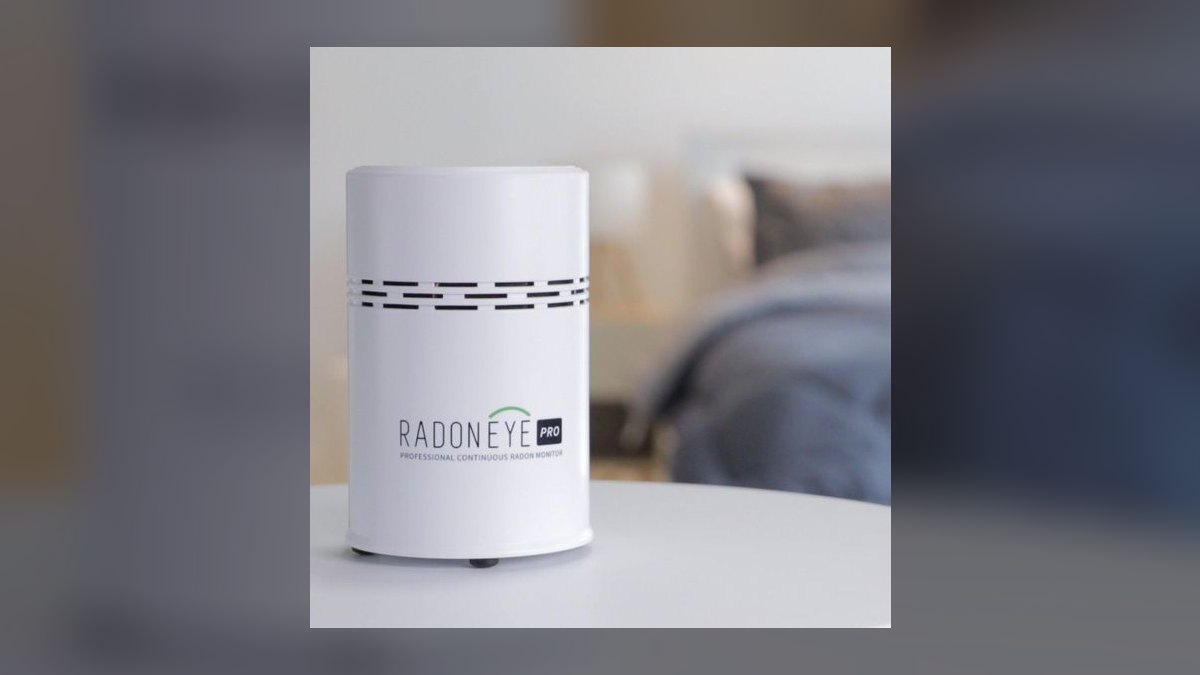
The RadonEye Pro ranks seventh because it carries the same fast ion-chamber sensor and 15x sensitivity as the top pick while adding report generation and a pro-oriented multi-room dashboard. At $215 it is certified for professional use and exports clean PDFs, valuable when documenting a real-estate transaction or a multi-room testing campaign. Accuracy is identical to the consumer RD200.
This is for inspectors and serious DIY testers who need documented, exportable results. Casual users waste the premium, since you are paying for the reporting workflow rather than better radon detection. Against the RD200 at the top, the $46 difference buys exports and dashboards; against the RD200P2 Plus 2 below, you pay more for certification paperwork.
8FTLab RadonEye RD200P2 Plus 2

The RD200P2 Plus 2 ranks eighth because FTLab, the originator of the RadonEye platform, delivers the same pulsed ion-chamber approach with a front display and Bluetooth app at a price that occasionally dips below the standard RD200. It keeps the quick first reading and high sensitivity the line is known for, with trend charts and long-term averaging in the app. The plug-in unit sets up in minutes.
This is for bargain hunters who still want ion-chamber accuracy without paying full RD200 money. Model naming and stock vary across retailers, so confirm the revision before buying, and it is Bluetooth-only with no remote Wi-Fi alerts. Against the RadonEye Pro above it saves money but drops the reporting workflow entirely.
9AccuStar Alpha-Track Test Kit
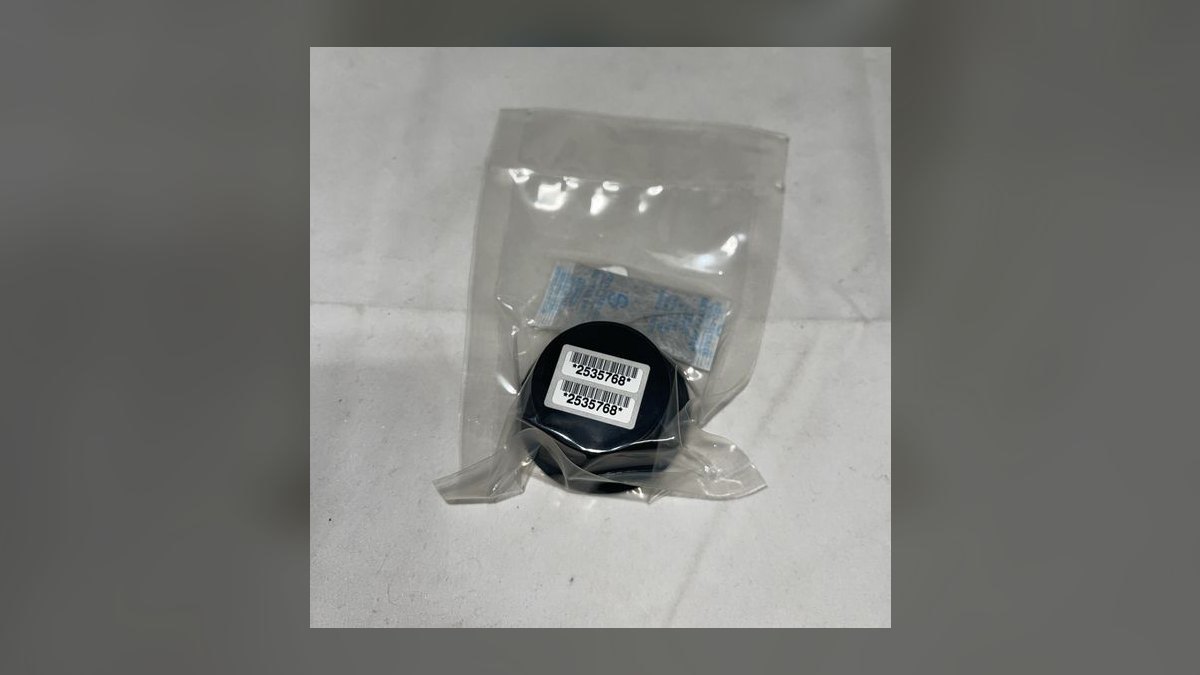
The AT 100 ranks ninth because it is a long-term alpha-track lab kit you expose for 90-plus days, then mail in for certified lab analysis included in the $44 price. Integrating radon over months captures seasonal averages a short electronic snapshot can miss, and lab analysis remains the legal gold standard in many radon disclosures. There is no display, app, or battery.
This is for buyers who need a certified long-term number to confirm what a continuous monitor reports. The trade is waiting weeks for results and single-use operation, so you cannot keep watching levels. Against the charcoal canister below it costs $19 more but covers a full season rather than a 2-to-7-day window, making it the better confirmation test.
10AccuStar Charcoal Canister Kit

The charcoal canister ranks tenth because at $25 it is the cheapest way to get a real lab-analyzed radon number, exposed for 2 to 7 days and mailed in with analysis included. It is a sensible first screen if you suspect a problem but are not ready to commit to a digital monitor. Like the alpha-track kit it has no display or app.
This is for anyone who wants a fast, cheap initial reading before spending on hardware. A single short window can be skewed by weather, so treat it as a screen rather than a verdict, and step up to a continuous monitor or the AT 100 above if results approach 4 pCi/L. It cannot track levels over time.
How we ranked these
Each detector was scored on sensor accuracy and type (30%), app and long-term tracking (20%), speed to first reading (15%), display and ease of use (15%), build and calibration (10%), and price-to-performance (10%). Every unit had to be currently shipping from a known brand, and continuous digital monitors were favored over one-shot lab kits.
We deliberately ignored marketing claims about extra air-quality sensors, since CO2, VOC, and PM2.5 readings do nothing for radon accuracy. We excluded no-name units without factory calibration, skipped subscription-locked software, and did not reward app polish sitting on top of a weak sensor. Bonus features were treated as bonuses, never as reasons to rank a detector higher.
What to look for
Sensor type drives everything. Pulsed ion chambers like the RadonEye line count far more disintegrations per hour, so they settle in about an hour; passive diffusion chambers in the Airthings units need roughly a day. Decide whether you want speed or a set-and-forget screen, then check whether Wi-Fi alerts matter for travel or rentals.
The mistake most buyers make is paying for extra sensors. CO2, VOC, and PM2.5 readings do nothing for radon accuracy, yet they push the Wave Plus and View Plus well above radon-only units. Buy the ion chamber and calibration first, add air-quality metrics only if you genuinely want a whole-room hub.
Related questions
What is the difference between a continuous radon monitor and a lab test kit?
A continuous monitor reports ongoing readings every few minutes and tracks 1-day, 7-day, and long-term averages, so you can watch radon move with weather and ventilation. A lab kit gives one certified number after a mail-in delay. Many homeowners run both: a monitor for daily awareness, a kit for documentation.
How fast does the Ecosense RadonEye RD200 produce a usable reading?
The RD200's pulsed ion-chamber sensor counts roughly 30 disintegrations per hour per pCi/L, about 15 times the minimum industry sensitivity standard. That count density produces a meaningful first reading in about an hour, with live data refreshing every 10 minutes. Passive-diffusion monitors often need a full day to settle.
Is the Airthings Corentium Home 2 worth it without an app?
Yes, if you want simple and cheap. The Corentium Home 2 runs on AA batteries, shows 1-day, 7-day, and long-term averages directly on its screen, and requires no account or subscription. It covers 0-250 pCi/L, which suits crawl spaces and rooms where Wi-Fi is unreliable. You give up remote alerts and phone history.
Do I need Wi-Fi on a radon detector?
Only if you want remote alerts. Wi-Fi models like the Airthings View Radon and Ecosense EcoQube push notifications when levels cross a threshold you set, which helps if you travel or rent out the space. If you are home and just want to read the number, a display-only battery unit is cheaper and simpler.
Where in my house should I put a radon detector?
Place it in the lowest lived-in level, usually a basement or ground floor, about waist height. Keep it away from drafts, exterior walls, windows, and HVAC vents, and leave it in the same spot for the whole test so readings stay comparable. Radon concentrates low and varies room to room.
How accurate are consumer radon monitors compared with professional tests?
A quality ion-chamber monitor like the RadonEye RD200 is accurate enough that radon professionals use its sibling model, the RD200P. Lab kits remain the certified standard for real-estate disclosures and legal documentation. Use a monitor for ongoing awareness and a lab kit when you need a defensible number.
What radon level should trigger mitigation?
The EPA recommends mitigation at or above 4 pCi/L. Levels between 2 and 4 pCi/L are worth reducing if practical, and no level is considered completely risk-free. Any monitor you buy should clearly flag when you cross 4 pCi/L so you know when to call a mitigator.
Can a cheap charcoal canister replace a digital radon monitor?
No. A charcoal canister is a short-term screen exposed for 2-7 days, and a single short window can be skewed by weather. It is the cheapest way to get a real lab number, but it is one-time use with no ongoing tracking. Follow up with a continuous monitor or a 90-day alpha-track kit.
FAQ
How long should I run a radon detector before trusting the number?
Watch the long-term average over at least a few days to a week, since single readings swing with weather and ventilation. For the most defensible result, run a 90-day alpha-track kit alongside your monitor. Judge your home on the seasonal average, not the first blip you see.
What radon level is dangerous?
The EPA recommends mitigation at or above 4 pCi/L. Levels between 2 and 4 pCi/L are worth reducing if practical, and there is no level considered completely risk-free, so lower is always better. Any detector you buy should clearly flag the 4 pCi/L threshold.
Are digital monitors as accurate as lab kits?
A quality ion-chamber monitor like the RadonEye RD200 is accurate enough that professionals use its sibling model. Lab kits remain the certified standard for real-estate disclosures, so use a monitor for daily awareness and a lab kit when you need documentation. The two complement rather than replace each other.
Do I need Wi-Fi, or is a display enough?
If you want remote alerts while traveling or renting out a space, choose a Wi-Fi model like the Airthings View Radon or Ecosense EcoQube. If you just want to read your home, a display-only unit like the Corentium Home 2 is cheaper and simpler. Decide based on whether you are usually there.
Where should I place a radon detector?
Put it in the lowest lived-in level of your home, usually a basement or ground floor, about waist height. Keep it away from drafts, exterior walls, and windows, and leave it in the same spot for the whole test so readings stay comparable. Radon concentrates low.
Is a $25 charcoal kit good enough?
It is a fine first screen to see whether you have a problem. Because the exposure window is short, follow up with a continuous monitor or a long-term lab kit before deciding on mitigation. Treat the canister as a starting point, not a verdict.
Why is the RadonEye RD200 your Best Overall pick?
It has the fastest reliable first reading of any consumer monitor we tested, the highest sensor sensitivity at roughly 15 times the standard, and a free Bluetooth app with trend charts and no subscription. At $169 it is the best blend of speed, accuracy, and price for most homeowners.
Why is the Corentium Home 2 your Best Value pick?
At $150 it is the lowest price among trusted name-brand monitors, runs on AA batteries for flexible placement, and shows 1-day, 7-day, and long-term averages right on screen with no app or subscription. It is the best cheap, reliable, set-and-read option for renters and budget buyers.
Do I need extra air-quality sensors like CO2 or PM2.5?
Only if you care about overall indoor air quality. Extra sensors do nothing for radon accuracy, and models like the Wave Plus and View Plus cost more because you are paying for them. Radon-only buyers should put the money into the ion chamber and calibration instead.
How often do radon monitors need calibration?
Name-brand monitors ship factory-calibrated, and most consumer units are designed to run for years without user calibration. Cheap no-name units often ship uncalibrated, which is why we excluded them. Check the manufacturer's recommended service interval if you rely on the readings for documentation.
Sources
- https://www.nytimes.com/wirecutter/reviews/best-air-quality-monitor/
- https://www.pcmag.com/picks/the-best-smart-air-quality-monitors
- https://www.cnet.com/home/kitchen-and-household/best-radon-detector/
- https://www.thisoldhouse.com/heating-cooling/reviews/best-radon-test-kit
- https://www.consumerreports.org/home-garden/radon-test-kits/buying-guide/
- https://www.bobvila.com/articles/best-radon-test-kits/
- https://www.safewise.com/resources/best-radon-detectors/
- https://ecosense.io/products/radoneye-rd200
- https://www.airthings.com/en-us/corentium-home-2
- https://www.epa.gov/radon/radon-action-level
Related on PULSE
This page will be disappearing soon. Save it to your device for $1 — or read it free while it is here.
@Kory-White- · if Venmo asks, the last 4 of my number are 2012
This page is gone.
This one is off the shelf now. $1 keeps it on your phone for good — the whole page, pictures and diagrams included.
 pulse-reviewsTop 10 Benchtop Band Saws — Best Overall + Best Value in 2027
 pulse-reviewsTop 10 Sleep Masks for Sales Reps in Transit in 2027
 pulse-reviewsTop 10 Heated Mattress Pads — Best Overall + Best Value in 2027
 pulse-reviewsTop 10 Soundbars Under $500 — Best Overall + Best Value in 2027
 pulse-reviewsTop 10 Bluetooth Transmitters for TV — Best Overall + Best Value in 2027
 pulse-reviewsTop 10 Kegerators — Best Overall + Best Value in 2027
 pulse-reviewsTop 10 Rotary Tools — Best Overall + Best Value in 2027
 pulse-reviewsTop 10 Rechargeable Hand Warmers — Best Overall + Best Value in 2027
 pulse-reviewsTop 10 Phone Cooling Fans — Best Overall + Best Value in 2027
 pulse-reviewsTop 10 Webcam Privacy Covers — Best Overall + Best Value in 2027