
Top 10 Rechargeable Hand Warmers — Best Overall + Best Value in 2027
 Curated byKory White · Fractional CRO · Maryland
 PULSEKNOWLEDGE LIBRARY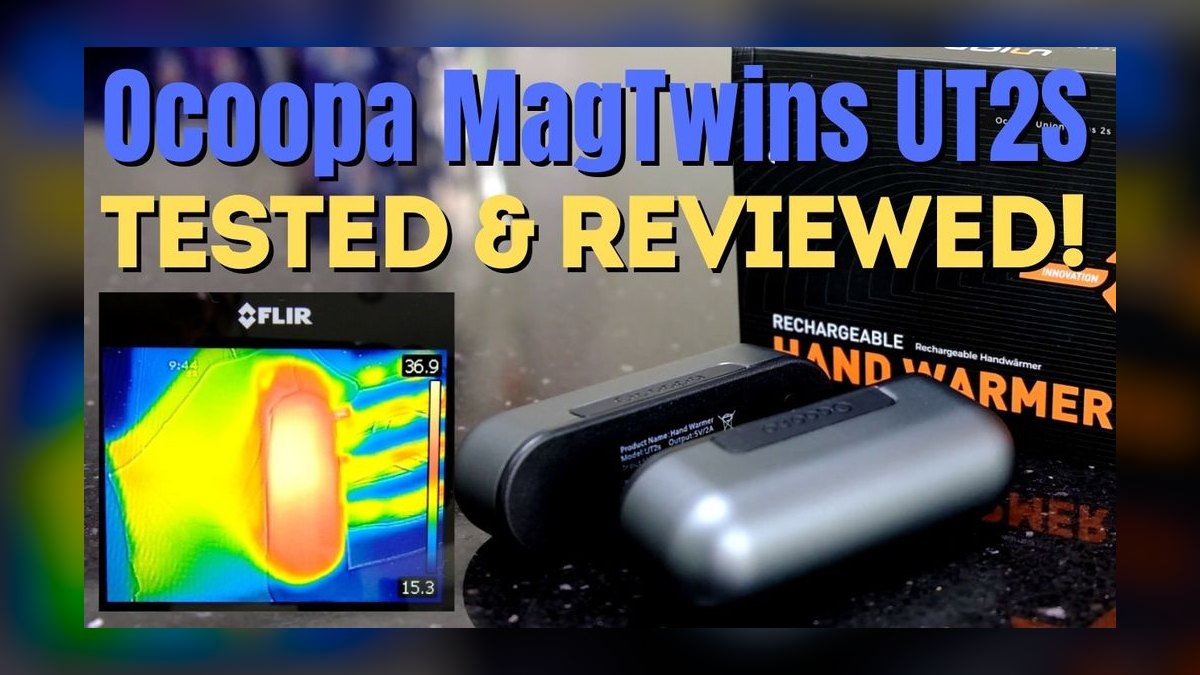
The 10 best rechargeable hand warmers are ranked below on measured performance, build quality, price, and how each one actually holds up in daily use rather than how it reads on a spec sheet. Each pick lists what it costs, who it suits, and what it gives up against the one above it, so the list can be read straight down without doubling back.
1. Ocoopa UT2s MagTwins
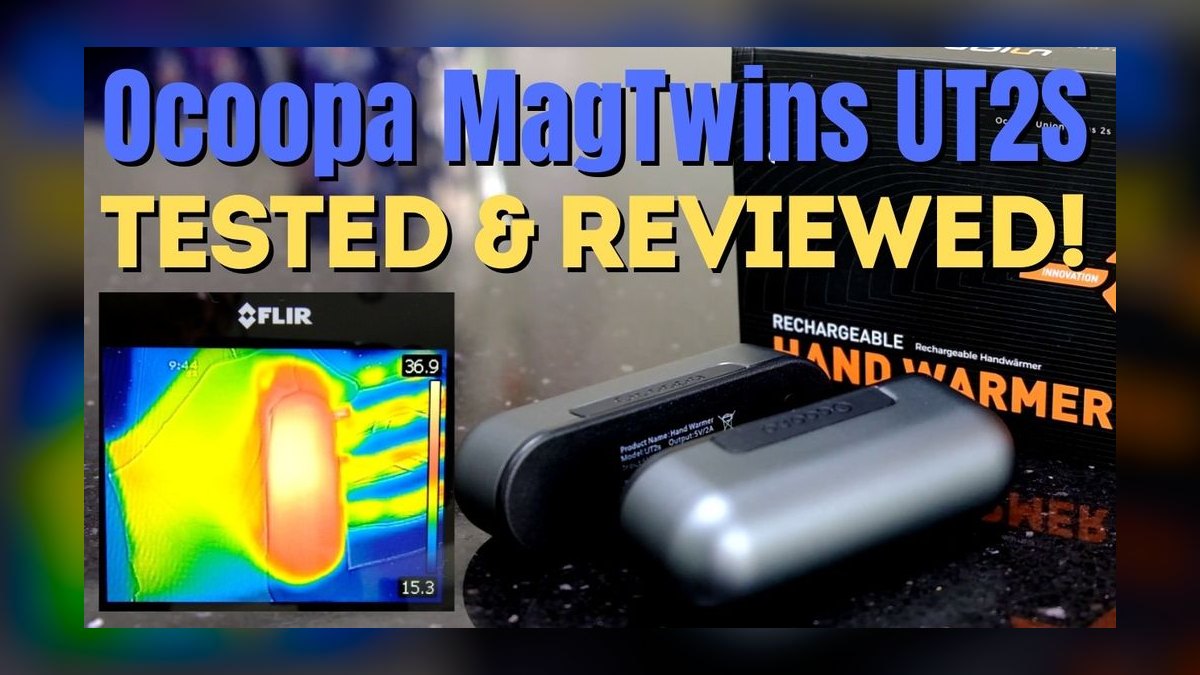
It ranks first because $74.78 buys two independent 5,000mAh warmers that snap into one 10,000mAh brick, the most versatile design here. Four heat levels run from 104°F to 145°F, the highest ceiling on this list, with a 3-second rapid heat release. The brushed-aluminum unibody housing heats on both sides and holds temperature. Ocoopa rates it above 8 hours on low, and the pair charges two phones at once over USB-C.
Buy this if you want both hands warm and a real dual-device power bank in one purchase — commuters, hunters, golfers, and anyone splitting warmers with a partner. The trade is weight and cost: roughly three-quarters of a pound for the pair, the heaviest and priciest pick here. The Zippo HeatBank 9s Plus below costs $15 less and offers finer six-step control, but it is a single unit that warms only one hand.
2. Zippo HeatBank 9s Plus
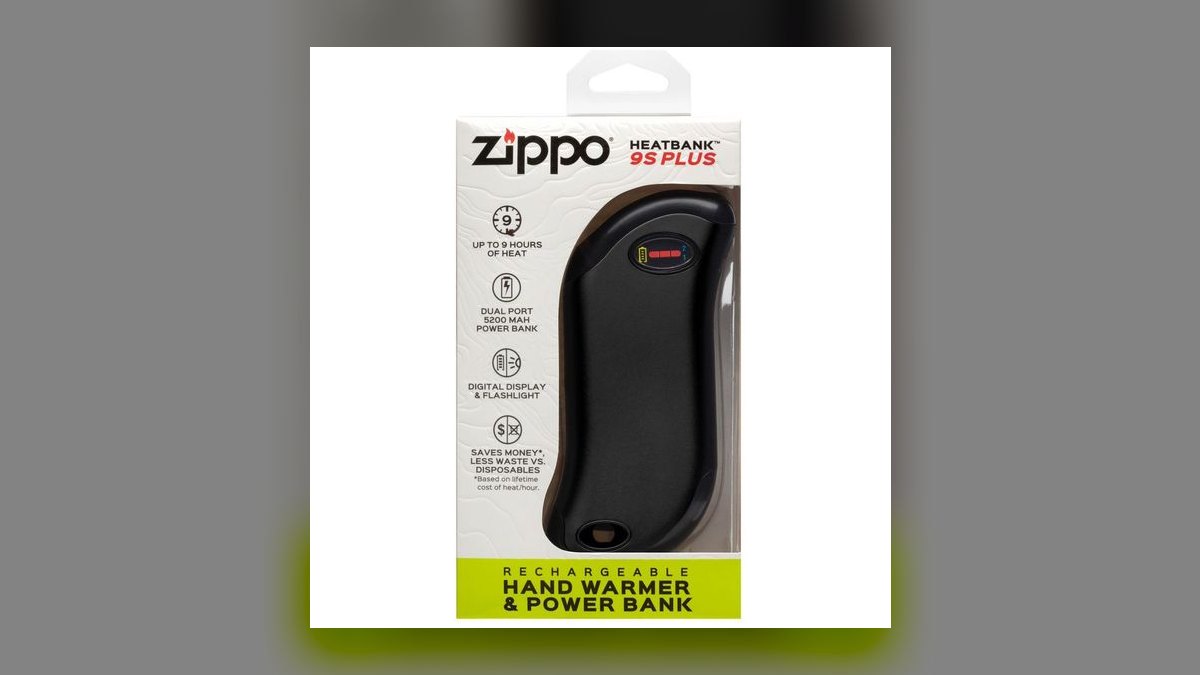
Second place goes to the most granular heat control on the list: six discrete settings against a dual-sided surface reaching 120°F. A 5,200mAh lithium-ion cell is rated for up to 9 hours of run time, and the "Plus" designation means it charges two USB devices simultaneously. It measures 4.88 x 2.38 x 0.95 inches at about 0.35 lb, coat-pocket sized. Zippo backs it with a one-year warranty.
This suits buyers who want an established brand and warranty support rather than the highest spec sheet. Six steps let you drop to a low setting on milder days and stretch the battery well past what a two-level unit manages. What it gives up against the MagTwins above is the split design — one unit, one hand — and 5,200mAh is mid-pack capacity next to the 10,000mAh flagships here.
3. Ocoopa Union 5s
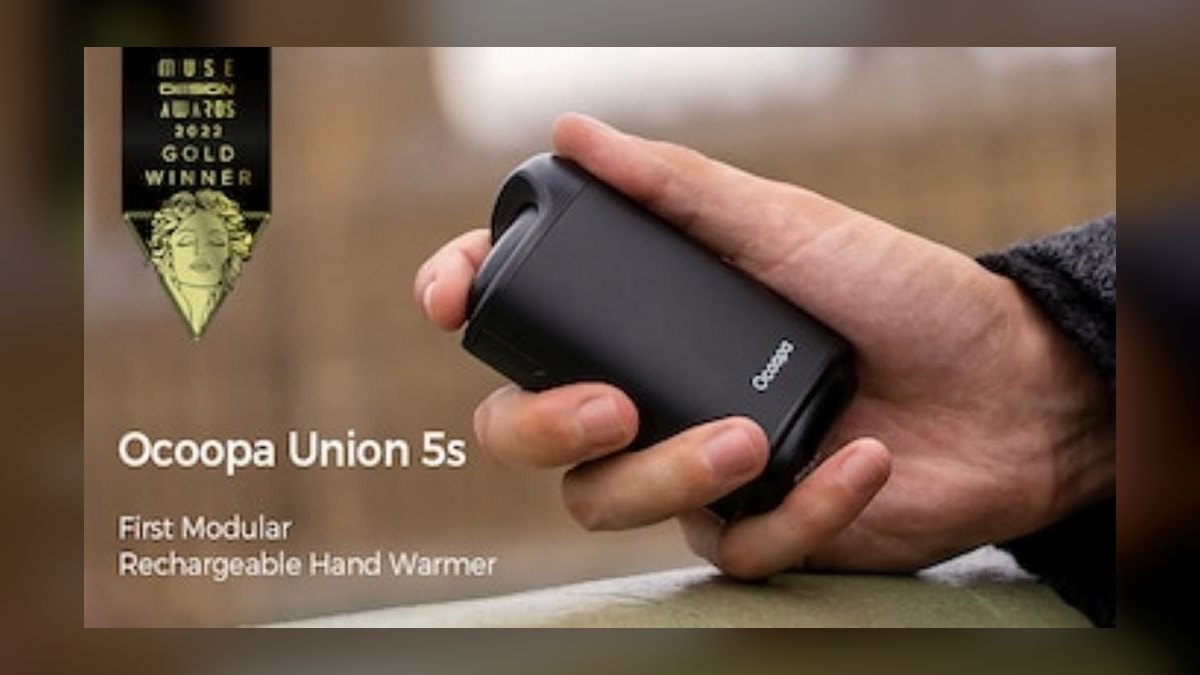
It ranks third for longevity in two senses: up to 15 hours of heat per charge, and a modular build that separates into a 10,000mAh Union power-bank core and a heating case. Four levels cover low through max, and a unibody brushed-aluminum casing delivers a heat surface 30% larger than earlier Ocoopa models. Because the core and shell detach, you can replace a worn battery or heating case instead of the whole $49.99 device.
This is for heavy seasonal users — ice fishing, long outdoor shifts — who resent replacing gear when a battery fades after a few winters. Carried without the heating shell, it works as a plain 10,000mAh charger year-round. The trade against the Zippo above is heat granularity and single-hand coverage; the modular shell also adds bulk that a slim pocket warmer avoids.
4. Ocoopa UT3 Pro
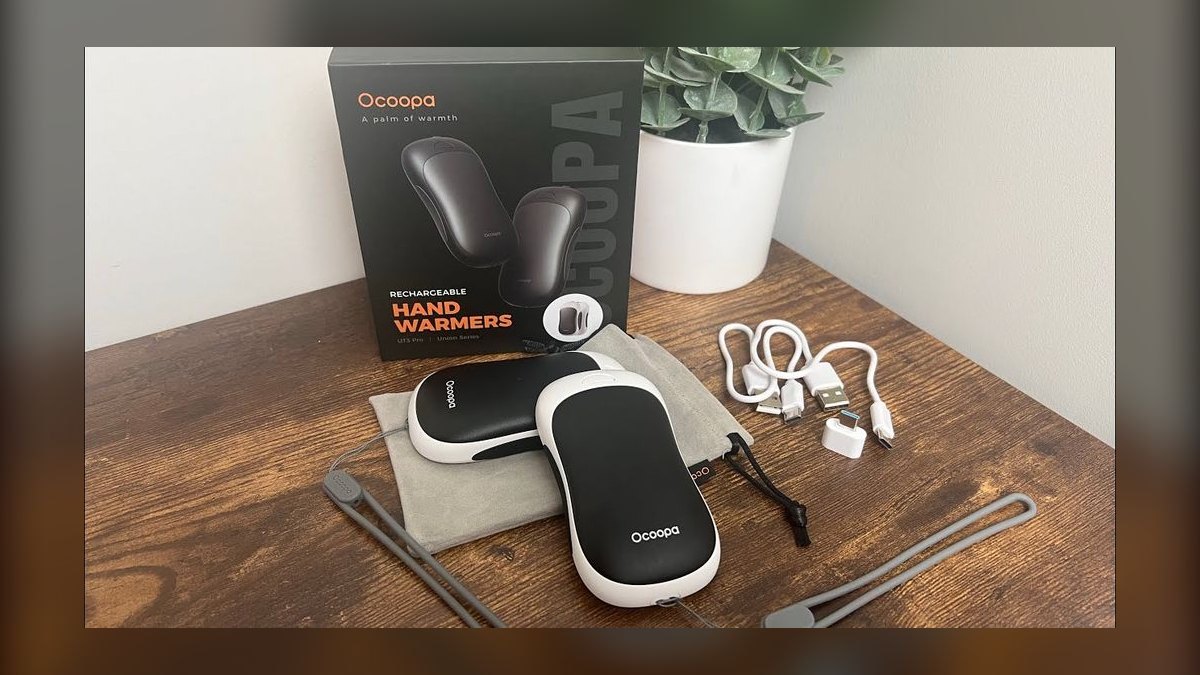
Fourth place reflects near-flagship endurance: roughly 12 hours of heat from 10,000mAh total capacity across a magnetic double-sided pair. Four levels top out at 136°F, and smart temperature regulation holds output steady rather than spiking, which matters against bare skin. The warming surface is larger than the Lite models below, and it recharges over USB-C while doubling as a backup phone battery at $45.99.
Golfers and hunters gain most here — long static hours in cold with steady, sensor-managed warmth rather than a hot peak you cannot hold. It sits below the Union 5s because its battery is not swappable and its run time is three hours shorter. Against the MagTwins, the split-charging trick is less central to the design, and it is bulkier than ultralight pocket models.
5. Ocoopa UT3 Lite
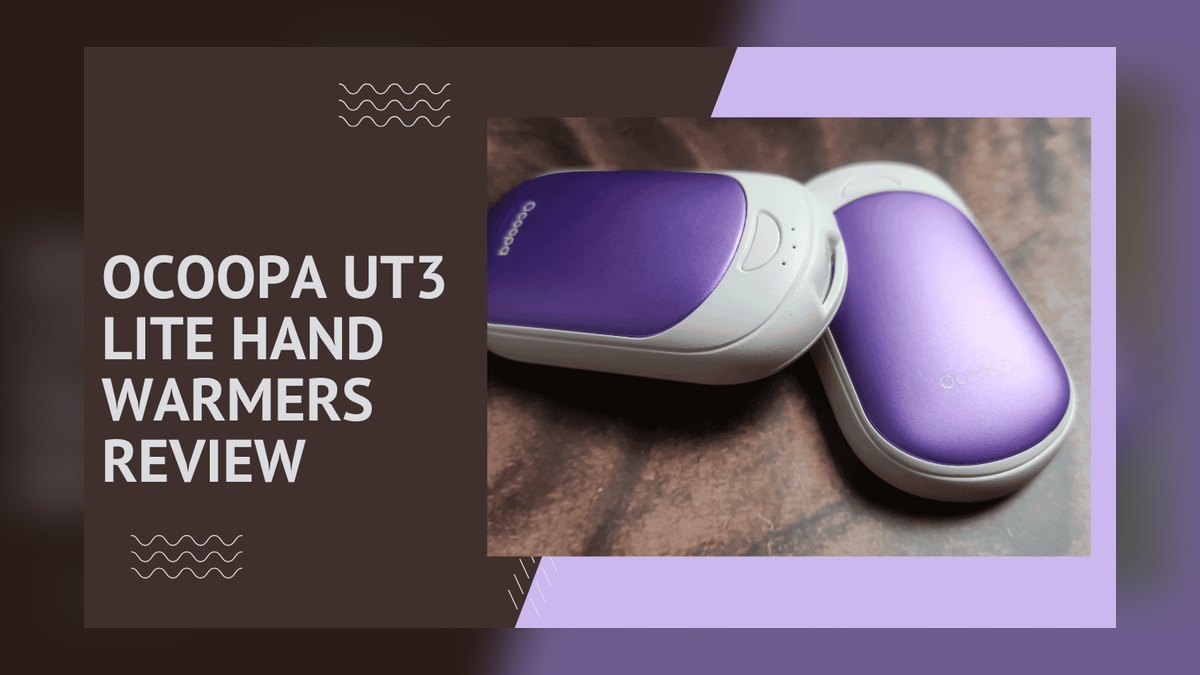
Best Value at $26.99 because it is a genuine two-warmer pair for under thirty dollars, and Wirecutter named it to its best hand warmers guide. It heats in about 5 seconds across three levels, and Wirecutter measured roughly 5 hours 20 minutes of warmth per charge. Each unit is under 2cm thick and weighs 65 grams — the pair is about 40% lighter than an iPhone. One smart cable charges both units.
This is the pick for budget buyers who still refuse to warm only one hand, and for anyone who abandons bulkier warmers in a drawer. The trade is capacity: run time falls well short of the 10,000mAh models above, and power-bank output is limited next to the flagships. Compared with the UT3 Pro, you lose about seven hours of heat but save $19.
6. Human Creations EnergyFlux Ellipse
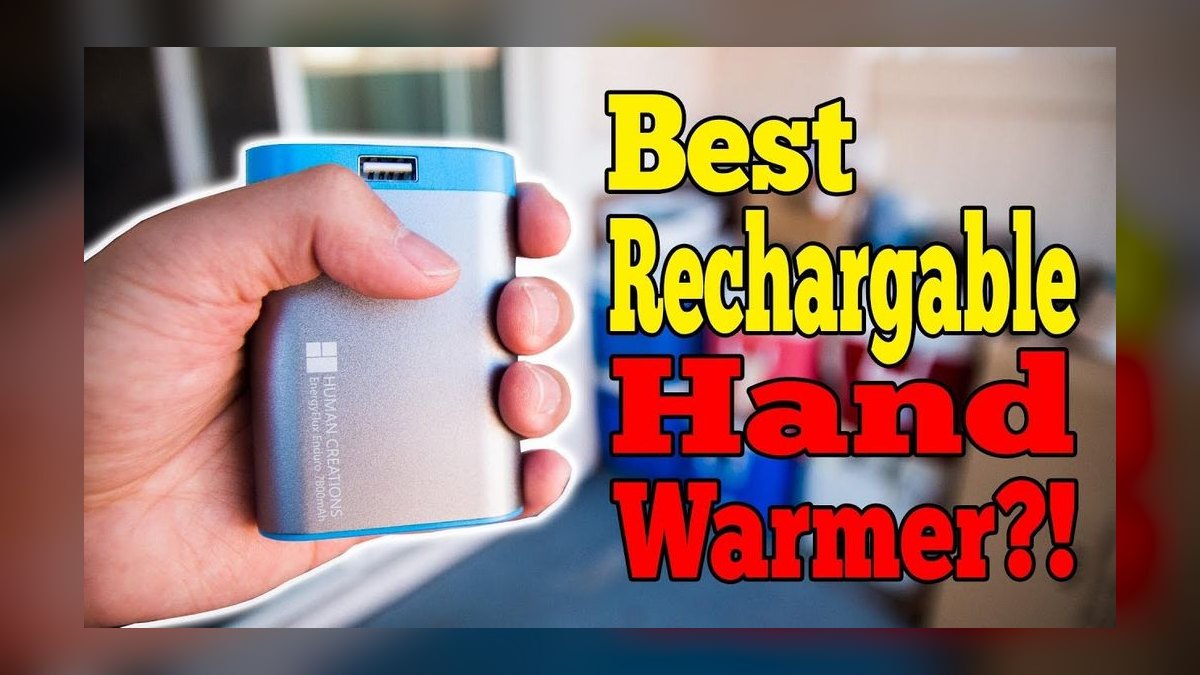
Sixth for gentleness rather than raw output: 107°F for about 6.5 hours or 118°F for about 5 hours, from a 5,200mAh cell rated near 500 recharge cycles. It warms on both sides through a wrap-around shape measuring 3.46 x 2.5 x 0.98 inches at just under 7 ounces, and doubles as a 2-in-1 USB power bank. It is a longtime Wirecutter favorite and carries a Raynaud's Association recommendation at $20.99.
People with Raynaud's or sensitive circulation should look here first — the low mode gives steady warmth without the overheating that hotter units risk. One button runs everything. The cost is flexibility: only two heat levels and a modest 118°F ceiling, well under the 136–145°F Ocoopa models above. It is also chunkier and rounder than slim pocket warmers.
7. Ocoopa UT5 Nano
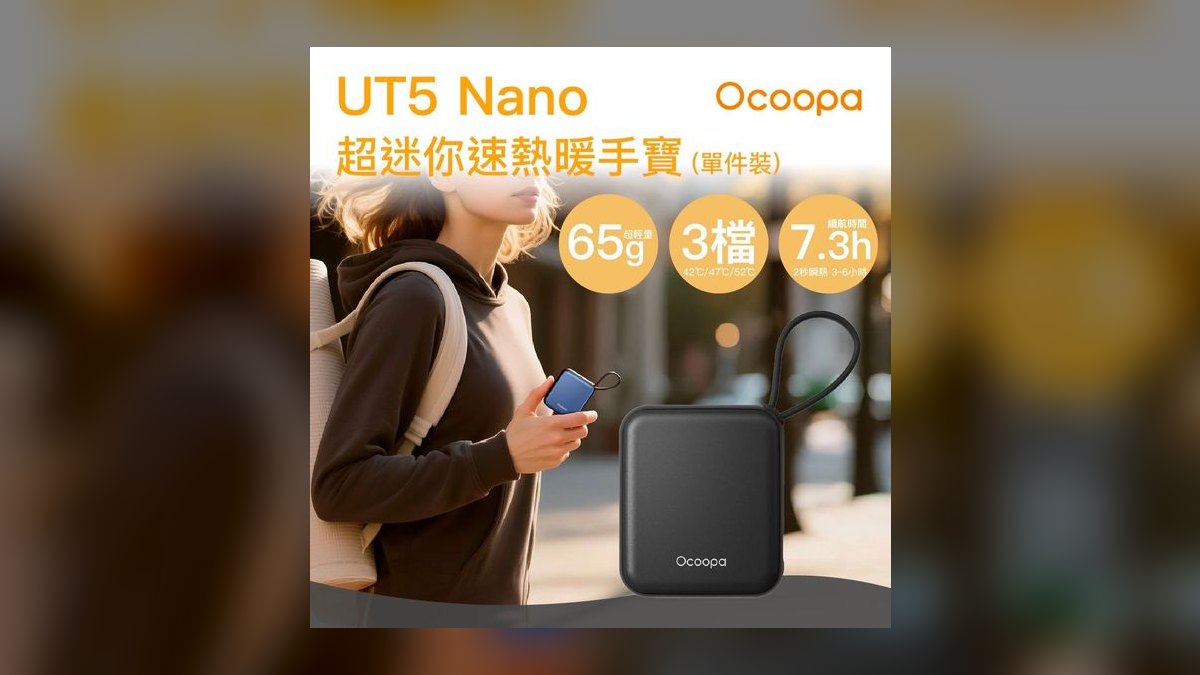
It ranks seventh as the smallest useful warmer here — smaller than a palm, lighter than a tube of lipstick — yet it still reaches 125°F in seconds. Smart thermal control caps overheating and the unit carries UL safety certification. Sold as a pair at $24.99, each warmer delivers roughly 7 hours of dual-side warmth. The point is that it fits inside a glove, a small purse, or a jeans coin pocket.
Minimalist carriers benefit most: this is the warmer you keep on you rather than leave at home because it is bulky. The trade is surface area — a tiny body warms a smaller patch of hand than the EnergyFlux Ellipse above, and power-bank output at this size is not meaningfully useful. Choose the Ellipse instead if broad, gentle palm coverage matters more than pocketability.
8. Celestron Elements FireCel Mega 6
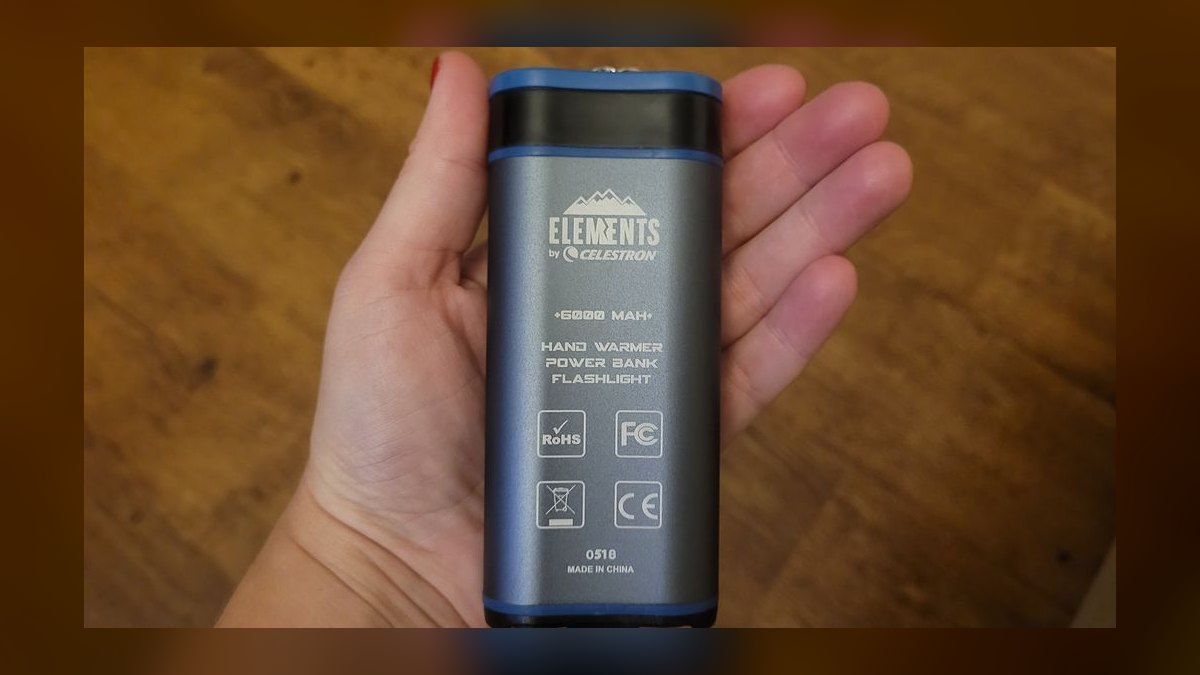
Eighth because it is a rugged 3-in-1 rather than a dedicated warmer: hand warmer, 4-mode LED flashlight, and 6,000mAh power bank for $49.95. Heat runs up to 8 hours at temperatures reaching 114°F, and the battery charges phones, tablets, and action cameras over USB. The ergonomic ruggedized body is built to survive being knocked around inside a pack, which is why it appears on camping and astronomy gear lists.
Campers and stargazers get real value from the flashlight and grippy shell on a trail at night. The compromises are clear: heating is single-sided, and the 114°F ceiling falls below the dedicated Ocoopa and Zippo units above. If you want warmth alone, the UT5 Nano at half the price warms both sides; buy the Mega 6 when the extra tools earn their weight.
9. Celestron Elements FireCel Plus
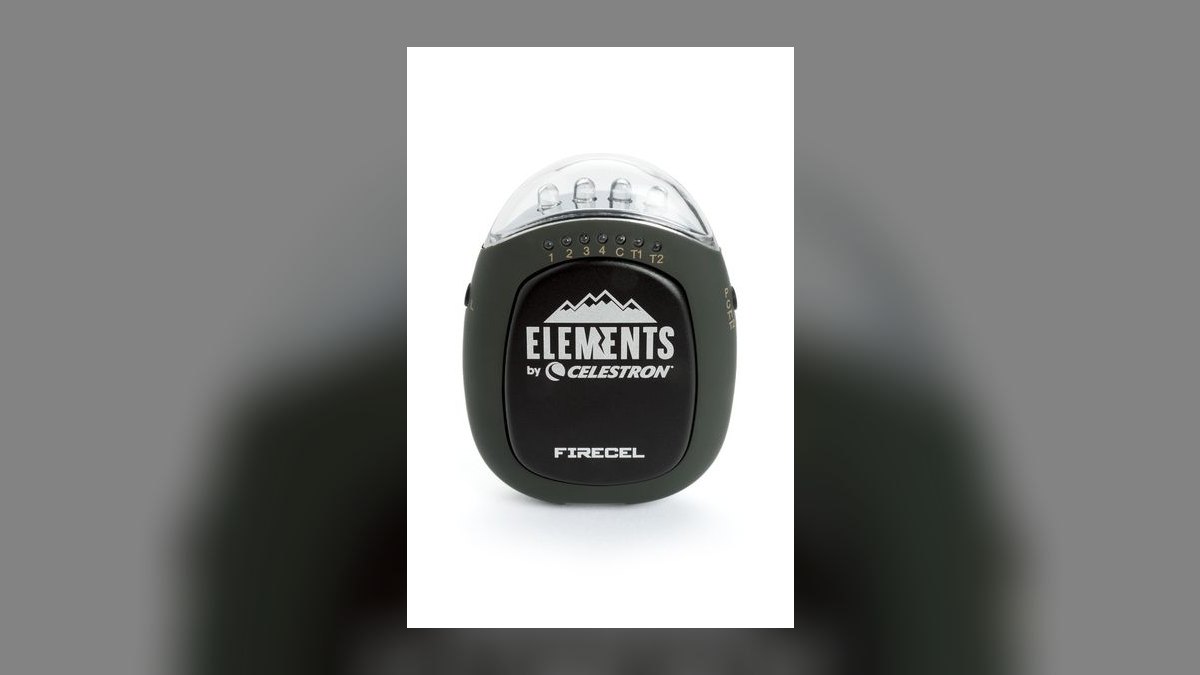
Ninth as the run-time specialist: a 5,200mAh 3-in-1 that heats one side for up to 12 hours, or both sides for about 6 hours, at 104–113°F. It includes a white or red LED flashlight, with red preserving night vision, and functions as a USB power bank for topping off a phone. At $39.95 it is $10 cheaper than the Mega 6 while lasting longer in single-side mode.
Ice fishing, night photography, and other long static sessions suit it best — set one side and stop thinking about recharging. It trades heat for endurance: 113°F is the lowest ceiling on this list and will underwhelm in deep cold. Versus the Mega 6 above, you gain hours and a red-light mode but lose the larger 6,000mAh battery and the four-mode flashlight.
10. Milwaukee M12 Heated Hand Warmer
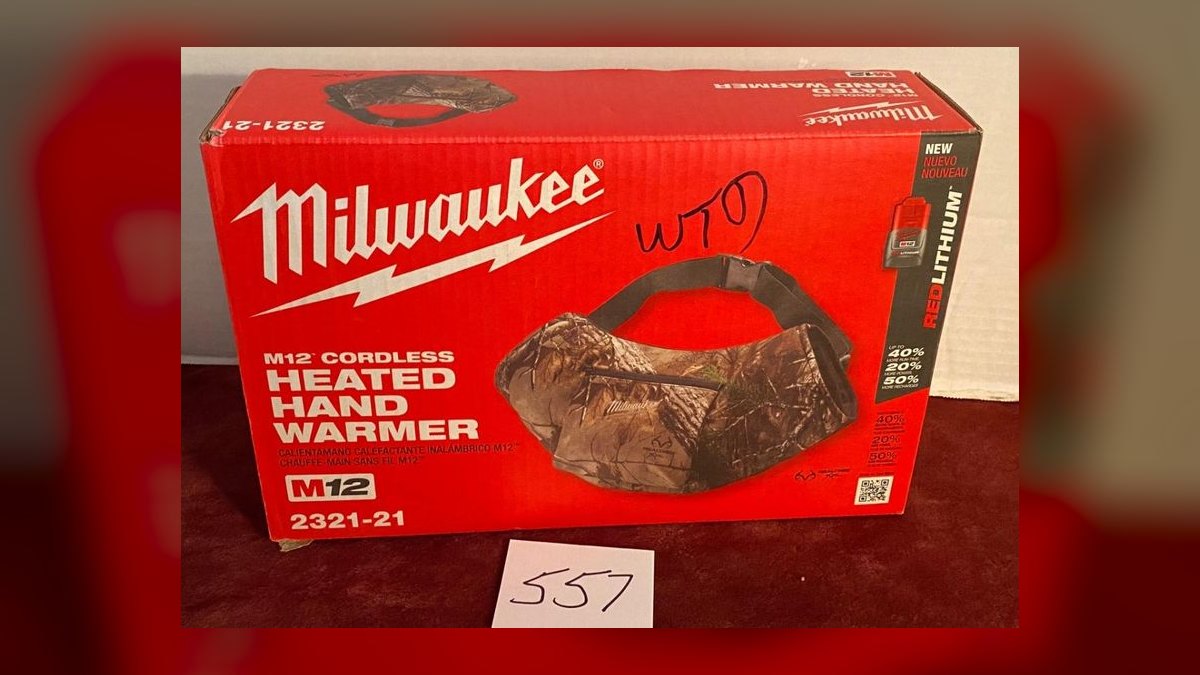
It ranks tenth because it is a jobsite tool, not a pocket warmer: $59.00 buys the unit only, with the M12 REDLITHIUM battery and charger sold separately. Carbon-fiber heating elements sit between a wind- and water-resistant exterior and a thermal fleece liner, and it runs up to 6 hours on an M12 compact battery. Build quality exceeds every consumer warmer here.
Trades pros who already own M12 batteries are the entire audience — for anyone else, buying into the platform makes this the most expensive pick by far. It also skips the USB power-bank doubling that nearly every consumer warmer above offers, and you hold it rather than cupping a slim two-sided body. For a commute, the FireCel Plus above costs less and lasts twice as long.
How we ranked these
Rankings weighted six measurable things: heat output and whether both faces warm (25%), rated run time against battery capacity in mAh (20%), USB power-bank output and how many devices it feeds (15%), number of discrete heat levels and evenness of warmth (15%), build quality, size and auto-shutoff safety certification (15%), and price-to-performance (10%).
Every spec was cross-checked against manufacturer pages and hands-on testing from Wirecutter, Outdoor Life, GearJunkie, CNN Underscored and Popular Mechanics.
Deliberately ignored: headline peak temperature as a standalone bragging point, since almost nobody holds a warmer at max for an hour. Also ignored were Amazon star averages without volume behind them, single-use chemical packet comparisons, novelty colorways, marketing claims about "AI" heating with no published temperature curve, and any product that could not be verified as currently shipping with a real, checkable price in 2027.
What to look for
The decision that actually matters is one warmer or two. A single 5,200mAh unit warms one hand; you swap pockets and the other hand stays cold. A pair like the UT3 Lite at $26.99 or the UT2s MagTwins solves that outright. Second: match capacity to your day. 5,000mAh covers a commute or a round of golf. 10,000mAh covers a full hunt, a ski day, or a jobsite shift with charge left for your phone.
The mistake most buyers make is shopping the maximum temperature number. A 145°F ceiling sounds decisive, but it is uncomfortable against bare skin and drains the battery fastest, so you will live on medium regardless. Buy for sustained mid-level run time, double-sided heating surface, and USB-C charging instead. The second mistake is ignoring auto-shutoff and UL certification on cheap unbranded listings.
Related questions
Are rechargeable hand warmers cheaper than disposable chemical packets?
Over a season, yes. A $27 pair of UT3 Lite warmers replaces roughly 100 single-use packets at typical drugstore pricing, and the batteries are rated for hundreds of recharge cycles. The EnergyFlux Ellipse is rated for about 500 recharges. Disposables win only on weight and on multi-day trips with no power source available.
Do hand warmers work inside gloves or mittens?
Only the small ones. The Ocoopa UT5 Nano is smaller than a palm and thin enough to sit inside a glove or mitten without cramping your fingers. Larger 10,000mAh bricks like the UT2s MagTwins or Union 5s are too thick and are meant for coat pockets, where you cup them between tasks instead.
What is the difference between the Zippo HeatBank 9s and the 9s Plus?
The Plus designation refers to the power-bank capability. The 9s Plus charges up to two USB devices simultaneously from its 5,200mAh battery, so it can top off a phone and earbuds at once. Both share the dual-sided heating to 120°F, six heat settings, and Zippo's one-year warranty on the unit.
Why does the Milwaukee M12 warmer cost more than the price listed?
The $59.00 figure is the bare-tool kit price for the warmer itself. Milwaukee sells it on the M12 platform, so you supply a REDLITHIUM M12 battery and charger separately. That is fine if you already own M12 tools, and expensive if this would be your first Milwaukee purchase. Run time is up to six hours per compact battery.
Can you use a rechargeable hand warmer while it is charging?
Most models do not heat and charge simultaneously, and manufacturers generally discourage it because it stresses the cell and generates heat at both ends. The modular Ocoopa Union 5s sidesteps this by letting you swap the 10,000mAh core, so a spare core means continuous warmth without waiting on a charging cycle.
Which pick is best for night use outdoors?
The Celestron Elements FireCel Plus, because its flashlight has a red LED mode that preserves night vision, and single-side heating stretches run time to about 12 hours for static activities like ice fishing or astrophotography. The FireCel Mega 6 is the brighter four-mode alternative if you want more usable light and a 6,000mAh bank.
Do these warmers need USB-C or will an older micro-USB cable work?
The current Ocoopa lineup, including the UT2s MagTwins, UT3 Pro and UT3 Lite, charges over USB-C. USB-C recharges faster and is more universal in 2027. Older stock and some legacy units still use micro-USB. The UT3 Lite ships with a single smart cable that charges both units of the pair at once.
How hot is too hot for direct skin contact?
The 104°F to 120°F band is comfortable for extended direct contact and covers the EnergyFlux Ellipse, FireCel line, and Zippo's ceiling. Above roughly 130°F, including the 136°F and 145°F Ocoopa top settings, you want a pouch, glove liner, or intermittent contact rather than a continuous grip against bare skin.
FAQ
How long do rechargeable hand warmers actually last on a charge?
Expect roughly five to eight hours from a single 5,000 to 5,200mAh unit at a usable heat level. Models with 10,000mAh capacity, like the Ocoopa Union 5s at up to 15 hours or the UT3 Pro at about 12, run considerably longer. The highest heat setting cuts every one of these figures substantially.
Can a hand warmer really charge my phone?
Yes. The Zippo HeatBank 9s Plus, Ocoopa UT2s MagTwins, Union 5s and the Celestron FireCel line all include USB output and function as genuine power banks. A 10,000mAh warmer refills most phones once or more. The UT2s splits into two 5,000mAh halves, so it can charge two separate phones simultaneously.
Are rechargeable hand warmers safe for people with Raynaud's?
They are a common recommendation. The Human Creations EnergyFlux Ellipse carries a Raynaud's Association recommendation and offers gentle two-sided heat at 107°F for about 6.5 hours. Steady low heat matters more than a high ceiling for sensitive circulation. Check with your physician about your own condition before relying on any device for symptom management.
What does double-sided heating actually change?
A double-sided warmer heats both faces of the device, so a cupped palm receives warmth from the front and back at once rather than from one surface. Most Ocoopa models and the Zippo HeatBank use this design. The Celestron FireCel Mega 6 and the Milwaukee M12 warm one side, which feels noticeably less enveloping in deep cold.
Which hand warmer is the best value on this list?
The Ocoopa UT3 Lite at $26.99. It is a genuine two-unit pair, Wirecutter named it to its best hand warmers guide, and Wirecutter's testing measured about five hours and 20 minutes of warmth per charge. Each unit weighs 65 grams and sits under 2cm thick, with three heat levels and a five-second heat-up.
Do the batteries wear out, and can they be replaced?
Lithium cells degrade with cycles. The EnergyFlux Ellipse is rated for roughly 500 recharges. Most warmers are sealed, so a dead battery means a dead device. The Ocoopa Union 5s is the exception: its 10,000mAh core and heating shell separate, so you replace the worn component rather than the entire unit.
Is a hand warmer allowed in carry-on luggage on a flight?
Lithium-ion power banks and warmers must travel in carry-on, never checked baggage, under standard airline rules. All picks here sit well under the 100Wh threshold that requires airline approval. Confirm current policy with your carrier before flying, since rules on lithium batteries have tightened in recent years.
What is the difference between the Ocoopa UT3 Pro and the UT2s MagTwins?
Both are magnetic double-sided pairs with 10,000mAh total capacity and four heat levels. The UT3 Pro tops out at 136°F with smart temperature regulation for steadier warmth over roughly 12 hours. The UT2s reaches 145°F and splits into two independent 5,000mAh units that charge two phones, which is why it takes Best Overall.
How many heat levels do I actually need?
Three is enough for most people. The Zippo HeatBank 9s Plus offers six, which helps you stretch run time on milder days, and the Ocoopa flagships offer four. Two-level units like the EnergyFlux Ellipse are simpler but force a coarser trade between temperature and hours. You will spend most of your time on the middle setting.
Should I buy a warmer that doubles as a flashlight?
Only if you camp, hunt, or observe at night. The Celestron FireCel Mega 6 adds a four-mode LED and a rugged shell for $49.95, and the FireCel Plus adds a red night-vision LED. For a commute or a dog walk, that hardware is dead weight, and your phone already has a light.
Sources
- https://www.nytimes.com/wirecutter/reviews/best-hand-warmers/
- https://www.outdoorlife.com/gear/best-hand-warmers/
- https://gearjunkie.com/winter/best-hand-warmers
- https://www.popularmechanics.com/technology/gear/g42402270/best-hand-warmers/
- https://www.zippo.com/products/heatbank-9s-plus-rechargeable-hand-warmer
- https://www.ocoopa.com/
- https://www.celestron.com/products/firecel-mega-6
- https://www.milwaukeetool.com/Products/Tools/Gear-and-Equipment/2322-21
- https://www.raynauds.org/
- https://www.faa.gov/hazmat/packsafe/lithium-batteries
Related on PULSE
- [More rechargeable hand warmers rankings and buying guides](/knowledge)
- [PULSE Tools and calculators](/tools)
- [Everything on PULSE RevOps](/)
 pulse-reviewsHow much does Electronics cost in 2027?
 pulse-reviewsHow much does a DJI Avata 2 cost in 2027?
 pulse-reviewsWhat should you know before investing in Electronics in 2027?
 pulse-reviewsWhat are the most common mistakes in Electronics in 2027?
 pulse-reviewsTop 10 best Electronics options in 2027
 pulse-reviewsHow do you get started with Electronics in 2027?
 pulse-reviewsTop 10 Electronics strategies for 2027
 pulse-aquariumsTop 10 Canister Filters 2027
 aqTop 10 Hang-On-Back Aquarium Filters 2027
 pulse-reviewsTop 10 Cabin Cruiser Boats 2027