


What should you budget for a fitness tracker in 2027?
Quality
Certified

For a fitness tracker in 2027, budget $120–$180 for the device itself, plus $0–$130 per year if you opt into a subscription. Entry bands run $30–$80, mid-range $100–$200, premium smartwatches $300–$900. Add 15–25% for straps, cables, and accessories, and treat the three-year total — not the sticker price — as your real budget.
The outcome you should expect
The realistic outcome of buying a fitness tracker in 2027 is not a single line item. It is a three-year cost of ownership that most buyers underestimate by 40–60% because they only price the hardware and ignore everything that follows it. A $100 band paired with a $10/month companion plan costs roughly $460 over three years — more than four times the sticker price. That is the number to budget against, and it is the number most product pages will never show you.
Here is what each spending tier actually delivers, based on how the market has segmented across recent product cycles. Under $50, you get an accelerometer-based step counter, an optical heart-rate sensor of variable quality, basic sleep staging, and phone-tethered GPS — meaning your phone does the satellite work and the band just reads the trace. Battery life is often the standout feature at this tier, with 7 to 14 days common because the display is small, monochrome, or absent entirely. What you give up is sensor accuracy under load, reliable wrist-based blood-oxygen readings, and any meaningful training-load analysis.
Between $100 and $200, the meaningful upgrade is built-in GPS. This matters more than people expect: it decouples the tracker from the phone, which is the difference between running with a six-ounce phone strapped to your arm and running with nothing at all. This tier also typically brings a color AMOLED display, improved GNSS, on-device workout detection, and the first genuinely useful recovery scores. Battery drops to 3–7 days with GPS used sparingly, or 8–20 hours of continuous GPS tracking.
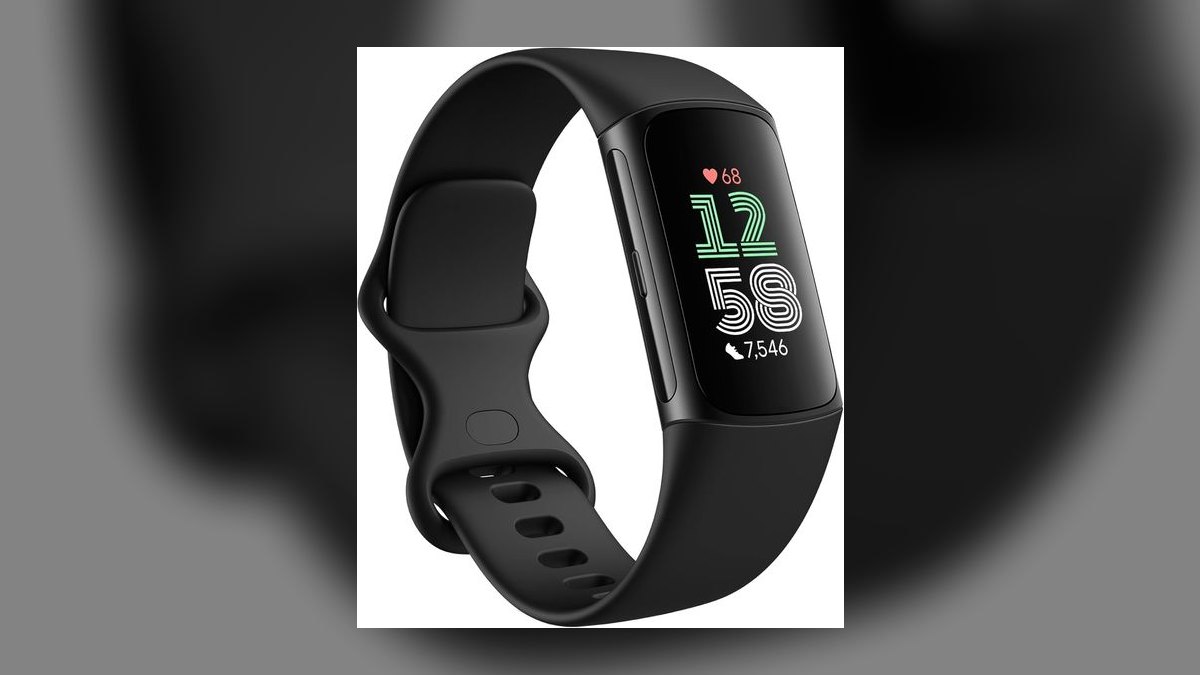
Above $300, you are buying one of two different products that happen to share a price band: a multisport watch with long GPS battery, mapping, structured workout support, and dive or ski modes, or a general-purpose smartwatch that tracks fitness well and adds apps, payments, cellular, and ECG-class sensors. Budgeting $300 for "a fitness tracker" without deciding which of those two you want is the single most common way people overspend. The features overlap enough to look comparable on a spec sheet and diverge sharply in daily use.
The other outcome to expect is a functional lifespan of roughly two to four years, bounded not by the sensor but by the battery and the software support window. Lithium cells in wearables degrade to about 80% of original capacity after 300–500 full charge cycles. A tracker charged twice a week hits that threshold in three to five years; one charged daily hits it in about eighteen months. Plan replacement accordingly, and treat the annualized figure — total spend divided by expected years — as the honest budget number.
What drives that outcome
Five variables move your total cost far more than the model name does. Understanding which of them apply to you is how you land on a defensible number instead of a guess, and how you avoid paying for capability you will never use.
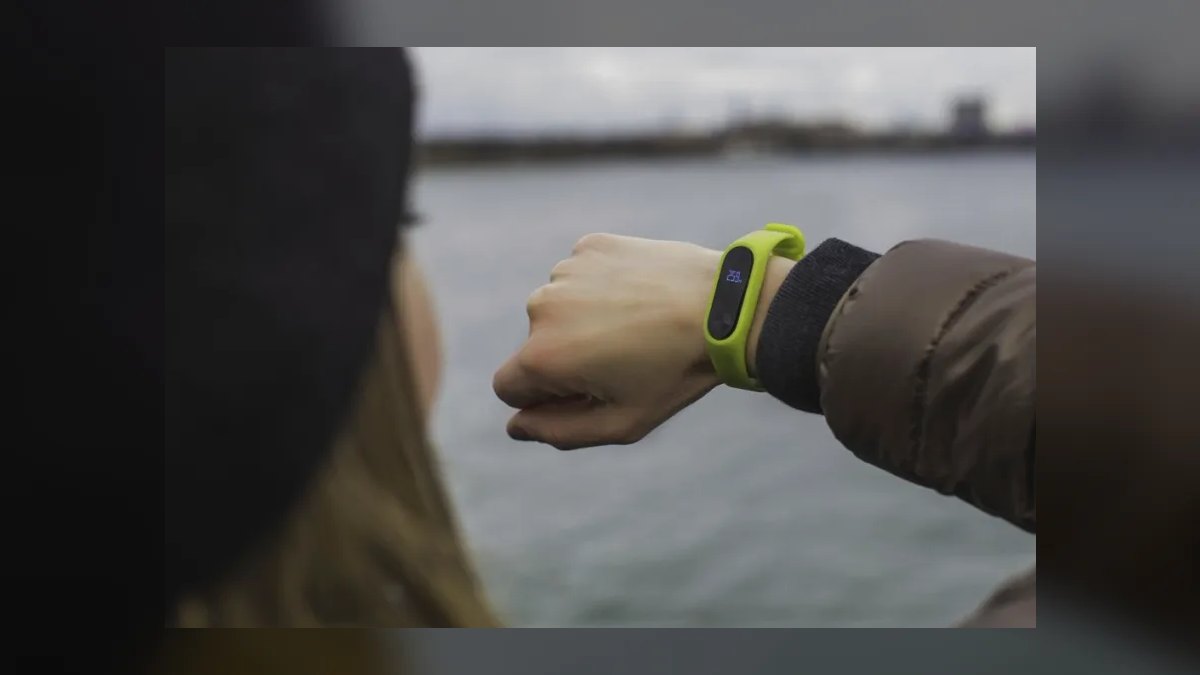
Sensor stack. Every additional sensor adds cost and drains battery. A three-axis accelerometer is nearly free. Adding a photoplethysmography (PPG) heart-rate array adds real cost and constant power draw. Adding SpO2, skin temperature, electrodermal activity, or an ECG electrode each adds another increment plus regulatory overhead for medical-adjacent claims. If you do not intend to act on blood-oxygen or temperature data, you are paying for silicon you will read once and forget.
GNSS. Phone-tethered GPS costs the manufacturer nothing. Single-band on-device GNSS adds moderate cost. Dual-frequency (L1+L5) multi-band GNSS — which materially improves accuracy in cities and under tree cover — sits near the top of the price ladder. If your training is on a treadmill or in a gym, GNSS is pure waste, and paying for it inflates your budget for no return.
Display. A monochrome OLED or an e-ink strip costs little and sips power. A full color AMOLED with an always-on mode is one of the biggest single drivers of both price and daily battery drain. Always-on display typically cuts runtime by 40–60%, which shortens the replacement horizon and raises annualized cost.
Subscription model. This is the variable that separates a $120 purchase from a $500 three-year commitment. Some vendors ship every analytic feature on the device with no recurring fee. Others gate advanced sleep analysis, readiness scoring, trend history beyond a rolling window, and coaching behind a monthly plan. A third pattern — increasingly common — is a hardware-plus-mandatory-subscription model where the ring or band is functionally inert without an active plan. Check this before you check anything else, because it can triple your budget.

Build materials and water rating. Aluminum versus stainless versus titanium changes price by $100–$250 for identical internals. Water resistance ratings matter if you swim: 5 ATM is the practical floor for pool laps; anything rated only IP68 is splash-and-shower, not swim.
Benchmarks and realistic ranges
Use these ranges as planning anchors. They reflect where the market has settled across recent generations, and they hold up as long as you treat them as bands rather than quotes. Every figure below is a range, not a promise, and regional pricing, sales timing, and carrier bundles will move the edges.
Entry band — $30 to $80. Step count, continuous optical heart rate, sleep duration and rough staging, notifications, connected GPS. Battery 7–14 days. Best fit: someone who wants a step and sleep baseline and will not train by heart-rate zones. Realistic three-year total with a strap replacement: $60–$120.
Mid band — $100 to $200. Built-in GNSS, color display, workout auto-detect, VO2-max estimate, recovery or readiness scoring, 5 ATM water rating. Battery 4–8 days typical use. Best fit: recreational runner or cyclist who trains outdoors two to five times a week. Realistic three-year total: $150–$280 without a subscription; $400–$580 with a $10/month plan.
Upper-mid band — $200 to $350. Multi-band GNSS, longer GPS battery (20–40 hours), structured workout execution, some mapping, better sleep sensors. Best fit: half-marathon-and-up training, triathlon entry, or anyone who wants a device that lasts four years rather than two. Realistic three-year total: $260–$430.

Premium band — $400 to $900. Full mapping, 40–100+ hours of GPS runtime, solar charging on some models, titanium or sapphire construction, cellular on smartwatch variants. Best fit: ultra distance, expedition use, or people replacing a phone-plus-watch combination. Realistic three-year total: $450–$1,000, plus cellular service if you activate it.
Smart ring category — $250 to $450 hardware, frequently plus $6–$10/month. Rings trade workout tracking for sleep and recovery fidelity and all-day comfort. They typically do not do GPS or on-wrist workout metrics well. If you want both, you are budgeting for two devices, not one.
Recurring costs to line-item. Subscription: $0, or $60–$130/year. Replacement bands: $10–$40 each, and most people buy one or two. Charging cable replacement: $10–$25, and proprietary cables are a real annoyance — check whether the device charges over USB-C or a magnetic puck you will lose. Screen protector or bumper: $8–$20. Chest strap, if you want an accuracy reference for interval work: $50–$100, and it will outlast three trackers.
Timing the purchase. Wearable pricing follows a predictable annual rhythm. New flagships land in the second half of the year; the previous generation drops 25–40% within weeks of the successor's announcement and again during late-November sales. If you are not chasing a specific new sensor, buying one generation back at the post-announcement discount is the single highest-leverage budget move available — often a $200 device for $120–$140 with functionally identical day-to-day capability.
A defensible default. For most people asking this question, $120–$180 buys a device that will not feel limiting within a year, does not require a subscription, and lasts three years. That works out to roughly $4–$5 per month of ownership. Anchor there and adjust up only for a specific, named requirement.
Risks, edge cases, and failure modes

The subscription trap. The most expensive mistake is buying hardware at a discount that only functions with an active plan. A $199 device with a mandatory $9.99/month plan costs $558 over three years — more than a $400 subscription-free watch. Before you buy anything, find out exactly what stops working if you cancel: does the device keep recording, does the app still show today's data, does your history remain exportable? "The hardware keeps working but the app shows nothing" is functionally the same as bricked.
Optical heart rate under load. Wrist PPG is reliable at rest and during steady-state effort. It degrades badly during high-intensity intervals, weightlifting with wrist flexion, and cold-weather starts when peripheral blood flow is low. Cadence lock — where the sensor reports your step rate instead of your heart rate — is a well-documented failure mode. If your training is interval-heavy, budget for a chest strap regardless of what the wrist device costs, and do not pay a premium for a "better" wrist sensor expecting it to solve this.
Skin tone and tattoo interference. PPG accuracy varies with how much green light the skin absorbs and reflects. Darker skin tones and wrist tattoos can reduce signal quality. This is a physics limitation, not a brand problem, and no price tier fully fixes it. If it affects you, the chest strap line item moves from optional to essential — which changes your budget by $50–$100 and may argue for spending less on the wrist device.
Software support windows. A tracker's useful life often ends when the vendor stops shipping app updates and a phone OS upgrade breaks pairing. Support windows of three to five years from launch are typical for established vendors and considerably shorter for low-cost entrants. Buying a two-year-old device at 40% off can mean buying into the last year of support. Check the vendor's stated support policy, not the release date alone.

Battery degradation math. A device you charge nightly runs through roughly 365 cycles a year and will show noticeably reduced runtime in 12–18 months. A device you charge weekly takes four times as long to reach the same state. This is why battery life is a budget variable, not just a convenience one — a 10-day battery is not merely nicer, it stretches the replacement horizon and lowers annualized cost.
Data lock-in. Check export before you buy. If your history lives only inside one vendor's cloud in a proprietary format, switching devices later means starting your baseline over. Devices that export standard formats or sync to a neutral platform preserve years of trend data across a hardware change — which is worth real money the second time you buy.
Health claims and expectations. Consumer wearables are wellness devices, not diagnostic instruments, except for the specific features that have been cleared by regulators. Estimated calorie burn in particular carries wide error margins and should be treated as a relative trend indicator rather than an absolute number. Do not pay a premium for a metric you plan to make medical decisions on.
Warranty and accidental damage. Standard warranty is typically one to two years and covers defects, not the cracked screen from a doorframe. Extended plans run $20–$60 and rarely pay off on a sub-$150 device — self-insure at that price. On a $600 watch worn in contact sports or open water, the math changes and the plan can be worth it.
Fit and abandonment. The highest-cost failure is the tracker you stop wearing. Comfort, band material, and whether you tolerate it during sleep matter more to realized value than any spec. If you have never worn one continuously, start at the low end deliberately, prove the habit for 60 days, then upgrade with real information about what you actually use.
A practical rollout plan

Work through this in order rather than starting from a product you saw. It takes about an hour and reliably saves $100–$300.
Step one — write down the three metrics you will actually act on. Not the ones that sound useful. If the honest list is "steps, sleep duration, resting heart rate," you are an entry-band buyer and anything above $100 is discretionary. If it includes "pace per kilometer without carrying a phone" or "training load across a build cycle," you are mid-band or above.
Step two — decide the phone question. Will you carry your phone on every outdoor workout? If yes, connected GPS is adequate and you save $60–$100. If no, built-in GNSS is non-negotiable and sets your floor around $100.
Step three — check the subscription terms in writing. Find the vendor's own support page describing what a lapsed plan removes. Multiply the monthly fee by 36 and add it to the hardware price. That is your real number. Compare devices on that number, never on sticker price.
Step four — set the annualized ceiling. Decide what this is worth per month to you — $3, $5, $10 — and multiply by 36. That is your total three-year envelope including subscription, straps, and one cable. Working backward from a monthly figure produces far more disciplined decisions than staring at price tags.

Step five — shortlist three devices inside the envelope, one generation back. Include at least one device from the tier below your target. The one-generation-back discount is where the value is.
Step six — verify the practical specs. Water rating (5 ATM if you swim), charging connector (USB-C beats a proprietary puck), strap standard (a standard quick-release pin width means $12 straps instead of $40 first-party ones), and export format.
Step seven — buy in a return window and wear it for 14 days including sleep. Confirm comfort, confirm the app is tolerable, confirm the battery matches the claim under your usage. Return it if any of those fail — the sunk-cost version of this decision is how people end up with a drawer of trackers.
Step eight — set a replacement reminder at 30 months. Check battery runtime against the original spec and the vendor's support status. Start watching for discounts then rather than buying in a panic when the device dies.
Related questions
Is a subscription-based tracker ever worth it?
Sometimes — if the analysis genuinely changes your training and the hardware is subsidized enough to offset the fee. Do the 36-month math explicitly. If a subscription-free competitor delivers the same three metrics you named in step one, the plan is not worth it.
How much should I spend if I only care about sleep?
$80–$150 for a comfortable band, or $250–$450 for a ring if all-night comfort is the deciding factor. Do not buy a large multisport watch primarily for sleep — the bulk defeats the purpose and you pay for GPS you never use.
Does a more expensive tracker measure heart rate more accurately?
Marginally, at rest and steady state. Under intervals or with wrist flexion, all optical wrist sensors degrade. A $60 chest strap outperforms a $600 watch's wrist sensor for interval accuracy, so buy the strap rather than upgrading the wrist device.
Should I buy last year's model?
Usually yes. A one-generation-old device typically sells for 25–40% less with near-identical daily capability. The exception is when the new generation adds a sensor you specifically need, or when the older model is near the end of its software support window.
What hidden costs should I plan for?
Replacement straps ($10–$40), a spare or replacement charging cable ($10–$25), a chest strap if you do intervals ($50–$100), and the subscription if one applies. Together these commonly add 15–25% to the hardware price over three years.
FAQ
What is a reasonable fitness tracker budget for 2027 if I have no strong requirements?
$120–$180 for the device, with no subscription, is the defensible default. That range gets built-in GPS, a color display, 5 ATM water resistance, and multi-day battery — a device that will not feel limiting within a year and should last around three. Annualized, that is roughly $4–$5 per month.
How do I calculate the true cost rather than the sticker price?

Take the hardware price, add the monthly subscription multiplied by 36, add one or two replacement straps at $10–$40 each, add a replacement cable at $10–$25, and add a chest strap at $50–$100 if you train by intervals. Divide the total by your expected years of ownership to get the annualized figure you should actually be comparing.
How long will a tracker last before I need to replace it?
Two to four years in practice. The battery is usually the limiting factor — lithium cells reach roughly 80% of original capacity after 300–500 full cycles, so a nightly-charged device degrades noticeably within 12–18 months while a weekly-charged one takes years. Software support windows are the other limit; check the vendor's stated policy before buying older stock.
Is built-in GPS worth the extra money?
Only if you exercise outdoors without carrying your phone. Built-in GNSS typically adds $60–$100 to the price and cuts battery life, and it is entirely wasted on treadmill and gym training. If you always have your phone anyway, connected GPS produces a comparable trace for free.
When during the year should I buy?
New flagships generally launch in the second half of the year, and the outgoing generation drops 25–40% within weeks of that announcement, with a second dip during late-November sales. Buying one generation back at that discount is the single largest budget saving available, often $60–$80 on a mid-range device.
Do I need a smart ring in addition to a wrist tracker?
Rarely. Rings excel at sleep and recovery and all-day comfort; wrist devices excel at workout metrics and GPS. Owning both means budgeting for two devices plus potentially two subscriptions. Pick the one that matches the three metrics you actually act on, and only add the second if a specific gap proves itself over months of use.
Sources
- https://www.consumerreports.org/health/fitness-trackers/
- https://www.nih.gov/news-events/nih-research-matters
- https://www.fda.gov/medical-devices/digital-health-center-excellence/general-wellness-policy-low-risk-devices
- https://www.ncbi.nlm.nih.gov/pmc/articles/PMC6413661/
- https://www.gps.gov/systems/gps/modernization/civilsignals/
- https://www.energy.gov/energysaver/articles/how-lithium-ion-batteries-work
- https://www.heart.org/en/healthy-living/fitness/fitness-basics/target-heart-rates
- https://www.cdc.gov/physical-activity-basics/guidelines/index.html
- https://www.who.int/news-room/fact-sheets/detail/physical-activity
Related on PULSE
- How much should you budget for a home gym setup?
- What should you expect to spend on running shoes each year?
- How do you evaluate a subscription-based hardware product?
- What is the real total cost of ownership for consumer electronics?
- How long should a consumer wearable last before replacement?
This page will be disappearing soon. Save it to your device for $1 — or read it free while it is here.
@Kory-White- · if Venmo asks, the last 4 of my number are 2012
This page is gone.
This one is off the shelf now. $1 keeps it on your phone for good — the whole page, pictures and diagrams included.
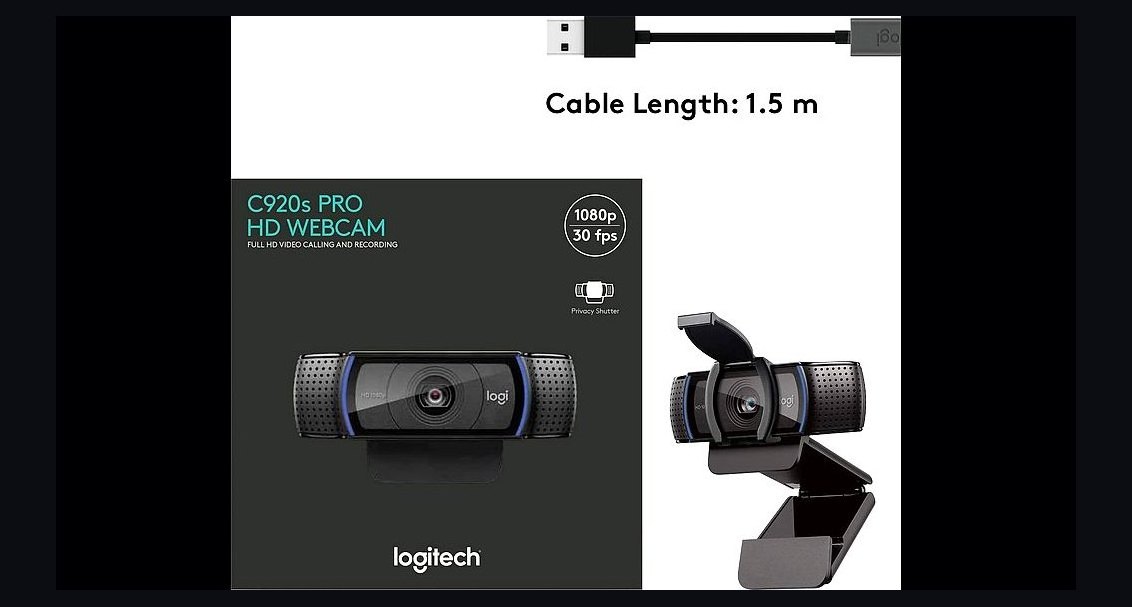 pulse-reviewsTop 10 1080p External Webcams for Sales Reps in 2027
 pulse-reviewsTop 10 Electric Snow Shovels — Best Overall + Best Value in 2027
 pulse-reviewsHow do I reduce echo in a home office for sales calls in 2027?
 pulse-reviewsTop 10 Shop Vacuums — Best Overall + Best Value in 2027
 pulse-reviewsTop 10 Hair Dryers — Best Overall + Best Value in 2027
 pulse-reviewsTop 10 USB-C Hubs for Sales Travel in 2027
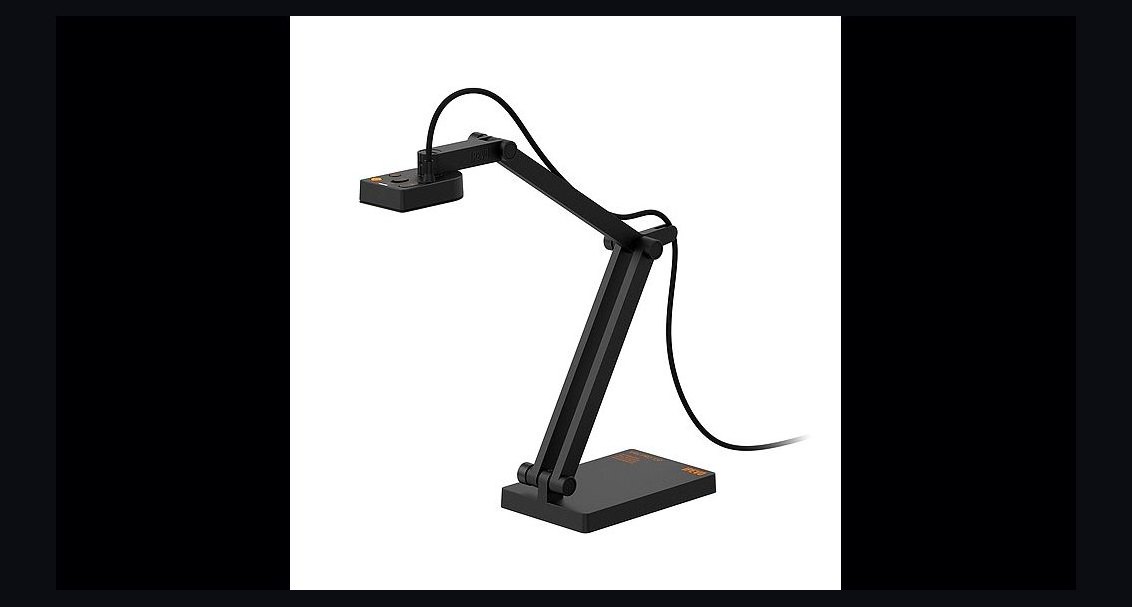 pulse-reviewsTop 10 Document Cameras for Remote Demo Recording in 2027
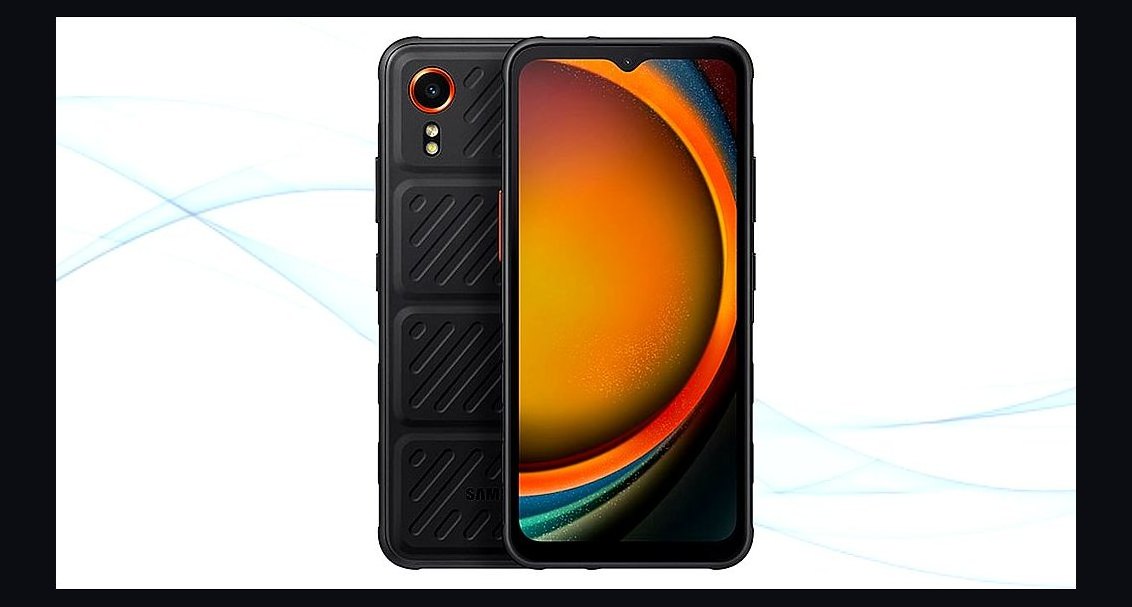 pulse-reviewsTop 10 Rugged Phones — Best Overall + Best Value in 2027
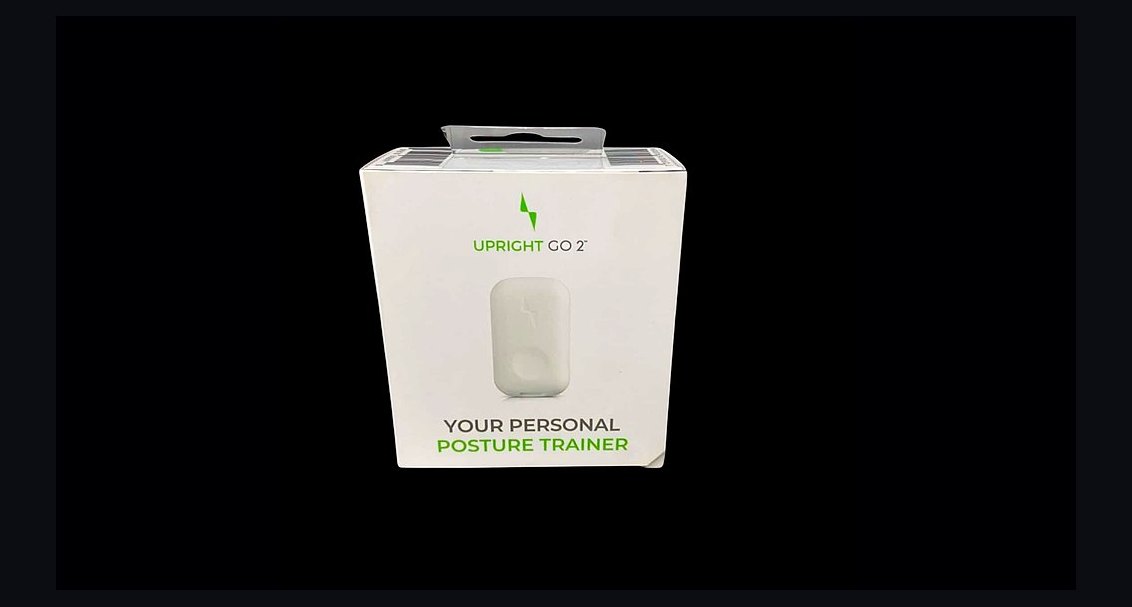 pulse-reviewsTop 10 Posture Correctors — Best Overall + Best Value in 2027
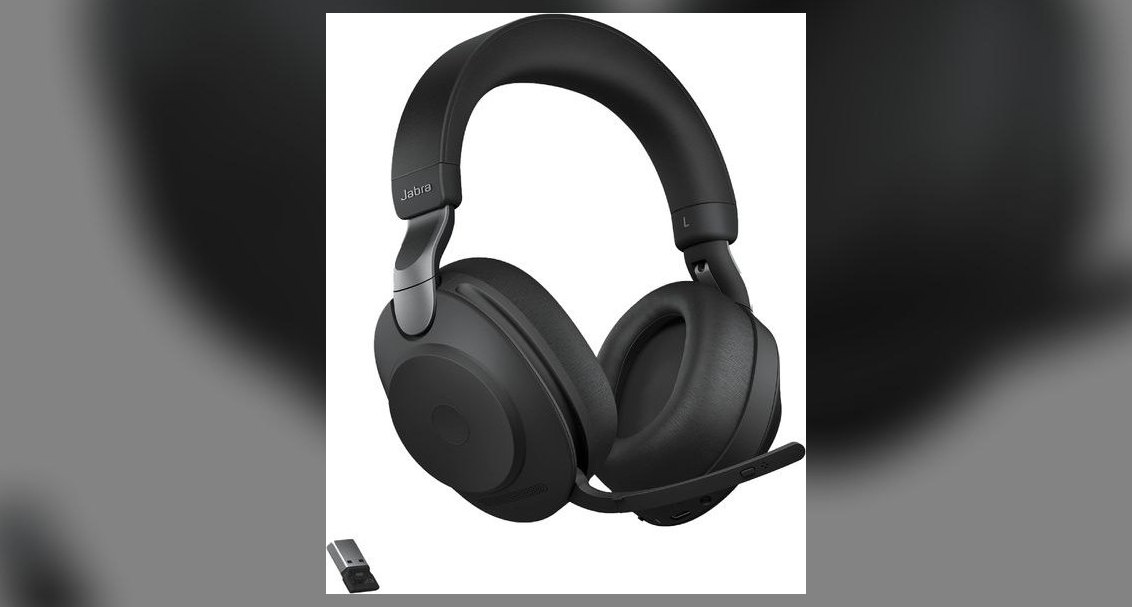 pulse-reviewsTop 10 Noise-Cancelling Headphones for Sales Reps on Phone Calls in 2027